

Neivamyrmex pseudops
- Scientific Name
- Neivamyrmex pseudops
- Subfamily
- Dorylinae
- Author
- Forel, 1909
- Distribution
- Found in 4 countries
Neivamyrmex pseudops Overview
Neivamyrmex pseudops is an ant species of the genus Neivamyrmex. It is primarily documented in 4 countries , including Argentina, Bolivia, Plurinational State of. Detailed taxonomic data and occurrence records can be further explored via authoritative databases such as AntWeb or the Global Biodiversity Information Facility (GBIF).
Neivamyrmex pseudops
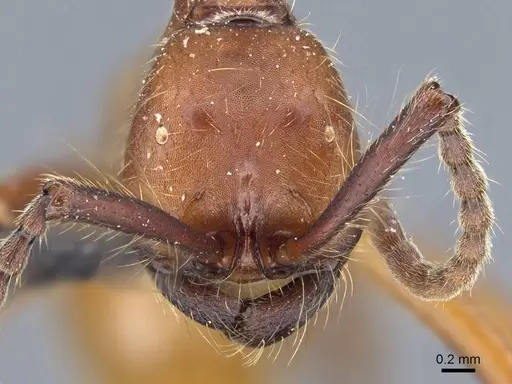
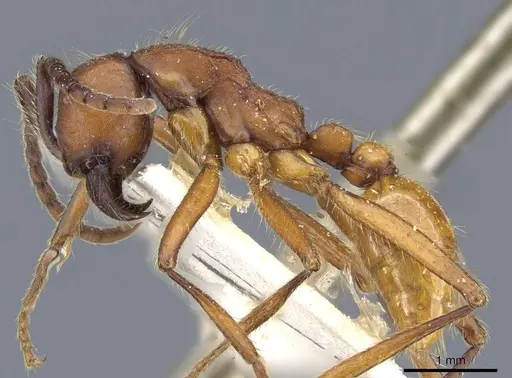
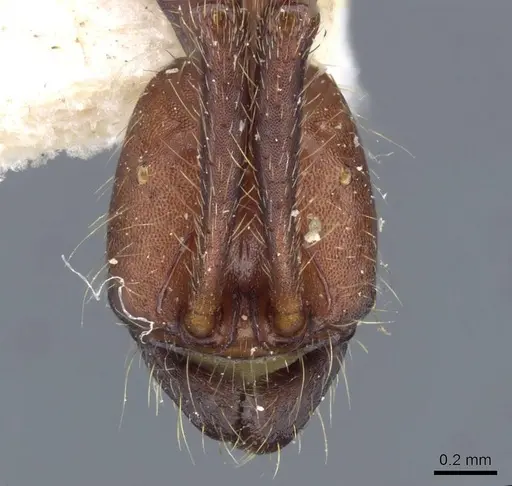
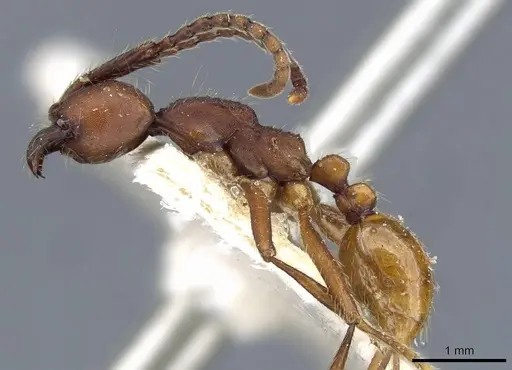
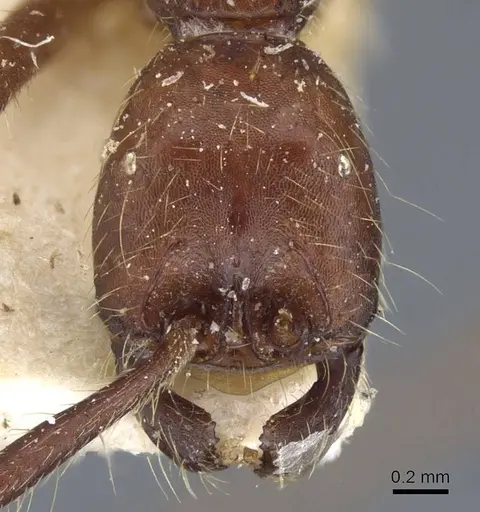
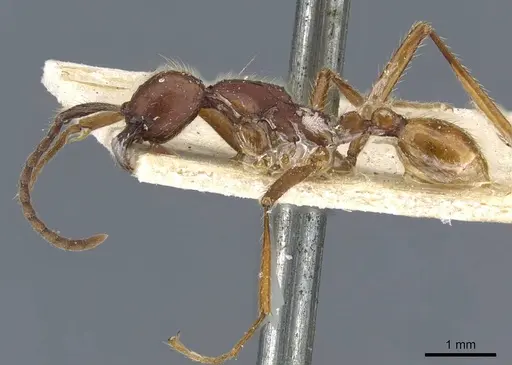
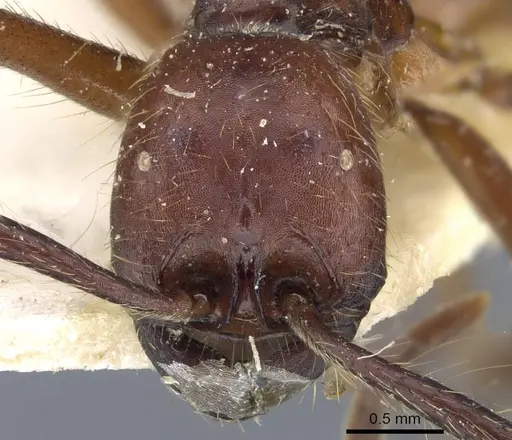
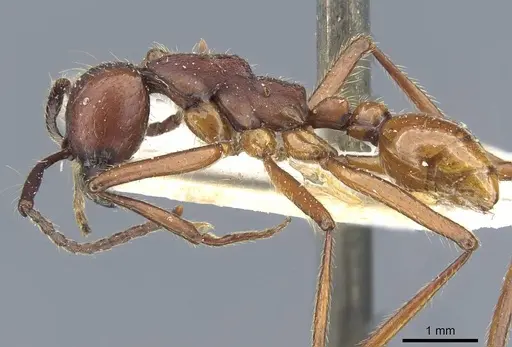
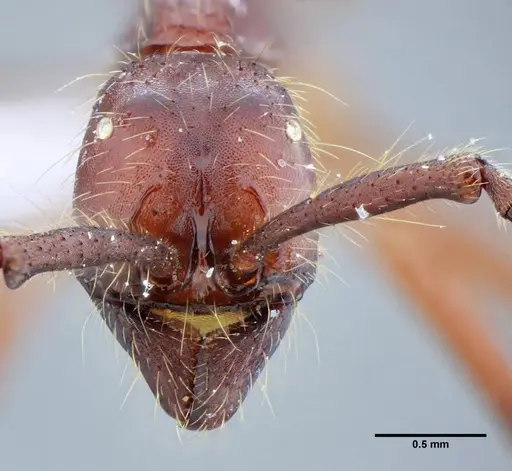
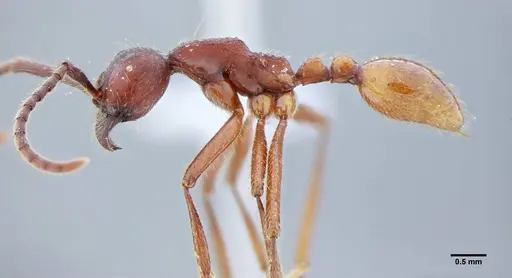
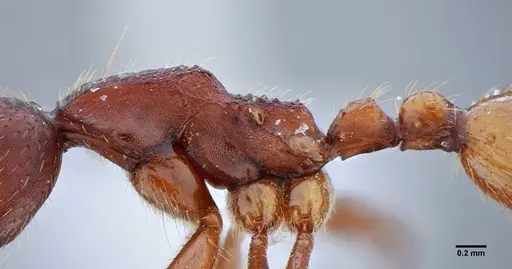
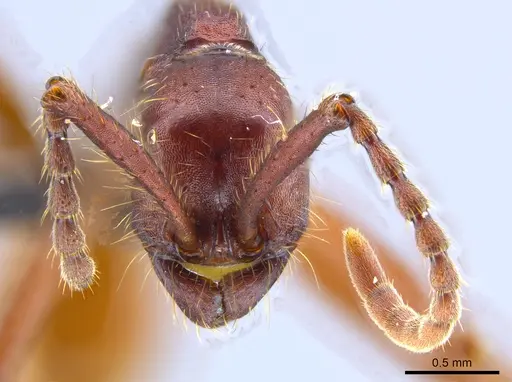
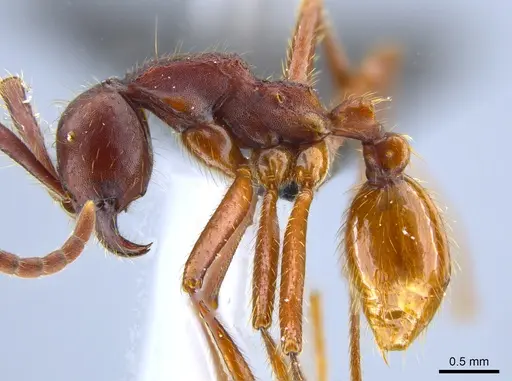
Neivamyrmex pseudops is a Neotropical army ant species native to South America, found across Argentina, Bolivia, Brazil, Ecuador, and Paraguay [1]. Workers are typical army ant morphology, moderately sized with a distinct waist and powerful mandibles for capturing prey. As a member of the Dorylinae subfamily, this species is a specialized predator that conducts raids on other ant colonies, particularly targeting Pseudomyrmex species [2][3]. Army ants are known for their nomadic lifestyle, constantly moving their colonies and establishing temporary bivouacs while foraging. This species is assigned to the Tropical Climate Specialists functional group, indicating it prefers warm, humid conditions typical of its native Neotropical range [4].
Quick Summary
- Difficulty: Expert
- Origin & Habitat: Neotropical South America, Argentina, Bolivia, Brazil, Ecuador, and Paraguay. Found in tropical and subtropical forest habitats [1].
- Colony Type: Likely polygyne (multiple queens) based on typical army ant colony structure, colonies contain multiple reproductive queens that synchronize egg-laying during raiding periods.
- Colony: Polygyne
- Size & Growth:
- Queen: Unconfirmed, army ant queens are typically large (12-20mm) but specific measurements for N. pseudops are not documented
- Worker: Unconfirmed, estimated 4-7mm based on genus [1]
- Colony: Large colonies typical of army ants, likely hundreds to thousands of workers
- Growth: Fast, army ant colonies grow rapidly when well-fed
- Development: Unconfirmed, estimated 3-5 weeks at tropical temperatures based on related Eciton species (Army ant development is typically rapid, with synchronized broods)
- Antkeeping:
- Temperature: Keep warm at 24-28°C, these are tropical ants that need consistent heat [4]
- Humidity: High humidity (70-80%), maintain moist substrate conditions typical of Neotropical forests
- Diapause: Unlikely, army ants in tropical regions do not enter true hibernation but may reduce activity during dry seasons
- Nesting: Require space to move and raid, a naturalistic setup with multiple chambers or a custom outworld system works best. Army ants bivouac rather than excavate nests.
- Behavior: Highly predatory and aggressive, these are obligate predators that raid other ant colonies, particularly Pseudomyrmex species [2][3]. They forage in swarms and can overwhelm colonies much larger than their own. Workers are active day and night during raids. Escape prevention is critical, they are excellent climbers and will exploit any gap. They do not excavate nests but form temporary bivouacs using their own bodies to protect the colony.
- Common Issues: specialized diet makes feeding challenging, requires regular access to live ant brood or insect prey, nomadic behavior means they constantly move, keeping them in a fixed formicarium is difficult, large colony size requires significant space and prey input, escape artists, will find any gap in setup, may not survive without consistent access to ant colonies as primary food source
Understanding Army Ant Biology
Neivamyrmex pseudops belongs to the Dorylinae subfamily, commonly known as army ants. Unlike most ant species that maintain permanent nests, army ants are nomadic, they move their entire colony every few days, establishing temporary bivouacs made from interlocking workers [5]. This species specializes in raiding other ant colonies, particularly Pseudomyrmex species, which are arboreal ants that nest in trees and shrubs [2][3]. This means N. pseudops must climb low vegetation or trees to reach their prey. Their raids can be spectacular, with hundreds or thousands of workers swarming to overwhelm defender colonies. The genus Neivamyrmex contains numerous army ant species across the Americas, all sharing this predatory, raiding lifestyle.
Housing and Setup
Keeping army ants in captivity presents unique challenges. They cannot be housed in traditional formicariums because of their nomadic nature, they will abandon fixed nests and cluster together as a living bivouac. The best approach is a large outworld with multiple chambers or containers connected by tubing, allowing the colony to move between areas. Provide a dark, humid space for the bivouac site (they prefer dark, enclosed spaces) and an open foraging area. Use a substrate that retains moisture well, as they need high humidity. Escape prevention is absolutely critical, army ants are excellent climbers and will escape through the tiniest gaps. Apply fluon to all rim edges and use tight-fitting lids. A setup with multiple connected containers gives the colony options to move as they would in the wild.
Feeding and Diet
This is the most challenging aspect of keeping N. pseudops. As specialized predators, they require live ant brood or insect prey as their primary food source. In the wild, they raid other ant colonies, particularly Pseudomyrmex species, and consume the brood and adults [2][3]. In captivity, you will need to provide regular access to ant colonies (such as feeder colonies of other species) or offer abundant live insects. They are unlikely to accept sugar water or honey, army ants are obligate predators. Offer live crickets, mealworms, and other insects, but understand that their primary evolutionary diet is other ants. Some keepers maintain feeder colonies specifically to provide raid targets. Feed every 2-3 days with enough prey to be consumed within 24 hours.
Temperature and Humidity
As a Neotropical species from tropical South America, N. pseudops requires warm, humid conditions. Maintain temperatures between 24-28°C (75-82°F), this mimics their native tropical forest habitat and supports their high metabolic activity [4]. Use a heating mat on one side of the setup to create a gradient, allowing the ants to choose their preferred temperature. Humidity should be high, around 70-80%, which can be achieved by keeping the substrate moist and using a water reservoir. Mist the enclosure regularly but avoid standing water. Army ants are active foragers that don't tolerate cool conditions well, temperatures below 20°C will reduce activity and may harm the colony.
Colony Structure and Reproduction
Army ant colonies are uniquely structured with multiple queens (polygyne) that synchronize their reproductive cycles [5]. Rather than a single queen producing all eggs, multiple queens lay eggs simultaneously during raiding periods, creating massive broods that support the colony's nomadic lifestyle. When a colony moves, the queens are carried by workers, they cannot walk efficiently themselves. New queens are produced during nuptial flights and will either start new colonies or join existing ones. The colony can contain from a few hundred to several thousand workers depending on age and food availability. Understanding this structure is important for keepers, as it explains why army ant colonies need so much food, multiple queens producing eggs simultaneously creates enormous brood demands.
Frequently Asked Questions
Can I keep Neivamyrmex pseudops in a test tube setup?
No, test tubes are completely unsuitable for this species. Army ants are nomadic and need to move their entire colony regularly. They form living bivouacs rather than excavating nests. You need a large naturalistic setup with multiple connected chambers where the colony can move freely.
What do Neivamyrmex pseudops eat?
They are specialized predators that primarily raid other ant colonies, particularly Pseudomyrmex species. In captivity, offer live ant brood from feeder colonies, live insects like crickets and mealworms, and other small invertebrates. They are unlikely to accept sugar water or honey.
Are Neivamyrmex pseudops good for beginners?
No, this species is rated Expert difficulty. Their specialized predatory diet, nomadic behavior, large space requirements, and escape tendencies make them unsuitable for beginners. They require significant knowledge of army ant biology and substantial time investment.
How long does it take for first workers to appear?
The exact development timeline is unconfirmed for this species, but based on related Eciton army ants, expect 3-5 weeks from egg to worker at optimal tropical temperatures (around 26°C). Army ant development is typically rapid to support their fast-paced lifestyle.
Do Neivamyrmex pseudops need hibernation?
No, as a Neotropical species from tropical South America, they do not require hibernation. However, they may reduce activity during dry seasons in the wild. In captivity, maintain consistent warm temperatures year-round.
Can I keep multiple queens together?
Yes, army ant colonies are naturally polygyne (multiple queens). However, introducing unrelated queens to an established colony is risky and may result in aggression. It is generally not recommended to combine unrelated foundresses.
Why are my Neivamyrmex pseudops dying?
Common causes include: insufficient prey (they need regular ant brood or live insects), temperatures too low (below 20°C), low humidity, escape through gaps in setup, or stress from being confined to a fixed space. Army ants are sensitive to habitat conditions and need proper setup to thrive.
When should I move them to a formicarium?
Never, traditional formicariums are inappropriate for army ants. They do not excavate nests but form bivouacs. Use a naturalistic setup with multiple connected chambers or containers that the colony can reorganize as they move.
How big do colonies get?
Army ant colonies can reach several thousand workers. N. pseudops likely forms large colonies typical of the genus, potentially hundreds to thousands of individuals. Large colonies require significant space and prey input.
References

This caresheet is licensed under CC BY-SA 4.0 .
CASENT0249503
View on AntWeb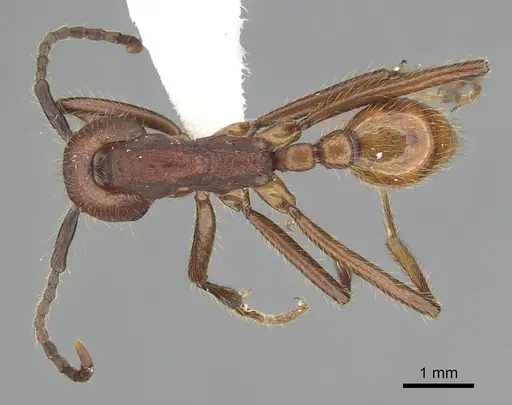
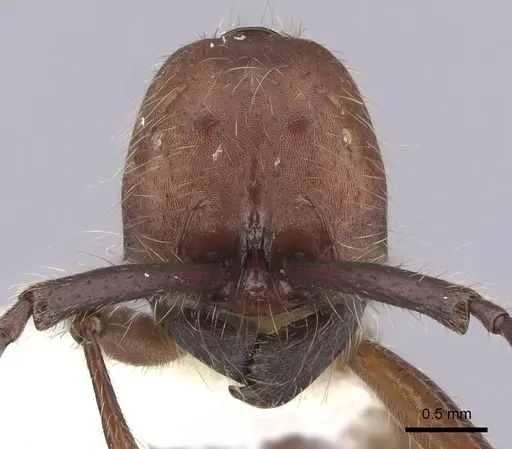
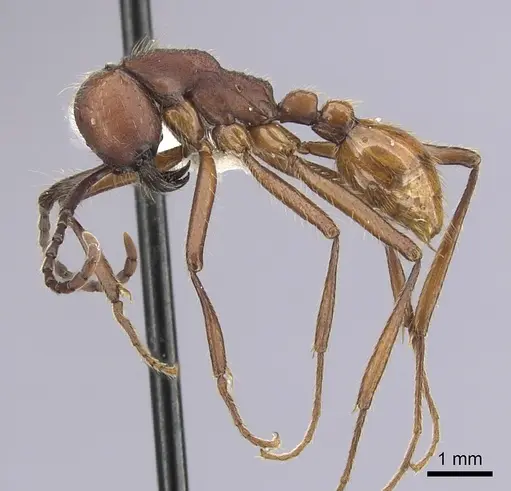
CASENT0905974
View on AntWeb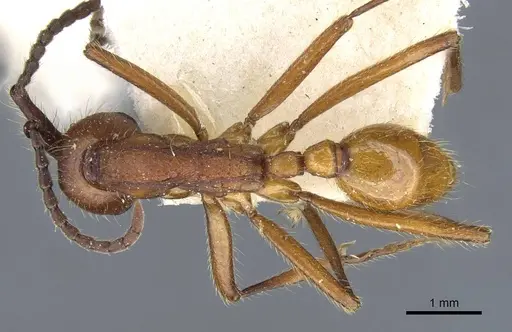
CASENT0905975
View on AntWeb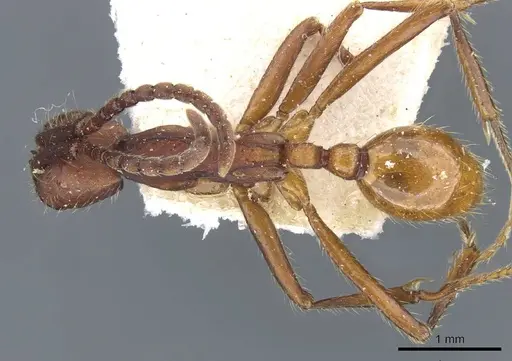
CASENT0905976
View on AntWeb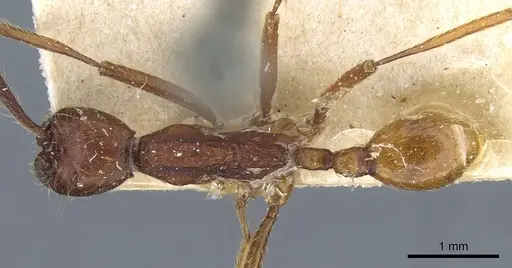
CASENT0905977
View on AntWeb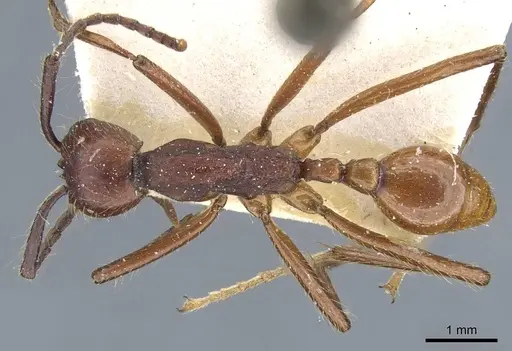
UFV-LABECOL-003488
View on AntWeb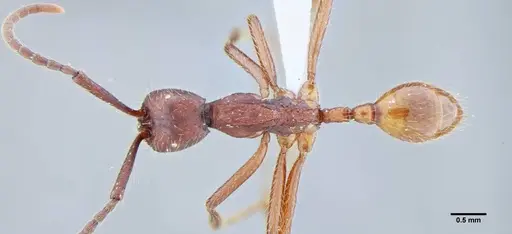
UFV-LABECOL-007385
View on AntWeb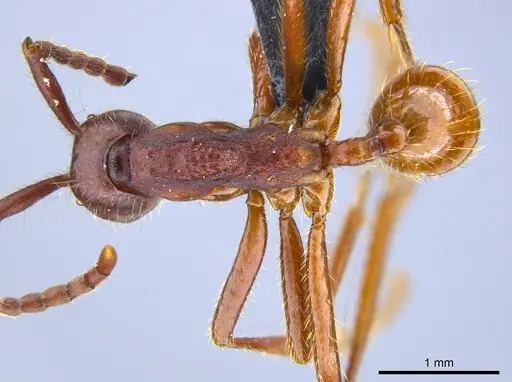
Literature
Loading...Loading products...