

Neivamyrmex postcarinatus
- Scientific Name
- Neivamyrmex postcarinatus
- Subfamily
- Dorylinae
- Author
- Borgmeier, 1953
- Distribution
- Found in 5 countries
Neivamyrmex postcarinatus Overview
Neivamyrmex postcarinatus is an ant species of the genus Neivamyrmex. It is primarily documented in 5 countries , including Brazil, Costa Rica, French Guiana. Detailed taxonomic data and occurrence records can be further explored via authoritative databases such as AntWeb or the Global Biodiversity Information Facility (GBIF).
Neivamyrmex postcarinatus
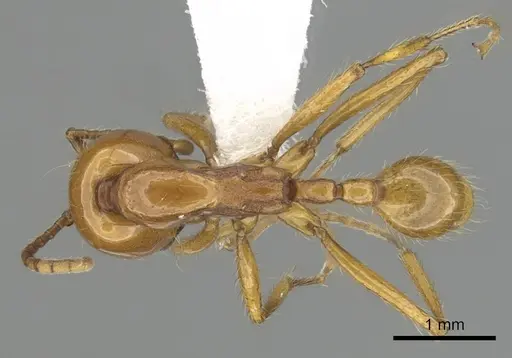
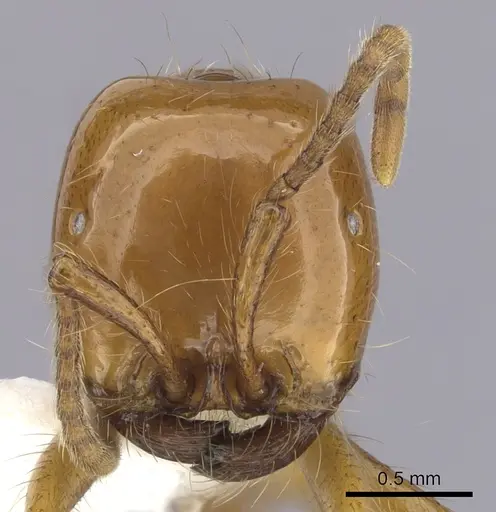
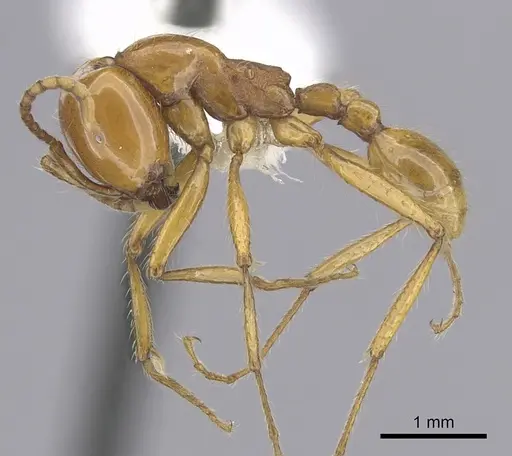
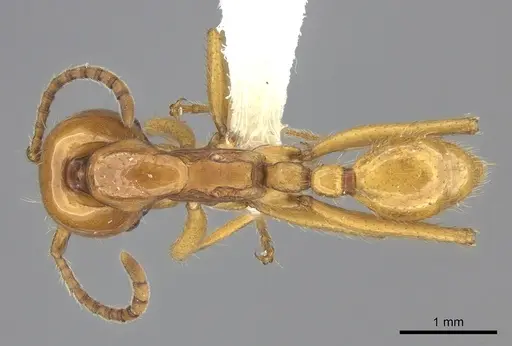
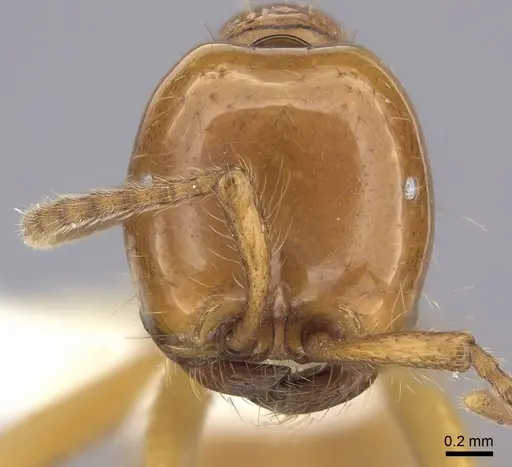
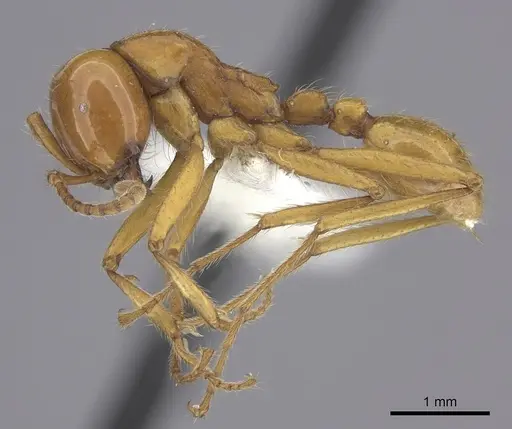
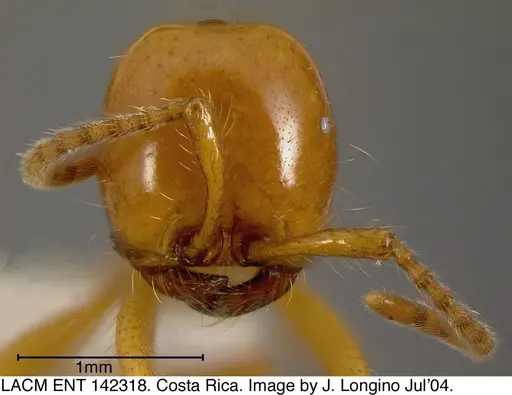
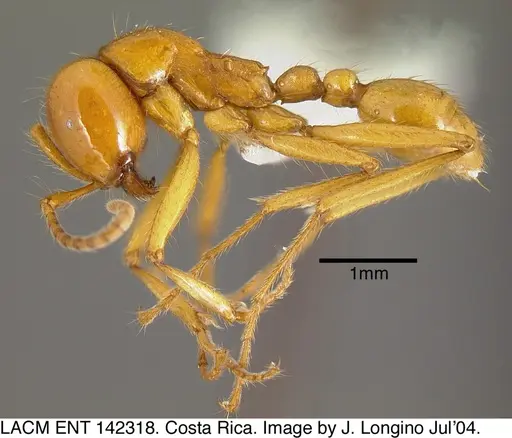
Neivamyrmex postcarinatus is a Neotropical army ant species found across Central America from Mexico to Costa Rica. Like all army ants in the genus Neivamyrmex, they are predatory ants known for their raiding behavior and nomadic colony movements. Workers are typically dark reddish-brown to black, and the species can be identified by a distinctive transverse carina near the junction of the dorsal and posterior faces of the propodeum [1]. This species is only known from workers and queens, males have not yet been associated with the colony [1]. The species has been documented in lowland tropical rainforests in Costa Rica and Panama, with collections showing they forage in columns on vegetation at night [1].
Quick Summary
- Difficulty: Expert
- Origin & Habitat: Neotropical lowland rainforests of Central America, Mexico, Panama, and Costa Rica. Found in tropical lowland forests at low altitudes [2][3].
- Colony Type: Colony structure is not well documented. Based on typical Neivamyrmex patterns, colonies likely have a single queen (monogyne) and can reach several thousand workers. Army ant colonies are known for colony fission, the queen plus some workers split off to form new colonies [4].
- Colony: Monogyne
- Size & Growth:
- Queen: Unknown, not directly measured in available literature
- Worker: Unknown, not directly measured in available literature
- Colony: Likely several thousand workers based on typical army ant colony sizes [4]
- Growth: Moderate to Fast, inferred from related army ant species
- Development: Unknown, no direct measurements available. Based on typical army ant development, likely 4-8 weeks at tropical temperatures. (Development timeline is unconfirmed for this specific species. Related Neivamyrmex species suggest rapid development typical of tropical army ants.)
- Antkeeping:
- Temperature: Keep at 24-28°C, these are tropical ants requiring warm, stable temperatures typical of lowland rainforests. A heating cable on one side of the nest creates a gradient for the colony to self-regulate.
- Humidity: High humidity of 70-85% is essential. Army ants naturally live in humid forest environments. Keep the nest substrate consistently moist but not waterlogged.
- Diapause: No, as tropical ants, they do not require hibernation. Maintain warm temperatures year-round.
- Nesting: Army ants are nomadic and do not build permanent nests. In captivity, they typically accept test tube setups or acrylic nests with high humidity. Provide a dark, humid nesting area and access to an outworld for foraging raids.
- Behavior: Army ants are highly aggressive predators that conduct organized raids on other ant colonies and arthropods. They are nocturnal foragers, documented moving in columns on vegetation at night in Costa Rica [1]. They have a potent sting and will readily attack if threatened. Escape prevention is critical, they are excellent climbers and will exploit any gap. Their nomadic nature means they may abandon traditional nest sites periodically. This is an expert-level species requiring experience with predatory ants and army ant behavior.
- Common Issues: nomadic behavior, colonies may abandon nesting setups frequently, making them difficult to keep in fixed formicariums, aggressive predators, they will attack and may escape if given any opportunity, excellent escape prevention is mandatory, specialized diet, they require live prey and will not survive on sugar alone, making them expensive and time-consuming to feed, high humidity needs, low humidity causes rapid colony decline, substrate must stay consistently moist, nocturnal activity, most active at night, which may make them less engaging for daytime-focused keepers, limited availability, this species is rarely available in the antkeeping hobby due to difficulty in collection and colony establishment
Understanding Army Ants
Neivamyrmex postcarinatus belongs to the Dorylinae subfamily, commonly known as army ants. Unlike most ants that build permanent nests, army ants are nomadic, they periodically move their entire colony to new locations as the colony grows and food sources are depleted. This behavior, called the 'nomadic phase, ' is driven by the colony's need for fresh hunting grounds [4]. Army ants are famous for their raiding behavior, they organize into coordinated columns or swarms that overwhelm prey colonies and capture arthropods. This species has been documented foraging in columns on vegetation at night, which is typical behavior for many Neotropical army ant species [1]. The genus Neivamyrmex contains New World army ants found throughout the Americas, with the greatest diversity in Central and South America. They play important ecological roles as predators in tropical forest ecosystems.
Housing and Nest Setup
Housing Neivamyrmex postcarinatus requires understanding their nomadic nature. Unlike most ants that settle into a permanent formicarium, army ants may abandon their nest every few weeks. Many keepers use flexible setups like test tube clusters connected to an outworld, allowing the colony to relocate within the setup. The nesting area should be dark, humid, and secure, army ants prefer enclosed spaces. Use a water reservoir setup (test tube with cotton) to maintain humidity without flooding. The outworld should be escape-proof with smooth walls (army ants are excellent climbers) and fine mesh barriers. Some keepers use fluon on container rims as an additional barrier. Provide multiple test tubes as potential nest sites, the colony will choose where to settle.
Feeding and Diet
Army ants are obligate predators, they require live prey and cannot survive on sugar water or honey alone. Feed them a variety of small arthropods including mealworms, crickets, fruit flies, and other small insects. They will also raid other ant colonies if given access, which is part of their natural behavior. Feed prey items that are appropriately sized, too large prey may be ignored. Remove uneaten prey after 24-48 hours to prevent mold. Unlike many ants, army ants do not typically collect honeydew or nectar, though they may occasionally accept sugar water. The key to keeping army ants healthy is a consistent supply of live protein-rich prey. Colonies can consume surprising quantities of prey as they grow larger.
Temperature and Humidity Requirements
As Neotropical ants from lowland rainforests, N. postcarinatus requires warm and humid conditions. Keep temperatures in the range of 24-28°C year-round, they do not tolerate cool temperatures well. A heating cable placed on part of the nest can create a temperature gradient, allowing the colony to self-regulate. Humidity should be maintained at 70-85%. The nest substrate should feel consistently moist but never waterlogged. Army ants are sensitive to drying out, low humidity will cause worker mortality and colony decline. Use a hygrometer to monitor conditions. Avoid placing the setup near air conditioning or heating vents that could cause temperature fluctuations or dry air.
Behavior and Temperament
Neivamyrmex postcarinatus is an aggressive species with a potent sting. Workers will readily attack threats and can deliver painful stings. They are primarily nocturnal, with most foraging activity occurring at night, this matches field observations of columns moving on vegetation after dark [1]. Army ants communicate through chemical signals and tactile cues, they use tandem running and chemical trails to coordinate raids. The colony will establish defined foraging trails that they follow to hunting grounds. Their nomadic behavior means they may suddenly relocate, this is normal and not a sign of distress. Watch for colony size changes and queen activity as indicators of colony health.
Frequently Asked Questions
Is Neivamyrmex postcarinatus a good species for beginners?
No, this is an expert-level species. Army ants have specialized requirements including live prey feeding, high humidity, and nomadic behavior that makes them difficult to keep in captivity. They also have potent stings and are excellent escape artists. Beginners should start with easier species like Lasius, Camponotus, or Messor.
How long does it take for the first workers to emerge?
The exact development timeline is unconfirmed for this species. Based on related army ant species, expect 4-8 weeks from egg to worker at optimal tropical temperatures (around 26°C). Army ant development is typically faster than many other ant genera due to their tropical origin.
Do Neivamyrmex postcarinatus need hibernation?
No, as Neotropical ants from lowland rainforests, they do not require hibernation. Keep them warm year-round at 24-28°C. Attempting to hibernate them will likely result in colony death.
What do Neivamyrmex postcarinatus eat?
They are obligate predators that require live prey. Feed them small insects like mealworms, crickets, fruit flies, and other arthropods. They will not survive on sugar water or honey alone. Remove uneaten prey after 24-48 hours.
Can I keep multiple queens together?
Army ant colony structure is not well documented for this specific species. Based on typical Neivamyrmex patterns, colonies likely have a single queen. Combining unrelated queens has not been studied and is not recommended.
How big do colonies get?
Colony size is not directly documented for this species. Based on typical army ant colony sizes, colonies likely reach several thousand workers. Army ant colonies can be among the largest of any ant genus.
Do Neivamyrmex postcarinatus ants sting?
Yes, army ants have potent stings and will use them when threatened. The sting can be painful to humans. Handle with caution and use excellent escape prevention to avoid accidental contact.
Why does my colony keep relocating?
This is normal army ant behavior. Army ants are nomadic by nature, they periodically relocate as they exhaust local prey populations and the colony grows. This is not a sign of poor conditions but rather natural behavior. Provide multiple potential nest sites within the setup.
When will this species be available in the antkeeping hobby?
Neivamyrmex postcarinatus is rarely available in the antkeeping hobby. Army ants are difficult to collect and establish in captivity due to their nomadic behavior and specialized dietary needs. Most available army ant colonies in captivity are wild-caught rather than captive-reared.
What makes this species different from other army ants?
This species is identified by a distinctive transverse carina near the junction of the dorsal and posterior faces of the propodeum [1]. It is found in Central American lowland rainforests from Mexico to Costa Rica. Like all Neivamyrmex species, it is nocturnal and conducts organized raids on other ant colonies.
References

This caresheet is licensed under CC BY-SA 4.0 .
Literature
Loading...Loading products...