

Neivamyrmex pilosus
- Scientific Name
- Neivamyrmex pilosus
- Subfamily
- Dorylinae
- Author
- Smith, 1858
- Distribution
- Found in 9 countries
Neivamyrmex pilosus Overview
Neivamyrmex pilosus is an ant species of the genus Neivamyrmex. It is primarily documented in 9 countries , including Brazil, Colombia, Costa Rica. Detailed taxonomic data and occurrence records can be further explored via authoritative databases such as AntWeb or the Global Biodiversity Information Facility (GBIF).
Neivamyrmex pilosus
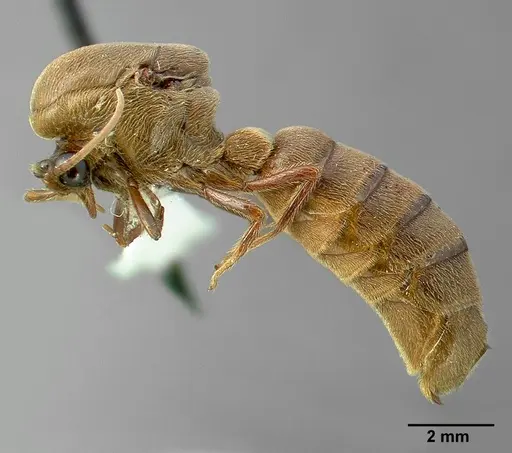
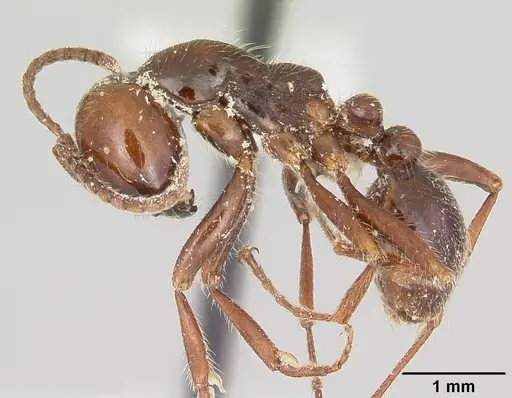
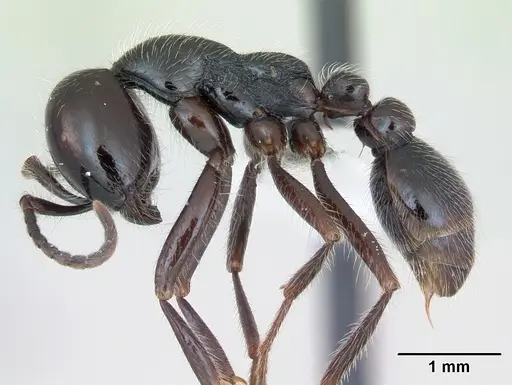
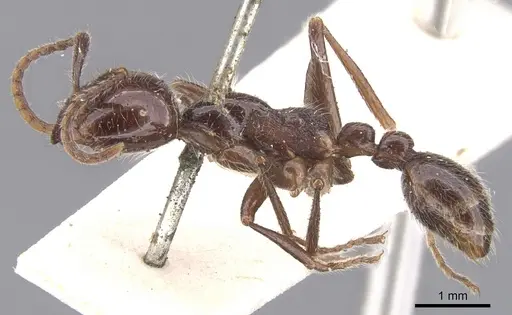
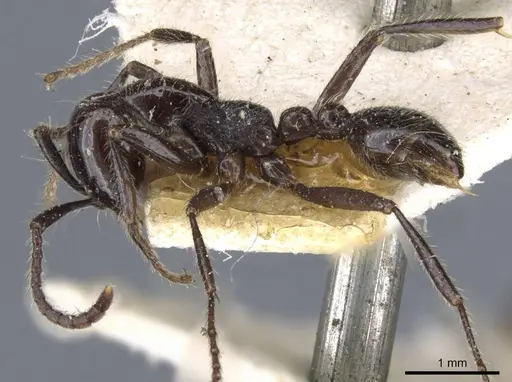
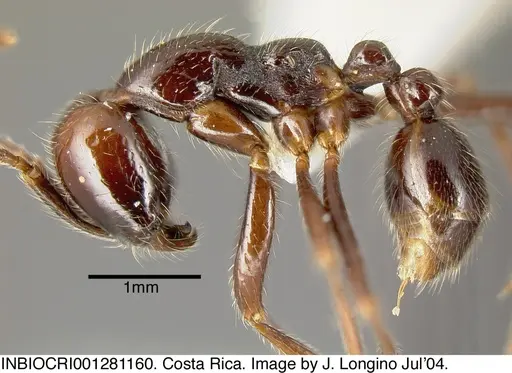
Neivamyrmex pilosus is a widely distributed army ant species ranging from the southern United States through Mexico and Central America down to Brazil and Paraguay. Workers are relatively uniform in size, measuring around 4.6mm as majors, with a distinctive ventral spine on the petiole and a strong, recognizable foetid odor. They are one of the few army ant species that conduct visible daytime raids, forming columns of glossy black workers that can climb trees in search of prey. This species specializes in hunting arboreal ants, particularly Crematogaster and Azteca species, making them unique among army ants. Males are much larger at 12-13mm and are commonly attracted to lights during their nuptial flight season.
Quick Summary
- Difficulty: Expert
- Origin & Habitat: Found across the southern United States (Arizona to Arkansas) through Mexico and Central America into South America. In the US, they inhabit areas from Arkansas and Mississippi west to southern Arizona. They are most commonly encountered in Costa Rica, where they raid during the day, the only Neivamyrmex species known to do so. They occupy various habitats from humid to dry forests and savannas [1][2].
- Colony Type: Colony structure is not well documented in scientific literature. As a Dorylinae army ant, colonies likely reach large sizes with a single queen, though exact colony organization requires further study.
- Size & Growth:
- Queen: Undocumented in available research, queen size not described in primary sources
- Worker: Major workers approximately 4.6mm
- Colony: Likely large colonies typical of army ants, exact numbers unconfirmed
- Growth: Unknown, no development timing data available
- Development: Unconfirmed, no direct measurements found in available research (Army ant development is typically faster than most ants, but specific timelines for N. pilosus have not been documented)
- Antkeeping:
- Temperature: No specific temperature requirements documented. As a tropical to subtropical species, they likely prefer warm conditions (estimated 22-28°C). Provide a temperature gradient and monitor colony activity.
- Humidity: No specific humidity data available. As a species that raids in both day and night in tropical forests, moderate to high humidity is likely preferred. Keep nest substrate moderately moist.
- Diapause: Unknown, no specific hibernation or diapause research found. US populations in Arizona and Arkansas may experience cooler winters, but overwintering behavior is unconfirmed.
- Nesting: In nature, colonies are typically subterranean, with colonies found under stones in temperate regions like Kansas [3]. In captivity, a naturalistic setup with soil or a plaster/acrylic nest with chambers works well. They prefer enclosed, dark spaces for the brood.
- Behavior: This is one of the most active and visible army ant species, known for conducting impressive surface raids during the day, unusual for Neivamyrmex. Workers have a strong foetid odor that permeates their surroundings and even alcohol preservatives. They specialize in hunting arboreal ants (Crematogaster and Azteca), sometimes climbing up to 5 meters in trees. They forage both day and night. Workers are aggressive predators but relatively uniform in size compared to other army ants. Escape prevention is important given their active foraging nature, they will readily explore and exploit any gaps.
- Common Issues: no documented captive breeding success, this species has never been established in captivity by antkeepers, extreme difficulty obtaining a colony, queens are rarely if ever collected, and colonies cannot be dug up due to their nomadic nature, specialized diet requirements, they are obligate predators on other ants, specifically arboreal species like Crematogaster, no available care information, there are no established protocols for keeping this species, wild colonies are nomadic and hard to locate, they don't form permanent nests like other ants
Why This Species Is Extremely Difficult to Keep
Neivamyrmex pilosus is one of the most challenging, if not impossible, ant species to keep in captivity. There are no documented cases of successful captive husbandry for this or any Neivamyrmex species. Army ants in general have extremely specialized requirements that make captive keeping nearly impossible. Unlike typical ants that establish permanent nests, army ants are nomadic, they constantly move their bivouacs and don't settle in one location. Queens are rarely found and cannot be collected like typical ant queens. Workers cannot survive without a constant supply of live prey, specifically other ant species. The combination of their nomadic lifestyle, specialized diet, and the complete absence of any established care protocols puts this species firmly in the 'do not attempt' category for antkeepers. [2][3]
Foraging and Hunting Behavior
N. pilosus is unique among Neivamyrmex species as the only one routinely observed conducting visible daytime raids. Workers form columns of glossy black ants that are relatively uniform in size, making them easily distinguishable from other army ants. They specialize in hunting arboreal ants, particularly Crematogaster and Azteca species. They readily climb trees, sometimes up to 5 meters, to raid nests in the canopy. After raiding, they often use shortcuts above ground like fallen branches and vines rather than walking through leaf litter. They cache prey brood under bark flaps and leaf litter along their columns. This specialized predation on arboreal ants is a key identifying trait [2][4][5].
Distribution and Habitat
This species has one of the widest distributions of any Neivamyrmex, ranging from the southern United States (Arizona, Arkansas, Mississippi) through Mexico (border states south to Chiapas) and throughout Central America down to Brazil and Paraguay. In the United States, there are 56 documented records. They occupy various habitats including both humid and dry forests as well as savannas. In Costa Rica, they are the most commonly encountered Neivamyrmex species. Males have been collected at lights from June through August in the US, with peak activity in June and July. In Costa Rica, males are only captured during March, April, and May, the late dry season to early wet season [1][6][2].
Identification and Distinguishing Features
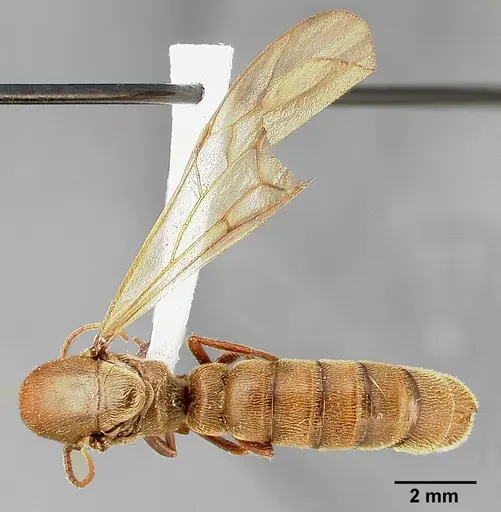
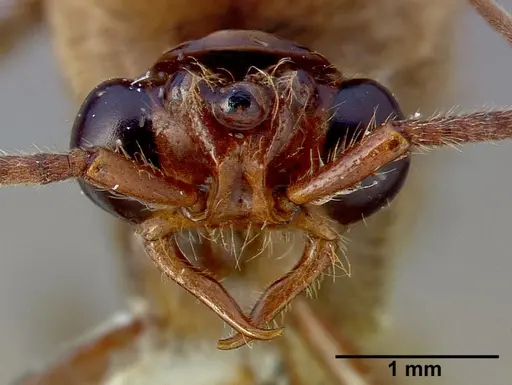
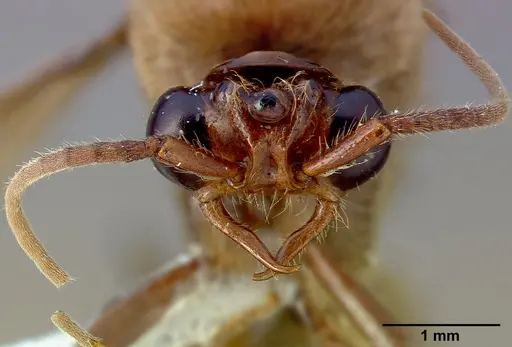
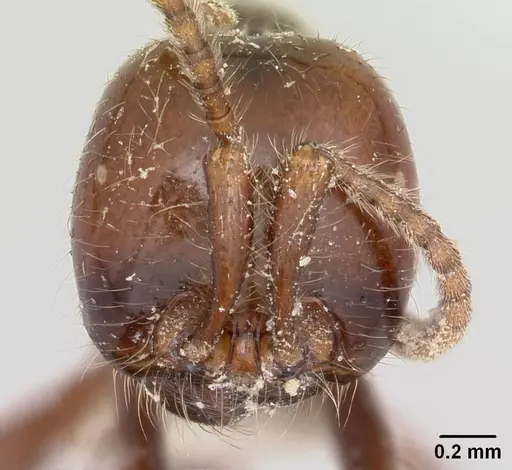
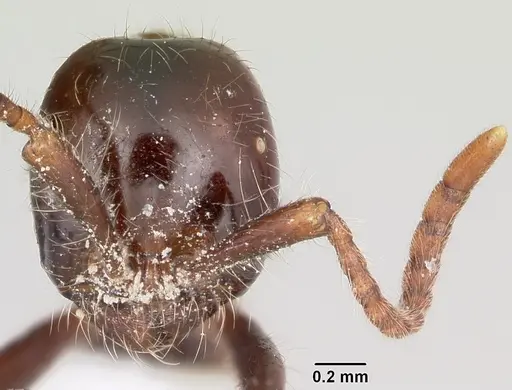
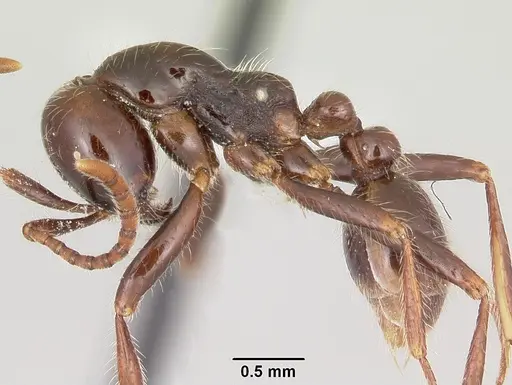
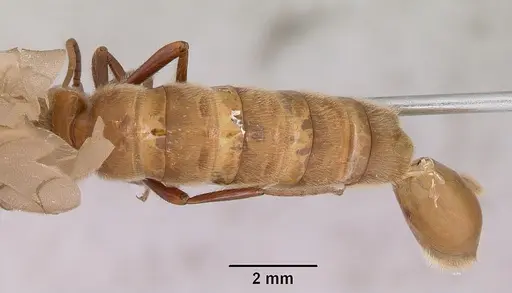
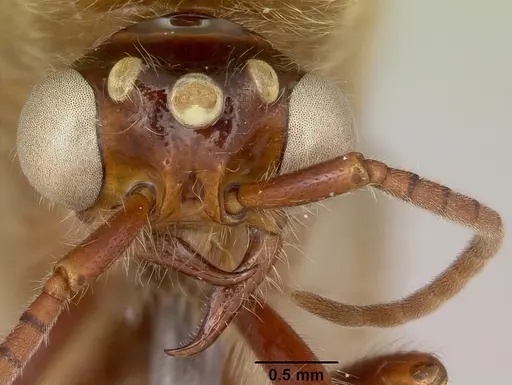
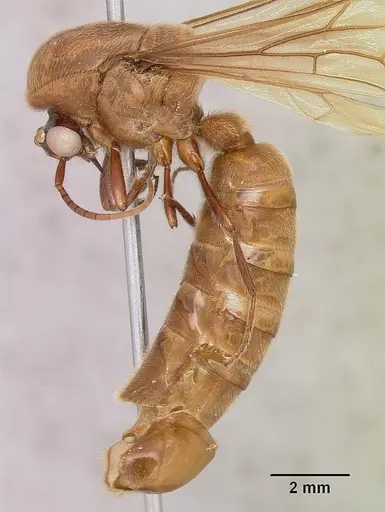
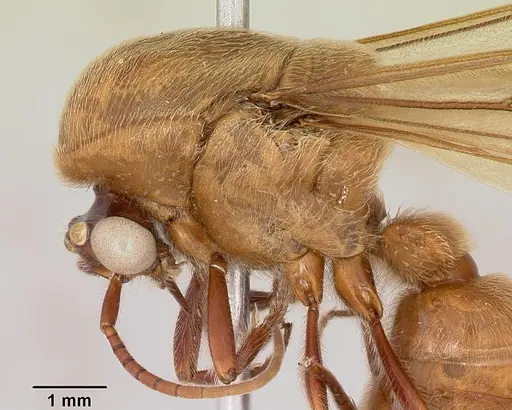
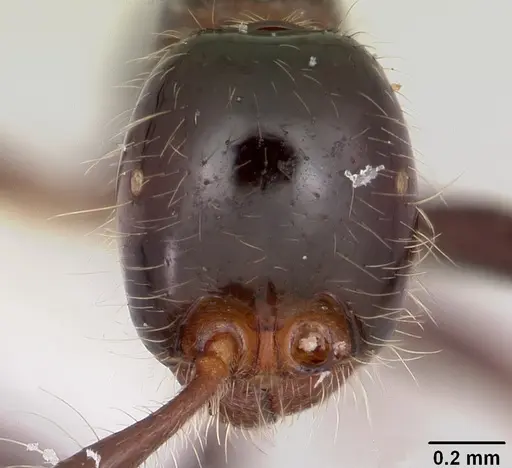
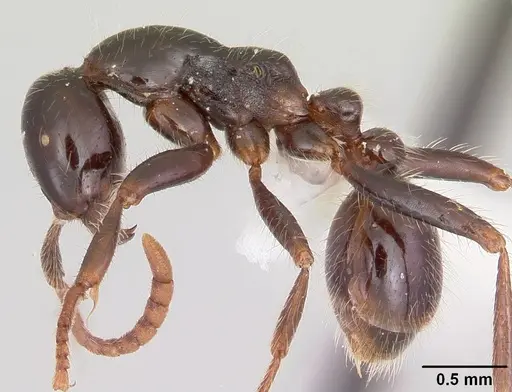
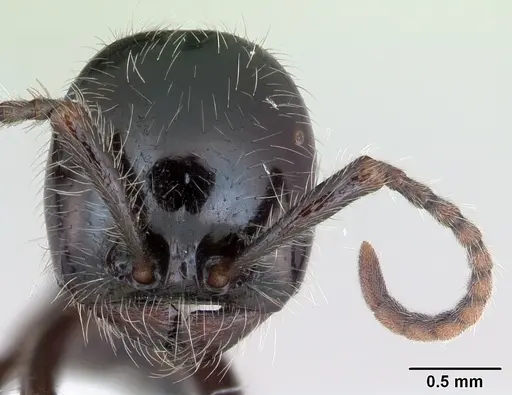
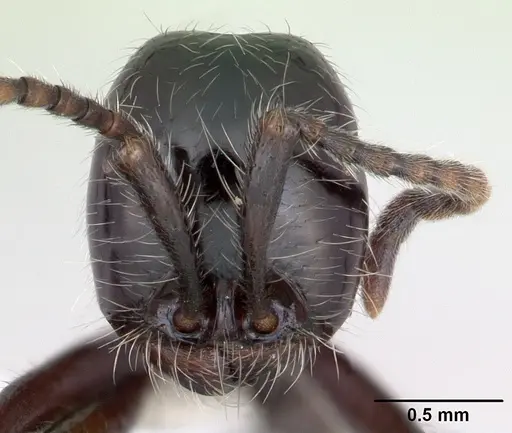
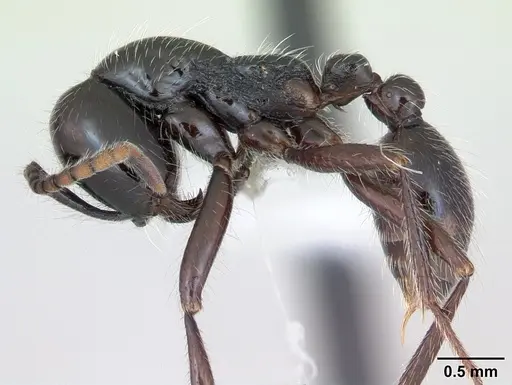
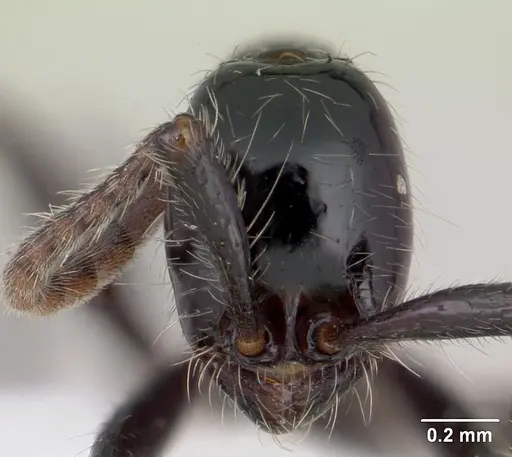
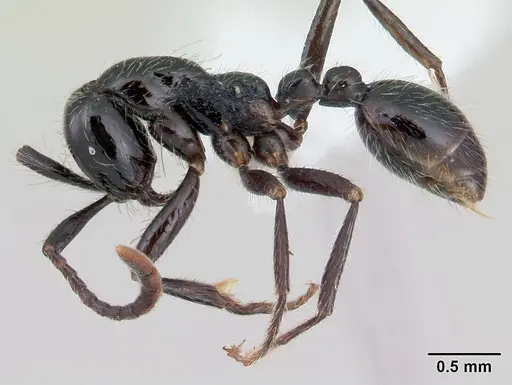
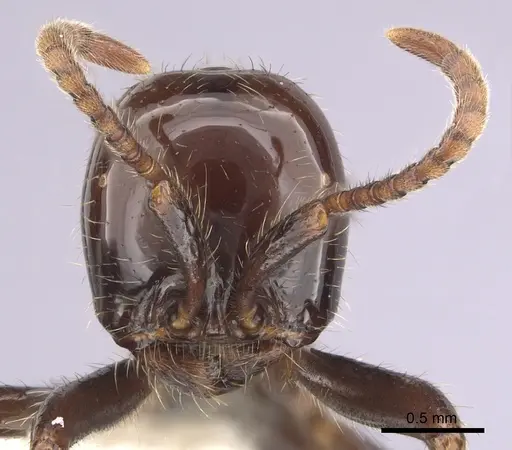
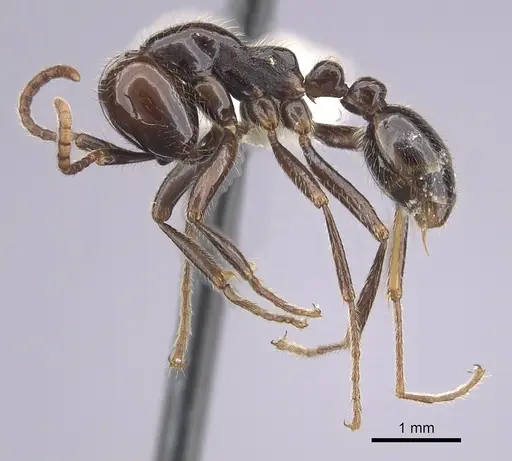
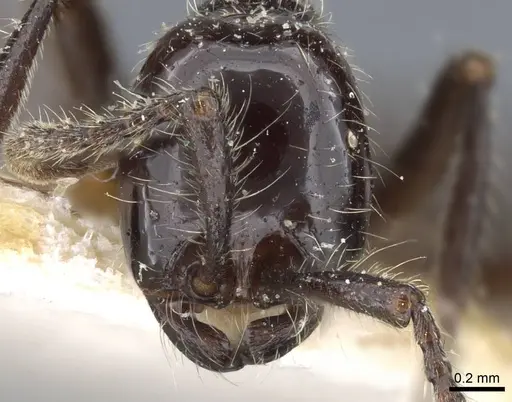
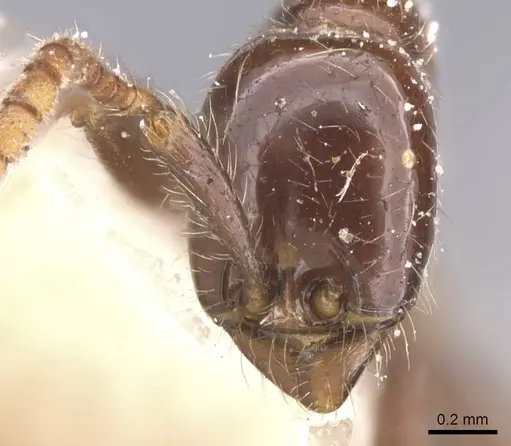
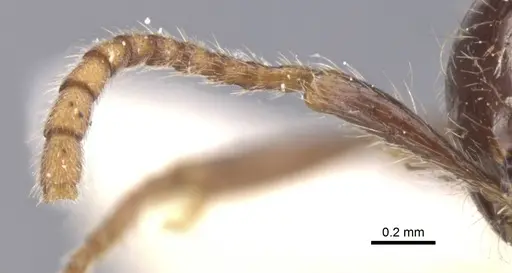
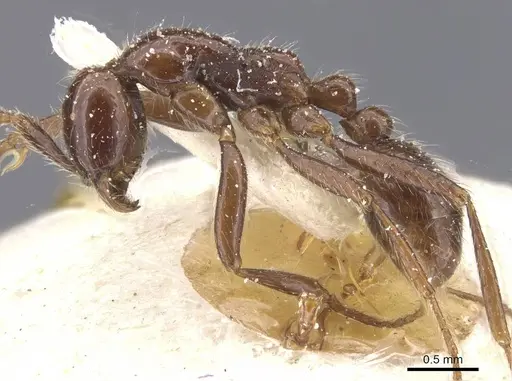
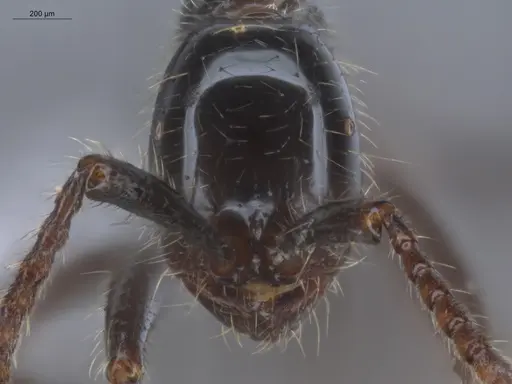
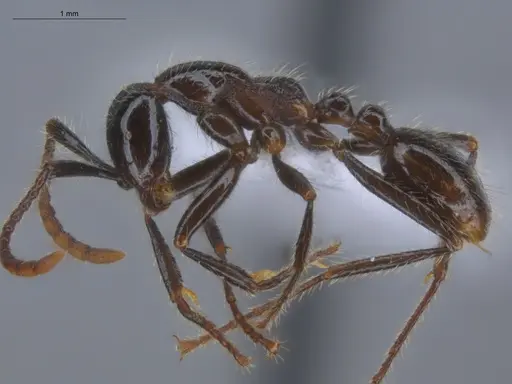
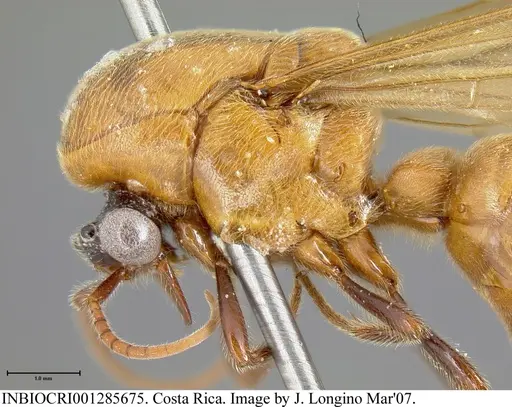
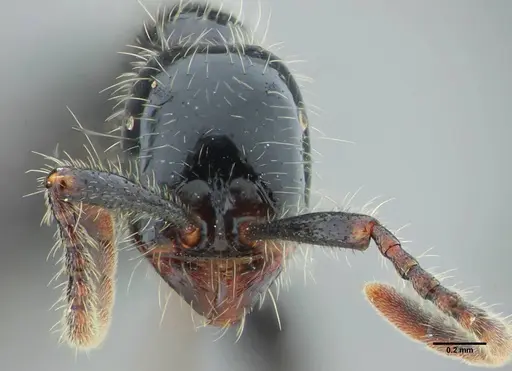
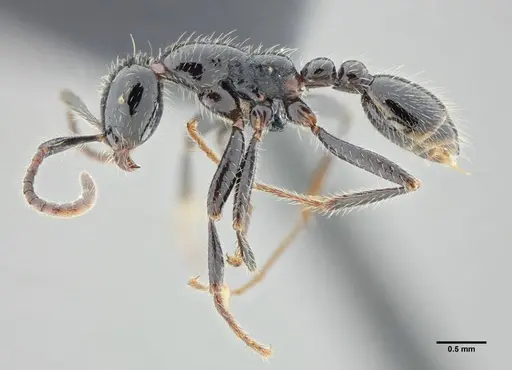
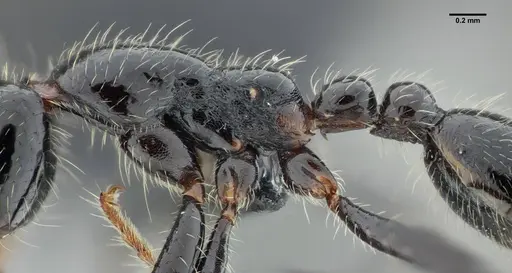
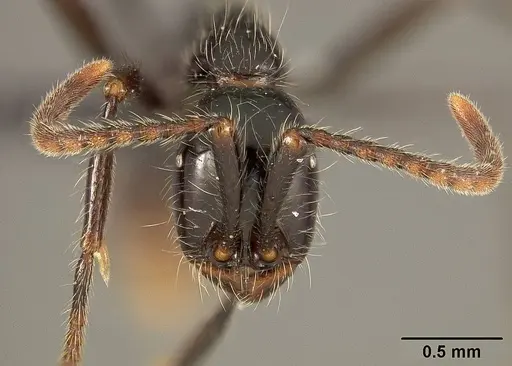
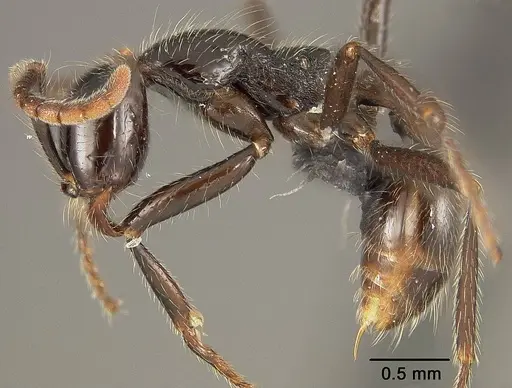
Major workers are characterized by their color and sculpture, long slender scape, strongly convex promesonotum, and the very distinctive ventral spine of the petiole, this ventral spine is a key identifying feature. Color is highly variable, ranging from almost uniform brown through brownish black to almost black, with lighter antennae, tibiae, tarsi, and tip of the gaster. Workers have a strong foetid odor, this is one of the best field identification characters as it permeates even the alcohol specimens are preserved in. Males can be recognized by their large eyes and ocelli placed on a protuberance above the head, the shape of their mandibles and frontal carinae, and their yellowish-brown body with yellowish wings[3][2].
Nuptial Flights and Reproduction
Males are commonly attracted to lights during their nuptial flight season. In the United States, males have been collected from June into August, with most collections occurring during June and July. In Costa Rica, the ALAS project found males only in March, April, and May using blacklight traps, these are the months of late dry season to early wet season. This seasonal difference between temperate and tropical populations suggests regional variation in reproductive timing. The queen has been described in scientific literature (Reichensperger,1939), but detailed information about colony founding and reproduction is limited [7][8].
Ecological Role and Impact
As a specialist predator on arboreal ants, particularly Crematogaster, N. pilosus plays a unique ecological role in Neotropical forests. They are significant predators that can impact ant community structure, particularly in the canopy where they conduct their raids. Their raids can be impressive, columns ascending and descending trees in search of prey. They are considered 'big predators' of the Neotropics, with documented specialization on Crematogaster prey. Their strong fecal odor even permeates the environment, marking their presence in an area long after they've moved on [2][4][5].
Why Antkeepers Should Not Attempt This Species
This species should not be attempted by any antkeeper for several critical reasons: First, there is zero documented captive success for any Neivamyrmex species, these ants have simply never been kept in captivity. Second, obtaining a colony is essentially impossible, army ant colonies are nomadic and cannot be dug up, and queens are not collected like typical ant queens. Third, their dietary requirements are extremely specialized, they are obligate predators on other ants, specifically arboreal species like Crematogaster, and cannot survive on typical ant foods. Fourth, their nomadic nature means they don't establish permanent nests. Fifth, even if you could obtain workers, they require constant movement and new territory. For antkeepers interested in army ant behavior, observing them in the wild or visiting established research colonies is the only ethical option [2][3].
Frequently Asked Questions
Can I keep Neivamyrmex pilosus in a test tube?
No. This species has never been successfully kept in captivity, and army ants have completely different needs than typical ants. They are nomadic and require constant movement, making test tube setups completely unsuitable.
What do Neivamyrmex pilosus eat?
They are specialized predators that hunt other ants, specifically arboreal species like Crematogaster and Azteca. They cannot survive on typical ant foods like sugar water, seeds, or commercial protein. In captivity, they would require a constant supply of live ant colonies, which is not practical or ethical.
Are Neivamyrmex pilosus good for beginners?
No. This species is not recommended for anyone, there are no established care protocols, no documented captive success, and obtaining a colony is essentially impossible. Even experienced antkeepers should not attempt this species.
How long do Neivamyrmex pilosus colonies live?
Colony lifespan is not documented in scientific literature. However, army ant colonies in general can persist for many years in the wild with continuous queen replacement.
Do Neivamyrmex pilosus ants sting?
Army ants have stingers but are too small to cause significant pain to humans. Their main defense is their numbers and aggressive swarming behavior, plus their strong odor.
Can I catch a queen Neivamyrmex pilosus to start a colony?
It is extremely unlikely you could catch a founding queen. Army ant queens are rarely found and are not collected like typical ant queens. Additionally, their mating behavior and colony founding are not well understood, making captive establishment impossible.
Do Neivamyrmex pilosus need hibernation?
Diapause requirements are unknown. US populations in Arizona and Arkansas experience cooler winters, but specific overwintering behavior has not been studied. Tropical populations likely do not experience dormancy.
Where can I observe Neivamyrmex pilosus?
In the United States, they are found in Arkansas, Mississippi, and west to southern Arizona. They are most commonly observed in Costa Rica, where they are the most frequently encountered Neivamyrmex species and conduct visible daytime raids. Look for columns of glossy black ants during the day, they are one of the few army ants that raid visibly.
Why are they called army ants?
Army ants are named for their behavior of conducting massive raids in columns, like an army on the move. Unlike typical ants that forage individually, army ants coordinate in large groups to overwhelm prey colonies. N. pilosus is unusual among Neivamyrmex for conducting these raids during the day.
What's the difference between Neivamyrmex and Eciton army ants?
Both are army ant genera in the subfamily Dorylinae. Neivamyrmex is primarily a New World genus (North and South America), while Eciton is also New World but with different species. Neivamyrmex species tend to be smaller and some conduct diurnal raids, while Eciton species are often larger and typically nocturnal. N. pilosus is notable for being one of the few Neivamyrmex that raids during the day.
What makes Neivamyrmex pilosus different from other army ants?
Several things make this species unique: they are the most commonly encountered Neivamyrmex in Costa Rica, they are the only Neivamyrmex species that routinely conducts visible daytime raids, they specialize specifically on arboreal ants (Crematogaster and Azteca), they have a distinctive strong foetid odor, and they have a very wide distribution from the US to Brazil.
References

This caresheet is licensed under CC BY-SA 4.0 .
CASENT0005335
View on AntWeb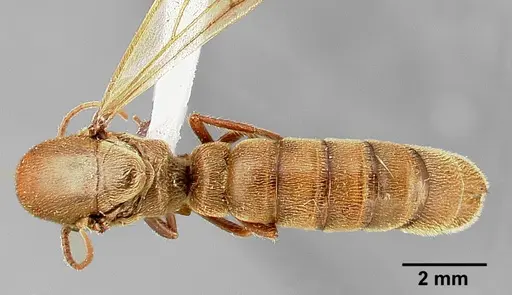
CASENT0104749
View on AntWeb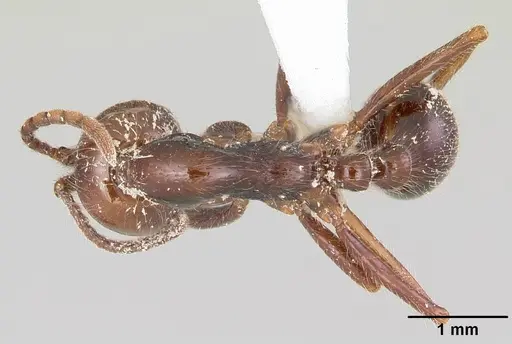
CASENT0104750
View on AntWeb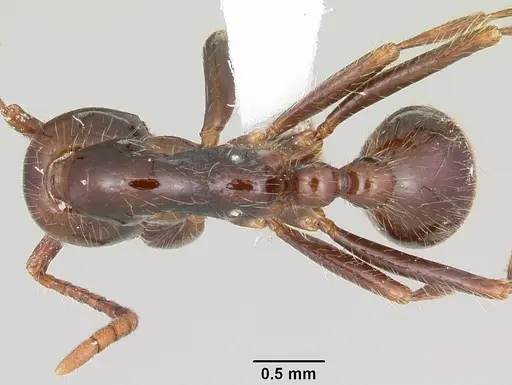
CASENT0104891
View on AntWeb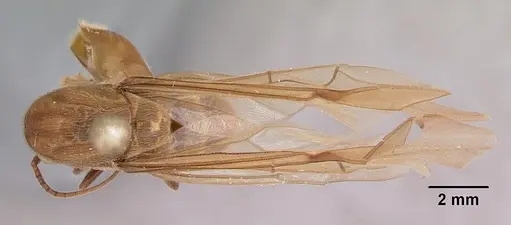
CASENT0104892
View on AntWeb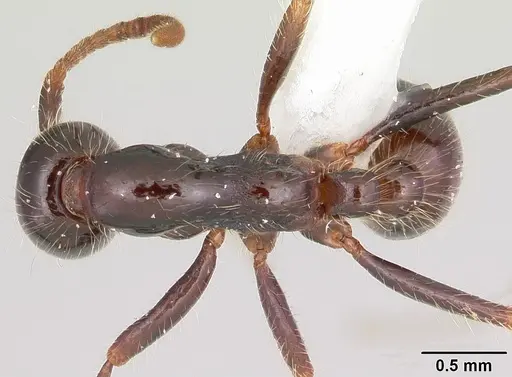
CASENT0173529
View on AntWeb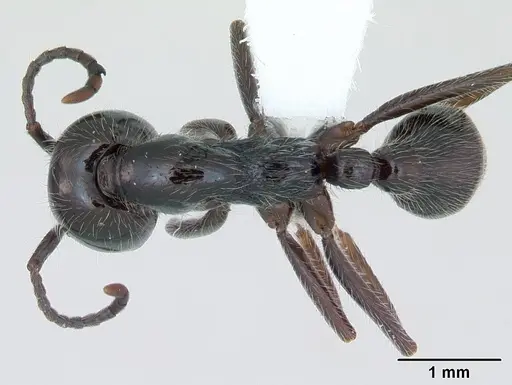
CASENT0173530
View on AntWeb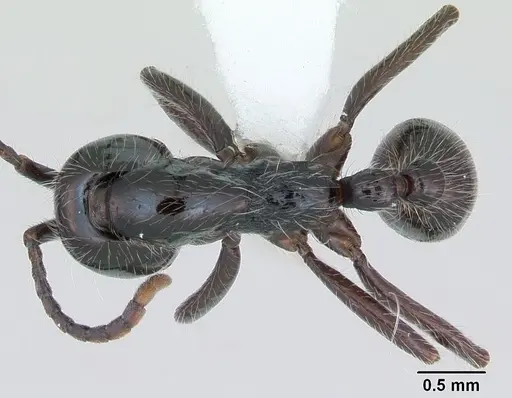
CASENT0178599
View on AntWeb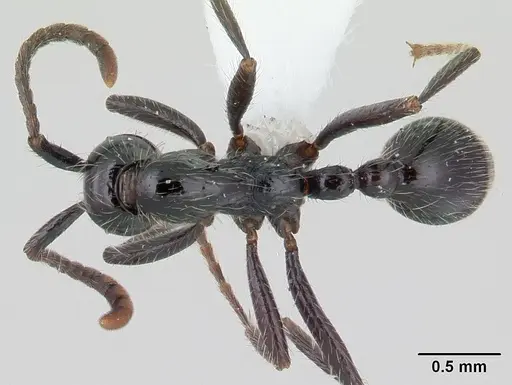
CASENT0249500
View on AntWeb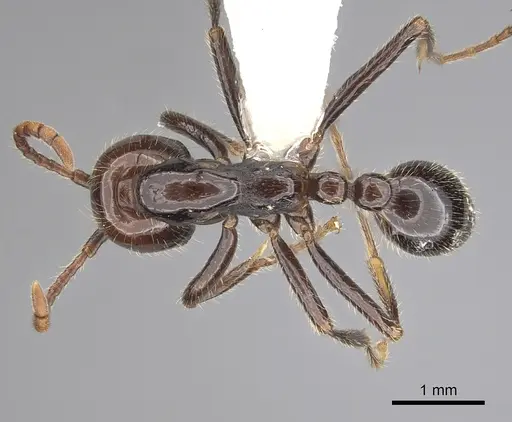
CASENT0883402
View on AntWeb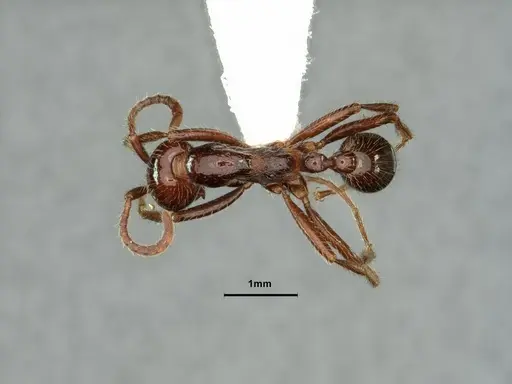
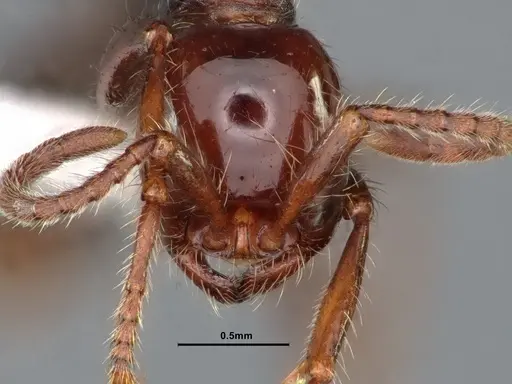
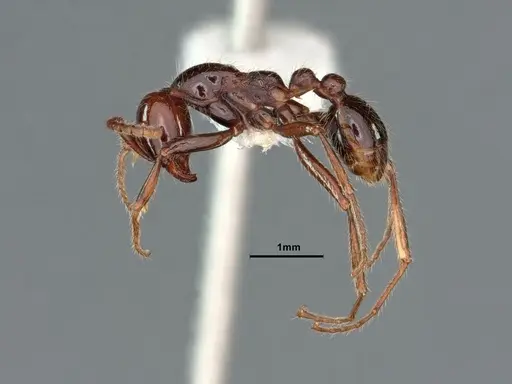
CASENT0902654
View on AntWeb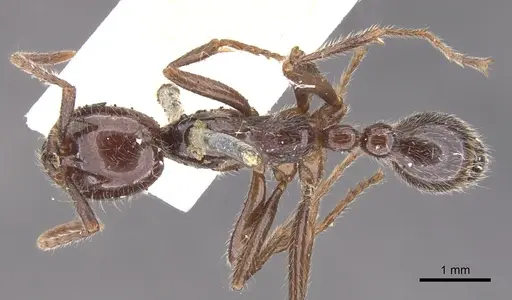
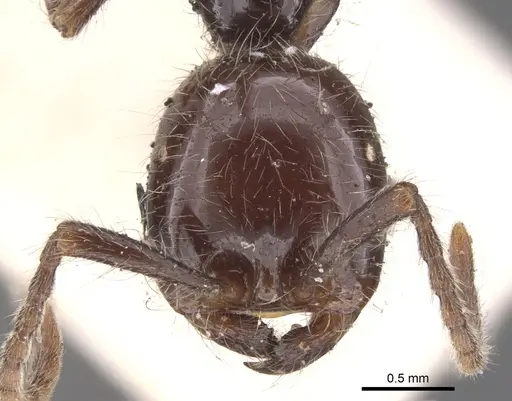
CASENT0905971
View on AntWeb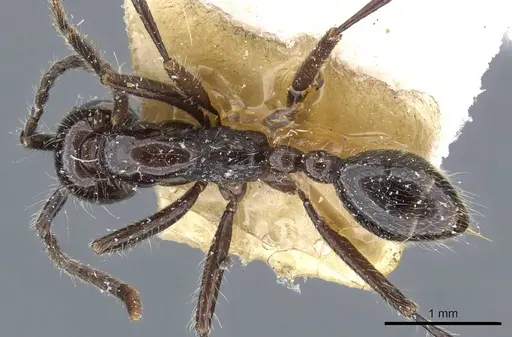
CASENT0911404
View on AntWeb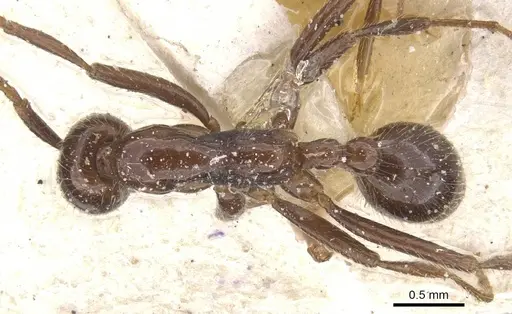
ECOFOG-HC-0059
View on AntWeb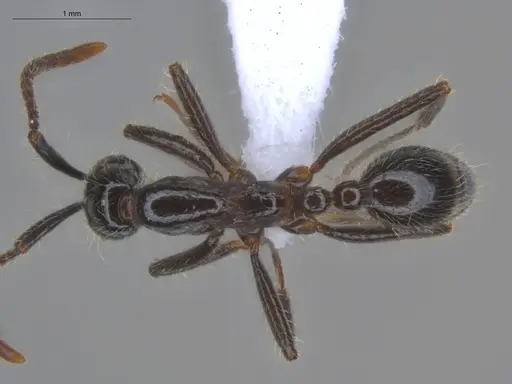
INBIOCRI001281160
View on AntWeb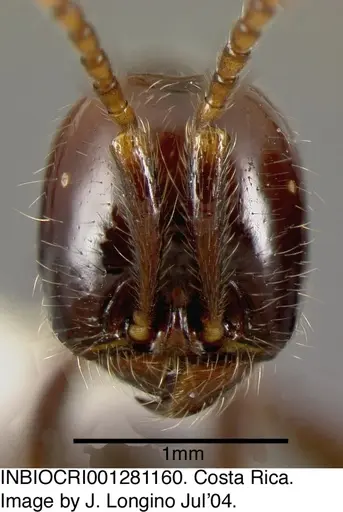
INBIOCRI001285675
View on AntWeb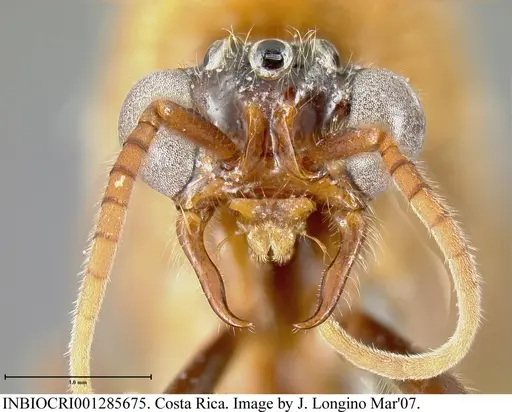
UFV-LABECOL-003518
View on AntWeb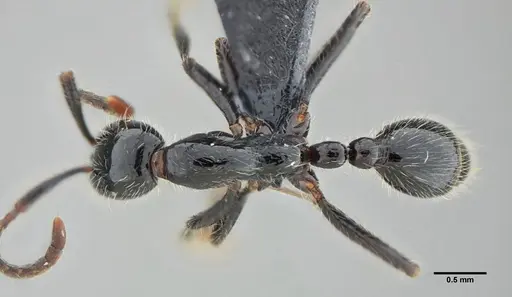
USNMENT01124233
View on AntWeb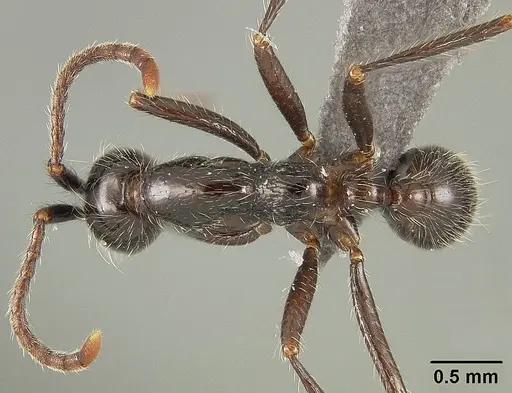
Literature
Loading...Loading products...