

Neivamyrmex pertii
- Scientific Name
- Neivamyrmex pertii
- Subfamily
- Dorylinae
- Author
- Shuckard, 1840
- Distribution
- Found in 2 countries
Neivamyrmex pertii Overview
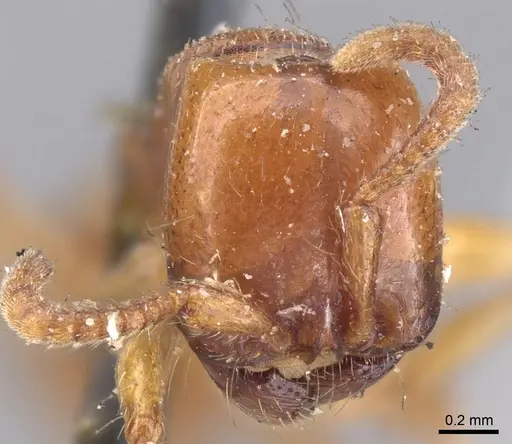
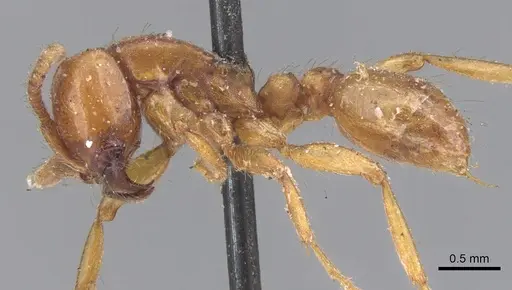
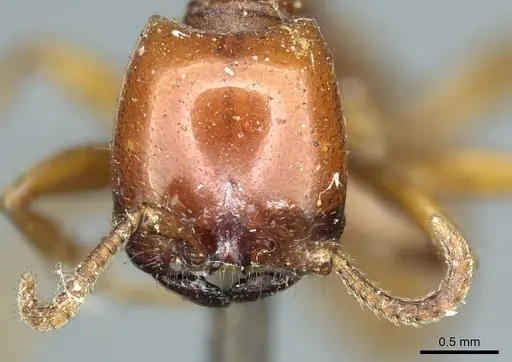
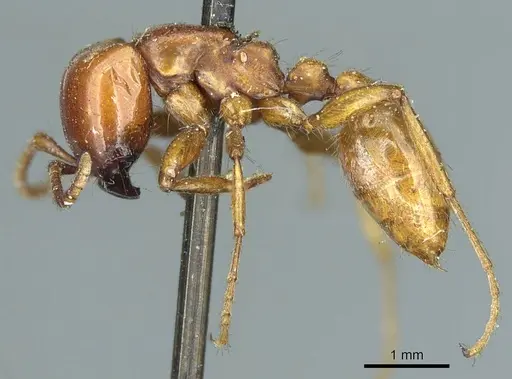
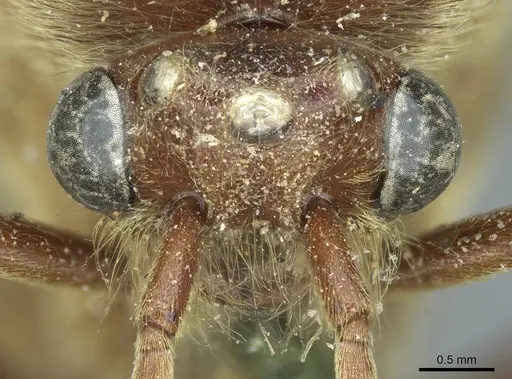
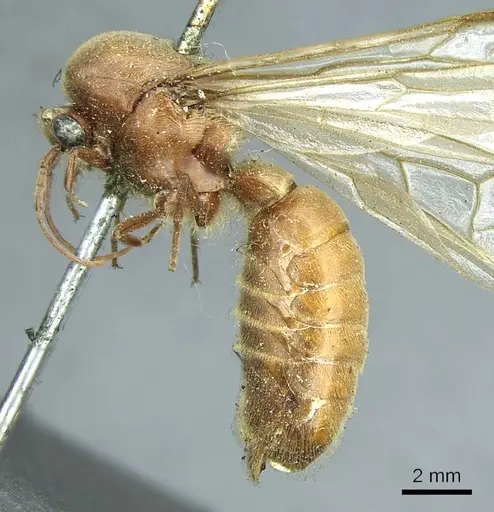
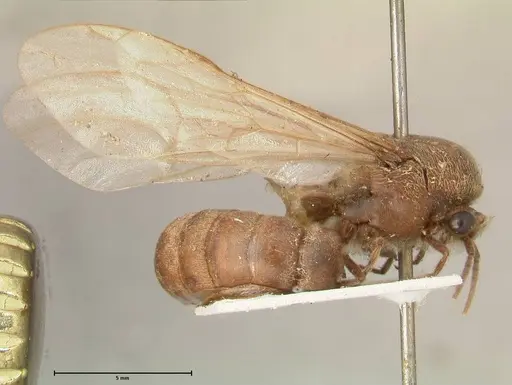
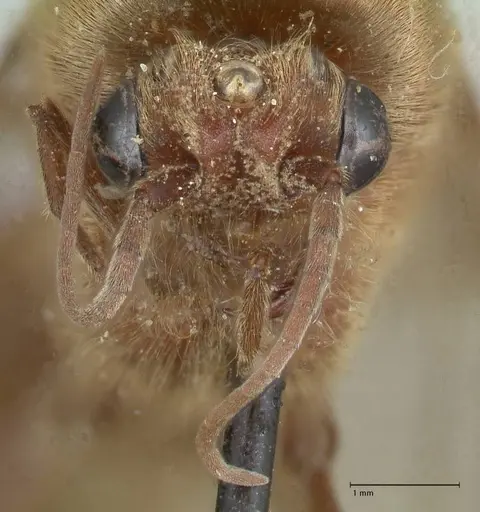
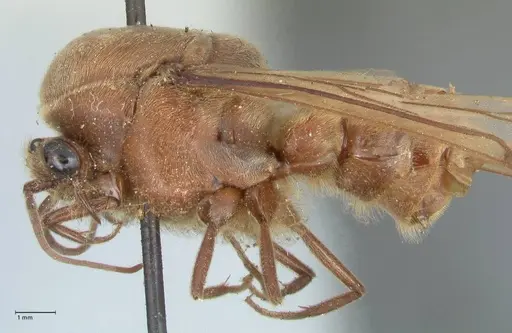
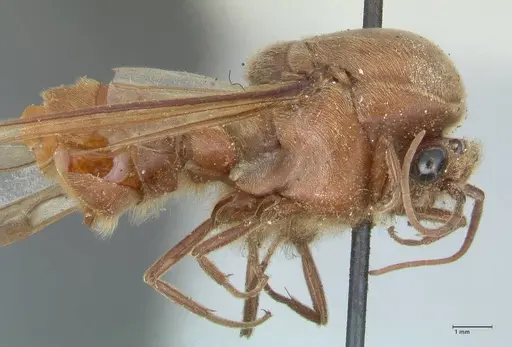
Neivamyrmex pertii is an ant species of the genus Neivamyrmex. It is primarily documented in 2 countries , including Argentina, Brazil. Detailed taxonomic data and occurrence records can be further explored via authoritative databases such as AntWeb or the Global Biodiversity Information Facility (GBIF).
Neivamyrmex pertii
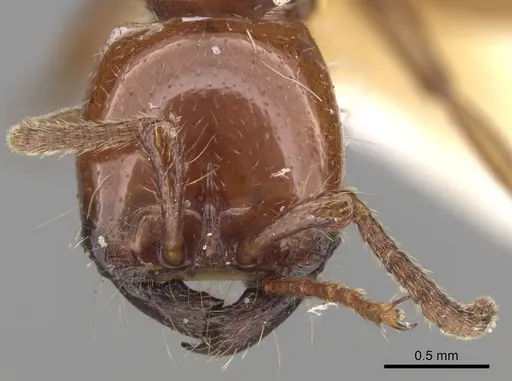
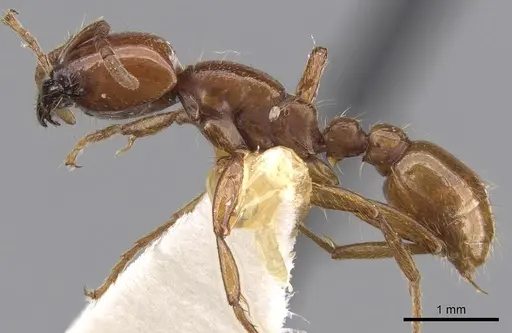
Neivamyrmex pertii is a Neotropical army ant species found across Argentina, Bolivia, Brazil, Paraguay, and Uruguay [1]. Workers are polymorphic, meaning they come in different sizes typical of army ants, smaller workers handle nursing duties while larger workers serve as soldiers and raiders. As an army ant, this species is predatory and hunts other ant colonies and insects in coordinated swarming raids. Unlike most ants, army ants are nomadic and do not maintain permanent nests, they bivouac (form temporary camps) in sheltered spots as they travel through their territory. The colony moves every few weeks to follow prey populations.
Quick Summary
- Difficulty: Expert
- Origin & Habitat: Neotropical region, Argentina, Bolivia, Brazil, Paraguay, Uruguay [1]. Found in tropical and subtropical climates, typically in forest habitats where they can raid other ant colonies [2]. Classified as a Tropical Climate Specialist (TCS) [2].
- Colony Type: Polygyne (multiple queens), army ant colonies typically have several functional queens that produce eggs simultaneously, allowing rapid colony growth [1]. Ergatoid (wingless) replacement queens are produced if needed.
- Colony: Polygyne
- Founding: Claustral
- Special: Slave-making
- Size & Growth:
- Queen: Estimated 12-15mm based on genus patterns, army ant queens are among the largest in the ant world
- Worker: Polymorphic: 3-12mm (small minor workers to large major workers)
- Colony: Can reach several hundred thousand workers in mature colonies, typical of army ants [1]
- Growth: Fast, army ant colonies grow rapidly with multiple queens laying eggs continuously
- Development: Estimated 3-4 weeks at optimal temperature based on typical Dorylinae development (Army ant brood develops quickly, this supports their nomadic lifestyle where colonies must move to find new hunting grounds)
- Antkeeping:
- Temperature: Keep at 24-28°C, they need warm, stable temperatures typical of tropical environments [2]. A gentle gradient allows ants to self-regulate.
- Humidity: High humidity (70-80%), maintain moist substrate conditions. Army ants naturally live in humid tropical forests where moisture levels are consistently high.
- Diapause: No, being a tropical species, they do not require hibernation. Keep temperatures stable year-round.
- Nesting: Bivouac setup, army ants do not nest in conventional formicariums. They form temporary camps in sheltered areas. In captivity, provide a dark, humid chamber where the colony can form a bivouac, connected to a foraging area. Test tubes with cotton water reservoirs work for founding colonies, but established colonies need more space to move.
- Behavior: Highly aggressive predators, these ants conduct coordinated swarm raids on other ant colonies and arthropods. They have a powerful bite and will readily defend against threats. Workers are nocturnal or crepuscular, conducting raids at night or during low light. Escape prevention is critical, they are excellent climbers and will exploit any gap. They are not suited for beginners due to their specialized dietary needs and nomadic nature.
- Common Issues: Colony collapse from insufficient protein, they need constant access to prey items, primarily other ant colonies and insects, Stress from improper bivouac conditions, they require dark, humid spaces to form proper bivouacs and may decline without appropriate housing, Temperature drops can be fatal, being tropical, they cannot tolerate cool conditions, Escape prevention is critical, army ants are excellent climbers and will find any gap in housing, Handling difficulty, their aggressive defense and powerful bite make routine colony maintenance challenging
Understanding Army Ant Biology
Neivamyrmex pertii belongs to the Dorylinae subfamily, commonly known as army ants. Unlike most ants that maintain permanent nests, army ants are nomadic, they form temporary bivouacs (living camps) and move every few days or weeks to follow prey populations [1]. This lifestyle is driven by their need for constant protein from hunting other ant colonies and insects. Colonies are polygyne, meaning they have multiple queens that all lay eggs simultaneously. This allows rapid population growth, a single colony can produce thousands of workers per month under ideal conditions. Workers are polymorphic, with small minor workers handling nursing and large major workers serving as soldiers for colony defense and raiding. The genus Neivamyrmex contains New World army ants, distinct from the famous Eciton (army ants) of Central and South America.
Housing and Bivouac Setup
Army ants cannot be kept in conventional formicariums, they need setups that mimic their natural bivouac behavior. For founding colonies, a test tube setup with a dark outer wrapper works, but established colonies need more space. Provide a dark, humid chamber (using a plastic container with moist substrate) where the colony can form a bivouac, connected to a foraging arena. The bivouac chamber should be kept dark and humid, army ants naturally cluster in light-protected areas. Use test tubes with cotton water reservoirs for humidity. Ensure all connections are smooth and wide enough for the large workers to pass through. Escape prevention is critical, army ants are excellent climbers and will exploit any gap. Apply fluon or similar barriers to all edges. [1]
Feeding and Diet
Neivamyrmex pertii is a strict predator, they do not scavenge or collect honeydew like many ants. In the wild, they conduct coordinated swarm raids on other ant colonies, capturing brood to feed their own larvae. They also hunt various insects and arthropods. In captivity, you must provide a constant supply of protein, primarily other ant colonies (you can feed them worker brood from feeder ant species) and insects like crickets, mealworms, and other small arthropods. Feed prey items 2-3 times per week for established colonies, adjusting based on consumption. Remove uneaten prey within 24 hours to prevent mold. Sugar water is generally not accepted, these are pure predators. Some keepers report success offering small amounts of honey or sugar water occasionally, but protein should be the primary food source. [1]
Temperature and Humidity Requirements
Being a Neotropical species, Neivamyrmex pertii requires warm, humid conditions. Keep the bivouac area at 24-28°C, this supports their rapid brood development and active raiding behavior [2]. A slight temperature gradient allows the colony to self-regulate. Humidity should be high (70-80%), use moist substrate in the bivouac chamber and ensure water reservoirs are available. Avoid temperature drops below 20°C, as this can stress or kill colonies. Room temperature in heated homes (around 22-24°C) is acceptable, but monitor closely. Do not hibernate these ants, they have no diapause requirement as a tropical species.
Colony Dynamics and Raiding Behavior
One of the most fascinating aspects of keeping army ants is observing their raiding behavior. Workers organize into columns or swarms that can contain thousands of individuals, systematically searching for prey ant colonies. When they encounter a colony, they overwhelm it with sheer numbers, capturing brood (larvae and pupae) to feed their own young. Major workers with larger heads and mandibles serve as soldiers, defending the raid column from threats. This raiding behavior typically occurs at night or during low-light conditions. In captivity, you may observe this behavior if you provide a dark period and appropriate prey. The colony will expand and contract based on food availability, successful raids lead to population booms. [1]
Frequently Asked Questions
Can I keep Neivamyrmex pertii in a test tube?
Test tubes work for founding colonies, but established colonies need more space. Army ants form bivouacs (temporary camps) rather than permanent nests, so they need a dark, humid chamber connected to a foraging area. A simple setup is a plastic container with moist substrate for the bivouac, connected to an arena for feeding.
What do Neivamyrmex pertii eat?
They are strict predators, they need other ant colonies and insects. Feed them worker brood from feeder ant species (like Solenopsis or Brachymyrmex), crickets, mealworms, and other small arthropods. Remove uneaten prey within 24 hours. They do not accept sugar water as a primary food source.
How long does it take for first workers to appear?
Based on typical Dorylinae development, expect first workers (nanitics) around 3-4 weeks after the queen lays eggs, at optimal temperature (24-28°C). Army ant colonies grow rapidly once the first workers emerge.
Do Neivamyrmex pertii need hibernation?
No, as a Neotropical (tropical) species, they do not require hibernation. Keep temperatures stable year-round at 24-28°C. Temperature drops below 20°C can be harmful.
Are Neivamyrmex pertii dangerous?
They have a painful bite and will defend aggressively if threatened. While not medically significant to humans, their bite can be quite painful due to their size and strength. Handle with caution and avoid disturbing the colony.
How big do Neivamyrmex pertii colonies get?
Mature colonies can reach several hundred thousand workers, typical of army ant species. They have multiple queens (polygyne), which enables rapid exponential growth under good conditions.
Can I keep multiple queens together?
Yes, Neivamyrmex pertii is naturally polygyne (multiple queens per colony). In the wild, several functional queens coexist and all lay eggs. This is normal for army ants and supports their rapid growth.
Why do my army ants keep moving?
This is normal army ant behavior, they are nomadic by nature. In the wild, they form temporary bivouacs and move every few days to follow prey. In captivity, provide a proper bivouac chamber and they may settle, but some movement is natural.
Are Neivamyrmex pertii good for beginners?
No, this is an expert-level species. They require constant access to prey (other ant colonies), specific bivouac housing, warm humid conditions, and careful escape prevention. They are not recommended for beginners.
How often should I feed Neivamyrmex pertii?
Feed prey items 2-3 times per week for established colonies. The frequency depends on colony size, larger colonies need more frequent feeding. Always ensure some prey is available, as they are constant hunters.
References

This caresheet is licensed under CC BY-SA 4.0 .
CASENT0281946
View on AntWeb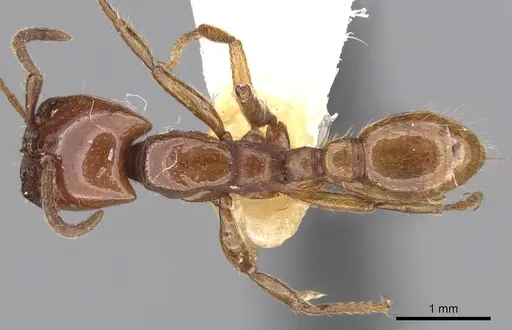
CASENT0901960
View on AntWeb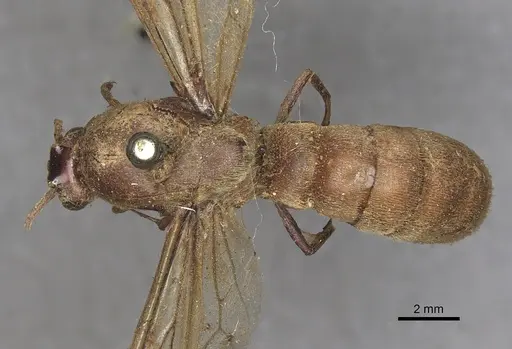
CASENT0902646
View on AntWeb
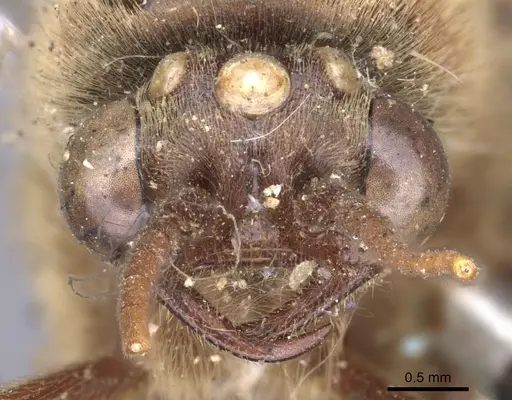
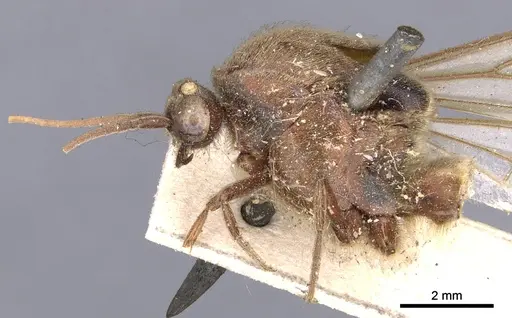
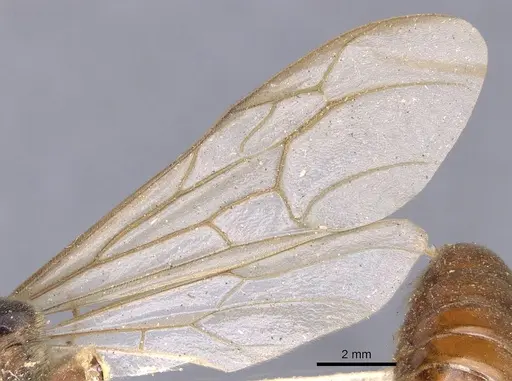
CASENT0902647
View on AntWeb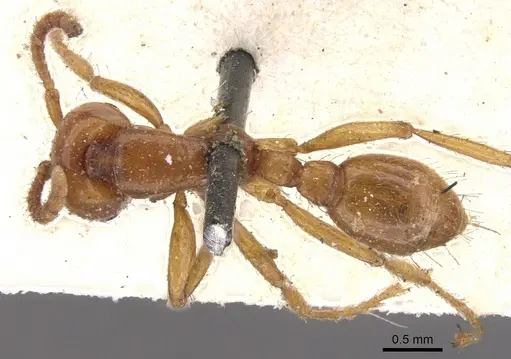
CASENT0915860
View on AntWeb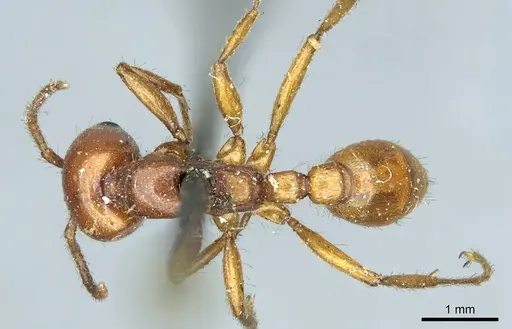
CASENT0915861
View on AntWeb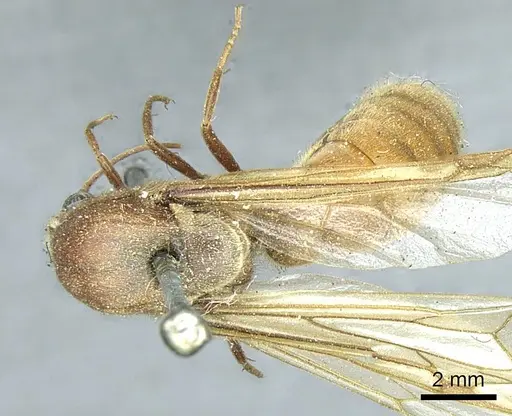
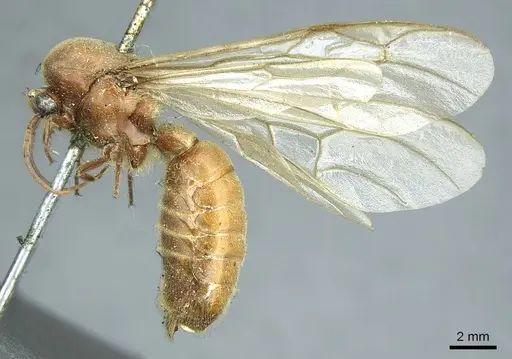
FOCOL0677
View on AntWeb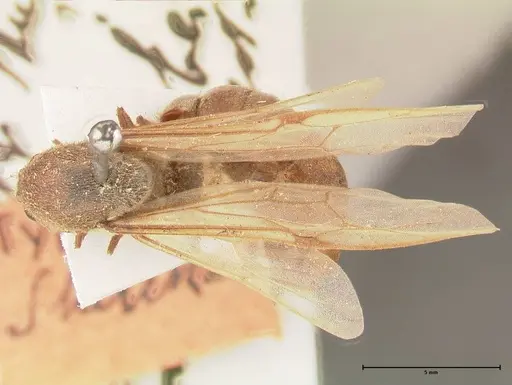
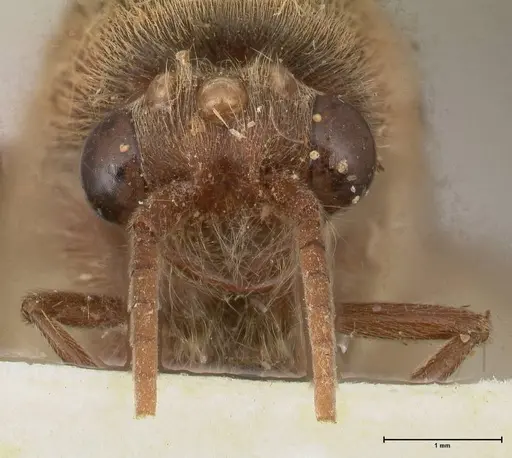
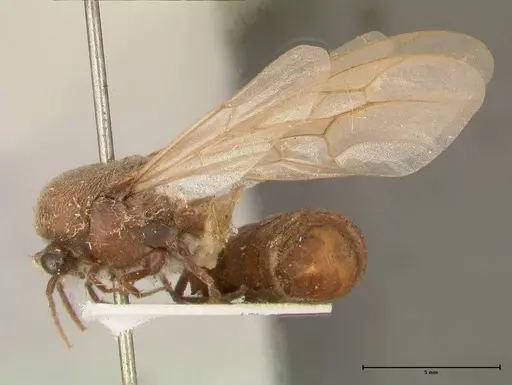
FOCOL1138
View on AntWeb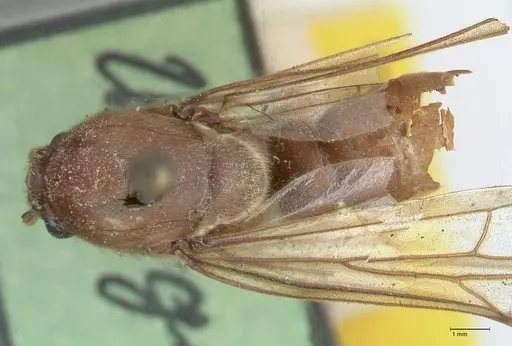
Literature
Loading...Loading products...