

Neivamyrmex pauxillus
- Scientific Name
- Neivamyrmex pauxillus
- Subfamily
- Dorylinae
- Author
- Wheeler, 1903
- Distribution
- Found in 2 countries
Neivamyrmex pauxillus Overview
Neivamyrmex pauxillus is an ant species of the genus Neivamyrmex. It is primarily documented in 2 countries , including Mexico, United States of America. Detailed taxonomic data and occurrence records can be further explored via authoritative databases such as AntWeb or the Global Biodiversity Information Facility (GBIF).
Neivamyrmex pauxillus
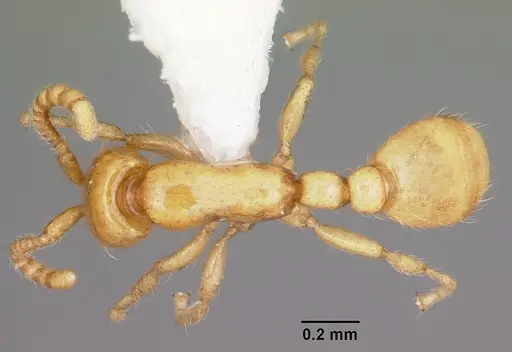
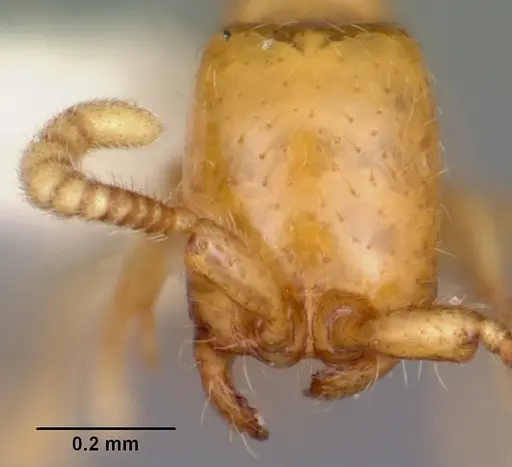
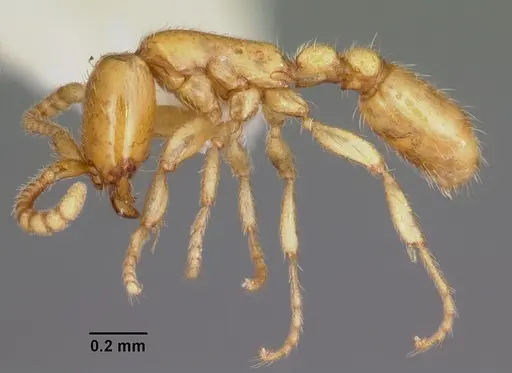
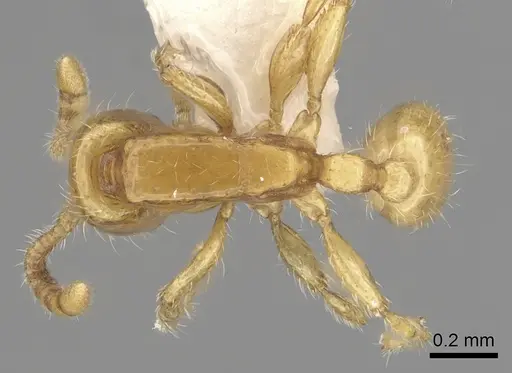
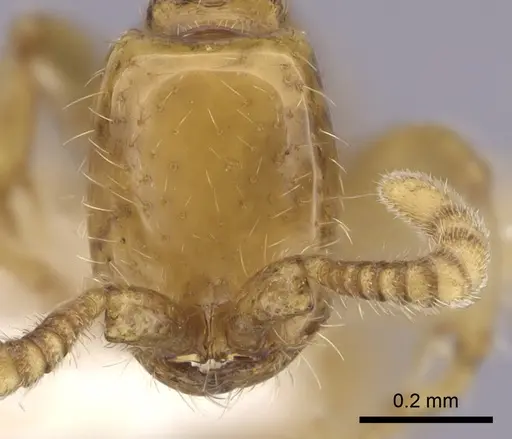
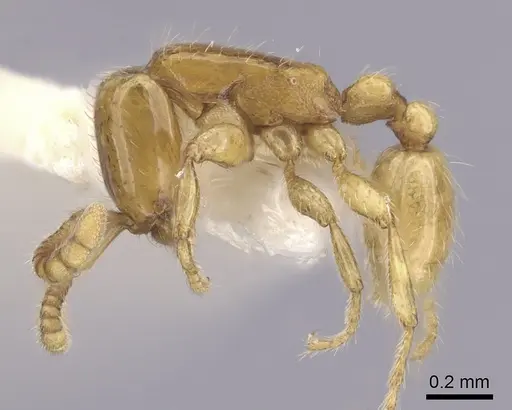
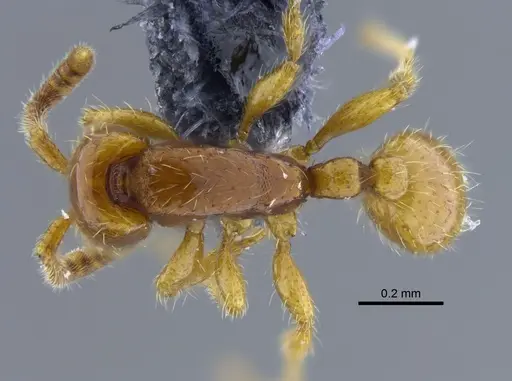
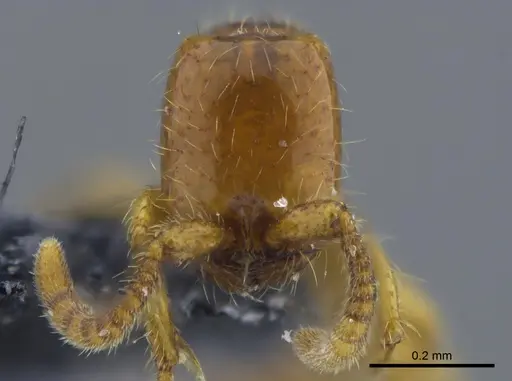
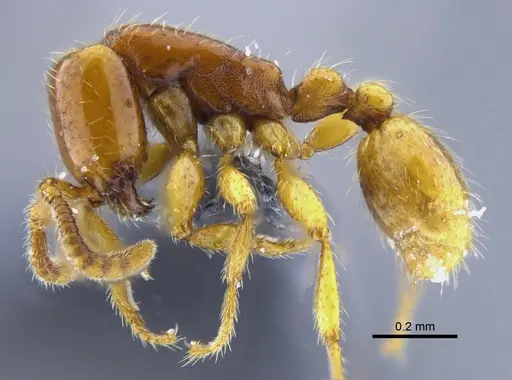
Neivamyrmex pauxillus is a tiny army ant species native to the southern United States and northern Mexico. Workers measure just 1.75-2mm and are a reddish-yellow color throughout, with no eyes at all, they are completely blind and navigate chemically [1]. Their mandibles have a prominent basal tooth, and they have the classic army ant body shape with a distinct constriction between the meso- and epinotum. This is one of several small, nondescript yellow Neivamyrmex species that are rarely encountered due to their entirely subterranean lifestyle [2].
What makes N. pauxillus fascinating is how little we know about them despite being a North American species. These ants are confirmed subterranean predators, likely hunting other ants or termites underground [2]. They move in small troops under stones, and researchers have had success locating them using underground baiting techniques. For antkeepers, this species represents a real challenge, a cryptic predator that lives most of its life hidden from view.
Quick Summary
- Difficulty: Expert
- Origin & Habitat: Southern United States (Louisiana, Texas) and northern Mexico (Hidalgo, Tamaulipas, Morelos, Veracruz). They live in subterranean habitats, typically found under stones in soil [3][2][4][5].
- Colony Type: Colony structure is unconfirmed. As a Neivamyrmex army ant, they likely have temporary colony structures similar to other army ants, but this has not been studied.
- Size & Growth:
- Queen: Unknown, queen was described by Watkins (1971) but measurements not available [1]. Likely slightly larger than workers.
- Worker: 1.75-2mm [1]
- Colony: Unknown, likely smaller colonies given their tiny worker size and cryptic habits.
- Growth: Unknown
- Development: Unknown, no development data exists for this species. Related army ant species suggest several months, but this is purely speculative. (Development timeline has not been studied. Estimates based on other Neivamyrmex species would be speculative.)
- Antkeeping:
- Temperature: Unknown, no thermal studies exist. Based on their range (Texas, Louisiana, northern Mexico), they likely tolerate temperatures from roughly 15-30°C. Start around room temperature (20-24°C) and observe colony activity.
- Humidity: Subterranean species likely require higher humidity. Keep the nest substrate consistently moist but not waterlogged. Think damp underground conditions.
- Diapause: Unknown, no seasonal data exists. Their range includes areas with mild winters, so they may have reduced activity periods rather than true hibernation.
- Nesting: Fully subterranean. They need a dark, humid environment with access to soil or a moist substrate. A test tube setup with soil or a plaster nest with high humidity would be most appropriate. They should be kept in darkness as they have no eyes.
- Behavior: These are blind, subterranean predatory ants. They likely exhibit raiding behavior typical of army ants, moving in small groups to hunt other ant colonies or termite colonies [2]. They have no eyes and navigate entirely through chemical signals. Workers are very small at 1.75-2mm, so escape prevention is critical despite their subterranean nature, they can still squeeze through small gaps. Temperament is likely aggressive toward other ant species but no direct observations of aggression toward keepers exist. Their small size and lack of eyes make them completely harmless to humans.
- Common Issues: completely unknown care requirements means trial and error is required, subterranean lifestyle makes observing colony behavior difficult, no confirmed food preferences, must experiment with prey items, escape prevention needed despite small size, they can fit through tiny gaps, very rare in the antkeeping hobby so no established husbandry methods exist
Why Neivamyrmex pauxillus Is So Challenging
This species represents one of the most difficult ant keeping challenges in North America. Unlike common ant species with extensive care guides, N. pauxillus has barely been studied in the wild, let alone in captivity. The entire scientific literature consists of a handful of specimen descriptions and distribution records. No one has documented their colony structure, founding behavior, diet preferences, or development timeline. What we know is this: they are tiny (1.75-2mm), completely blind, subterranean, and predatory. That's it. Everything else, how to keep them alive, what to feed them, how they reproduce, is unknown. This is not a species for beginners or even intermediate antkeepers. It's a species for advanced hobbyists who enjoy the challenge of pioneering new husbandry methods. [2][1]
Housing and Nest Setup
Given their completely subterranean lifestyle, these ants need a dark, humid environment. They have no functional eyes, so light exposure likely causes them stress. A setup with minimal light access is essential, think of a naturalistic setup with a dark cover or a test tube inserted into a dark container. The substrate should be consistently moist but not waterlogged. Given their tiny size (1.75-2mm), any gaps in the housing must be extremely small, they can fit through gaps that seem impossible for such small ants. A small plaster nest or a test tube with moist cotton could work, but the key is maintaining high humidity while preventing escapes. They should be kept in darkness as much as possible. Some keepers have had success locating Neivamyrmex species using underground baiting, placing small prey items in buried containers [2]. This suggests they will emerge to investigate prey in their tunnels.
Feeding and Diet - The Big Unknown
This is the biggest mystery about N. pauxillus. They are confirmed to be subterranean predators [2], likely hunting other ants or termites, but no one has documented what they actually eat in captivity. As army ants (subfamily Dorylinae), they likely raid other ant colonies for brood, or hunt termites. For captive feeding, you would need to experiment with very small prey items: tiny live insects like springtails, fruit fly larvae, or small mealworms. Given their tiny size (workers are only 1.75-2mm), prey must be extremely small. They may not accept larger prey items at all. Sugar sources are unlikely to be accepted, army ants are primarily predatory. Start with live micro-prey and observe. Do not expect established feeding schedules to work, this requires experimentation.
Understanding Their Biology
Neivamyrmex pauxillus was first described by William Morton Wheeler in 1903 from nine specimens collected under a stone in Texas [1]. This remains the typical encounter method, finding them by turning stones in their habitat. They have never been collected in large numbers, suggesting their colonies are small or their foragers are few. They are completely blind (no eyes) and navigate chemically, like all army ants. Their mandibles have a prominent basal tooth, which they likely use to seize prey. The queen was described later by Watkins in 1971,but her size and behavior are not well documented [1]. Their distribution covers the Nearctic-Neotropical interface, Louisiana and Texas in the US, and central Mexico states. This suggests they prefer warm climates but can handle cooler temperatures during winter months.
Frequently Asked Questions
Is Neivamyrmex pauxillus a good species for beginners?
No. This is an expert-level species. Almost nothing is known about their care requirements, no one has documented what they eat, how they reproduce, or what conditions they need. They are subterranean, blind, and extremely rare in the hobby. Only experienced antkeepers who enjoy pioneering new husbandry methods should attempt this species.
What do Neivamyrmex pauxillus ants eat?
They are confirmed subterranean predators, likely hunting other ants or termites [2]. In captivity, you would need to experiment with very small live prey, think springtails, fruit fly larvae, or tiny mealworms. Their workers are only 1.75-2mm, so prey must be extremely small. They almost certainly will not accept sugar water or honey. This is speculative, no one has successfully kept this species long-term to confirm diet.
How big do Neivamyrmex pauxillus colonies get?
Unknown. No one has documented colony size for this species. Their tiny worker size (1.75-2mm) and cryptic subterranean lifestyle suggest smaller colonies than typical army ants, but this is purely speculative.
Can I keep Neivamyrmex pauxillus in a test tube?
A test tube setup with moist cotton could work, but they need high humidity and complete darkness. The key challenge is escape prevention despite their tiny 1.75-2mm size, they can squeeze through very small gaps. Any test tube setup must have excellent barriers. They are subterranean, so they may do better in a setup with soil or a moist substrate they can tunnel through.
Do Neivamyrmex pauxillus need hibernation?
Unknown. Their range includes Texas, Louisiana, and northern Mexico, areas with mild winters. They may have reduced activity during cooler months rather than true hibernation. No seasonal data exists for this species.
Where can I find Neivamyrmex pauxillus in the wild?
They are found in Louisiana and Texas (USA), and in central Mexico (Hidalgo, Tamaulipas, Morelos, Veracruz). They are subterranean and rarely encountered. The best method is underground baiting, burying small containers with prey to attract foraging workers [2]. They have been found under stones, so turning stones in appropriate habitat may also work.
How do Neivamyrmex pauxillus queens found colonies?
Unconfirmed. Founding behavior has not been documented for this species. Most Neivamyrmex are army ants and likely have temporary parasitic founding like other Dorylinae, but this is unconfirmed. The queen was described in 1971 but her behavior is unknown.
Why are they called army ants?
Neivamyrmex is a genus of army ants (subfamily Dorylinae). Army ants are known for their predatory raids, they organize in groups and raid other ant colonies or termite colonies for food. However, N. pauxillus is unusual among army ants for being completely subterranean and rarely observed raiding. They likely conduct smaller-scale raids underground.
References

This caresheet is licensed under CC BY-SA 4.0 .
Literature
Loading...Loading products...