

Neivamyrmex pacificus
- Scientific Name
- Neivamyrmex pacificus
- Subfamily
- Dorylinae
- Author
- Borgmeier, 1955
- Distribution
- Found in 1 countries
Neivamyrmex pacificus Overview
Neivamyrmex pacificus is an ant species of the genus Neivamyrmex. It is primarily documented in 1 countries , including Colombia. Detailed taxonomic data and occurrence records can be further explored via authoritative databases such as AntWeb or the Global Biodiversity Information Facility (GBIF).
Neivamyrmex pacificus
Neivamyrmex pacificus is a Neotropical army ant species described from Peru. Workers are small to medium-sized for an army ant, with the genus characterized by their highly specialized predatory behavior and nomadic lifestyle. As an army ant, they are fierce predators that conduct raiding swarms to capture brood from other ant colonies. This species is known only from the coastal regions of northern Peru, particularly the Trujillo and Valle Chicama areas [1][2]. Army ants like this one are among the most behaviorally complex ants in the world, with sophisticated raiding strategies and colony structures that require constant movement.
Quick Summary
- Difficulty: Expert
- Origin & Habitat: Northern Peru, specifically the Trujillo and Valle Chicama regions along the coast. They inhabit tropical dry forest and agricultural areas in this region [1].
- Colony Type: Army ant colony structure, likely led by a single queen (monogyne), though detailed colony structure for this specific species is unconfirmed. Army ant colonies are characterized by their nomadic phase where they regularly move bivouacs (temporary nests made from living workers) in search of prey [3].
- Special: Slave-making
- Size & Growth:
- Queen: Unconfirmed, army ant queens are typically large (12-20mm) but no specific measurements for this species
- Worker: Unconfirmed, genus workers typically range 3-9mm depending on caste
- Colony: Likely several hundred to over a thousand workers based on typical Neivamyrmex colony sizes [3]
- Growth: Fast, army ant colonies grow rapidly when food is abundant
- Development: Unconfirmed, likely 3-5 weeks at optimal temperature based on typical army ant development [3] (Development is likely rapid given their predatory lifestyle and colony needs)
- Antkeeping:
- Temperature: Warm conditions expected, aim for 24-28°C given their Peruvian coastal origin. Provide a temperature gradient allowing thermoregulation.
- Humidity: Moderate to high, army ants typically prefer humid conditions. Keep substrate moist but not waterlogged.
- Diapause: Likely minimal or none, being from tropical Peru, they probably do not require a true hibernation. May have reduced activity during cooler dry season.
- Nesting: This is the critical challenge, army ants do NOT settle in conventional nests. They form bivouacs (living nests made of worker bodies) that must be moved frequently. This species is NOT suitable for conventional formicarium setups.
- Behavior: Extremely aggressive predators with powerful stings. They conduct coordinated raiding swarms to overwhelm other ant colonies and capture their brood. Workers are highly polymorphic (varying sizes) with larger soldiers capable of defending the colony. Escape prevention is essential, they will rapidly disperse if given any opportunity. They are primarily nocturnal or crepuscular raiders. This species is NOT suitable for beginners due to their specialized nomadic lifestyle and specific dietary requirements [3].
- Common Issues: conventional nests are completely unsuitable, army ants must be able to form movable bivouacs, food requirements are specialized, they need regular access to brood from other ant colonies, which is extremely difficult to provide in captivity, colonies will decline without constant hunting opportunities, they cannot survive on standard ant foods, they will escape readily if enclosure is not completely secure, handling is difficult due to their aggressive defense and painful stings
Why Army Ants Are Different
Neivamyrmex pacificus represents a fundamentally different challenge compared to typical ant keeping. Unlike most ants that establish permanent nests, army ants are nomadic by nature. They form temporary structures called bivouacs, living nests constructed from thousands of interlocked workers that can be moved as needed. This species raids other ant colonies to steal their brood, which serves as their primary food source. This predatory lifestyle means they cannot be kept like conventional ants that accept sugar water and protein foods. The specialized dietary needs and movement requirements make this species suitable only for very experienced antkeepers with access to a steady supply of target ant colonies [3].
Housing and Bivouac Management
Keeping Neivamyrmex pacificus successfully requires abandoning conventional nest ideas. The colony needs a space where they can form and move their bivouac freely. A simple setup with dark, humid chambers connected to a foraging area works best. The critical requirement is providing enough space for the bivouac while ensuring darkness during rest periods. Unlike Tetramorium or Camponotus that stay in one location, this colony will need to be able to relocate their bivouac periodically. Many keepers provide multiple potential bivouac sites to allow natural movement patterns. The enclosure must be completely secure, army ants are expert escape artists and will find any gap [3].
Feeding and Predation
This species is an obligate predator that raids other ant colonies. In the wild, they specialize in hunting brood (eggs, larvae, pupae) from other ant species. Providing this diet in captivity is extremely challenging. Options include maintaining separate colonies of feeder ants (such as Brachymyrmex or other small ants) that can be raided, or carefully introducing brood from other ant colonies. They will not survive on standard ant foods like sugar water, honey, or dead insects alone. Some success has been reported with providing pupae from various ant species, but this requires significant effort and planning. The colony should have hunting opportunities at least weekly for optimal health [3].
Defense and Sting Risk
Neivamyrmex pacificus has a potent sting and should be handled with extreme caution. Soldiers (larger workers) are equipped with painful stingers and will defend the colony aggressively when threatened. Unlike many ants that only bite or spray formic acid, this species delivers a genuine sting that can cause significant pain and swelling in humans. The sting is medically significant for some individuals. When working with this species, use full protective gear including gloves and eye protection. Never open the enclosure unless absolutely necessary. If attacked, leave the area immediately, running will help you escape the swarming workers. The colony defends as a unified force, with hundreds of workers responding to threats [3].
Seasonal Care and Activity Patterns
Being from tropical Peru, this species does not experience true hibernation. However, activity may reduce during the cooler months or dry season. In captivity, maintain warm temperatures year-round (24-28°C) with slight reductions during what would be winter. Army ants are typically most active during cooler hours, dawn, dusk, or night. Provide lighting that mimics these patterns, or keep the colony in a dark room with red lighting for observation. The colony will show increased raiding activity after periods of rest, as this is how they replenish their food stores. Monitor colony size, a healthy army ant colony should show consistent worker numbers with new brood regularly developing [3].
Frequently Asked Questions
Can I keep Neivamyrmex pacificus in a test tube or formicarium?
No, army ants absolutely require different housing than conventional ants. They need space to form movable bivouacs and cannot settle in fixed nests. A simple plastic container with moist substrate and dark retreats works better than any commercial formicarium. The bivouac must be able to move, which is impossible in a test tube setup.
What do Neivamyrmex pacificus eat?
They are obligate predators that raid other ant colonies for brood. They will not survive on standard ant foods. You must provide access to brood from other ant colonies, either by maintaining feeder ant colonies or by introducing collected brood. This makes them one of the most difficult species to keep successfully.
Are Neivamyrmex pacificus good for beginners?
No, this species is absolutely not suitable for beginners. Their specialized predatory lifestyle, need for movable bivouacs, difficult dietary requirements, and potent stings make them an expert-only species. Start with easier ants like Lasius, Tetramorium, or Camponotus before considering army ants.
How long until first workers in Neivamyrmex pacificus?
The exact development timeline is unconfirmed for this species. Based on typical army ant development, expect 3-5 weeks from egg to worker at optimal temperature. Army ant colonies grow rapidly once established, but founding colonies are fragile and require careful management.
Do Neivamyrmex pacificus ants sting?
Yes, they have a potent sting that is medically significant. The sting causes significant pain and swelling. Handle with extreme caution using protective gear. They are among the more dangerous ants to keep due to their aggressive defense and powerful sting.
Can I keep multiple queens together in Neivamyrmex pacificus?
Colony structure is unconfirmed for this specific species. However, army ants typically have single-queen colonies. Combining unrelated queens has not been documented and is not recommended. If you obtain multiple foundress queens, house them separately.
How big do Neivamyrmex pacificus colonies get?
Based on typical Neivamyrmex species, colonies likely reach several hundred to over a thousand workers. Army ant colonies can be quite large but are dependent on regular hunting success. Well-fed colonies in captivity may reach similar sizes to wild colonies.
Do Neivamyrmex pacificus need hibernation?
No, being from tropical Peru, they do not require true hibernation. Maintain warm temperatures year-round (24-28°C). Activity may reduce slightly during cooler periods, but they do not enter diapause like temperate species.
Why is my Neivamyrmex pacificus colony declining?
The most likely cause is insufficient food, they need regular access to ant brood. Other common issues include: inability to form bivouac due to unsuitable housing, temperatures that are too low, excessive disturbance, or escape. Review each of these factors and adjust accordingly.
References

This caresheet is licensed under CC BY-SA 4.0 .
CASENT0883401
View on AntWeb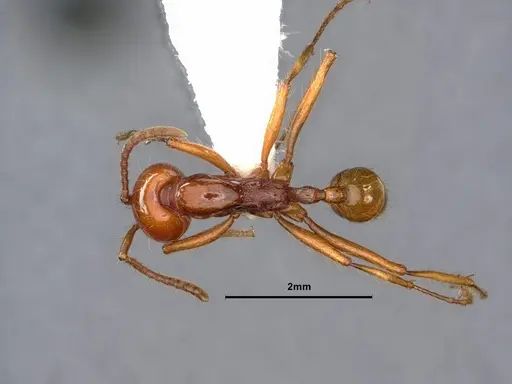
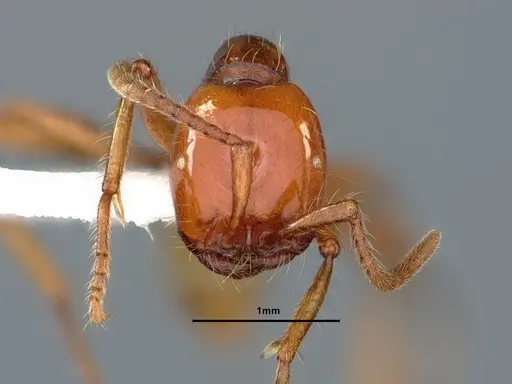
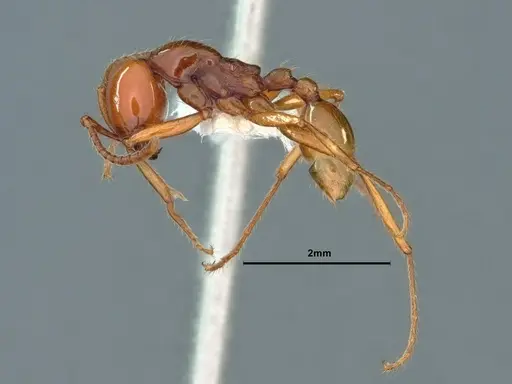
Literature
Loading...Loading products...