

Neivamyrmex ndeh
- Scientific Name
- Neivamyrmex ndeh
- Subfamily
- Dorylinae
- Author
- Snelling & Snelling, 2007
- Distribution
- Found in 1 countries
Neivamyrmex ndeh Overview
Neivamyrmex ndeh is an ant species of the genus Neivamyrmex. It is primarily documented in 1 countries , including United States of America. Detailed taxonomic data and occurrence records can be further explored via authoritative databases such as AntWeb or the Global Biodiversity Information Facility (GBIF).
Neivamyrmex ndeh
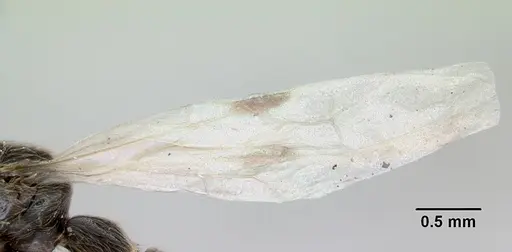
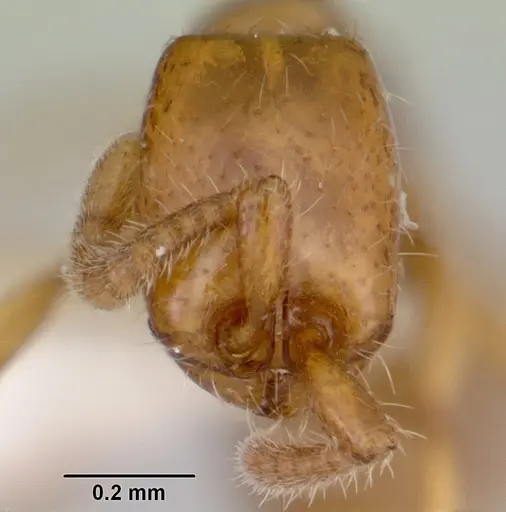
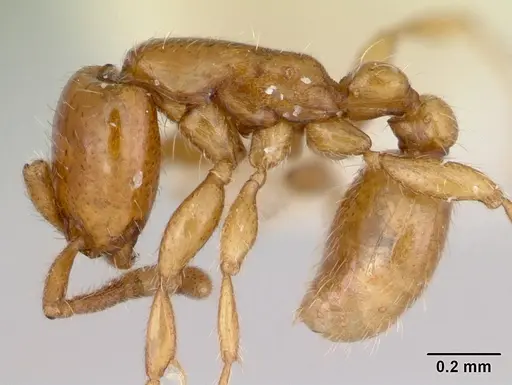
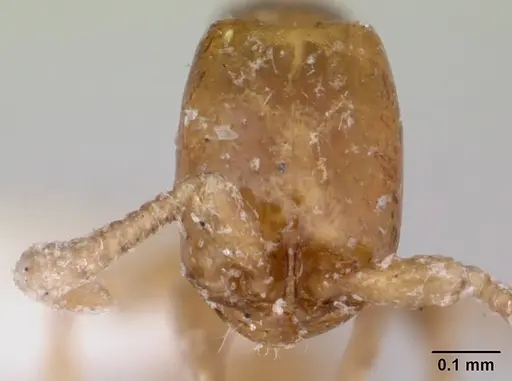
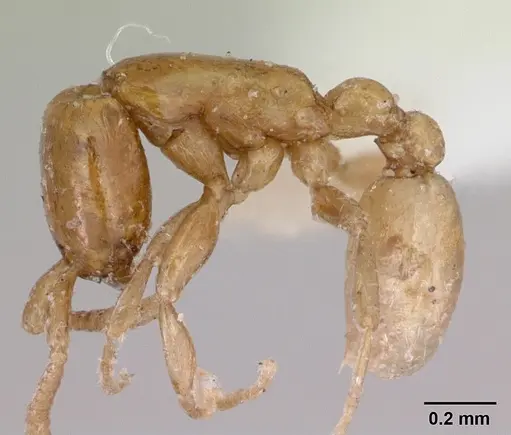
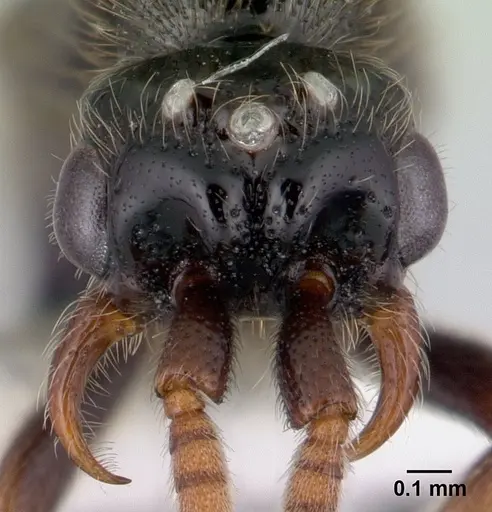
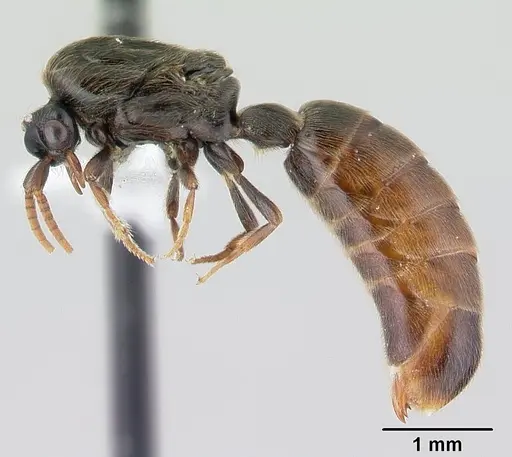
Neivamyrmex ndeh is a tiny army ant species native to the southwestern United States, specifically found only in south-central Arizona [1]. Workers are among the smallest in the genus, measuring just 0.45-0.72mm in head length, with a distinctive smooth and shiny appearance and a small but distinct subpetiolar tooth [1]. The species was named after the Ndeh (Apache) people of the southwestern region [1]. As an army ant, this species exhibits the characteristic nomadic lifestyle, forming columns to raid other ant colonies for brood, researchers observed a column of workers trailing across soil in Arizona, likely the beginning of a raid [1]. This species remains poorly studied in the wild, with workers discovered under rocks in late afternoon and males collected from Malaise and black light traps [1][2].
Quick Summary
- Difficulty: Expert
- Origin & Habitat: South-central Arizona, United States, found in desert and semi-arid habitats under rocks and in exposed soil areas [1][2]
- Colony Type: Army ant colony structure, nomadic with regular emigrations and raids. Colony type unconfirmed as only workers and males have been documented, no queen specimens have been described.
- Special: Slave-making
- Size & Growth:
- Queen: Undescribed, queen morphology not documented in available literature [1]
- Worker: 0.45-0.72mm head length,0.34-0.61mm head width [1]
- Colony: Unknown, no colony size data available
- Growth: Unknown, development timeline not studied
- Development: Unknown, no development data available for this species (Development timeline has not been documented. Related Neivamyrmex species typically develop from egg to adult in 3-6 weeks at optimal temperatures, but this is an estimate for N. ndeh.)
- Antkeeping:
- Temperature: Likely tolerates a wide range typical of desert ants, estimated 20-30°C based on Arizona habitat. Provide a thermal gradient allowing workers to self-regulate.
- Humidity: Low to moderate, desert species adapted to arid conditions. Keep nest substrate relatively dry, with a small moist area for brood if colony is established.
- Diapause: Likely, Arizona experiences distinct seasons with cooler winters. Related Neivamyrmex species typically reduce activity in winter. Provide a cool period around 10-15°C for 2-3 months.
- Nesting: Prefer enclosed nests with narrow chambers, test tube setups or acrylic nests work well. Provide access to an outworld for raiding behavior. This species nests under rocks in the wild, so a naturalistic setup with flat stones over substrate may also be suitable [1].
- Behavior: Army ants are highly active and aggressive predators. Workers form raiding columns to attack other ant colonies, capturing brood to raise as workers [1]. They are nocturnal or crepuscular, with workers discovered trailing across soil in late afternoon [1]. Escape prevention is critical, workers are tiny (under 1mm) and can squeeze through extremely small gaps. Use fine mesh barriers and tight-fitting lids. They are not defensive toward humans but will vigorously attack other ant colonies.
- Common Issues: tiny size makes escape prevention challenging, use fine mesh and seal all gaps, no captive husbandry information exists for this species, experimental keeper, army ants require constant movement and new territory, may struggle in static setups, related species often decline rapidly in captivity without proper raiding opportunities, poorly understood species means keeper must be prepared for trial and error
Understanding Neivamyrmex ndeh
Neivamyrmex ndeh is one of the smallest army ant species in the United States, with workers measuring just 0.45-0.72mm in head length [1]. This species was only recently described in 2007 and was previously known as Neivamyrmex ndeh before being synonymized [1]. The species name 'ndeh' honors the Apache people of the southwestern United States and northern Mexico [1].
This ant is currently known only from south-central Arizona, making it one of the more restricted Neivamyrmex species in the United States [1]. The type series was discovered by overturning rocks in late afternoon, where a small number of workers were found beneath the rock, and a column of ants was observed trailing across the soil surface [1]. This behavior is characteristic of army ants, which are known for their nomadic lifestyle and coordinated raids on other ant colonies.
The genus Neivamyrmex contains around 120 species of army ants distributed throughout the Americas, with the highest diversity in the southwestern United States and tropical regions. Army ants are defined by their predatory behavior, forming raiding columns to capture brood from other ant colonies, which they raise as workers in their own nests, this is called dulosis or slave-making [1].
Housing and Nest Setup
Housing Neivamyrmex ndeh presents significant challenges due to the species' poorly documented biology and the specialized needs of army ants. Since this species has never been kept in captivity according to available literature, keepers must be prepared for experimental husbandry.
For housing, use test tube setups for founding colonies or small acrylic nests with narrow chambers scaled to their tiny size. Workers are only 0.5mm or smaller in width, so even standard test tube setups may need modification with cotton barriers to prevent workers from escaping through gaps [1]. Fine mesh is essential for escape prevention.
Army ants require access to an outworld where they can conduct raids. A setup with a nest chamber connected to a larger foraging area works best. The foraging area should allow for the establishment of prey colonies (typically other ant species) that the army ants can raid. This is critical, army ants are obligate predators and will not survive long without access to brood from other ant colonies.
Nesting in the wild occurs under rocks and in soil crevices [1]. A naturalistic setup with a layer of soil beneath flat stones can mimic their natural nesting environment, though this makes observation more difficult.
Feeding and Diet
Neivamyrmex ndeh is an army ant, which means it is an obligate predator that primarily raids the colonies of other ant species. In the wild, these ants form coordinated columns and attack other ant nests, capturing larvae and pupae to feed their colony and raise as additional workers, this behavior is called dulosis or slave-making [1].
In captivity, providing an adequate food source is the primary challenge for keeping army ants. You will need to maintain colonies of suitable prey ant species (typically small ants like Pheidole, Solenopsis, or other common ants) in the outworld for the army ants to raid. The prey colonies should be established separately and introduced periodically to prevent the army ants from depleting their food source entirely.
Beyond ant brood, workers may accept small insects and other protein sources. However, the primary diet should consist of ant brood from prey colonies. Without regular raids, army ant colonies will decline and eventually die out. This makes N. ndeh extremely difficult to keep long-term, most captive army ant colonies fail within months to a few years because they cannot sustain their raiding lifestyle.
Do not expect this species to accept sugar water or honey, army ants are predatory and their digestive systems are specialized for protein, not carbohydrates.
Temperature and Seasonal Care
Neivamyrmex ndeh is found in south-central Arizona, a region with extreme temperature variations between seasons. The species experiences hot summers and cool winters, with temperatures ranging from below freezing in winter to over 40°C in summer.
For captive care, maintain temperatures in the range of 20-30°C, with a thermal gradient allowing workers to self-regulate. A heating cable on one side of the nest can create this gradient. Since this species has never been kept in captivity, start in the middle of this range (around 24-26°C) and observe colony behavior, if workers consistently cluster in cooler areas, reduce temperature, if they gather near heat, increase slightly.
Regarding diapause (winter rest), Arizona does experience a cool season, and related Neivamyrmex species reduce activity during winter months. Provide a cool period around 10-15°C for 2-3 months during winter, reducing feeding frequency and expecting lower activity levels. This mimics the natural seasonal cycle and may be necessary for colony health long-term.
Monitor humidity carefully, desert species are adapted to arid conditions. Keep the nest relatively dry with only a small moist area for brood if present. Excessive humidity can lead to fungal growth and colony decline. [1]
Behavior and Colony Dynamics
Army ants are defined by their nomadic lifestyle and coordinated raiding behavior. Unlike most ant species that establish permanent nests, army ant colonies move regularly, sometimes every few weeks, following the depletion of local prey colonies [1]. This behavior is called nomadism.
In Neivamyrmex ndeh, workers form columns to raid other ant colonies [1]. The observed column in Arizona was likely the beginning of a raid, though no brood was observed being carried, so the researchers could not confirm whether it was a raid or an emigration [1]. This uncertainty reflects how little is known about this species.
Army ant colonies reproduce through a process called fission, where the queen and a portion of the colony leave to establish a new colony, rather than nuptial flights. Males are produced seasonally and are typically winged for dispersal. Male N. ndeh were collected using Malaise traps and black light traps, indicating they are nocturnal flyers [1][2].
Workers are small but aggressive toward other ant species. They are not defensive toward humans and cannot sting effectively due to their tiny size. However, they will readily attack and overwhelm other ant colonies in their territory.
Frequently Asked Questions
Is Neivamyrmex ndeh suitable for beginners?
No. This species is not suitable for beginners or even intermediate antkeepers. It is an army ant with extremely specialized requirements that have never been documented in captivity. The species was only described in 2007 and remains poorly studied. Keeping N. ndeh requires extensive experience with predatory ant species and a willingness to experiment with husbandry. Most army ant colonies in captivity fail because their raiding lifestyle cannot be properly sustained.
How long does it take for Neivamyrmex ndeh to develop from egg to worker?
The development timeline for N. ndeh has not been documented in scientific literature. Related Neivamyrmex species typically develop from egg to adult in 3-6 weeks at optimal temperatures (around 25-28°C), but this is only an estimate. Without specific data for N. ndeh, keepers should expect significant variation and trial-and-error learning. The lack of any captive husbandry information means there is no established timeline to reference.
Can I keep multiple Neivamyrmex ndeh queens together?
The colony structure of N. ndeh has not been documented. Army ant colonies typically have a single queen (monogyne), but some Neivamyrmex species can have multiple queens. Without specific information about this species, combining unrelated queens is not recommended. If you obtain a wild colony, observe carefully for queen behavior, army ant queens are typically larger than workers and may be wingless or have wing scars.
What do I feed Neivamyrmex ndeh in captivity?
N. ndeh is an army ant and requires ant brood from other ant colonies as its primary food source. You must maintain prey ant colonies (such as Pheidole, Solenopsis, or other small ants) in an outworld for the army ants to raid. Without regular access to prey ant brood, the colony will decline and die. This makes N. ndeh extremely difficult to keep long-term. Supplementary small insects may be accepted but should not replace ant brood as the primary food source.
What is the ideal temperature for Neivamyrmex ndeh?
Based on the species' Arizona habitat, aim for temperatures between 20-30°C with a thermal gradient. Start around 24-26°C and adjust based on colony behavior. If workers consistently avoid the heated area, reduce temperature, if they cluster near heat, increase slightly. Arizona experiences extreme temperatures, so this species likely tolerates a wide range, but avoid temperatures below 15°C or above 35°C for extended periods.
Does Neivamyrmex ndeh need hibernation?
Likely yes. Arizona has distinct seasons with cool winters, and related Neivamyrmex species reduce activity during winter months. Provide a cool period around 10-15°C for 2-3 months during winter, reducing feeding frequency. This mimics natural conditions and may be necessary for long-term colony health. Monitor the colony, if workers remain active and healthy year-round without a cool period, hibernation may not be strictly required, but it is recommended based on the species' natural range.
Why are my Neivamyrmex ndeh dying in captivity?
Without any documented captive husbandry for this species, colony failure is expected. Common issues include: inability to sustain raiding lifestyle (army ants need regular access to prey ant colonies), escape through tiny gaps (workers are under 1mm), improper humidity (desert species, keep relatively dry), and stress from captivity. Army ants are extremely difficult to keep long-term in captivity, most colonies fail within months. If your colony is declining, review all aspects of husbandry and consider that this species may simply not survive in captivity with current knowledge.
When will Neivamyrmex ndeh produce alates (reproductives)?
The reproductive biology of N. ndeh has not been documented. Male specimens were collected from Malaise traps and black light traps, indicating they fly at night [1][2]. The timing of nuptial flights is unknown. In related Neivamyrmex species, alates are typically produced seasonally and released during specific flight periods. Without specific data, expect alate production to be rare and unpredictable in captivity.
References

This caresheet is licensed under CC BY-SA 4.0 .
CASENT0103466
View on AntWeb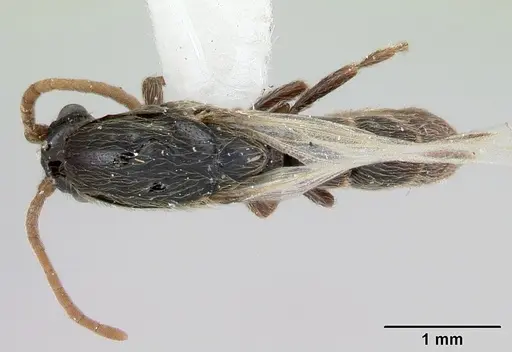
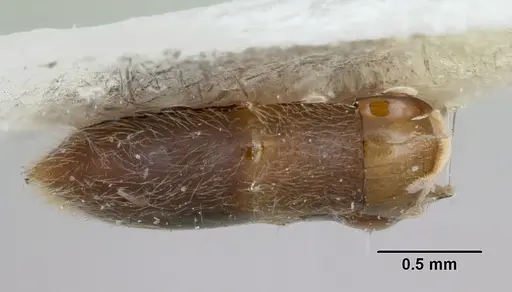
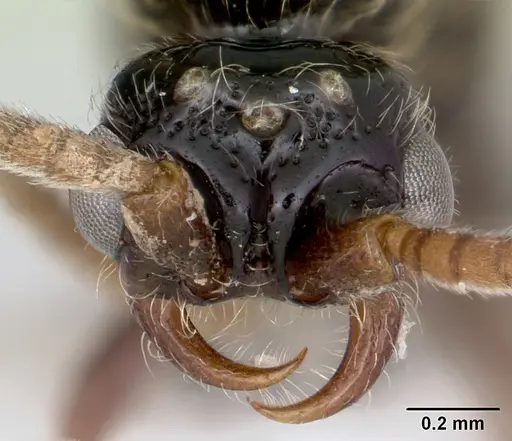
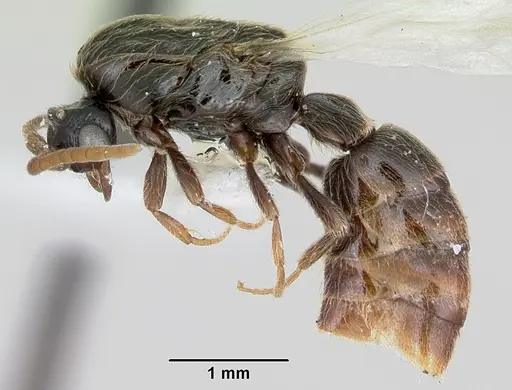
CASENT0103467
View on AntWeb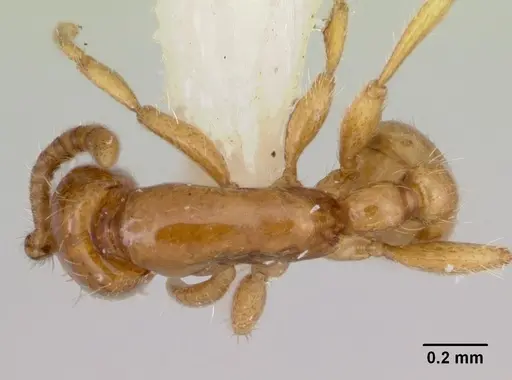
CASENT0103468
View on AntWeb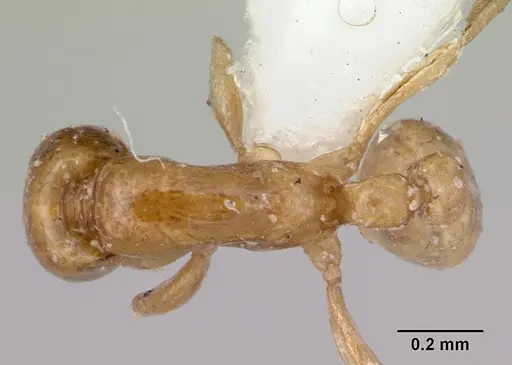
CASENT0179512
View on AntWeb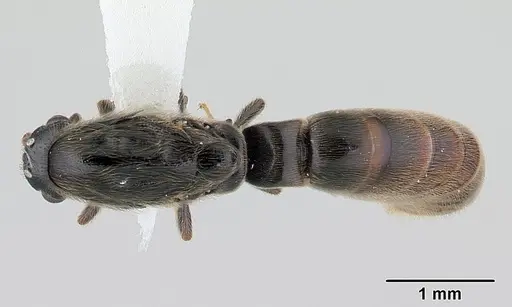
Literature
Loading...Loading products...