

Neivamyrmex minensis
- Scientific Name
- Neivamyrmex minensis
- Subfamily
- Dorylinae
- Author
- Borgmeier, 1928
- Distribution
- Found in 1 countries
Neivamyrmex minensis Overview
Neivamyrmex minensis is an ant species of the genus Neivamyrmex. It is primarily documented in 1 countries , including Brazil. Detailed taxonomic data and occurrence records can be further explored via authoritative databases such as AntWeb or the Global Biodiversity Information Facility (GBIF).
Neivamyrmex minensis
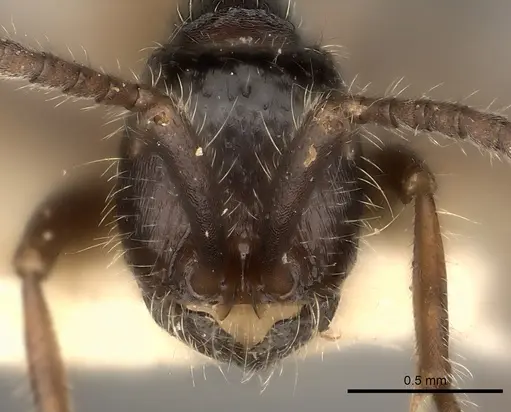
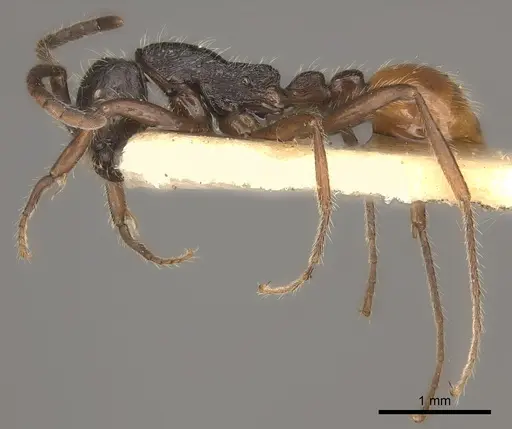
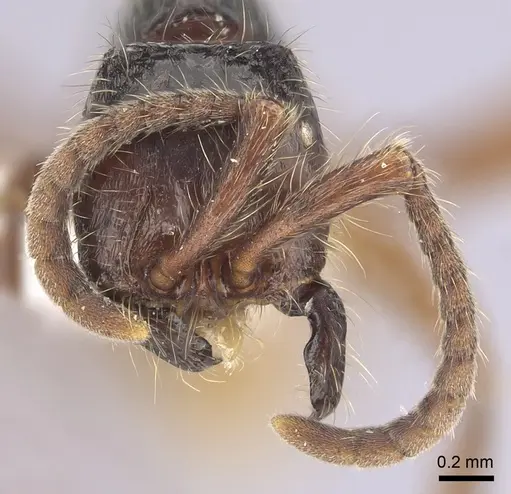
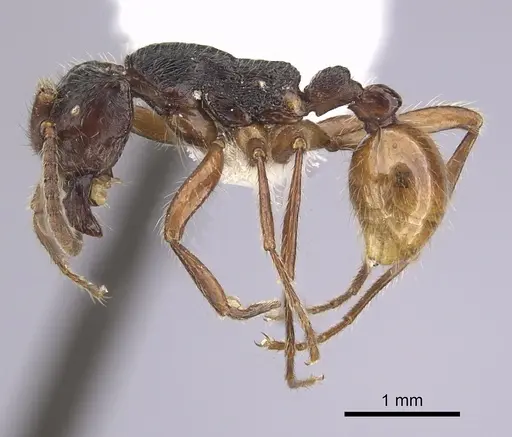
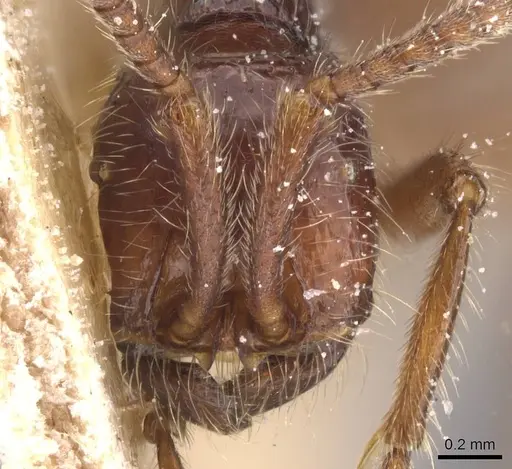
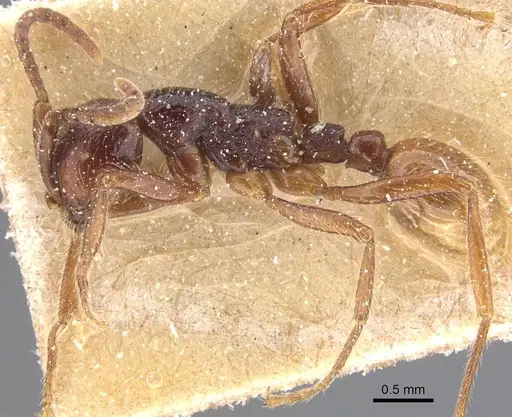
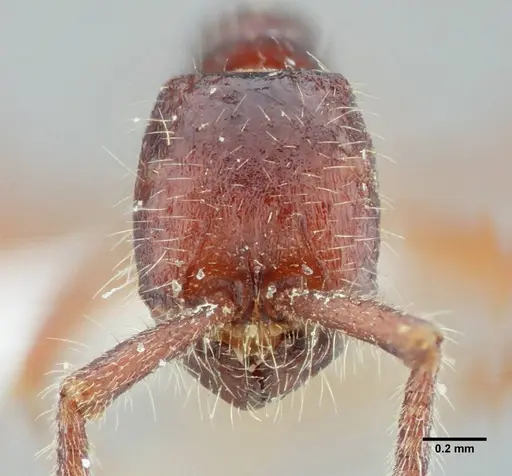
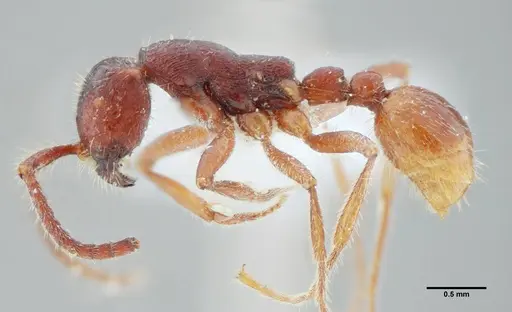
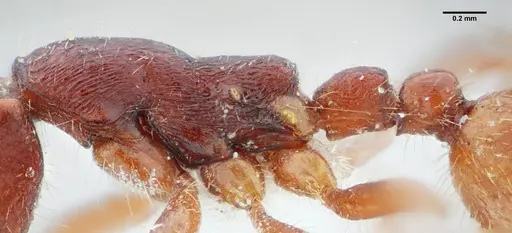
Neivamyrmex minensis is a Neotropical army ant found in Brazil and Argentina. Workers are small and reddish-brown, typical of army ants in the subfamily Dorylinae. As an army ant, this species exhibits the characteristic nomadic lifestyle, colonies constantly move between temporary bivouac nests rather than establishing permanent colonies. They are predatory ants that form raiding swarms to capture prey. This species was originally described in 1928 from Minas Gerais, Brazil, and is found in seasonally dry tropical forests of northeastern Brazil and the Caatinga biome [1][2].
Quick Summary
- Difficulty: Expert
- Origin & Habitat: Brazil and Argentina in the Neotropical region. Found in seasonally dry tropical forests and Caatinga biome in northeastern Brazil, including locations in Ceará (Crateús) and Minas Gerais (Pirapora) [1][3][2].
- Colony Type: Army ant colony structure, permanently nomadic with no fixed nest site. Colonies contain a single permanently-winged queen that mates inside the nest rather than on nuptial flights.
- Colony: Monogyne
- Founding: Claustral
- Size & Growth:
- Queen: Estimated 12-15mm based on genus patterns, exact measurements not documented
- Worker: Estimated 3-5mm based on genus patterns, exact measurements not documented
- Colony: Likely thousands of workers based on typical army ant colony sizes, exact numbers unconfirmed
- Growth: Fast, army ant colonies grow rapidly when well-fed
- Development: Estimated 2-4 weeks at optimal temperature based on related Ecitoninae species (Army ant development is typically very fast compared to other ants. Exact timeline for this species unconfirmed.)
- Antkeeping:
- Temperature: Keep at 24-28°C. Army ants are tropical and need consistent warmth.
- Humidity: Maintain moderate to high humidity (60-80%). Native to tropical forest regions with humid conditions.
- Diapause: Likely minimal or no true diapause, army ants remain active year-round in tropical climates. May show reduced activity during dry seasons.
- Nesting: This is the critical challenge, army ants cannot be kept in conventional nests. They require a large foraging arena with space to form bivouac clusters. A naturalistic setup with multiple connected chambers that can be rearranged allows the colony to exhibit natural nomadic behavior. They will not thrive in test tubes or standard formicaria.
- Behavior: Army ants are highly aggressive predators with raiding behavior. Workers search for prey collectively and can overwhelm arthropods much larger than themselves. They are nocturnal or crepuscular raiders in the wild. Colonies are constantly on the move, forming temporary bivouacs. Escape prevention is essential, they are excellent climbers and will escape through any gap. They are not suitable for beginners due to their specialized space and feeding requirements.
- Common Issues: Army ants cannot be kept in confined nests, they need extensive roaming space which most keepers cannot provide, Constant demand for live prey, colonies can consume enormous quantities of insects, Colonies are difficult to start, wild-caught army ant colonies often fail in captivity due to stress, They may attack and kill other ant colonies if given the opportunity, dangerous to keep near other ant setups, Escape prevention is critical, they will find and exploit any gap in enclosure
Understanding Army Ant Biology
Neivamyrmex minensis belongs to the Dorylinae subfamily, commonly known as army ants. Unlike most ant species that establish permanent nests, army ants are permanently nomadic, they form temporary bivouac nests that they abandon every few days to weeks. This lifestyle allows them to exhaust local prey populations before moving on. The colony consists of the queen, workers at various stages, and brood. Army ant queens are unique, they remain permanently winged throughout life and mate inside the nest with males that emerge from the brood. This eliminates the need for nuptial flights. Colonies can contain thousands to hundreds of thousands of workers in related species. [2][1]
Housing and Enclosure Requirements
This is the most critical aspect of keeping army ants. Standard ant keeping equipment, test tubes, Y-tongs, and formicaria, will not work for this species. Army ants need extensive space to roam and form bivouacs. A large naturalistic setup with multiple interconnected chambers is required. The enclosure should have a deep substrate layer for the ants to dig temporary chambers, plus a spacious foraging area. Some keepers use modified plastic bins with connecting tubes to create a system of chambers. The setup must allow you to occasionally relocate the bivouac to simulate their natural nomadic behavior. Escape prevention is absolutely critical, army ants are excellent climbers and will find any gap or crack in the enclosure.
Feeding and Nutrition
Army ants are obligate predators. They do not collect honeydew or scavenge like many ant species, they hunt. Your colony will need a constant supply of live prey. This means maintaining cultures of feeder insects such as crickets, mealworms, fruit flies, and other small arthropods. A well-fed army ant colony can consume hundreds of insects per week. Feed prey directly into the foraging area. Remove uneaten prey after 24-48 hours to prevent mold. The protein-rich diet is essential for rapid brood development. Do not rely on sugar water or honey, army ants are primarily predatory and may not accept sugar sources.
Temperature and Seasonal Care
As a Neotropical species from Brazil, Neivamyrmex minensis requires warm temperatures. Keep the enclosure at 24-28°C consistently. A heating cable or mat on one side of the enclosure can provide a temperature gradient. Avoid temperature drops below 20°C. In their native habitat, these ants experience warm conditions year-round with seasonal rains. Unlike temperate ants, they likely do not require a true hibernation period. However, they may show reduced activity during dry seasons in the wild. Monitor your colony, if they become less active, ensure temperature and humidity are still optimal before assuming seasonal behavior. [1]
Why This Species Is Expert-Only
Neivamyrmex minensis is not recommended for beginners or even intermediate antkeepers. The combination of nomadic behavior requiring space, constant demand for live prey, and the need to simulate natural bivouac formation makes them extremely challenging to keep successfully. Most attempts to keep army ants in captivity fail because the enclosures cannot provide adequate space for their natural behavior. Additionally, wild-caught colonies often suffer from stress and parasites. If you are interested in army ants, consider starting with more commonly kept species to develop husbandry skills first. This species is best observed in the wild or kept by experienced myrmecologists with specialized setups.
Frequently Asked Questions
Can I keep Neivamyrmex minensis in a test tube?
No. Army ants cannot be kept in test tubes or standard formicaria. They need extensive space to form bivouac nests and exhibit their natural nomadic behavior. A large naturalistic setup with multiple connected chambers is the minimum requirement.
What do Neivamyrmex minensis eat?
They are obligate predators that require live prey. Feed them live insects such as crickets, mealworms, fruit flies, and other small arthropods. They will not thrive on sugar water or honey, protein from live prey is essential.
How long does it take for first workers to appear?
Exact development time is unconfirmed for this species, but based on related army ants, expect 2-4 weeks from egg to worker at optimal temperature (24-28°C).
Do Neivamyrmex minensis ants sting?
Army ants can bite, and some species have functional stingers. However, their small size means any sting would be minimal. They are more of a nip threat due to their jaws.
Are Neivamyrmex minensis good for beginners?
No. This is an expert-only species. Their need for extensive space, constant live prey, and specialized nomadic housing makes them unsuitable for anyone without significant antkeeping experience.
How big do Neivamyrmex minensis colonies get?
Exact colony size is unconfirmed for this species, but army ant colonies typically reach thousands of workers. Plan your enclosure size accordingly.
Do Neivamyrmex minensis need hibernation?
No. As a Neotropical species from tropical Brazil, they do not require hibernation. Keep them warm (24-28°C) year-round.
Can I keep multiple queens together?
Army ant colonies typically have a single queen. Multiple-queen army ant colonies are not typical for this genus. Do not attempt to combine unrelated queens.
Why do my army ants keep moving?
This is completely normal army ant behavior. They are permanently nomadic and form temporary bivouacs that they relocate regularly. This is not a problem, it is their natural behavior.
When should I move them to a formicarium?
Never use a standard formicarium for this species. They require a specialized naturalistic setup with multiple connected chambers that can accommodate their bivouac-forming behavior.
References

This caresheet is licensed under CC BY-SA 4.0 .
CASENT0217477
View on AntWeb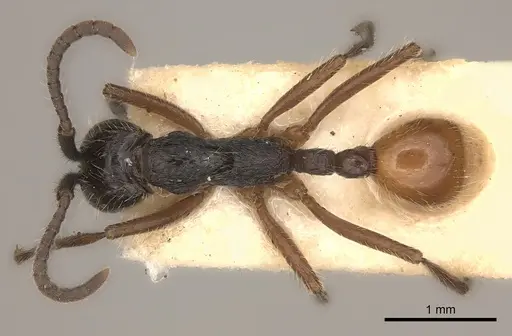
CASENT0249492
View on AntWeb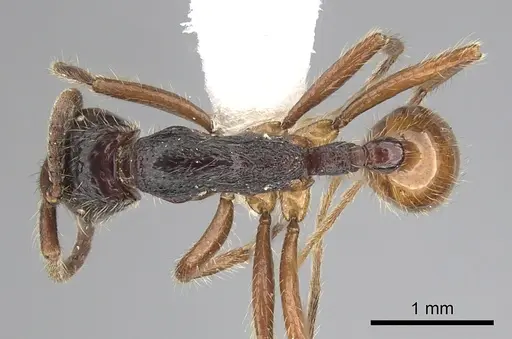
CASENT0911403
View on AntWeb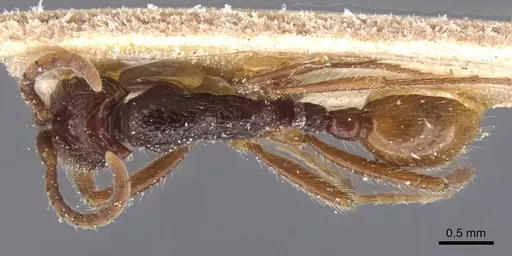
UFV-LABECOL-003520
View on AntWeb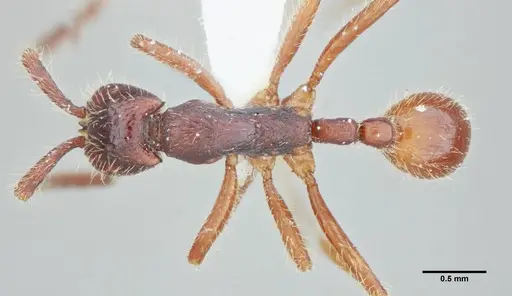
Literature
Loading...Loading products...