

Neivamyrmex manni
- Scientific Name
- Neivamyrmex manni
- Subfamily
- Dorylinae
- Author
- Wheeler, 1914
- Distribution
- Found in 1 countries
Neivamyrmex manni Overview
Neivamyrmex manni is an ant species of the genus Neivamyrmex. It is primarily documented in 1 countries , including Mexico. Detailed taxonomic data and occurrence records can be further explored via authoritative databases such as AntWeb or the Global Biodiversity Information Facility (GBIF).
Neivamyrmex manni
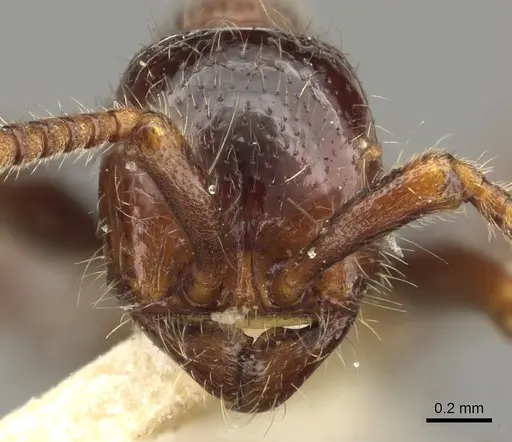
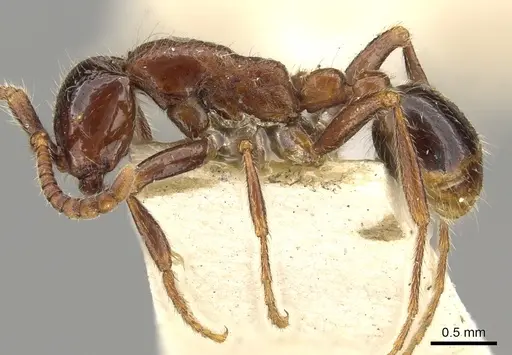
Neivamyrmex manni is a Neotropical army ant species native to central Mexico, specifically found in the Hidalgo region at elevations of 8500-9000 feet [1]. Workers are small to medium-sized army ants, typically dark in coloration. As a member of the Dorylinae subfamily, this species belongs to the army ant group known for their nomadic lifestyle and predatory swarm-hunting behavior. The genus Neivamyrmex contains over 150 species of army ants distributed throughout the Americas, with N. manni being one of the more poorly documented species in terms of captive care literature. These ants are specialized predators that raid other ant colonies and arthropods to feed their colony. Their colonies move frequently, establishing temporary bivouacs as they forage across their territory.
Quick Summary
- Difficulty: Expert
- Origin & Habitat: Central Mexico (Hidalgo state) at high elevation (8500-9000 ft) [1]. The type locality is Guerrero Mill near Pachuca. This is a Neotropical mountain habitat with cooler temperatures than typical lowland tropical regions.
- Colony Type: Monogyne, army ants typically have single-queen colonies. The colony structure involves one reproductive queen with workers that specialize in different tasks (major and minor workers).
- Colony: Monogyne
- Founding: Claustral
- Size & Growth:
- Queen: Estimated 12-15mm based on genus patterns for Neivamyrmex species
- Worker: 3-7mm (polymorphic, major and minor workers) [2]
- Colony: Likely several thousand workers at maturity based on genus patterns
- Growth: Moderate to fast, army ant colonies can grow rapidly when well-fed
- Development: Estimated 4-6 weeks at optimal temperature based on related Eciton and Neivamyrmex species (Development is temperature-dependent, warmer conditions accelerate development. First workers (nanitics) are typically smaller than normal workers.)
- Antkeeping:
- Temperature: Keep at 24-28°C, with a slight gradient allowing thermoregulation. Based on the high-elevation Mexican habitat, they may tolerate slightly cooler conditions than lowland army ants, but warmth still promotes activity and brood development.
- Humidity: Moderate to high humidity (60-80%). Army ants prefer humid conditions but avoid waterlogging. Provide a moist substrate for the nest area.
- Diapause: Likely reduced activity during cooler months but not a true hibernation. In captivity, maintain stable temperatures year-round.
- Nesting: Army ants do not build permanent nests, they form temporary bivouacs. In captivity, provide a dark, enclosed space (like a test tube setup within an outworld) where the colony can form a cluster. They need access to a large foraging area.
- Behavior: Highly active and predatory. Workers forage in swarms, raiding other ant colonies and capturing invertebrates. They are aggressive when defending the colony but pose no significant sting risk to humans (army ant stings are typically mild). Major workers have large mandibles for defense. Escape prevention is important, workers are small and can squeeze through small gaps. They are primarily nocturnal or crepuscular in activity patterns.
- Common Issues: colonies often fail when insufficient live prey is provided, they need constant protein sources, army ant colonies are sensitive to disturbance during bivouac formation, small worker size means escape prevention must be excellent, they may attack and kill other ant colonies in multi-species setups, captive colonies often decline without proper humidity and darkness for bivouac formation
Housing and Nest Setup
Neivamyrmex manni requires a setup that mimics their nomadic army ant lifestyle. Unlike most ants that maintain permanent nests, army ants form temporary bivouacs, clusters of workers hanging from a structure. Provide a dark, enclosed space (such as a curled piece of cardboard or a small container with entrance holes) where the colony can cluster. This serves as their bivouac area. The foraging area should be spacious, army ants need room to organize raids. Use a large outworld relative to colony size. Avoid traditional formicarium setups with fixed tunnels, instead, provide flexible spaces where they can create their own structures. Test tube clusters with water reservoirs work well for the bivouac area, connected to a spacious foraging arena. [1]
Feeding and Diet
As predatory army ants, N. manni requires a diet primarily consisting of live insects and other arthropods. They are obligate predators that do not collect honeydew or tend aphids. Feed them regularly with small live prey such as fruit flies, small crickets, mealworms, and other small insects. The colony should have access to prey at all times, army ant colonies consume large quantities of protein to support their growth. Unlike many ants, they are unlikely to accept sugar water or honey as primary food sources. Prey items should be small enough for workers to subdue and dismember. Remove uneaten prey after 24-48 hours to prevent mold. A well-fed colony will show glossy, healthy workers and visible brood development.
Temperature and Humidity
Maintain temperatures in the range of 24-28°C for optimal colony health and brood development. The high-elevation Mexican habitat suggests they may tolerate slightly cooler conditions than lowland species, but warmth promotes activity. Use a low-wattage heating cable on one side of the setup to create a thermal gradient. Humidity should be moderate to high (60-80%). The bivouac area should remain humid but not wet. Mist the setup occasionally, focusing on the foraging area rather than the bivouac directly. Avoid placing the setup near air conditioning or heating vents that cause temperature fluctuations. Stable conditions are more important than exact numbers. [1]
Colony Behavior and Foraging
Neivamyrmex manni exhibits classic army ant behavior: workers organize into raiding columns or swarms to hunt prey. Major workers (soldiers) have enlarged mandibles for defense, while minor workers handle most foraging tasks. The colony will establish a bivouac, remain there for several days while workers forage extensively, then relocate to a new area. This nomadic cycle repeats. In captivity, you may observe this cycling behavior if the setup allows. Workers are highly active and will explore the entire available foraging space. They are not aggressive toward humans but will defend the colony vigorously if threatened. Their small size allows them to navigate through tiny gaps, excellent escape prevention is essential.
Growth and Development
Army ant colonies can grow from founding queen to several thousand workers over the course of a year under optimal conditions. The queen lays eggs in batches, and brood development is synchronized, you will often see large clusters of brood at similar developmental stages. Development from egg to worker takes approximately 4-6 weeks at warm temperatures. First workers (nanitics) are smaller than mature workers. As the colony grows, larger major workers will appear. A healthy colony should show continuous brood production with multiple generations overlapping. Growth rate depends heavily on consistent feeding and proper temperature.
Frequently Asked Questions
Can I keep Neivamyrmex manni in a test tube setup?
Army ants need more space than a simple test tube provides. Use a test tube cluster for the bivouac area (dark, humid space for the colony to cluster) connected to a large foraging arena. The foraging area should be spacious enough for raiding behavior.
What do Neivamyrmex manni eat?
They are obligate predators that need live insect prey. Feed small live insects like fruit flies, pinhead crickets, small mealworms, and other small arthropods. They are unlikely to accept sugar water or honey. Provide prey regularly, they need constant protein to grow.
How long does it take for first workers to appear?
Based on related army ant species, expect first workers (nanitics) approximately 4-6 weeks after the queen lays eggs, assuming temperatures around 26°C. Development is faster at warmer temperatures.
Are Neivamyrmex manni good for beginners?
No, this species is rated Expert difficulty. Army ants have specialized requirements including constant live prey, large foraging spaces, and specific humidity needs for bivouac formation. They are not recommended for beginners.
How big do Neivamyrmex manni colonies get?
Based on genus patterns, mature colonies likely reach several thousand workers. Army ant colonies can grow quite large and need correspondingly large setups as they develop.
Do Neivamyrmex manni need hibernation?
No true hibernation is required. As a Mexican species from moderate elevation, they may show reduced activity in cooler months but should be maintained at stable warm temperatures (24-28°C) year-round for optimal health.
Why is my colony declining despite feeding?
Common causes include: insufficient prey quantity (they need constant protein), improper humidity (too dry for bivouac formation), disturbance to the bivouac area, or temperatures outside their preferred range. Also check for escape, small workers can slip through tiny gaps.
Can I keep multiple queens together?
No, Neivamyrmex manni is monogyne (single queen). Multiple unrelated queens will fight. Only keep one queen per colony.
When should I move them to a formicarium?
Army ants do best in setups that allow bivouac formation rather than traditional formicariums. A test tube cluster connected to a spacious foraging arena is ideal. Move to larger setups as the colony grows, but avoid fixed tunnel systems.
References

This caresheet is licensed under CC BY-SA 4.0 .
CASENT0902639
View on AntWeb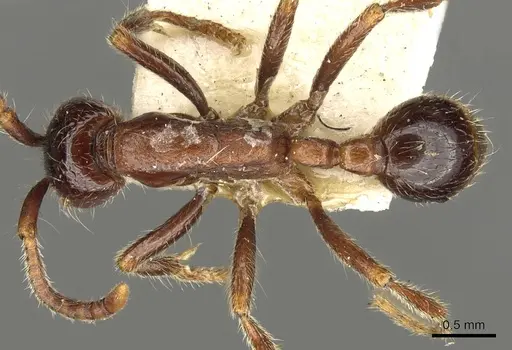
Literature
Loading...Loading products...