

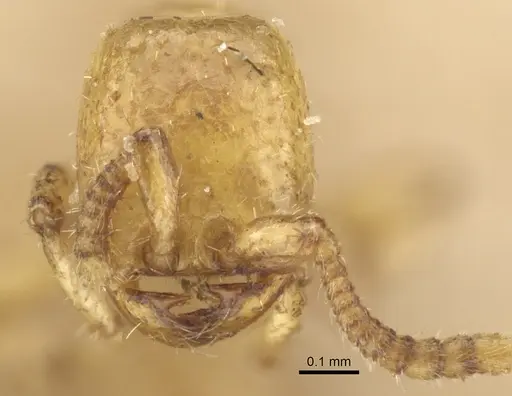
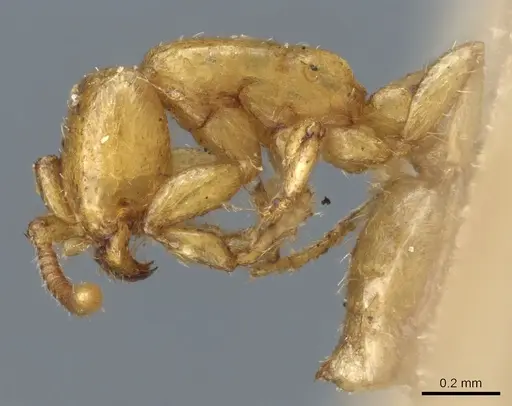
Neivamyrmex macrodentatus
- Scientific Name
- Neivamyrmex macrodentatus
- Subfamily
- Dorylinae
- Author
- Menozzi, 1931
- Distribution
- Found in 1 countries
Neivamyrmex macrodentatus Overview
Neivamyrmex macrodentatus is an ant species of the genus Neivamyrmex. It is primarily documented in 1 countries , including Costa Rica. Detailed taxonomic data and occurrence records can be further explored via authoritative databases such as AntWeb or the Global Biodiversity Information Facility (GBIF).
Neivamyrmex macrodentatus
Neivamyrmex macrodentatus is a Neotropical army ant species native to Central America, specifically found in Costa Rica and Guatemala [1][2]. As a member of the Dorylinae subfamily, these ants are classic army ants known for their nomadic lifestyle and predatory raiding behavior. Workers are typically small to medium-sized army ants, adapted for underground raiding operations against other ant colonies. The species is part of the Neivamyrmex genus, which contains over 150 species of New World army ants that occupy ecological niches similar to Eciton army ants in South America. Unlike many army ant species that are well-studied, N. macrodentatus remains relatively undocumented in scientific literature, with limited research specifically examining its biology.
Quick Summary
- Difficulty: Expert
- Origin & Habitat: Central America (Costa Rica and Guatemala), tropical and subtropical forest environments [1][2]. Army ants in this region typically inhabit humid forest floors and engage in nocturnal or twilight raiding behavior.
- Colony Type: Colony structure is unconfirmed for this specific species. Most Neivamyrmex species form large colonies with single queens (monogyne), though some may have multiple reproductive females. Army ant colonies can reach massive sizes with tens of thousands of workers.
- Special: Slave-making
- Size & Growth:
- Queen: Undocumented, estimated 12-18mm based on related Neivamyrmex species
- Worker: Undocumented, estimated 3-7mm based on genus patterns
- Colony: Likely large (tens of thousands) based on typical army ant colony sizes
- Growth: Fast, army ant colonies grow rapidly when food is abundant
- Development: Estimated 3-5 weeks based on typical Dorylinae development at tropical temperatures (Development is likely rapid in warm tropical conditions. Army ant larvae develop quickly to support the colony's nomadic lifestyle.)
- Antkeeping:
- Temperature: Keep at 24-28°C, army ants are tropical species requiring warm, stable temperatures [3]. A heating cable on one side of the nest creates a gradient.
- Humidity: High humidity (70-85%), these ants come from humid tropical forest environments. Keep the nest substrate consistently moist but not waterlogged.
- Diapause: Unlikely, being a tropical species, they probably do not require a true diapause. Some reduced activity during cooler periods may occur.
- Nesting: Army ants do not build permanent nests. In captivity, they create bivouacs using their own bodies and debris. Provide a formicarium with multiple chambers connected by wide passages, plus an outworld for raiding. Y-tong or acrylic nests work well, with damp soil/gravel as substrate.
- Behavior: Army ants are highly aggressive predators that conduct organized raids on other ant colonies. They are primarily nocturnal or crepuscular, raiding at night when temperatures are cooler and prey colonies are less alert. Workers have well-developed mandibles for capturing and subduing prey. They are excellent escape artists despite their size, use fine mesh and reliable barriers. Unlike some army ants, Neivamyrmex species are often more hypogaeic (subterranean), conducting raids through underground tunnels.
- Common Issues: colonies are difficult to establish from founding, army ant queens require successful raids early on to raise first workers, keeping a colony fed enough is challenging, they need constant protein from prey ant colonies or substitute protein sources, nomadic lifestyle means they need space to move, cramped nests lead to stress and colony failure, tropical species may struggle in temperate room temperatures without heating, escape prevention is critical despite their small size, they can squeeze through surprisingly small gaps
Understanding Army Ant Biology
Neivamyrmex macrodentatus belongs to the Dorylinae subfamily, commonly known as army ants. Unlike most ant species that establish permanent nests, army ants are nomadic, they move their entire colony every few days, creating temporary bivouacs from their own bodies and collected debris. This nomadic lifestyle supports their predatory strategy: they conduct organized raids against other ant colonies, capturing brood (eggs, larvae, and pupae) to feed their own colony. The genus Neivamyrmex contains over 150 species distributed throughout the Americas, with the highest diversity in tropical regions. These ants play important ecological roles as predators that regulate other ant populations, and some species are known to be dulotic, they raid specific host ant species and raise the captured brood as slaves that work for the raiding colony. [1][2]
Housing and Nest Setup
Keeping army ants in captivity requires a setup that accommodates their unique nomadic behavior. A formicarium with multiple connected chambers works well, the ants will organize their bivouac in one area while using others for food storage or waste. The substrate should be damp gravel or soil (not sand, which doesn't hold moisture well). Provide an outworld (foraging area) connected to the nest where raids can occur. Use a water reservoir system to maintain humidity without frequent disturbance. Lighting should be dim, army ants are photophobic and prefer dark, confined spaces. Cover the nest with a dark cloth except during observations. Escape prevention is critical: use fluon on all rim edges and fine mesh (at least 0.5mm) on any ventilation holes.
Feeding Requirements
Army ants are obligate predators that require constant protein to fuel their large colonies. In the wild, they raid other ant colonies for brood (eggs, larvae, pupae). In captivity, you must replicate this diet. The best approach is to culture feeder ant colonies (like Temnothorax or smaller Formica species) that can serve as raid targets. Alternatively, offer small live insects (fruit flies, pinhead crickets, small mealworms), but these are less nutritionally complete than ant brood. Some keepers report success with chopped mealworms or other protein sources, but army ants are specialized predators and may reject unfamiliar foods. Feed every 1-2 days, removing uneaten prey after 24 hours. A well-fed army ant colony will show constant activity and brood development.
Temperature and Humidity Control
As a tropical species from Costa Rica and Guatemala, Neivamyrmex macrodentatus requires warm, humid conditions. Maintain temperatures between 24-28°C using a heating cable placed on one side of the nest to create a gentle gradient. Avoid direct heat on the nest, army ants will move away from过热 areas. Humidity should be high (70-85%), achieved through a water reservoir system connected to the nest. The substrate should feel consistently damp but never waterlogged. Poor temperature or humidity control quickly leads to colony decline, watch for workers clustering in specific areas, which indicates they are seeking more favorable microconditions. [3]
Colony Dynamics and Raiding Behavior
The defining behavior of army ants is their organized raiding parties. Workers emerge from the bivouac in coordinated columns, following pheromone trails to locate prey ant colonies. Upon reaching a target nest, they flood inside, overwhelming defenders with their numbers, and carry off brood. This raid behavior is triggered by the queen's pheromones and follows predictable patterns. In captivity, you can observe this by introducing a feeder ant colony into the outworld. The raid will typically occur at night or in dim lighting. A healthy colony will conduct raids frequently, if your army ants stop raiding, it often indicates poor health or insufficient food. The colony's queen remains in the bivouac at all times and produces eggs continuously to replace workers lost to predation and aging.
Frequently Asked Questions
Is Neivamyrmex macrodentatus suitable for beginners?
No, this species is not recommended for beginners. Army ants have highly specialized care requirements that most hobbyists cannot meet. They need constant access to prey (feeder ant colonies), large amounts of space for their nomadic lifestyle, and precise temperature and humidity control. Additionally, their nocturnal, subterranean nature makes them difficult to observe. Only experienced antkeepers with the resources to maintain prey colonies should attempt this species.
How do I feed an army ant colony in captivity?
The best approach is to maintain feeder ant colonies (like Temnothorax or small Formica) that your army ants can raid. Introduce the feeder colony to the outworld at night with dim lighting, this triggers natural raiding behavior. Alternatively, offer small live insects daily, but these are a poor substitute for ant brood. Some keepers have success with chopped mealworms or protein jelly, but acceptance is inconsistent. Feed every 1-2 days and remove uneaten food within 24 hours.
How long does it take for first workers to develop?
The exact development timeline for this species is unconfirmed, but based on typical Dorylinae development at tropical temperatures (24-28°C), expect approximately 3-5 weeks from egg to worker. Army ant development is generally faster than most ant species, supporting their rapid colony growth. The first workers (nanitics) will be smaller than mature workers and may not participate in raids immediately.
Can I keep multiple queens together?
The colony structure for this specific species is unconfirmed. However, most Neivamyrmex species are monogyne (single queen). Combining unrelated queens is not recommended and has not been documented for this species. If you obtain a wild colony, it likely has one reproductive queen. Attempting to introduce additional queens typically results in fighting.
Do army ants need hibernation?
No, as a tropical species from Costa Rica and Guatemala, Neivamyrmex macrodentatus does not require hibernation. They should be kept at warm temperatures (24-28°C) year-round. Attempting to hibernate a tropical army ant colony will likely result in death. Some reduced activity during cooler periods may occur, but this is not a true diapause.
Why are my army ants not raiding?
Several factors can cause raiding to stop: insufficient food (the colony is satiated or starving), poor temperature/humidity, disturbance during their rest period, or colony stress. Army ants typically raid at night or in dim lighting, bright light inhibits activity. Also ensure the outworld is dark except during observations. If the colony has stopped raiding but has ample food, check temperature and humidity levels immediately.
How big do Neivamyrmex macrodentatus colonies get?
Exact colony size data is not documented for this species, but army ant colonies typically reach tens of thousands of workers. A mature colony can contain 100,000 or more individuals. This requires significant space, a small formicarium will quickly become inadequate. Plan for a large setup from the start, with multiple chambers and a spacious outworld.
When should I move army ants to a formicarium?
Army ants can be kept in test tube setups during founding, but they will need space to move and raid relatively quickly. Once the colony reaches a few hundred workers, transfer to a proper formicarium with multiple chambers and an outworld. The key is providing enough space for the bivouac area plus foraging space. A Y-tong or acrylic nest with connected outworld works well.
References

This caresheet is licensed under CC BY-SA 4.0 .
CASENT0903726
View on AntWeb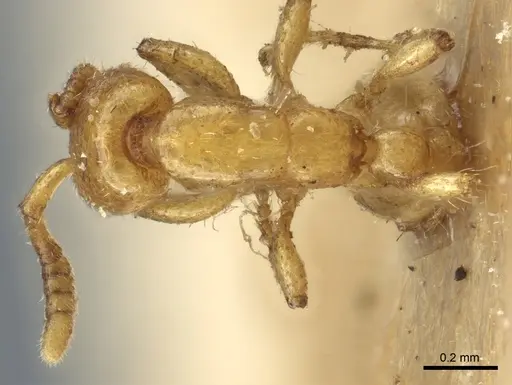
Literature
Loading...Loading products...