

Neivamyrmex klugii
- Scientific Name
- Neivamyrmex klugii
- Subfamily
- Dorylinae
- Author
- Shuckard, 1840
- Distribution
- Found in 3 countries
Neivamyrmex klugii Overview
Neivamyrmex klugii is an ant species of the genus Neivamyrmex. It is primarily documented in 3 countries , including Costa Rica, Grenada, Nicaragua. Detailed taxonomic data and occurrence records can be further explored via authoritative databases such as AntWeb or the Global Biodiversity Information Facility (GBIF).
Neivamyrmex klugii
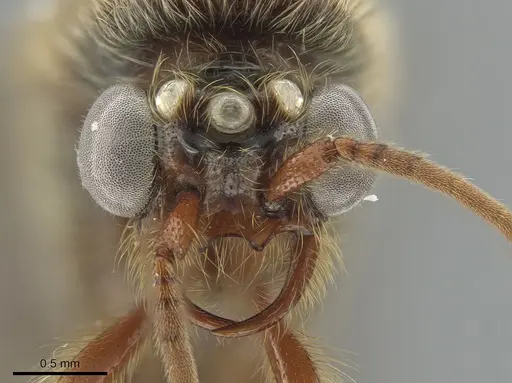
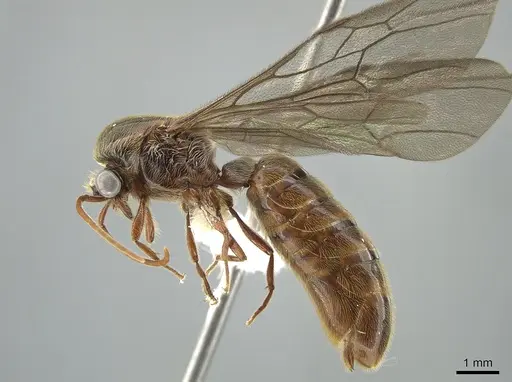
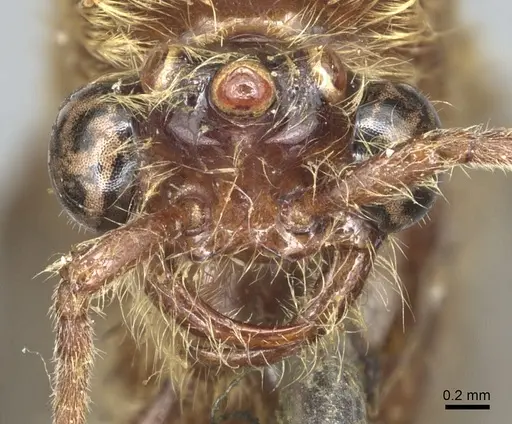
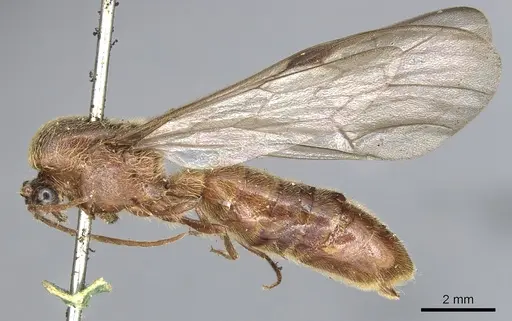
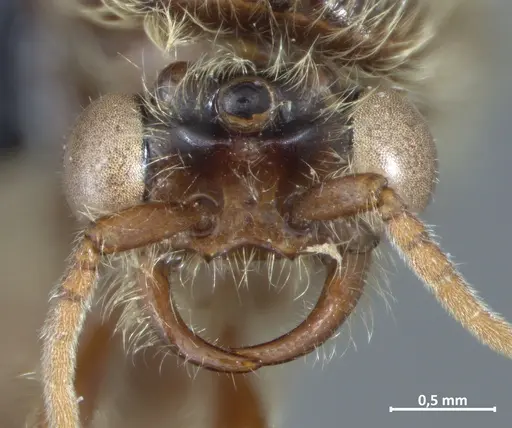
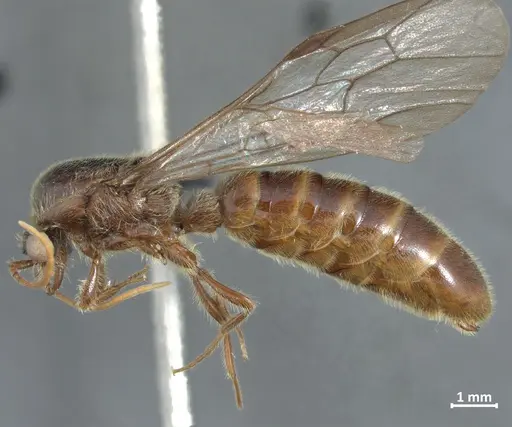
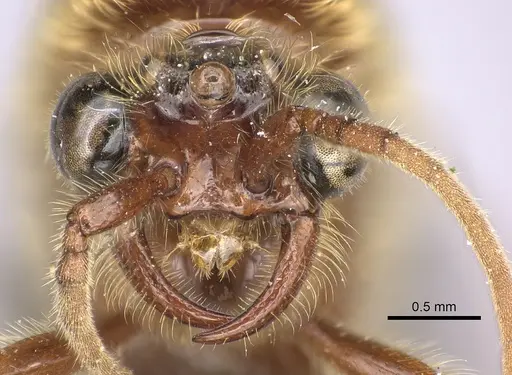
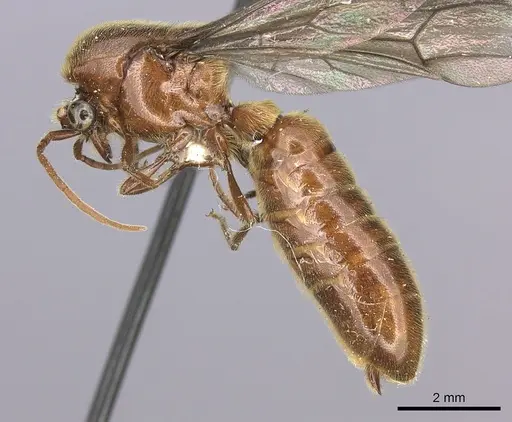
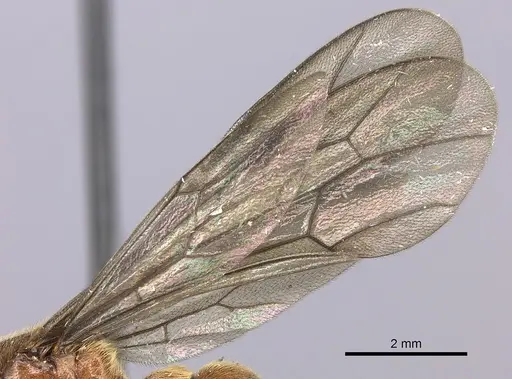
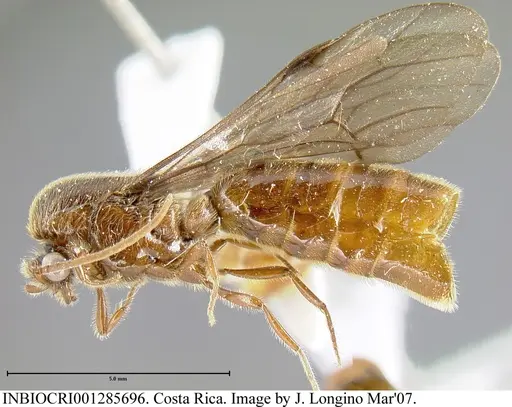
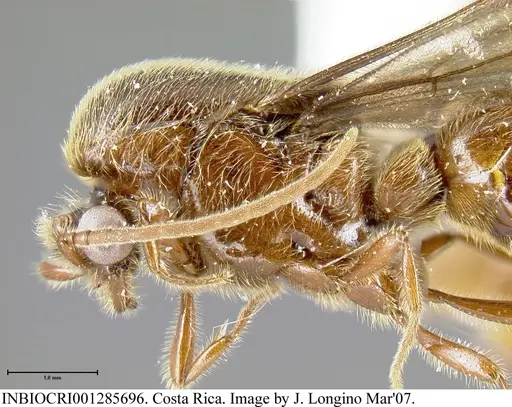
Neivamyrmex klugii is a Neotropical army ant found from Mexico down through Bolivia, including the Caribbean islands of Grenada, St. Vincent, and Trinidad and Tobago [1][2]. Workers are larger army ants with a relatively straight posterior head margin and rounded occipital corners, plus abundant setae on the dorsal mesosoma [1]. Males have distinctive two acute teeth on the apical margin of the clypeus with a concave space between them [1]. This species was first described from St. Vincent in 1840 based only on male specimens, with workers later associated and confirmed through subsequent collections in Grenada and other locations [2]. As an army ant, this species exhibits the classic raiding behavior characteristic of Dorylinae, where columns of workers sweep through the forest floor hunting prey.
Quick Summary
- Difficulty: Expert
- Origin & Habitat: Neotropical distribution from Mexico to Bolivia, including Caribbean islands (Grenada, St. Vincent, Trinidad and Tobago) and Venezuela. Found in tropical forest habitats [1][2].
- Colony Type: Colony structure is unconfirmed. Army ants in the genus Neivamyrmex typically form large colonies with multiple queens, but specific data for N. klugii is lacking.
- Size & Growth:
- Queen: Unconfirmed, typical Neivamyrmex queens are 12-20mm based on genus patterns [3]
- Worker: Larger workers based on genus diagnosis [1]
- Colony: Unknown for this specific species, army ant colonies can reach thousands of workers [3]
- Growth: Unknown, estimated moderate to fast based on genus patterns
- Development: Unconfirmed, estimated 4-8 weeks based on typical army ant development at tropical temperatures (Direct development data unavailable for this species. Army ant brood development is typically faster than most ants due to warm tropical habitat requirements.)
- Antkeeping:
- Temperature: Keep at 24-28°C, these are tropical ants requiring warm conditions. Use a heating cable or mat on one side of the nest to create a gradient [3].
- Humidity: Maintain high humidity around 70-80%. Army ants are forest floor inhabitants requiring damp conditions. Keep the nest substrate consistently moist but not waterlogged [3].
- Diapause: Unknown for this species, Neotropical ants may reduce activity during cooler/drier seasons but true hibernation is unlikely [3].
- Nesting: Use a naturalistic setup with multiple chambers or a Y-tong/plaster nest. Army ants need space for colony movement and brood chambers. Provide deep substrate for tunneling [3].
- Behavior: Army ants are highly aggressive and predatory. Workers raid in columns, hunting insects and other arthropods. They have a potent sting and will defend the colony vigorously. Escape prevention is critical, they are active and will exploit any gap. Queens are semi-claustral and must leave to hunt during founding [3].
- Common Issues: constant prey requirement, colonies need near-continuous access to live insects, escape risk, active raiders will find any gap in containment, specialized diet, they are obligate predators, not omnivores, sensitive to temperature drops, keep warm or colony becomes sluggish, limited availability, this species is rarely available in the antkeeping hobby
Species Overview and Distribution
Neivamyrmex klugii is a Neotropical army ant with a range extending from Mexico through Central America to Bolivia, with populations on Caribbean islands including Grenada, St. Vincent, and Trinidad and Tobago [1][2]. The species was originally described in 1840 by Shuckard based solely on male specimens collected from St. Vincent, one of the earliest ant species described from that island [4]. Workers were later associated with the species through collections in Grenada by Forel in 1897,who noted they likely belonged to N. klugii [2]. The species remains known primarily from male specimens, with worker descriptions based on limited material. A subspecies, Neivamyrmex klugii distans, was described from Costa Rica but remains known only from males [5]. This distribution pattern across islands and mainland suggests good dispersal capabilities, though army ants are typically ground-nesting and not strong fliers compared to some other ant groups.
Army Ant Biology and Foraging
As a member of the subfamily Dorylinae, Neivamyrmex klugii exhibits classic army ant behavior characterized by coordinated raiding parties that sweep across the forest floor [3]. Army ants are obligate predators, hunting insects, springtails, and other small arthropods to feed their colony. Unlike many ants that forage individually or use recruitment, army ants form dense columns of workers that overwhelm prey through sheer numbers. The genus Neivamyrmex contains numerous army ant species throughout the Americas, all sharing this predatory raiding lifestyle [3]. Workers are typically larger than many common ants, with robust bodies suited for carrying prey back to the nest. The colony depends on constant prey availability, this is not a species that can survive on sugar alone. In captivity, you must provide regular access to live insects of appropriate size.
Housing and Nesting Requirements
Army ants require specialized setups that accommodate their raiding behavior and need for multiple chambers. A naturalistic setup with soil or a plaster/Y-tong nest works well, providing deep areas for brood chambers and open spaces for the colony to move [3]. The nest should have multiple connected chambers rather than a single small space, army ants organize their colony across several areas. Escape prevention is critical, these are active, determined ants that will find any gap or weakness in their enclosure. Use tight-fitting lids and consider barrier methods like fluon on smooth surfaces. The outworld (foraging area) should be spacious enough for raiding columns to form and should contain the prey you provide. Army ants do best with a humidity gradient, keep the nest area moist while allowing some drier areas for the ants to regulate their own conditions.
Feeding and Nutrition
Neivamyrmex klugii is an obligate predator and requires a diet based entirely on live prey [3]. Offer a variety of small arthropods including mealworms, crickets, fruit flies, and other insects appropriate to the colony size. Unlike omnivorous ants that accept sugar water or honey, army ants derive their nutrition almost exclusively from protein sources. Feed as often as needed to maintain colony growth, a constant supply of prey is ideal for growing colonies, while established colonies can be fed every few days. Remove uneaten prey after 24-48 hours to prevent mold. The hunting instinct is strong, workers will rapidly attack and dismember any prey items encountered during raids.
Temperature and Seasonal Care
As a Neotropical species, Neivamyrmex klugii requires warm temperatures between 24-28°C to maintain normal activity and brood development [3]. Temperatures below 22°C will cause the colony to become sluggish and can slow or stop brood development entirely. Use a heating cable or heat mat on one section of the nest to create a temperature gradient, allowing ants to regulate their own position. Unlike temperate species, this ant does not require true hibernation, maintain warm conditions year-round. The natural habitat in Central America and northern South America experiences minimal seasonal temperature variation, so the colony should be kept consistently warm. Monitor for signs of cooling stress such as clustering near heat sources or reduced foraging activity.
Challenges and Common Issues
Keeping army ants like Neivamyrmex klugii presents significant challenges not encountered with typical ant species [3]. The primary challenge is providing constant prey, unlike ants that can survive on stored seeds or sugar water, army ants need nearly continuous access to live insects. This makes them expensive and time-consuming to keep. Escape prevention is also critical, these are highly active ants that will exploit any gap, and their small size allows them to squeeze through surprisingly small openings. They are also sensitive to environmental conditions and will decline rapidly if temperatures drop or humidity falls too low. This species is rarely available in the antkeeping hobby, making acquisition difficult. For these reasons, Neivamyrmex klugii is not recommended for beginner antkeepers, experience with predatory species and proper setup is essential for success.
Frequently Asked Questions
Is Neivamyrmex klugii a good beginner ant?
No. This is an expert-level species requiring constant live prey, excellent escape prevention, and warm, humid conditions. Army ants are among the most challenging ants to keep successfully.
What do Neivamyrmex klugii ants eat?
They are obligate predators that require live insects. Feed them mealworms, crickets, fruit flies, and other small arthropods. They do not accept sugar water or honey like many ant species.
How long does it take for Neivamyrmex klugii to produce first workers?
The exact development timeline is unconfirmed for this species. Based on typical army ant development, expect 4-8 weeks from egg to worker at optimal tropical temperatures (24-28°C).
Do Neivamyrmex klugii ants sting?
Yes. Army ants have a potent sting and will use it defensively when the colony is threatened. They are aggressive defenders of their nest.
Can I keep multiple queens together?
The colony structure for N. klugii is unconfirmed. Typical army ants form polygynous (multi-queen) colonies, but combining unrelated foundress queens has not been documented for this specific species.
What temperature do Neivamyrmex klugii need?
Keep them at 24-28°C. These are tropical ants requiring warm conditions year-round. Use a heating cable or heat mat to maintain temperatures, especially in cooler climates.
Do Neivamyrmex klugii need hibernation?
No. As a Neotropical species, they do not require true hibernation. Maintain warm temperatures year-round to prevent colony decline.
How big do Neivamyrmex klugii colonies get?
Colony size is unconfirmed for this specific species. Army ant colonies can reach thousands of workers in the wild, but captive colony size data is not available.
Why are my Neivamyrmex klugii dying?
Common causes include insufficient prey (they need constant live insects), temperatures below 24°C, low humidity, and escape-related losses. Review all care parameters and ensure prey availability is adequate.
When should I move them to a formicarium?
Army ants can be kept in test tubes initially but will need a more spacious setup as the colony grows. Move to a naturalistic or Y-tong setup once the colony reaches several dozen workers to accommodate their raiding behavior.
References

This caresheet is licensed under CC BY-SA 4.0 .
CASENT0650526
View on AntWeb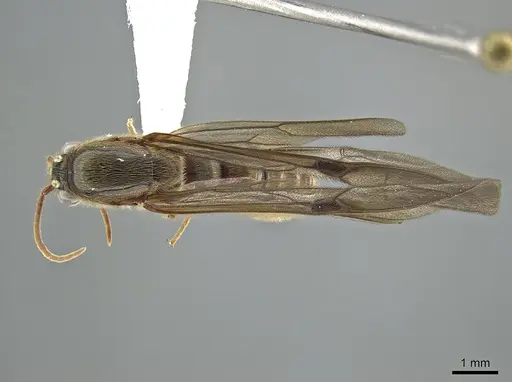
CASENT0903745
View on AntWeb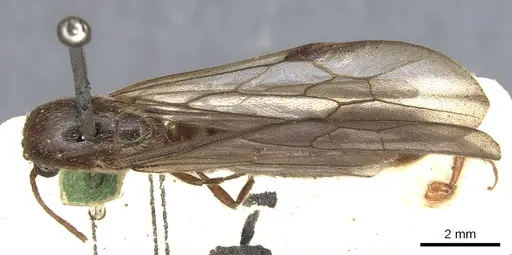
DZUP549829
View on AntWeb
INBIOCRI001275311
View on AntWeb
INBIOCRI001285696
View on AntWeb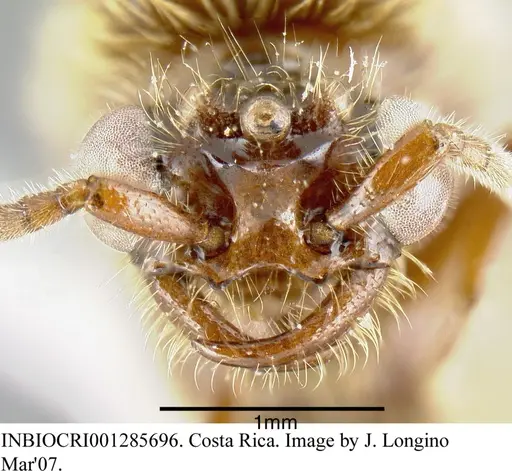
Literature
Loading...Loading products...