

Neivamyrmex humilis
- Scientific Name
- Neivamyrmex humilis
- Subfamily
- Dorylinae
- Author
- Borgmeier, 1939
- Distribution
- Found in 6 countries
Neivamyrmex humilis Overview
Neivamyrmex humilis is an ant species of the genus Neivamyrmex. It is primarily documented in 6 countries , including Colombia, Costa Rica, Honduras. Detailed taxonomic data and occurrence records can be further explored via authoritative databases such as AntWeb or the Global Biodiversity Information Facility (GBIF).
Neivamyrmex humilis
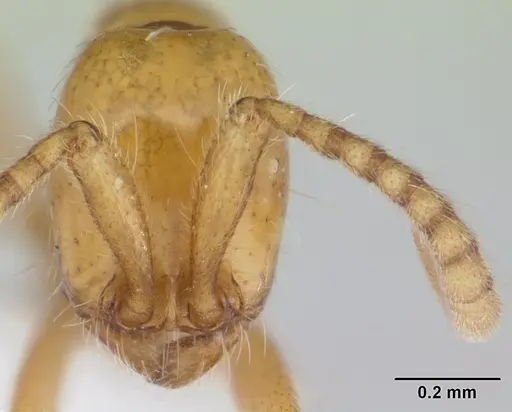
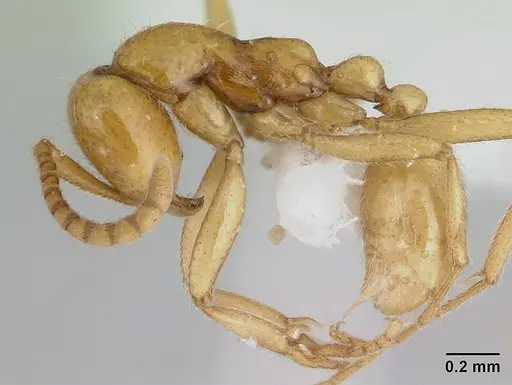
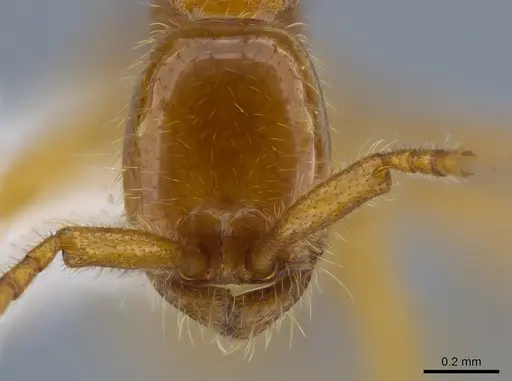
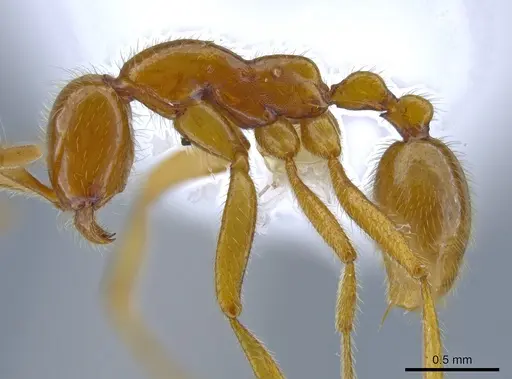
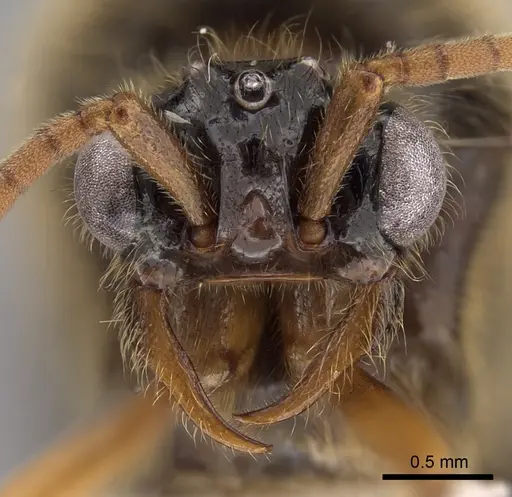
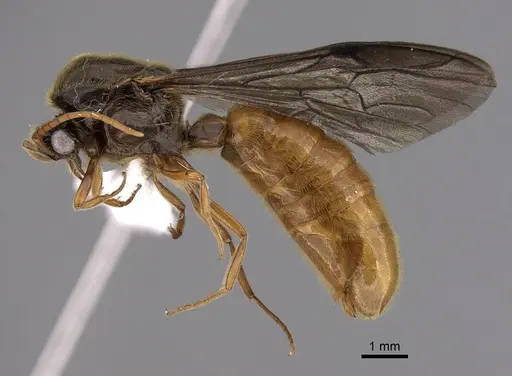
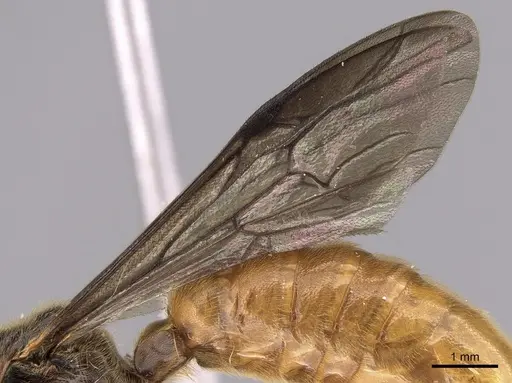
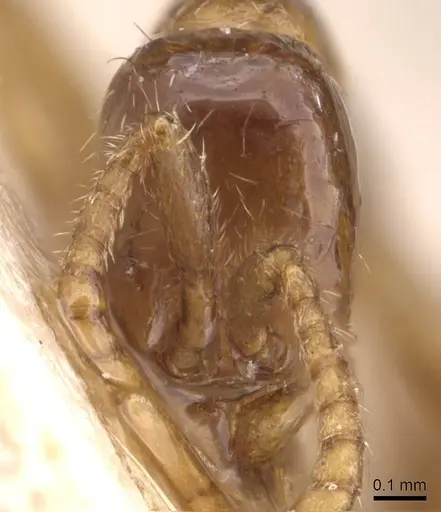
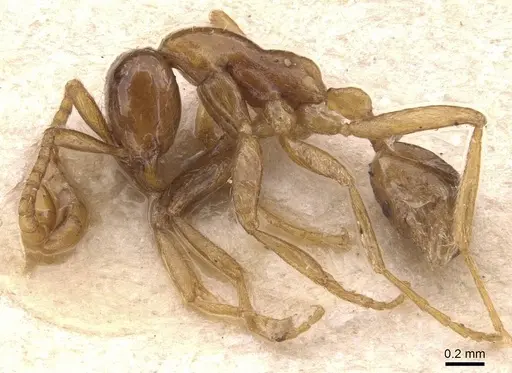
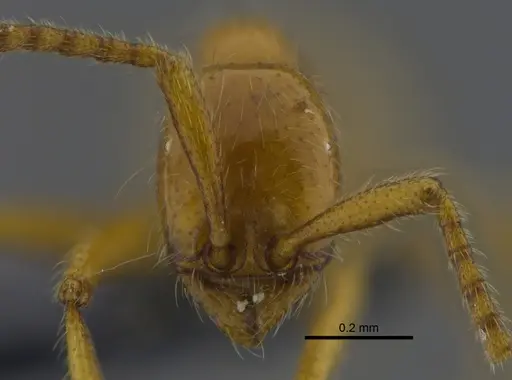
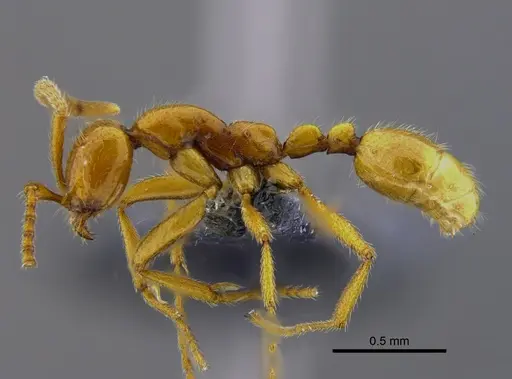
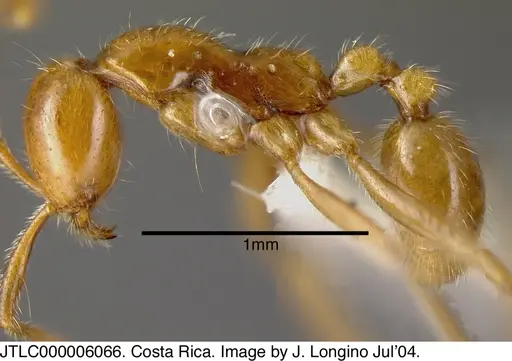
Neivamyrmex humilis is a small army ant species belonging to the Dorylinae subfamily. Workers are slender and typically measure 3-5mm, with a distinctive appearance featuring a smooth and shining side of the propodeum and no eyes, a common trait in army ants. The species is known from workers and queens only, with males never having been associated. This is a rare species in collections, classified as Group III in army ant studies, meaning it was infrequently encountered even in its native range [1]. The species is found across Central America and northern South America, with documented populations in Costa Rica, Honduras, Nicaragua, Panama, Venezuela, and Colombia [2][3].
Quick Summary
- Difficulty: Expert
- Origin & Habitat: Tropical lowland rainforest environments in Central America (Costa Rica, Honduras, Nicaragua, Panama) and northern South America (Colombia, Venezuela). Specimens have been collected from sea level up to 500m elevation in lowland rainforest sites like Corcovado National Park in Costa Rica [4].
- Colony Type: Colony structure is unconfirmed. As a Neivamyrmex species, they are expected to form single-queen colonies typical of army ants, though this has not been directly documented for this species.
- Size & Growth:
- Queen: Unconfirmed, no specific measurements available for this species
- Worker: 3-5mm estimated based on genus patterns [4]
- Colony: Unknown, likely hundreds to low thousands based on typical army ant colony sizes
- Growth: Unknown
- Development: Unconfirmed, no development data exists for this species. Based on related army ant patterns, expect 4-8 weeks at optimal temperature, but this is an estimate. (Development timeline has not been directly studied. Army ant development is typically faster than most ants due to their predatory lifestyle and high colony energy.)
- Antkeeping:
- Temperature: Tropical species, keep at 24-28°C. Use a heating cable on one side of the nest to create a temperature gradient, as army ants prefer warm conditions [4].
- Humidity: High humidity required, maintain 70-85% relative humidity. Keep the nest substrate consistently moist but not waterlogged. Mist occasionally and use a water reservoir in test tube setups.
- Diapause: No, as a tropical species, they do not require hibernation. Keep temperatures stable year-round.
- Nesting: Ground-nesting species. In captivity, use test tube setups with moist substrate or a naturalistic setup with soil. They prefer dark, enclosed spaces and will emigrate frequently like other army ants.
- Behavior: Army ant behavior, these ants are highly active predators that conduct raids. Workers are blind (no eyes) and rely on chemical trails. They form characteristic columns and raid swarms. This species is considered rare and may be more secretive than common army ants. Escape prevention should be excellent, while not tiny, their slender build allows them to squeeze through small gaps. They are not aggressive toward humans and cannot sting effectively.
- Common Issues: very limited species-specific care data, much is inferred from genus patterns, rare in captivity meaning few successful husbandry examples exist, colony emigrations can result in escape if not properly contained, predatory diet may be difficult to sustain with appropriate live prey, blind ants may wander more than sighted species requiring extra escape prevention
Species Identification and Background
Neivamyrmex humilis was originally described as Eciton (Acamatus) humile by Borgmeier in 1939 from Costa Rica specimens. The species was later transferred to Neivamyrmex in 1953. This ant is distinguished by several key morphological features: the posterior face of the propodeum is straight (not concave) and shorter than the dorsal face, workers lack eyes entirely, and the katepisternum and side of the propodeum are largely smooth and shining. Additionally, the anteroventral margin of the petiole lacks a tooth, which helps separate it from similar species [4]. One of the most notable aspects of this species is that it is only known from queens and workers, males have never been associated with the species, making breeding and colony establishment from wild-caught specimens particularly challenging. The species is classified as Group III in army ant studies, indicating it was rarely encountered in field surveys [1].
Natural History and Distribution
Neivamyrmex humilis is found across the Neotropical region, ranging from Costa Rica through Honduras, Nicaragua, Panama, and into northern South America including Venezuela and Colombia. In Colombia, the species has been recorded in the Boyacá and Valle del Cauca departments [5][2]. The species inhabits lowland rainforest environments, with specimens collected at sites like Sirena in Corcovado National Park, Costa Rica, at approximately 500m elevation. One notable observation recorded workers crossing a trail at 0600hrs in the morning, entering a hole in the ground, this column behavior is characteristic of army ants. The species has also been captured in Malaise trap samples, indicating it is ground-dwelling and active in the forest floor stratum [6]. The limited number of collections suggests this is either a truly rare species or one that is more secretive than common army ant species.
Housing and Nest Setup
As a ground-dwelling army ant, Neivamyrmex humilis requires a setup that accommodates their nomadic nature and need for dark, humid conditions. Test tube setups work well for founding colonies, use a test tube with a water reservoir sealed with cotton, providing a dark environment that army ants prefer. The tube should be kept horizontal or slightly tilted so workers can access water. For established colonies, a naturalistic setup with moist soil in a formicarium works well, allowing the colony to emigrate between chambers. Army ants are known to emigrate frequently, so include multiple chambers or allow for easy relocation of the setup. Cover the nest area to block light, these blind ants are stressed by exposure. Escape prevention is important: while not tiny, their slender bodies can squeeze through small gaps, so ensure all connections and barriers are secure.
Feeding and Diet
As an army ant species, Neivamyrmex humilis is predatory and requires a protein-rich diet. Feed small live prey such as fruit flies, pinhead crickets, small mealworms, and other micro-arthropods. Army ants are efficient hunters that overwhelm prey through swarm raiding behavior, so offering prey that can trigger this hunting response is ideal. Unlike some ants that readily accept sugar sources, army ants are primarily protein-focused, though they may occasionally accept honey or sugar water. Feed every 2-3 days, removing uneaten prey to prevent mold. The key to successful army ant keeping is providing consistent, appropriate-sized live prey that matches the colony's hunting capabilities.
Temperature and Humidity Requirements
Being a tropical species from Central American lowland rainforests, Neivamyrmex humilis requires warm and humid conditions. Maintain temperatures between 24-28°C, using a heating cable on one side of the nest to create a gentle gradient if room temperature is below this range. Place the heating on top of the nest material to warm it indirectly. Humidity should be kept high at 70-85%, the nest substrate should feel consistently moist but not waterlogged. For test tube setups, ensure the water reservoir is adequate but not so large that it floods. Mist the outworld occasionally and monitor for condensation, which indicates adequate humidity. Avoid both drying out and stagnant, overly wet conditions. [4]
Behavior and Colony Dynamics
Neivamyrmex humilis exhibits classic army ant behaviors including column formation and raiding. Workers are completely blind (no eyes) and navigate using chemical pheromone trails. In the wild, colonies have been observed forming columns crossing trails during early morning hours, this diurnal activity pattern is common in some army ant species. Unlike some army ants that conduct massive raid swarms visible on the surface, this species appears to be more secretive, possibly conducting raids underground or in concealed locations. The colony will emigrate periodically, which is normal army ant behavior, do not interpret this as the colony being unhappy. Provide opportunities for emigration by including multiple chambers or designing the setup to allow easy transfer to a new area. [1][4]
Frequently Asked Questions
How long does it take for Neivamyrmex humilis to produce first workers?
The egg-to-worker timeline is unconfirmed for this species as no development studies exist. Based on typical army ant development patterns, expect 4-8 weeks at optimal temperature (around 26°C), but this is an estimate. Army ants generally develop faster than most ant species due to their high-energy predatory lifestyle.
What do Neivamyrmex humilis eat?
They are predatory army ants that require live protein prey. Feed small insects like fruit flies, pinhead crickets, small mealworms, and other micro-arthropods. They may accept sugar water occasionally but protein should be the primary food source.
What temperature do Neivamyrmex humilis need?
Keep them warm at 24-28°C. As a tropical lowland species, they need consistent warmth. A heating cable on part of the nest can provide this if your room temperature is lower.
Are Neivamyrmex humilis good for beginners?
No, this species is recommended for experienced antkeepers only. There is very limited species-specific care information available, and army ants have specialized requirements including regular feeding of live prey and accommodation of their nomadic emigration behavior.
How big do Neivamyrmex humilis colonies get?
Colony size is unconfirmed for this specific species. Based on related army ants, colonies likely reach hundreds to low thousands of workers. The species appears to be naturally rare, so large colonies may be uncommon even in the wild.
Do Neivamyrmex humilis need hibernation?
No, as a tropical species from Central America, they do not require hibernation or winter cooling. Keep temperatures stable year-round in the 24-28°C range.
Can I keep multiple Neivamyrmex humilis queens together?
This has not been documented. Based on typical army ant behavior, single-queen colonies are most likely. Combining unrelated queens is not recommended as it has not been studied for this species.
Why is my Neivamyrmex humilis colony dying?
Common causes include: temperature too low (below 24°C), humidity too low or too high, insufficient live prey, stress from too much light (they are blind and prefer darkness), or improper setup. Also ensure escape prevention is adequate, they can squeeze through small gaps.
When should I move my colony to a formicarium?
Move from test tube to a larger setup once the colony reaches around 50-100 workers and the test tube becomes crowded or shows signs of fouling. Army ants appreciate the ability to emigrate, so a naturalistic setup with multiple chambers works well.
Is Neivamyrmex humilis invasive anywhere?
No, this species is native to Central and northern South America and has not been documented as invasive in any region.
Where can I get Neivamyrmex humilis?
This is a rare species in the antkeeping hobby. You would need to find a specialized supplier or breeder who works with army ants. Wild collection is difficult as the species is rarely encountered and males have never been associated, making laboratory breeding challenging.
References

This caresheet is licensed under CC BY-SA 4.0 .
CASENT0178598
View on AntWeb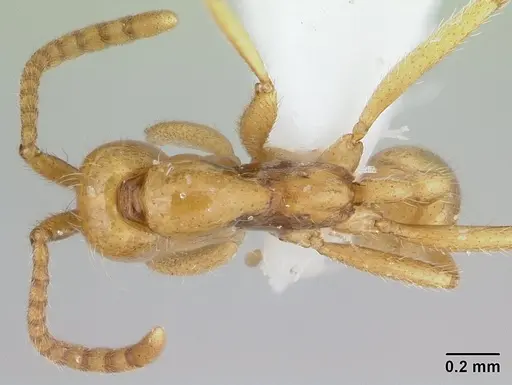
CASENT0612220
View on AntWeb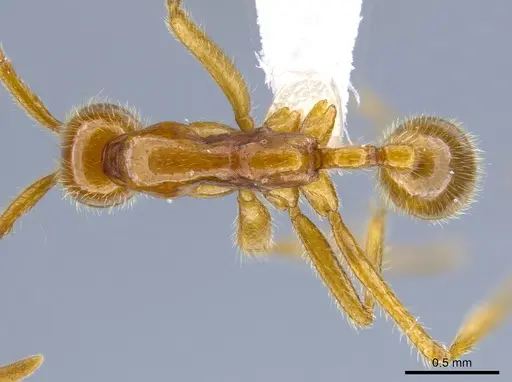
CASENT0612989
View on AntWeb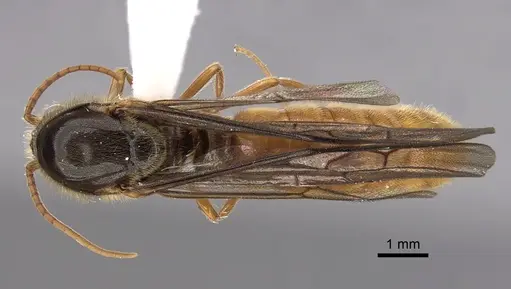
CASENT0905725
View on AntWeb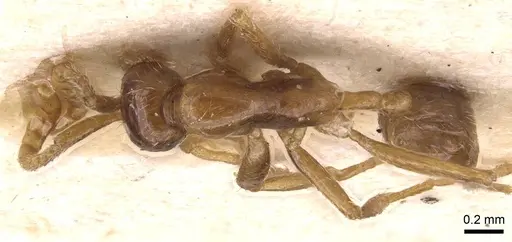
CBUMAGENT41860
View on AntWeb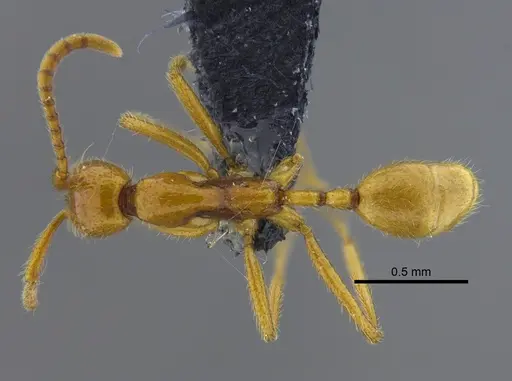
JTLC000006066
View on AntWeb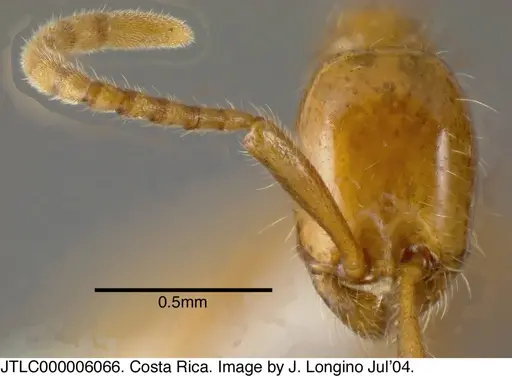
Literature
Loading...Loading products...