

Neivamyrmex hopei
- Scientific Name
- Neivamyrmex hopei
- Subfamily
- Dorylinae
- Author
- Shuckard, 1840
- Distribution
- Found in 2 countries
Neivamyrmex hopei Overview
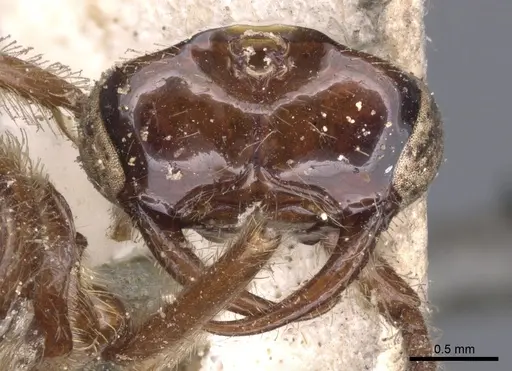
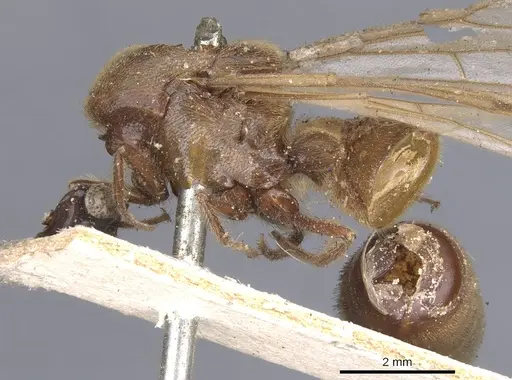
Neivamyrmex hopei is an ant species of the genus Neivamyrmex. It is primarily documented in 2 countries , including Brazil, Paraguay. Detailed taxonomic data and occurrence records can be further explored via authoritative databases such as AntWeb or the Global Biodiversity Information Facility (GBIF).
Neivamyrmex hopei - "Hope's Army Ant"
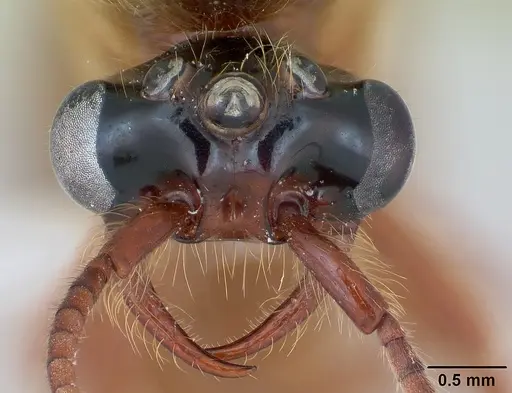
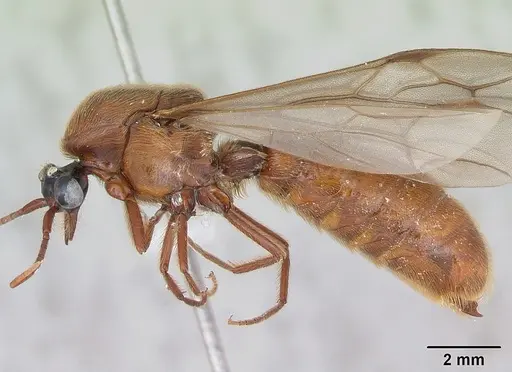
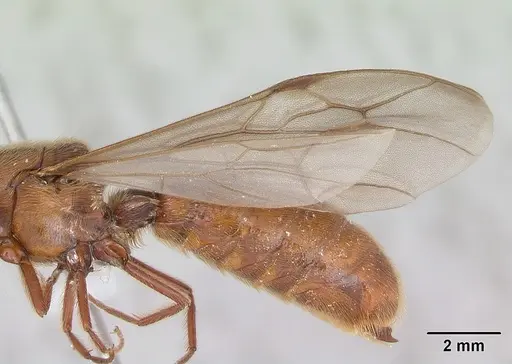
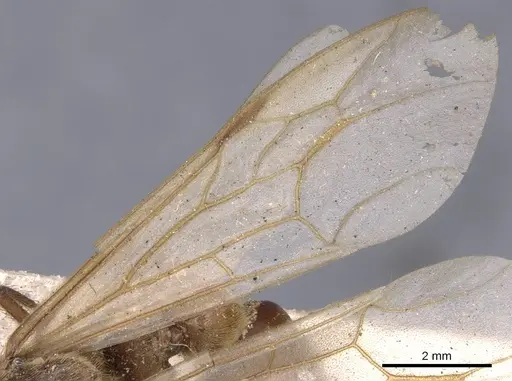
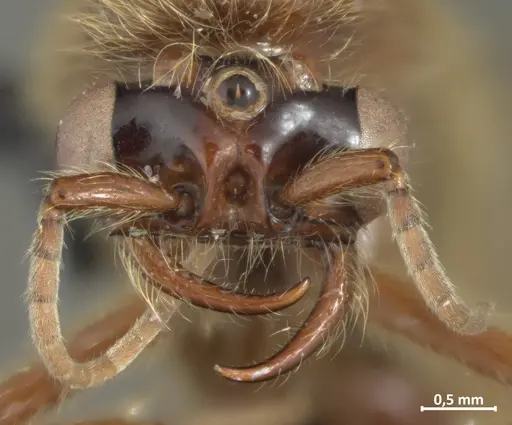
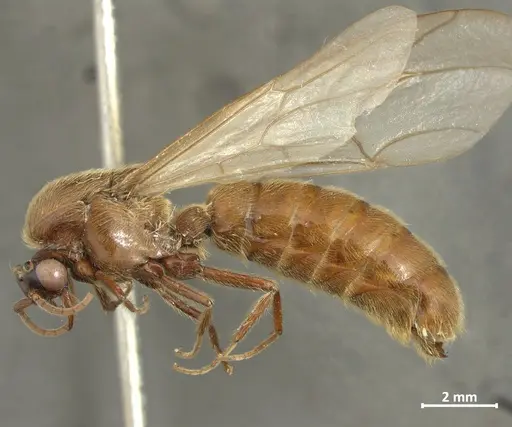
Neivamyrmex hopei is a truly captivating species of New World army ant, belonging to the Dorylinae subfamily. These ants are renowned for their obligate nomadic lifestyle, constantly on the move through their natural habitats in search of prey. Primarily subterranean, workers of this species are rarely observed above ground, typically only during their characteristic nightly raids or on particularly cloudy days. Workers are relatively small, generally ranging from 2 to 5 mm in length, and are identifiable by their 12-segmented antennae and a distinct two-segmented waist. While the queen is a wingless, considerably larger individual, the males are winged and, quite remarkably, can often be mistaken for small wasps by the untrained eye. Their entire colony structure and behavior revolve around a unique cycle of nomadic and statary phases, making them a highly specialized and exceptionally intriguing species for dedicated antkeeping enthusiasts.
- Difficulty: Expert
- Origin & Habitat: Neotropical Region (Argentina, Bolivia, Brazil, Paraguay), extending into the central United States. in Predominantly subterranean environments, including under stones, in the ground, and within abandoned ant nests. Occasionally observed foraging above ground at night or on cloudy days, and may be found in human structures like beneath basement floors or around foundation walls..
- Colony Type: Monogyne, colony fission/budding (new queen leaves with workers from parental colony) founding.
- Size & Growth:
- Queen: 10-12mm
- Worker: 2-5mm
- Colony: Large (tens of thousands to hundreds of thousands). Fast (during nomadic phase) growth.
- Antkeeping:
- Temperature: Preferred temperature range is typically between 20-30°C (68-86°F), reflecting their tropical to subtropical origins. Stable warmth is crucial for colony activity and brood development..
- Humidity: High humidity is essential for Neivamyrmex hopei, especially given their subterranean lifestyle. Maintaining levels around 70-90% within their nest area is recommended..
- Diapause: Not required. Not specified at Not specified.
- Nesting: Requires a dynamic, deep setup that facilitates their nomadic behavior. Ideal setups involve a large, soil-based formicarium or multiple interconnected containers that allow the colony to move and establish temporary bivouacs. Natural cavities or spaces within a substrate are preferred over rigid, pre-formed nests..
- Behavior: High (towards prey), Low (towards handler) aggressiveness.
- Common Issues: Maintaining nomadic cycle in captivity, Sourcing specialized diet (ant brood), Designing appropriate migratory enclosure, Maintaining high humidity levels consistently, Potential for escape from inadequate setups, Colony stalling due to improper care.
Keeping Neivamyrmex hopei, like other army ant species, presents a truly unique and significant challenge in the antkeeping hobby due to their obligate nomadic cycle. Unlike typical ants that reside in a fixed home, these fascinating creatures alternate between a 'nomadic phase,' where the entire colony, including the queen and all her precious brood, migrates to a new temporary bivouac site almost every single day, and a 'statary phase,' where they settle in one spot for a few weeks while the larvae undergo pupation. Successfully mimicking this migratory behavior in a captive formicarium setup, often demanding a highly dynamic outworld and nest system that can accommodate constant movement, is not just recommended, but absolutely crucial for their long-term health and survival in your care.
Another formidable hurdle for aspiring Neivamyrmex hopei keepers is their incredibly specialized diet. These highly predatory ants specialize almost exclusively in consuming the brood (eggs, larvae, and pupae) of other ant species, though they will also opportunistically take other small insects and termites. Providing a consistent and genuinely sufficient supply of diverse ant brood can be an immense logistical challenge for hobbyists, as it requires a reliable source of other healthy ant colonies to sustain them. This is certainly not a species you can simply feed sugar water and standard feeder insects; their very specific nutritional requirements, tied directly to their natural foraging strategies, make their diet a paramount consideration for any prospective keeper.
Reflecting their natural habits, the vast majority of Neivamyrmex species, including N. hopei, are predominantly subterranean. They establish their temporary bivouacs not in structured nests, but within natural ground cavities, under stones, or even by taking over abandoned nests of other ant species. For a successful captive setup, this translates to designing a deep, secure formicarium with ample, loose substrate that specifically allows for extensive burrowing and the construction of their temporary bivouacs. Standard acrylic or Ytong nests, while popular for other species, are generally unsuitable for Neivamyrmex due to their migratory lifestyle and preference for self-excavated tunnels.
A key difference in the life cycle of Neivamyrmex hopei compared to many other ant species lies in their colony founding strategy. Unlike species where a newly mated queen establishes a new colony completely on her own, a process known as claustral founding, Neivamyrmex hopei queens do not found independently. Instead, new colonies are initiated through a process called 'colony fission' or 'budding.' This involves a daughter queen, accompanied by a substantial contingent of workers and some brood from the original, mature colony, collectively emigrating to establish a new settlement. Therefore, acquiring a founding Neivamyrmex colony typically means obtaining a portion of an already established colony, rather than attempting to catch and found a solitary queen after a nuptial flight.
While Neivamyrmex workers are indeed capable of stinging, their sting is generally considered to be quite mild and primarily serves as a defense mechanism or for subduing their ant prey during raids. They are fiercely aggressive towards other ant species, orchestrating highly organized raiding columns to overwhelm and pillage competitor nests. However, when it comes to interactions with handlers, their aggression is usually quite low unless they feel directly threatened or provoked. Nevertheless, it's always prudent to avoid direct contact and to utilize appropriate tools when tending to their formicarium or handling any part of their setup to prevent accidental stings.

This caresheet is licensed under CC BY-SA 4.0 .
CASENT0173526
View on AntWeb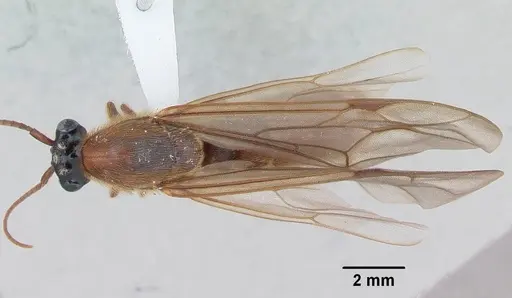
CASENT0901944
View on AntWeb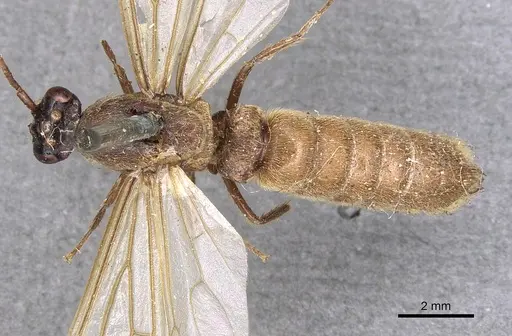
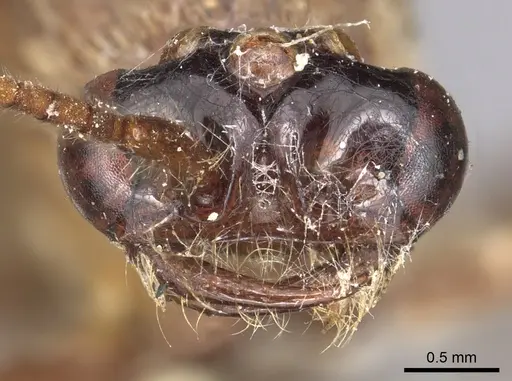
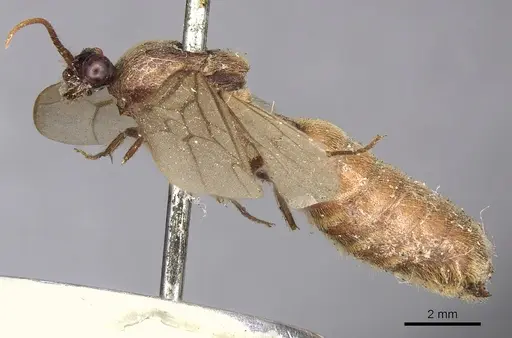
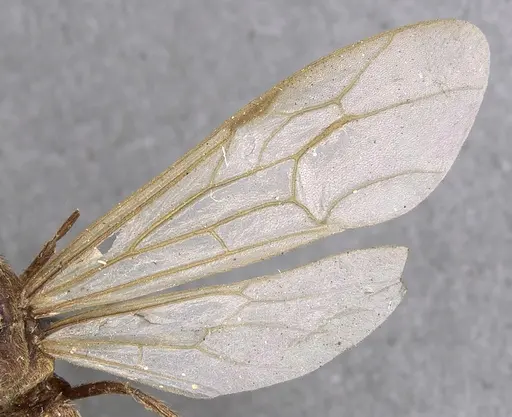
CASENT0902651
View on AntWeb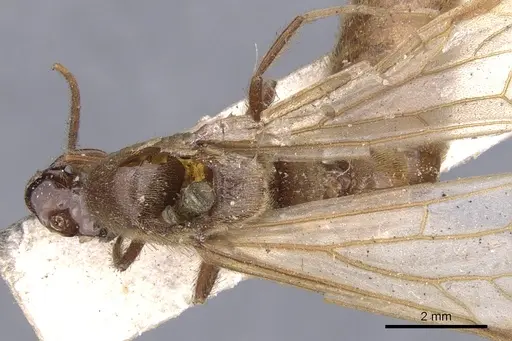
DZUP549831
View on AntWeb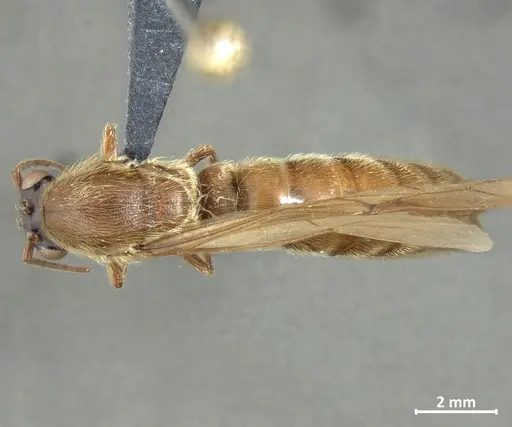
Literature
Loading...Loading products...