

Neivamyrmex goeldii
- Scientific Name
- Neivamyrmex goeldii
- Subfamily
- Dorylinae
- Author
- Forel, 1901
- Distribution
- Found in 2 countries
Neivamyrmex goeldii Overview
Neivamyrmex goeldii is an ant species of the genus Neivamyrmex. It is primarily documented in 2 countries , including Brazil, Paraguay. Detailed taxonomic data and occurrence records can be further explored via authoritative databases such as AntWeb or the Global Biodiversity Information Facility (GBIF).
Neivamyrmex goeldii
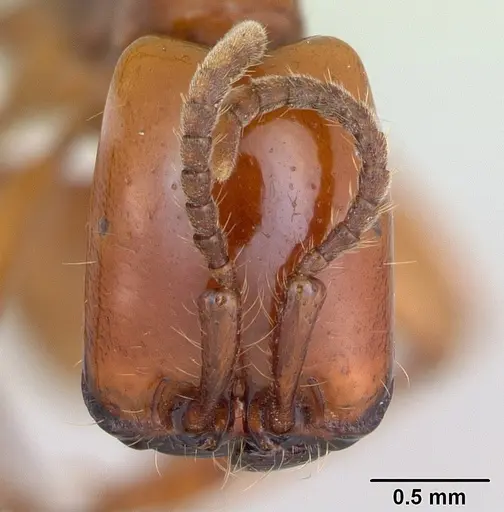
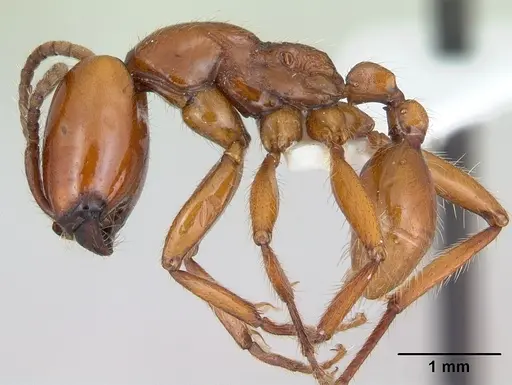
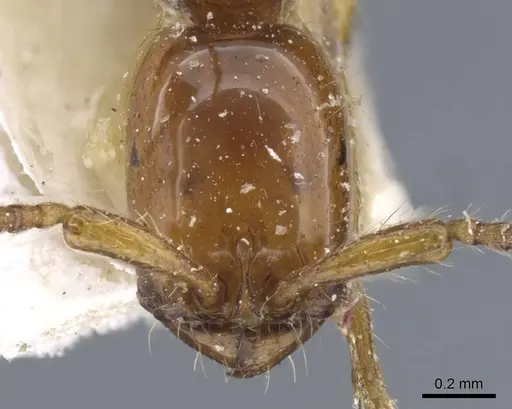
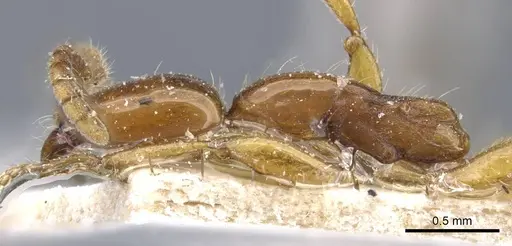
Neivamyrmex goeldii is a Neotropical army ant species native to Brazil, Argentina, and Paraguay. Workers are small, typically measuring 3-5mm, with the characteristic army ant body plan: a distinct head, powerful mandibles for capturing prey, and a flexible abdomen that allows for distension when carrying food. They exhibit the classic army ant coloration, reddish-brown to dark brown with a slightly lighter metasoma [1].
As an army ant, N. goeldii is a nomadic predator that forms temporary bivouacs rather than permanent nests. The species is assigned to the Tropical Climate Specialists functional group, indicating it prefers warm, humid conditions typical of its native South American range [2]. These ants are specialized hunters that raid columns of other ant species and ground-dwelling arthropods.
Quick Summary
- Difficulty: Expert
- Origin & Habitat: Native to the Neotropical region: Brazil, Argentina, and Paraguay. Found in tropical and subtropical habitats including the Cerrado savanna and surrounding areas [3][2].
- Colony Type: Polygyne colonies with multiple queens, typical of army ant species. Colonies can reach thousands of workers.
- Colony: Polygyne
- Size & Growth:
- Queen: Queens are large relative to workers, approximately 10-15mm, typical for Dorylinae [4]
- Worker: 3-5mm [1]
- Colony: Colonies reach thousands to tens of thousands of workers [4]
- Growth: Fast, army ant colonies grow rapidly when well-fed
- Development: 4-6 weeks at optimal tropical temperatures (25-28°C), estimated based on related army ant species (Development is temperature-dependent, warmer conditions accelerate growth but also increase metabolic demands)
- Antkeeping:
- Temperature: Keep at 24-28°C. As a tropical species, they require consistent warmth. Use a heating cable on one side of the enclosure to create a gradient [4].
- Humidity: High humidity (70-80%) is essential. Maintain moist substrate, army ants are sensitive to drying out. Mist regularly and provide a water source [4].
- Diapause: No, this is a tropical species that does not enter true hibernation. However, colony activity may slow during cooler periods [4].
- Nesting: Army ants do not build permanent nests. In captivity, they form bivouacs in dark, humid spaces. Provide a large outworld with multiple hiding spots (cardboard rolls, cork bark) where they can form temporary clusters. A naturalistic setup with deep, moist substrate works best [4].
- Behavior: Highly aggressive predators with raiding behavior. Workers forage in columns and raid neighboring ant colonies and arthropod populations. They have well-developed stingers and will defend the colony vigorously. Escape prevention is critical, they are excellent climbers and will exploit any gap. Activity is primarily nocturnal or crepuscular, with raids often occurring at night [4].
- Common Issues: colonies fail without constant access to live prey, they cannot survive on sugar or dead food alone, bivouac stress from inadequate space causes colonies to abandon enclosures, dry conditions quickly lead to colony collapse, humidity must be maintained consistently, escapes are common due to their small size and climbing ability, transport stress during moves can cause queen loss and colony failure
Housing and Enclosure Setup
Neivamyrmex goeldii requires significantly different housing than typical ant species. Because army ants form bivouacs rather than permanent nests, you need a large outworld where the colony can move freely. A naturalistic setup with a deep (at least 5cm) layer of moist substrate allows them to burrow and form temporary chambers. Provide multiple hiding structures like cardboard rolls, cork bark pieces, and leaf litter where they can cluster. The enclosure must have excellent escape prevention, use fluon on all rim edges and ensure any ventilation is covered with fine mesh. A tank-style formicarium (like a paludarium or modified terrarium) works better than traditional test tube setups. Lighting should be dim, as they prefer low-light conditions. [4]
Feeding and Nutrition
Army ants are obligate predators and cannot survive without live prey. Neivamyrmex goeldii primarily hunts other ants, springtails, and small arthropods. You must provide a constant supply of live prey, this is not optional. Suitable prey includes: live fruit flies, small crickets, mealworms, waxworms, and most importantly, other ant colonies (including their own species). Many keepers maintain feeder ant colonies specifically to feed their army ants. Feed small prey items daily, larger prey 2-3 times per week. Remove uneaten prey promptly to prevent mold. Sugar water or honey can be offered occasionally but should not be a primary food source, these ants are predators first and foremost. A constant clean water source is essential. [4]
Temperature and Seasonal Care
As a Neotropical species from Brazil, Argentina, and Paraguay, N. goeldii requires warm conditions year-round. Maintain temperatures between 24-28°C (75-82°F) in the bivouac area. A heating cable placed under one side of the enclosure creates a temperature gradient allowing the ants to self-regulate. Temperature below 22°C significantly reduces activity and can lead to colony decline. Unlike temperate species, they do not require hibernation or diapause. However, colony activity may naturally fluctuate with seasonal temperature changes in their native range. In captivity, avoid any cooling periods. Consistent warmth is critical for maintaining an active, healthy colony. [4]
Colony Structure and Behavior
Neivamyrmex goeldii is a polygyne species, colonies contain multiple reproductive queens. This is typical of army ants, where having multiple queens ensures colony survival during nomadic phases. Colonies can grow massive, reaching tens of thousands of workers. The species exhibits classic army ant raiding behavior: workers form foraging columns that sweep through an area, capturing and killing any arthropods they encounter. They are particularly known for raiding other ant colonies, especially during the reproductive season when colonies are most active. Workers are aggressive and will readily sting threats. The colony moves its bivouac location every few days to access new hunting grounds, this nomadic behavior is essential for their survival in the wild. [4]
Bivouac Management
The bivouac is the heart of an army ant colony, a living nest formed by workers clustering together, often wrapped around a support structure like a branch or root. In captivity, you must provide appropriate bivouac sites. Cardboard tubes, cork bark, and leaf litter all work well. The bivouac site should be in a dark, humid area of the enclosure. When the colony moves (which they will do regularly), do not interfere, simply ensure the new location has adequate humidity and prey access. Signs of a healthy bivouac include a compact, active cluster of workers with visible brood piles. A stressed or declining colony will spread out, workers will become lethargic, and brood development will slow. Monitor bivouac location changes and ensure the new site meets their humidity requirements. [4]
Frequently Asked Questions
Can I keep Neivamyrmex goeldii in a test tube setup?
No. Army ants cannot be kept in test tubes or traditional formicarium nests. They require a large outworld or naturalistic enclosure where they can form bivouacs. A tank-style enclosure with deep, moist substrate and multiple hiding structures is essential.
How often should I feed Neivamyrmex goeldii?
Feed small live prey daily, or larger prey items 2-3 times per week. The key is constant availability, army ants are obligate predators and cannot survive without regular live prey. Remove uneaten prey within 24 hours to prevent mold issues.
How long does it take for first workers to appear?
Based on related army ant species, expect first workers (nanitics) approximately 4-6 weeks after the queen lays eggs, provided temperatures are maintained at 25-28°C. Development is faster at warmer temperatures but also requires more food.
Can I keep multiple queens together in one colony?
Yes, this is normal for the species. Neivamyrmex goeldii is polygyne, meaning colonies naturally have multiple queens. Do not attempt to combine unrelated foundress queens, they will fight. However, established polygyne colonies handle multiple queens without issue.
Why is my army ant colony declining despite feeding?
Common causes include: low humidity (below 70%), temperatures below 22°C, insufficient space for bivouac formation, stress from excessive disturbance, or disease. Review all environmental parameters and ensure the bivouac site is dark and humid. Army ant colonies are sensitive to environmental stress.
Do Neivamyrmex goeldii need hibernation?
No. As a tropical species from Brazil and Argentina, they do not require hibernation. Maintain consistent warm temperatures (24-28°C) year-round. Cooler temperatures will reduce activity and can harm the colony.
Are Neivamyrmex goeldii good for beginners?
No. This species is rated Expert difficulty. Army ants require constant live prey, large enclosures, high humidity, warm temperatures, and experienced keeper intervention. They are not suitable for beginners or those unable to maintain feeder insect colonies.
How big do Neivamyrmex goeldii colonies get?
Colonies can reach several thousand to tens of thousands of workers. A mature colony will require significant space and daily prey provision. This is a commitment to maintaining a large, active predator colony.
When should I move them to a larger enclosure?
Army ants will naturally expand into available space. Provide a larger enclosure from the start, as they do not transition like typical ants. If the colony appears cramped or the bivouac is compressed, upgrade to a larger naturalistic setup.
References

This caresheet is licensed under CC BY-SA 4.0 .
CASENT0173524
View on AntWeb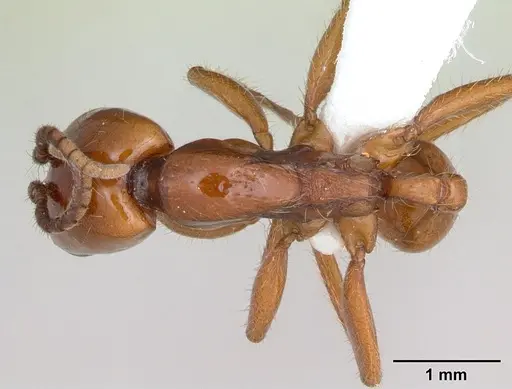
CASENT0173525
View on AntWeb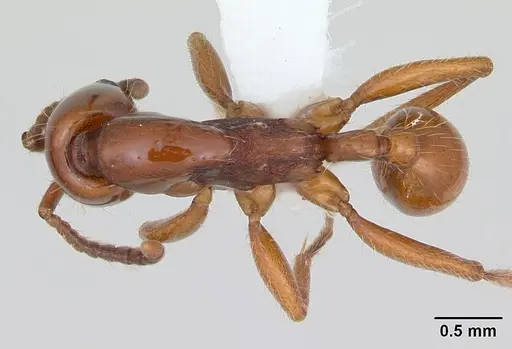
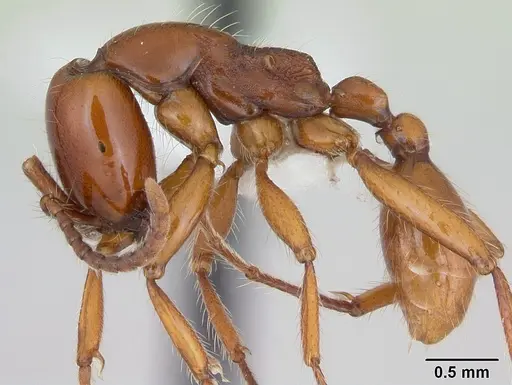
CASENT0249485
View on AntWeb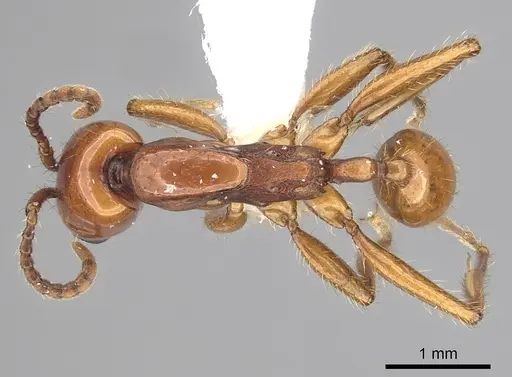
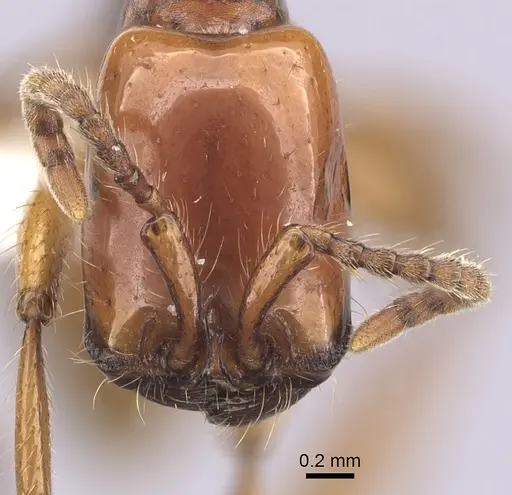
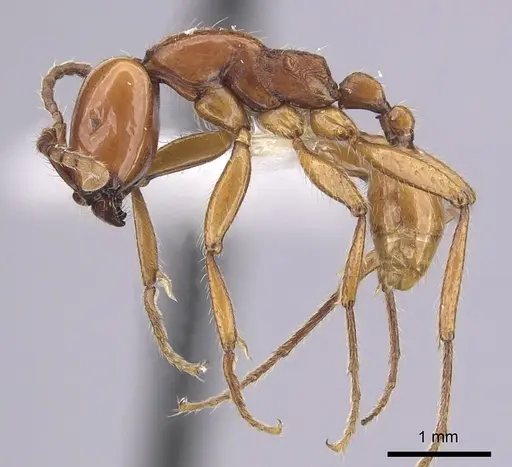
CASENT0905961
View on AntWeb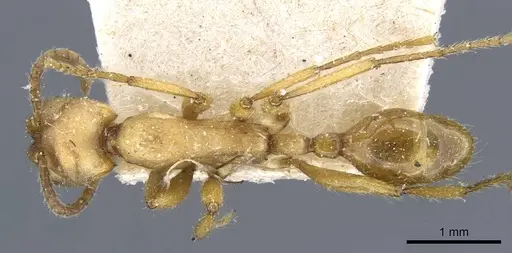
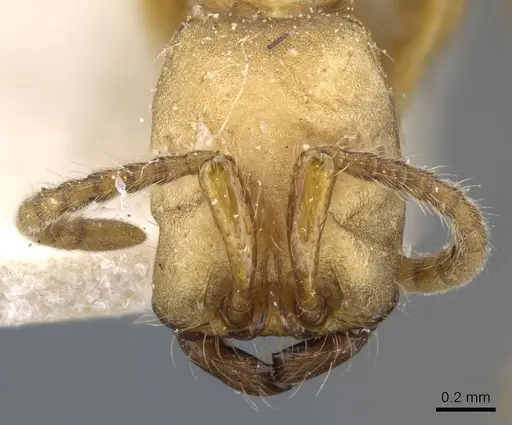
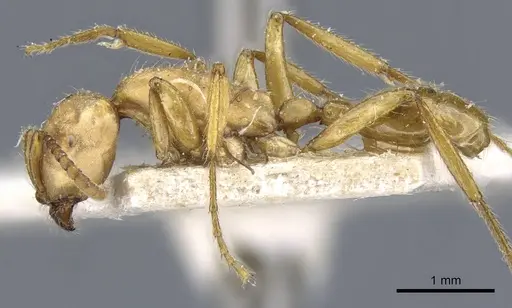
CASENT0905962
View on AntWeb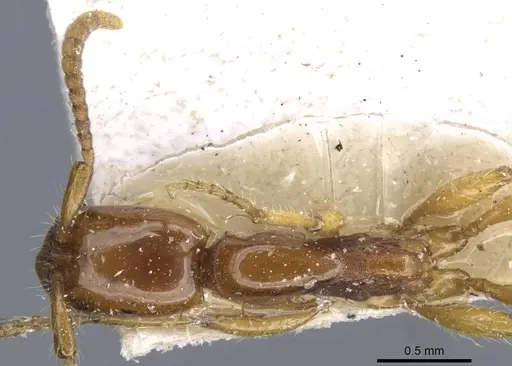
Literature
Loading...Loading products...