

Neivamyrmex dorbignii
- Scientific Name
- Neivamyrmex dorbignii
- Subfamily
- Dorylinae
- Author
- Shuckard, 1840
- Distribution
- Found in 4 countries
Neivamyrmex dorbignii Overview
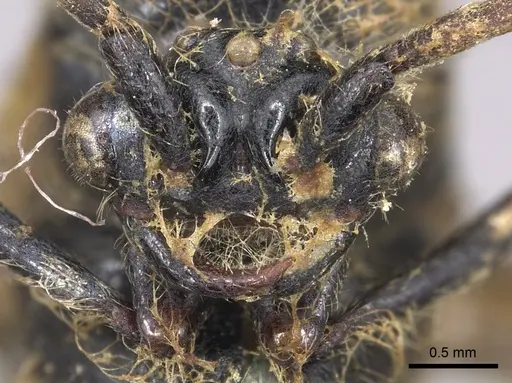
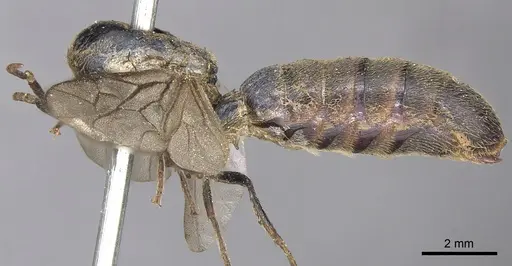
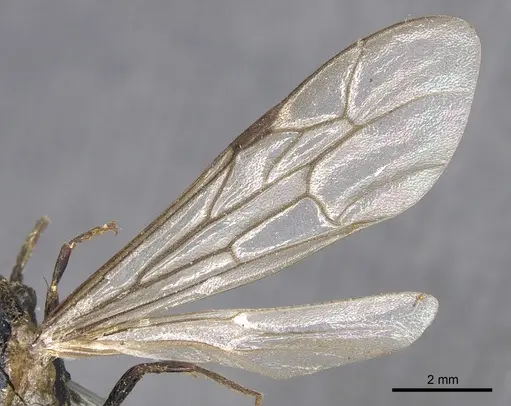
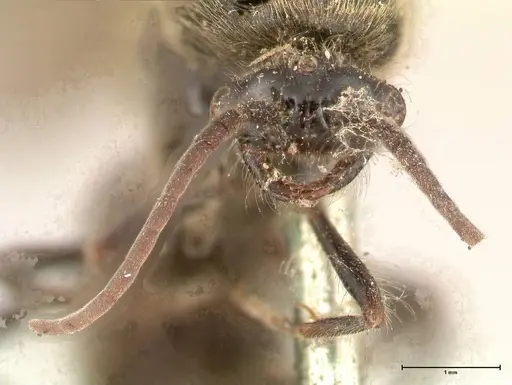
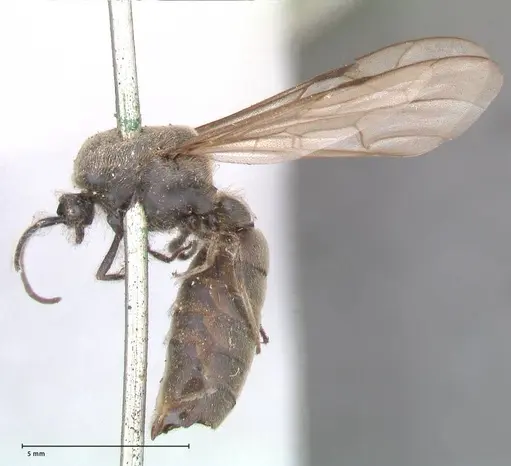
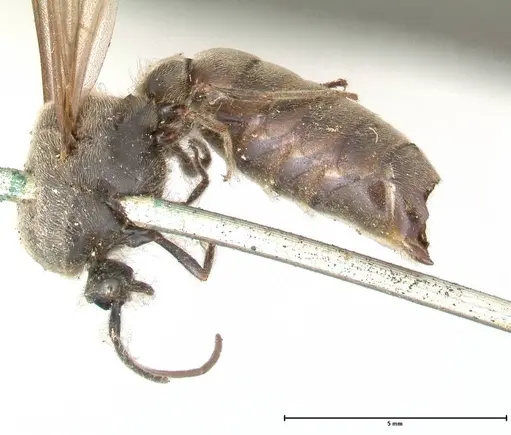
Neivamyrmex dorbignii is an ant species of the genus Neivamyrmex. It is primarily documented in 4 countries , including Argentina, Brazil, Costa Rica. Detailed taxonomic data and occurrence records can be further explored via authoritative databases such as AntWeb or the Global Biodiversity Information Facility (GBIF).
Neivamyrmex dorbignii
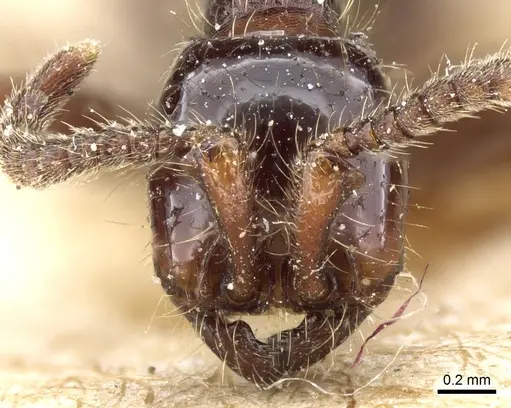
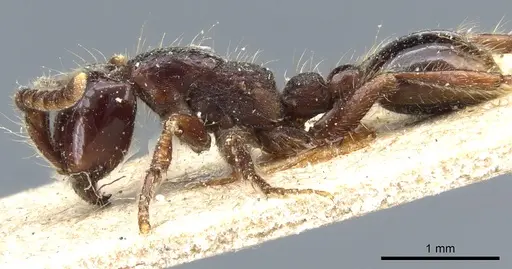
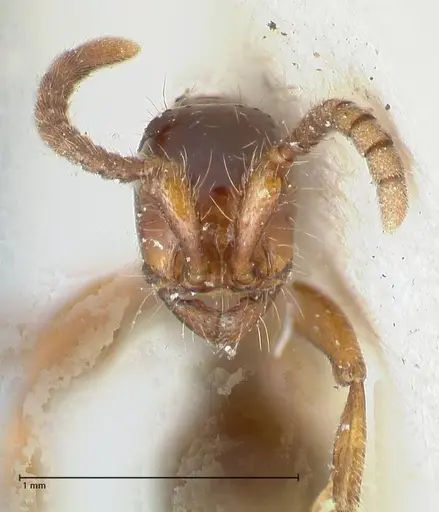
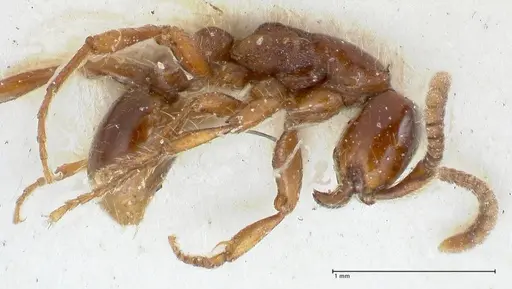
Neivamyrmex dorbignii is a Neotropical army ant species found across South America, from Mexico down through Brazil, Bolivia, Argentina, and Uruguay [1][2]. Workers are small and reddish-brown, typical of army ants in the Dorylinae subfamily. This species was originally described from males in 1840,with workers later identified and associated with the name [3]. As an army ant, N. dorbignii is predatory and nomadic, forming colonies that constantly move and raid other ant colonies and small arthropods for food [2]. The species has been recorded in the Caldenal district of Argentina and Entre Ríos province, representing one of the southernmost army ant distributions in South America [4][5].
Quick Summary
- Difficulty: Expert
- Origin & Habitat: Neotropical region, Argentina, Bolivia, Brazil, Mexico (Veracruz), Uruguay. Found in tropical to warm temperate areas, typically in forested habitats where they can raid other ant colonies [1][2].
- Colony Type: Monogyne (single queen) army ant colony. Army ants typically have highly mobile colonies that don't maintain permanent nests, they bivouac (make temporary camps) using their own bodies and move regularly to follow prey availability [2].
- Colony: Monogyne
- Founding: Claustral
- Size & Growth:
- Queen: Estimated 12-15mm based on genus patterns, army ant queens are among the largest of all ants [2].
- Worker: Estimated 3-6mm based on genus patterns, polymorphic with major and minor workers [2].
- Colony: Likely 100,000-200,000 workers based on typical Neivamyrmex colonies [2].
- Growth: Fast, army ant colonies grow rapidly once established due to continuous raiding and protein intake [2].
- Development: Estimated 4-6 weeks based on typical army ant development at tropical temperatures [2]. (Army ant development is temperature-dependent, warmer conditions accelerate growth. First workers (nanitics) are smaller than normal workers.)
- Antkeeping:
- Temperature: Keep at 24-28°C, army ants are tropical and need warm, stable conditions [2]. A slight gradient allows thermoregulation.
- Humidity: Moderate to high humidity (60-80%). Provide a moist substrate area for the bivouac but avoid waterlogging.
- Diapause: Likely no true diapause given tropical distribution, but may reduce activity in cooler months depending on local climate conditions.
- Nesting: Army ants don't nest in conventional nests. They form bivouacs using their own bodies in sheltered spots. In captivity, provide a dark chamber or container where they can form a cluster, with access to a foraging area. Test tubes with cotton can serve as hydration points but the colony will form a bivouac elsewhere [2].
- Behavior: Highly aggressive predatory behavior, these are army ants that conduct coordinated raids on other ant colonies and arthropod nests [2]. They have excellent recruitment systems and can overwhelm prey much larger than individual workers. Workers are small but numerous, and they will readily sting if threatened. Escape prevention is critical, they are excellent climbers and can squeeze through small gaps. They are constantly on the move, which means they need large foraging areas relative to colony size [2].
- Common Issues: army ants are extremely difficult to maintain in captivity due to their nomadic nature and need for constant prey, colonies can decline rapidly if prey availability drops, they require massive amounts of protein, escape prevention is critical, they are small, fast, and persistent climbers, they will attack and potentially escape into your home if given any opportunity, bivouac maintenance is challenging, they need dark, secure spaces that are also accessible for feeding, not suitable for beginners, only experienced antkeepers with specific setups should attempt this species
Understanding Army Ant Biology
Neivamyrmex dorbignii belongs to the Dorylinae subfamily, commonly known as army ants. Unlike most ant species that build permanent nests, army ants are nomadic, they form temporary camps called bivouacs and move regularly, sometimes daily, to follow prey availability [2]. This lifestyle is driven by their need for massive amounts of protein to feed their growing colonies. Workers are polymorphic, meaning they come in different sizes, larger major workers can carry heavier prey while smaller minors handle other tasks. The colony centers around a single, large queen who remains in the bivouac and continuously lays eggs, sometimes thousands per day during peak growth periods [2]. This species has been recorded across the Neotropical region from Mexico to Argentina, making it one of the more widespread Neivamyrmex species [1][4].
Housing and Bivouac Setup
Keeping army ants in captivity is significantly different from keeping typical ant species. You cannot use standard formicariums or test tube setups, these ants need space to form bivouacs and conduct raids. Provide a dark, enclosed space (like a plastic container with entry/exit holes) where the colony can cluster together. Connect this to a large foraging area where you can release prey. The bivouac area should be dark and secure, army ants prefer enclosed, protected spaces. Use multiple hydration points with cotton-stoppered water test tubes placed in the foraging area. Escape prevention is absolutely critical, these ants are small, fast, and excellent climbers. Use fluon on all rim edges and ensure any gaps are sealed. Many keepers use completely enclosed setups with feeding ports to minimize escape risk [2].
Feeding and Predatory Behavior
Neivamyrmex dorbignii is a strict predator, they do not eat seeds, fruit, or honey. Their primary diet consists of other ants (including their own colony's brood during desperate times), arthropods, and any small invertebrates they can overwhelm [2]. In captivity, you must provide live prey regularly, typically crickets, mealworms, roaches, and other insects. The feeding schedule depends on colony size, but large colonies may need prey items daily. During active raiding periods, you should provide multiple prey items so the ants can form feeding chains. Some keepers report success with pre-killed prey, but live prey triggers the natural raiding response and ensures the colony stays active. Never leave uneaten prey to decompose in the foraging area, remove it within 24 hours. The key to successful army ant keeping is maintaining a constant supply of protein [2].
Colony Growth and Development
Army ant colonies can grow massive, typical Neivamyrmex colonies reach 100,000 to 200,000 workers [2]. The queen is physogastric (her abdomen swells dramatically) and can lay thousands of eggs daily during peak periods. Development from egg to worker takes approximately 4-6 weeks at optimal temperatures, but this is temperature-dependent. First workers (nanitics) are smaller than normal workers and the colony will rapidly produce larger workers as resources allow. The colony growth rate is directly tied to prey availability, more protein equals faster growth. A healthy, well-fed colony can double in size over just a few months. However, this also means decline can be rapid if food becomes scarce, the colony will consume its own brood first, then workers, and finally the queen if starvation continues [2].
Temperature and Seasonal Care
As a Neotropical species, Neivamyrmex dorbignii requires warm conditions year-round. Maintain temperatures between 24-28°C (75-82°F) for optimal colony function. Temperatures below 20°C will cause the colony to become sluggish, and prolonged cold can be fatal. Provide a thermal gradient so the ants can choose their preferred temperature, this is especially important in the bivouac area. Heating can be provided via heating cables or mats placed under one side of the enclosure, but always ensure there's a cool zone as well. Given their wide distribution from Mexico to Argentina, populations from higher latitudes may tolerate slightly cooler conditions, but it's safest to keep them warm. There is no true diapause requirement for this species, but activity may decrease during winter months if room temperature drops [2].
Frequently Asked Questions
Can I keep Neivamyrmex dorbignii in a test tube setup?
No, army ants cannot be kept in test tube setups. They need space to form bivouacs and conduct raids. Use a large foraging container connected to a dark bivouac chamber. Standard formicariums are also unsuitable because army ants don't tunnel, they move freely and need open foraging space [2].
How long does it take for first workers to appear?
Based on typical army ant development, expect first workers (nanitics) in approximately 4-6 weeks after the queen lays eggs, provided temperatures are maintained at 24-28°C. Development is temperature-dependent, cooler conditions will slow growth significantly [2].
How big do Neivamyrmex dorbignii colonies get?
Mature colonies can reach 100,000 to 200,000 workers based on typical Neivamyrmex patterns. This makes them one of the larger ant species in captivity and requires significant space and prey input [2].
What do I feed Neivamyrmex dorbignii?
They are strict predators, feed live insects like crickets, mealworms, roaches, and other small arthropods. They do not eat sugar, honey, or seeds. Large colonies need daily prey items. Remove uneaten prey within 24 hours to prevent mold [2].
Are Neivamyrmex dorbignii good for beginners?
No, this species is for expert antkeepers only. Army ants require specialized setups, massive amounts of live prey, and excellent escape prevention. Their nomadic nature and need for constant prey make them one of the most difficult species to keep successfully [2].
Do Neivamyrmex dorbignii need hibernation?
No, as a Neotropical species, they do not require hibernation. Keep them warm year-round at 24-28°C. They may reduce activity slightly in cooler months, but this is not a true diapause [2].
Why is my army ant colony dying?
The most common causes are: insufficient prey (they need constant protein), temperatures too low (below 20°C), escape/small gaps where ants are lost, or mold from decaying prey. Army ant colonies decline rapidly when needs aren't met. Ensure you are providing daily live prey and maintaining proper temperature and humidity [2].
Can I keep multiple queens together?
No, Neivamyrmex dorbignii is monogyne (single queen). Multiple queens would fight and only one would survive. Army ant colonies are centered around a single physogastric queen [2].
When should I move to a larger setup?
Army ants will expand into whatever space you provide. There's no traditional 'moving to a formicarium', instead, simply expand their foraging area as the colony grows. The bivouac chamber should be large enough for the entire colony to cluster, and the foraging area should accommodate their raiding behavior. Expect to upgrade enclosure size every few months during peak growth [2].
References

This caresheet is licensed under CC BY-SA 4.0 .
CASENT0901945
View on AntWeb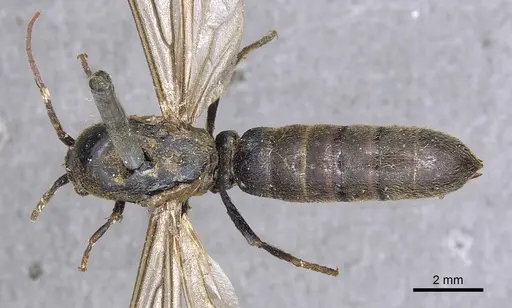
CASENT0903732
View on AntWeb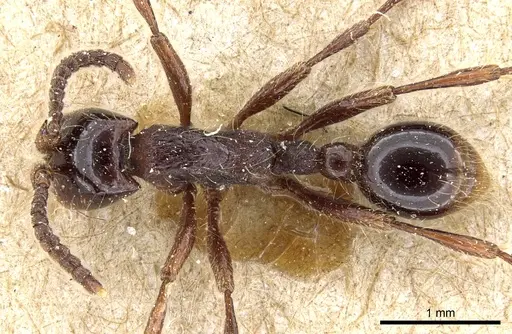
FOCOL0678
View on AntWeb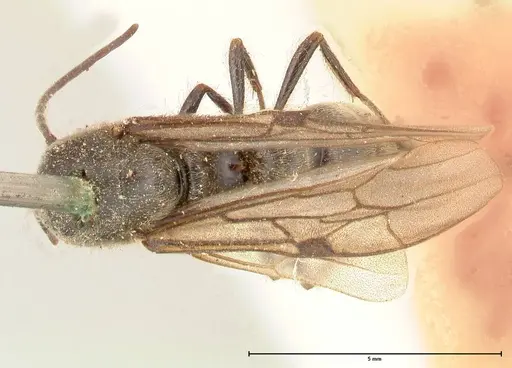
FOCOL1137
View on AntWeb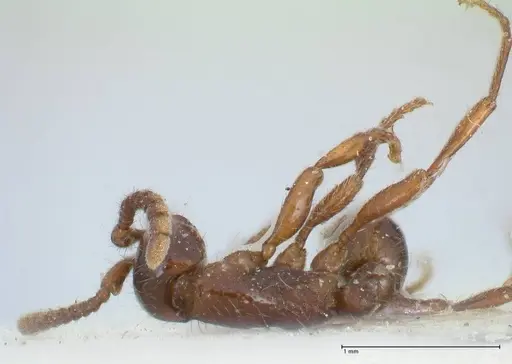
Literature
Loading...Loading products...