

Neivamyrmex diversinodis
- Scientific Name
- Neivamyrmex diversinodis
- Subfamily
- Dorylinae
- Author
- Borgmeier, 1933
- Distribution
- Found in 2 countries
Neivamyrmex diversinodis Overview
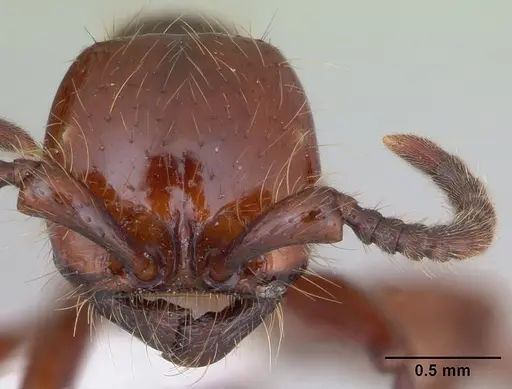
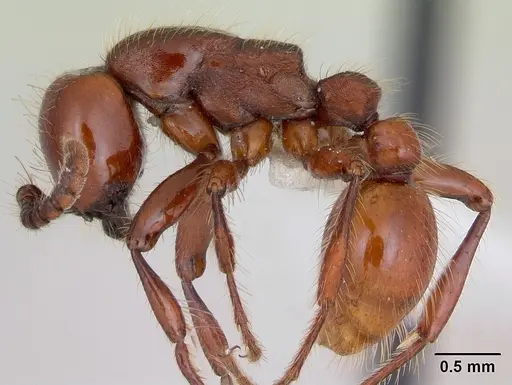
Neivamyrmex diversinodis is an ant species of the genus Neivamyrmex. It is primarily documented in 2 countries , including Argentina, Paraguay. Detailed taxonomic data and occurrence records can be further explored via authoritative databases such as AntWeb or the Global Biodiversity Information Facility (GBIF).
Neivamyrmex diversinodis
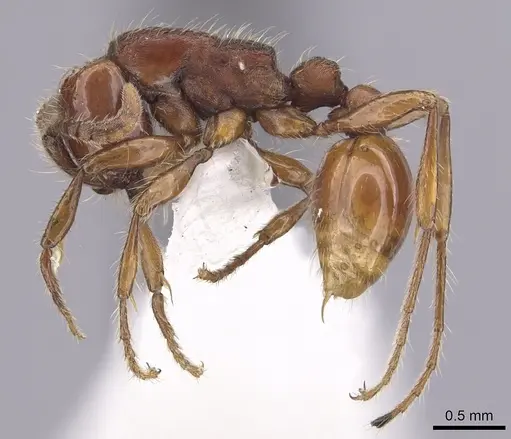
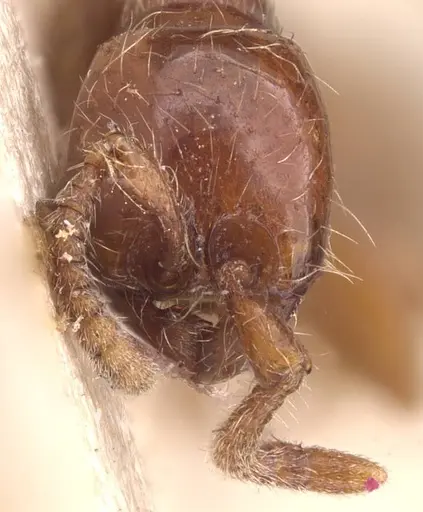
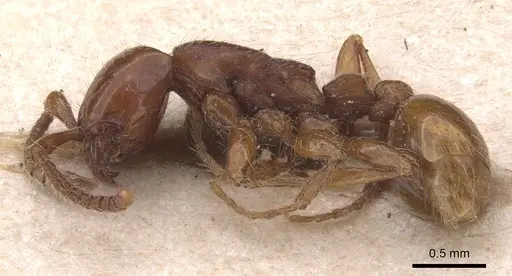
Neivamyrmex diversinodis is a Neotropical army ant found across Argentina, Bolivia, Brazil, and Paraguay [1]. As a Dorylinae species, it belongs to the famous army ant group known for their massive predatory raids where thousands of workers coordinate to overwhelm prey colonies. Workers are typically 3-6mm with the characteristic army ant morphology, a compact body, powerful mandibles, and a stinger. The genus Neivamyrmex contains over 150 species of army ants throughout the Americas, and N. diversinodis is one of the more widespread species in the southern part of their range [1].
What makes this species particularly interesting is its classification as a Tropical Climate Specialist (TCS), indicating it prefers warm, stable conditions typical of its native Neotropical habitat [2]. Like all army ants, colonies are nomadic and do not maintain permanent nests, instead they form temporary bivouacs by linking their bodies together. This species represents an excellent opportunity to observe the dramatic raiding behavior that makes army ants famous, though they require more specialized care than typical ant species.
Quick Summary
- Difficulty: Expert
- Origin & Habitat: Neotropical region, Argentina, Bolivia, Brazil, and Paraguay. Found in tropical and subtropical climates, typically in forest habitats [1]. Classified as a Tropical Climate Specialist, preferring warm and humid conditions [2].
- Colony Type: Monogyne, single queen colonies. Queens are fully claustral, sealing themselves in to raise the first brood alone.
- Colony: Monogyne
- Founding: Claustral
- Size & Growth:
- Queen: Estimated 12-15mm based on genus patterns
- Worker: 3-6mm based on genus descriptions [1]
- Colony: Can reach several thousand workers in mature colonies
- Growth: Moderate to fast, army ant colonies grow rapidly once established
- Development: Estimated 4-6 weeks at optimal temperature (25-28°C), based on typical Dorylinae development (Development is temperature-dependent, warmer conditions accelerate development. Nanitics (first workers) are smaller than normal workers.)
- Antkeeping:
- Temperature: Keep at 25-28°C. Army ants are tropical species requiring warm, stable conditions. A heating cable on one side of the outworld creates a temperature gradient [2].
- Humidity: High humidity, aim for 70-80%. These are forest-dwelling ants that need moist conditions. Keep the outworld substrate damp but not waterlogged.
- Diapause: No, being a tropical species, they do not require hibernation. Maintain warm conditions year-round.
- Nesting: Army ants do not nest in traditional formicariums. They form bivouacs (temporary nests made from linked worker bodies). In captivity, provide a dark retreat area where the colony can cluster, with a spacious outworld for raiding behavior.
- Behavior: Highly predatory and aggressive. Workers conduct coordinated raids on other ant colonies and arthropod nests. They are extremely active and need lots of space to forage. Colonies are nomadic, they will periodically relocate their bivouac. Workers have stingers and can deliver painful stings if threatened. Escape prevention is critical, they are excellent climbers and will exploit any gap. They are primarily nocturnal or crepuscular, with raid activity often increasing in darkness.
- Common Issues: colonies often fail because keepers don't provide enough space for raiding behavior, a small outworld causes stress and colony breakdown, temperatures below 22°C can suppress activity and lead to colony decline, keep consistently warm, without regular prey (other ant colonies or large arthropods), colonies starve, they are obligate predators, escapes are common because army ants are excellent climbers and squeeze through tiny gaps, use fluon and fine mesh, wild-caught colonies may contain parasites that can devastate the colony in captivity
Understanding Army Ant Biology
Neivamyrmex diversinodis belongs to the Dorylinae subfamily, commonly known as army ants. Unlike most ant species that maintain permanent nests, army ants are nomadic, they periodically relocate their entire colony in search of new hunting grounds. Instead of a fixed nest, army ants form a bivouac: a temporary structure created when workers link their bodies together, creating a living cluster that protects the queen and brood. This bivouac can be suspended from vegetation, located in hollow logs, or tucked into underground cavities.
The most spectacular behavior of army ants is the raid. Thousands of workers coordinate in organized columns or swarms to overwhelm prey colonies, typically other ant species or large arthropods. Workers use their powerful mandibles to capture and dismember prey, then carry fragments back to the bivouac. These raids can cover significant distances, and the column of raiding workers can be meters long. In captivity, you can observe this behavior by providing a spacious outworld and regular prey colonies.
Army ant colonies are founded by a single claustral queen who seals herself into a chamber beneath the soil. She survives entirely on her stored fat reserves while raising the first brood, typically nanitic (first) workers that are smaller than normal workers. Once these workers emerge, the colony begins its nomadic lifestyle, with raids becoming more frequent as the colony grows. [1][2]
Housing and Enclosure Setup
Housing army ants requires a different approach than typical ant species. They do not use traditional formicarium nests, instead, they need a dark retreat area for the bivouac and a spacious outworld for raiding. A simple setup works best: a dark container (plastic or glass) lined with moist substrate where the colony can form their bivouac, connected to a larger outworld where they can forage.
The outworld should be significantly larger than you would provide for other ants, think 30cm or more across. Army ants are highly active and need space to conduct their raids. Cover all surfaces with a barrier like fluon to prevent escapes, as these ants are excellent climbers. The outworld substrate should be kept slightly moist to maintain humidity, and you should provide hiding spots and structures that prey colonies can use.
Lighting should be dim, army ants are naturally nocturnal or crepuscular and will be most active in low light conditions. A red film over the observation area allows you to watch behavior without disturbing the colony. Temperature maintenance is critical: use a heating cable or mat to keep the setup at 25-28°C consistently.
Feeding and Predatory Requirements
Neivamyrmex diversinodis is an obligate predator, they do not eat seeds, honey, or sugar sources. Their primary diet consists of other ants and arthropods. In the wild, colonies conduct raids on other ant species, capturing brood and workers to feed the colony. A single raid can consume an entire ant colony.
In captivity, you must provide regular prey. The most effective approach is to maintain feeder colonies of other ants (such as Tapinoma or Brachymyrmex) in the outworld, this allows the army ants to conduct natural raids. Alternatively, you can offer other arthropods: crickets, mealworms, cockroach nymphs, and other insects. Prey should be offered 2-3 times per week, with amounts adjusted based on colony size and consumption rate.
Army ant colonies have enormous appetites. A mature colony of several thousand workers can consume dozens of prey insects per day. Without adequate prey, the colony will starve. Some keepers report success feeding pre-killed prey, but live prey triggers more natural raiding behavior. Never feed sugar water or honey to army ants, they will not consume it and it can attract mold that harms the colony.
Temperature and Seasonal Care
As a Tropical Climate Specialist, Neivamyrmex diversinodis requires warm, stable temperatures year-round. The ideal range is 25-28°C, with brief excursions up to 30°C being tolerated. Temperatures below 22°C will cause decreased activity and can lead to colony decline. Below 18°C, the colony may stop raiding entirely and become sluggish.
Maintain temperatures using a heating cable placed under one end of the setup, creating a gradient that allows the ants to thermoregulate. A thermostat controller prevents overheating. Room temperature is generally too cold for this species unless your space is naturally warm.
Because they are tropical, these ants do not require diapause (winter rest). Keep them at their optimal temperature year-round. Seasonal changes in activity are minimal in captivity, though you may notice slightly increased raiding behavior during what would be the wet season in their native range. Humidity should remain high (70-80%), use moist substrate and occasional misting to maintain levels. [2]
Colony Lifecycle and Growth
A founding queen of Neivamyrmex diversinodis is claustral, she seals herself into a chamber and does not leave to forage. She relies entirely on her stored fat reserves and the breakdown of her own wing muscles to feed the first brood. This founding chamber is typically located a few centimeters below the soil surface in a humid location.
The first brood develops over 4-6 weeks at optimal temperature (25-28°C). The resulting nanitic workers are smaller than normal workers but immediately begin participating in raids. Colony growth is rapid once workers emerge, within a few months, the colony can reach several hundred workers. Within a year, a healthy colony can grow to over a thousand workers.
Mature colonies can reach several thousand workers. At this point, the colony enters its reproductive phase, alates (winged reproductive ants) are produced. In the wild, these would depart on nuptial flights. In captivity, producing alates indicates the colony is thriving but also signals that you may need to prepare for the eventual decline of the colony if you cannot house the new queens.
Safety and Handling
Neivamyrmex diversinodis workers possess a functional stinger and will use it when threatened. Stings are reported as painful, similar to a wasp sting, though the small size of the workers means the venom dose is minimal. Most healthy adults will experience localized pain and swelling similar to a bee sting.
When working with the colony, use caution. Never disturb the bivouac unnecessarily, as this causes stress. If you need to move the colony or clean the outworld, do so when the majority of workers are out raiding. Wear gloves if you must handle the ants directly.
Escape prevention is critical. Army ants are excellent climbers and will exploit any gap or crack in their enclosure. Apply fluon (a liquid PTFE barrier) to all interior surfaces of the outworld, and ensure all lids fit tightly. Check regularly for escapees, especially along cable openings and lid edges. A single escaped queen can quickly establish an unwanted colony.
Frequently Asked Questions
Can I keep Neivamyrmex diversinodis in a test tube?
No, test tubes are completely unsuitable for army ants. They need a spacious outworld to conduct raids and a dark retreat area for their bivouac. A test tube would cause the colony significant stress and likely lead to colony failure. Use a setup with a dark nesting area connected to a large foraging space.
How long until first workers with Neivamyrmex diversinodis?
Expect first workers (nanitics) to emerge in 4-6 weeks after the queen lays eggs, provided you maintain optimal temperature of 25-28°C. Development is faster at warmer temperatures and slower at cooler temperatures. The first workers will be smaller than normal workers but will immediately begin participating in raids.
What do Neivamyrmex diversinodis eat?
They are obligate predators that eat other ants and arthropods. They do not eat sugar, honey, or seeds. In captivity, feed them other ant colonies (feeder colonies), crickets, mealworms, cockroaches, and other insects. They need regular prey to survive, a lack of prey will cause the colony to starve.
Are Neivamyrmex diversinodis good for beginners?
No, this is an expert-level species. They require specialized care including regular prey (other ant colonies), high humidity, warm temperatures, lots of space, and excellent escape prevention. Most beginner antkeepers struggle with army ant requirements. Start with easier species like Lasius or Messor before attempting army ants.
Do Neivamyrmex diversinodis need hibernation?
No, as a tropical species, they do not require hibernation. Keep them warm year-round at 25-28°C. Temperatures below 22°C can cause problems, and true cold temperatures will kill the colony.
How big do Neivamyrmex diversinodis colonies get?
Mature colonies can reach several thousand workers. Growth is relatively rapid, within a year a healthy colony can exceed 1000 workers. The colony will periodically relocate its bivouac as it grows, so be prepared for the ants to change their preferred resting location.
Can I keep multiple queens together?
No, Neivamyrmex diversinodis is monogyne (single queen). Multiple unrelated queens will fight. Only keep one queen per colony setup. If you find multiple queens in a colony, they are likely a mother and her daughter from a previous reproductive cycle.
Why is my Neivamyrmex diversinodis colony dying?
Common causes include: temperatures below 22°C, insufficient prey (they need regular ant colonies or insects to hunt), low humidity, stress from too-small enclosures, or parasites. Army ants are sensitive to environmental conditions, review all care parameters and ensure the colony has adequate prey and space.
When should I move Neivamyrmex diversinodis to a formicarium?
Never, army ants do not use traditional formicariums. They form bivouacs (living nests made of linked bodies) rather than excavating tunnels. Provide a dark retreat area with moist substrate for the bivouac and a spacious outworld for foraging. A naturalistic setup works best.
How often should I feed Neivamyrmex diversinodis?
Feed prey 2-3 times per week, adjusting based on colony size. A large colony may need daily feeding. The best approach is to maintain feeder ant colonies in the outworld so the army ants can conduct natural raids. If offering loose prey, provide enough for the colony to consume within 24 hours.
References

This caresheet is licensed under CC BY-SA 4.0 .
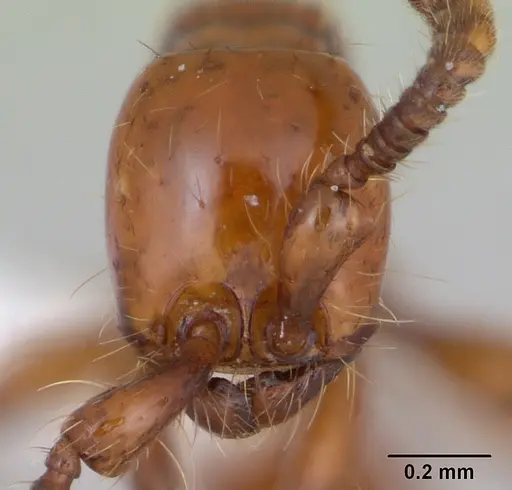
CASENT0173522
View on AntWeb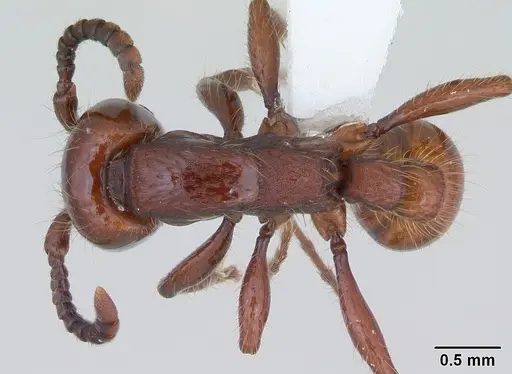
CASENT0173523
View on AntWeb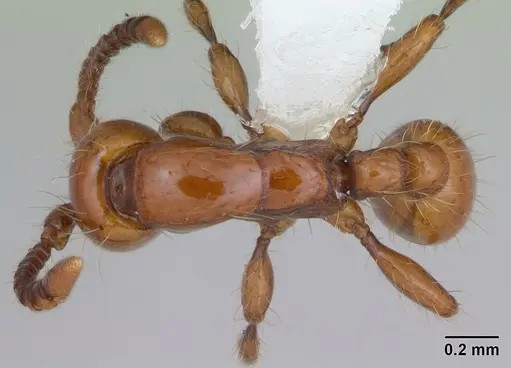
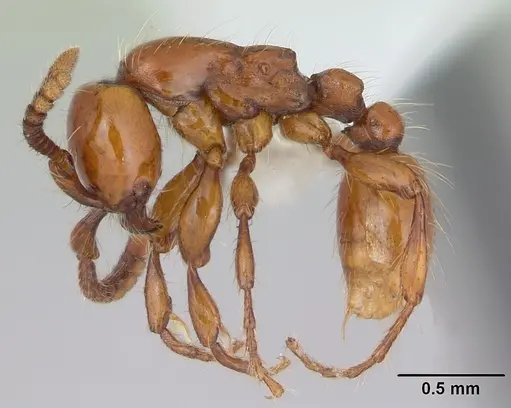
CASENT0249480
View on AntWeb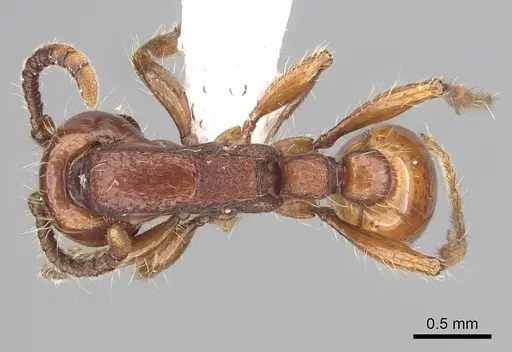
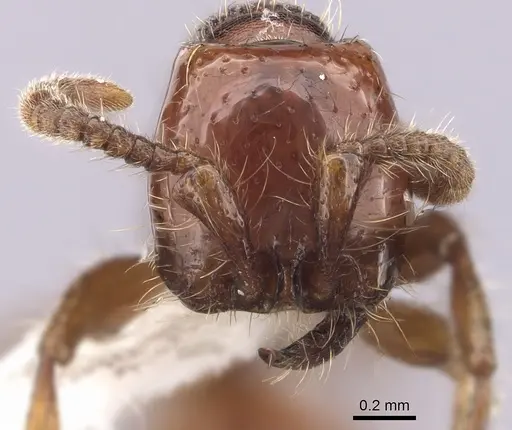
CASENT0905724
View on AntWeb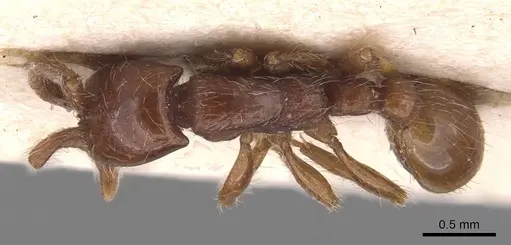
Literature
Loading...Loading products...