

Neivamyrmex digitistipus
- Scientific Name
- Neivamyrmex digitistipus
- Subfamily
- Dorylinae
- Author
- Watkins, 1975
- Distribution
- Found in 1 countries
Neivamyrmex digitistipus Overview
Neivamyrmex digitistipus is an ant species of the genus Neivamyrmex. It is primarily documented in 1 countries , including Costa Rica. Detailed taxonomic data and occurrence records can be further explored via authoritative databases such as AntWeb or the Global Biodiversity Information Facility (GBIF).
Neivamyrmex digitistipus
Neivamyrmex digitistipus is a species of army ant belonging to the subfamily Dorylinae. These ants are predatory hunters known for their aggressive raiding behavior and nomadic lifestyle. Workers are small to medium-sized, typically measuring 2-5mm, with the genus characterized by their distinctive elongated heads and powerful mandibles adapted for capturing prey [1]. As with all army ants, they do not maintain permanent nests but form temporary bivouacs that they relocate periodically as food sources are depleted. The species has been documented in Costa Rica, indicating a tropical Central American distribution [1].
Quick Summary
- Difficulty: Expert
- Origin & Habitat: Central America (Costa Rica documented). Army ants inhabit tropical and subtropical forests where they roam through the understory and leaf litter, hunting for invertebrate prey.
- Colony Type: Colony structure is typical of army ants, large colonies with a single queen that can produce thousands of workers. Queens are claustral founders who seal themselves in to raise the first brood.
- Colony: Monogyne
- Founding: Claustral
- Size & Growth:
- Queen: Estimated 10-15mm based on genus patterns
- Worker: 2-5mm based on genus patterns
- Colony: Likely several thousand workers at maturity based on genus typical size
- Growth: Fast, army ant colonies grow rapidly once established
- Development: Estimated 4-6 weeks based on related Dorylinae species (Development is temperature-dependent, warmer conditions accelerate growth. Army ant larvae develop quickly to support their nomadic lifestyle.)
- Antkeeping:
- Temperature: Keep at 24-28°C. Army ants are tropical and require warm, stable temperatures to maintain activity and brood development.
- Humidity: Maintain moderate to high humidity (60-80%). These forest-dwelling ants prefer damp conditions but avoid waterlogging.
- Diapause: No, being tropical, they do not require hibernation. Keep temperatures consistent year-round.
- Nesting: Army ants cannot be kept in traditional formicariums. They require an outworld-style setup with a large foraging area and a dark retreat space for the bivouac. Provide a dark container or enclosed space where the colony can form their temporary nest.
- Behavior: Neivamyrmex digitistipus is a nocturnal predator. Workers emerge at night to conduct coordinated raids through leaf litter and soil, capturing invertebrates including other ants, springtails, and small arthropods. They are highly aggressive when hunting but generally non-aggressive toward humans, they lack a painful sting and are too small to penetrate human skin. Escape prevention is critical due to their small worker size. The colony will be most active after dark, so observe them in evening hours.
- Common Issues: colonies require large amounts of live prey, feeding failure is the most common cause of colony collapse, they cannot be contained in standard formicariums, require specialized outworld setups, small worker size means escape prevention must be excellent, nomadic behavior means they will regularly relocate within their enclosure, wild-caught colonies may contain parasites that can devastate captive populations
Housing and Setup
Neivamyrmex digitistipus cannot be kept in traditional formicariums or test tube setups. Army ants are nomadic and need to move their bivouac regularly. The ideal setup consists of a large plastic or glass outworld (at least 30cm x 20cm) with a dark retreat area where the colony forms their temporary nest. The retreat can be a dark plastic container with a small entrance hole, placed inside the outworld. Line the outworld floor with a thin layer of substrate (coco fiber or soil mix) to allow workers to search for prey. Use a water reservoir setup to maintain humidity without flooding. Cover all openings with fine mesh, these tiny ants can squeeze through surprisingly small gaps.
Feeding and Diet
As predatory army ants, Neivamyrmex digitistipus requires a constant supply of live invertebrate prey. They will not accept dead insects or sugar water, they are obligate predators that hunt live prey. Offer small live prey such as fruit flies, springtails, small crickets, and other tiny arthropods. Feed every 2-3 days, providing enough prey for the colony to consume within 24 hours. Remove uneaten prey to prevent mold. The colony's food requirements will increase dramatically as the worker population grows. A well-fed colony will show increased nocturnal activity during hunting raids.
Temperature and Humidity
Keep the colony at 24-28°C using a heating cable or mat placed under one end of the outworld to create a temperature gradient. Army ants are tropical and will become sluggish below 22°C. Maintain humidity at 60-80% by keeping the substrate lightly moist and providing a water reservoir. Mist occasionally but avoid excessive moisture that causes mold. Place the bivouac retreat in the warmer portion of the setup. Monitor the colony's activity levels, active foraging indicates proper conditions, while lethargic workers suggest temperatures are too low.
Behavior and Observation
Neivamyrmex digitistipus is primarily nocturnal, with peak activity occurring in the evening and early morning hours. Workers emerge from the bivouac in coordinated columns to hunt through the substrate and leaf litter. You may observe them carrying captured prey back to the nest. Unlike some army ant species, Neivamyrmex typically conducts smaller, more localized raids rather than massive swarm raids. The colony will periodically relocate their bivouac to new areas, this is normal nomadic behavior and should not be cause for concern. They are not aggressive toward keepers and pose no danger, though their small size makes escape prevention essential.
Frequently Asked Questions
Can I keep Neivamyrmex digitistipus in a test tube setup?
No. Army ants cannot be kept in test tubes or traditional formicariums. They require an outworld-style setup with a large foraging area and a dark retreat space for their bivouac. The colony needs to move periodically as they would in the wild.
What do Neivamyrmex digitistipus eat?
They are obligate predators that require live invertebrate prey. Feed small live insects such as fruit flies, springtails, small crickets, and other tiny arthropods. They will not accept dead prey or sugar sources.
How long does it take for the first workers to emerge?
Based on related Dorylinae species, expect first workers (nanitics) approximately 4-6 weeks after the queen lays her first eggs, assuming optimal temperatures around 26°C.
Are Neivamyrmex digitistipus good for beginners?
No. This is an expert-level species that requires specialized outworld setups, constant access to live prey, and experience with predatory ant species. They are not recommended for beginners.
Do they need hibernation or diapause?
No. As tropical army ants, they do not require hibernation. Keep temperatures consistent year-round at 24-28°C.
How big do colonies get?
Based on genus patterns, mature colonies likely reach several thousand workers. Army ant colonies can grow very large but require substantial prey input to sustain such populations.
When are they most active?
Neivamyrmex digitistipus is nocturnal. Peak activity occurs in the evening and early morning hours. You will see little to no activity during daylight hours.
Why is my colony dying?
The most common causes of colony failure are: insufficient live prey (they will starve without constant hunting), temperatures too low (below 22°C causes lethargy and death), escape through small gaps due to inadequate containment, and stress from excessive disturbance.
Can I keep multiple queens together?
No. Neivamyrmex is typically monogyne (single queen). Combining unrelated queens is not recommended and would likely result in fighting.
References

This caresheet is licensed under CC BY-SA 4.0 .
INBIOCRI001220558
View on AntWeb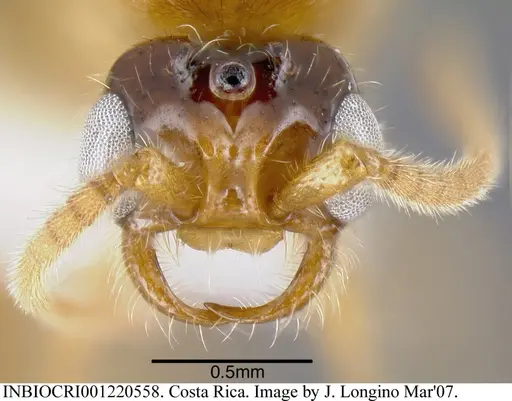
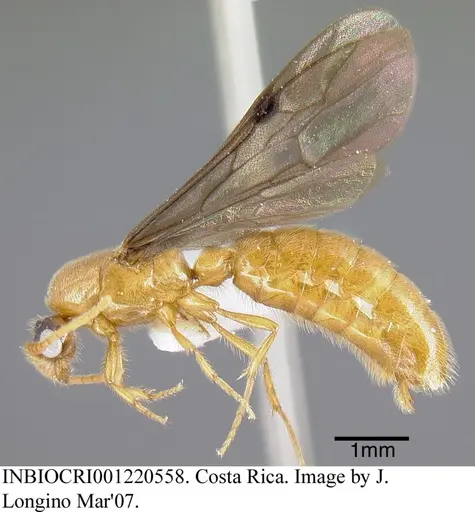
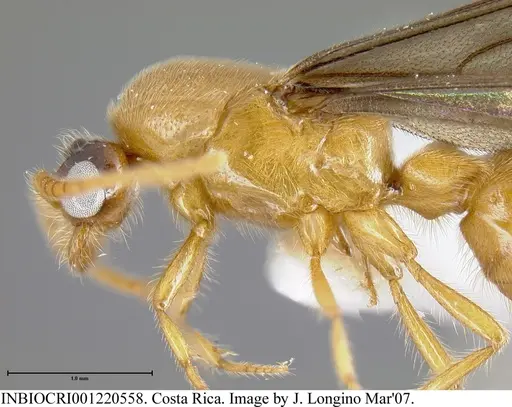
INBIOCRI001285759
View on AntWeb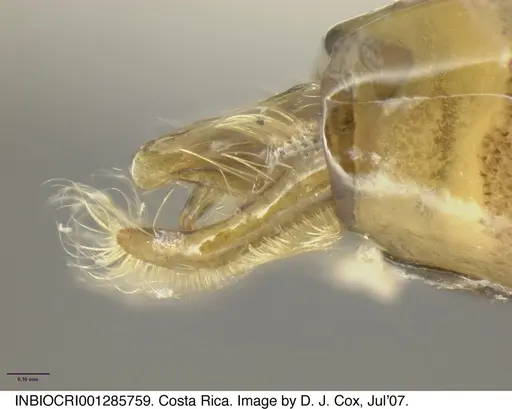
Literature
Loading...Loading products...