

Neivamyrmex diana
- Scientific Name
- Neivamyrmex diana
- Subfamily
- Dorylinae
- Author
- Forel, 1912
- Distribution
- Found in 4 countries
Neivamyrmex diana Overview
Neivamyrmex diana is an ant species of the genus Neivamyrmex. It is primarily documented in 4 countries , including Bolivia, Plurinational State of, Brazil. Detailed taxonomic data and occurrence records can be further explored via authoritative databases such as AntWeb or the Global Biodiversity Information Facility (GBIF).
Neivamyrmex diana
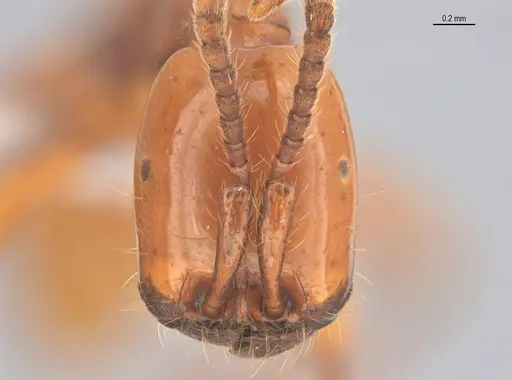
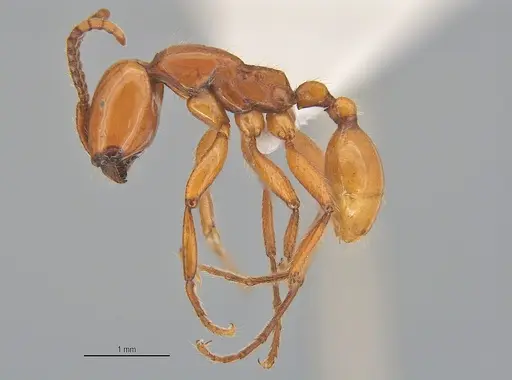
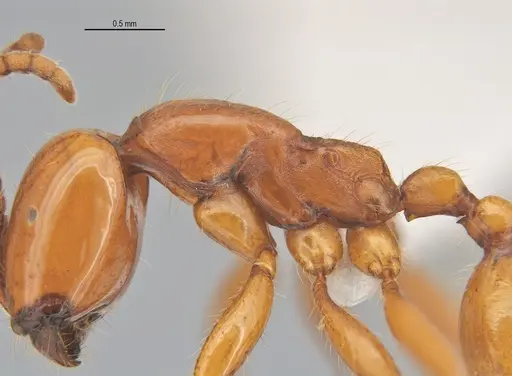
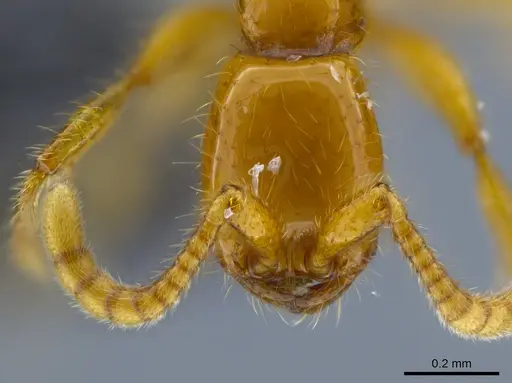
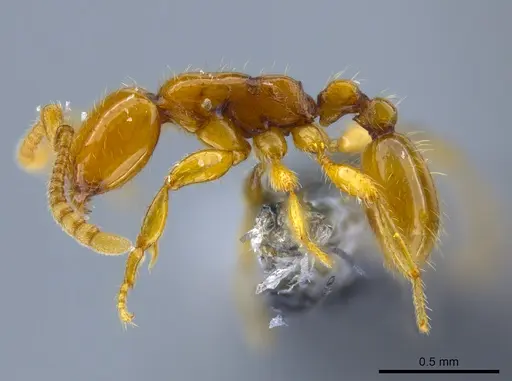
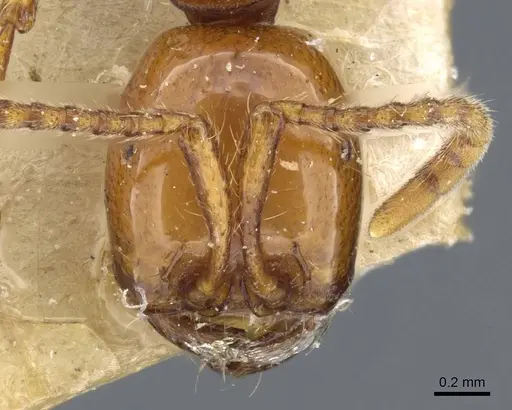
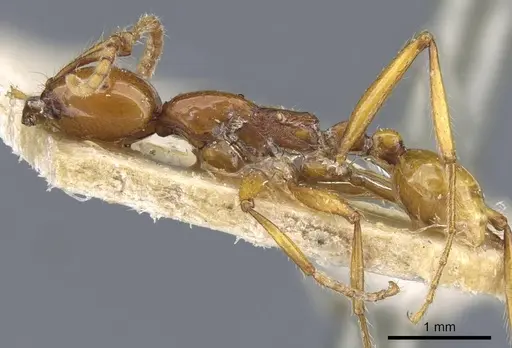
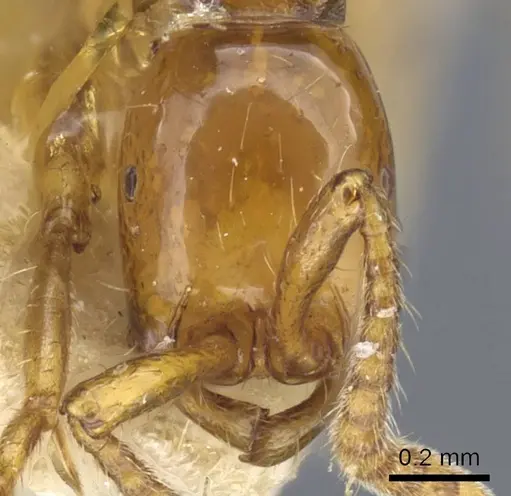
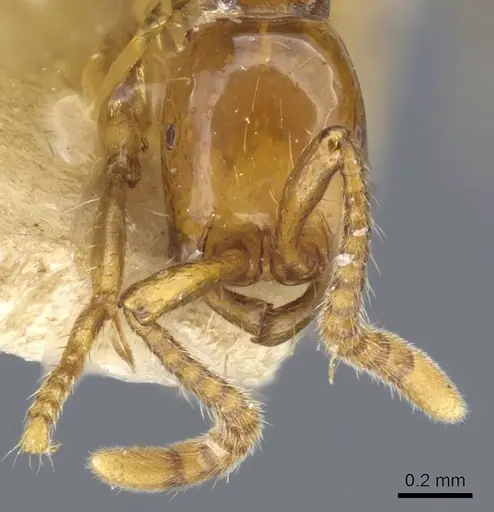
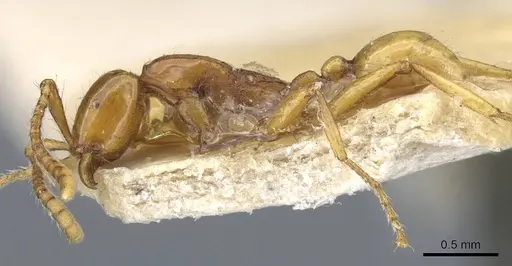
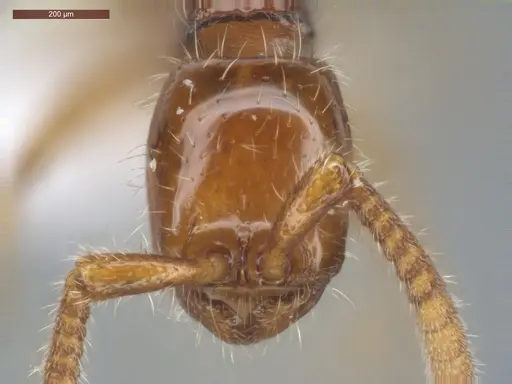
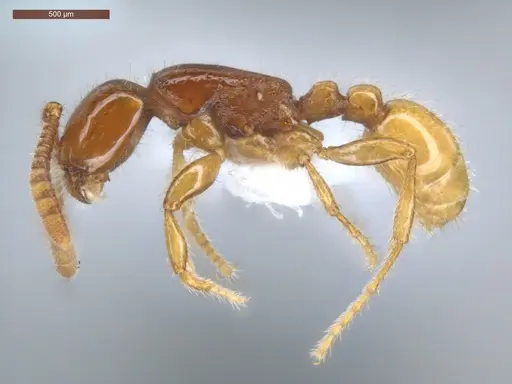
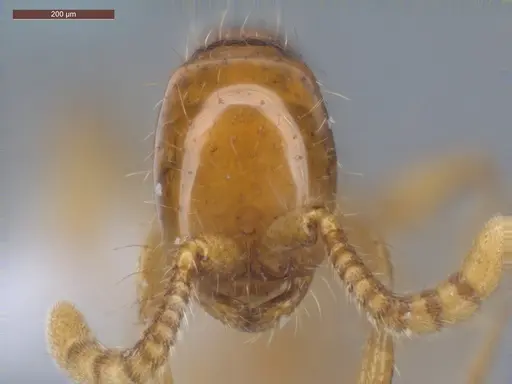
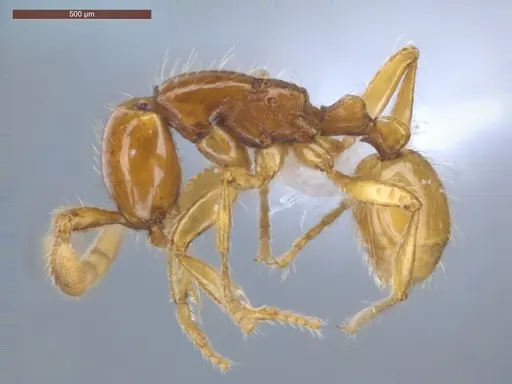
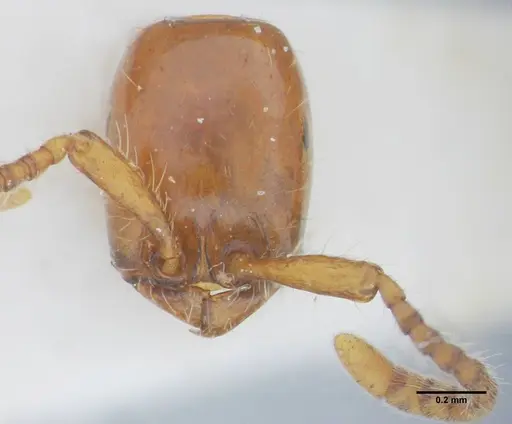
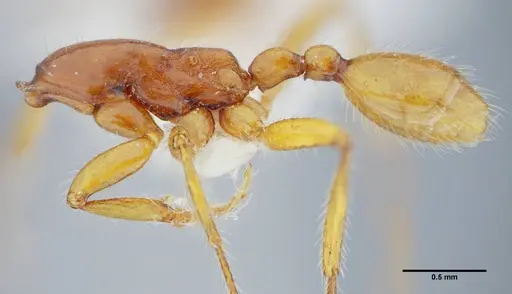
Neivamyrmex diana is a Neotropical army ant native to South America, found across Brazil, Ecuador, French Guiana, Venezuela, and Argentina [1][2]. Workers are small and slender with a smooth, shiny head and a continuous dorsal profile on the mesosoma [3]. This species is a specialized predator that raids the nests of other ants, particularly targeting Pseudomyrmex species [4][5]. Unlike many ants, army ants like N. diana are nomadic, they don't build permanent nests but instead form temporary bivouacs and constantly move their colonies as they exhaust food sources in each hunting area [6].
What makes N. diana particularly interesting is its ecological flexibility. While typically ground-dwelling, researchers have documented this species moving into tree canopies in the Brazilian Pantanal during seasonal flooding, demonstrating its ability to adapt to environmental pressures. This behavior is unusual for army ants, which are typically strictly ground-dwelling. The species is also exclusive to the dry season in Caatinga environments, showing distinct seasonal activity patterns [7].
Quick Summary
- Difficulty: Expert
- Origin & Habitat: Neotropical South America, Brazil, Ecuador, French Guiana, Venezuela, Argentina. Found in diverse habitats including seasonally flooded Pantanal forests, Caatinga thorn woodland, Cerrado savanna, and humid forest edges [1][2][6]. Typically ground-dwelling but can adapt to arboreal situations during flooding events.
- Colony Type: Multi-queen colony structure with thousands of workers. Army ants form colonies with multiple reproductive queens that accompany the nomadic colony. Colonies are highly mobile and lack permanent nests [6].
- Colony: Polygyne
- Size & Growth:
- Queen: Estimated 8-12mm based on genus patterns (queen described by Borgmeier 1939 but measurements not specified in available sources)
- Worker: Small army ant, approximately 3-5mm (typical for Neivamyrmex genus)
- Colony: Colonies reach thousands of workers, typical for army ants [6]
- Growth: Fast, colonies grow rapidly once established due to high reproductive output
- Development: Estimated 3-5 weeks at tropical temperatures based on typical Ecitoninae development patterns (Army ant development is typically fast compared to other ants, supporting their nomadic lifestyle)
- Antkeeping:
- Temperature: Keep at 24-28°C, these are tropical ants requiring warm, stable temperatures
- Humidity: High humidity (70-85%), maintain moist substrate conditions. Army ants prefer humid environments and will desiccate quickly in dry conditions
- Diapause: No, as tropical ants from consistently warm climates, they do not require hibernation. Activity may reduce slightly during cooler periods but no true diapause
- Nesting: This species presents unique challenges for captive housing. In the wild, army ants do not build permanent nests but form temporary bivouacs. In captivity, they need a spacious foraging area with a humid retreat chamber. A naturalistic setup with a deep substrate layer for humidity retention works best. They will not use traditional formicarium setups, instead they need a setup that allows for bivouac formation and colony movement.
- Behavior: N. diana is a specialized predator that conducts raids on other ant colonies, particularly targeting Pseudomyrmex species [4][5]. Workers form long foraging columns and can raid colonies much larger than themselves. They are aggressive when defending the colony and will attack threats vigorously. Escape prevention is critical, army ants are excellent climbers and can scale smooth surfaces. They are primarily nocturnal or crepuscular foragers in the wild, though captive colonies may adjust activity patterns to available food sources. The colony moves frequently, which is natural behavior, do not attempt to restrict this mobility [6].
- Common Issues: specialized diet, they require live ant brood or adult ants as prey, making them extremely difficult to feed in captivity, colony stress from captivity, army ants are adapted to constant movement and large foraging ranges, confined colonies often fail to thrive, desiccation risk, small workers lose moisture quickly in dry conditions, leading to rapid colony collapse, escape risk, army ants are excellent climbers and can escape through tiny gaps, seasonal activity changes, in captivity, colonies may become inactive during periods that would correspond to dry season in wild, causing keepers to mistakenly believe the colony is dying
Understanding Army Ant Biology
Neivamyrmex diana belongs to the subfamily Dorylinae, commonly known as army ants. Unlike most ant species that build permanent nests, army ants are nomadic by nature, they constantly move their colony in search of new prey to raid [6]. This lifestyle is supported by their specialized biology: colonies can contain thousands of workers that coordinate massive foraging raids. The queens are also unique, army ant colonies typically have multiple queens (polygyne) that travel with the colony and produce eggs continuously to support the colony's high nutritional demands.
In the wild, N. diana specializes in hunting Pseudomyrmex ants, a genus of slender, often arboreal ants [4][5]. The raid behavior is spectacular: columns of workers march through the forest understory, overwhelming defender colonies through sheer numbers. This specialized predation means N. diana has specific dietary requirements that are challenging to meet in captivity.
The species shows interesting seasonal patterns. In Brazil's Caatinga region, it is exclusive to the dry season, appearing in only 17% of monthly collections during this period [7]. This suggests their activity may be triggered by environmental cues related to prey availability rather than temperature alone.
Housing and Colony Setup
Housing N. diana presents unique challenges that most antkeepers are not prepared for. These ants cannot be kept in traditional formicariums because their natural behavior involves constant movement and bivouac formation. Instead, you need a setup that mimics their nomadic lifestyle while maintaining appropriate humidity.
The ideal setup consists of a large foraging area connected to a humid retreat chamber. The foraging area should be spacious enough for the colony to form raiding columns, while the retreat chamber maintains the humidity levels these ants need. Use a deep substrate layer (at least 5-7cm) of moist soil or sand that the ants can burrow into for their bivouac. The entire setup should be kept in a warm, humid environment away from direct sunlight.
Escape prevention is critical. Army ants are excellent climbers and can scale smooth surfaces like glass and acrylic. Apply fluon or similar barriers to all edges and openings. Even small gaps in the setup will result in colony escape. This species is not recommended for beginners specifically because of the technical difficulty in providing appropriate housing. [6]
Feeding and Nutrition
This is the most challenging aspect of keeping N. diana. As specialized predators of other ant colonies, they require a diet of live ant brood or adult ants, primarily Pseudomyrmex species in the wild [4][5]. They will not accept typical ant foods like sugar water, fruit, or commercial protein sources. This makes them one of the most difficult species to maintain in captivity.
To feed N. diana, you must maintain cultures of suitable prey ant species. Pseudomyrmex are ideal but may be difficult to obtain and keep. Other small ant species may be accepted as alternatives, but you will need to establish and maintain multiple prey colonies. The feeding schedule depends on colony size, larger colonies will require more frequent raids on prey colonies.
This dietary specialization is why N. diana is rated as an expert-level species. Unless you are prepared to maintain live ant cultures as a dedicated food source, this species will not survive in captivity. Do not attempt to keep this species unless you have experience with predatory ant species and the resources to maintain prey colonies.
Temperature and Environmental Control
As a Neotropical species from Brazil and surrounding countries, N. diana requires warm, stable temperatures. Maintain the setup at 24-28°C continuously. Temperature drops below 22°C will reduce colony activity and can lead to health problems.
Use a heating method appropriate for the setup size, a heating cable placed under part of the foraging area can create a temperature gradient while maintaining overall warmth. Place the heating element on top of the nest material rather than underneath to prevent excessive drying and moisture evaporation. Monitor temperatures with a digital thermometer placed at both the warm and cool ends of the setup.
Humidity is equally important. Maintain 70-85% humidity within the retreat chamber and keep the substrate consistently moist but not waterlogged. Mist the setup regularly and check that condensation forms on the walls, this indicates adequate humidity. In dry environments, you may need to use a humidifier or place the entire setup in a larger enclosure to maintain stable humidity.
Seasonal Care and Activity Patterns
Unlike temperate ant species, N. diana does not require hibernation. However, you may notice seasonal changes in activity based on your setup conditions. In the wild Caatinga population, this species is exclusive to the dry season, suggesting their activity may be triggered by prey availability or humidity levels rather than temperature [7].
In captivity, you might observe periods of reduced activity that correspond to these natural cycles. The colony may become less active and form more stable bivouacs during periods that would be unfavorable for foraging in the wild. Do not mistake this reduced activity for illness, as long as the queen continues laying eggs and workers are healthy, the colony is likely fine.
The nomadic nature of army ants means the colony will naturally want to move periodically. In captivity, this manifests as the colony relocating their bivouac to different areas of the setup. Allow this movement, restricting it causes stress that can lead to colony decline. Simply ensure that both the foraging area and retreat chamber remain suitable for the colony regardless of where they choose to bivouac.
Frequently Asked Questions
Can I keep Neivamyrmex diana in a test tube setup?
No, test tube setups are completely unsuitable for this species. Army ants are nomadic and form temporary bivouacs rather than living in permanent nests. They need a spacious foraging area and deep substrate to burrow into. A naturalistic setup with a large foraging arena and humid retreat chamber is the minimum requirement.
What do Neivamyrmex diana ants eat?
They eat only other ants, this is a specialized predator that raids Pseudomyrmex ant colonies in the wild. You must provide live ant brood or adult ants as food. They will not accept sugar water, fruits, insects, or commercial ant foods. This makes them one of the most difficult species to feed in captivity.
Are Neivamyrmex diana ants good for beginners?
No, this is an expert-level species. Their specialized diet requiring live ant prey, need for large foraging spaces, high humidity requirements, and nomadic behavior make them unsuitable for anyone without significant experience with predatory ant species. Most antkeepers should choose easier species.
How long does it take for Neivamyrmex diana to produce first workers?
Based on typical army ant development, expect approximately 3-5 weeks from egg to worker at optimal tropical temperatures (26-28°C). Army ant development is faster than most ant species, supporting their nomadic lifestyle.
Can I keep multiple queens of Neivamyrmex diana together?
Yes, this is normal for the species. Army ants are naturally polygynous, with multiple queens per colony. In the wild, queens travel with the nomadic colony. You do not need to separate queens, and doing so would be detrimental to colony health.
How big do Neivamyrmex diana colonies get?
Colonies can reach thousands of workers, typical for army ant species. A mature colony will be significantly larger than most typical ant species and requires correspondingly larger housing and more food.
Do Neivamyrmex diana need hibernation?
No, as tropical ants from consistently warm climates, they do not require hibernation. Maintain stable temperatures of 24-28°C year-round. They may show reduced activity during certain seasons in the wild (dry season in Caatinga), but this is not a true diapause.
Why is my Neivamyrmex diana colony dying?
The most likely causes are: inadequate food (not providing live ant prey), low humidity causing desiccation, temperatures outside the 24-28°C range, or stress from restricted movement. Army ants are extremely sensitive to captivity conditions and require precise care. Review all environmental parameters and ensure you are providing appropriate ant prey.
When should I move Neivamyrmex diana to a formicarium?
Traditional formicariums are not appropriate for this species. Instead of moving to a formicarium, ensure your naturalistic setup is properly established from the start. The setup should include a large foraging area, deep humid substrate for bivouac formation, and excellent escape prevention from the beginning.
References

This caresheet is licensed under CC BY-SA 4.0 .
ANTWEB1053731
View on AntWeb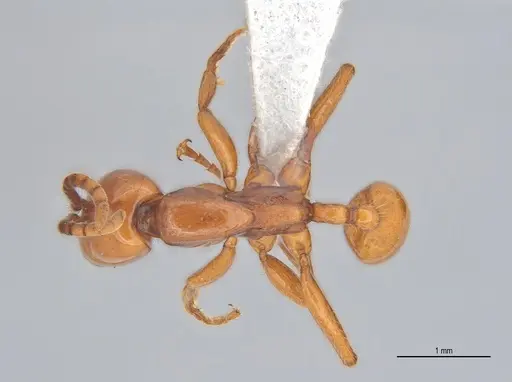
CASENT0249479
View on AntWeb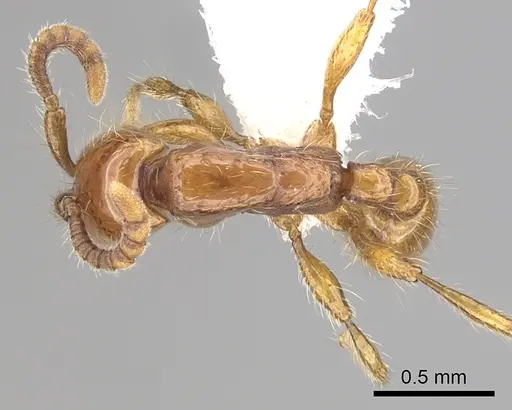
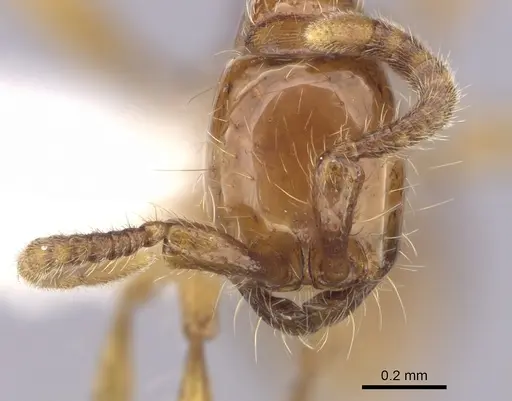
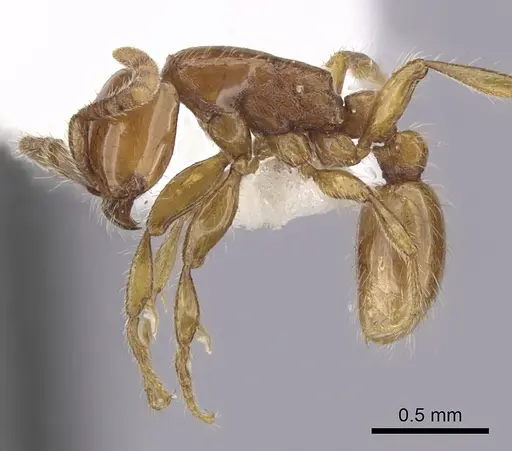
CASENT0650777
View on AntWeb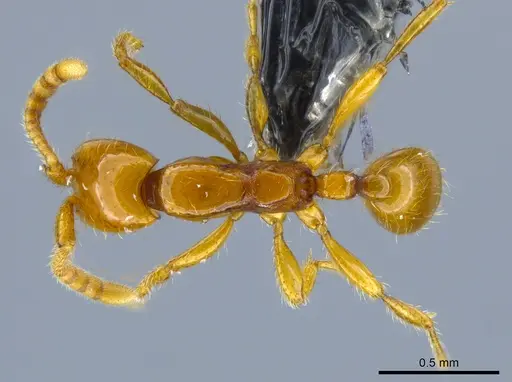
CASENT0905957
View on AntWeb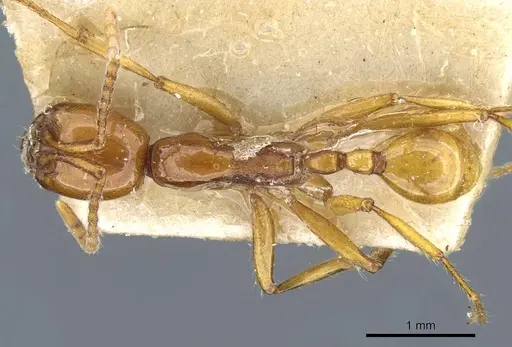
CASENT0905958
View on AntWeb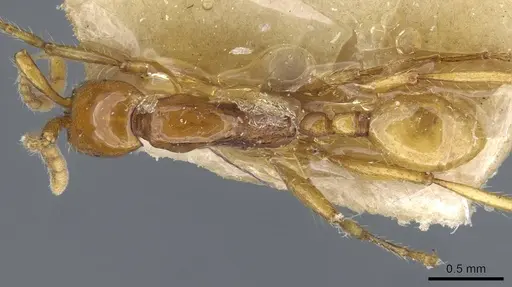
ECOFOG-CSG15-0208-04
View on AntWeb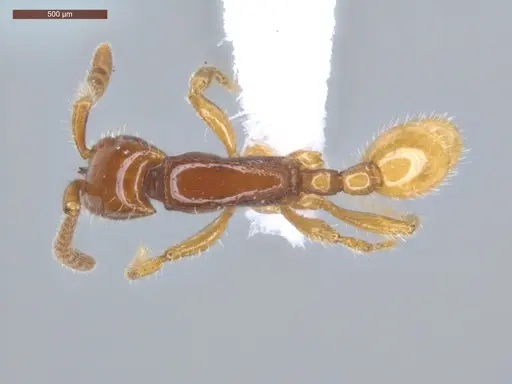
ECOFOG-GRS21-0067-04
View on AntWeb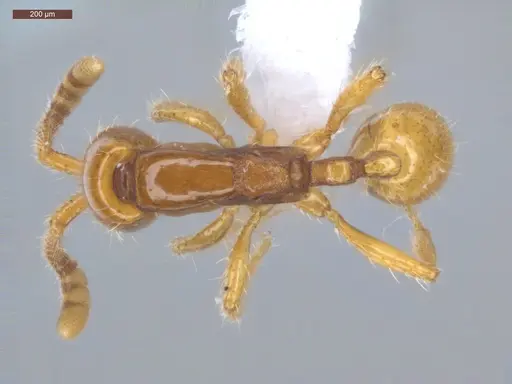
UFV-LABECOL-003533
View on AntWeb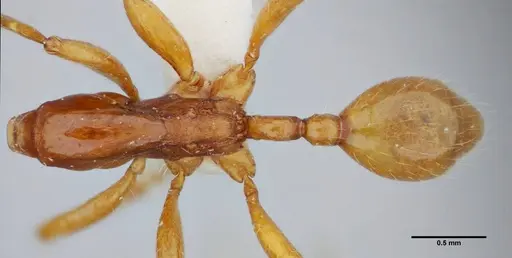
Literature
Loading...Loading products...