

Neivamyrmex densepunctatus
- Scientific Name
- Neivamyrmex densepunctatus
- Subfamily
- Dorylinae
- Author
- Borgmeier, 1933
- Distribution
- Found in 2 countries
Neivamyrmex densepunctatus Overview
Neivamyrmex densepunctatus is an ant species of the genus Neivamyrmex. It is primarily documented in 2 countries , including Brazil, Ghana. Detailed taxonomic data and occurrence records can be further explored via authoritative databases such as AntWeb or the Global Biodiversity Information Facility (GBIF).
Neivamyrmex densepunctatus
Neivamyrmex densepunctatus is a Neotropical army ant species from the Dorylinae subfamily, found exclusively in Brazil, particularly in the Rio de Janeiro region around Itatiaia [1]. Workers are small army ants, typical of the Neivamyrmex genus, with the species originally described in 1933 as Neivamyrmex densepunctatus [2]. As an army ant, this species exhibits the classic nomadic behavior characteristic of Dorylinae, colonies do not maintain permanent nests but instead move through the forest, establishing temporary bivouacs while conducting raids on other ant colonies and arthropod prey [2]. The genus Neivamyrmex contains over 150 species of New World army ants, known for their aggressive raiding behavior and large colony sizes [2].
Quick Summary
- Difficulty: Expert
- Origin & Habitat: Brazil (Rio de Janeiro, Itatiaia region) in Neotropical forests. This species is known only from the Atlantic Forest region of southeastern Brazil [1].
- Colony Type: Army ant colonies are typically large and polygyne (multiple queens), though specific colony structure for N. densepunctatus has not been documented. Neivamyrmex colonies can contain thousands of workers and exhibit nomadic behavior, moving their bivouac every few days [2].
- Colony: Polygyne
- Size & Growth:
- Queen: Unknown for this specific species, Neivamyrmex queens vary but are typically 10-15mm. Ergatoid (wingless) queens are common in this genus [2].
- Worker: Unknown, estimated 3-5mm based on genus patterns for small Neivamyrmex species [2].
- Colony: Likely thousands of workers, Neivamyrmex colonies are typically large, often reaching several thousand individuals [2].
- Growth: Fast, army ant colonies grow rapidly when well-fed, with development from egg to worker taking several weeks in warm conditions [2].
- Development: Estimated 4-8 weeks at optimal temperature based on related Eciton and Neivamyrmex species [2]. (Army ant brood development is temperature-dependent, warmer conditions accelerate development. Colonies typically have continuous broods rather than discrete generations.)
- Antkeeping:
- Temperature: Keep at 24-28°C, army ants are tropical and need warm, stable temperatures. A heating cable on one side of the outworld can provide a gradient [2].
- Humidity: Maintain 70-80% humidity. Army ants prefer humid conditions and will desiccate quickly in dry environments. Use moist substrate in the outworld and keep the nest area humid [2].
- Diapause: No, as a Neotropical species from Brazil, they do not require hibernation. Keep them at warm temperatures year-round [2].
- Nesting: Army ants do not nest in traditional ant nests. In captivity, they need a formicarium with multiple connected chambers filled with soil or substrate that they can rearrange, plus a large outworld for raiding. Provide a soil-filled setup where they can create temporary chambers [2].
- Behavior: Neivamyrmex densepunctatus is an aggressive, predatory army ant. Workers are active raiders that hunt other ants and arthropods. They exhibit classic army ant raiding behavior, columns of workers emerge from the bivouac to search for prey colonies [2]. These ants are not suitable for beginners due to their specialized requirements and aggressive foraging. Escape prevention is critical, they will readily escape through small gaps. They do not sting but can bite painfully [2].
- Common Issues: army ant colonies are difficult to maintain long-term in captivity due to their nomadic nature and need for space to raid, they require constant protein prey, colonies can consume dozens of prey items daily and may starve without adequate feeding, escapes are likely without excellent barrier prevention, small workers squeeze through tiny gaps, colonies may abandon their setup if the bivouac conditions are not to their liking, wild-caught colonies may contain parasites that can decimate the colony in captivity
Understanding Army Ant Biology
Neivamyrmex densepunctatus belongs to the Dorylinae subfamily, commonly known as army ants. Unlike most ants that establish permanent nests, army ants are nomadic, they move their entire colony every few days, establishing temporary bivouacs in sheltered locations like hollow logs, under stones, or in leaf litter [2]. This nomadic behavior is driven by the colony's need to exhaust prey in an area before moving on. The genus Neivamyrmex contains over 150 species distributed throughout the Americas, with the highest diversity in the Neotropics [2]. N. densepunctatus is known only from the Atlantic Forest region of Brazil, specifically the Itatiaia area in Rio de Janeiro state [1]. Army ant colonies are typically large, often containing thousands to tens of thousands of workers, and may have multiple queens [2].
Housing and Nesting
Keeping army ants in captivity presents unique challenges. They cannot be housed in traditional formicariums designed for stationary ants. Instead, you need a naturalistic setup with a soil-filled nest area connected to a spacious outworld. The soil allows the ants to dig and rearrange their chambers, simulating their natural bivouac behavior [2]. Provide plenty of hiding places in the outworld using cork, PVC, or other materials where they can form their temporary bivouac. The setup must have excellent escape prevention, army ant workers are small and will find any gap. Apply Fluon or similar barriers to all edges. The nest area should be kept dark (cover with a red film or keep in a dark room) as army ants prefer dark, humid conditions [2].
Feeding Requirements
Army ants are obligate predators, they require live prey to survive and thrive. In the wild, they raid other ant colonies and capture arthropods. In captivity, you must provide regular protein prey such as crickets, mealworms, roaches, and other insects [2]. A well-fed army ant colony can consume dozens of prey items in a single day. Feed prey in the outworld where the raiding columns can find them. Sugar sources are generally not accepted, army ants get their carbohydrates from the bodily fluids of their prey [2]. Some keepers report success offering honey or sugar water occasionally, but protein should be the primary food source. Feed small prey items that workers can subdue, large prey may be ignored.
Temperature and Humidity
As a Neotropical species from Brazil, Neivamyrmex densepunctatus requires warm, humid conditions. Maintain temperatures between 24-28°C, army ants are active and develop fastest in warm conditions [2]. Temperatures below 20°C can slow colony activity and may be harmful long-term. Use a heating cable or mat on one side of the outworld to create a temperature gradient, allowing the ants to choose their preferred zone. Humidity should be maintained at 70-80%, use moist substrate and mist the setup regularly. Army ants are susceptible to desiccation and will die quickly in dry conditions [2]. However, avoid waterlogging the substrate as this can promote mold. Provide a water tube for drinking access.
Colony Behavior and Raiding
The most striking behavior of army ants is their raiding columns. Workers emerge from the bivouac in organized columns, searching for prey colonies or arthropods. These raids can extend several meters from the nest site [2]. When a prey colony is located, the ants overwhelm it through sheer numbers, capturing brood and adult ants to feed the colony. This predatory behavior makes army ants fascinating to observe but challenging to keep. Workers are aggressive and will readily bite if threatened. They do not have a functional sting but their bites can be painful due to their mandibles [2]. The colony's nomadic cycle involves periods of statary (stationary) behavior when the queen lays eggs, followed by nomadic phases when the colony raids extensively [2].
Frequently Asked Questions
Can I keep Neivamyrmex densepunctatus in a test tube?
No, army ants cannot be kept in test tubes or traditional formicariums. They need a naturalistic setup with soil where they can form a bivouac, plus a large outworld for raiding. Their nomadic nature requires space to move and reorganize [2].
How long does it take for first workers to appear?
Estimated 4-8 weeks from egg to worker at optimal temperature (24-28°C), based on related Neivamyrmex species. Army ant development is relatively fast compared to many ant genera [2].
Are army ants good for beginners?
No, army ants are considered an expert-level species. They require specialized naturalistic housing, constant access to live prey, excellent escape prevention, and specific humidity/temperature conditions. They are not recommended for beginners [2].
How big do Neivamyrmex densepunctatus colonies get?
Likely several thousand workers based on typical Neivamyrmex colony sizes. Army ant colonies can become massive, though exact size for this specific species is unconfirmed [2].
Do they need hibernation?
No, as a Neotropical species from Brazil, they do not require hibernation. Keep them warm year-round at 24-28°C [2].
What do army ants eat?
They are obligate predators that require live prey. Feed them crickets, mealworms, roaches, and other insects. They do not typically accept sugar sources as a primary food [2].
Why do my army ants keep escaping?
Army ants are excellent escape artists due to their small size and persistent searching behavior. Use excellent barrier prevention, apply Fluon to all edges and check for any gaps regularly. Even tiny gaps will be exploited [2].
Can I keep multiple queens together?
Yes, Neivamyrmex colonies are typically polygynous (multiple queens). However, combining unrelated foundress queens has not been specifically studied for this species and is not recommended [2].
When should I move them to a formicarium?
Army ants should not be moved to traditional formicariums. They need a naturalistic setup from the start, soil-filled chambers connected to an outworld where they can conduct raids [2].
References

This caresheet is licensed under CC BY-SA 4.0 .
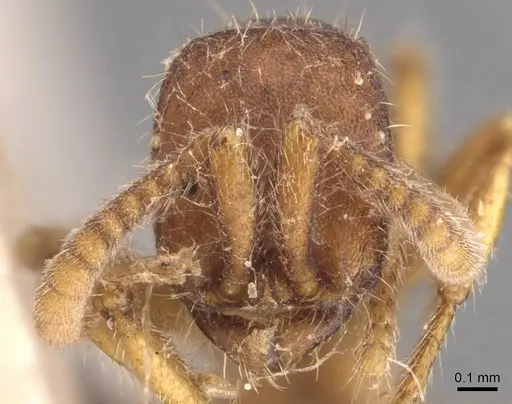
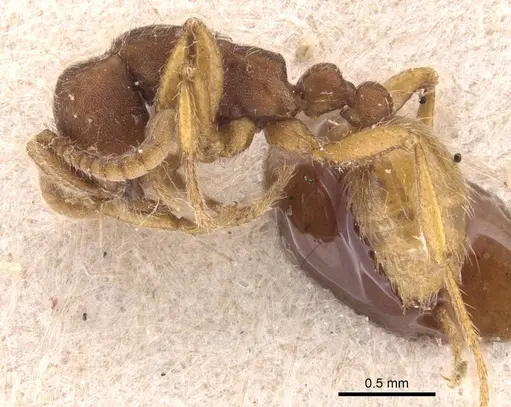
CASENT0905729
View on AntWeb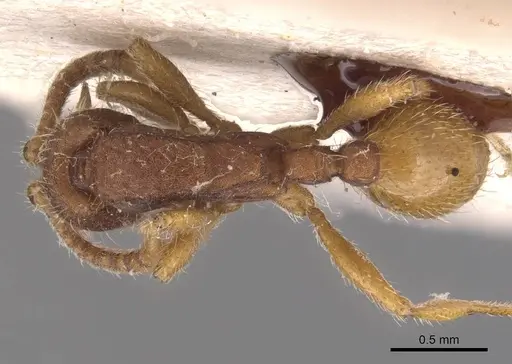
Literature
Loading...Loading products...