

Neivamyrmex cornutus
- Scientific Name
- Neivamyrmex cornutus
- Subfamily
- Dorylinae
- Author
- Watkins, 1975
- Distribution
- Found in 1 countries
Neivamyrmex cornutus Overview
Neivamyrmex cornutus is an ant species of the genus Neivamyrmex. It is primarily documented in 1 countries , including Mexico. Detailed taxonomic data and occurrence records can be further explored via authoritative databases such as AntWeb or the Global Biodiversity Information Facility (GBIF).
Neivamyrmex cornutus
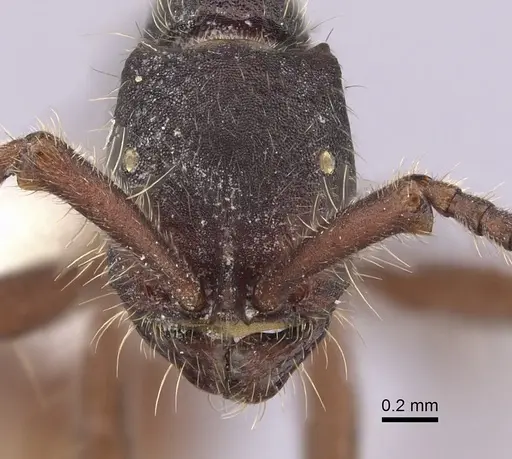
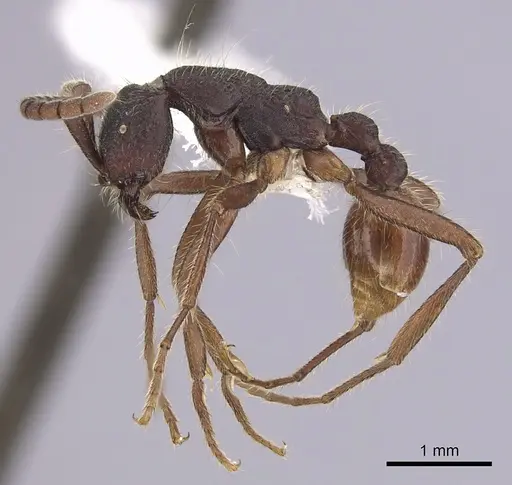
Neivamyrmex cornutus is a small army ant species native to Mexico, belonging to the subfamily Dorylinae. Workers are reddish-brown with a coarsely granulate and sometimes rugose body surface, and they have distinctly projecting posterolateral angles on their head that give them a striking appearance. They measure around 3-5mm as workers [1]. This species is strictly neotropical, found only in central and southern Mexico [1].
As an army ant, N. cornutus is a specialized predator that raids colonies of other ants and termites. Unlike most ant species, army ants are nomadic, they don't build permanent nests but instead form temporary bivouacs as they move through their territory. They are primarily active at night, using their powerful mandibles to overwhelm prey colonies. This species has been observed actively predating on termite colonies in the wild [1].
Quick Summary
- Difficulty: Expert
- Origin & Habitat: Native to central and southern Mexico, specifically recorded in Oaxaca, Jalisco, Morelos, Puebla, Sonora, and Distrito Federal states [2]. They inhabit tropical deciduous forests and ecotones between tropical deciduous forest and pine forest at elevations between 900-1850m [1]. This is a strictly neotropical species [1].
- Colony Type: Army ant, nomadic colony that does not maintain a permanent nest. Colonies move between temporary bivouacs as they raid for food. The exact colony size is not documented but army ant colonies typically contain thousands of workers.
- Colony: Monogyne
- Founding: Semi-claustral
- Size & Growth:
- Queen: Estimated 6-8mm based on related Neivamyrmex species
- Worker: 3-5mm [1]
- Colony: Likely thousands of workers based on typical army ant colony structure
- Growth: Moderate to fast, army ant colonies grow rapidly when well-fed
- Development: Estimated 4-6 weeks based on typical Dorylinae development at warm temperatures (Development timeline is not specifically documented for this species. Army ant brood development is typically faster than most ants due to their predatory lifestyle and warm tropical habitat.)
- Antkeeping:
- Temperature: Keep at 24-28°C, these are tropical ants from central Mexico that prefer warm conditions. A heating gradient allows them to regulate temperature [1].
- Humidity: Moderate humidity around 60-70%. Provide a moist substrate area for foraging and a drier area for the bivouac. Mist occasionally to maintain moisture.
- Diapause: No, being a tropical species from Mexico, they do not require hibernation. However, they may reduce activity during cooler periods.
- Nesting: Army ants do not nest in traditional ant nests. In captivity, they need a large foraging area with multiple chambers connected by tubes. Provide a dark retreat area for the bivouac site. Test tubes with cotton water reservoirs work for founding colonies, but established colonies need extensive space.
- Behavior: Army ants are highly aggressive predators that raid in swarms. Workers are blind or nearly so and navigate using chemical trails. They are primarily nocturnal, conducting raids at night. They have powerful mandibles and can deliver a painful bite. Escape prevention is critical, they will explore every gap and seam in their enclosure. They are not suitable for beginners due to their specialized care requirements and space needs.
- Common Issues: colonies often decline rapidly if not provided with enough live prey, they need constant protein from raided insect colonies, without sufficient space and proper setup, colonies may become stressed and stop raiding, army ants are extremely difficult to contain, even small gaps will result in escapes, they may refuse to establish if kept in conditions too different from their natural tropical habitat, lack of prey diversity can lead to nutritional issues, they need varied insect prey, not just one type
Understanding Army Ant Biology
Neivamyrmex cornutus belongs to the Dorylinae subfamily, commonly known as army ants. Unlike most ant species that build permanent nests, army ants are nomadic, they form temporary bivouacs (living structures made of their own bodies) and move to new locations every few days. This behavior, called statary and nomadic phases, is driven by the need to find new prey colonies to raid. Workers are blind or have greatly reduced vision and navigate entirely through chemical pheromone trails. The colony centers around a single large queen who stays protected in the bivouac and produces eggs continuously during the nomadic phase. Males are rarely collected and have not been documented for this species, they are not attracted to light traps [1].
Housing Requirements
Keeping army ants requires significantly different setup than typical ants. You cannot use standard formicariums. Instead, provide a large foraging arena (at least 30x30cm minimum for established colonies) connected to a dark retreat area for the bivouac. The foraging area should have a deep substrate layer (at least 5cm) for them to create temporary chambers. Use multiple test tubes with water reservoirs as water sources, placed in the foraging area. Lighting should be dim, army ants are nocturnal and stress under bright lights. All connections between areas must be secure with tight-fitting barriers as they will escape through any gap.
Feeding and Predation
As predators, Neivamyrmex cornutus requires a constant supply of live insect prey. They specialize in raiding ant colonies and termite colonies in the wild [1]. In captivity, offer live crickets, mealworms, roaches, and other insects appropriate to their size. The key requirement is LIVE prey, they will not accept dead insects the way many ants will. Feed every 2-3 days, providing enough prey for the entire colony. During active raiding periods, they may need daily feeding. A varied diet is important, try to offer different insect species. Some keepers report success with offering pre-killed prey that is moved to simulate live movement, but live prey is always preferred.
Temperature and Humidity
Being from central Mexico's tropical and subtropical regions, these ants need warm temperatures. Maintain 24-28°C in the foraging area, with a slight gradient allowing the colony to choose their preferred temperature. Temperatures below 20°C will cause decreased activity and potential colony decline. For humidity, aim for 60-70% in the substrate. The substrate should be kept slightly moist but not waterlogged. Provide a water source via test tubes with cotton plugs. Avoid both excessive dryness and excessive moisture, army ants are susceptible to mold in overly damp conditions. [1]
Colony Dynamics and Raiding Behavior
Army ant colonies exhibit fascinating raiding behavior. Workers form columns or swarms that advance through the environment, flushing out prey from their nests. The raid column is organized with scout workers ahead, followed by larger workers, then the main raiding force. They use pheromone trails to coordinate and communicate. In captivity, you can observe this behavior by providing a prey colony (like a termite colony or a weaker ant colony) in one corner of the foraging area. The ants will discover it, recruit nestmates, and conduct organized raids. This raiding behavior is one of the most compelling aspects of keeping army ants but requires significant space to observe properly.
Legal and Ethical Considerations
Neivamyrmex cornutus is native only to Mexico and has not been documented in other countries. If you obtain this species, it is almost certainly wild-caught from Mexico. Ensure your source is ethical and legal. Do not release these ants outside their native range, they are not established elsewhere and could become invasive. Also do not release in Mexico outside their known range. Army ants are specialized predators and could disrupt local ecosystems if introduced where they did not naturally occur. [2][1]
Frequently Asked Questions
Can I keep Neivamyrmex cornutus in a test tube?
Test tubes are only suitable for very small founding colonies. Once the colony grows beyond 20-30 workers, they need a proper foraging setup with space to conduct raids. A test tube alone will not allow proper army ant behavior and the colony will likely fail.
What do Neivamyrmex cornutus eat?
They eat live insects, primarily other ant colonies and termites in the wild [1]. In captivity, offer live crickets, mealworms, roaches, and other appropriately-sized insects. They will not accept dead prey readily. Feed every 2-3 days with enough prey for the entire colony.
Are Neivamyrmex cornutus good for beginners?
No. This species is rated Expert difficulty. Army ants have highly specialized requirements including large space, constant live prey, warm temperatures, and excellent escape prevention. They are not suitable for beginners.
How long until first workers in Neivamyrmex cornutus?
The exact timeline is not documented, but based on related army ant species, expect first workers (nanitics) within 4-6 weeks after the queen lays eggs, at optimal warm temperatures around 26°C.
Do Neivamyrmex cornutus need hibernation?
No. Being a tropical species from Mexico, they do not require hibernation. Keep them at warm temperatures year-round (24-28°C). They may reduce activity during cooler periods but will remain active if kept warm.
Why are my Neivamyrmex cornutus dying?
Common causes include: insufficient live prey (they need constant protein), temperatures below 20°C, too small enclosure, poor escape prevention allowing escapes, and stress from excessive light or disturbance. Ensure you are providing adequate live prey and proper temperature before diagnosing other issues.
Can I keep multiple queens together?
Army ant colonies typically have a single functional queen. Multiple-queen colonies have not been documented for this species. Attempting to combine unrelated queens is not recommended and likely to result in fighting.
How big do Neivamyrmex cornutus colonies get?
Exact colony size is not documented, but army ant colonies typically reach thousands of workers. Expect your colony to grow substantially with proper care, requiring increasingly larger enclosures.
When should I move Neivamyrmex cornutus to a formicarium?
Army ants do not use traditional formicariums. Instead, use a large foraging arena setup with a dark retreat area for the bivouac. Move from test tube to this setup once the colony reaches 20-30 workers and shows signs of restlessness or raiding behavior.
Are Neivamyrmex cornutus dangerous?
They are not dangerous to humans in the typical sense, they do not have a painful sting. However, their bite can be irritating due to formic acid. They are aggressive toward prey insects and can overwhelm colonies much larger than their own. They pose no threat to humans if handled carefully.
References

This caresheet is licensed under CC BY-SA 4.0 .
CASENT0217475
View on AntWeb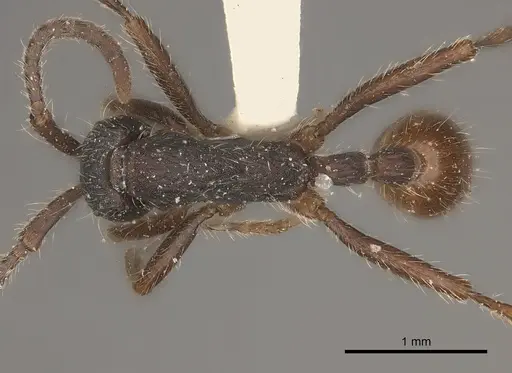
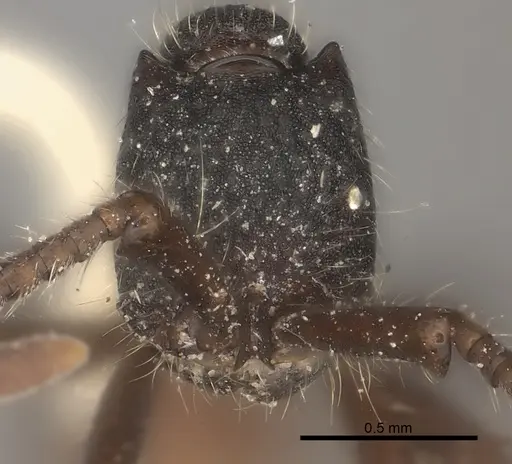
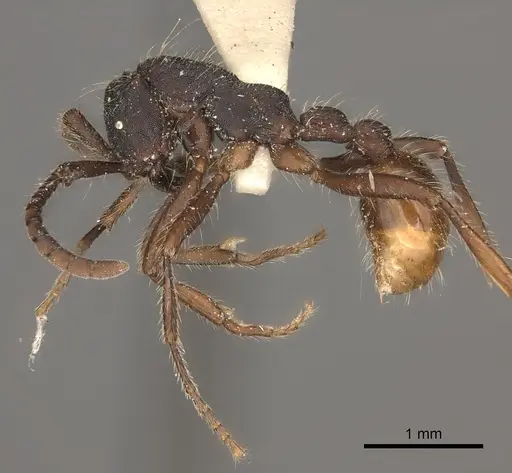
CASENT0249478
View on AntWeb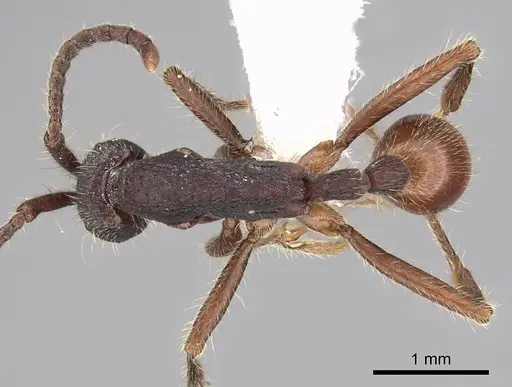
Literature
Loading...Loading products...