

Neivamyrmex chamelensis
- Scientific Name
- Neivamyrmex chamelensis
- Subfamily
- Dorylinae
- Author
- Watkins, 1986
- Distribution
- Found in 1 countries
Neivamyrmex chamelensis Overview
Neivamyrmex chamelensis is an ant species of the genus Neivamyrmex. It is primarily documented in 1 countries , including Mexico. Detailed taxonomic data and occurrence records can be further explored via authoritative databases such as AntWeb or the Global Biodiversity Information Facility (GBIF).
Neivamyrmex chamelensis
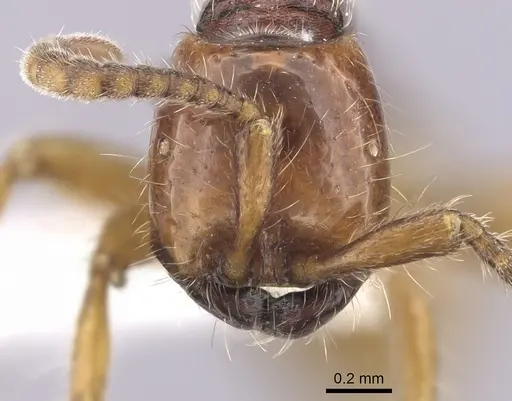
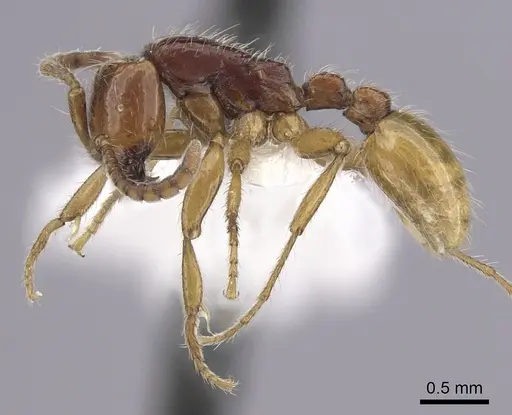
Neivamyrmex chamelensis is a small army ant species endemic to the tropical deciduous forests of Jalisco, Mexico. Workers are modest in size and feature the characteristic army ant body plan with a distinct petiole (the narrow waist segment) and powerful mandibles adapted for predation. The species was described in 1986 from specimens collected at the Chamela Biological Station on Mexico's Pacific coast [1]. This is a predator species that hunts other insects, making it a fascinating addition for antkeepers interested in observing raiding behavior [2]. The genus Neivamyrmex contains over 150 species of army ants found throughout the Americas, and N. chamelensis represents one of the more rarely encountered Mexican endemics in the hobby.
Quick Summary
- Difficulty: Medium
- Origin & Habitat: Endemic to the tropical deciduous forests of Jalisco, Mexico, specifically the Chamela Biological Station region on Mexico's Pacific coast. This area experiences a warm, seasonal climate with a distinct dry season [1][3].
- Colony Type: Colony structure is not fully documented for this specific species. The genus Neivamyrmex typically forms colonies with multiple queens (polygyne). Paratype specimens include an ergatoid (wingless) queen, suggesting the species has replacement reproductive individuals that can take over if the primary queen dies.
- Colony: Polygyne
- Founding: Semi-claustral
- Size & Growth:
- Queen: Estimated 6-8mm based on genus typical size range, direct measurements not published
- Worker: Estimated 3-5mm based on genus typical measurements, direct measurements not published
- Colony: Likely hundreds to low thousands of workers based on genus patterns
- Growth: Moderate, estimated based on related army ant species
- Development: Estimated 8-12 weeks based on typical Neivamyrmex development patterns at tropical temperatures (Direct development data not published for this species, estimates based on genus-level data for similar army ants)
- Antkeeping:
- Temperature: Keep at 24-28°C, reflecting their tropical deciduous forest origin. A slight temperature gradient allows workers to regulate their conditions [2].
- Humidity: Moderate to high humidity (60-80%) matching their tropical forest floor habitat. Provide a moist substrate area for brood care.
- Diapause: Likely reduced activity during dry season rather than true hibernation, maintain warm conditions year-round
- Nesting: Use a naturalistic setup with deep substrate (at least 5-8cm) or a well-designed formicarium that allows for colony migration patterns. Army ants prefer enclosed, dark spaces for their main nest chamber.
- Behavior: This is an active predator species. Workers will raid in columns or groups to capture prey insects. They are not aggressive toward humans but will defend their colony if threatened. Escape prevention is important, while not among the smallest ants, they are agile and will exploit any gaps in enclosure sealing. Provide constant access to small live prey items. These ants are primarily nocturnal or crepuscular in activity, so observe feeding behavior in evening hours.
- Common Issues: Limited availability in the antkeeping hobby, this is a rarely kept species, Predatory diet requires constant access to live small insects, which can be logistically challenging, Colony can decline rapidly if prey is not provided regularly, starvation is a real risk, Humidity control is important, too dry and brood will die, too wet and mold becomes an issue, Army ant colonies can be sensitive to disturbance, avoid frequent nest inspections
Housing and Enclosure Setup
Neivamyrmex chamelensis requires an enclosure that accommodates their predatory, nomadic lifestyle. Use a formicarium with a deep soil chamber (at least 5-8cm) for the main nest area, connected to a spacious outworld for foraging and raiding. Army ants prefer dark, enclosed nest spaces, you can achieve this by covering the nest chamber with an opaque cover. The outworld should be large enough to observe raiding behavior and house prey items. Use a tight-fitting lid with fine mesh ventilation, while not among the smallest ants, they are excellent escape artists and will find any gap. A water test tube setup connected to the nest provides drinking water and helps maintain humidity. [2]
Feeding and Diet
As a predator species, N. chamelensis requires a diet of live small invertebrates. They are considered part of the predator guild in their native ecosystem, meaning they hunt and consume other insects [2]. Offer small live prey such as fruit flies, pinhead crickets, small mealworms, and other appropriately-sized insects 2-3 times per week. Remove uneaten prey after 24 hours to prevent mold issues. Army ants do not store food like some species, they consume prey immediately during raids. Some colonies may accept small amounts of protein jelly or pre-killed prey if hungry enough, but live prey should be the primary food source. Do not rely on sugar water or honey, this species is primarily predatory, not sugar-feeding.
Temperature and Seasonal Care
Maintain temperatures between 24-28°C year-round, reflecting the warm tropical conditions of their native Jalisco habitat [2]. A slight temperature gradient (warm end around 28°C, cooler end around 24°C) allows the colony to self-regulate. Use a heating cable or mat on one side of the nest if your room temperature falls below this range. Place heating on top of the nest, not underneath, to prevent excessive drying. Unlike temperate species, these ants do not require hibernation. They may show reduced activity during the dry season in the wild, but in captivity, maintain consistent warm conditions. Monitor humidity closely when using heating, as warm air dries out the nest faster.
Colony Dynamics and Behavior
Neivamyrmex chamelensis exhibits classic army ant raiding behavior. Workers organize into raiding columns to hunt prey, with larger workers typically leading and smaller workers following. This species is primarily nocturnal or crepuscular, so the most active foraging occurs in evening and early morning hours. The colony will establish a central nest chamber where the queen(s) and brood are located, then send raiding parties out to capture prey. Multiple queens are typical in this genus (polygyne colonies), and the presence of ergatoid (wingless) queens suggests they have replacement reproductives ready if the primary queen dies. Do not disturb the nest frequently, army ants are sensitive to vibration and disturbance, which can cause stress-induced colony decline.
Frequently Asked Questions
How long does it take for Neivamyrmex chamelensis to produce first workers?
Based on typical Neivamyrmex development, expect 8-12 weeks from egg to first worker at optimal temperatures (24-28°C). This is an estimate as specific development data for this species has not been published.
Can I keep Neivamyrmex chamelensis in a test tube setup?
Test tubes are not recommended for this species. Army ants need space to raid and hunt, plus a deep substrate area for their nest. Use a formicarium with an outworld instead.
What do Neivamyrmex chamelensis eat?
They are predators that require live small insects. Feed small live prey such as fruit flies, pinhead crickets, or small mealworms 2-3 times per week. They do not typically accept sugar water or honey.
Are Neivamyrmex chamelensis good for beginners?
This species is not recommended for beginners. Their predatory diet requires constant access to live prey, and they have specific humidity and temperature needs that make them more challenging than common species like Lasius or Camponotus.
How big do Neivamyrmex chamelensis colonies get?
Based on genus patterns, colonies likely reach hundreds to low thousands of workers. Specific colony size data for this species has not been published.
Do Neivamyrmex chamelensis need hibernation?
No, they do not require hibernation. As a tropical species from Mexico, they need warm conditions (24-28°C) year-round.
Can I keep multiple queens together in a Neivamyrmex chamelensis colony?
Yes, this species is likely polygyne (multiple queens) based on typical Neivamyrmex colony structure. Multiple queens are normal and should be kept together.
Why is my Neivamyrmex chamelensis colony declining?
Common causes include: insufficient live prey (starvation), incorrect humidity (too dry or too wet), temperatures outside 24-28°C range, or excessive disturbance. Review all care parameters and ensure prey is being offered regularly.
When should I move Neivamyrmex chamelensis to a formicarium?
Move them to a proper formicarium shortly after founding, as test tubes do not provide enough space for their raiding behavior. A setup with nest chambers and an outworld is ideal from the start.
References

This caresheet is licensed under CC BY-SA 4.0 .
CASENT0249477
View on AntWeb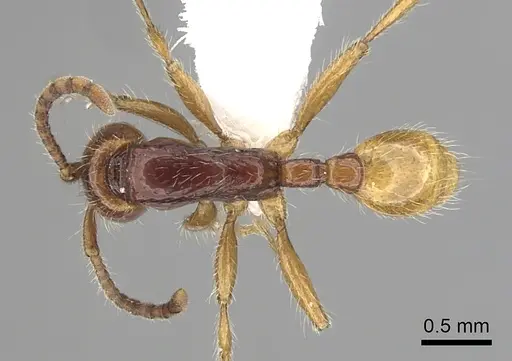
Literature
Loading...Loading products...