

Neivamyrmex carolinensis
- Scientific Name
- Neivamyrmex carolinensis
- Subfamily
- Dorylinae
- Author
- Emery, 1894
- Common Name
- Carolina Legionary Ant
- Distribution
- Found in 1 countries
Neivamyrmex carolinensis Overview
Neivamyrmex carolinensis (commonly known as the Carolina Legionary Ant) is an ant species of the genus Neivamyrmex. It is primarily documented in 1 countries , including United States of America. Detailed taxonomic data and occurrence records can be further explored via authoritative databases such as AntWeb or the Global Biodiversity Information Facility (GBIF).
Neivamyrmex carolinensis - "Carolina Legionary Ant"
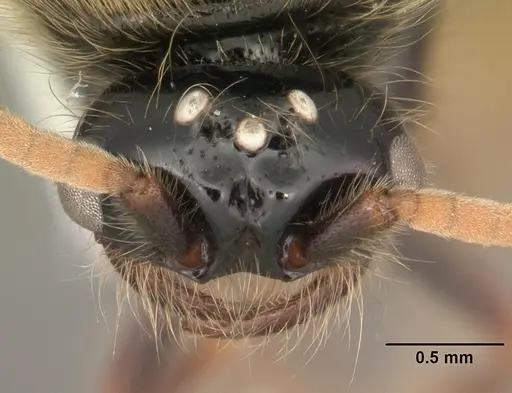
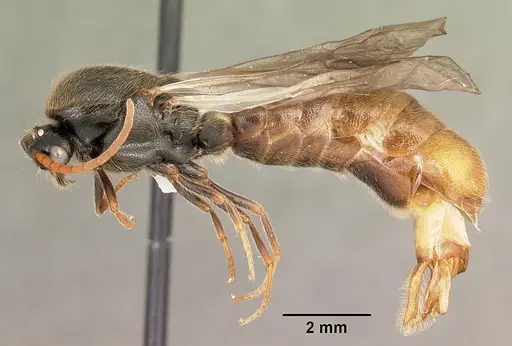
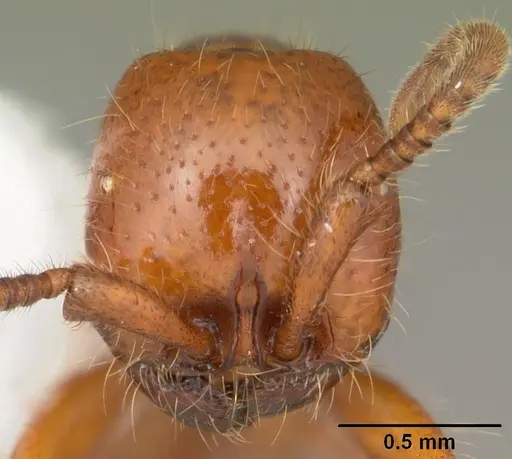
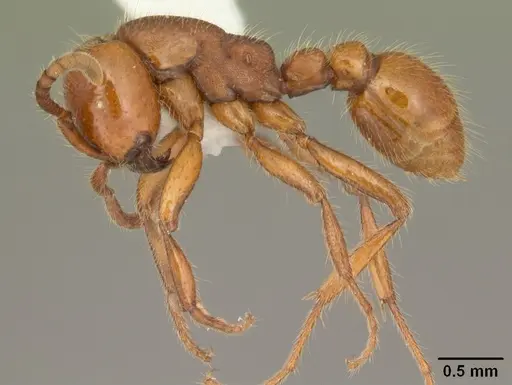
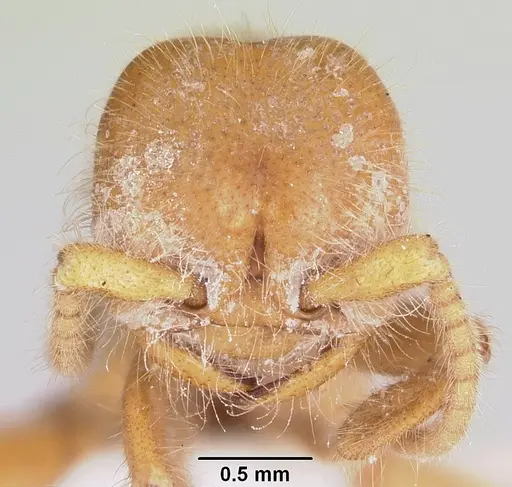
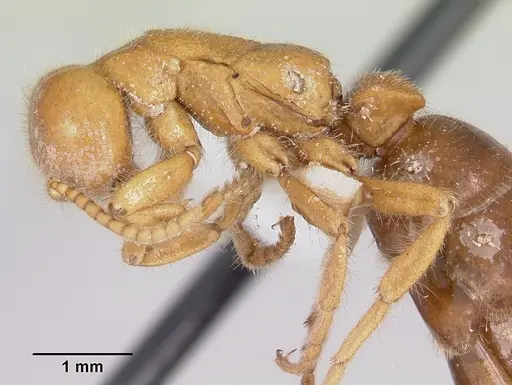
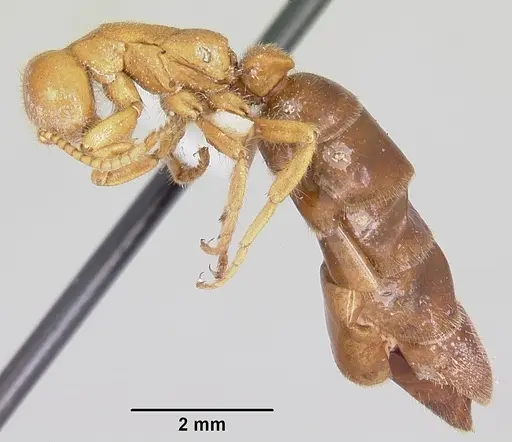
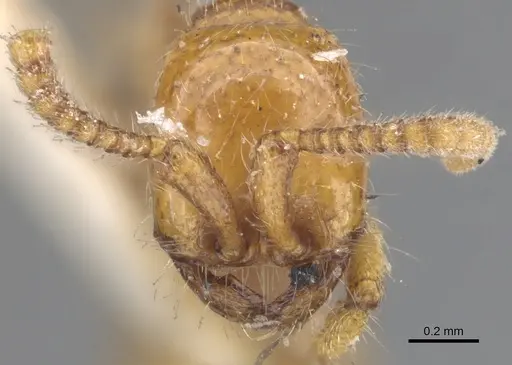
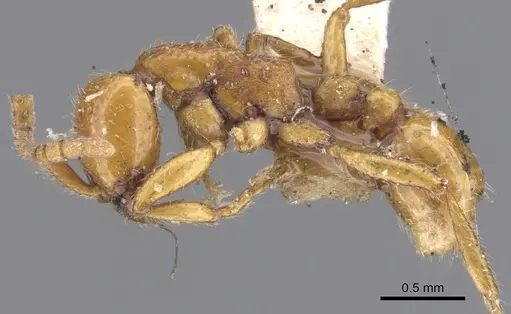
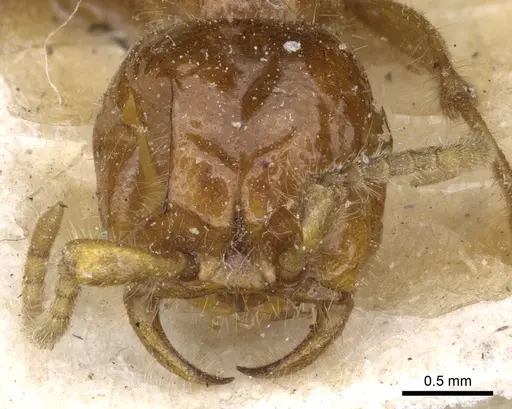
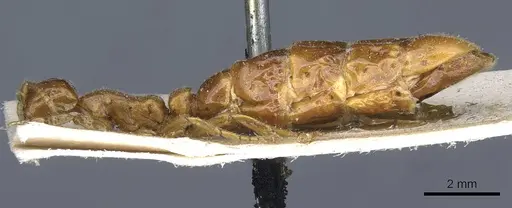
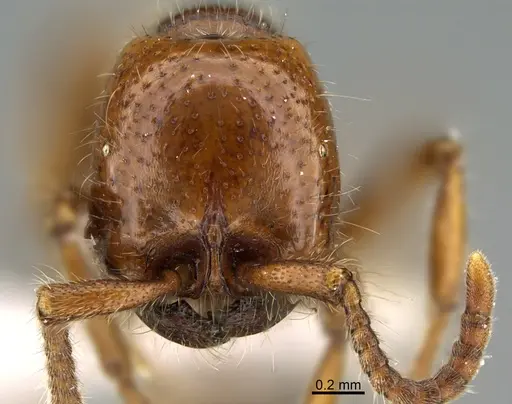
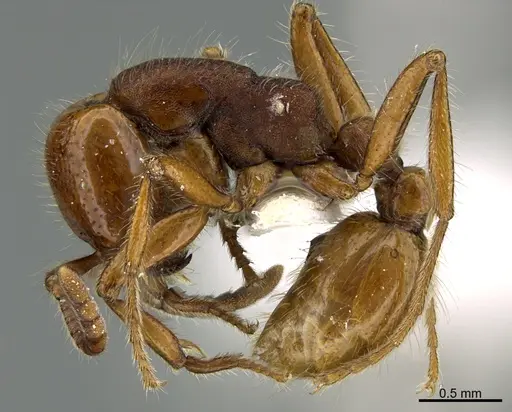
Neivamyrmex carolinensis is a medium-sized army ant native to the southeastern United States. Workers measure 2-4mm and are yellowish brown to reddish brown with a darker head and thorax. Queens are significantly larger at 9-13mm. This species forms massive colonies of up to 50,000 workers and is the only known polygynous (multi-queen) species in its genus. They are nocturnal predators that rarely forage above ground during the day, using trail pheromones to coordinate group raids on other insects and ant colonies. The species is unusual among Neivamyrmex in that the presence of eye facets varies between individuals, larger workers typically have them while smaller ones do not [1].
Quick Summary
- Difficulty: Expert
- Origin & Habitat: Native to the southeastern United States, ranging from Virginia and North Carolina south to Florida, west to Tennessee and Louisiana. Also found in northern Mexico. They inhabit pine forests and nest in soil or under stones on rocky hillsides [1][2][3].
- Colony Type: Polygynous, this is the only known Neivamyrmex species with multiple queens in a single nest. Colonies can contain thousands of workers with a single large queen, though some colonies have multiple reproductive queens working together [4][2].
- Colony: Polygyne
- Size & Growth:
- Antkeeping:
- Temperature: Not directly studied. Based on their southeastern US range and pine forest habitat, they likely tolerate a range from roughly 18-28°C. Start around 22-25°C and observe colony activity.
- Humidity: Not directly documented. As soil-nesting ants from the southeastern US, they likely prefer moderate humidity. Keep the nest substrate moist but not waterlogged, with some drier areas available.
- Diapause: Likely yes, males fly in May and June suggesting seasonal reproduction [2]. They probably reduce activity in winter months but specific diapause requirements are unconfirmed.
- Nesting: In nature they nest in soil or under stones on rocky hillsides. A naturalistic setup with soil substrate and flat stones or pieces of bark works well. They need enough depth for the colony to expand but should be in a dark area since they are nocturnal and light-sensitive [3][2].
- Behavior: These ants are extremely active and pugnacious (aggressive). They are nocturnal predators that raid in groups, using trail pheromones to coordinate foraging. Workers are rarely seen above ground during daylight hours, they emerge at night to hunt other insects and ant colonies. Because they are army ants, they do not have permanent nest tunnels but instead bivouac (form temporary camps) between raids. They are not escape artists in the typical sense but their small size and activity level require secure barriers. Their sting is not well documented but army ants can deliver painful stings, treat them as potentially stinging [2].
- Common Issues: colonies are extremely large, they need significant space and will outgrow typical formicariums quickly, nocturnal activity means they are most active at night when keepers are asleep, predatory diet requires constant live prey, they cannot survive on sugar alone, polygynous structure means you may receive multiple queens, this is normal for this species, wild colonies may have parasites that kill captive colonies
Housing and Nest Setup
Neivamyrmex carolinensis presents unique housing challenges compared to typical ant species. As army ants, they do not maintain permanent tunnels like wood-nesting or soil-nesting species. Instead, they form bivouacs, temporary aggregations between raids. In captivity, you can simulate this with a naturalistic setup using a deep soil chamber (at least 10-15cm deep) with pieces of flat stone or bark on top for the colony to cluster under. The outworld should be spacious since these ants are highly active and need room for raiding behavior. Use a secure escape barrier, while workers are only 2-4mm, their activity level means they will find any gap. Keep the setup in a dimly lit area or use a dark background, as these ants are strongly nocturnal and light-sensitive. A water reservoir in the nest substrate helps maintain humidity without flooding [2][3].
Feeding and Diet
Like all army ants, N. carolinensis is predatory. They are active hunters that raid other ant colonies and capture various insects. In captivity, you must provide a constant supply of live prey, this is not a species that can survive on sugar water alone. Offer small live insects like fruit flies, small crickets, mealworms, and other appropriately-sized arthropods. They will also accept dead prey if moved by the ants' movement, but live prey triggers their raiding behavior. Feed generously, a colony of 50,000 workers consumes substantial amounts of protein. Some keepers report success offering pre-killed insects, but live prey should make up the majority of their diet. The ants forage primarily at night, so offering food in the evening hours may increase acceptance [2].
Temperature and Seasonal Care
This species is native to the southeastern United States, where temperatures range from hot summers to cold winters. They are found in Ohio in the north through Florida in the south, so they can tolerate a range of conditions. Keep the nest area at roughly 22-25°C as a starting point, this aligns with their natural range. A heating cable on one side of the nest creates a gradient allowing ants to self-regulate. Males fly from mid-May to early June across their range, indicating the breeding season [2]. During winter months, expect reduced activity but specific diapause requirements are not documented. If your colony becomes less active in winter, reduce feeding and allow cooler temperatures (around 15-18°C) but do not freeze them. Their nocturnal nature means they avoid bright light, keep their setup away from direct sunlight and intense artificial lighting.
Behavior and Colony Structure
N. carolinensis is the only known polygynous Neivamyrmex species, multiple queens live together in the same colony [4]. This is unusual among army ants, which typically have single-queen colonies. Workers are monomorphic (all the same size, unlike some ants that have major and minor workers) [4][5]. The colony structure is remarkable: workers with gynes (reproductive females/queens) present live longer than workers without gynes [3]. This suggests the presence of reproductives somehow benefits the worker colony. The ants are extremely pugnacious, they will aggressively defend against threats and readily attack other ant colonies during raids. They use trail pheromones to coordinate group foraging, creating visible columns of ants moving between the nest and hunting grounds. Their nocturnal activity means you will see most activity in the evening and night hours [2].
Growth and Development
Colonies can reach massive sizes of up to 50,000 workers [2][3]. However, the specific development timeline from egg to worker is not documented in scientific literature. Based on typical army ant patterns, development likely takes several months under optimal conditions. The species has been studied showing workers with a monomorphic (same-size) caste system, all workers are roughly the same size rather than having distinct major and minor castes [5]. Queens are significantly larger at 9-13mm compared to workers at 2-4mm. If you obtain a founding colony, expect slow growth initially as the queen produces her first batch of workers. Army ant colonies typically grow rapidly once established due to their efficient raiding behavior, but exact growth rates for this species are unknown.
Frequently Asked Questions
Can I keep Neivamyrmex carolinensis in a test tube?
No, test tubes are completely unsuitable for this species. N. carolinensis forms massive colonies of up to 50,000 workers and requires a naturalistic setup with deep soil substrate (at least 10-15cm). They are army ants that bivouac rather than maintain permanent tunnels. Use a large naturalistic formicarium or a DIY soil setup with stones for covering.
How long until first workers in Neivamyrmex carolinensis?
The exact egg-to-worker timeline is unconfirmed for this species. Based on typical army ant development patterns, expect several months (possibly 3-6 months) from founding to first workers. Army ant queens typically lay fewer eggs initially but can produce workers rapidly once the colony is established.
Are Neivamyrmex carolinensis good for beginners?
No, this is an expert-level species. They require massive amounts of live prey, form colonies of up to 50,000 workers, are nocturnal so most activity happens when you're asleep, and need specialized naturalistic housing. They are not recommended for beginners.
Can I keep multiple queens together?
Yes, this species is naturally polygynous, meaning multiple queens can live in the same colony. This is actually normal for N. carolinensis and is one of the things that makes it unique among Neivamyrmex species. If you receive multiple queens, they can be kept together.
What do Neivamyrmex carolinensis eat?
They are predatory army ants that hunt other insects. You must provide live prey, fruit flies, small crickets, mealworms, and other small arthropods. They cannot survive on sugar water alone like some ant species. Feed generously as colonies can reach 50,000 workers.
Do they need hibernation?
Diapause requirements are not directly documented, but males fly in May-June suggesting seasonal reproduction [2]. Based on their range spanning from Ohio to Florida, they likely tolerate cooler winter temperatures. If your colony slows in winter, reduce feeding and allow temperatures around 15-18°C but do not freeze them.
Why are my army ants dying?
Common problems include: insufficient live prey (they cannot survive without hunting), incorrect humidity (too dry or too wet), light sensitivity (they are nocturnal and stress in bright light), and parasites from wild-caught colonies. Also ensure they have enough space, massive colonies need room to expand.
When to move to a formicarium?
Do not start in a test tube. Use a naturalistic setup from the beginning with deep soil substrate (10-15cm), flat stones or bark for bivouac sites, and a spacious outworld for raiding. Move to larger spaces as the colony grows, they will quickly outgrow small setups.
How big do colonies get?
Up to 50,000 workers, this is one of the largest colony sizes documented for any Neivamyrmex species [2][3]. You will need significant space and will likely need to expand their housing multiple times as the colony grows.
References

This caresheet is licensed under CC BY-SA 4.0 .
CASENT0104129
View on AntWeb
CASENT0104130
View on AntWeb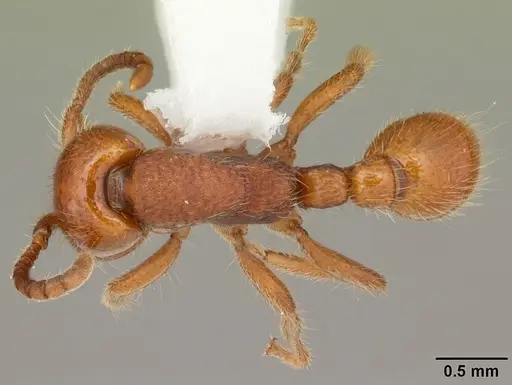
CASENT0104856
View on AntWeb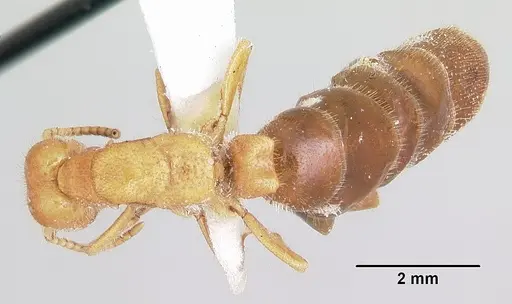
CASENT0902643
View on AntWeb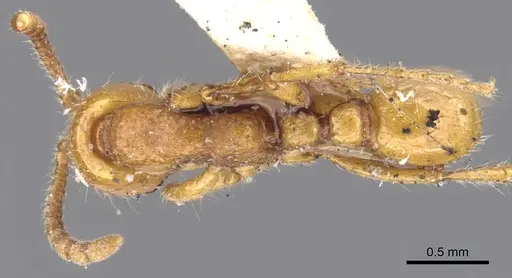
CASENT0905954
View on AntWeb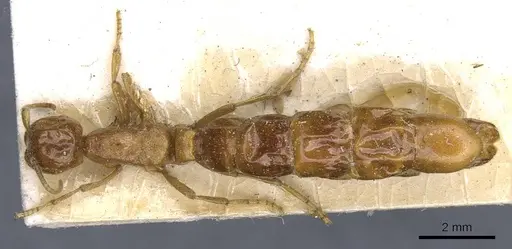
CASENT0923616
View on AntWeb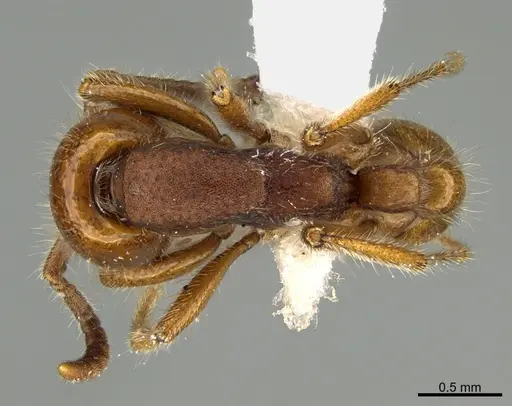
Literature
Loading...Loading products...