

Neivamyrmex carettei
- Scientific Name
- Neivamyrmex carettei
- Subfamily
- Dorylinae
- Author
- Forel, 1913
- Distribution
- Found in 4 countries
Neivamyrmex carettei Overview
Neivamyrmex carettei is an ant species of the genus Neivamyrmex. It is primarily documented in 4 countries , including Bolivia, Plurinational State of, Brazil. Detailed taxonomic data and occurrence records can be further explored via authoritative databases such as AntWeb or the Global Biodiversity Information Facility (GBIF).
Neivamyrmex carettei
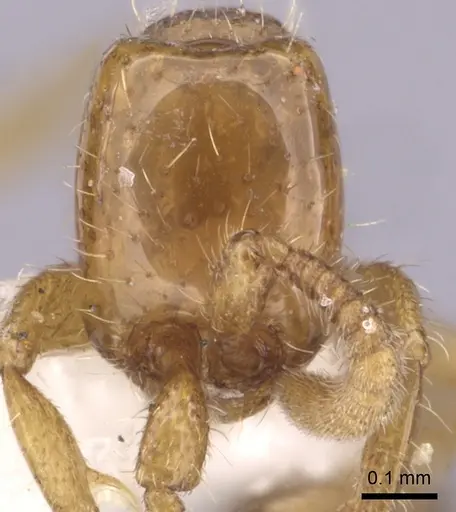
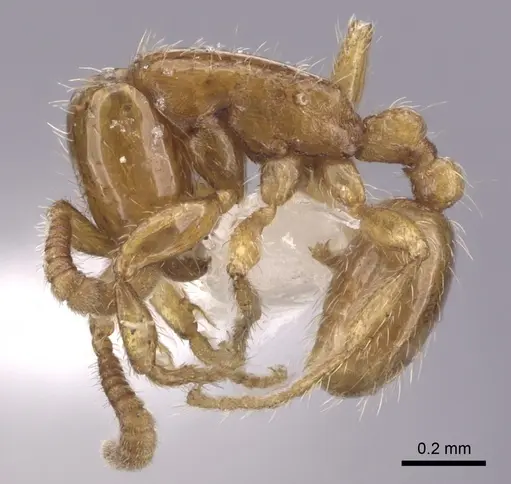
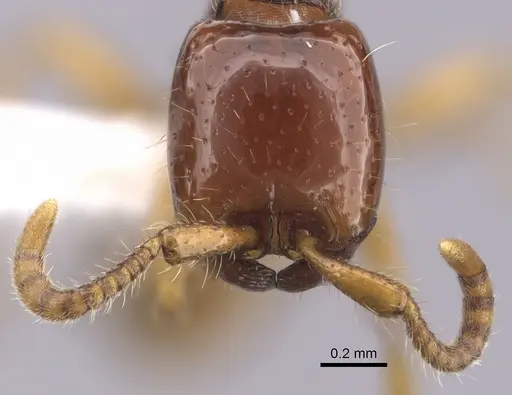
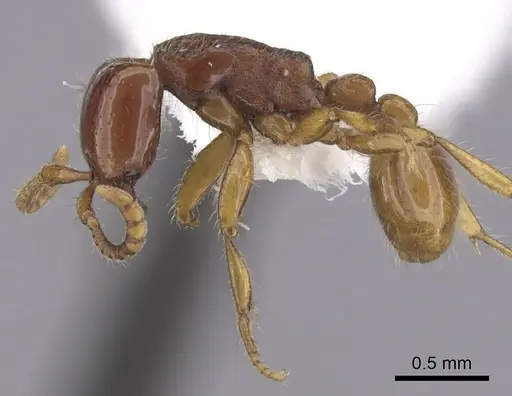
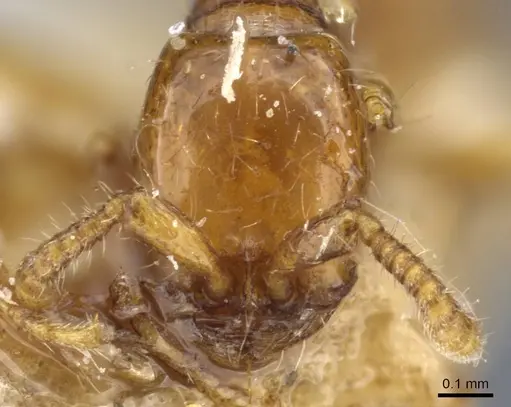
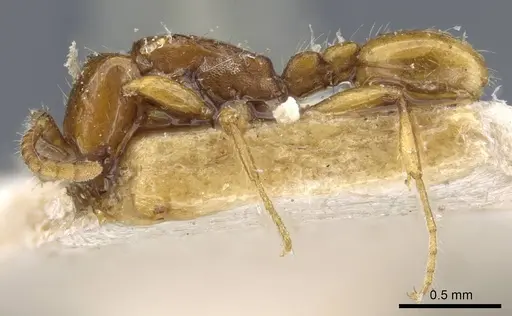
Neivamyrmex carettei is a Neotropical army ant species belonging to the Dorylinae subfamily. Workers are small and reddish-brown, typical of army ants. This species is found across northern Argentina, Paraguay, Brazil, and French Guiana, where it inhabits tropical and subtropical forest regions [1]. Like all army ants, this species is predatory and nomadic, they do not build permanent nests but instead form temporary bivouacs while conducting raids on other ant colonies and small arthropods.
Quick Summary
- Difficulty: Expert
- Origin & Habitat: Neotropical region, found in Argentina (Mendoza province), Paraguay, Brazil, and French Guiana. In Brazil, they are found in the soil stratum of Cerradão (woodland savanna) but absent from the more open Cerrado stricto sensu [1]. This suggests they prefer shaded, forested areas with access to ground-level hunting grounds.
- Colony Type: Army ant colonies are typically polygynous (multiple queens) with colony fission being the primary reproduction method. The exact colony structure for N. carettei specifically has not been documented, but Neivamyrmex colonies generally contain multiple reproductive queens and can reach thousands of workers.
- Colony: Monogyne
- Founding: Pleometrosis
- Size & Growth:
- Queen: Estimated 8-12mm based on genus patterns, not directly measured for this species
- Worker: Estimated 3-5mm based on genus patterns, not directly measured for this species
- Colony: Likely thousands of workers based on typical Neivamyrmex colonies, exact maximum unknown
- Growth: Moderate to fast, army ant colonies grow rapidly when well-fed
- Development: Estimated 4-6 weeks at tropical temperatures based on related army ant species (Development time is inferred from genus-level data for Neivamyrmex, specific measurements for N. carettei are unavailable)
- Antkeeping:
- Temperature: Keep at 24-28°C, these are tropical/subtropical ants requiring warm conditions. A heating element on one side of the enclosure creates a gradient for the colony to self-regulate.
- Humidity: Maintain moderate to high humidity (60-80%). Army ants prefer moist substrate conditions. Keep the outworld substrate consistently damp but not waterlogged.
- Diapause: No, as tropical ants, they do not require hibernation. Keep temperatures stable year-round.
- Nesting: Army ants do not use traditional nests. In captivity, provide a dark, humid chamber (like a soil-filled container or plaster nest) where they can form temporary bivouacs. They need open space in the outworld to conduct raids.
- Behavior: Army ants are highly aggressive predators that conduct coordinated raids. Workers are fierce defenders of the colony and will attack anything that threatens it. They are excellent escape artists due to their small size, use fine mesh barriers and secure lids. Unlike many ants, they are nomadic and do not establish permanent nesting sites.
- Common Issues: nomadic lifestyle makes them challenging to house, they need space to move and form new bivouacs, specialized diet requirements, they are obligate predators that need constant access to live prey, escape prevention is critical due to their small worker size, colonies can become very large, requiring significant space and prey input, stress from captivity can cause colony abandonment of bivouac sites
Housing and Enclosure Setup
Keeping army ants like Neivamyrmex carettei is fundamentally different from keeping typical ants. These ants do not live in permanent nests, they form temporary bivouacs (living clusters) that they abandon periodically to move to new hunting grounds. For captivity, you will need a large outworld with multiple potential bivouac sites. Use a container with moist soil or a plaster nest chamber that can remain dark and humid. The outworld should be spacious enough for the colony to conduct raids and move their bivouac. Provide several potential resting areas (dark, humid chambers) so the colony can choose where to form their temporary nest. Escape prevention is critical, use fine mesh and barrier gel since workers are small and agile.
Feeding and Diet
Neivamyrmex carettei is an obligate predator. Unlike many ants that can survive on sugar water and seed protein, army ants are specialized hunters that require live prey. Their main diet in the wild consists of other ant colonies (particularly brood and workers), small insects, and other arthropods. In captivity, you must provide a constant supply of live prey such as mealworms, small crickets, fruit flies, and other small insects. Some colonies may accept pre-killed prey, but live prey triggers their raiding behavior and is more likely to be accepted. Feed every 1-2 days, providing enough prey for the colony to consume within 24 hours. A well-fed army ant colony will show visible activity and workers will be aggressive and alert.
Temperature and Seasonal Care
As Neotropical ants from Argentina and Brazil, Neivamyrmex carettei requires warm temperatures year-round. Maintain enclosure temperatures between 24-28°C. Temperatures below 22°C can slow colony activity and may stress the ants. Use a heating cable or mat on one side of the enclosure to create a temperature gradient, allowing the colony to self-regulate. Do not allow temperatures to drop for winter dormancy, these ants do not diapause. High humidity is also important, so keep the substrate moist and consider misting the enclosure occasionally. Avoid placing the enclosure in direct sunlight or near air conditioning vents that could create temperature fluctuations. [1]
Colony Behavior and Raiding
The most fascinating aspect of army ant keeping is observing their raiding behavior. Unlike typical ants that forage individually, army ants conduct coordinated group raids. Workers fan out in search of other ant colonies or arthropod nests, overwhelming defenders with their numbers. When they locate prey, they release chemical alarm signals that recruit more workers to the site. This creates a living river of ants flowing toward food sources. In captivity, you can observe this by placing prey items in the outworld and watching the colony organize their attack. The colony will also periodically relocate their bivouac, this is normal army ant behavior and should not be cause for concern. Provide multiple chambers so they can move without stress.
Reproduction and Colony Growth
Army ant colonies reproduce through colony fission, not nuptial flights. When a colony reaches sufficient size, it splits into two colonies, this is called fission or swarm reproduction. One or more queens leave with a portion of the workers to form a new colony. Unlike many ants, army ant queens cannot fly and are wingless throughout their lives. They are also not claustral, queens continue to lay eggs even during colony movement. Colony growth can be rapid when prey is abundant, but colonies may stagnate or shrink if food is scarce. A healthy colony should grow steadily over months and years, potentially reaching several thousand workers.
Frequently Asked Questions
Can I keep Neivamyrmex carettei in a test tube?
No, test tubes are completely unsuitable for army ants. They are nomadic and need space to form temporary bivouacs and conduct raids. Use a large outworld with multiple chambers or a naturalistic setup with soil.
What do Neivamyrmex carettei eat?
They are obligate predators that require live prey. Feed them small insects like mealworms, crickets, fruit flies, and other arthropods. They will not survive on sugar water alone like many other ant species.
How long does it take for first workers to appear?
Estimated 4-6 weeks from egg to worker at tropical temperatures (around 26°C). This is inferred from related army ant species, specific development data for N. carettei is not available.
Do Neivamyrmex carettei ants sting?
Army ants have stingers and can deliver painful stings, though their small size limits the effect on humans. They are aggressive and will sting if threatened or if their colony is disturbed.
Are Neivamyrmex carettei good for beginners?
No, this is an expert-level species. Army ants have completely different care requirements than typical ants: they need constant live prey, large enclosures, high humidity, warm temperatures, and space for nomadic behavior. They are not recommended for beginners.
Can I keep multiple queens together?
Yes, army ant colonies are typically polygynous (multiple queens). Unlike many ant species where multiple queens will fight, army ant queens coexist and work together. Do not attempt to combine unrelated foundress colonies though.
How big do Neivamyrmex carettei colonies get?
Based on typical Neivamyrmex patterns, colonies can reach several thousand workers. The exact maximum for N. carettei specifically is unknown, but expect large, active colonies.
Do they need hibernation?
No, as Neotropical ants from tropical and subtropical regions, they do not require hibernation or winter cooling. Keep them warm year-round at 24-28°C.
Why is my army ant colony moving their bivouac?
This is normal army ant behavior. Army ants are nomadic and periodically relocate their temporary nest. This is not a sign of distress, provide them with alternative chambers to move to.
When should I move them to a formicarium?
Army ants do not use traditional formicariums. They need an open outworld setup with soil or a plaster chamber for bivouac formation. A naturalistic setup works best, a large container with moist substrate and multiple hiding spots.
Are Neivamyrmex carettei invasive?
No, they are native to the Neotropical region (Argentina, Brazil, Paraguay, French Guiana). They should never be released outside their native range.
What makes Neivamyrmex carettei different from other ants?
They are army ants, one of the few ant species that are obligate predators and live nomadically without permanent nests. Their raiding behavior and group hunting make them unique among ant species.
References

This caresheet is licensed under CC BY-SA 4.0 .
CASENT0173521
View on AntWeb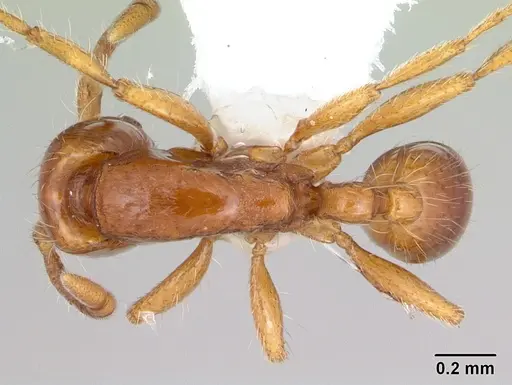


CASENT0249474
View on AntWeb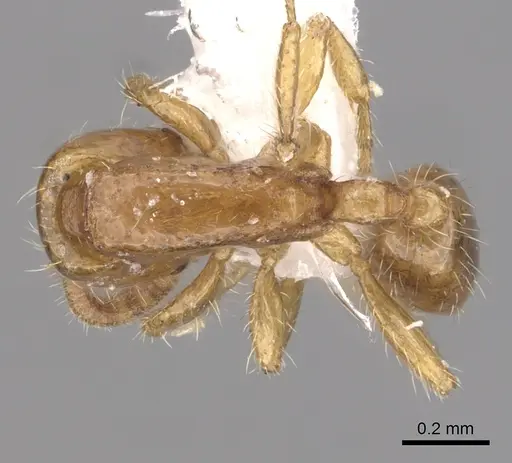
CASENT0249475
View on AntWeb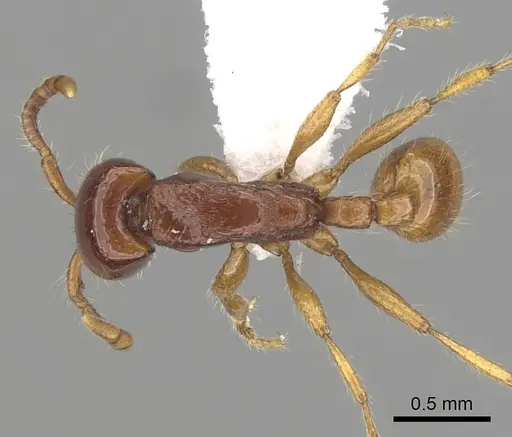
CASENT0905953
View on AntWeb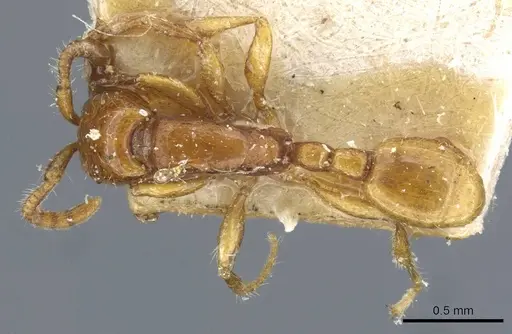
Literature
Loading...Loading products...