

Mystrium rogeri
- Scientific Name
- Mystrium rogeri
- Tribe
- Amblyoponini
- Subfamily
- Amblyoponinae
- Author
- Forel, 1899
- Distribution
- Found in 1 countries
Mystrium rogeri Overview
Mystrium rogeri is an ant species of the genus Mystrium. It is primarily documented in 1 countries , including Madagascar. Detailed taxonomic data and occurrence records can be further explored via authoritative databases such as AntWeb or the Global Biodiversity Information Facility (GBIF).
Mystrium rogeri
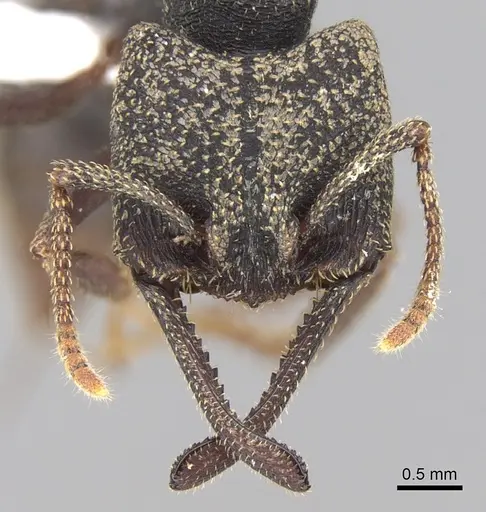
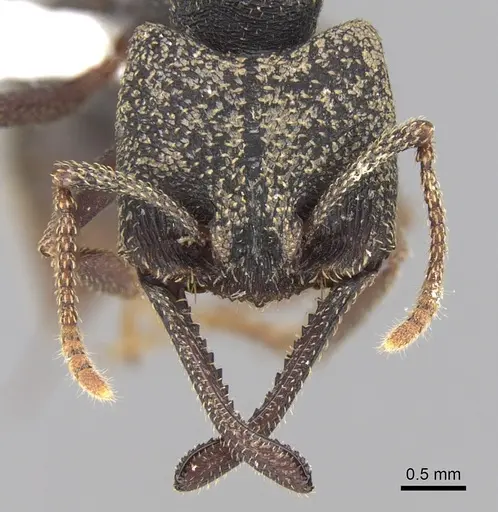
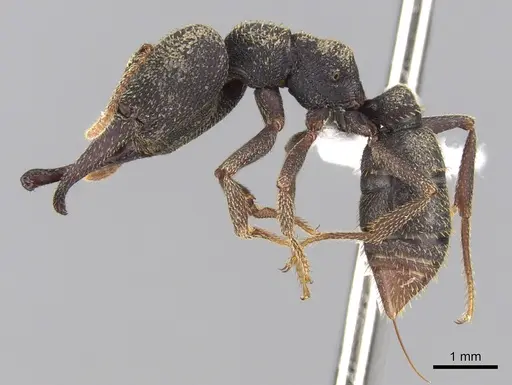
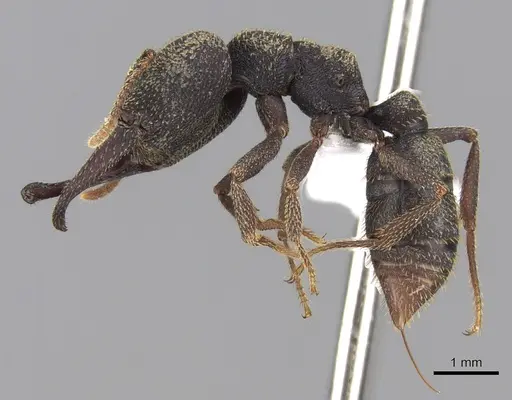
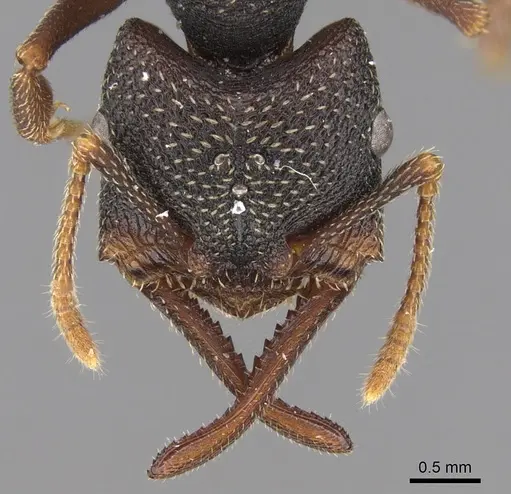
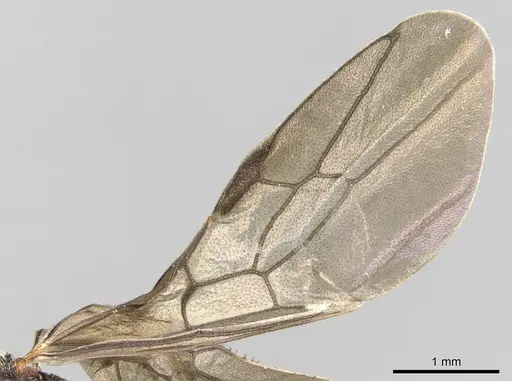
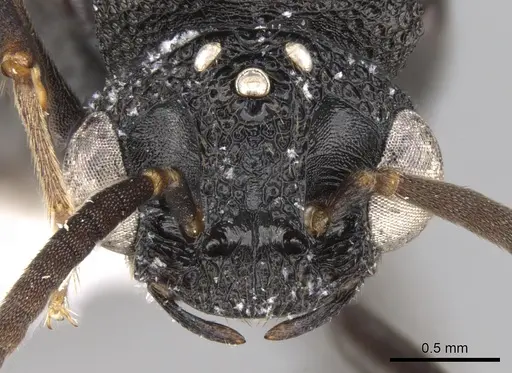
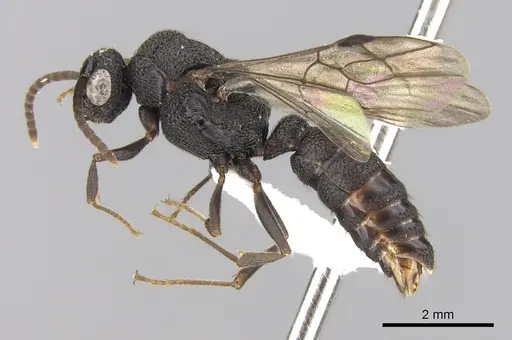
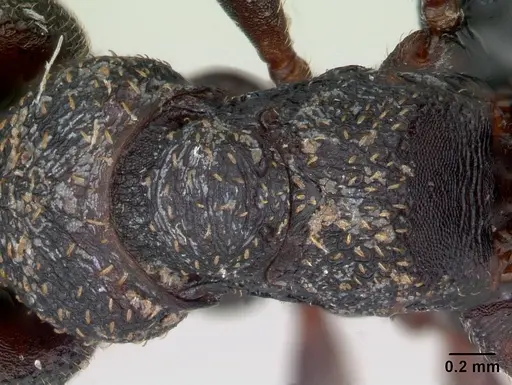
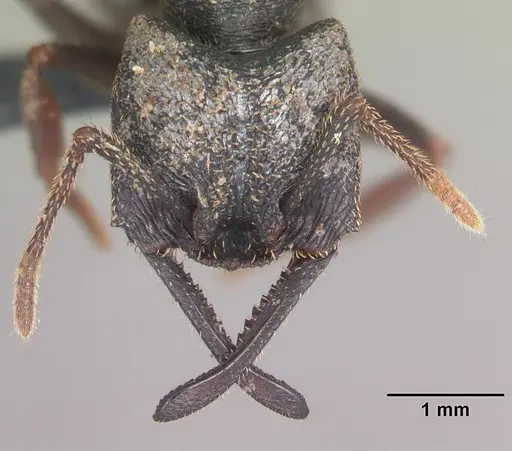
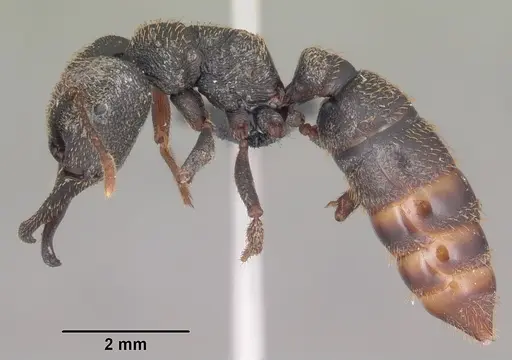
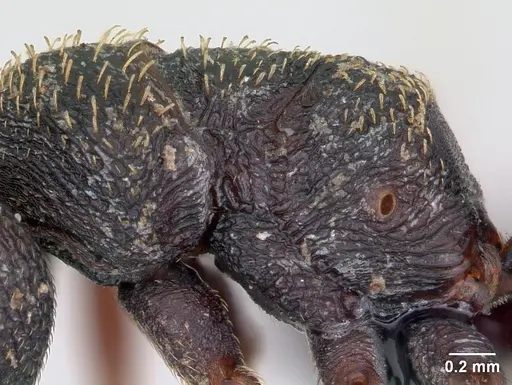
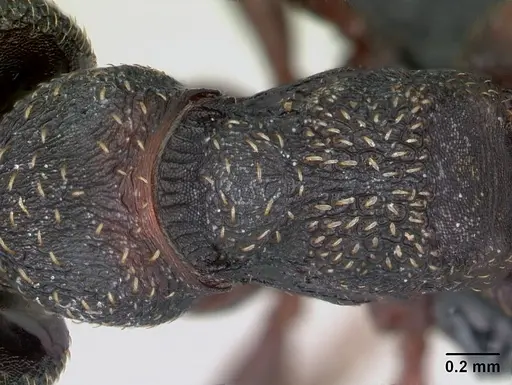
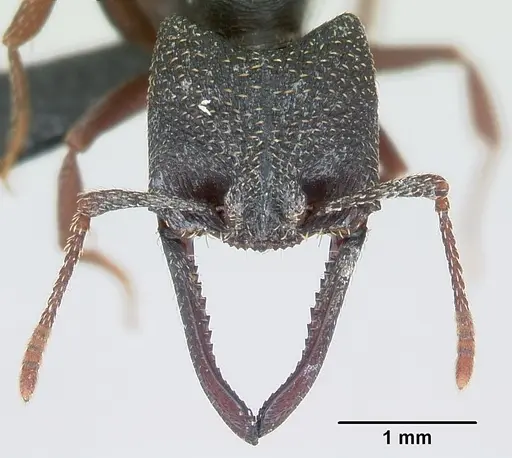
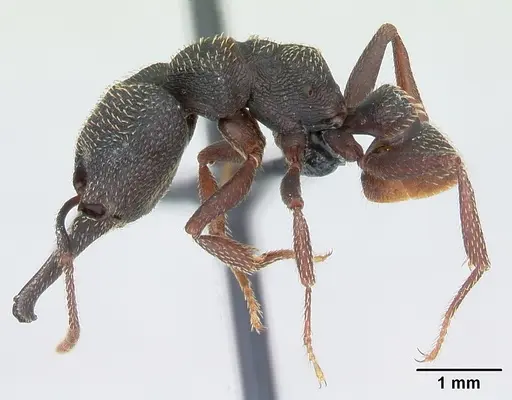
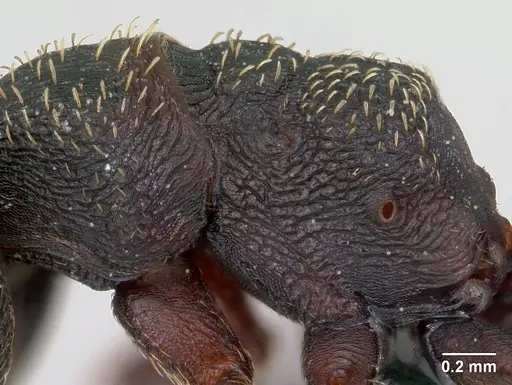
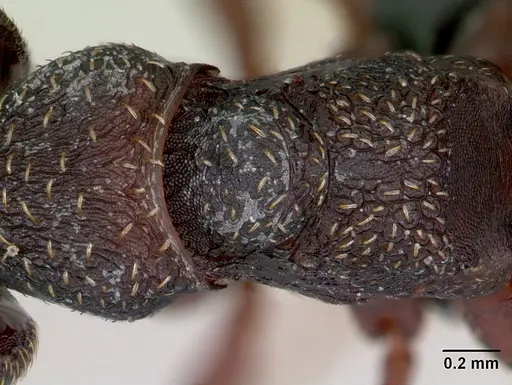
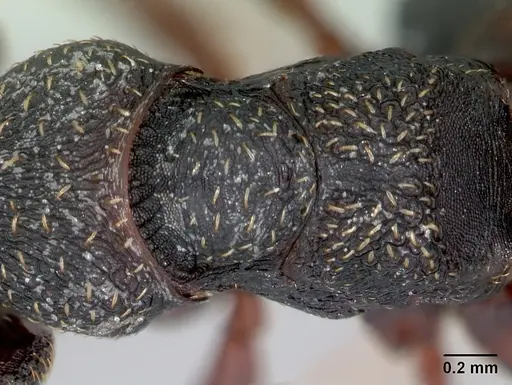
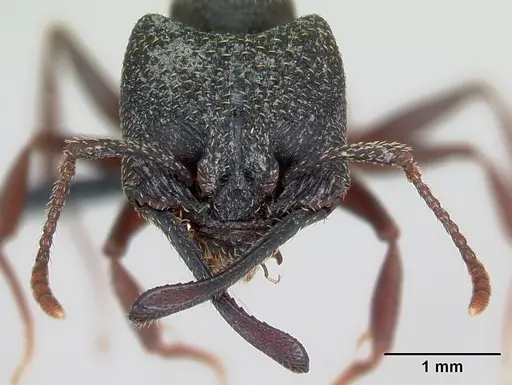
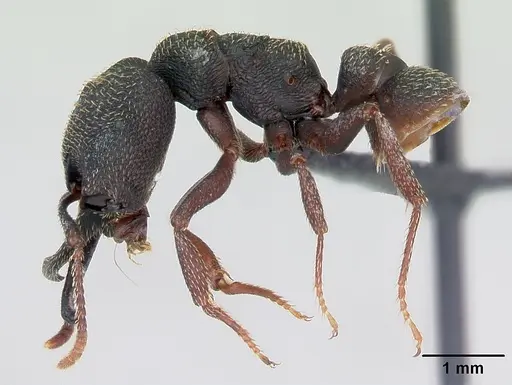
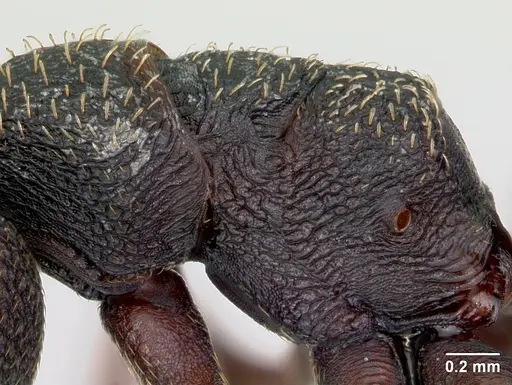
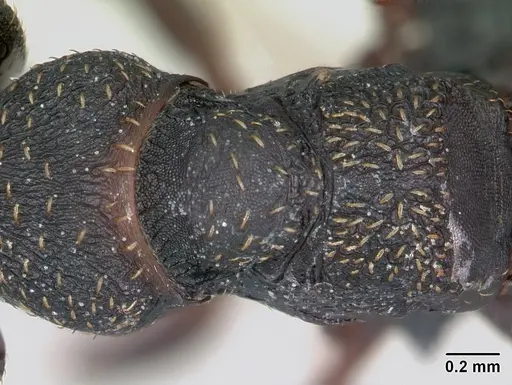
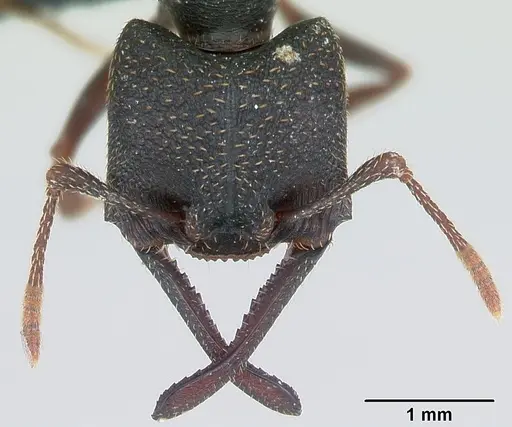
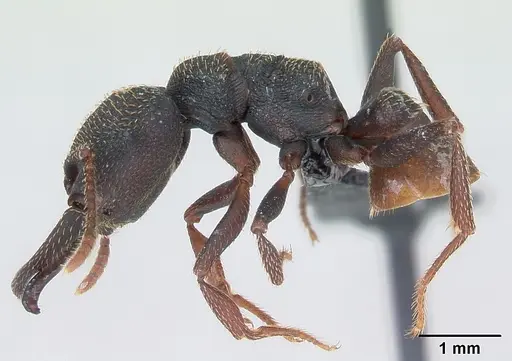
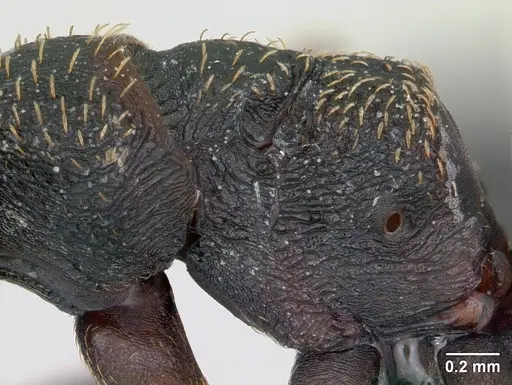
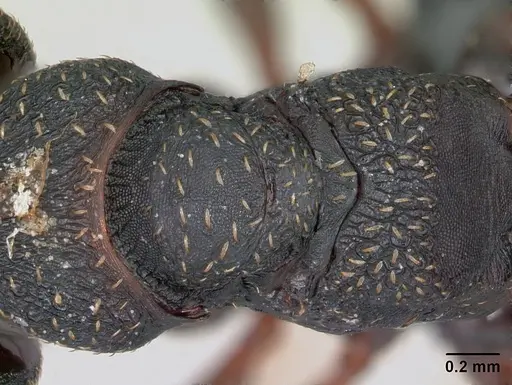
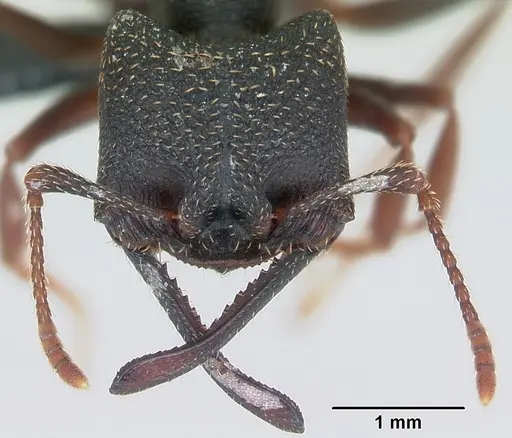
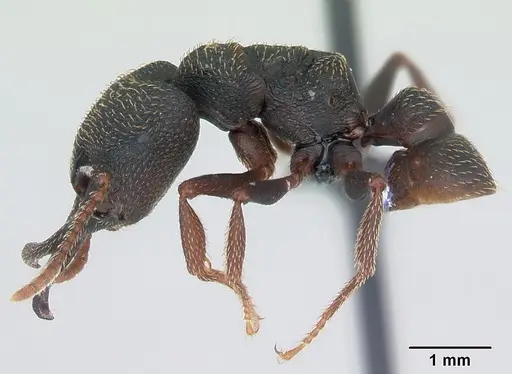
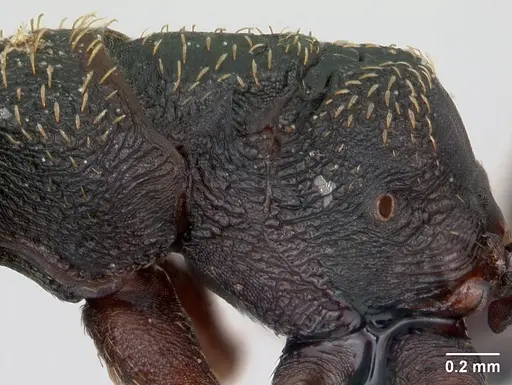
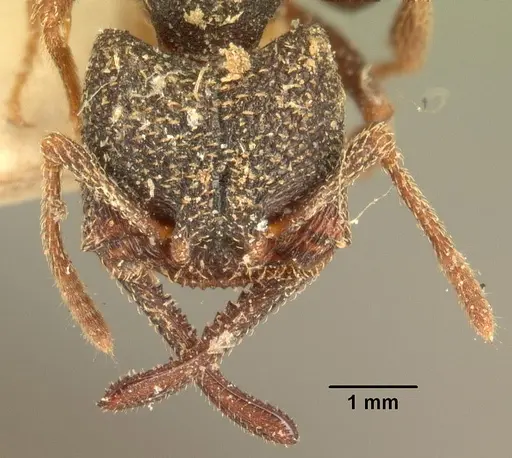
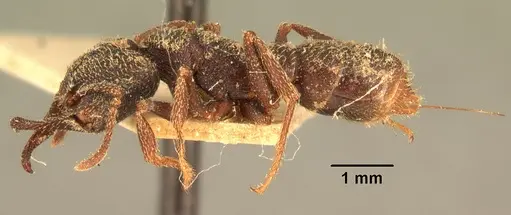
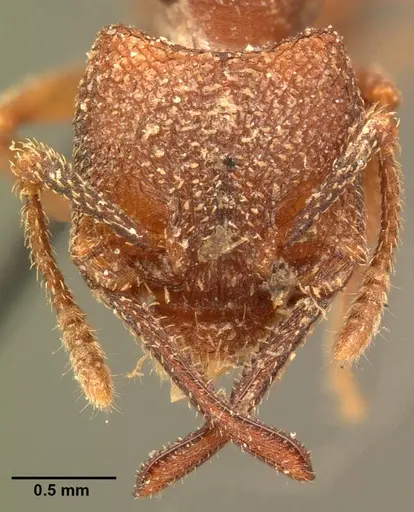
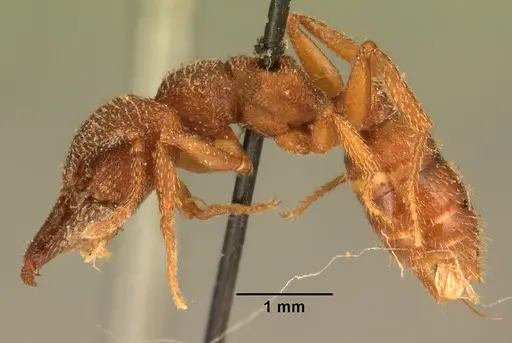
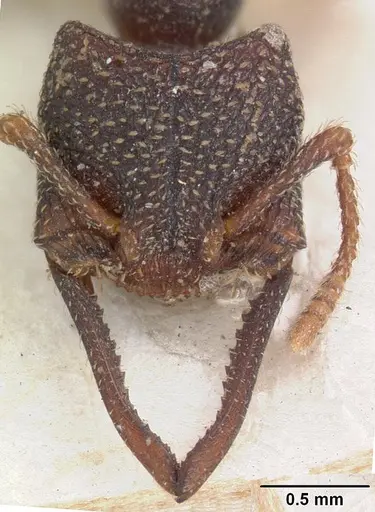
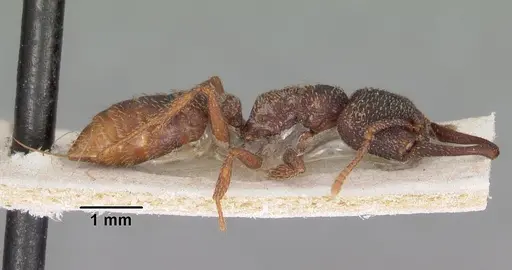
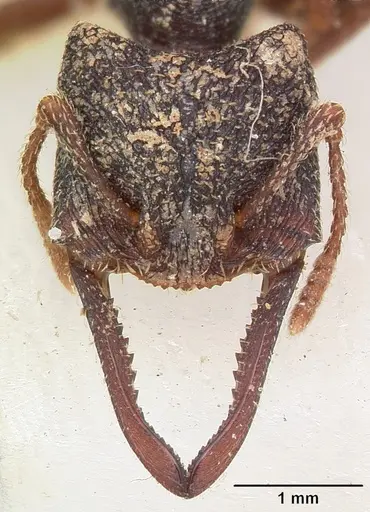
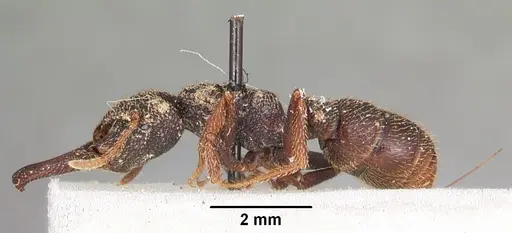
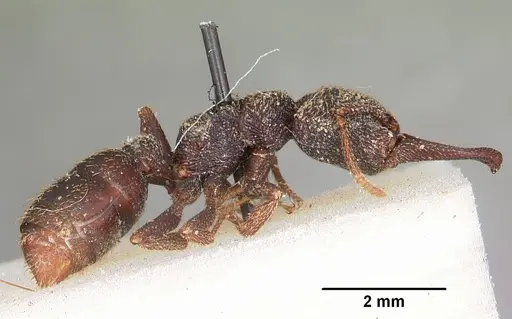
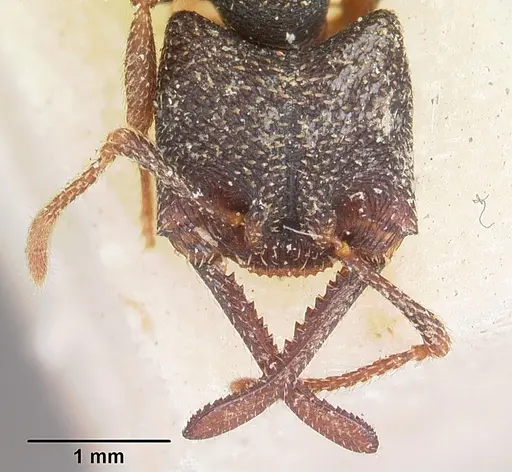
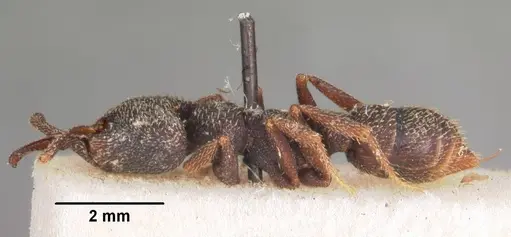
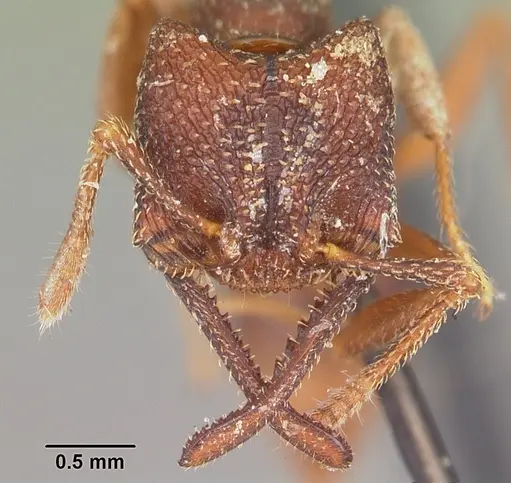
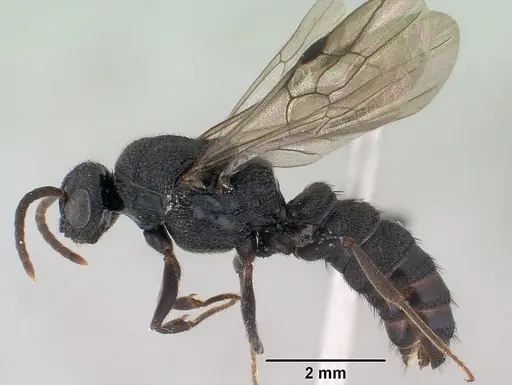
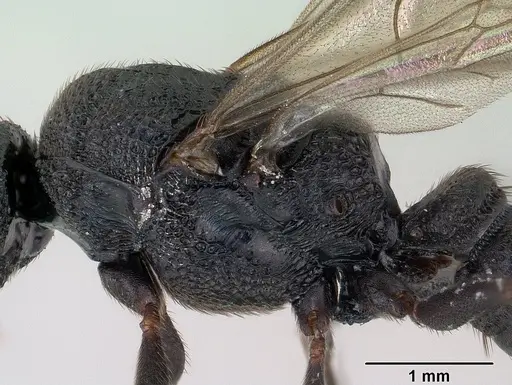
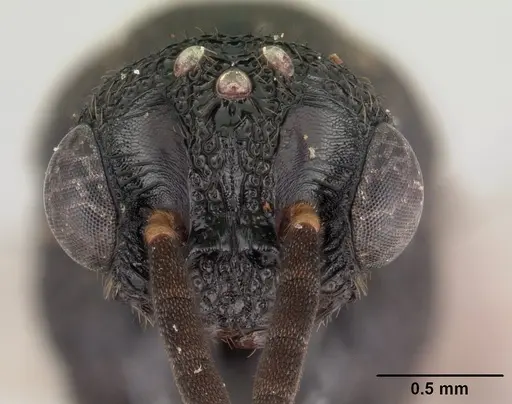
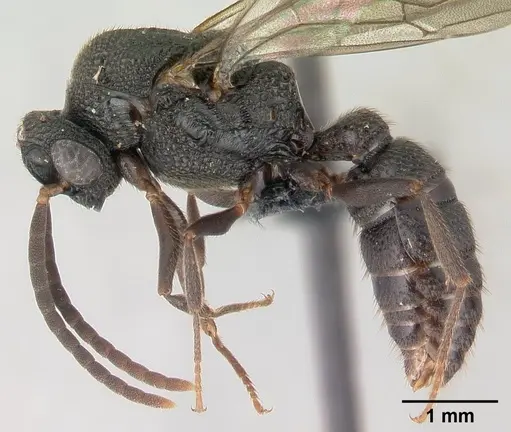
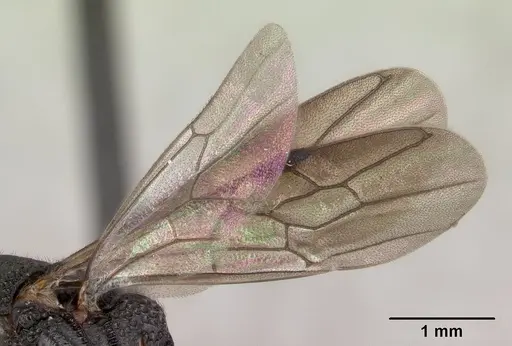
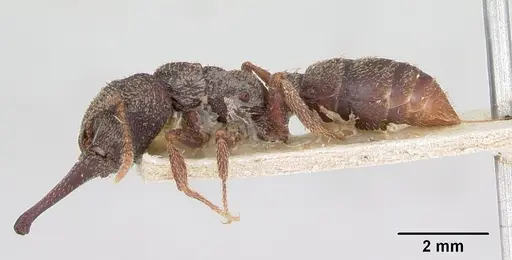
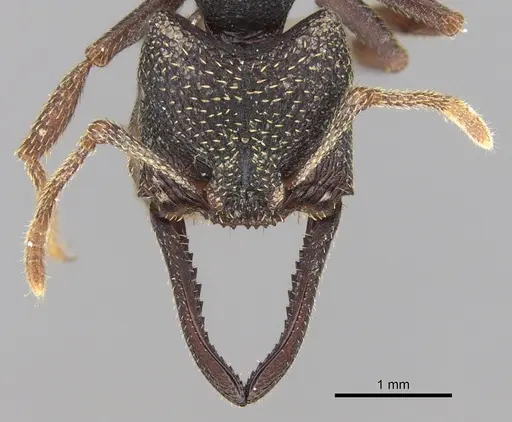
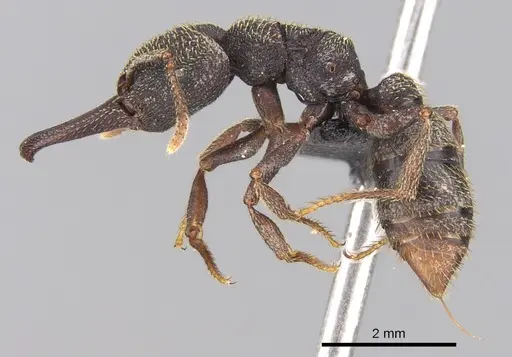
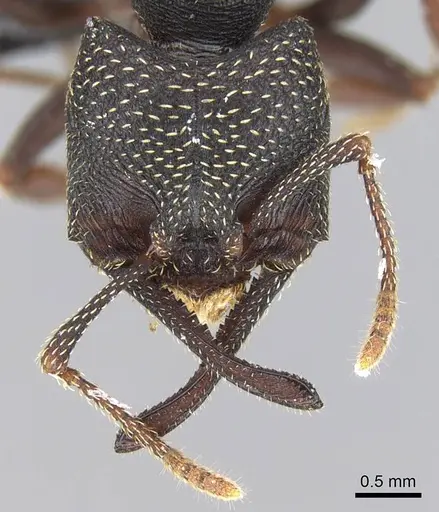
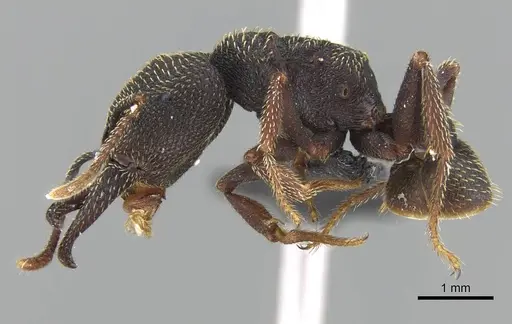
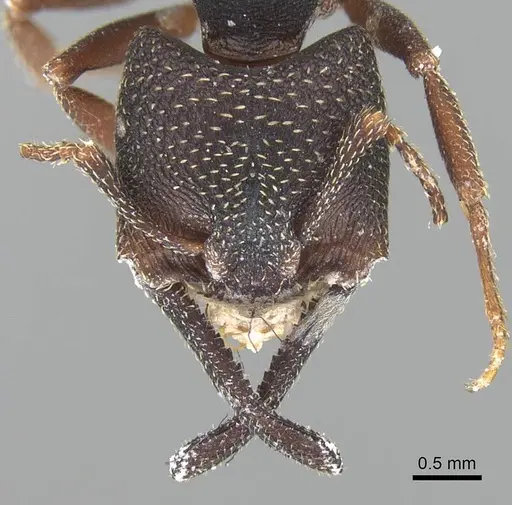
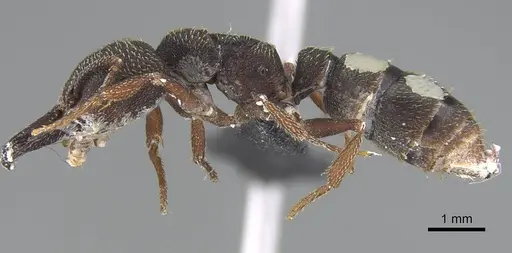
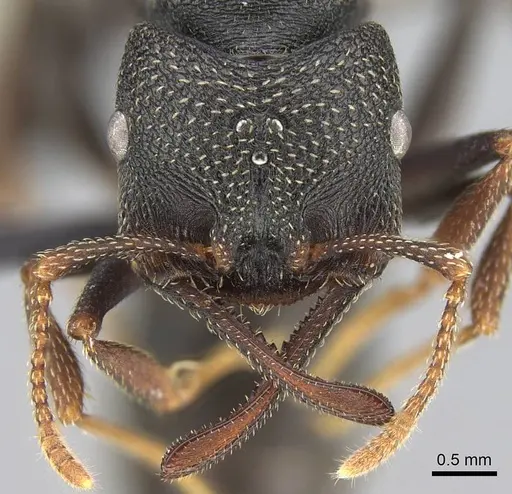
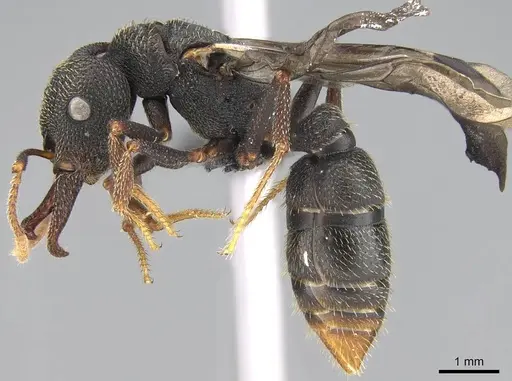
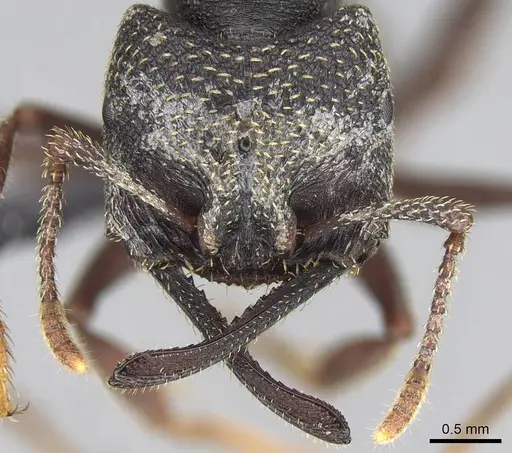
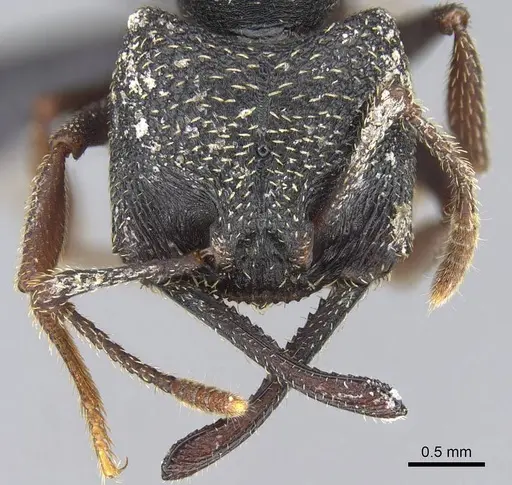
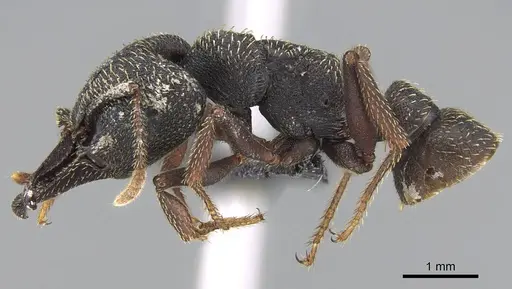
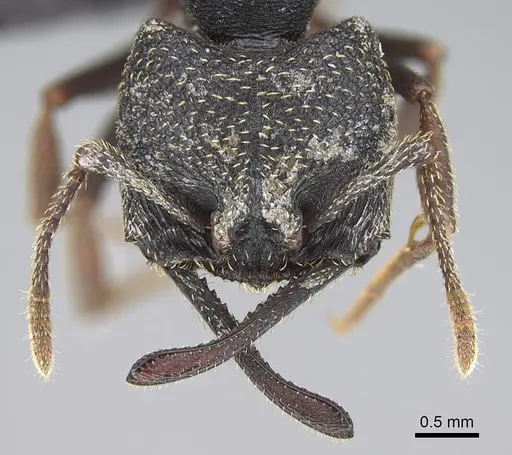
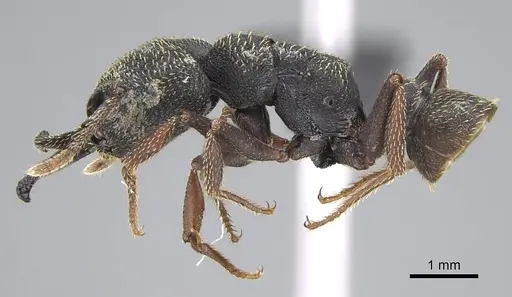
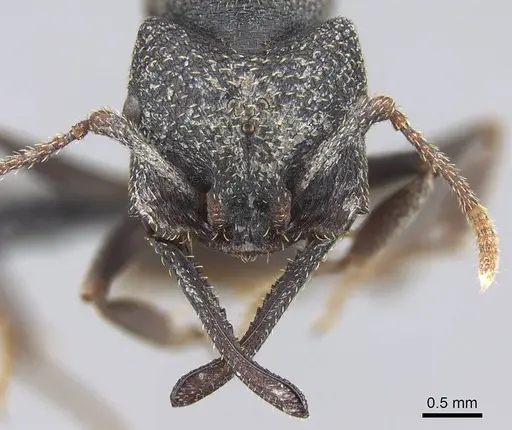
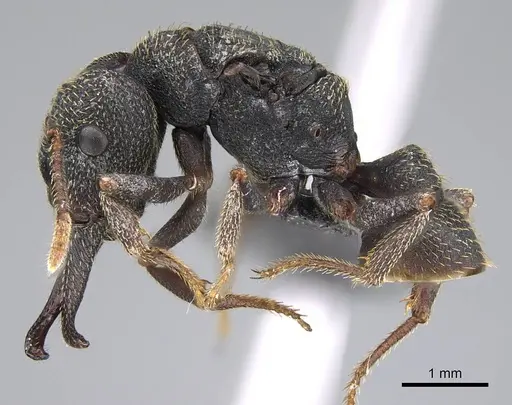
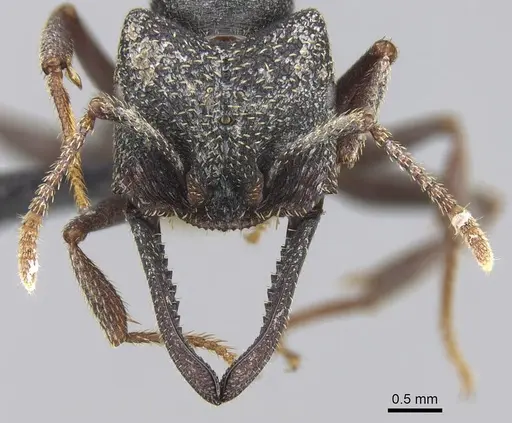
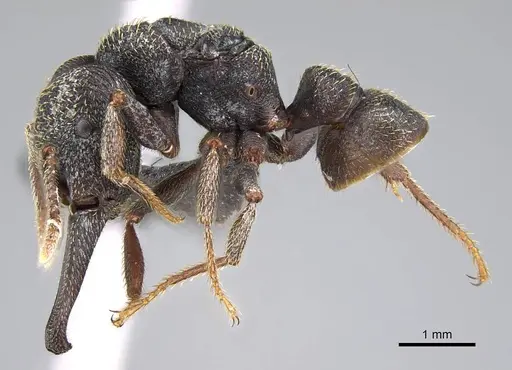
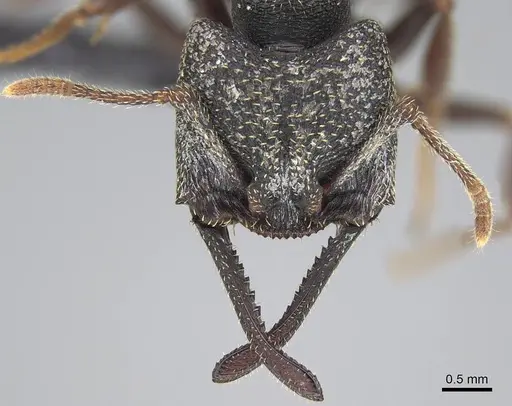
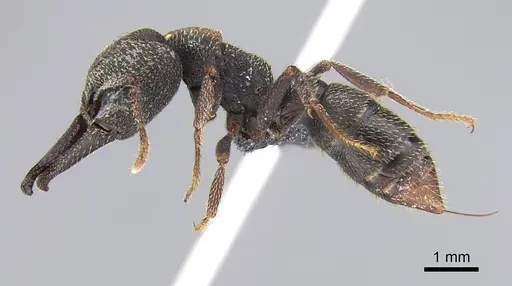
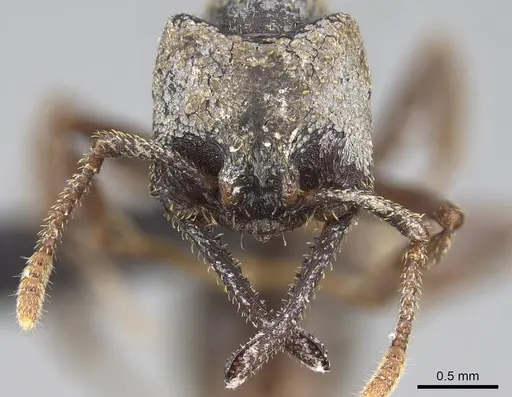
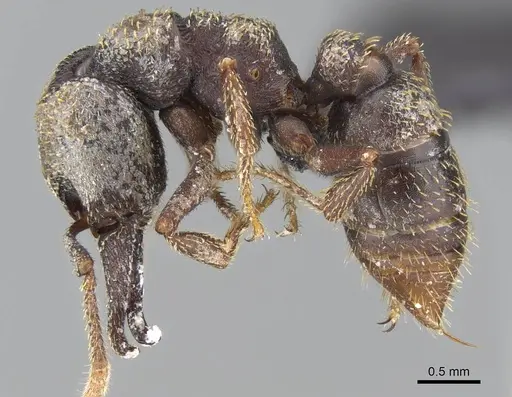
Mystrium rogeri is a small predatory ant from Madagascar and the Comoros islands, belonging to the Amblyoponinae subfamily (often called Dracula ants). Workers are brown to black, measuring 1.19-2.27mm in head length, with remarkably small eyes of only 10 ommatidia making them nearly blind. Queens are larger at 1.94-2.31mm and completely black. What makes this species extraordinary is their snap-jaw mechanism, workers can cross their mandibles over and snap them shut in less than 2.5 milliseconds, propelling themselves backward over 10cm for defense. Colonies contain an average of 94 workers and nest exclusively in rotten logs in humid forest environments [1][2][3].
Quick Summary
- Difficulty: Medium
- Origin & Habitat: Madagascar and Comoros islands. Found in humid tropical forests, nesting exclusively in rotten logs [1][3].
- Colony Type: Monogyne (single queen per colony). Colonies average 94 workers with a range of 16-510 workers. Workers are continuously polymorphic with highly variable mandible sizes and shapes, allowing them to perform all tasks from brood care to hunting. Ergatoid replacement reproductives develop when the queen dies, workers can lay unfertilized (male) eggs [3][4].
- Colony: Monogyne
- Founding: Semi-claustral
- Size & Growth:
- Queen: 1.94-2.31mm head length [1]
- Worker: 1.19-2.27mm head length [1]
- Colony: Median 94 workers, up to 510 workers per colony [3]
- Growth: Moderate, colonies reach moderate sizes
- Development: Unknown for this specific species, estimate 6-10 weeks based on related Amblyoponinae (Development timeline not directly studied. Workers emerge from cocoons and the colony grows gradually over time. Queens have 4 ovarioles per ovary with 1-15 mature oocytes [3].)
- Antkeeping:
- Temperature: Keep around 24-26°C. A lab colony was successfully maintained at 25°C [2]. Provide a gentle temperature gradient if possible.
- Humidity: High humidity required, they nest in rotten logs in humid forests. Keep the nest substrate consistently moist but not waterlogged. Provide damp conditions similar to a forest floor.
- Diapause: No, this is a tropical species from Madagascar. They do not require hibernation.
- Nesting: Rotten log material or highly humid setups. They need damp, dark nesting chambers. A plaster or acrylic nest with moisture reservoirs works well. Avoid dry conditions entirely.
- Behavior: These ants are defensive and use their unique snap-jaw mechanism when threatened. Workers walk with mandibles closed and snap them open as a defensive display, the snap propels them backward. They are specialized centipede predators but will accept other small live prey in captivity. Workers have extremely small eyes and navigate primarily through chemical cues. The mandibular gland secretion acts as an alarm pheromone, increasing snapping behavior when colonies are disturbed. Escape risk is moderate, they are small but not particularly prone to escaping [2].
- Common Issues: queen death causes colony behavior change, workers become less defensive and may stop producing workers, producing only males, humidity control is critical, dry conditions will kill colonies quickly since they require rotten log humidity, small prey requirement, they are specialized predators and need live small prey, sugar sources are generally not accepted, slow colony growth, moderate growth rate means beginners may lose patience, intercastes may appear, intermediate castes between workers and queens can develop, which is normal for this species [4]
The Amazing Snap-Jaw Mechanism
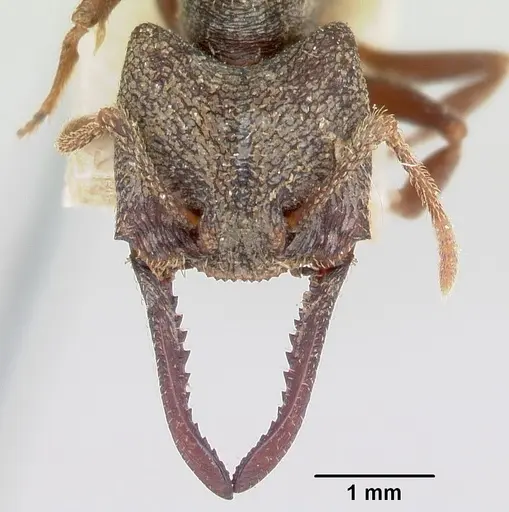
Mystrium rogeri has one of the most unusual defensive systems in the ant world. Their mandibles can cross over each other and snap shut in under 2.5 milliseconds, faster than you can blink. When disturbed at the nest entrance, workers open their mandibles, then rapidly snap them shut. This doesn't just bite intruders, the force propels the ant backward more than 10 centimeters! This serves as both defense and to catapult small intruders out of the nest. The snap is triggered by touch-sensitive hairs on the sides of the mandibles. When one mandible is touched, it slides underneath the other, unbalancing the pivot point and releasing the stored energy. The mandibular gland also produces an alarm pheromone that increases snapping behavior, when you disturb the nest, more workers join the defense [2].
Feeding and Diet
In the wild, Mystrium rogeri specializes in hunting centipedes, they are specialized predators rather than generalist scavengers. Their powerful snap jaws are designed to capture and hold onto centipede prey. In captivity, they will accept small live insects like crickets and flightless Drosophila. They are not typically interested in sugar water or honey, these are predatory ants, not sugar-seekers. Feed small live prey items appropriate to the worker size. Because workers vary greatly in size (polymorphic), offer a range of prey sizes. Remove uneaten prey after 24-48 hours to prevent mold. They do not store food, fresh prey should be offered regularly [2][5].
Nesting and Habitat
Mystrium rogeri nests exclusively in rotten logs in nature, they require damp, dark, decaying wood conditions. In captivity, you need to replicate this humidity. Plaster nests with water reservoirs work well, or you can provide a naturalistic setup with damp rotten wood pieces. The nest material should stay consistently moist but not sitting in water. They need darkness, these ants have tiny eyes and prefer dark chambers. Avoid any drying out of the nest substrate. A humidity level similar to a tropical forest floor is ideal. Test tube setups may work if kept in a humid enclosure, but rotten wood or plaster nests are more appropriate [3][5].
Temperature and Seasonal Care
Keep your colony at 24-26°C. A laboratory colony was successfully maintained at 25°C with a 12-hour light/dark cycle [2]. As a tropical species from Madagascar, they do not require hibernation or diapause. Room temperature in most homes should be suitable, but you may need a small heating mat on one side of the nest during winter if your home is cool. Avoid temperature extremes, they come from stable tropical environments. A gentle temperature gradient allows ants to choose their preferred spot. Since they are nearly blind and navigate chemically, avoid placing the nest in direct sunlight [2].
Colony Structure and Caste System
Mystrium rogeri has one of the most interesting caste systems in ants. Unlike most species with distinct worker and queen castes, these ants show continuous polymorphism, workers vary greatly in body size, and this size variation corresponds to differences in mandible shape. Larger workers have longer, more powerful mandibles suitable for hunting, while smaller workers have shorter mandibles better for brood care. Additionally, intercastes can develop, these are intermediate forms between workers and winged queens, with traits from both castes. If the queen dies, workers can develop functional ovaries and lay unfertilized eggs that develop into males. This replacement system ensures colony survival [3][4].
References

This caresheet is licensed under CC BY-SA 4.0 .
CASENT0001069
View on AntWeb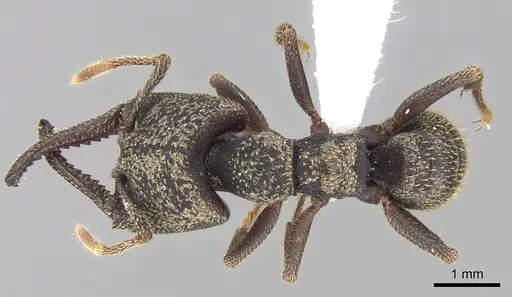
CASENT0001079
View on AntWeb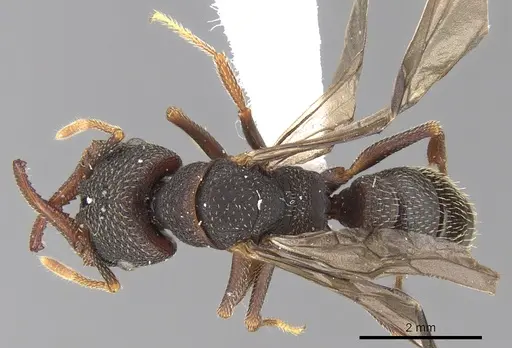
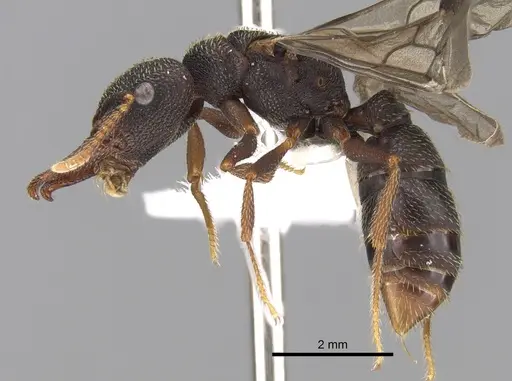
CASENT0001083
View on AntWeb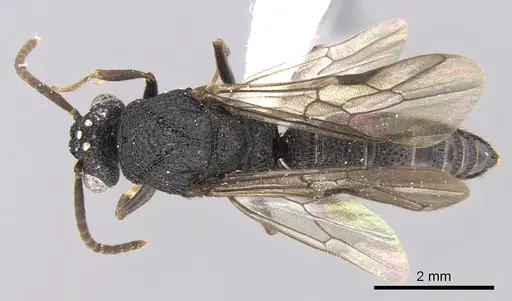
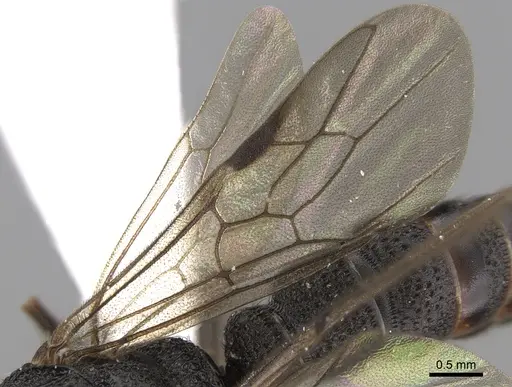
CASENT0001152
View on AntWeb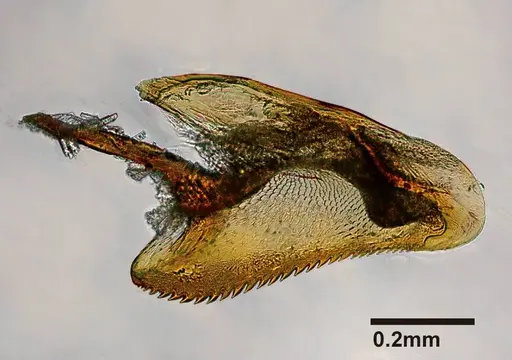
CASENT0001154
View on AntWeb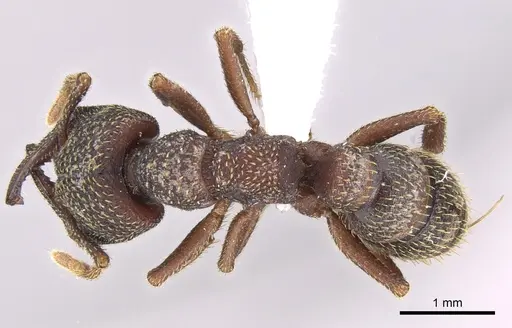
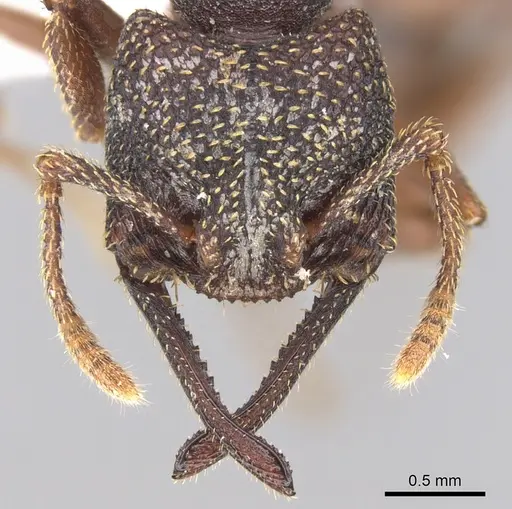
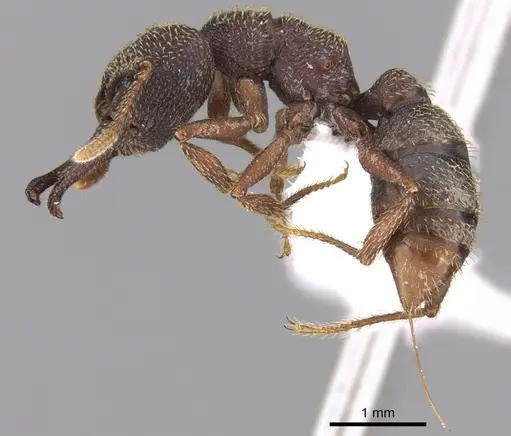
CASENT0003308
View on AntWeb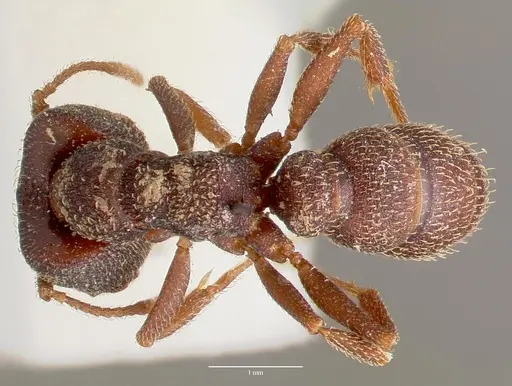
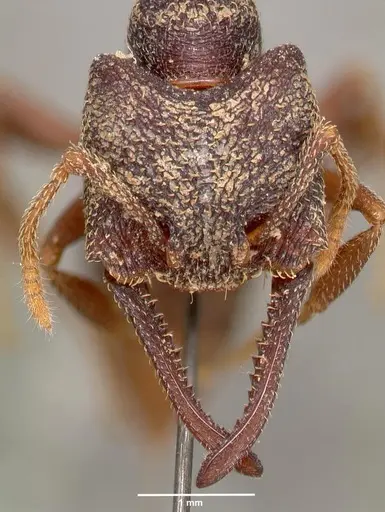
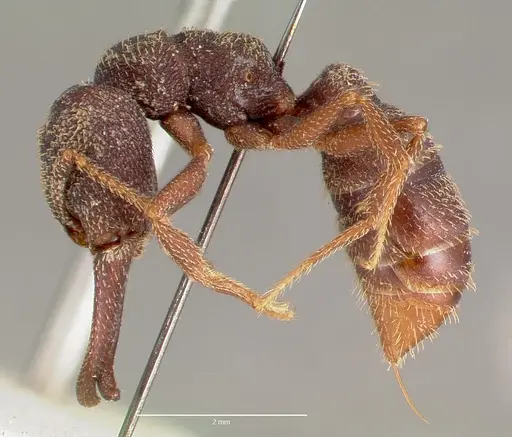
CASENT0009349
View on AntWeb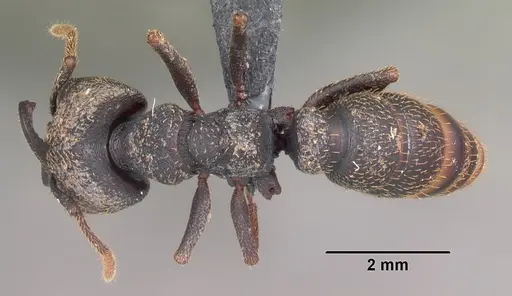
CASENT0009965
View on AntWeb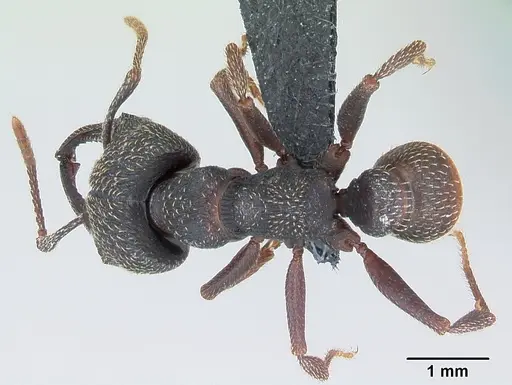
CASENT0009966
View on AntWeb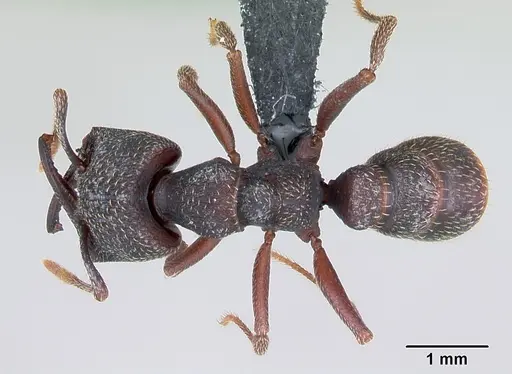
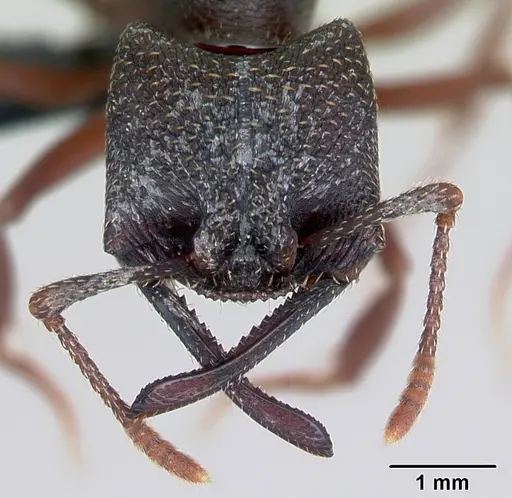
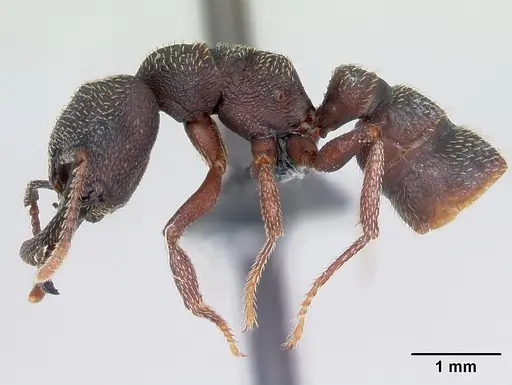
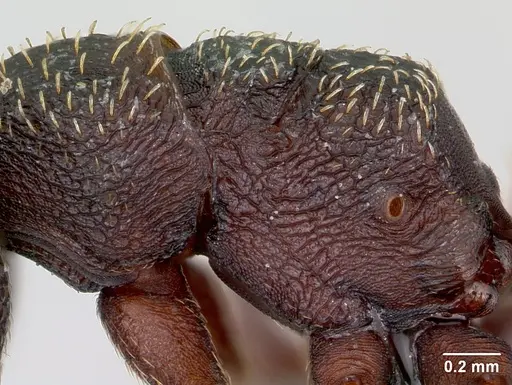
CASENT0009967
View on AntWeb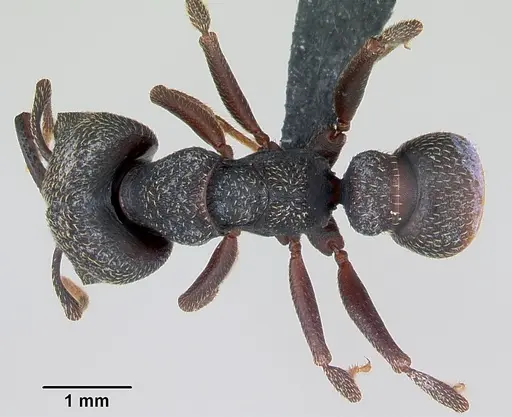
CASENT0009968
View on AntWeb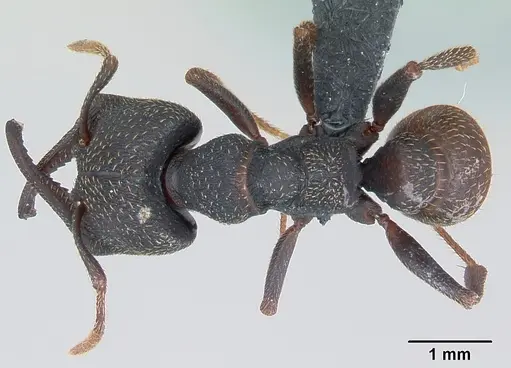
CASENT0009969
View on AntWeb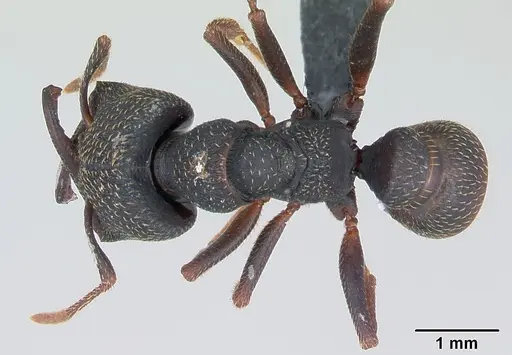
CASENT0101670
View on AntWeb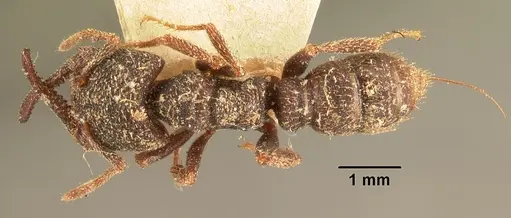
CASENT0101872
View on AntWeb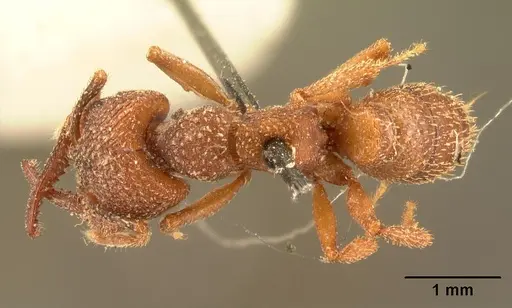
CASENT0102172
View on AntWeb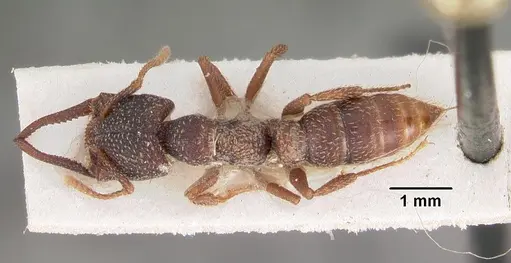
CASENT0104555
View on AntWeb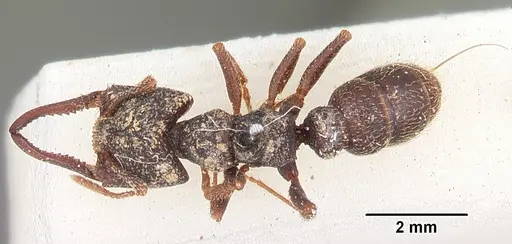
CASENT0104556
View on AntWeb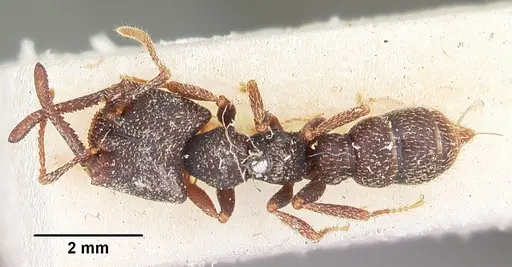
CASENT0104560
View on AntWeb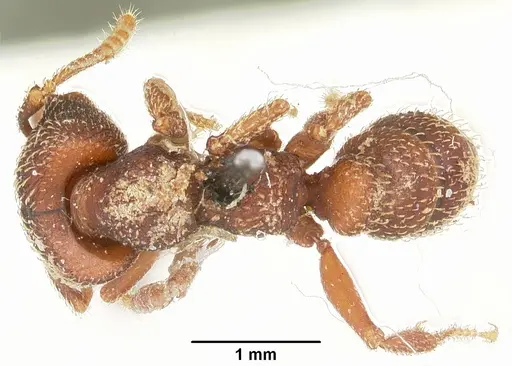
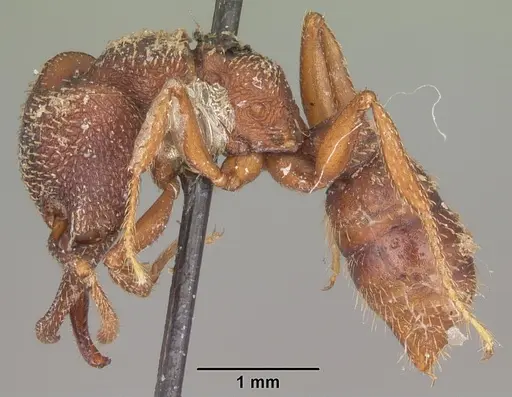
CASENT0143795
View on AntWeb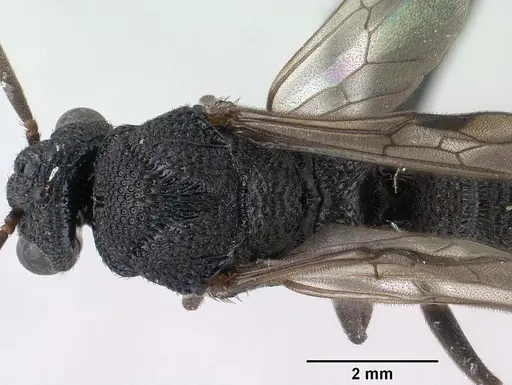
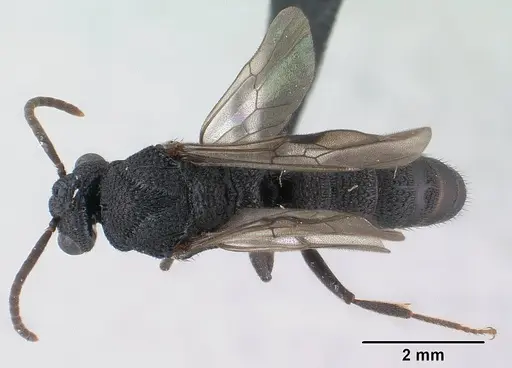
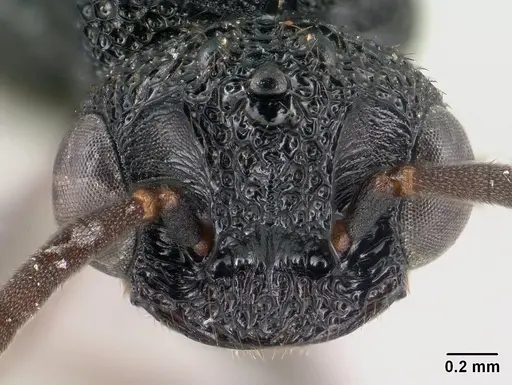
CASENT0147379
View on AntWeb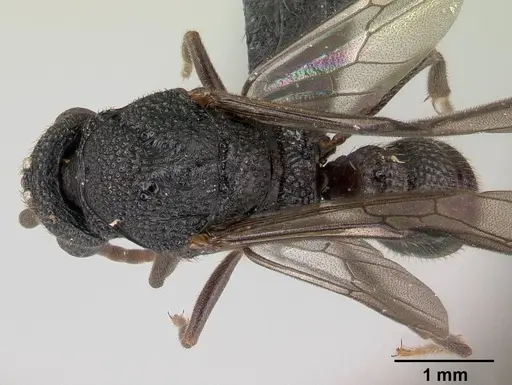
CASENT0172602
View on AntWeb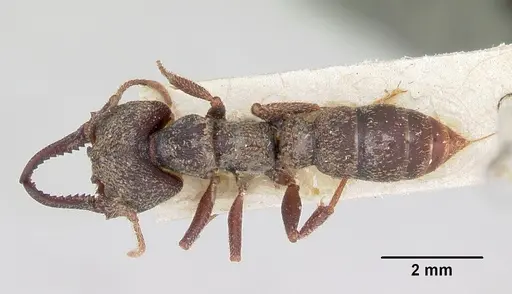
CASENT0497221
View on AntWeb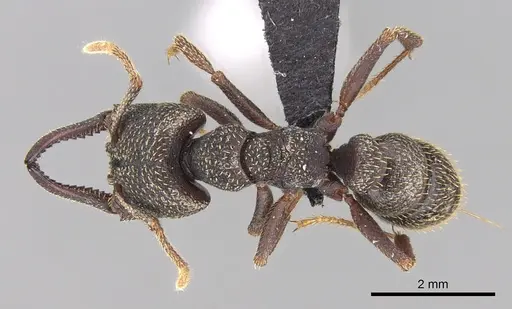
CASENT0906904
View on AntWeb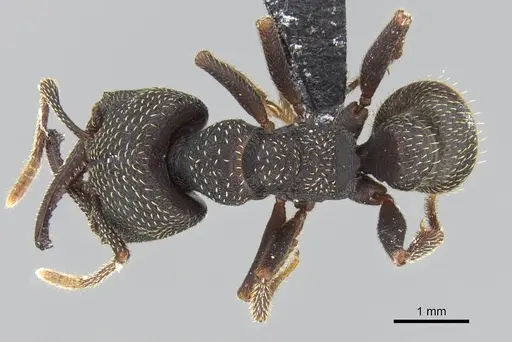
CASENT0906905
View on AntWeb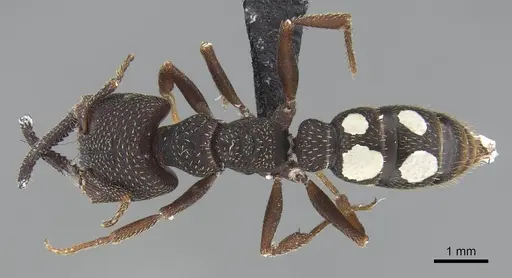
CASENT0906906
View on AntWeb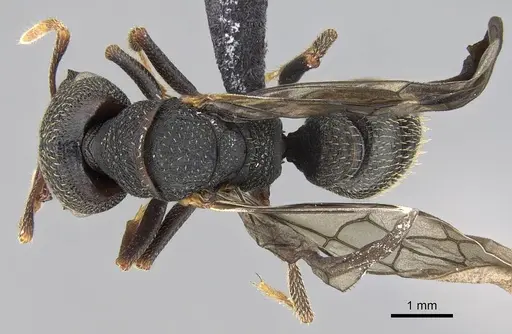
CASENT0906907
View on AntWeb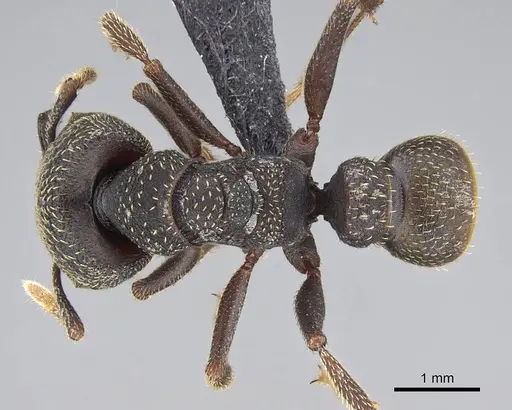
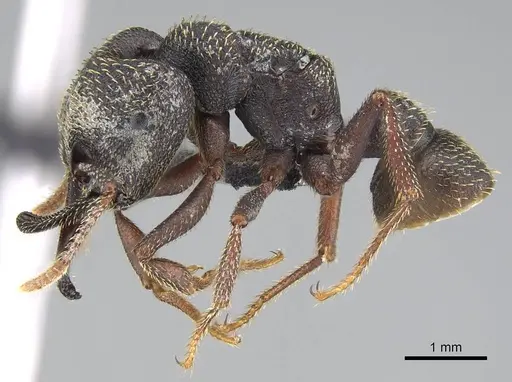
CASENT0906908
View on AntWeb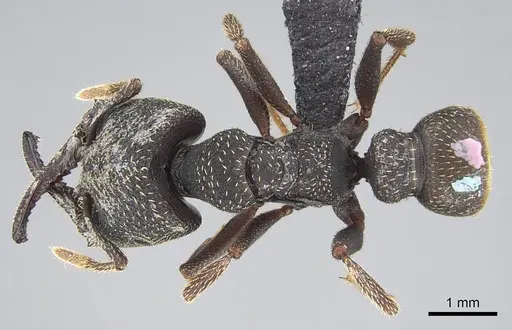
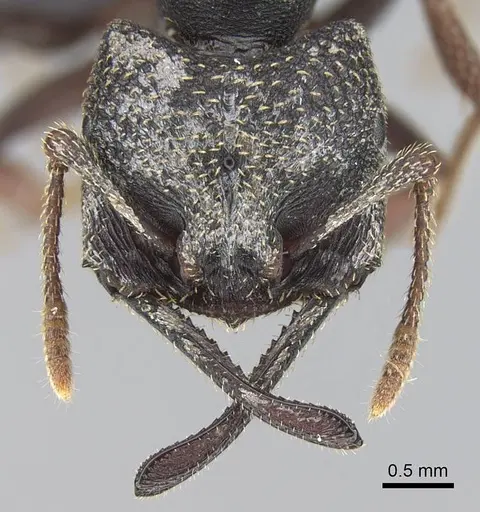
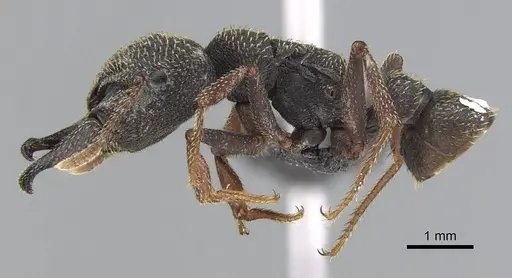
CASENT0906909
View on AntWeb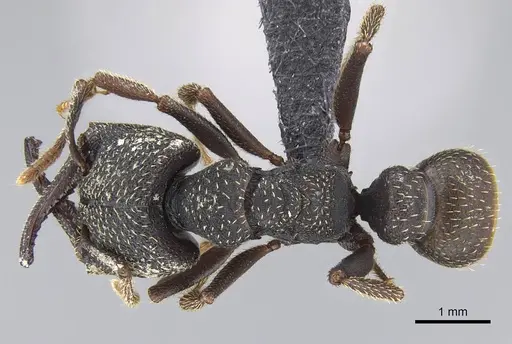
CASENT0906910
View on AntWeb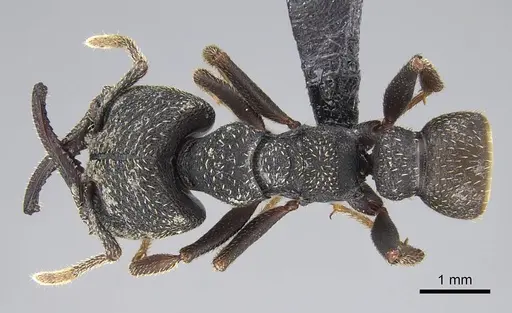
CASENT0906911
View on AntWeb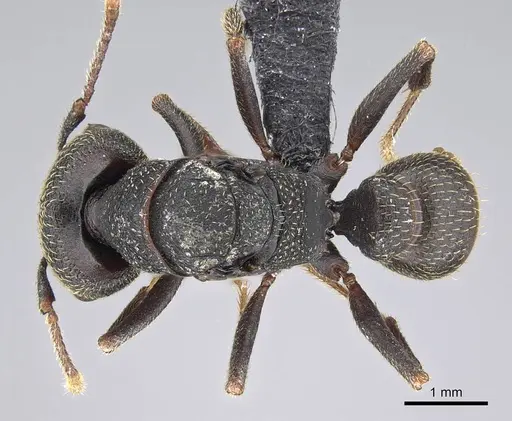
CASENT0906912
View on AntWeb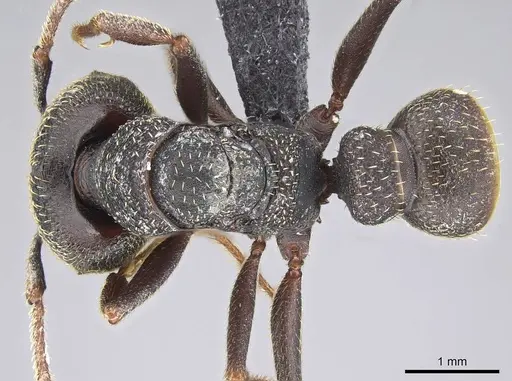
CASENT0906913
View on AntWeb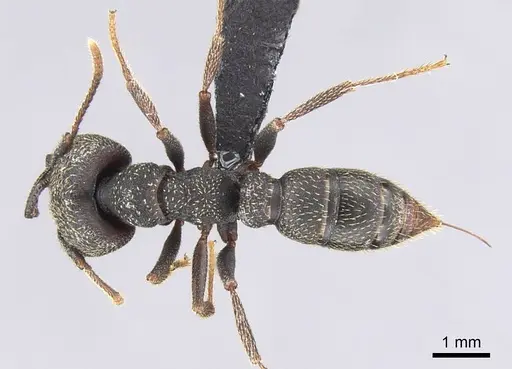
CASENT0906914
View on AntWeb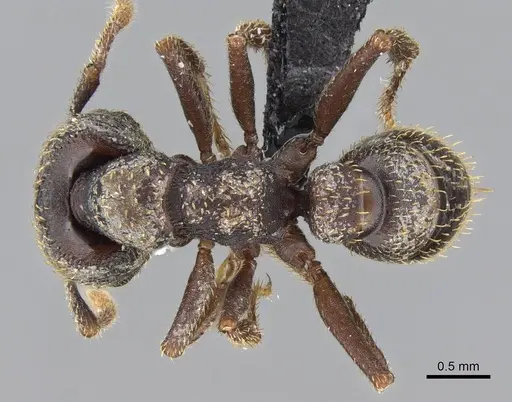
Literature
Loading...Loading products...