

Mystrium mirror
- Scientific Name
- Mystrium mirror
- Tribe
- Amblyoponini
- Subfamily
- Amblyoponinae
- Author
- Yoshimura & Fisher, 2014
- Distribution
- Found in 1 countries
Mystrium mirror Overview
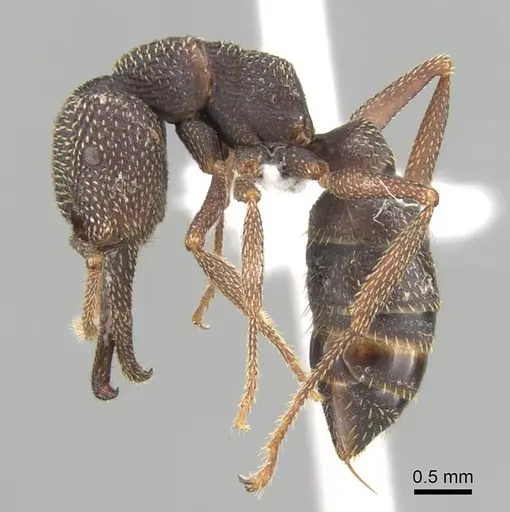
Mystrium mirror is an ant species of the genus Mystrium. It is primarily documented in 1 countries , including Madagascar. Detailed taxonomic data and occurrence records can be further explored via authoritative databases such as AntWeb or the Global Biodiversity Information Facility (GBIF).
Mystrium mirror
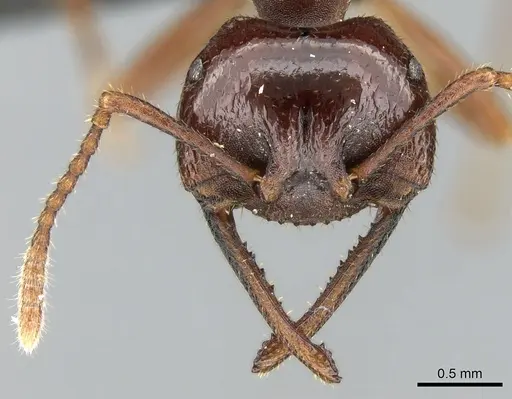
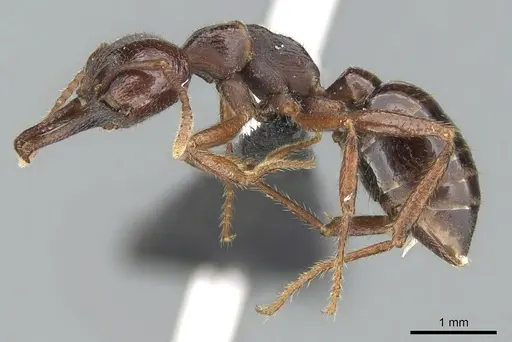
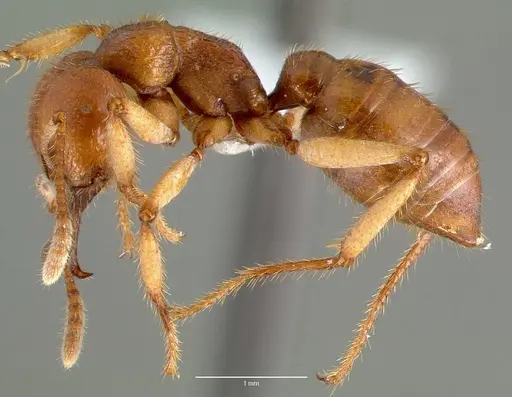
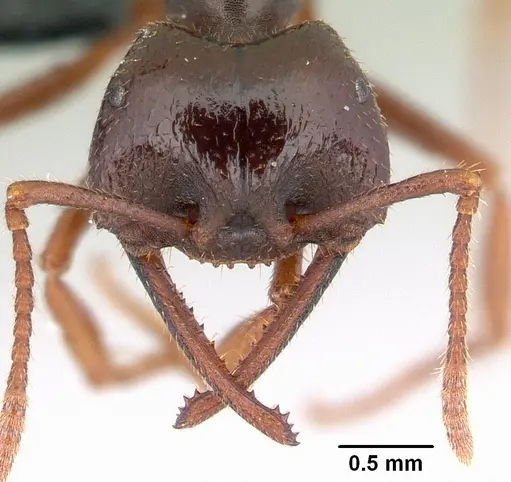
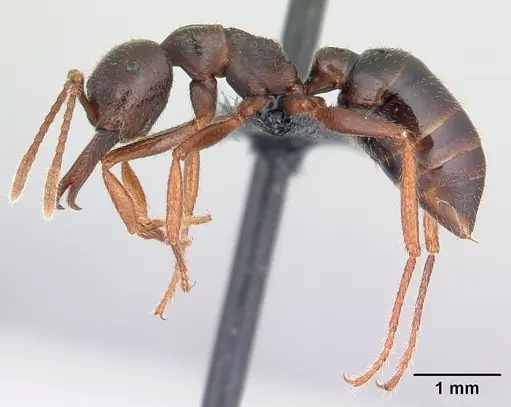
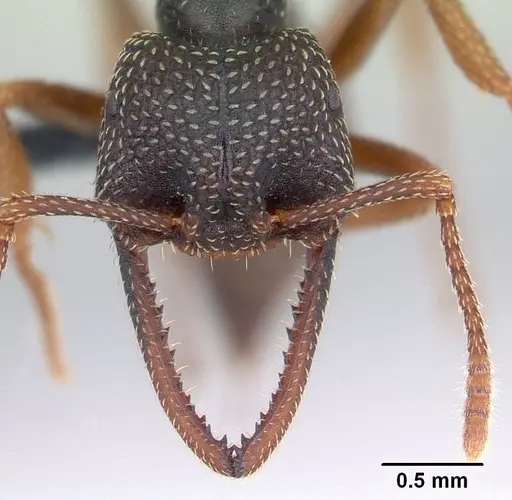
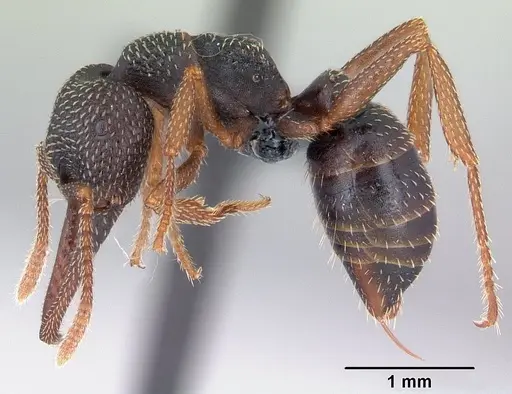
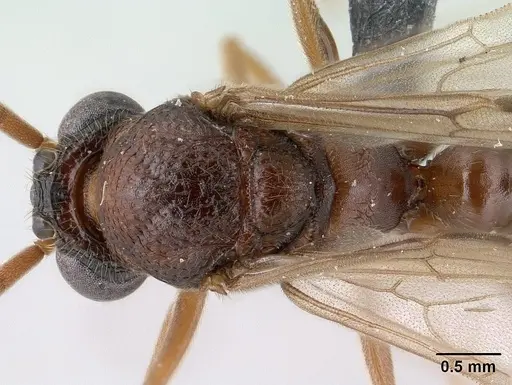
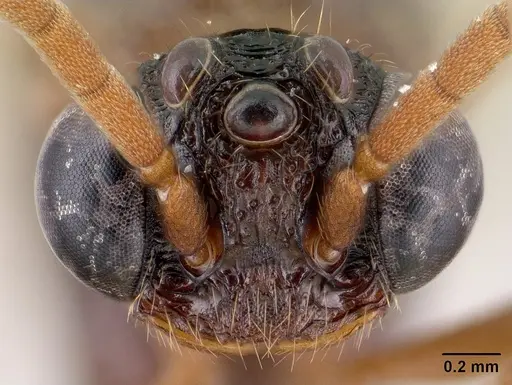
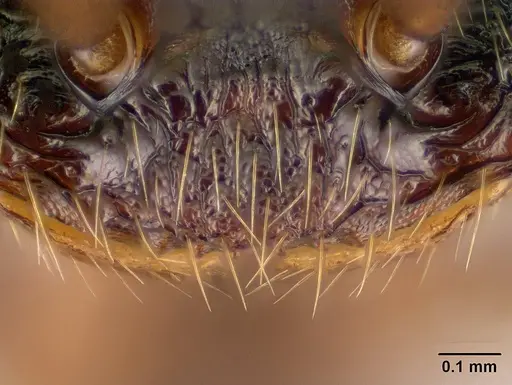
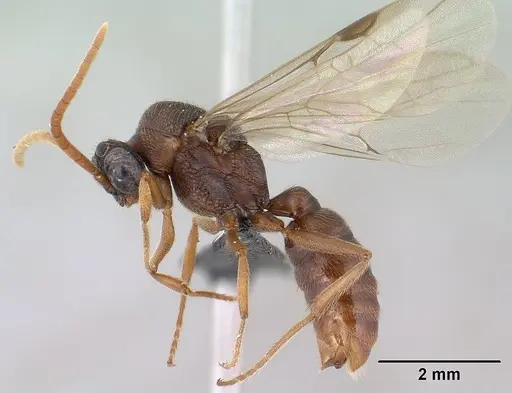
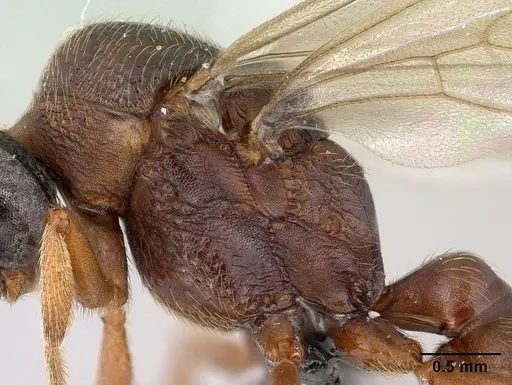
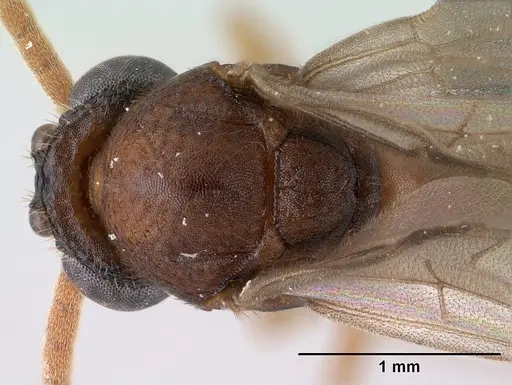
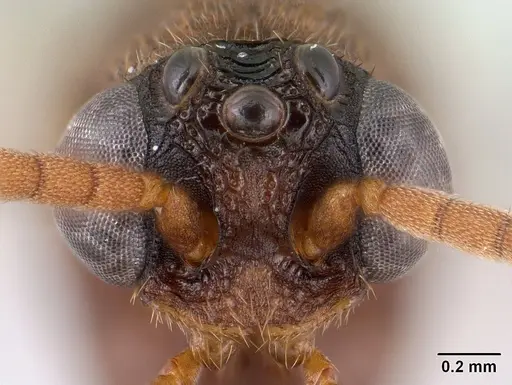
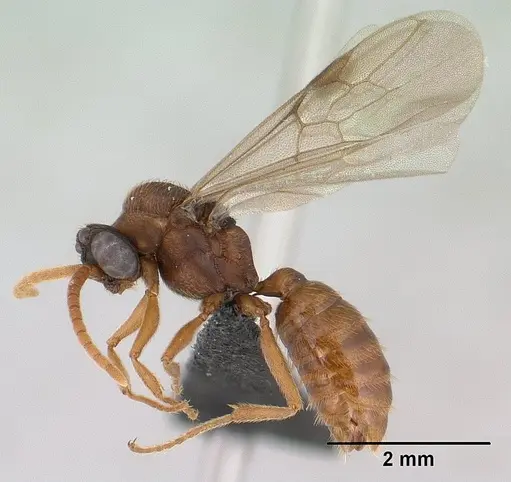
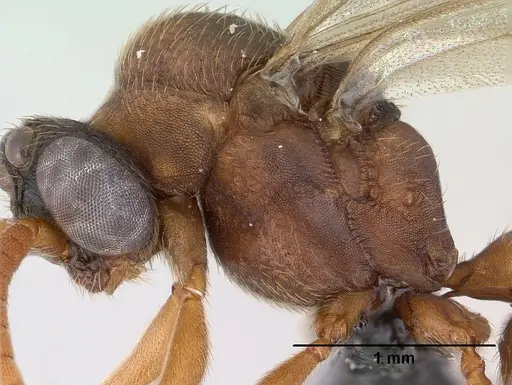
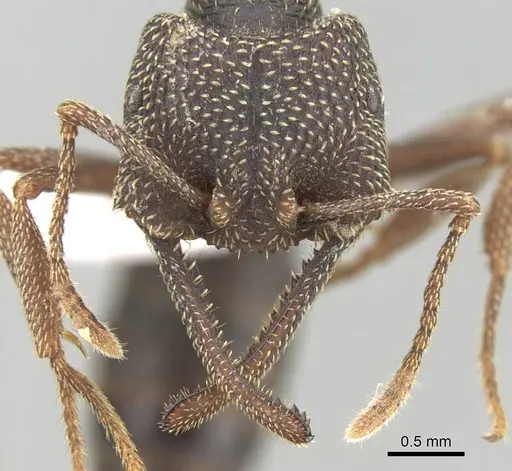
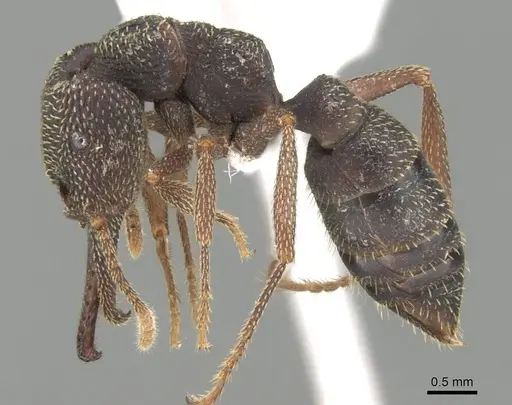
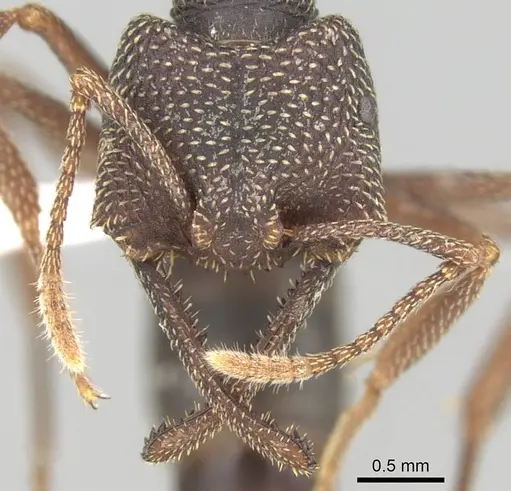
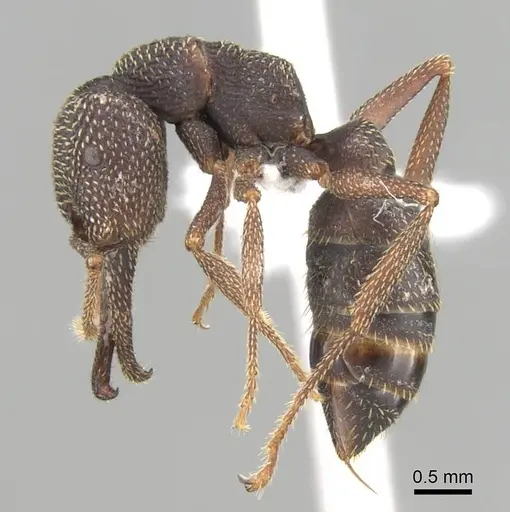
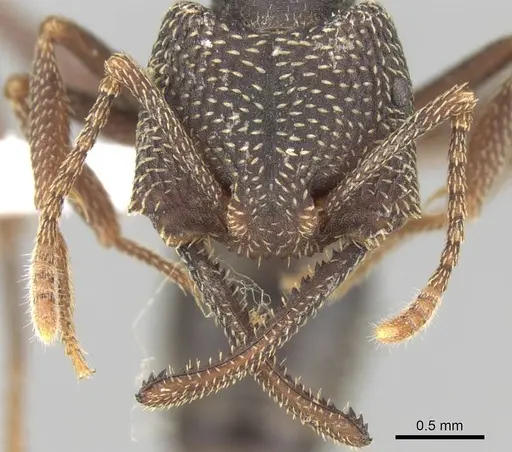
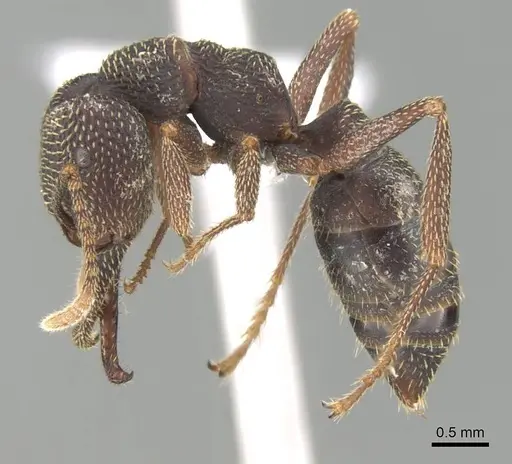
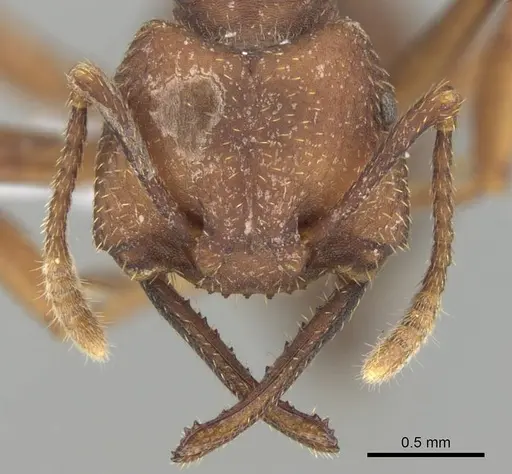
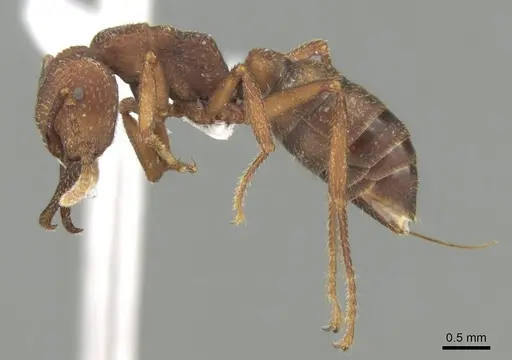
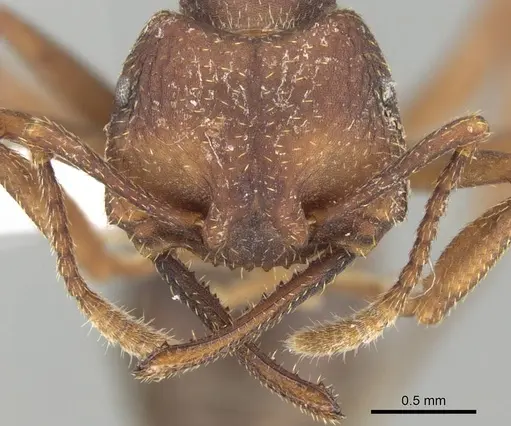
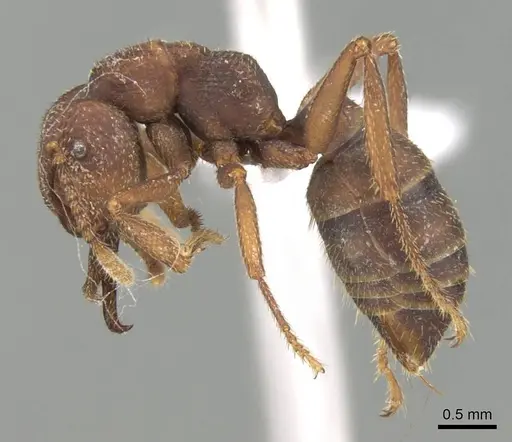
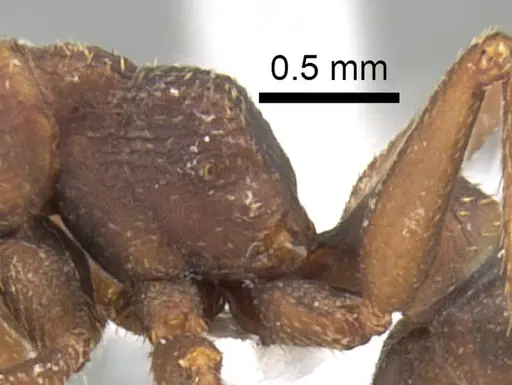
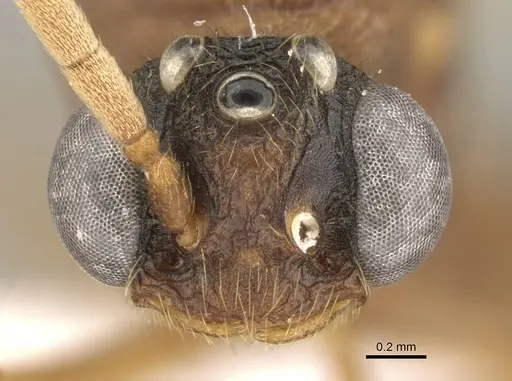
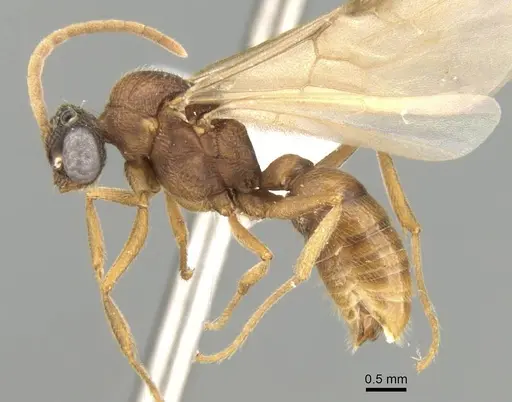
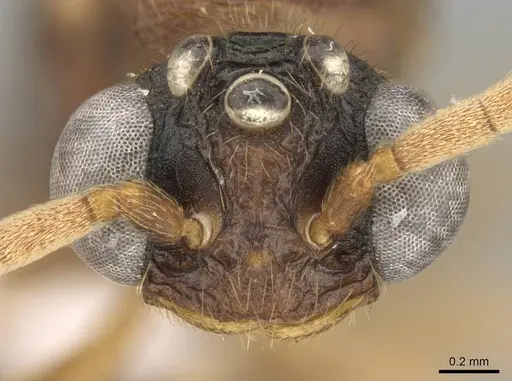
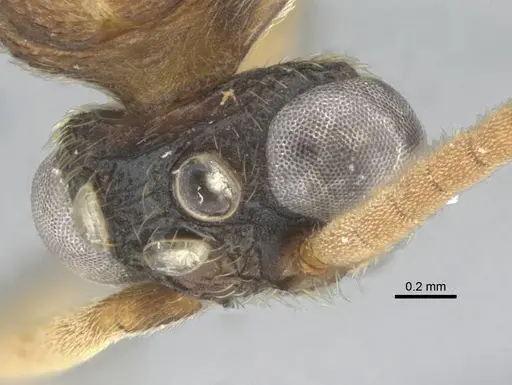
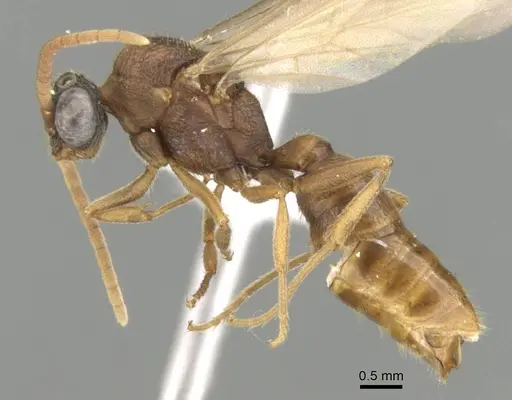
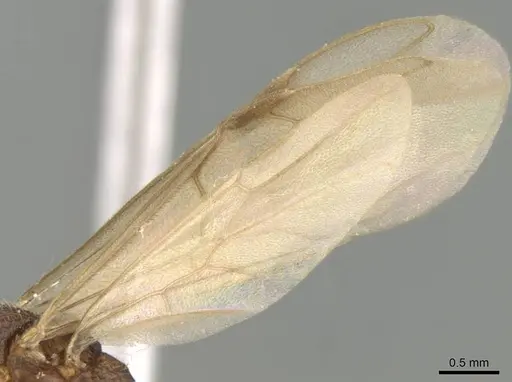
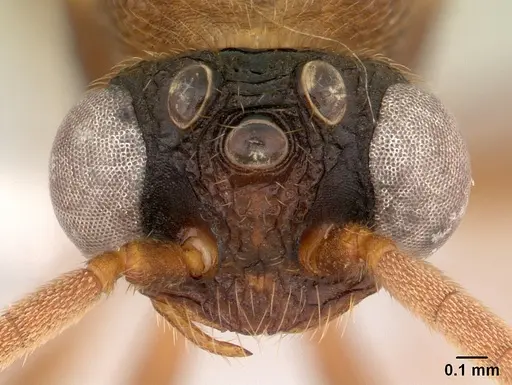
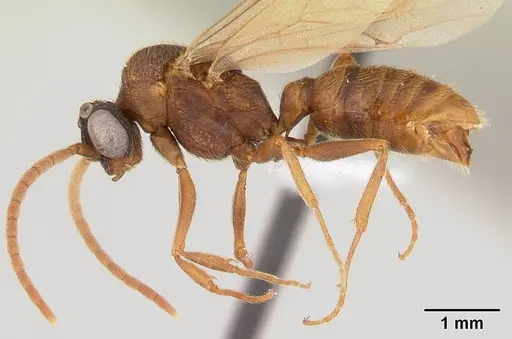
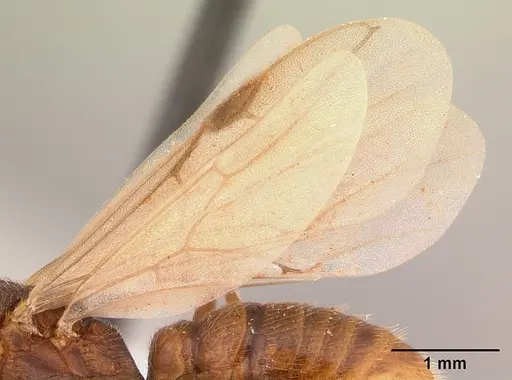
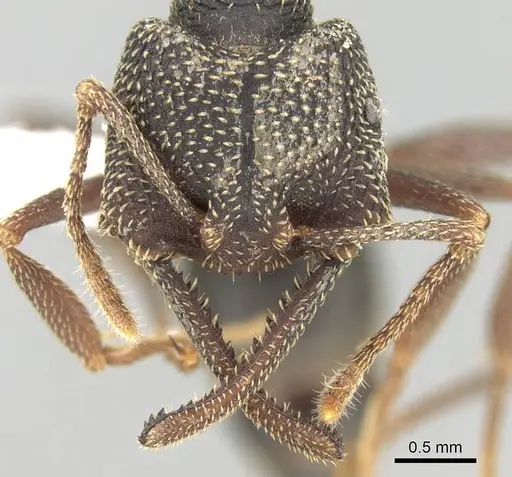
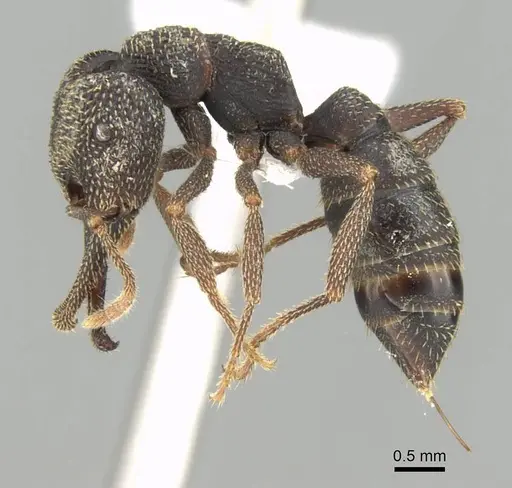
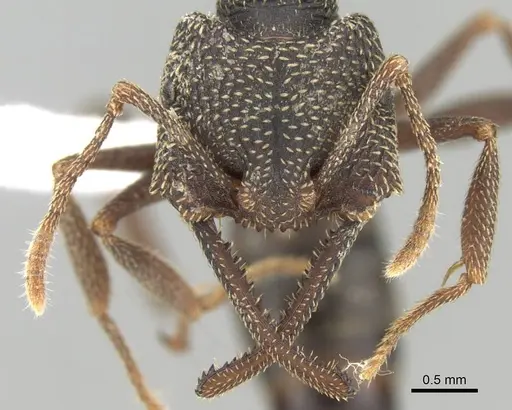
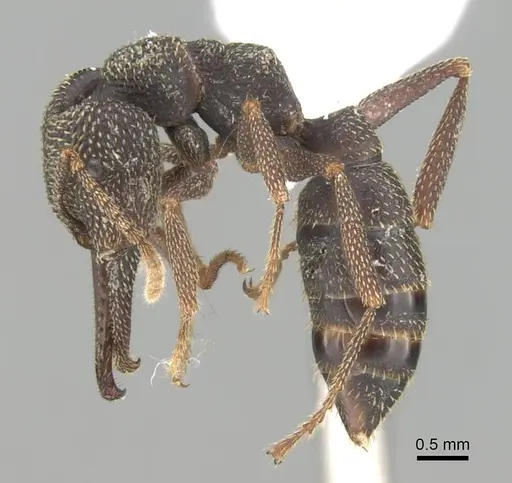
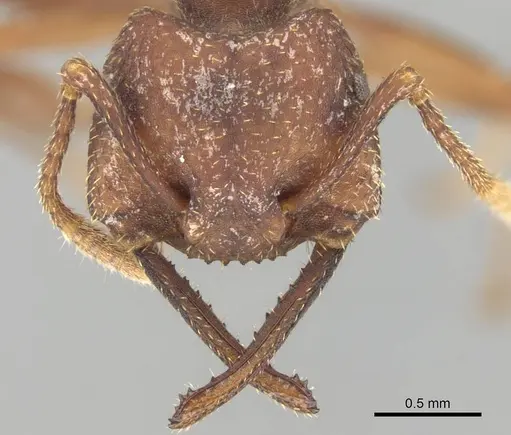
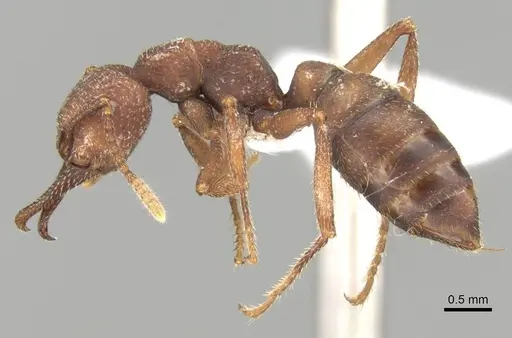
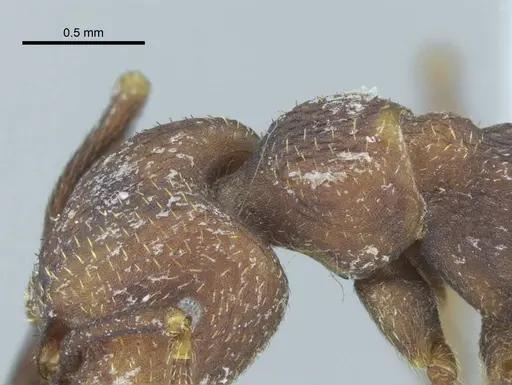
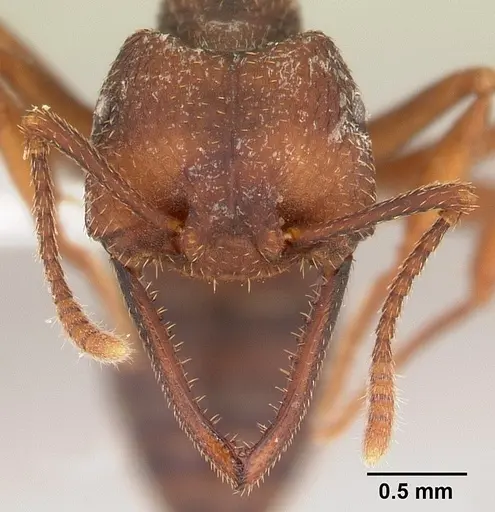
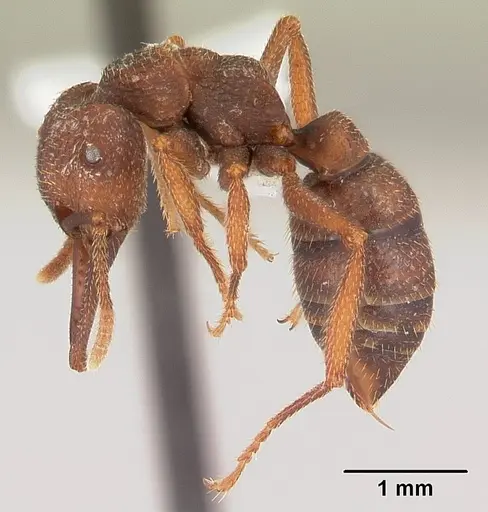
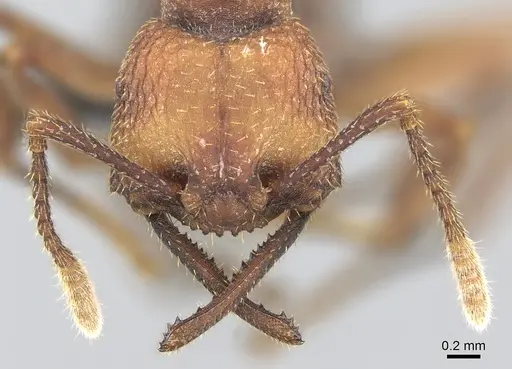
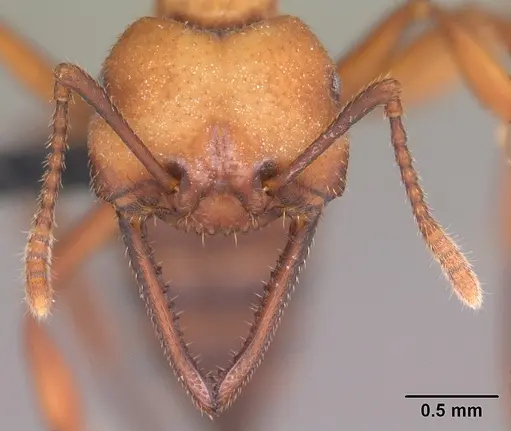
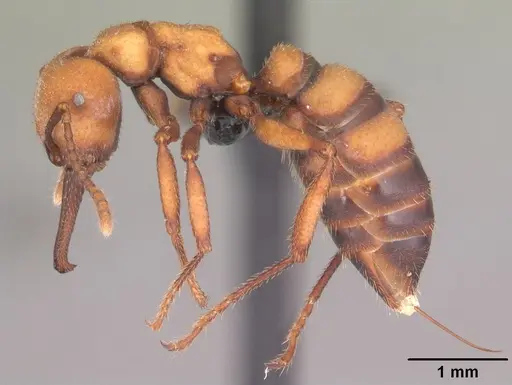
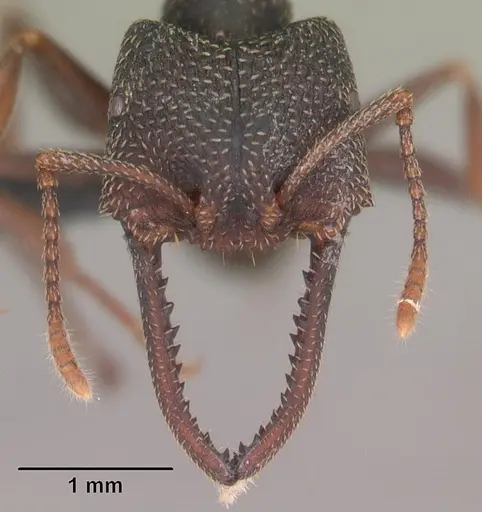
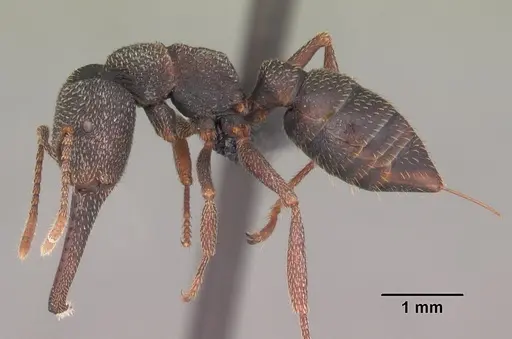
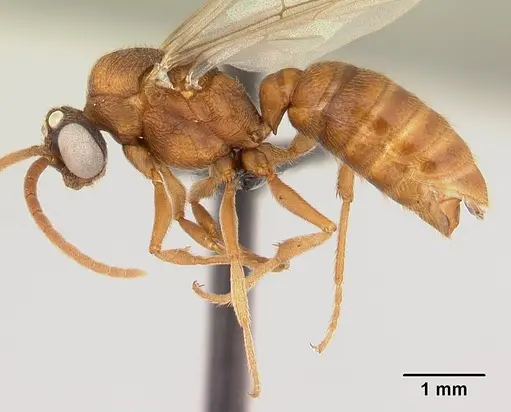
Mystrium mirror is a small to medium-sized ant species endemic to Madagascar, belonging to the Amblyoponinae subfamily, commonly known as Dracula ants due to their unique feeding behavior. Workers measure 1.16-2.06mm in head width and display a reddish brown to dark brown coloration with distinctive longitudinal striae on the pronotum [1]. This species is notable for its ergatoid queens, wingless reproductives that are similar in size to workers, with wings typically reduced to vestigial appendages or completely absent [1]. The species name 'mirror' reflects its remarkable intraspecific variation, which can confuse observers like a magic mirror reflecting different views [1].
Quick Summary
- Difficulty: Medium
- Origin & Habitat: Mystrium mirror is found exclusively in Madagascar, particularly in western and northern regions including tropical dry forests, gallery forests, and spiny forest habitats [1][2]. The species has been collected from locations such as Kirindy Mite, Ankarafantsika, Tsingy de Bemaraha, and other protected areas across the island's dry western zone.
- Colony Type: Ergatoid queen system, queens are wingless (ergatoid) and similar in size to workers, with wings typically vestigial or absent. Colony structure is unconfirmed, the presence of ergatoid replacement reproductives may allow for functional monogyne colonies with queen replacement if the primary queen dies [1].
- Size & Growth:
- Queen: 1.17-1.83mm head length (ergatoid queen) [1]
- Worker: 1.16-1.91mm head length [1]
- Colony: Unknown, likely moderate-sized colonies typical of Amblyoponinae
- Growth: Unknown, estimated moderate based on genus
- Development: Unknown, estimated 6-10 weeks based on related Amblyoponinae species (No specific development data available for this species. Estimates based on typical Amblyoponinae development patterns.)
- Antkeeping:
- Temperature: Keep at 22-26°C, this matches their tropical dry forest origin in Madagascar. A gentle gradient allowing warmer and cooler areas is recommended.
- Humidity: Moderate humidity (50-70%). These ants inhabit dry forests, so avoid overly damp conditions. Provide a moisture gradient with a damp section and a drier section for workers to self-regulate.
- Diapause: No, as a tropical species from Madagascar, they do not require hibernation. Maintain consistent temperatures year-round.
- Nesting: In nature, they nest in soil or under stones in dry forest habitats. In captivity, a Y-tong or plaster nest with moderate moisture works well. Provide a shallow foraging area. Avoid overly humid conditions that can cause mold.
- Behavior: Mystrium mirror workers are moderately active foragers. As Dracula ants, they likely have the characteristic behavior of feeding on hemolymph (insect blood) from prey rather than consuming whole insects. They are not aggressive toward keepers but will defend their nest. Escape risk is moderate due to their small size, use standard barrier methods. Their large compound eyes suggest active visual foraging.
- Common Issues: tropical species requires consistent warmth, cold drafts can stress or kill colonies, ergatoid queens are fragile and may be rejected by workers if introduced improperly, small colony size means slow growth, patience is required during founding phase, dry forest origin means they can die from excessive humidity and mold, limited availability in the antkeeping hobby due to specialized distribution
Housing and Nest Setup
Mystrium mirror does well in small to medium-sized nests. A Y-tong (acrylic) nest or plaster nest with moderate humidity works best. These ants come from dry forests in Madagascar, so avoid overly damp conditions that lead to mold. Provide a shallow outworld for foraging, a small plastic box or container works fine. Since workers are only around 2mm in length, ensure any connections between nest and outworld are smooth and appropriately sized. A test tube setup can work for founding colonies, but transfer to a proper nest once the colony reaches 20-30 workers. [1][2]
Feeding and Diet
As Dracula ants, Mystrium mirror likely engages in the characteristic Amblyoponinae behavior of puncturing prey and feeding on hemolymph (the fluid inside insect bodies) rather than consuming entire insects. Offer small live prey such as fruit flies, pinhead crickets, and small mealworms. You may observe workers puncturing prey and feeding without consuming the entire insect. Sugar sources like honey or sugar water may be accepted, but protein-rich prey should be the primary food. Feed small amounts 2-3 times per week and remove uneaten prey within 24 hours to prevent mold.
Temperature and Seasonal Care
Maintain temperatures between 22-26°C year-round. These are tropical ants from Madagascar and do not experience cold winters in their native habitat. Room temperature is often suitable, but you may need a heating cable on one side of the nest during cooler months. Avoid placing the nest near air conditioning vents or drafty windows. No hibernation or diapause is required, keep temperatures consistent throughout the year. A temperature gradient allows workers to self-regulate their body temperature. [1][2]
Colony Dynamics and Ergatoid Queens
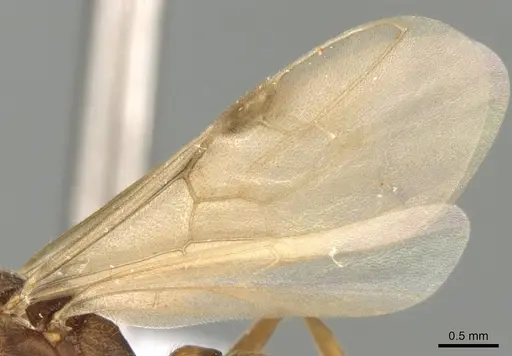
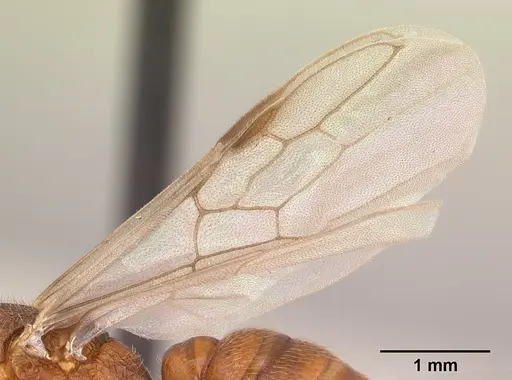
Mystrium mirror has ergatoid queens, this means the queens are born without wings and look very similar to workers, just slightly larger. Their wings are typically vestigial (tiny, non-functional bumps) or completely absent [1]. This is different from typical ants where queens have large wings during their nuptial flight. Ergatoid queens can mate on the ground and immediately start a colony without flying. In the colony, ergatoid queens may serve as replacement reproductives if the primary queen dies, this gives the colony resilience. When keeping this species, understand that you may receive a colony with a wingless queen that looks very similar to the workers.
Behavior and Temperament
Workers are moderately active and not particularly aggressive toward keepers. They will defend their nest if threatened but are not prone to mass attacks. Their large eyes suggest they may use visual cues when foraging. The species shows remarkable variation in body sculpture, some individuals lack the characteristic striae and have a shiny pronotum [1]. This variation is normal and not a sign of poor health. When observing your colony, you may notice size variation among workers, this is typical for the species. Handle any nest disturbances gently to avoid stressing the colony.
Growth and Patience
Antkeepers should expect relatively slow colony growth, especially during the founding phase. A newly mated ergatoid queen may take several months to produce her first workers (nanitics), and the colony may remain small for the first year. This is normal for Amblyoponinae species. Do not overfeed during the founding phase, a few small prey items per week is sufficient. Excessive food can lead to mold that kills developing brood. Once the colony reaches 30-50 workers, growth typically accelerates. Expect to wait 1-2 years for a mature colony.
Frequently Asked Questions
How long does it take for Mystrium mirror to produce first workers?
The exact timeline is unconfirmed for this species, but based on related Amblyoponinae, expect 6-10 weeks from egg to first worker at optimal temperature (around 24°C). The founding phase may take several months before you see nanitics, so patience is essential.
What do Mystrium mirror ants eat?
As Dracula ants, they likely feed primarily on hemolymph from prey. Offer small live prey like fruit flies, pinhead crickets, and small mealworms. They may accept sugar sources like honey water, but protein-rich prey should be their main food.
Do Mystrium mirror ants sting?
Amblyoponinae ants can sting, but their stings are not medically significant to humans. Given their small size (workers around 2mm), their sting is likely too weak to penetrate human skin. They are not considered dangerous.
Can I keep multiple Mystrium mirror queens together?
Colony structure is unconfirmed for this species. Ergatoid queens may have replacement roles within established colonies, but combining unrelated foundresses has not been documented. It is not recommended to house multiple unrelated queens together.
What temperature do Mystrium mirror ants need?
Keep them at 22-26°C. These tropical ants from Madagascar need consistent warmth. Room temperature is often suitable, or use a heating cable on one side of the nest to maintain warmth during cooler months.
Are Mystrium mirror ants good for beginners?
This species is rated as Medium difficulty. While not the hardest species, they have specific humidity requirements (dry forest habitat) and slow growth that may test beginner patience. Their ergatoid queen system is also less common than typical claustral queens.
Do Mystrium mirror ants need hibernation?
No. As tropical ants from Madagascar, they do not require hibernation or diapause. Maintain consistent temperatures year-round.
How big do Mystrium mirror colonies get?
Exact maximum colony size is unknown. Based on related Amblyoponinae species, colonies likely reach several hundred workers at maturity. Growth is relatively slow, with colonies taking 1-2 years to reach moderate size.
Why are they called Dracula ants?
Amblyoponinae ants, including Mystrium, are called Dracula ants because of their unique feeding behavior, they puncture prey and feed on hemolymph (insect blood) rather than consuming entire insects. This is a specialized feeding strategy within the subfamily.
References

This caresheet is licensed under CC BY-SA 4.0 .
CASENT0002476
View on AntWeb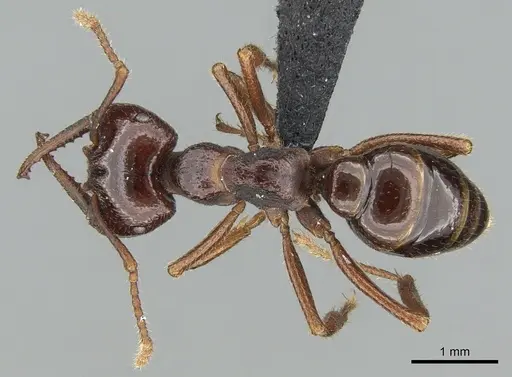
CASENT0002480
View on AntWeb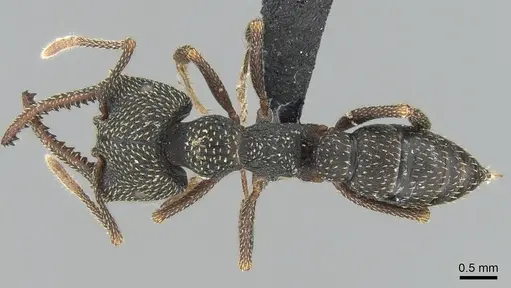
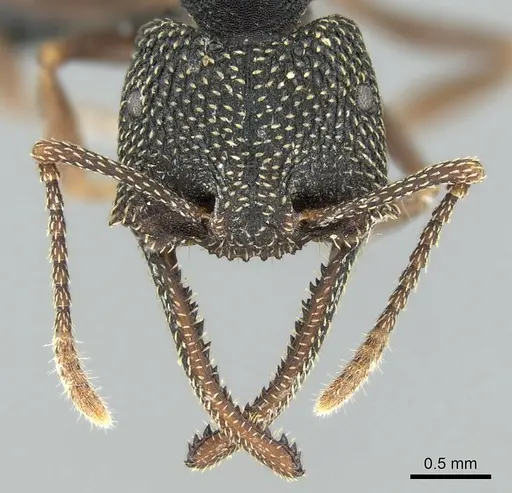
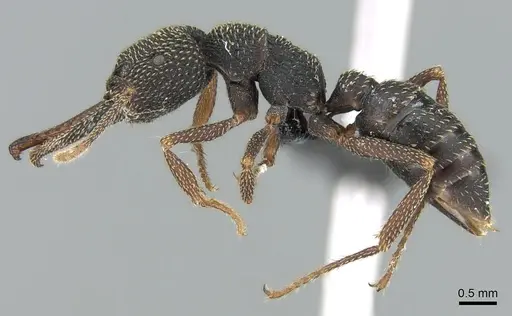
CASENT0006030
View on AntWeb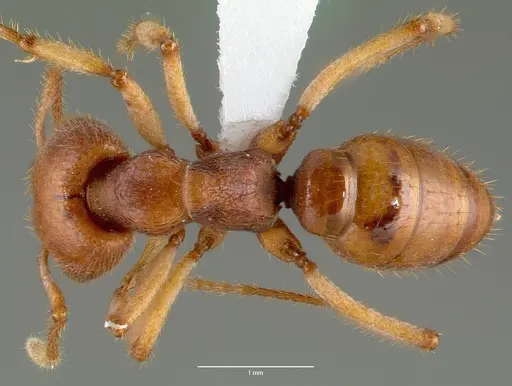
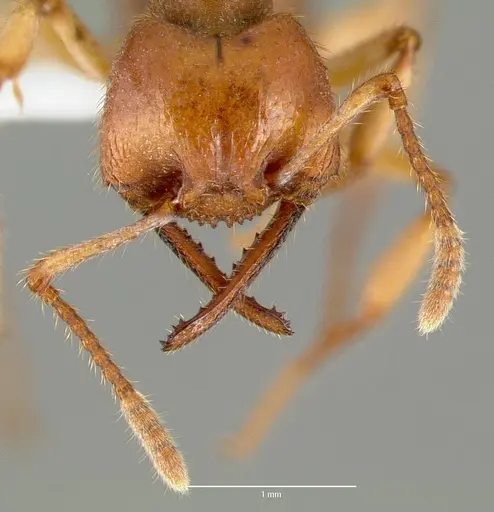
CASENT0121000
View on AntWeb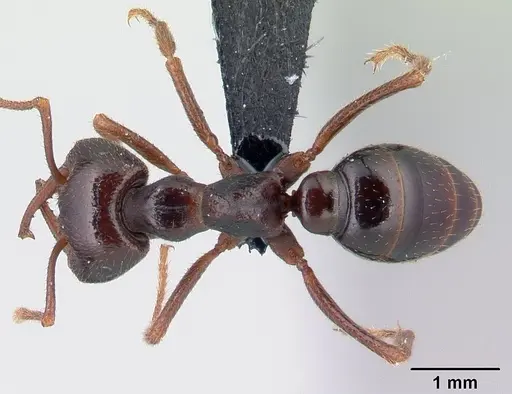
CASENT0121666
View on AntWeb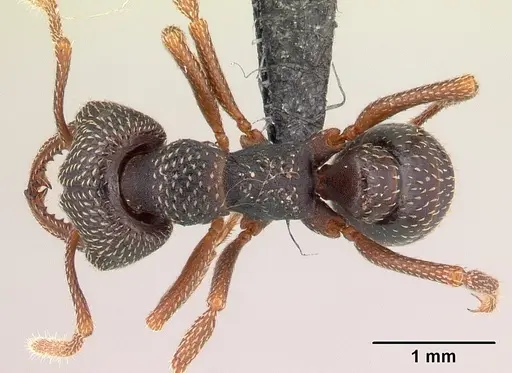
CASENT0134541
View on AntWeb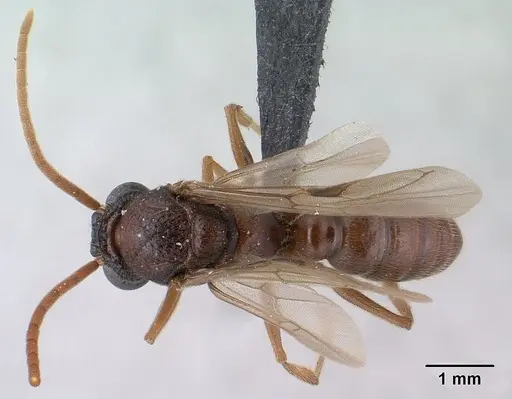
CASENT0144952
View on AntWeb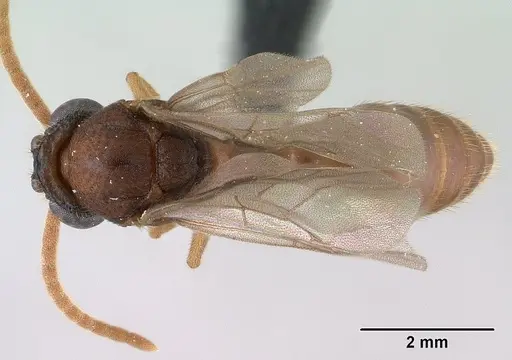
CASENT0317444
View on AntWeb
CASENT0317582
View on AntWeb
CASENT0318935
View on AntWeb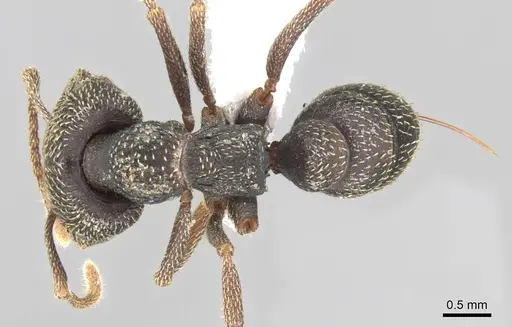
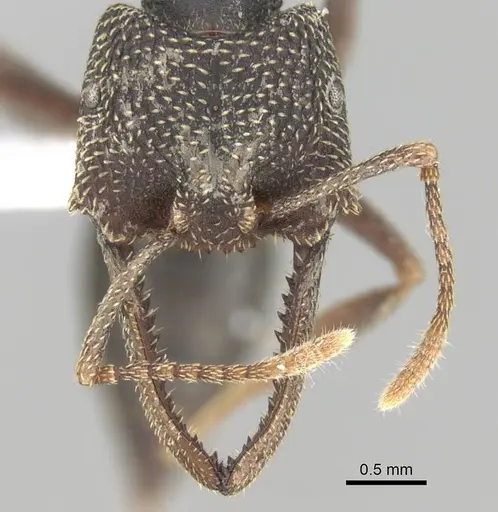
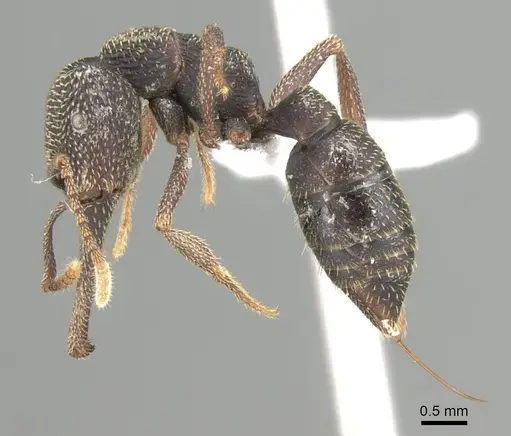
CASENT0318936
View on AntWeb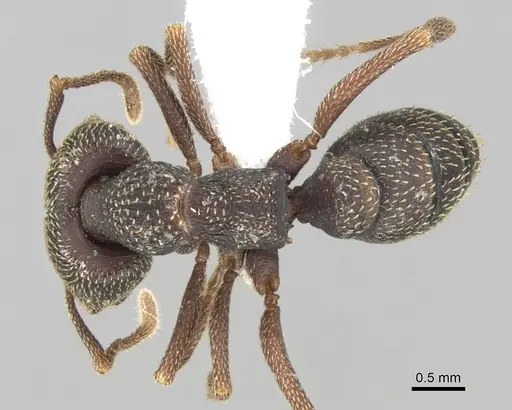
CASENT0318937
View on AntWeb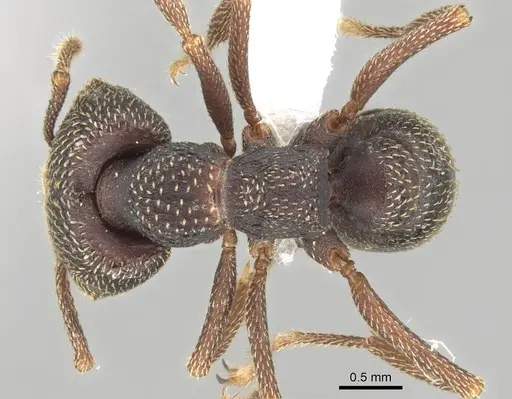
CASENT0318938
View on AntWeb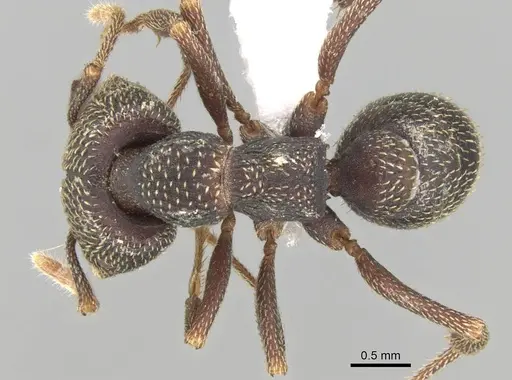
CASENT0318939
View on AntWeb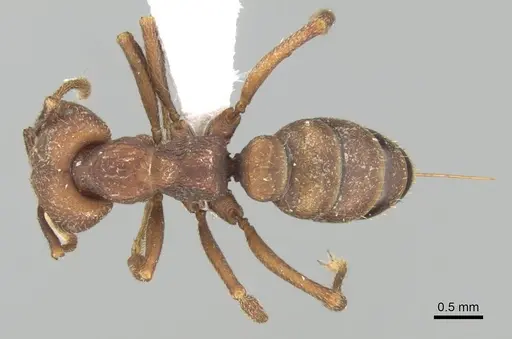
CASENT0318940
View on AntWeb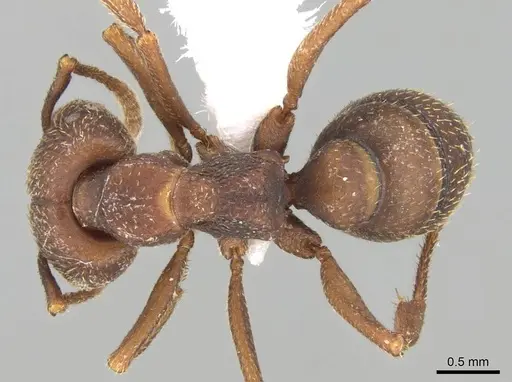
CASENT0318941
View on AntWeb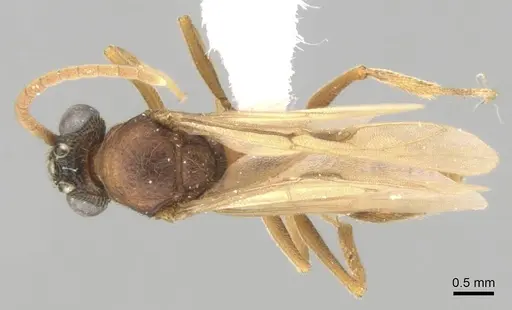
CASENT0318942
View on AntWeb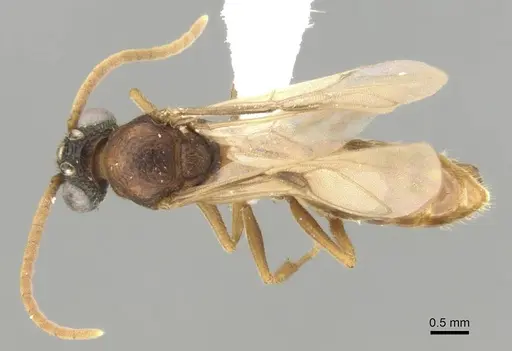
CASENT0429895
View on AntWeb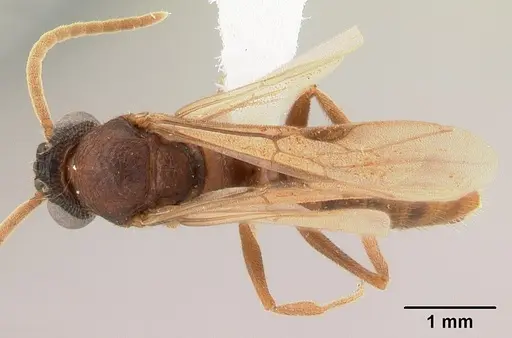
CASENT0429897
View on AntWeb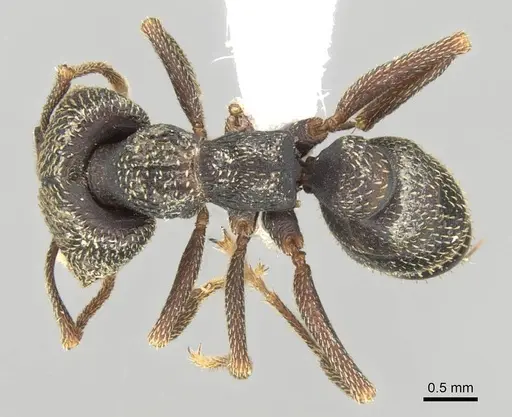
CASENT0429898
View on AntWeb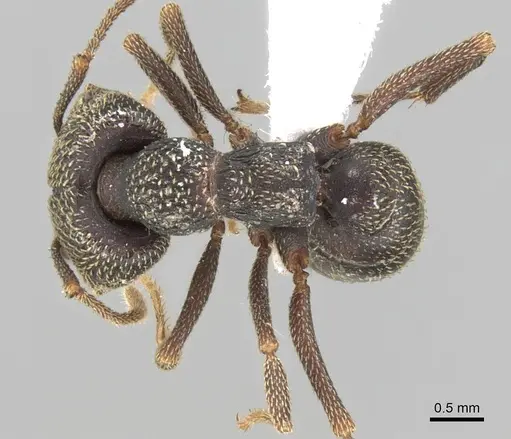
CASENT0429899
View on AntWeb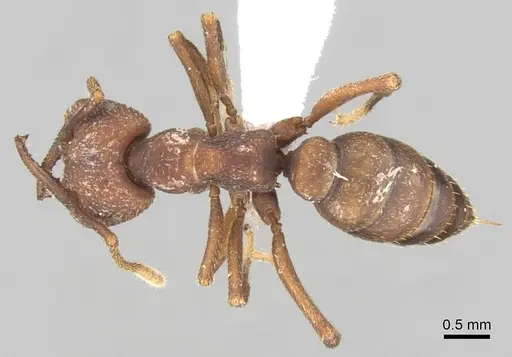
CASENT0429900
View on AntWeb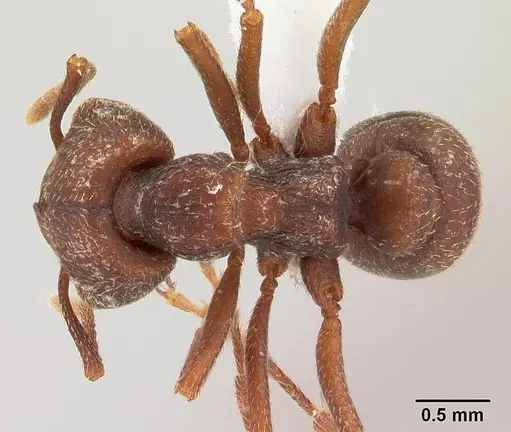
CASENT0489924
View on AntWeb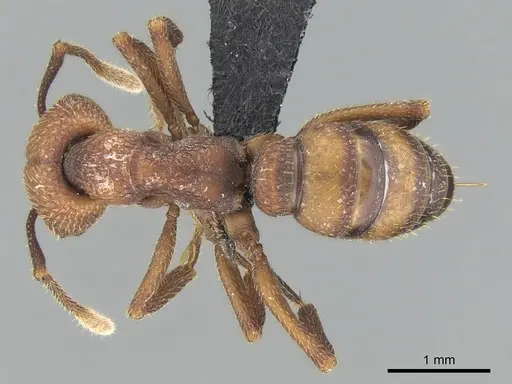
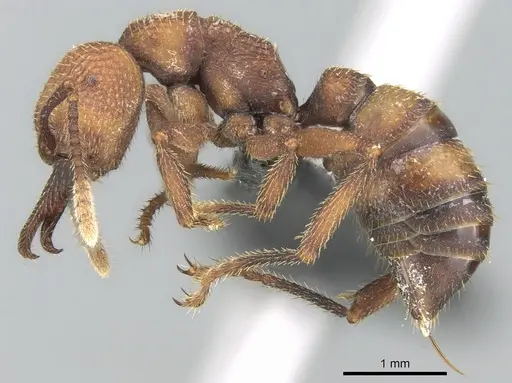
CASENT0489928
View on AntWeb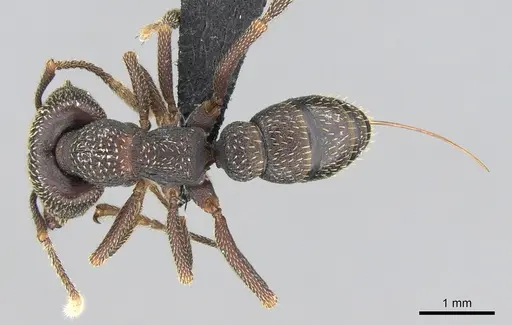
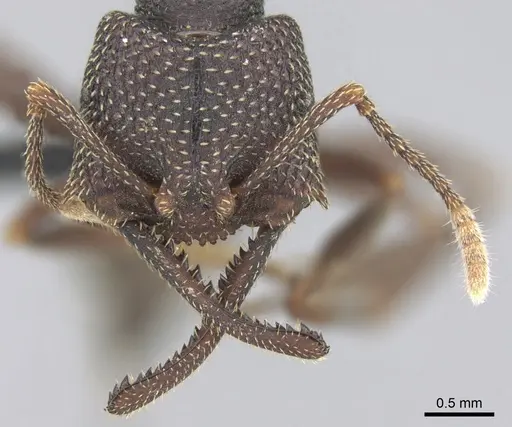
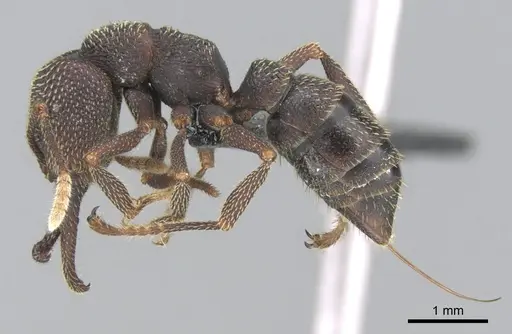
CASENT0492109
View on AntWeb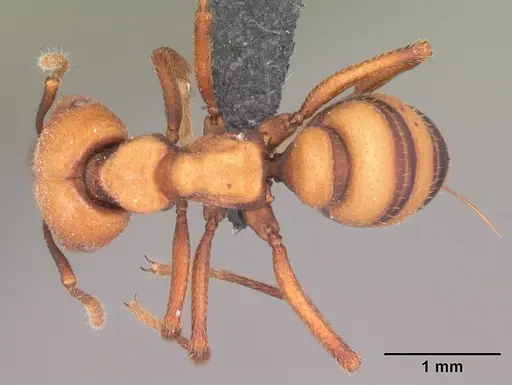
CASENT0492151
View on AntWeb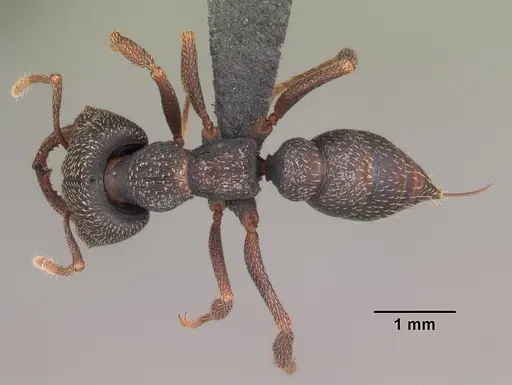
CASENT0492154
View on AntWeb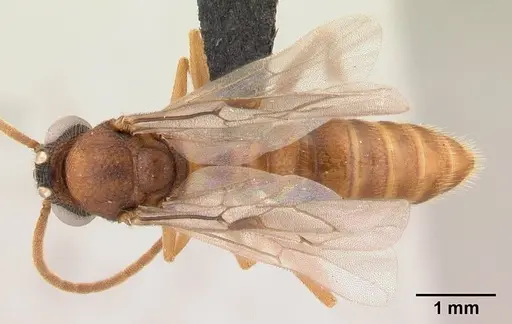
Literature
Loading...Loading products...