

Mystrium camillae
- Scientific Name
- Mystrium camillae
- Tribe
- Amblyoponini
- Subfamily
- Amblyoponinae
- Author
- Emery, 1889
- Distribution
- Found in 9 countries
Mystrium camillae Overview
Mystrium camillae is an ant species of the genus Mystrium. It is primarily documented in 9 countries , including Australia, Brunei Darussalam, China. Detailed taxonomic data and occurrence records can be further explored via authoritative databases such as AntWeb or the Global Biodiversity Information Facility (GBIF).
Mystrium camillae
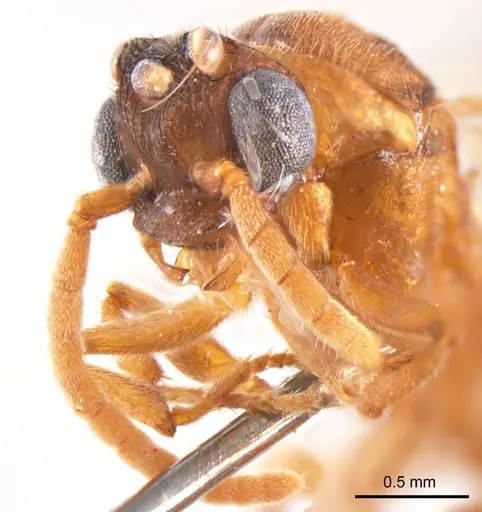
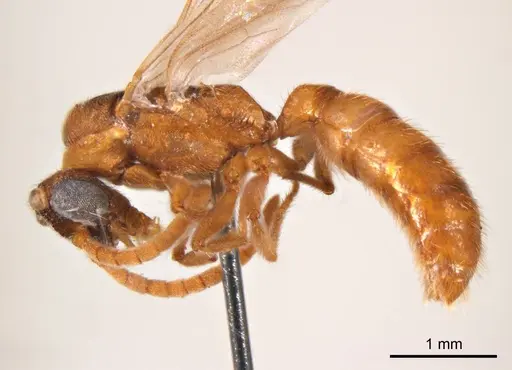
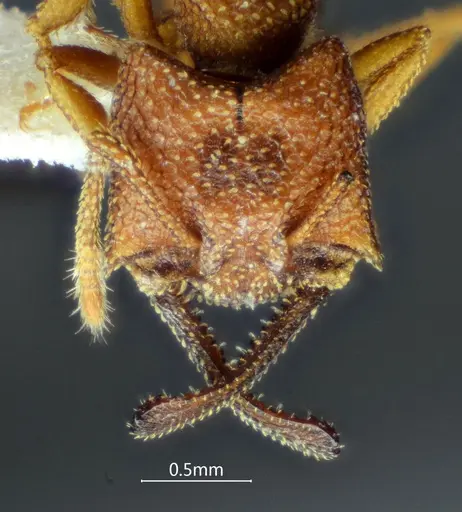
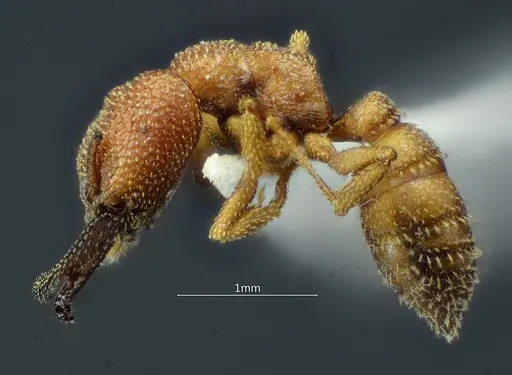
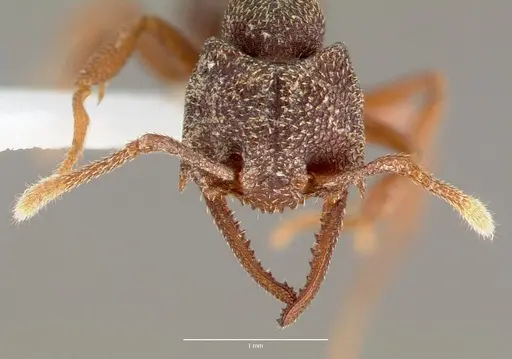
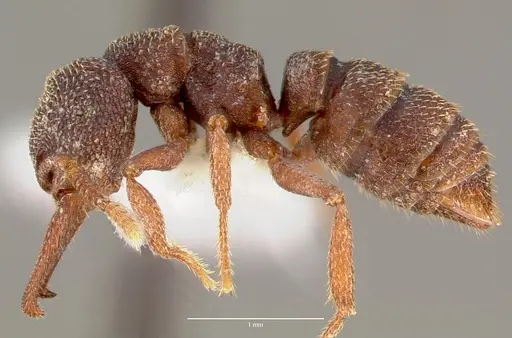
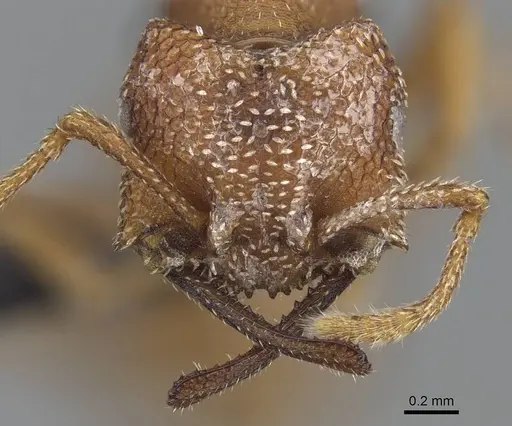
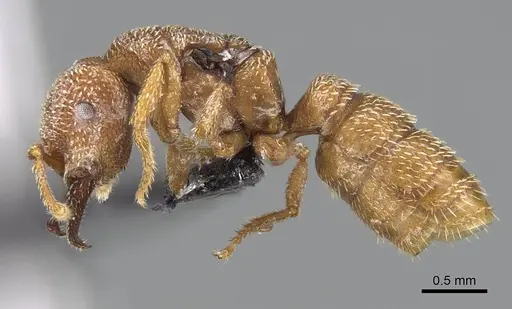
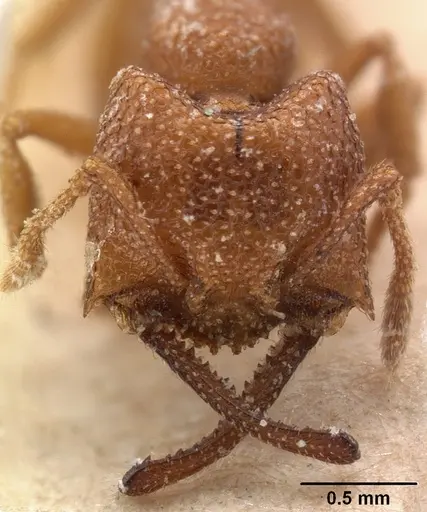
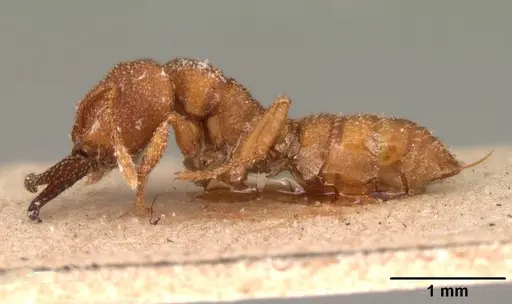
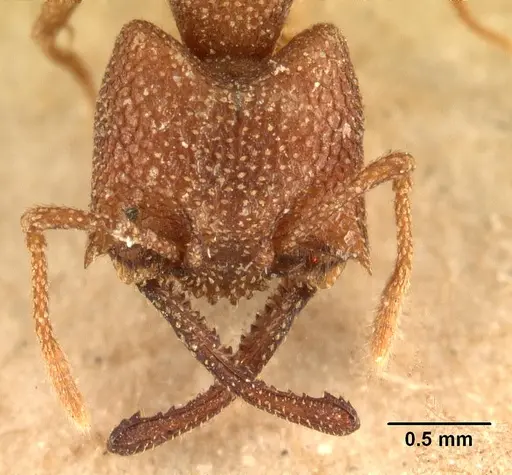
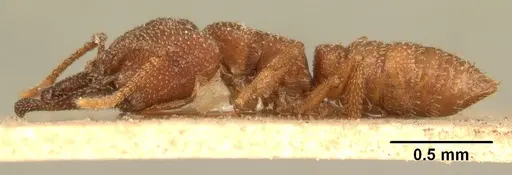
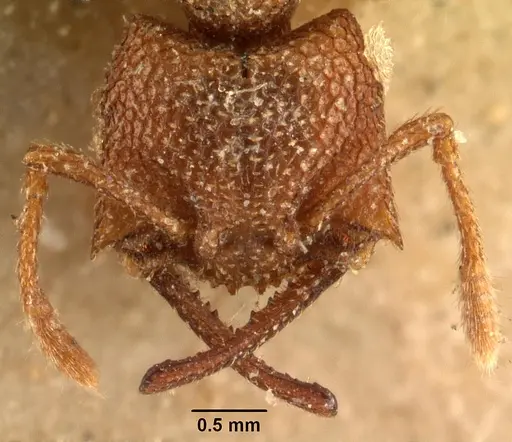
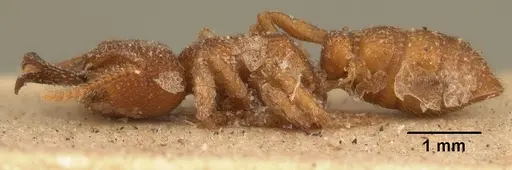
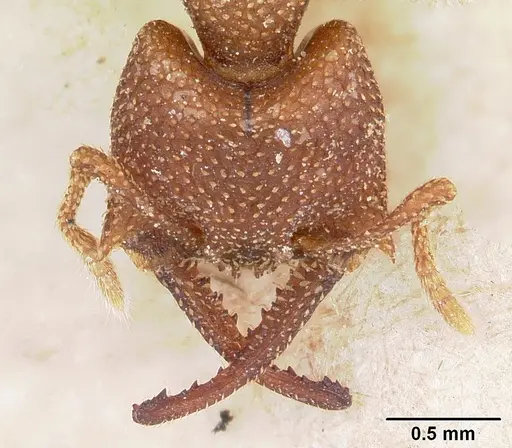
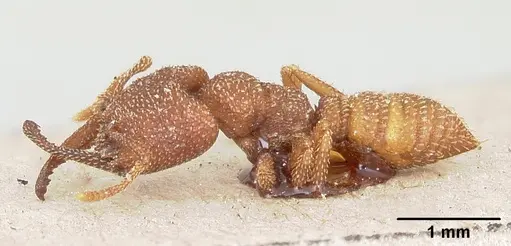
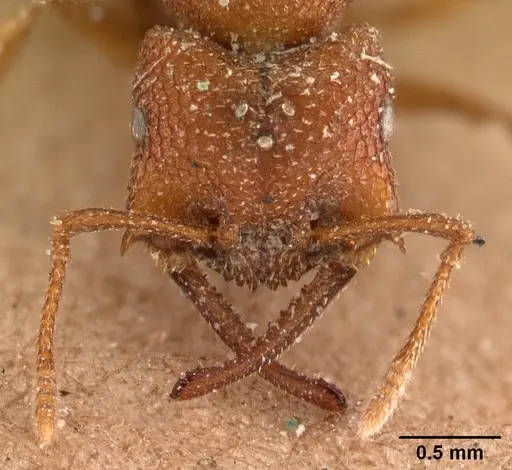
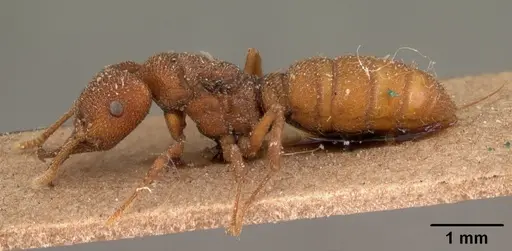
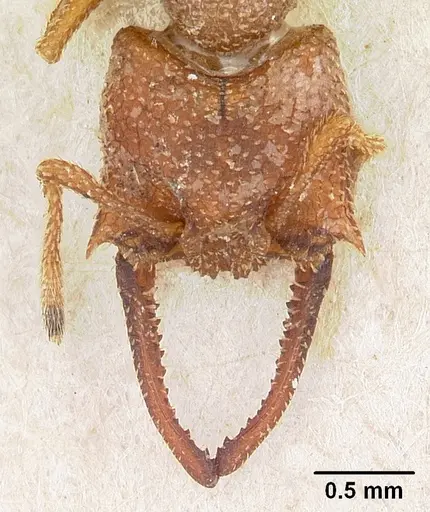
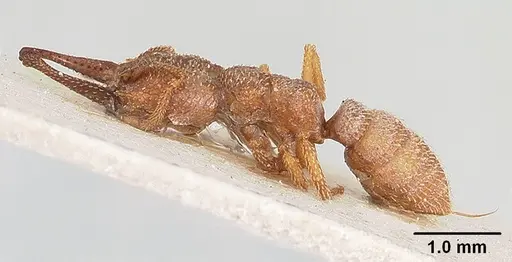
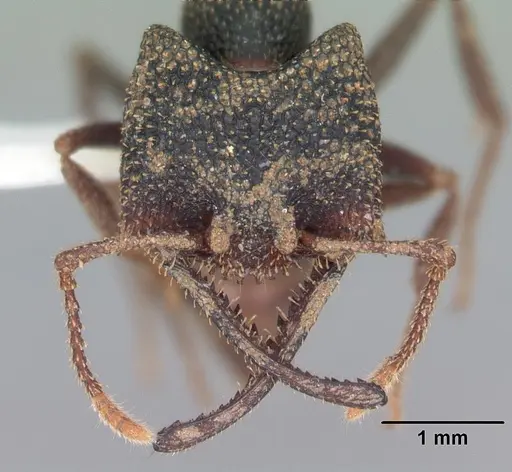
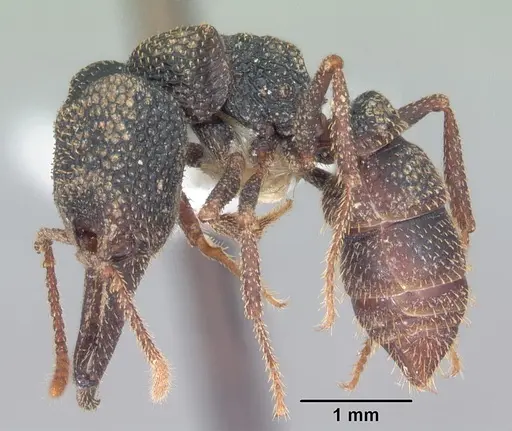
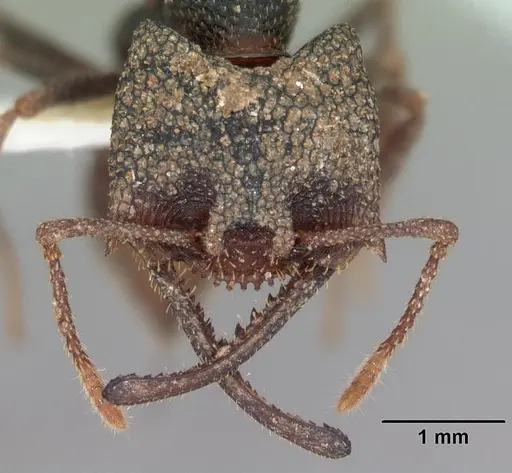
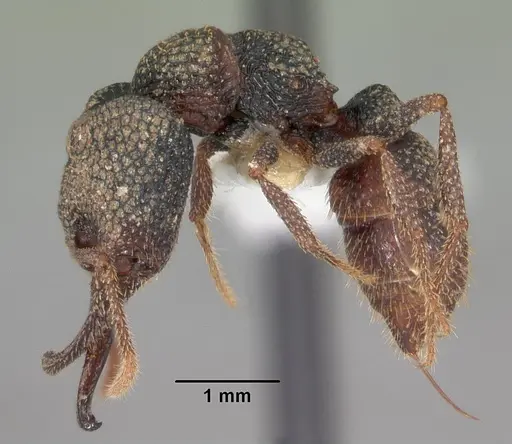
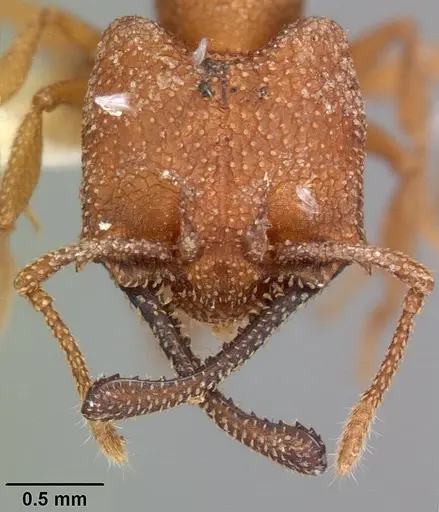
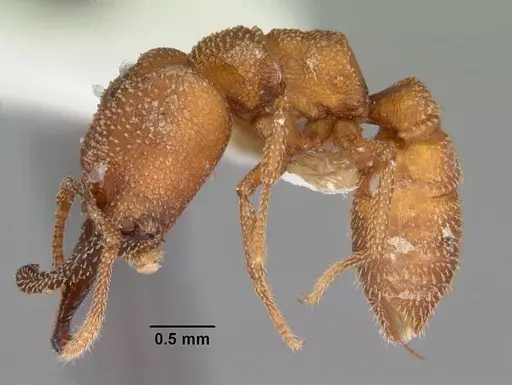
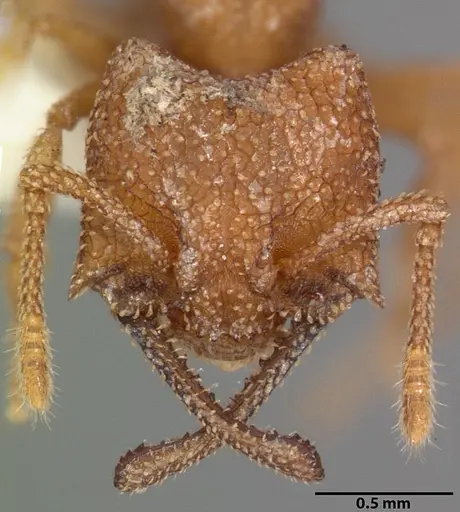
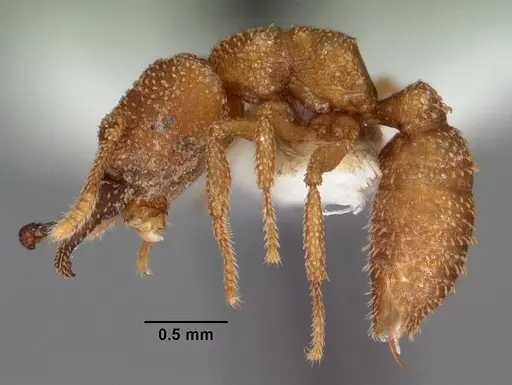
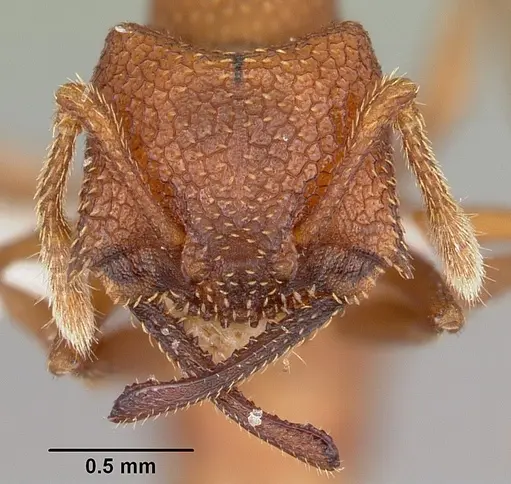
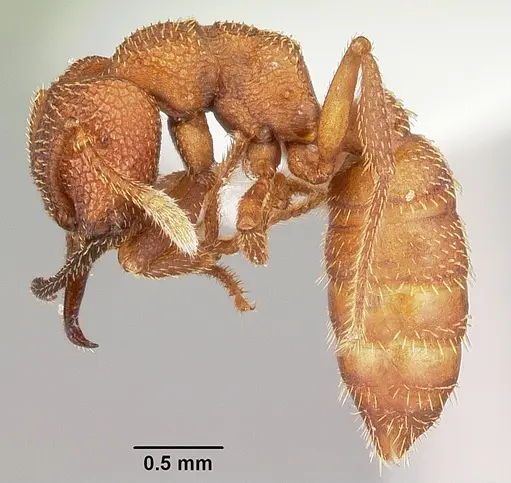
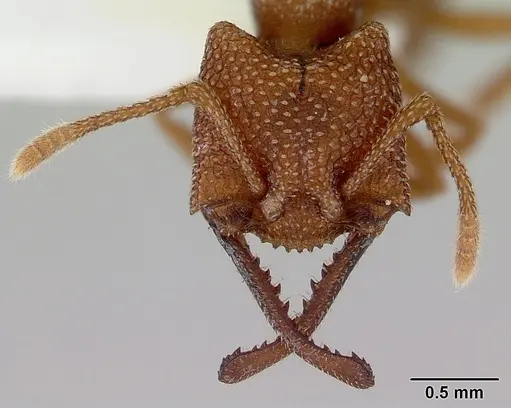
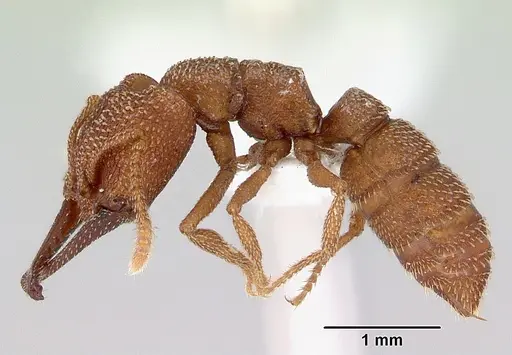
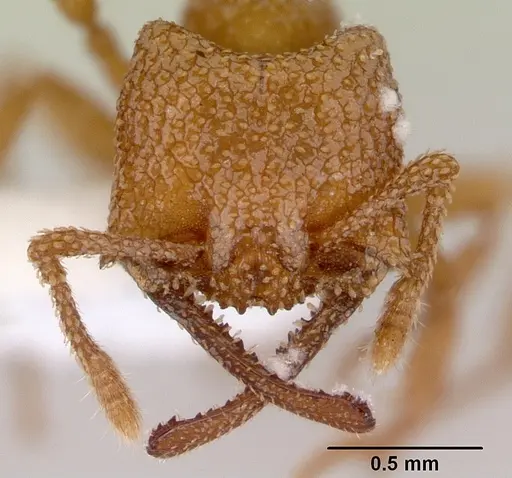
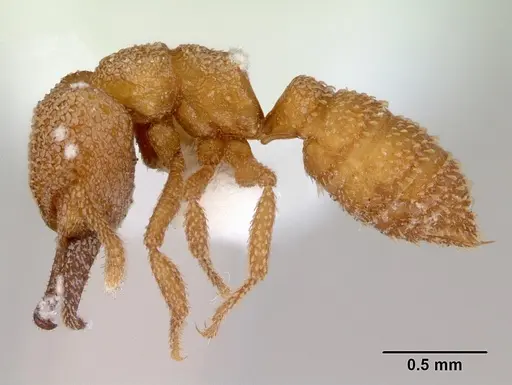
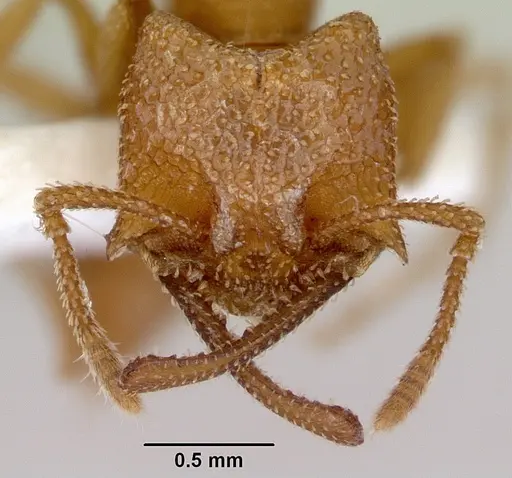
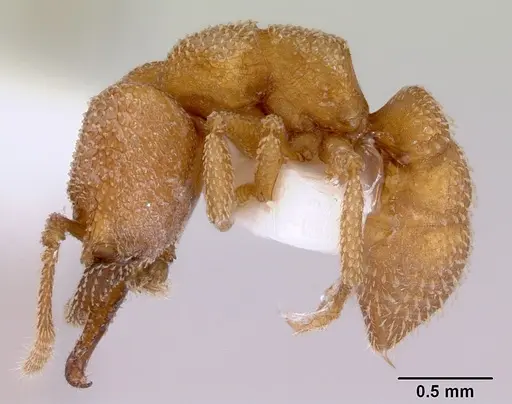
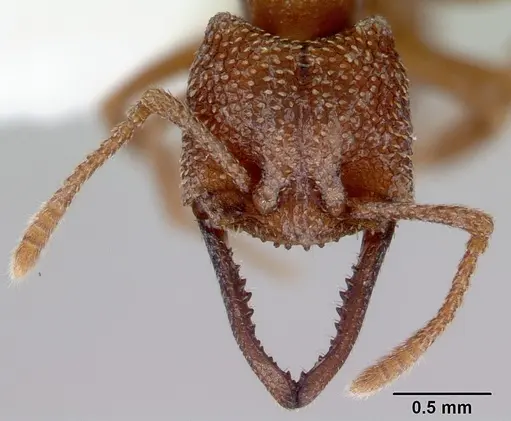
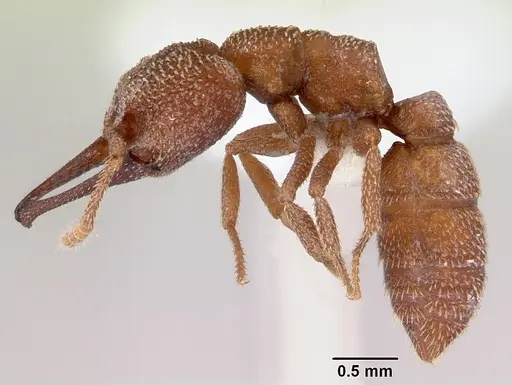
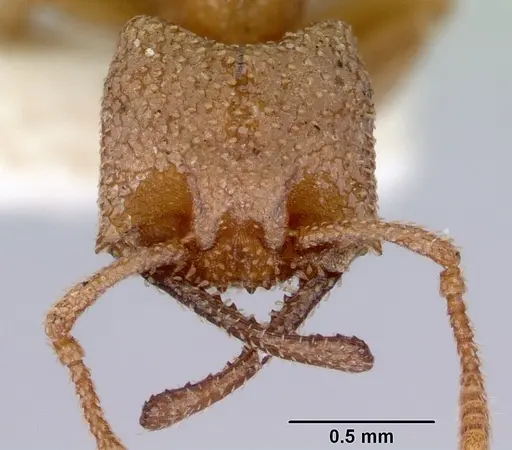
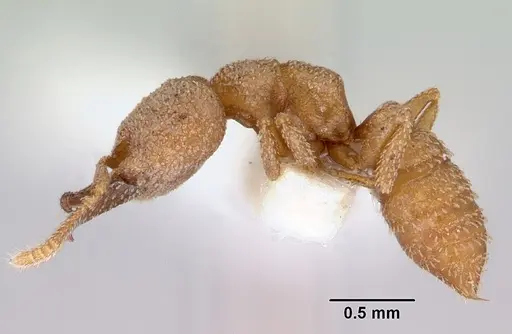
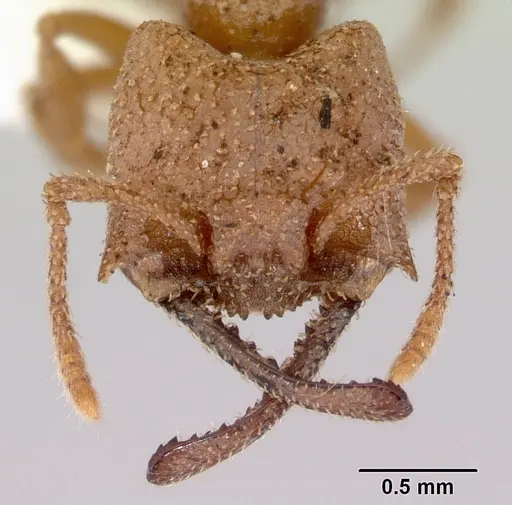
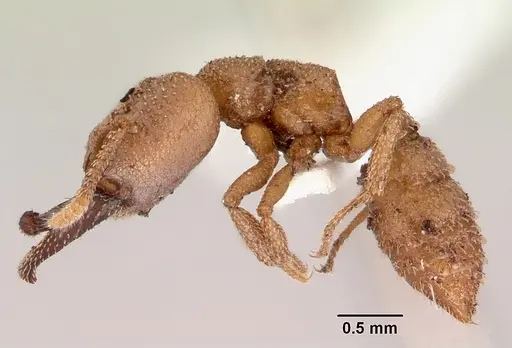
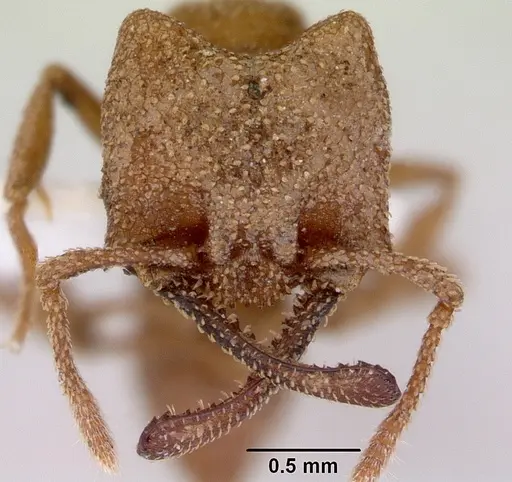
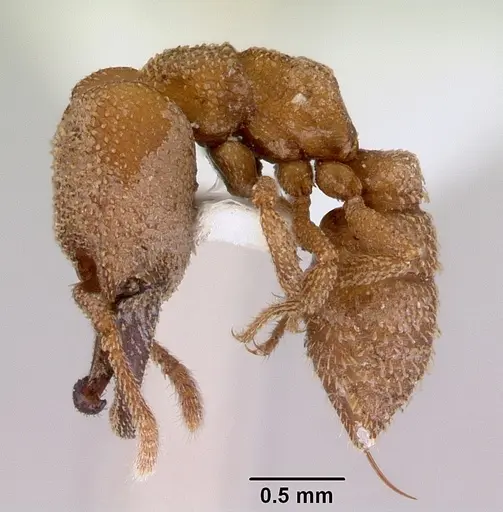
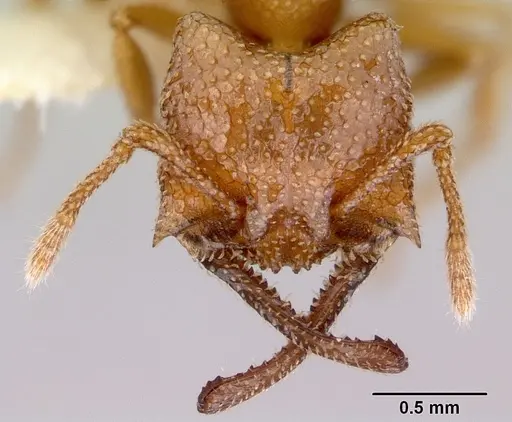
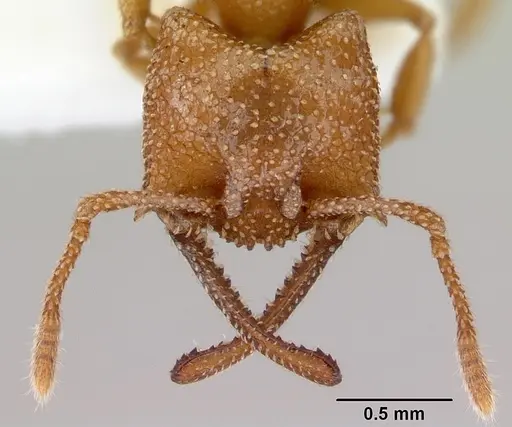
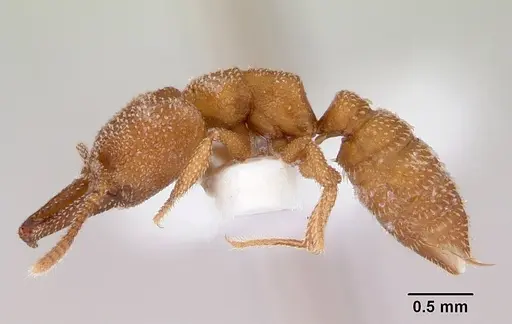
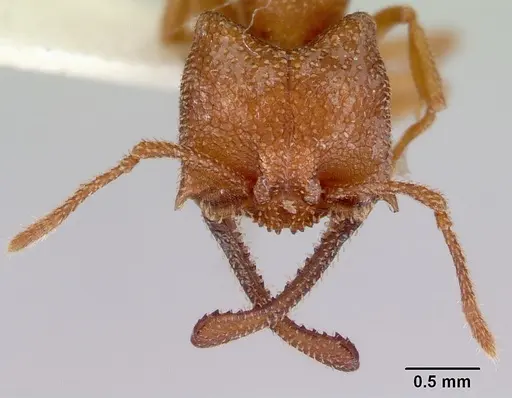
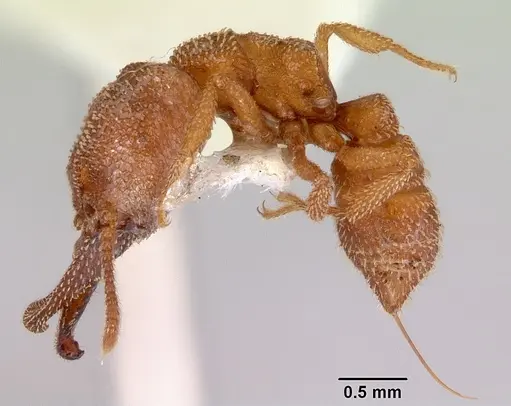
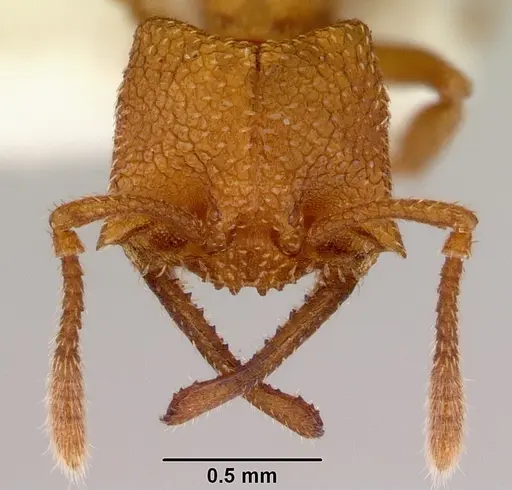
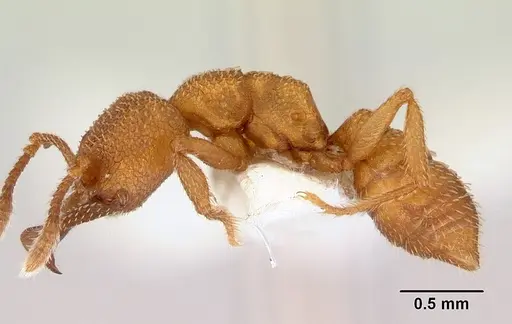
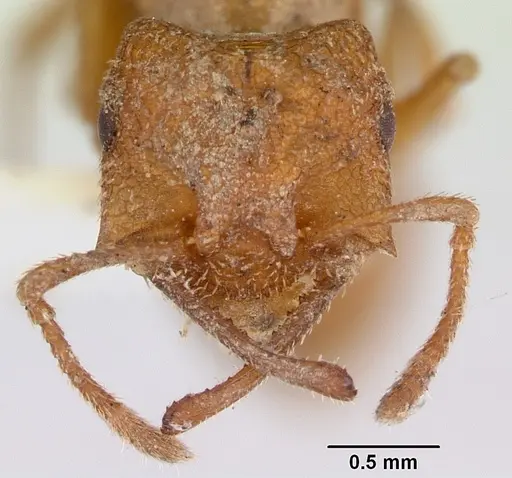
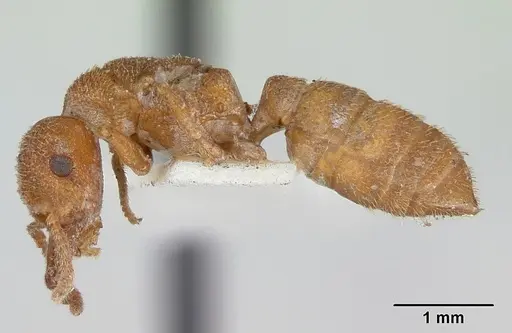
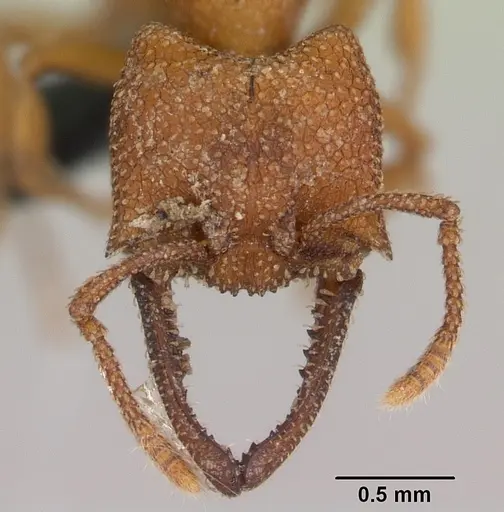
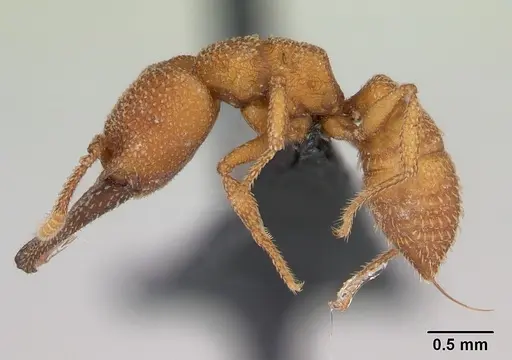
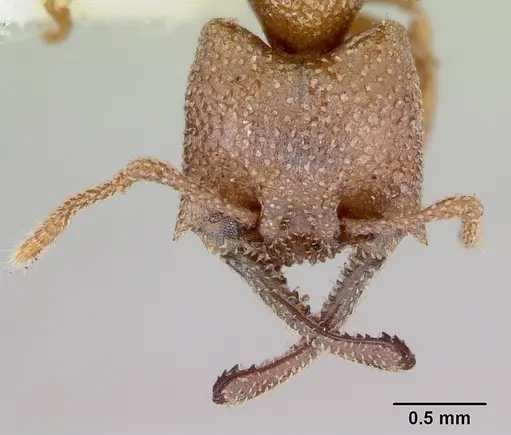
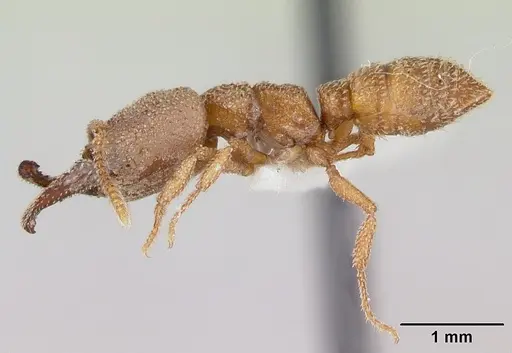
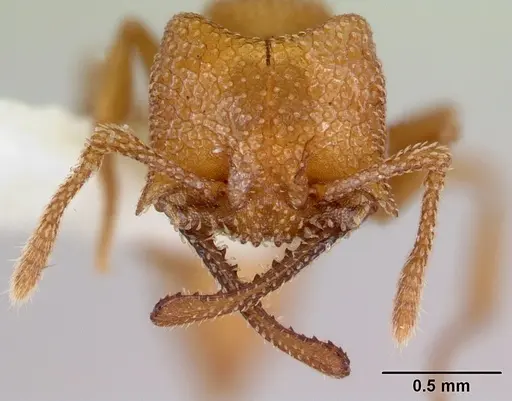
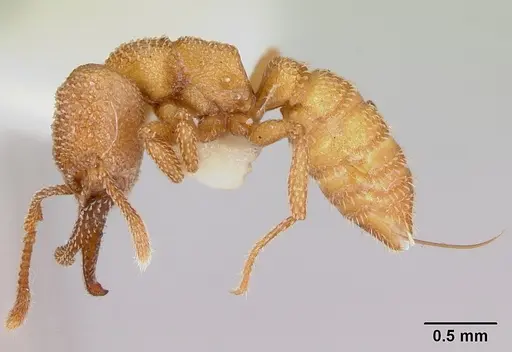
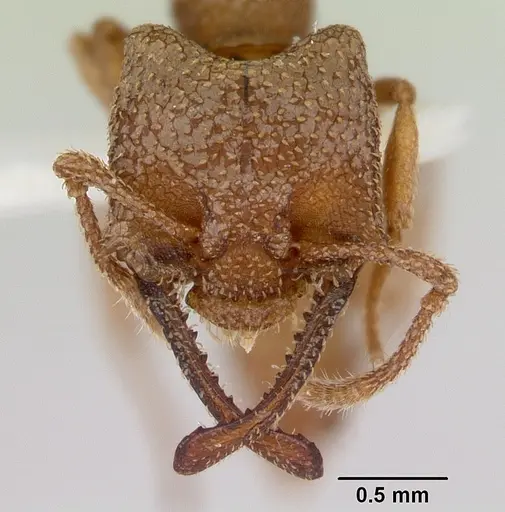
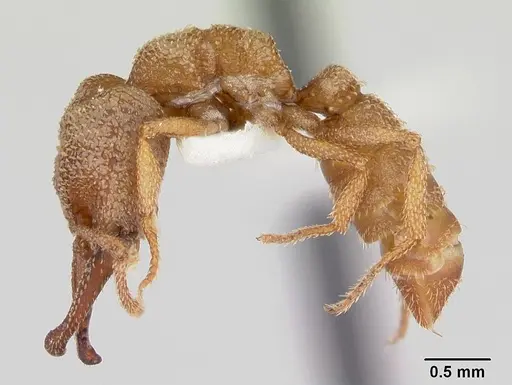
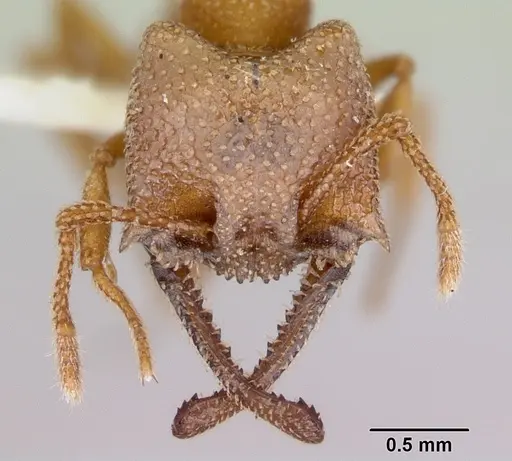
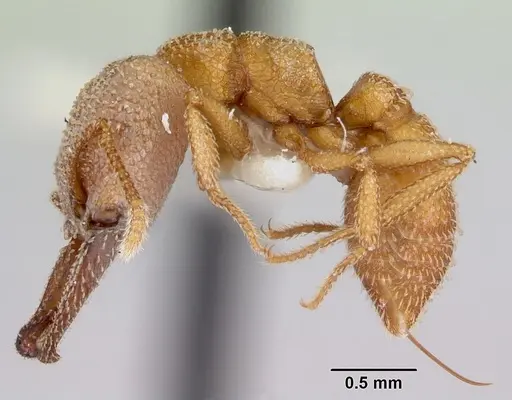
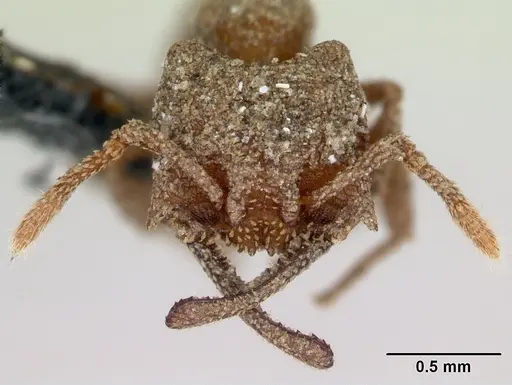
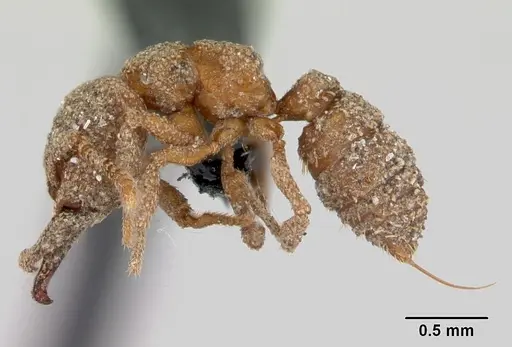
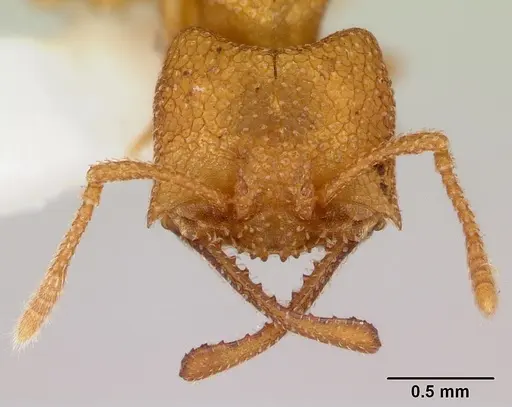
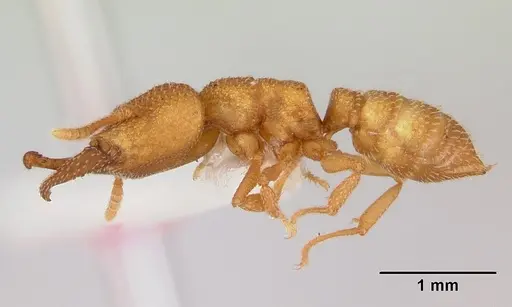
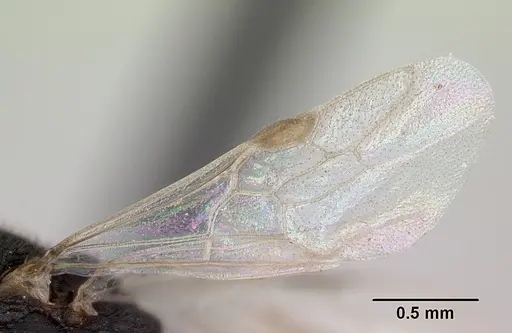
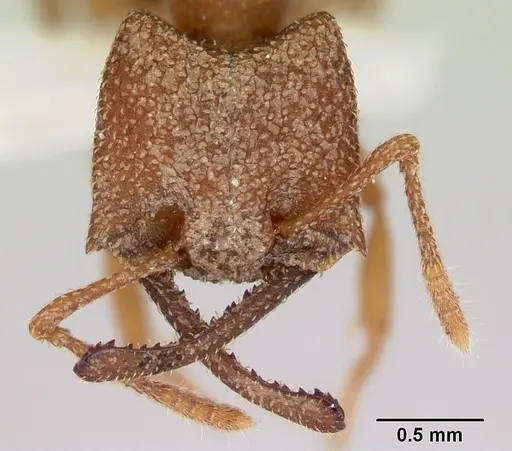
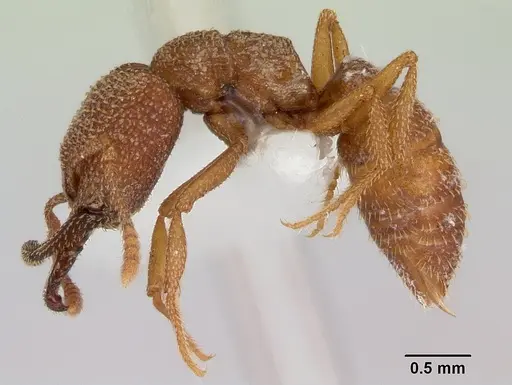
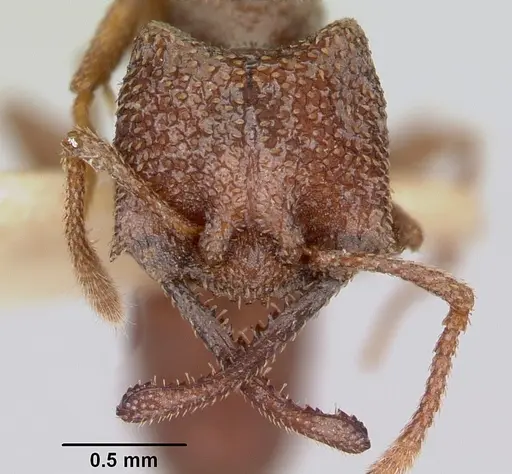
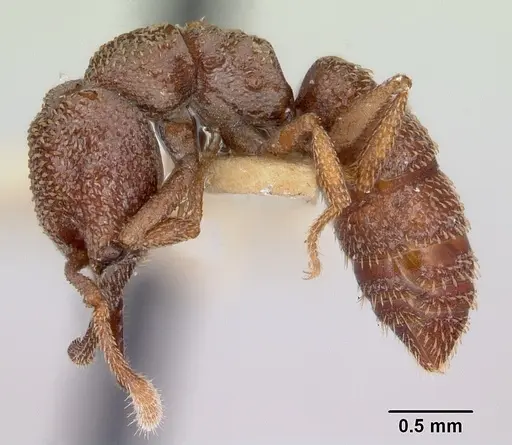
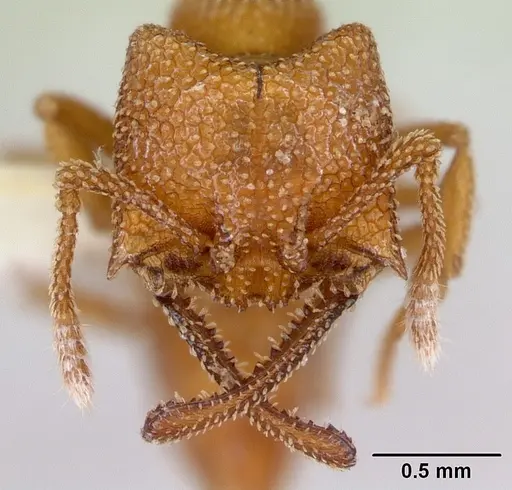
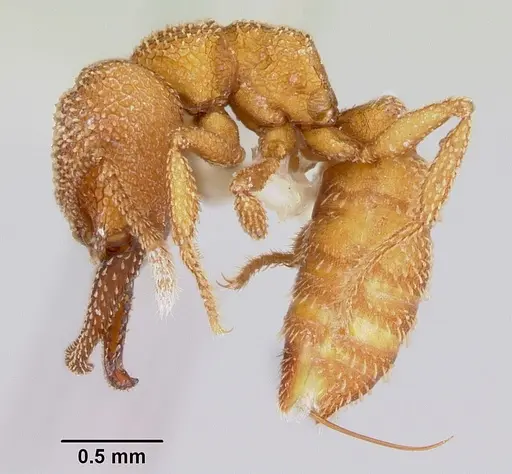
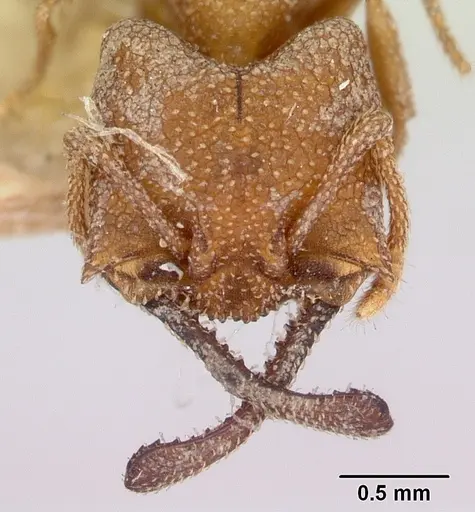
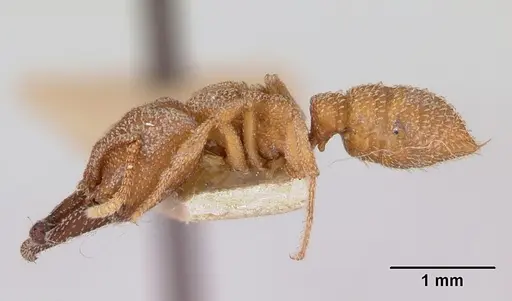
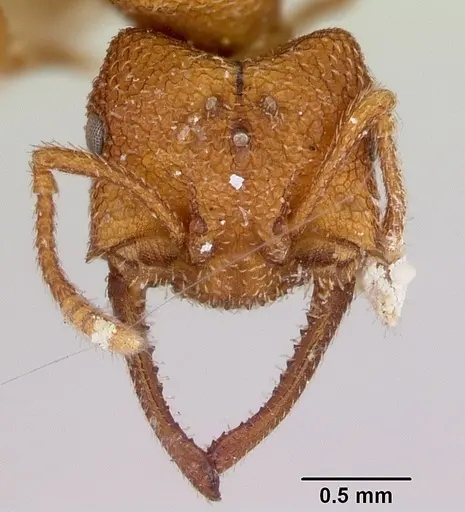
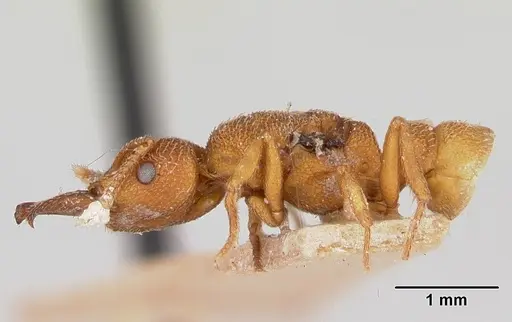
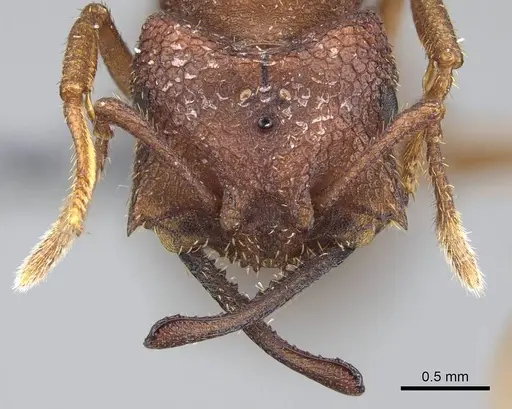
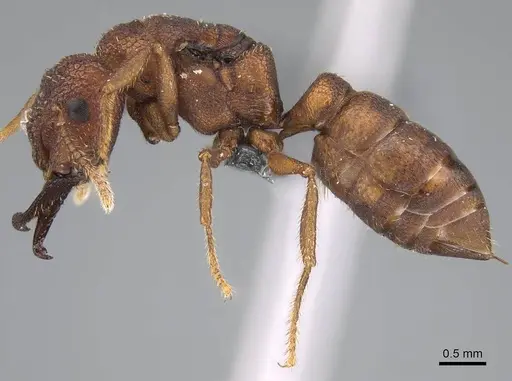
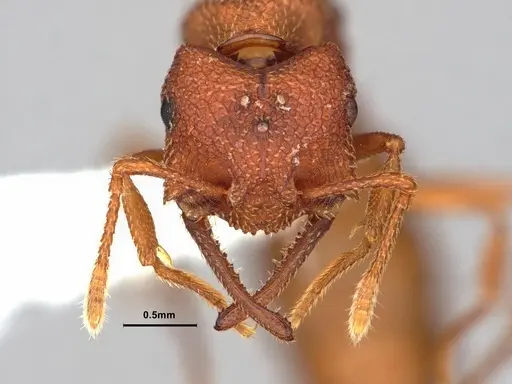
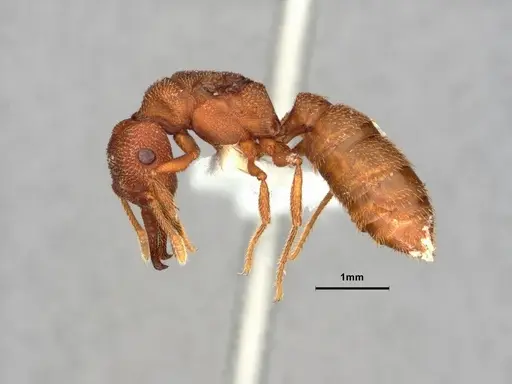
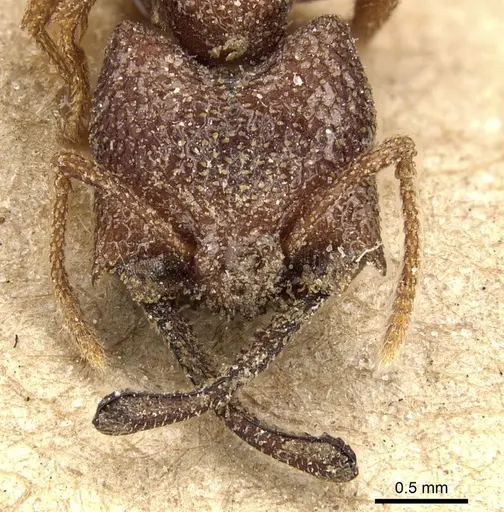
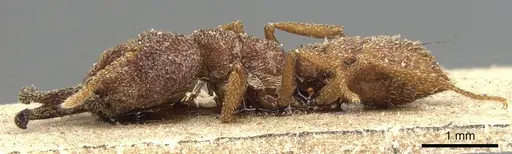
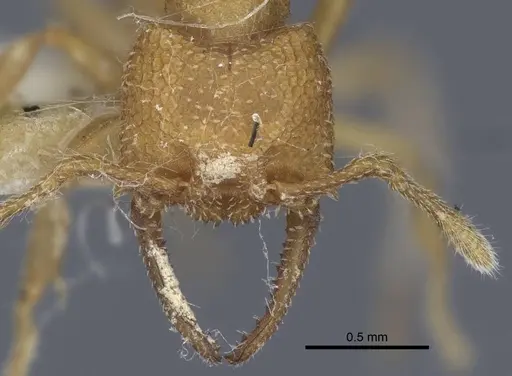
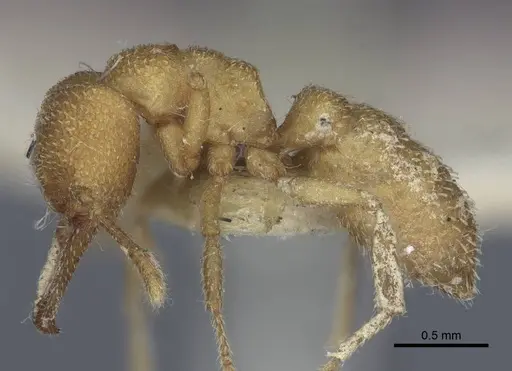
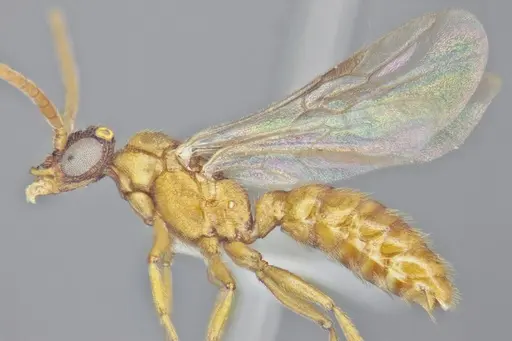
Mystrium camillae is a small to medium-sized ant native to the Indo-Australian region, found from Australia north to China and west to India. Workers measure 3.3-4.5mm with a distinctive broad head, long mandibles with spoon-shaped tips, and short spatulate hairs covering their brownish-red body. These ants are completely blind and live underground in confined spaces like rotting wood and soil tunnels. The most remarkable feature is their snap-jaw mechanism, they can snap their mandibles together at speeds reaching 90 m/s, making it the fastest known animal movement. This specialized hunting tool lets them take down prey much larger than themselves, particularly centipedes and other predatory arthropods.
Quick Summary
- Difficulty: Medium
- Origin & Habitat: Indo-Australian region, found in Australia, Brunei, China, India, Indonesia, Malaysia, Myanmar, Papua New Guinea, Philippines, Singapore, and Vietnam. They live in well-developed primary rainforests, nesting under stones and wood fragments in moist soil layers [1][2].
- Colony Type: Multi-queen colonies with 1-5 dealate (wingless) queens per colony. Colonies contain around 50-100 workers on average. Workers have functional ovaries and can produce males, but the primary reproductive role belongs to the queens [3].
- Colony: Polygyne
- Founding: Semi-claustral
- Size & Growth:
- Queen: ~7 mm [4]
- Worker: 3.3-4.5 mm [1]
- Colony: Approximately 50-100 workers typical, up to a few hundred [3][5]
- Growth: Moderate
- Development: Estimated 6-10 weeks based on Amblyoponinae patterns (Development time is not directly documented for this species. Estimates based on related Amblyoponinae ants suggest 6-10 weeks at optimal temperature.)
- Antkeeping:
- Temperature: Keep at 24-26°C. Laboratory colonies have been successfully maintained at 25°C with a 12-hour light-dark cycle [6]. As a tropical species from Southeast Asia, they need consistently warm conditions.
- Humidity: High humidity is essential. In the wild, they nest in moist humus layers and rotting wood. Keep the substrate consistently damp but not waterlogged. Provide a gradient with a moist area and a slightly drier area for the ants to choose.
- Diapause: No. As a tropical species, they do not require hibernation. Maintain warm temperatures year-round.
- Nesting: They prefer moist, dark spaces. A naturalistic setup with moist soil and small pieces of rotting wood works well. They are hypogaeic (ground-dwelling) and avoid light, so provide dark nesting areas. Test tubes with cotton can work if kept humid, but a naturalistic setup better matches their natural nesting preferences.
- Behavior: These ants are fascinating to watch due to their unique snap-jaw behavior. When threatened or hunting, workers press their mandible tips together until pressure causes them to snap past each other, delivering a powerful blow that can disorient prey. They are predatory and specialize on centipedes and other arthropods. Workers are blind but navigate using chemical cues. They are not aggressive toward humans and rarely sting. Escape prevention is important due to their small size, they can squeeze through tiny gaps.
- Common Issues: escape prevention is critical due to their tiny size, use fine mesh and tight-fitting lids, specialized diet means they need live prey, they will not survive on sugar water alone, colonies can be slow to establish and may appear inactive during the day since they are nocturnal/subterranean, overfeeding with large prey can lead to mold issues in their humid setup, wild-caught colonies may have parasites that can decimate the colony in captivity
The Snap-Jaw Mechanism
Mystrium camillae possesses one of the most remarkable hunting adaptations in the animal kingdom. Their mandibles work like a finger snap, the ants press the tips of their mandibles together, building up elastic energy, then release it in a lightning-fast snap that can reach velocities of 90 m/s in just 23 microseconds. This is the fastest known animal movement. The snap-jaw is used both for hunting prey and for defense. When a worker strikes a small invertebrate, the impact can knock the animal 0.5-3 cm away, often stunning it for several seconds. The ants specialize in hunting centipedes and other predatory arthropods, making them top predators in the leaf litter ecosystem. In captivity, you can observe this behavior when workers strike at live prey like crickets or termites [6][2].
Housing and Nest Setup
These ants are hypogaeic, meaning they live underground in dark, confined spaces. They naturally nest in moist humus layers between soil and wood, under stones, and in rotting logs. For captivity, a naturalistic setup works best, use a container with moist, loose soil and small pieces of rotting wood or bark for them to explore. Keep the setup humid but ensure some ventilation to prevent mold. Because they are blind and avoid light, the nest area should be dark. You can use a test tube setup with a water reservoir, but keep it humid and provide dark covering. The key is maintaining high humidity while preventing stagnation. A small outworld for feeding allows you to observe their hunting behavior [2].
Feeding and Diet
Mystrium camillae are obligate predators that specialize on centipedes and other predatory arthropods. They have the highest nitrogen isotope values of any ant studied, confirming their position as top predators in the leaf litter food web. In captivity, they need live prey, this is non-negotiable. Offer small live crickets, termites, mealworms, or other small arthropods. They will ignore prey that is too large or too fast. Unlike many ants, they do not typically accept sugar water or honey as a food source. Their unique 'Dracula ant' name comes from their feeding behavior, they puncture their prey and drink hemolymph (blood) without killing the prey immediately. Feed them 2-3 times per week, removing uneaten prey after 24 hours to prevent mold in the humid setup [6][7][8].
Colony Structure and Caste System
Unlike most ants, Mystrium camillae has distinct morphological castes among workers, major workers (larger) and minor workers (smaller). This division of labor is tied to their snap-jaw hunting: larger workers use their more powerful mandibles for defense and hunting larger prey like centipedes, while smaller workers and ergatoid (worker-like) queens stay in the nest to care for brood. Colonies are polygyne, meaning they have multiple queens, typically 1-5 per colony. Queens are dealate (have shed their wings) and can be either fully winged or brachypterous (with reduced wings). Both workers and queens have functional ovaries with eight ovarioles each, meaning workers can potentially reproduce if the queen dies, though this is not their primary reproductive strategy [3][6].
Temperature and Seasonal Care
As a tropical species from Southeast Asia and northern Australia, Mystrium camillae requires warm, stable temperatures. Laboratory colonies have been successfully maintained at 25°C with a 12-hour light-dark cycle. Aim for 24-26°C in your setup. They do not hibernate or enter diapause, maintain warm conditions year-round. A heating cable on one side of the nest can create a temperature gradient, allowing the ants to choose their preferred spot. Be careful not to overheat or dry out the substrate. Room temperature in most homes (20-24°C) may be acceptable, but warmer conditions will support more active behavior and better colony growth [6].
Handling and Observation
These ants are not dangerous to humans, they have no potent sting and their snap-jaw is too small to penetrate human skin. However, they are quite small and fragile. When cleaning the outworld or moving colonies, use gentle handling. They are most active at night since they are subterranean. You may see more activity in the evening hours. Their snap-jaw strikes are fascinating to watch, when they strike at prey, you can observe the lightning-fast movement even with the naked eye. Because they are blind, they rely heavily on chemical signals, so avoid disturbing the setup too often. Their small size (under 5mm) means they can easily escape through standard formicarium gaps, always use fine mesh and check for tiny gaps [9][10].
Frequently Asked Questions
Can I keep Mystrium camillae in a test tube?
Yes, you can keep them in a test tube setup, but it must be kept humid and covered to block light. They are subterranean ants that prefer dark, moist conditions. A naturalistic setup with moist soil works better long-term, but test tubes are fine for temporary housing or small colonies.
What do Mystrium camillae ants eat?
They are obligate predators that need live prey. Feed them small live insects like crickets, termites, mealworms, or fruit flies. They specialize on centipedes and other predatory arthropods in the wild. They do not typically accept sugar water or honey. Remove uneaten prey after 24 hours.
How long does it take for eggs to develop into workers?
The exact development time is not documented for this species. Based on related Amblyoponinae ants, expect approximately 6-10 weeks from egg to worker at optimal temperature (around 25°C). Be patient, they grow more slowly than many common ant species.
Do Mystrium camillae ants sting?
They can sting, but it is not particularly painful to humans and they are not aggressive. Their main defense is their snap-jaw mechanism, which they use to deliver powerful blows to predators and prey. The snap is too fast and their mandibles too small to harm humans.
Are Mystrium camillae good for beginners?
They are intermediate-level ants due to their specialized dietary needs (requiring live prey), high humidity requirements, and the need to maintain warm temperatures. They are fascinating to keep but not ideal as a first ant. If you have experience with predatory ants like Odontomachus, you should do well with these.
How big do Mystrium camillae colonies get?
Colonies typically reach 50-100 workers, with some colonies reaching a few hundred workers. They are not a large colony species, expect modest colony sizes. Colonies have multiple queens (1-5), which helps maintain the population.
Do I need to hibernate Mystrium camillae?
No. As a tropical species from Southeast Asia and Australia, they do not require hibernation or diapause. Keep them warm year-round at 24-26°C. Cold temperatures can slow their metabolism and may harm the colony.
Why are my Mystrium camillae dying?
Common causes include: too dry conditions (they need high humidity), wrong food (they must have live prey, not sugar), temperatures too cold (need 24-26°C), or escape (they are tiny and can slip through small gaps). Check that your setup maintains humidity without stagnation, and ensure you are providing appropriate live prey.
Can I keep multiple queens together?
Yes, this species is naturally polygynous (multi-queen). Wild colonies typically have 1-5 queens. You can keep multiple dealate queens in the same setup, they should coexist peacefully. However, avoid combining unrelated foundress queens as they may fight initially.
When should I move them to a formicarium?
Move them when the test tube or temporary setup becomes too cramped. For a species that nests in rotting wood and soil, a naturalistic formicarium with soil chambers works best. They do well in setups where they can burrow through moist substrate. Wait until you have at least 20-30 workers before transitioning.
References

This caresheet is licensed under CC BY-SA 4.0 .
ANTWEB1008608
View on AntWeb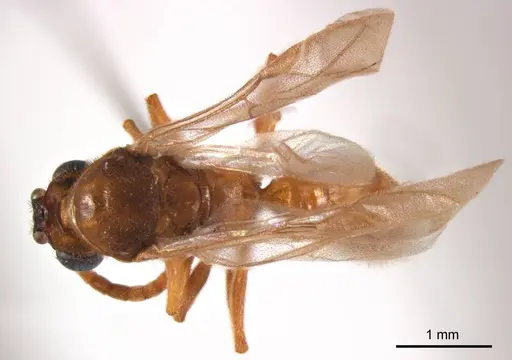
ANTWEB1060493
View on AntWeb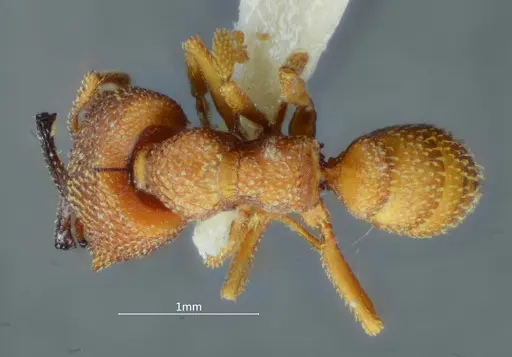
CASENT0006079
View on AntWeb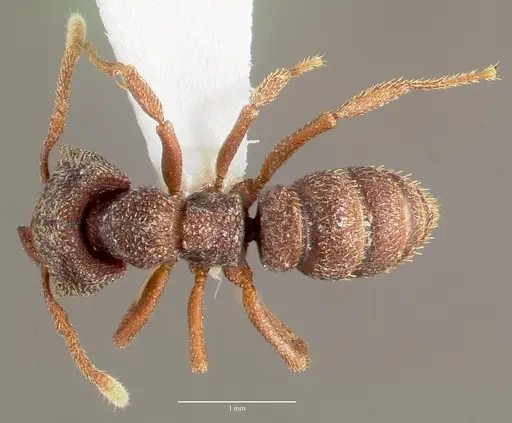
CASENT0009854
View on AntWeb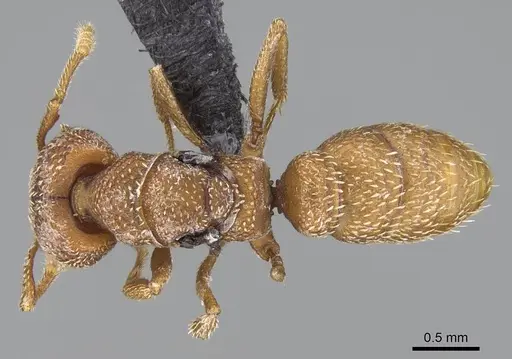
CASENT0101450
View on AntWeb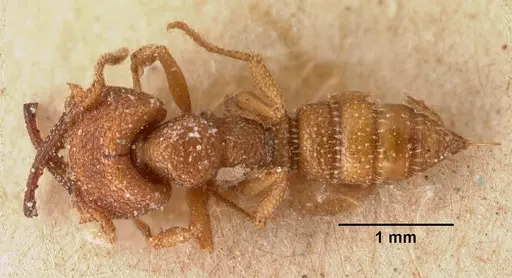
CASENT0101784
View on AntWeb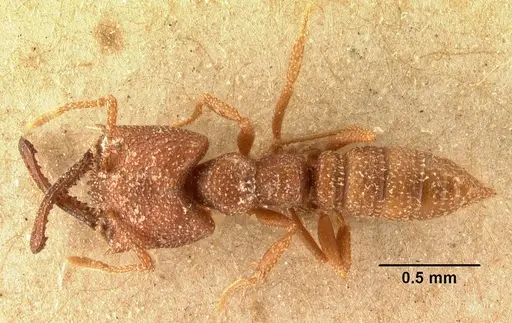
CASENT0101809
View on AntWeb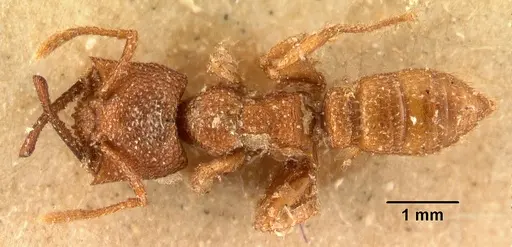
CASENT0102123
View on AntWeb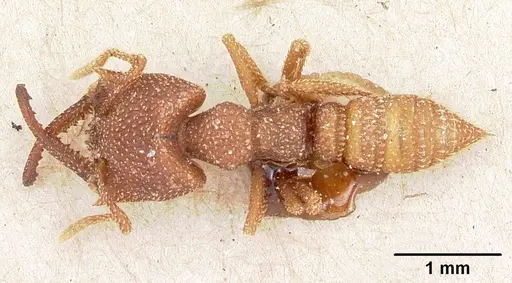
CASENT0102124
View on AntWeb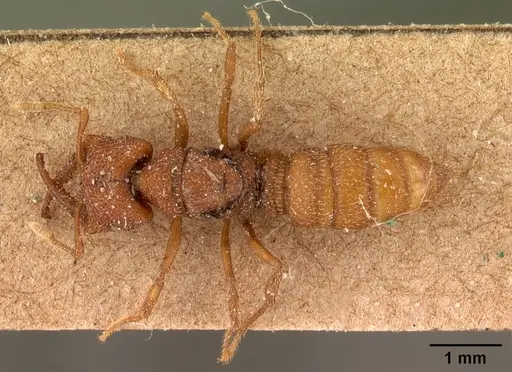
CASENT0102127
View on AntWeb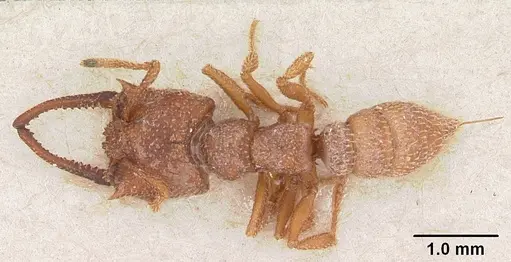
CASENT0102169
View on AntWeb
CASENT0102170
View on AntWeb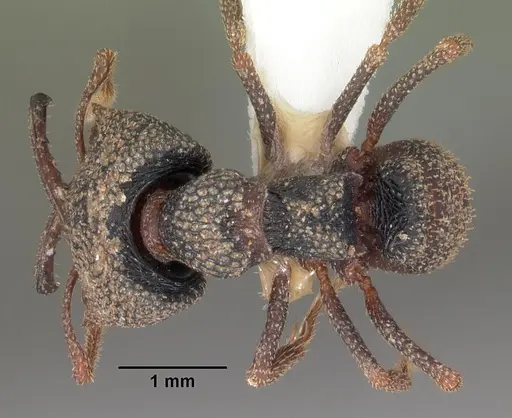
CASENT0102173
View on AntWeb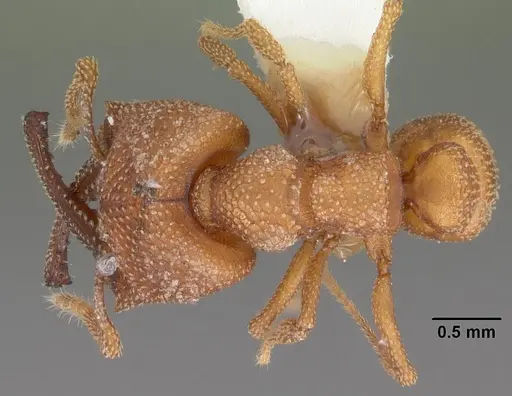
CASENT0102174
View on AntWeb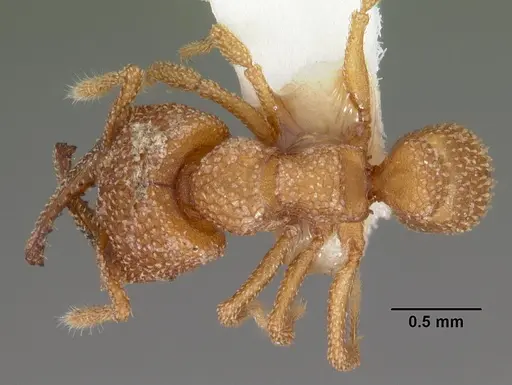
CASENT0104982
View on AntWeb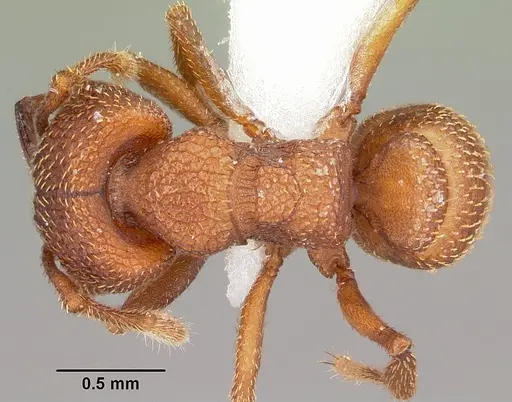
CASENT0172082
View on AntWeb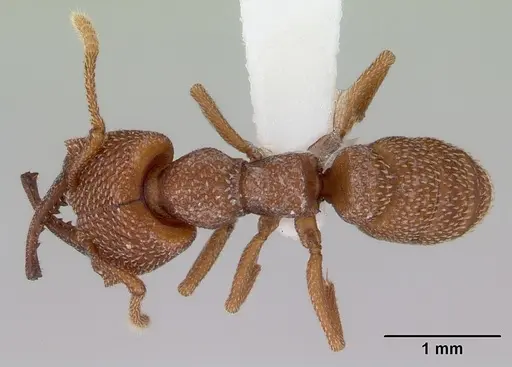
CASENT0172083
View on AntWeb
CASENT0172322
View on AntWeb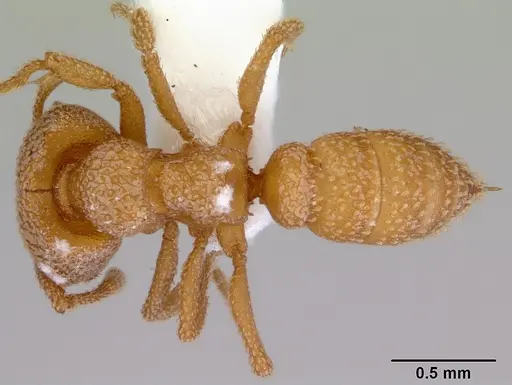
CASENT0172323
View on AntWeb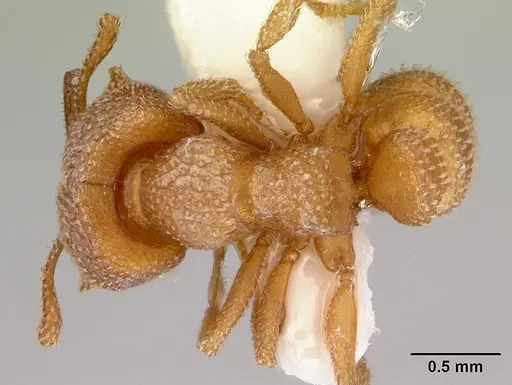
CASENT0172324
View on AntWeb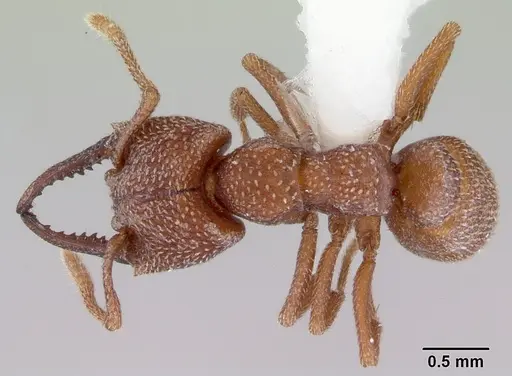
CASENT0172325
View on AntWeb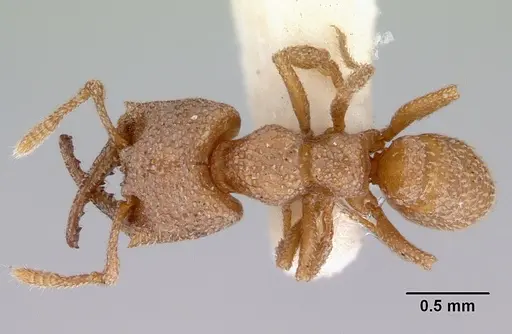
CASENT0172326
View on AntWeb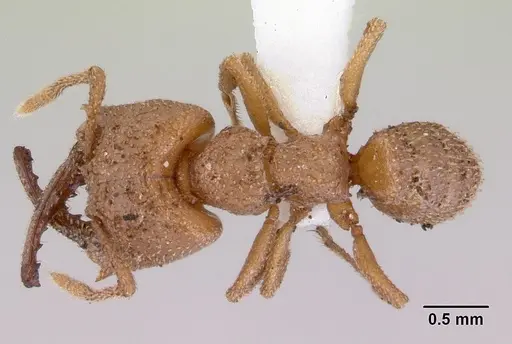
CASENT0172327
View on AntWeb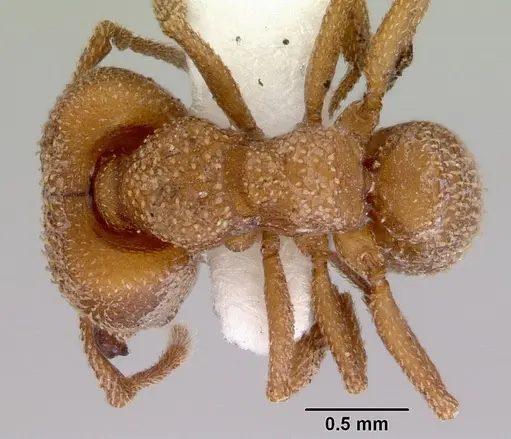
CASENT0172328
View on AntWeb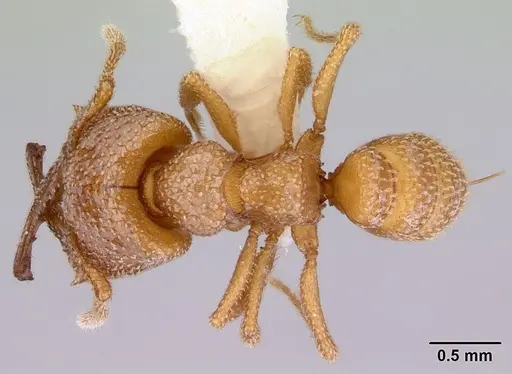
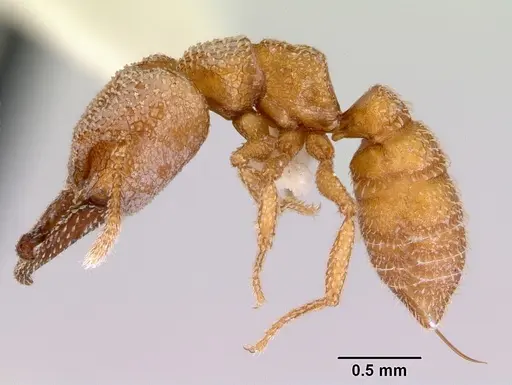
CASENT0172329
View on AntWeb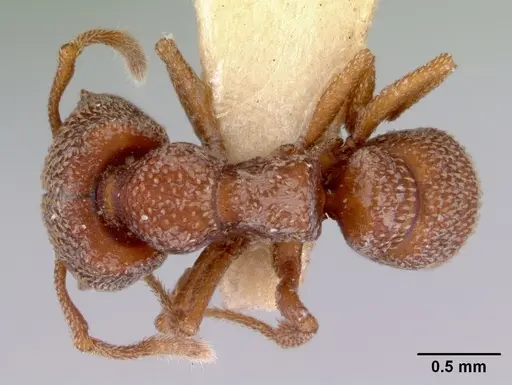
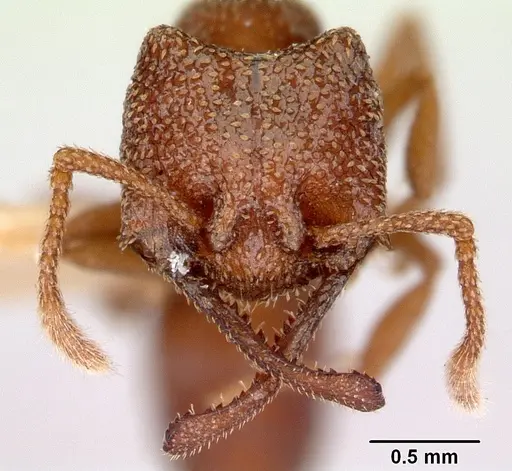
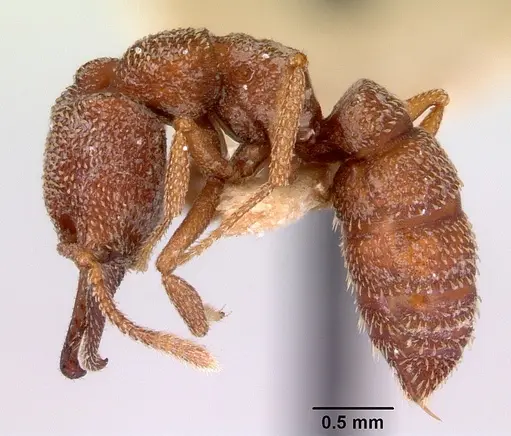
CASENT0172330
View on AntWeb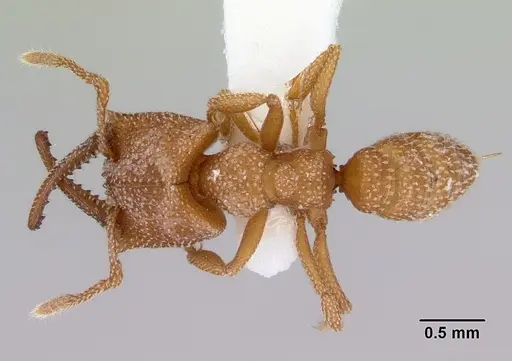
CASENT0172331
View on AntWeb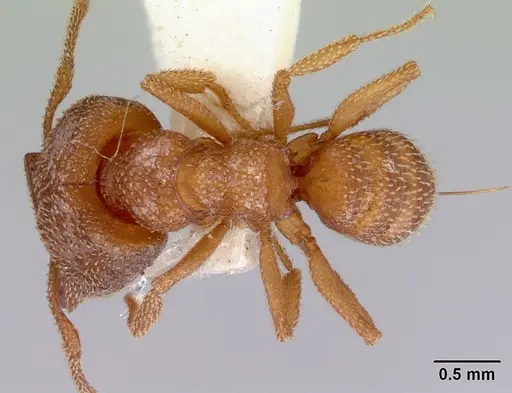
CASENT0172332
View on AntWeb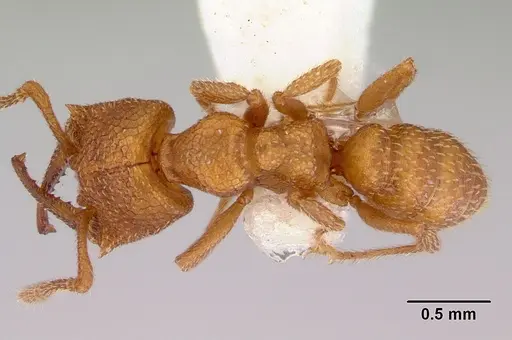
CASENT0172601
View on AntWeb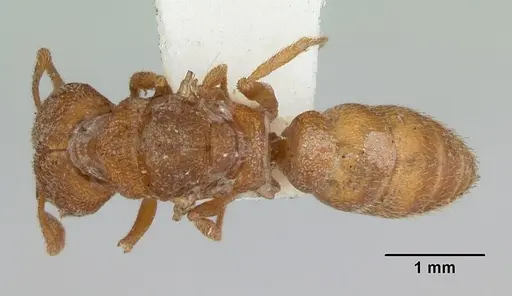
CASENT0172778
View on AntWeb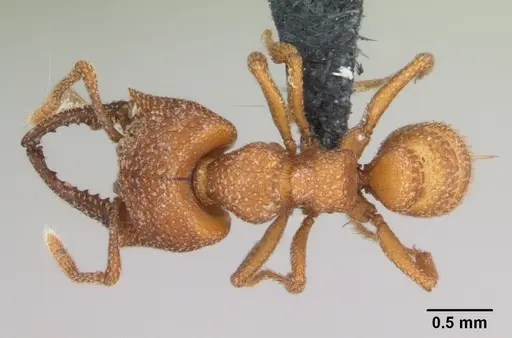
CASENT0172833
View on AntWeb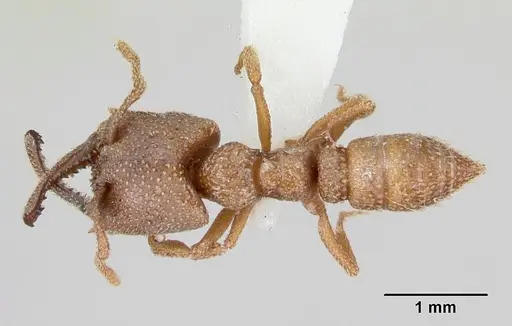
CASENT0172834
View on AntWeb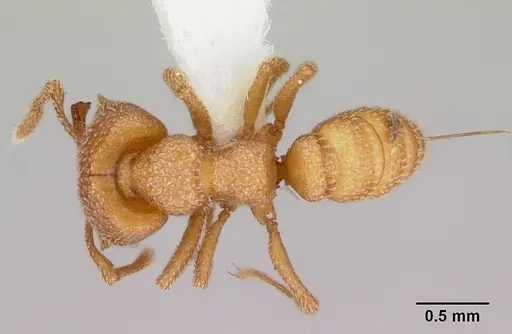
CASENT0172835
View on AntWeb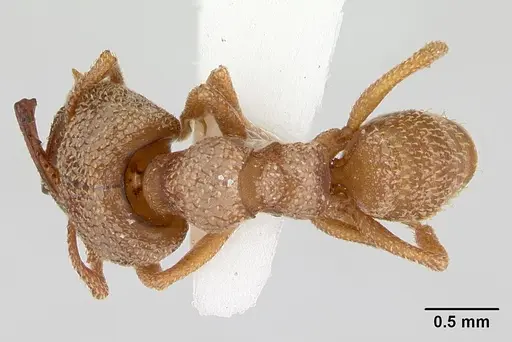
CASENT0172836
View on AntWeb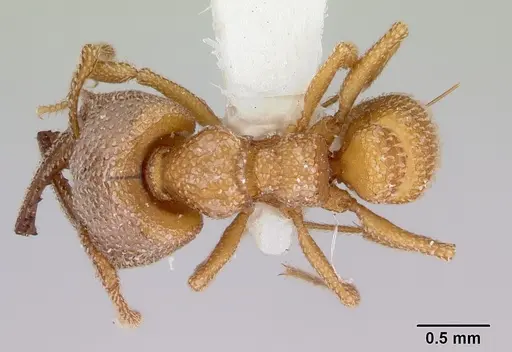
CASENT0172837
View on AntWeb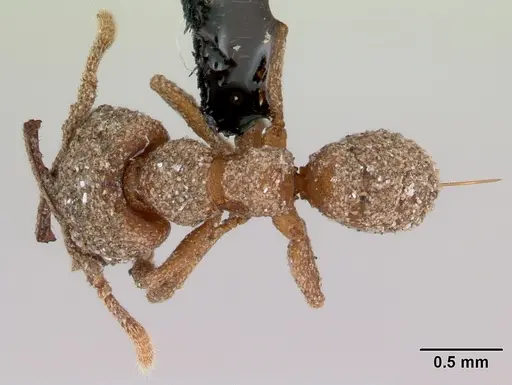
CASENT0172838
View on AntWeb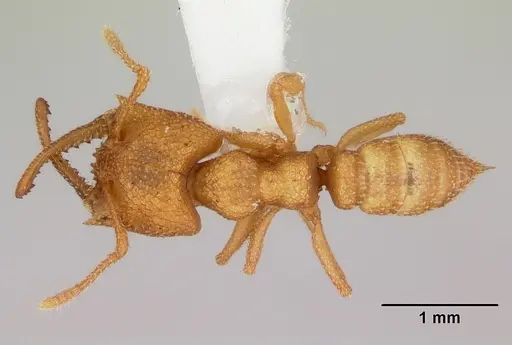
CASENT0172839
View on AntWeb
CASENT0172840
View on AntWeb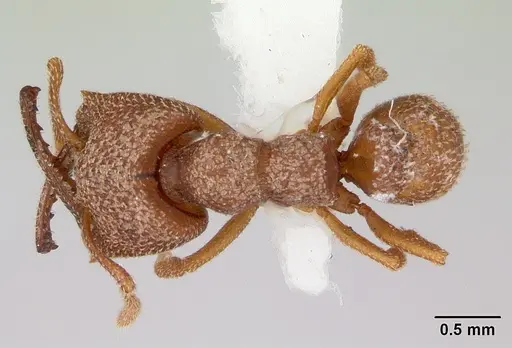
CASENT0172841
View on AntWeb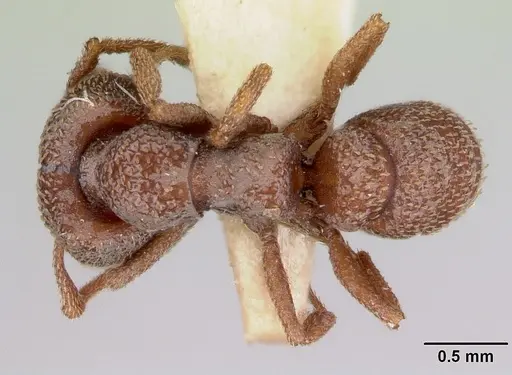
CASENT0172842
View on AntWeb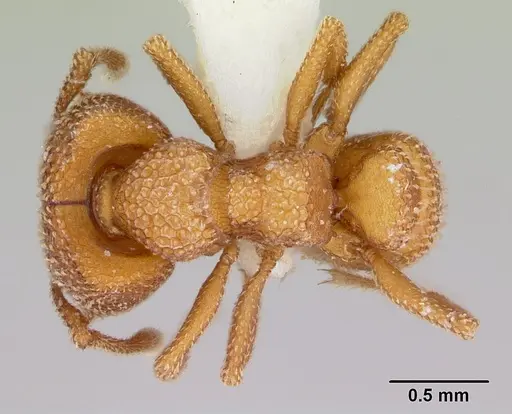
CASENT0172843
View on AntWeb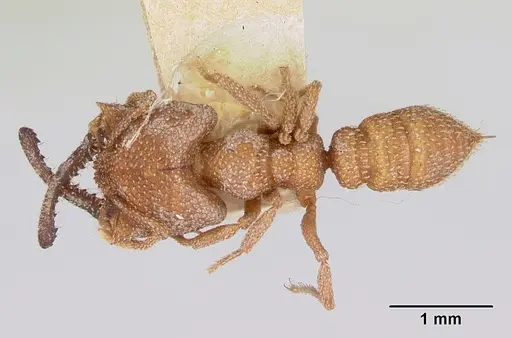
CASENT0172844
View on AntWeb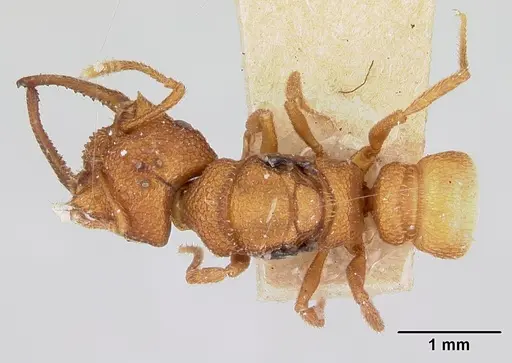
CASENT0275389
View on AntWeb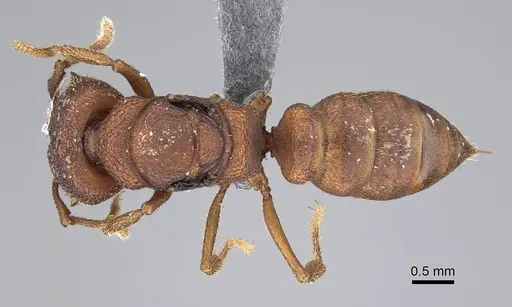
CASENT0882101
View on AntWeb
CASENT0903790
View on AntWeb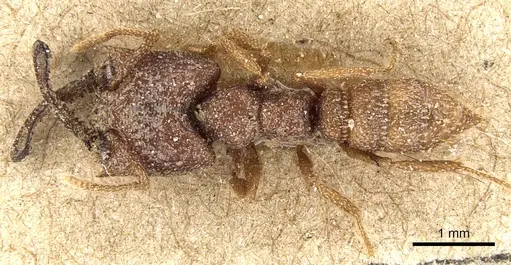
CASENT0916795
View on AntWeb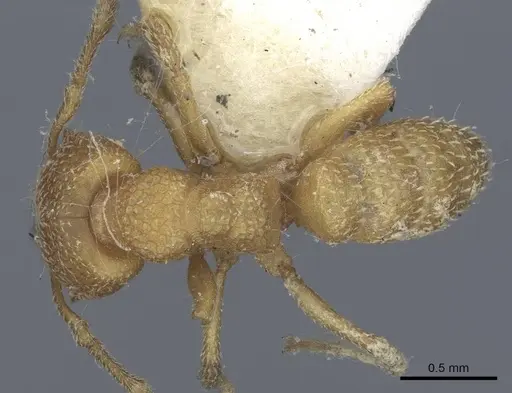
UFV-LABECOL-009363
View on AntWeb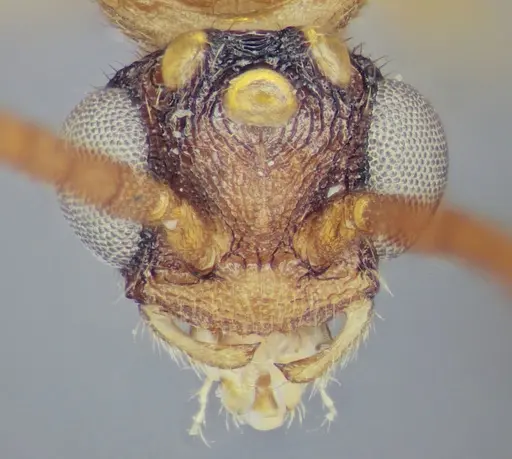
Literature
Loading...Loading products...