

Myrmoteras toro
- Scientific Name
- Myrmoteras toro
- Subgenus
- Myagroteras
- Tribe
- Myrmoteratini
- Subfamily
- Formicinae
- Author
- Moffett, 1985
- Distribution
- Found in 1 countries
Myrmoteras toro Overview
Myrmoteras toro is an ant species of the genus Myrmoteras. It is primarily documented in 1 countries , including Indonesia. Detailed taxonomic data and occurrence records can be further explored via authoritative databases such as AntWeb or the Global Biodiversity Information Facility (GBIF).
Myrmoteras toro
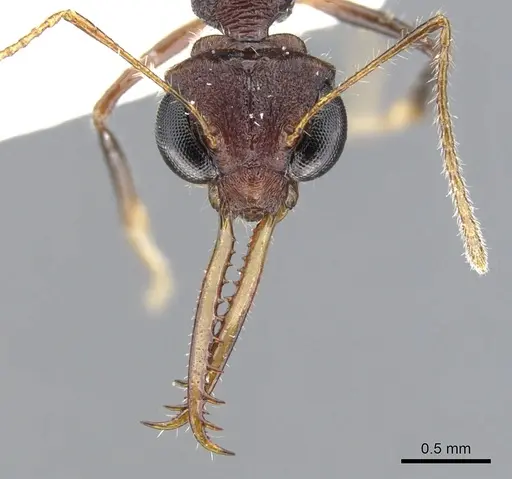
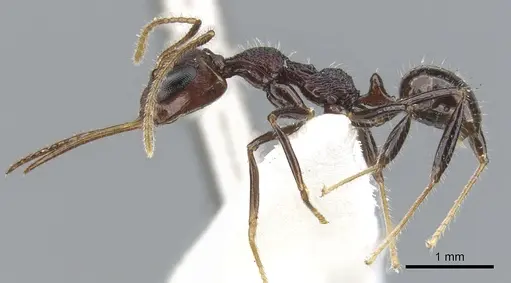
Myrmoteras toro is a medium-sized trap-jaw ant native to the rainforests of Sulawesi, Indonesia. Workers measure 5.2-5.6mm with a distinctive very dark orange-red coloration, while their mandibles feature 11-13 teeth and can snap shut with remarkable speed to capture prey. This species is part of the Myrmoteratini tribe and is known for its solitary foraging behavior, unlike many ants that recruit nestmates, these ants hunt alone using their specialized trap-jaw mechanism to capture small soft-bodied invertebrates like springtails [1]. The type colony was found in leaf-litter on the rainforest floor, where they nest between loose leaves.
Quick Summary
- Difficulty: Medium
- Origin & Habitat: Sulawesi, Indonesia in tropical rainforest leaf-litter
- Colony Type: Single-queen colonies (monogyne) based on the type series having one queen
- Colony: Monogyne
- Size & Growth:
- Queen: 5.5mm
- Worker: 5.2-5.6mm
- Colony: At least 22 workers in wild colonies, likely larger established colonies exist
- Growth: Unknown, no development data available
- Development: Unconfirmed, no direct measurements exist for this species (Related Myrmoteras species suggest development takes several months, but specific timelines for M. toro are unknown)
- Antkeeping:
- Temperature: Keep at 24-26°C as a starting point, adjust based on colony activity. This matches their natural tropical rainforest habitat
- Humidity: High humidity required, think damp rainforest floor. Keep substrate consistently moist but not waterlogged, with some drier areas available
- Diapause: Unknown, tropical species may not require formal hibernation, but may benefit from slight temperature reductions during wet season equivalents
- Nesting: Prefers naturalistic setups with leaf-litter or loose substrate. A Y-tong or plaster nest with moist substrate works well. They nest between loose leaves in the wild, so include some loose material in the outworld
- Behavior: These ants are solitary foragers, each worker hunts independently for small prey rather than recruiting help [1]. They use their trap-jaw mandibles to snap shut on springtails and other soft-bodied invertebrates. Workers are not particularly aggressive toward humans but will defend their nest. Escape risk is moderate, their medium size means standard barriers work well, but they are active and may explore gaps.
- Common Issues: Limited availability, this species is rarely available in the antkeeping hobby, Small prey requirement, they need tiny live prey like springtails, which must be cultured separately, Slow colony growth, like many trap-jaw species, colonies may grow slowly, High humidity needs, improper humidity can lead to colony decline, Limited dietary flexibility, they are specialized predators and may not accept larger prey items
Housing and Nest Setup
Myrmoteras Toro prefers humid, naturalistic setups that mimic their rainforest floor habitat. A Y-tong (acrylic) nest or plaster nest with moist substrate works well, paired with an outworld that includes leaf-litter or other loose material for foraging. Keep the nest substrate consistently damp but not flooded, these ants are found in moist leaf-litter in the wild. The outworld should have small hiding places and surfaces for hunting. Standard escape prevention is adequate for their medium size, but check for gaps regularly as they are active explorers. [1]
Feeding and Diet
These ants are specialized predators that primarily hunt small soft-bodied invertebrates. Springtails are their preferred food in captivity, you will need to culture a springtail colony to keep your ants fed [1]. They may accept other tiny arthropods like fruit fly larvae, but avoid larger prey as their trap-jaw mechanism works best on small, soft-bodied prey. Sugar sources are unlikely to be accepted, this is a predatory species. Feed live prey 2-3 times per week, adjusting based on consumption. Remove uneaten prey to prevent mold.
Temperature and Humidity
As a tropical species from Sulawesi, Myrmoteras Toro needs warm, humid conditions. Aim for temperatures in the 24-26°C range, this matches their natural rainforest habitat. Use a heating cable on one side of the nest to create a gentle gradient if your room temperature is below this range. Place the heating on top of the nest, not underneath, to avoid drying out the substrate. Humidity should be high, keep the nest substrate moist and consider misting the outworld occasionally. Good ventilation is important to prevent mold while maintaining humidity.
Behavior and Foraging
Unlike many ant species that use chemical recruitment, Myrmoteras ants are solitary foragers. Each worker hunts independently, using their specialized trap-jaw mandibles to snap shut on prey [1]. This hunting method is incredibly fast, the jaws can snap shut in milliseconds to capture springtails and other small arthropods. Workers do not recruit nestmates to food sources, so you will see individual ants hunting rather than groups. This makes them fascinating to watch but means you cannot rely on recruitment behavior to locate prey. They are not particularly aggressive but will defend their nest if threatened.
Colony Development
The type series for Myrmoteras Toro consisted of 22 workers and one queen collected from a single colony. This suggests mature colonies may reach 50-200+ workers, though specific colony size data is limited. Development from egg to worker has not been documented for this species, but based on related trap-jaw ant species, expect several months for the first workers (nanitics) to emerge. Colonies likely grow slowly compared to more common ant species. Be patient during the founding phase, claustral founding is typical for Formicinae, but this has not been confirmed specifically for M. toro.
Frequently Asked Questions
How long does it take for Myrmoteras Toro to produce first workers?
The egg-to-worker timeline is unconfirmed for this species. Based on related trap-jaw ant species, expect 3-6 months at optimal temperature (24-26°C). Be patient, colony growth is likely slow.
What do Myrmoteras Toro ants eat?
They are specialized predators that need live springtails or other tiny soft-bodied invertebrates. You will need to culture a springtail colony to keep them fed. They are unlikely to accept sugar or larger prey items.
Can I keep multiple Myrmoteras Toro queens together?
This species appears to be monogyne (single-queen) based on the type colony having only one queen. Combining unrelated queens is not recommended as it has not been studied and could result in fighting.
Are Myrmoteras Toro good for beginners?
This species is not ideal for beginners. They require live springtail cultures, high humidity, and are rarely available. They are better suited for antkeepers with experience keeping specialized predatory ants.
What temperature do Myrmoteras Toro need?
Keep them at 24-26°C. This matches their natural tropical rainforest habitat in Sulawesi. Use a heating cable on one side of the nest to create a gradient if needed.
Do Myrmoteras Toro need hibernation?
Diapause requirements are unknown for this tropical species. They likely do not need formal hibernation, but may benefit from slight temperature reductions during what would be the wet season in their native habitat.
How big do Myrmoteras Toro colonies get?
The type series had 22 workers, but mature colonies likely reach 50-200+ workers. Exact maximum size is unknown, but they are not considered supercolonial.
Why are my Myrmoteras Toro dying?
Common causes include: lack of live prey (they need springtails), improper humidity (too dry), incorrect temperature (too cold), or stress from disturbance. Ensure you have a established springtail culture and appropriate humidity before acquiring this species.
References

This caresheet is licensed under CC BY-SA 4.0 .
CASENT0903241
View on AntWeb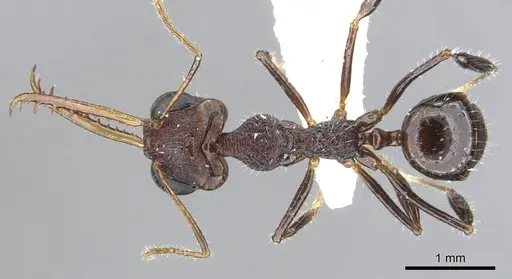
Literature
Loading...Loading products...