

Myrmoteras binghamii
- Scientific Name
- Myrmoteras binghamii
- Tribe
- Myrmoteratini
- Subfamily
- Formicinae
- Author
- Forel, 1893
- Distribution
- Found in 1 countries
Myrmoteras binghamii Overview
Myrmoteras binghamii is an ant species of the genus Myrmoteras. It is primarily documented in 1 countries , including China. Detailed taxonomic data and occurrence records can be further explored via authoritative databases such as AntWeb or the Global Biodiversity Information Facility (GBIF).
Myrmoteras binghamii
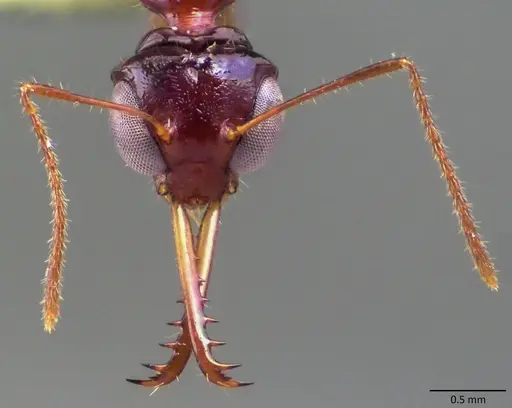
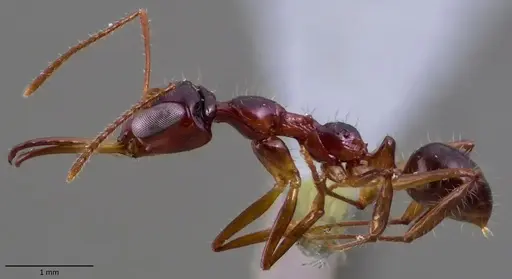
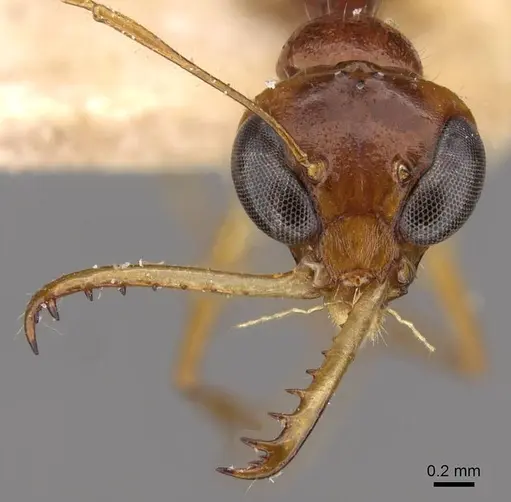
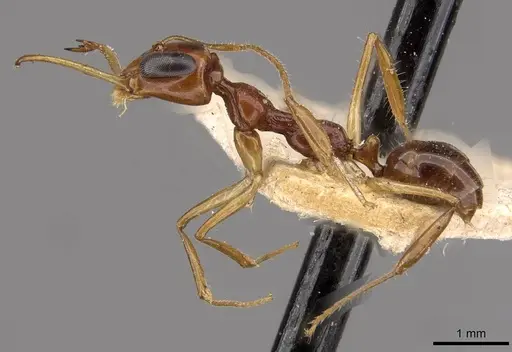
Myrmoteras binghamii is a small to medium-sized ant belonging to the Formicinae subfamily. Workers measure 3.5-4.5mm in total length, with a brown body, dark-brown gaster, and distinctive pale yellow legs and mandibles. The mid- and hind coxae are creamy to yellowish, which helps distinguish this species from related Myrmoteras. They have dense appressed pubescence on the head, pronotum, and gastral segments, and their mandibles feature 9 teeth. This species is known only from the worker caste, queens and males have never been described. The species was originally described from Myanmar (then Burma) in 1893 and is also found in Thailand and southern China (Yunnan). [1][2][3]
Quick Summary
- Difficulty: Expert
- Origin & Habitat: Southeast Asia, specifically Myanmar, Thailand, and Yunnan Province in southern China. The species has been recorded in Xishuangbanna, China, where it appears in rubber plantations but not in primary rainforest habitats. [1][2][3][4]
- Colony Type: Unknown, only workers have been collected. No queens or males have ever been documented, so the colony structure (single-queen or multi-queen) is completely unconfirmed. [1][2]
- Size & Growth:
- Queen: Unknown, queens have never been described [1]
- Worker: 3.5-4.5 mm total length [1]
- Colony: Unknown, no colony size data exists [1]
- Growth: Unknown, no development data exists
- Development: Unknown, no development studies exist for this species (No data available on any life stages beyond adult workers)
- Antkeeping:
- Temperature: Inferred from Southeast Asian distribution: aim for 24-28°C (warm tropical conditions). No direct thermal studies exist for this species.
- Humidity: Inferred from Yunnan/Thailand habitat: moderate to high humidity (60-80%). Provide a moist nest substrate.
- Diapause: Unknown, no seasonal data exists. Based on tropical distribution, diapause may not be required, but this is unconfirmed.
- Nesting: No natural nesting observations exist. Based on related Formicinae and their presence in forest edge habitats, they likely nest in soil or under stones in humid locations. A test tube setup with moist substrate or a Y-tong/plaster nest would be appropriate starting points.
- Behavior: Behavior is completely unstudied. Based on genus placement in Formicinae, they are likely generalist omnivores. Their small size (3.5-4.5mm) means escape prevention is important, they can squeeze through small gaps. No data exists on aggression levels, foraging patterns, or defensive behaviors. [1]
- Common Issues: completely unstudied biology, no established care protocols exist, queen caste unknown, cannot establish colonies from wild-caught queens, no development data makes growth expectations impossible to predict, only known from workers, colony structure and founding behavior unconfirmed, tropical distribution suggests specific humidity and temperature needs that are difficult to meet without species-specific data
Species Overview and Identification
Myrmoteras binghamii is a rare and poorly understood ant species from the Formicinae subfamily. Workers are small at 3.5-4.5mm total length, with a brown body and distinctive pale yellow legs that contrast sharply with the darker mesosoma. The mandibles have 9 teeth, and the body is covered in dense appressed pubescence, particularly on the head, pronotum, and gastral segments. The creamy to yellowish mid- and hind coxae are a key identifying feature that separates this species from the closely related Myrmoteras tomimasai. The species was described by Forel in 1893 from specimens collected in Myanmar, and is also known from Thailand and Yunnan Province in southern China. [1][2]
Distribution and Habitat
Myrmoteras binghamii is known from three countries in the Indo-Chinese Peninsula: Myanmar (the type locality), Thailand, and southern China (Yunnan Province). In Xishuangbanna, Yunnan, researchers found the species only in rubber plantations (abundance of 4 individuals) but not in primary rainforest or limestone forest habitats. This suggests the species may prefer disturbed edge habitats or secondary growth areas rather than mature forest. The Yunnan location in southern China has a subtropical climate with high humidity. [3][4]
Current State of Knowledge
This is one of the least studied ant species in the hobby. Literally nothing is known about their biology, no queens have ever been described, no males have been found, colony structure is completely unknown, and no observations exist of their behavior, diet, or nesting preferences in the wild. Only the worker caste has been collected and described. This makes keeping Myrmoteras binghamii extremely challenging because there are no established protocols, no development timelines, and no baseline care recommendations. Every aspect of their husbandry would be experimental. [1][2][5]
Housing and Care Recommendations
Since no species-specific data exists, care recommendations must be inferred from related Formicinae ants and the known habitat preferences. Provide a warm, humid environment with temperatures around 24-28°C and humidity in the 60-80% range. A test tube setup with moist cotton or a plaster/Y-tong nest would be appropriate. Given their small size (3.5-4.5mm), use fine mesh and tight-fitting barriers to prevent escapes. Feed a general omnivore diet typical of Formicinae: sugar water or honey, and protein sources like small insects. Start with conservative feeding amounts and observe colony activity to adjust. Because their exact requirements are unknown, careful observation and documentation of any colony attempts would be valuable for advancing knowledge of this species. [1]
Challenges and Ethical Considerations
The complete lack of biological data on Myrmoteras binghamii presents enormous challenges for antkeeping. Without knowing the queen caste, it is impossible to establish colonies from wild-caught specimens. Even if workers are collected, their lifespan and ability to survive in captivity without a queen are unknown. The species is also quite rare in collections and scientific samples, suggesting it may not be abundant in the wild. Before attempting to keep this species, consider whether more commonly kept ants with established care protocols would be a better choice. If you do obtain this species, documenting all observations carefully would contribute to scientific knowledge. [1][2][4]
Frequently Asked Questions
Can I keep Myrmoteras binghamii in a test tube?
Probably yes, based on their small size (3.5-4.5mm) and the typical preferences of related Formicinae. However, no specific nesting data exists for this species, so this is an educated guess rather than established protocol. Provide a moist cotton reservoir and monitor humidity levels carefully.
How long until first workers appear?
Unknown, no development data exists for this species. Even the queen caste has never been described, so there is no baseline for estimating development timelines.
Can I keep multiple queens together?
Unknown, no queens have ever been documented for this species, so colony structure (single-queen or multi-queen) is completely unconfirmed. Without knowing the queen caste, combining unrelated queens is not recommended.
How big do Myrmoteras binghamii colonies get?
Unknown, no colony size data exists. The largest known collection is just 4 individuals from a rubber plantation in Xishuangbanna, China. [4]
What do Myrmoteras binghamii eat?
Unknown, no dietary observations exist. Based on their placement in Formicinae, they are likely generalist omnivores that would accept sugar sources (honey, sugar water) and small protein prey (insects). This is inferred from related ants, not confirmed for this species.
What temperature do they need?
No specific data exists. Based on their tropical distribution in Myanmar, Thailand, and Yunnan (southern China), aim for warm conditions around 24-28°C. This is an estimate, not a confirmed requirement.
Are Myrmoteras binghamii good for beginners?
No, this species is definitively not suitable for beginners or even experienced antkeepers. Literally nothing is known about their biology, no established care protocols exist, and the queen caste has never been described. Keeping this species would be entirely experimental with no baseline for success.
Do they need hibernation or diapause?
Unknown, no seasonal data exists. Based on their tropical distribution in Southeast Asia, they likely do not require a diapause period, but this is unconfirmed.
Why are my Myrmoteras binghamii dying?
Without any established care data, diagnosing problems is extremely difficult. Their natural requirements are completely unknown. If you attempt to keep this species, document everything and be prepared for experimental outcomes.
Where can I get Myrmoteras binghamii?
This species is extremely rare in the antkeeping hobby. It is known only from worker specimens in scientific collections, and no queens have ever been described. Obtaining this species would likely require collecting in the wild (Myanmar, Thailand, or Yunnan, China), which presents significant challenges given their rarity and the lack of knowledge about their natural habitat.
References

This caresheet is licensed under CC BY-SA 4.0 .
ANTWEB1060111
View on AntWeb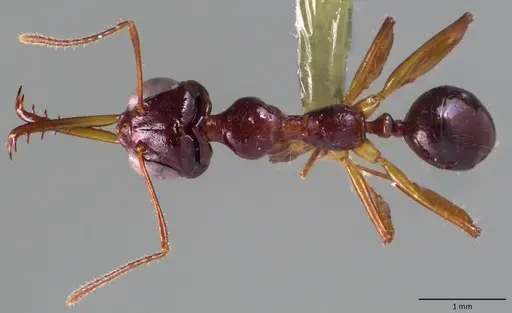
CASENT0909937
View on AntWeb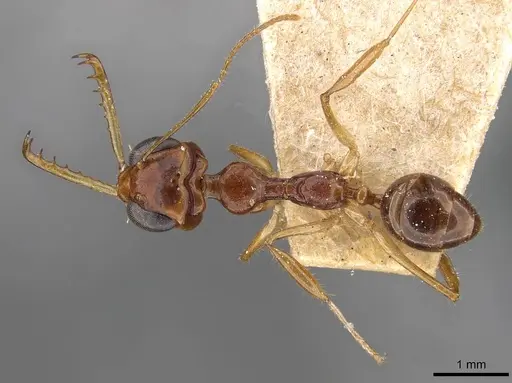
Literature
Loading...Loading products...