

Myrmicocrypta squamosa
- Scientific Name
- Myrmicocrypta squamosa
- Tribe
- Attini
- Subfamily
- Myrmicinae
- Author
- Smith, 1860
- Distribution
- Found in 5 countries
Myrmicocrypta squamosa Overview
Myrmicocrypta squamosa is an ant species of the genus Myrmicocrypta. It is primarily documented in 5 countries , including Argentina, Brazil, Colombia. Detailed taxonomic data and occurrence records can be further explored via authoritative databases such as AntWeb or the Global Biodiversity Information Facility (GBIF).
Myrmicocrypta squamosa
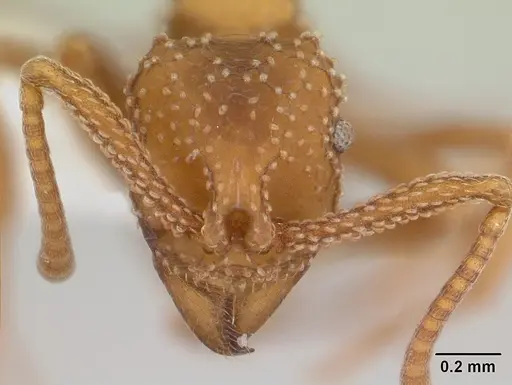
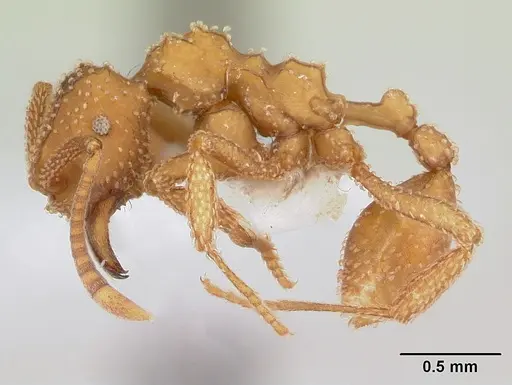
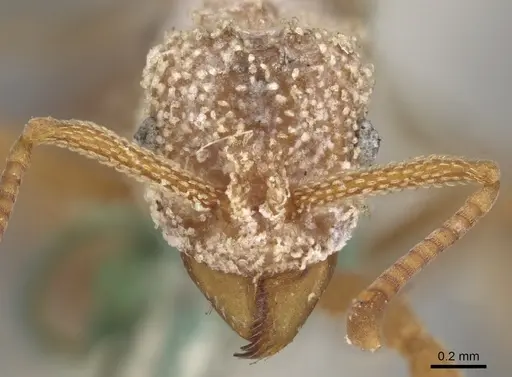
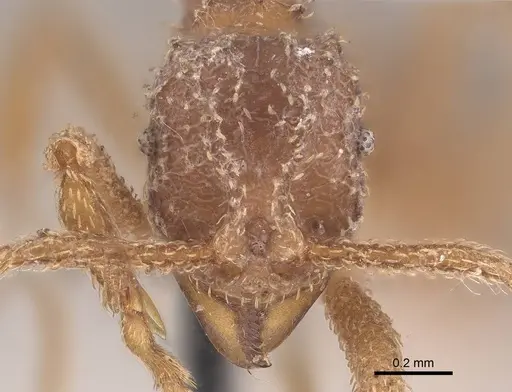
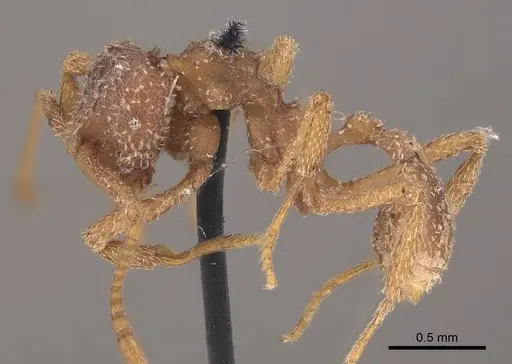
Myrmicocrypta squamosa is a small, primitive fungus-growing ant belonging to the tribe Attini. Workers are tiny ants with the typical rounded abdomen characteristic of Attini ants. The genus Myrmicocrypta is known for being among the more primitive fungus-growing ants, cultivating fungus for food like their more famous relatives in the genus Atta and Acromyrmex. This species is found across northern South America, from Colombia and Trinidad down through Brazil to Argentina [1][2]. The original description was published by Fred. Smith in 1860 based on a queen specimen collected in São Paulo, Brazil [3].
What makes M. squamosa interesting is its adaptability to different habitats, researchers have found these ants in both pristine Atlantic forest and human-modified landscapes like eucalyptus plantations and soybean crops [4]. This suggests they can tolerate some degree of habitat disturbance, which is useful information for keepers. As a fungus-growing ant, they represent an interesting alternative to the more commonly kept leaf-cutter ants (Atta and Acromyrmex), being smaller and potentially easier to house.
Quick Summary
- Difficulty: Medium
- Origin & Habitat: Native to the Neotropical region, found in Brazil, Paraguay, Argentina, Trinidad and Tobago, and Colombia (Amazonas). This is a tropical to subtropical species that inhabits forest environments and adjacent agricultural areas [1][2][4]. In their natural range, they live in warm, humid conditions typical of tropical forests.
- Colony Type: Likely single-queen (monogyne) colonies based on typical Attini patterns. Colony size is not well documented but likely reaches several hundred workers given the genus typical size.
- Size & Growth:
- Queen: Approximately 5-6mm based on original description and genus estimates [3]
- Worker: Approximately 2-3mm based on genus typical measurements
- Colony: Likely several hundred workers based on related Attini species
- Growth: Moderate, fungus-growing ants typically grow more slowly than generalist ants due to the time needed to cultivate their fungal crop
- Development: Estimated 8-12 weeks at optimal temperature based on typical Attini development patterns (Development time is inferred from related fungus-growing ants. The process involves cultivating fungus before workers can be raised, which may extend the founding phase.)
- Antkeeping:
- Temperature: Keep at 24-28°C (warm tropical conditions). A heating cable on one side of the nest creates a temperature gradient that allows the ants to regulate their conditions [5].
- Humidity: High humidity is essential, aim for 70-80% relative humidity. Keep the nest substrate consistently moist but not waterlogged. Fungus-growing ants need damp conditions to maintain their fungal gardens [5].
- Diapause: No true diapause required. As a tropical species, they do not need hibernation. However, slight temperature reductions during winter months (down to around 22°C) may be appropriate if room temperature drops naturally.
- Nesting: Use a nest setup that retains moisture well, plaster nests, acrylic nests with water chambers, or test tube setups with water reservoirs all work well. The key is maintaining humidity while providing adequate ventilation to prevent mold. Y-tong (AAC) nests are also suitable for this size ant.
- Behavior: These ants are generally peaceful and not aggressive. Workers are small and typically non-confrontational. They are not known to sting, and their small size means they pose no danger to keepers. As fungus farmers, they are primarily active in maintaining their fungal crop rather than aggressive colony defense. They are likely to be moderate foragers, sending workers out to gather organic material for their fungus. Escape risk is moderate due to their small size, use standard barrier methods but no special escape prevention is required beyond standard practices.
- Common Issues: Fungal garden collapse is the primary risk, if the fungus dies, the colony will starve. This requires careful attention to humidity and avoiding contamination., Mold growth can be problematic in humid setups. Ensure adequate ventilation while maintaining moisture., Overfeeding can cause fungal problems, only provide organic material the fungus can actually consume., Temperature drops below 20°C can slow or stop colony growth significantly., Wild-caught colonies may carry parasites that can decimate captive colonies.
Nest Preferences and Setup
Myrmicocrypta squamosa requires a nest setup that can maintain high humidity while providing good ventilation. In the wild, these ants nest in soil or decaying wood in forest environments, creating chambers where they cultivate their fungal gardens. For captivity, plaster nests or acrylic nests with built-in water chambers work well. Test tube setups with cotton water reservoirs can also work, but you'll need to monitor humidity carefully. The nest should have chambers sized appropriately for their small worker size, roughly 3-5mm passages work well. Avoid tall, open spaces that dry out quickly. A small outworld for foraging completes the setup. Place the nest in a location away from direct sunlight and drafts. [5]
Feeding and the Fungus Garden
As a fungus-growing ant, M. squamosa has a unique dietary requirement, they cultivate and eat fungus, not the organic material directly. In captivity, you provide the raw materials: small pieces of leaves, flower petals, grass clippings, or other plant matter. The ants process this material and use it to grow their fungal garden, which is their actual food source. This is fundamentally different from feeding typical ants. Do not provide sugar water, honey, or protein-rich foods like insects, these can contaminate the fungal garden and kill it. Only provide fresh plant material. The amount depends on colony size, but start with small pieces and add more as consumed. Remove any uneaten plant material after a few days to prevent mold. [5]
Temperature and Humidity Management
These tropical ants need warm, humid conditions year-round. Keep the nest at 24-28°C during the active season. A small heating cable placed on one end of the nest creates a temperature gradient, the ants will move to their preferred temperature zone. Humidity should stay around 70-80%. Check the nest regularly for condensation on the walls, which indicates good humidity. If condensation disappears quickly, the nest is too dry, mist lightly or add water to the reservoir. However, avoid standing water or overly wet conditions that can drown the fungal garden. During winter, if your room temperature drops significantly, maintain at least 22°C with gentle heating. [5]
Behavior and Colony Dynamics
Myrmicocrypta squamosa workers are small, active, and generally peaceful. They spend much of their time tending to the fungal garden, adding new plant material and harvesting fungal strands for food. Foraging activity is moderate, workers will collect plant matter you provide in the outworld. Colonies grow more slowly than typical ants because they must first establish a viable fungal garden before the queen can produce many workers. The founding phase can take several months. Once established, colonies can grow to several hundred workers over a year or two. These ants are not aggressive and do not pose any sting risk to keepers. They are best observed through the nest walls as they go about their fungal farming activities.
Acquiring and Establishing a Colony
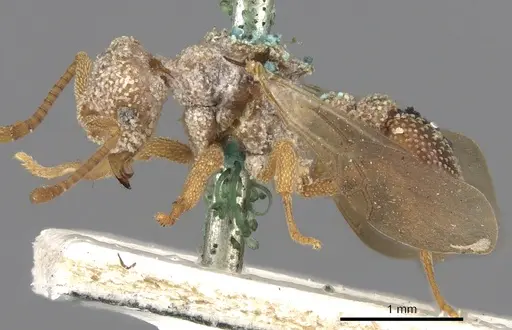
Getting a colony of M. squamosa can be challenging as they are not commonly available in the antkeeping hobby. If you find a queen (likely during nuptial flights in late summer based on the September male specimen collected in Brazil [6]), you can attempt to found a colony. Place the claustral queen in a small test tube setup with a moist cotton ball. She will seal herself into a chamber and begin cultivating fungus from a small pellet she carries. Do not disturb her during this founding phase, it can take 2-4 months before the first workers (nanitics) emerge. If purchasing an established colony, ensure it has a healthy fungal garden and active workers. Quarantine new colonies before introducing them to your existing setup to check for parasites.
Frequently Asked Questions
What do Myrmicocrypta squamosa ants eat?
They eat fungus that they cultivate themselves. You provide fresh plant material like leaf fragments, flower petals, or grass clippings, the ants use this to grow their fungal garden, which is their actual food source. Do not feed them sugar, honey, or insects.
How long does it take for Myrmicocrypta squamosa to raise first workers?
Expect 8-12 weeks from egg to first worker at optimal temperature (24-28°C). The founding phase can be slower than typical ants because the queen must first establish a fungal garden before she can raise brood effectively.
Are Myrmicocrypta squamosa ants aggressive?
No, they are generally peaceful and non-aggressive. Workers are small and focused on tending their fungal garden rather than colony defense. They pose no sting risk to keepers.
What temperature do Myrmicocrypta squamosa need?
Keep them warm at 24-28°C. A heating cable on one end of the nest creates a gradient. They are tropical ants and will slow down significantly below 20°C.
Do Myrmicocrypta squamosa need hibernation?
No, they do not require hibernation. As a tropical species, they need year-round warm conditions. You can provide slightly cooler temperatures (around 22°C) during winter if your room naturally cools, but active heating is recommended.
How big do Myrmicocrypta squamosa colonies get?
Colony size is not well documented but likely reaches several hundred workers based on related Attini species. Growth is moderate and depends on the health of the fungal garden.
What humidity level do Myrmicocrypta squamosa need?
High humidity is essential, aim for 70-80% relative humidity. Keep the nest substrate consistently moist but not waterlogged. The fungal garden needs damp conditions to thrive.
Can I keep Myrmicocrypta squamosa in a test tube?
Yes, test tubes can work for founding colonies and small colonies. Use a test tube with a water reservoir (cotton ball soaked in water). Monitor humidity carefully, you need to maintain moisture without flooding the tube.
Why is my fungal garden turning black?
A black or dying fungal garden usually means the conditions are wrong. This could be too dry, too wet, contaminated, or temperature problems. Check humidity levels, remove any uneaten plant material that might be molding, and ensure temperature is in the 24-28°C range. The colony may starve if the fungus dies.
Is Myrmicocrypta squamosa good for beginners?
They are intermediate in difficulty. The unique requirement of maintaining a fungal garden adds complexity compared to typical ants. They are smaller and less aggressive than leaf-cutter ants (Atta/Acromyrmex), making them more manageable, but the fungus cultivation requirement means they are not the easiest choice for a first ant colony.
References

This caresheet is licensed under CC BY-SA 4.0 .
CASENT0173990
View on AntWeb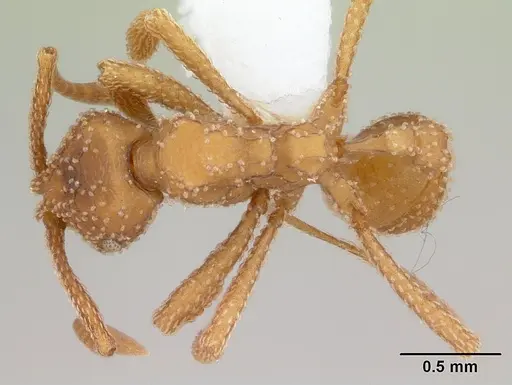
CASENT0901680
View on AntWeb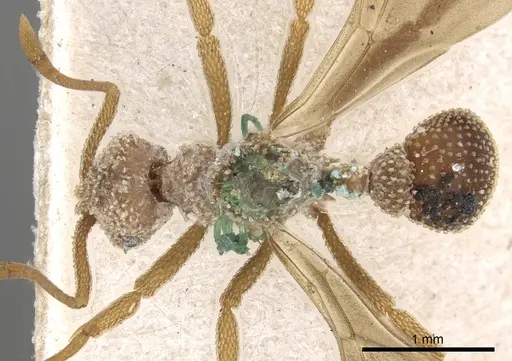
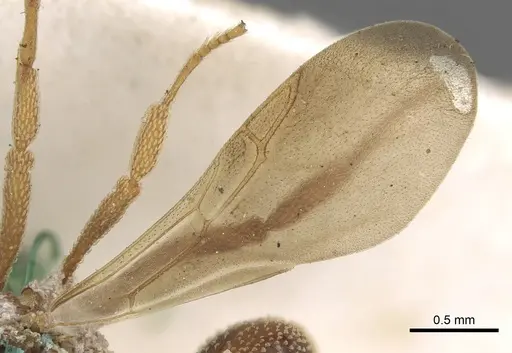
CASENT0901681
View on AntWeb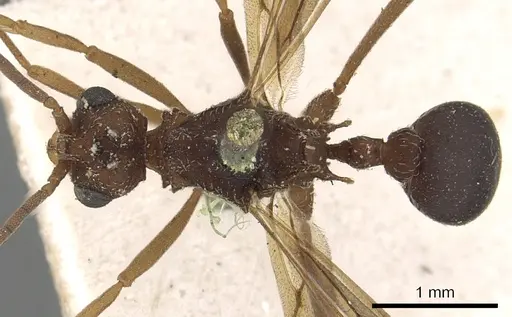
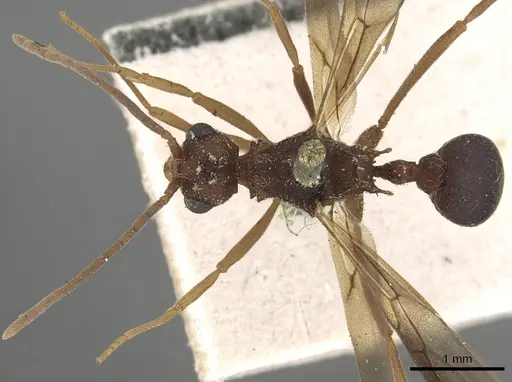
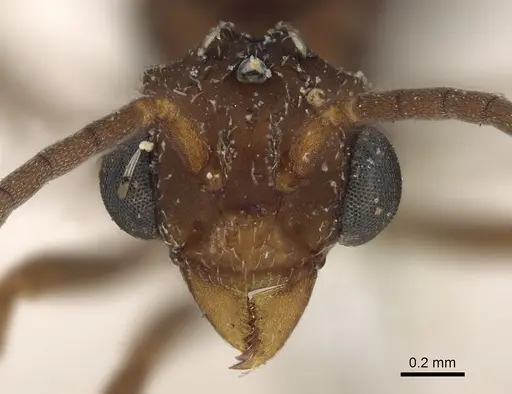
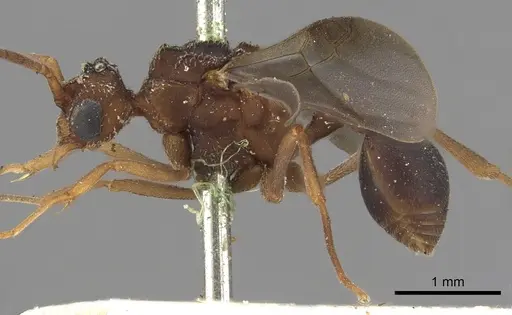
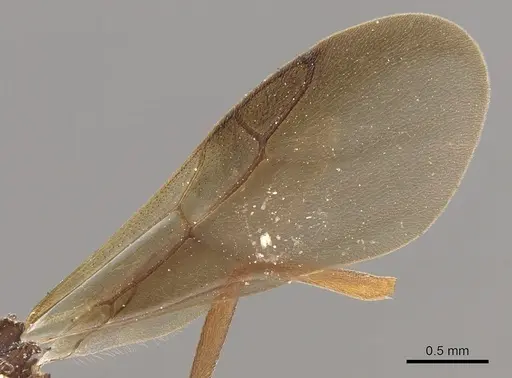
CASENT0919606
View on AntWeb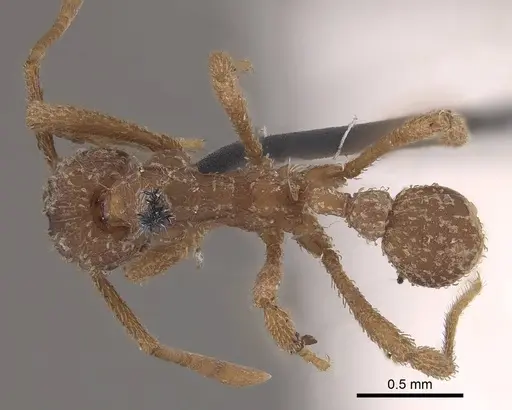
Literature
Loading...Loading products...