

Myrmicocrypta foreli
- Scientific Name
- Myrmicocrypta foreli
- Tribe
- Attini
- Subfamily
- Myrmicinae
- Author
- Mann, 1916
- Distribution
- Found in 1 countries
Myrmicocrypta foreli Overview
Myrmicocrypta foreli is an ant species of the genus Myrmicocrypta. It is primarily documented in 1 countries , including Brazil. Detailed taxonomic data and occurrence records can be further explored via authoritative databases such as AntWeb or the Global Biodiversity Information Facility (GBIF).
Myrmicocrypta foreli
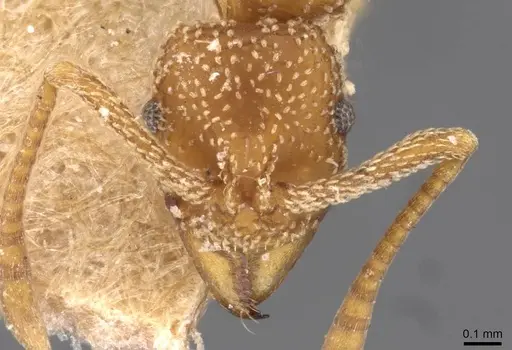
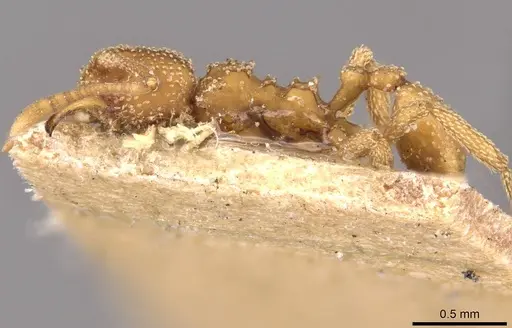
Myrmicocrypta foreli is a small, ground-dwelling ant belonging to the Attini tribe, the fungus-farming ants. Workers are tiny, measuring just a few millimeters, with distinctive features including vestigial frontal lobes, long propodeal spines, and a keeled ventral margin on the petiole. They are colored dark brown to black. This species ranges across the Neotropical region, found in Argentina, Brazil, and Colombia, where they inhabit leaf-litter environments in forests and cerrado savanna. As a basal Attini, they represent an early branch in the fungus-farming lineage, making them an interesting species for antkeepers interested in the evolution of agriculture in ants.
Quick Summary
- Difficulty: Unknown, likely Medium to Hard
- Origin & Habitat: Neotropical region, Argentina, Brazil, Colombia. Found in primary forest, secondary forest, and cerrado (Brazilian savanna) leaf-litter at elevations from sea level to at least 330m [1][2][3].
- Colony Type: Unconfirmed colony structure. Based on typical Attini patterns, likely single-queen (monogyne) colonies.
- Size & Growth:
- Queen: Estimated 5-7mm based on genus patterns, no direct measurement found
- Worker: Estimated 2-3mm based on genus patterns, no direct measurement found
- Colony: Unknown, likely small to moderate based on typical leaf-litter ant patterns
- Growth: Unknown, likely moderate
- Development: Estimated 6-10 weeks based on related Attini species at optimal temperature (No direct development data available, estimate based on genus-level patterns for tropical Myrmicinae)
- Antkeeping:
- Temperature: Keep warm, roughly 24-28°C. As a tropical species from the Amazon and cerrado regions, they need stable warmth [3].
- Humidity: Keep substrate consistently moist but not waterlogged. Leaf-litter species need damp conditions, aim for substrate that feels damp to the touch with some drier areas available.
- Diapause: Unlikely, being a tropical species, they probably do not require a diapause period. Maintain year-round warm conditions.
- Nesting: In nature they nest in leaf-litter and soil. In captivity, a naturalistic setup with moist substrate (like a terrarium-style formicarium) works well. They need tight chambers and passages scaled to their tiny size.
- Behavior: These are tiny, ground-dwelling ants that live in leaf-litter environments. They are likely docile and not aggressive. Their small size means escape prevention must be excellent, use fine mesh and tight-fitting lids. As Attini, they cultivate fungus but are considered basal fungus farmers that likely supplement their diet with other small prey and detritus.
- Common Issues: tiny size makes escape prevention critical, they can squeeze through standard mesh, lack of specific care information means keepers must experiment with conditions, wild-caught colonies may not survive transfer to captive conditions, humidity balance is tricky, too wet causes mold, too dry causes desiccation
Natural History and Distribution
Myrmicocrypta foreli is a Neotropical ant species found across Argentina, Brazil, and Colombia. The type locality is Rio Madeira in Brazil [4]. They inhabit diverse environments including primary Amazon forest, secondary forest, and cerrado savanna. Research has recorded them in leaf-litter samples using Winkler sac extraction and pitfall traps [1][5]. They are ground-dwelling ants that prefer moist, shaded leaf-litter environments. Studies in Brazil show they can survive in both pristine native vegetation and human-modified landscapes like Eucalyptus plantations, though they are affected by chemical weed control methods [6][7][8]. This species was recently documented in Colombia's Putumayo region at 330m elevation, expanding their known range [1].
Taxonomy and Identification
Myrmicocrypta foreli belongs to the tribe Attini, the fungus-farming ants, though it represents a basal position within this group. Workers can be identified by their vestigial frontal lobes that appear as parallel raised carinae, vestigial anterior pronotal tubercles, long propodeal spines, and a keeled ventral margin on the petiole [1]. The original description was published by William M. Mann in 1916 based on specimens from Brazil [4]. A subspecies, Myrmicocrypta foreli surianensis, was described by Wheeler in 1925. As a small leaf-litter ant, they are often overlooked in surveys but can be distinguished from similar species by these morphological characters.
Fungus-Farming Behavior
As a member of the Attini tribe, Myrmicocrypta foreli cultivates fungus for food. However, being a basal genus in this group, their farming behavior is likely less specialized than the advanced leaf-cutter ants (Atta and Acromyrmex). They probably maintain a small fungal garden and supplement their diet with small arthropod prey and organic detritus. In captivity, you should provide a fungal substrate, this can include small pieces of decaying plant material where fungus can grow. Some keepers report success offering small amounts of pre-made fungus or allowing the colony to establish their own from organic matter. Protein foods like small insects should also be offered.
Housing and Nesting
In the wild, Myrmicocrypta foreli nests in leaf-litter and upper soil layers. For captive care, a naturalistic setup works best, a terrarium-style formicarium with moist soil/ substrate that allows them to create their own chambers. The substrate should be able to hold moisture without becoming waterlogged. Because they are tiny, ensure chambers and passages are appropriately scaled, avoid large, open spaces. A layer of leaf-litter on top provides cover and helps maintain humidity. Test tubes can work for founding colonies but may need to be connected to a larger foraging area as the colony grows.
Temperature and Humidity
As a tropical species from the Amazon basin and Brazilian cerrado, Myrmicocrypta foreli needs warm conditions. Aim for temperatures around 24-28°C. They can likely tolerate brief drops but prolonged cool conditions will slow or stop activity. For humidity, maintain substrate consistently moist, think damp forest floor. The substrate should feel damp to the touch but not drip water. Some variation within the enclosure allows ants to self-regulate. Good ventilation helps prevent mold while maintaining humidity. Avoid placing the nest in direct sunlight or near air conditioning vents. [3]
Feeding
Myrmicocrypta foreli is a fungus-farming ant, but being basal in the Attini, they likely have a more varied diet than specialized leaf-cutters. In captivity, offer small amounts of organic material (decaying leaves, wood fragments) to support fungal growth. They will also accept small protein sources like tiny insects, springtails, or fruit flies. Sugar sources may be accepted but are not a primary food. Feed small amounts initially and remove uneaten food to prevent mold. The fungal garden, if established, should be maintained with fresh organic material periodically.
Frequently Asked Questions
How long does it take for Myrmicocrypta foreli to produce first workers?
The exact timeline is unknown, but based on related Attini species, expect 6-10 weeks from egg to first worker at optimal warm temperatures (around 26°C). Growth will be slower at cooler temperatures.
What do Myrmicocrypta foreli ants eat?
As basal fungus-farming ants, they cultivate fungus for food but also accept small protein sources like tiny insects. Offer small pieces of decaying plant material to support fungal growth, along with small live prey like springtails or fruit flies.
Can I keep Myrmicocrypta foreli in a test tube?
Test tubes can work for founding colonies, but due to their tiny size and ground-dwelling nature, a naturalistic setup with moist substrate is preferable once the colony grows. Ensure any setup has excellent escape prevention.
What temperature do Myrmicocrypta foreli need?
Keep them warm at roughly 24-28°C. As a tropical species from the Amazon and cerrado regions, they need stable warmth year-round.
Are Myrmicocrypta foreli good for beginners?
This species is not well-documented in the antkeeping hobby, and their specific care requirements are not fully understood. It is not recommended for beginners, more established species with known care parameters are better choices for new antkeepers.
How big do Myrmicocrypta foreli colonies get?
Colony size is not well-documented, but based on typical leaf-litter ant patterns, colonies likely remain small to moderate, probably under a few hundred workers.
Do Myrmicocrypta foreli need hibernation?
Unlikely, being a tropical species from the Neotropics, they probably do not require a diapause or hibernation period. Maintain year-round warm conditions.
Why are my Myrmicocrypta foreli dying?
Common causes include: temperature too cool (keep warm), humidity wrong (substrate should be damp but not waterlogged), escape (they are tiny and can slip through standard barriers), or stress from transfer. Ensure conditions match their leaf-litter forest floor habitat.
References

This caresheet is licensed under CC BY-SA 4.0 .
CASENT0909360
View on AntWeb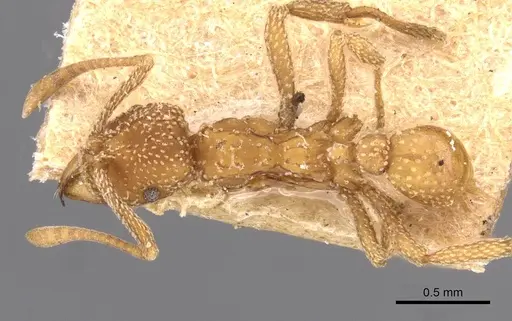
Literature
Loading...Loading products...