

Myrmicocrypta dilacerata
- Scientific Name
- Myrmicocrypta dilacerata
- Tribe
- Attini
- Subfamily
- Myrmicinae
- Author
- Forel, 1885
- Distribution
- Found in 1 countries
Myrmicocrypta dilacerata Overview
Myrmicocrypta dilacerata is an ant species of the genus Myrmicocrypta. It is primarily documented in 1 countries , including Mexico. Detailed taxonomic data and occurrence records can be further explored via authoritative databases such as AntWeb or the Global Biodiversity Information Facility (GBIF).
Myrmicocrypta dilacerata
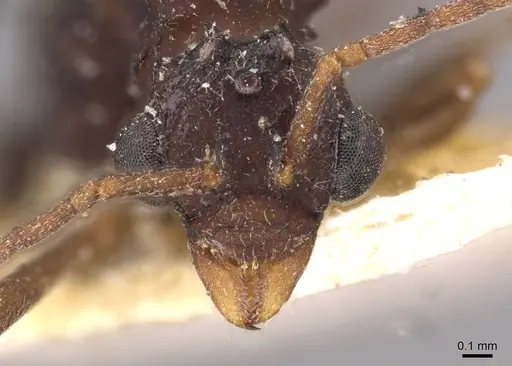
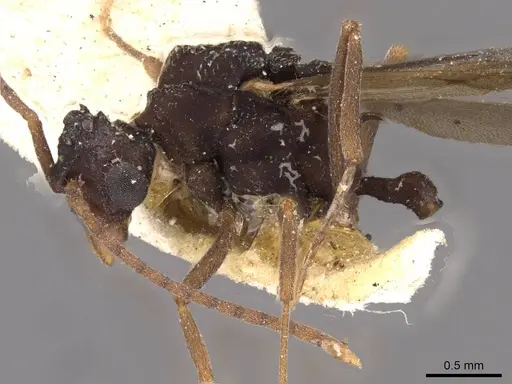
Myrmicocrypta dilacerata is a small fungus-growing ant belonging to the tribe Attini. Workers are tiny, measuring just a few millimeters, with the typical reddish-brown to dark coloration common among Attini ants. This species ranges from southern Mexico through Central America to Panama, inhabiting tropical and subtropical lowland forests [1]. As a fungus-growing ant, it cultivates a specialized fungus garden that serves as its primary food source, the ants feed the fungus with plant material and consume the fungal structures. This makes them fundamentally different from most ant species kept in captivity, as they cannot be fed standard ant diets like sugar water or protein prey.
Quick Summary
- Difficulty: Expert
- Origin & Habitat: This species is native to the Neotropical region, found in Belize, Costa Rica, Honduras, Mexico, Nicaragua, and Panama. It inhabits lowland tropical rainforests, typically nesting in soil or decaying wood in shaded, humid forest environments [1][2].
- Colony Type: Colony structure is unconfirmed for this specific species. Most Attini ants are monogyne (single queen colonies), but this has not been documented for M. dilacerata.
- Size & Growth:
- Queen: Estimated 5-7mm based on genus-level morphology of related Attini species
- Worker: Estimated 2-4mm based on genus-level morphology of related Attini species
- Colony: Unknown, likely small to moderate colony size typical of Myrmicocrypta genus
- Growth: Unknown, likely moderate based on related fungus-growing ants
- Development: Estimated 6-10 weeks at optimal temperature based on related Attini species (Development time inferred from typical Attini patterns, direct measurements not available for this species)
- Antkeeping:
- Temperature: Keep warm at 24-28°C, these are tropical ants requiring stable warm conditions. A heating cable on one side of the nest creates a suitable gradient. This is inferred from their natural range in Central American lowlands.
- Humidity: High humidity is essential, aim for 70-85% relative humidity. Keep the nest substrate consistently moist but not waterlogged. Fungus-growing ants need damp conditions for their fungal gardens to thrive. Mist or rehydrate based on substrate moisture, not a fixed schedule.
- Diapause: No, this is a tropical species that does not require hibernation. Maintain warm conditions year-round.
- Nesting: In captivity, they do well in Y-tong (acrylic) nests or naturalistic setups with moist substrate. They need a chamber for their fungus garden, so provide adequate space for both the colony and the fungal culture. Avoid dry environments entirely.
- Behavior: This species is not aggressive and lacks a functional sting. Workers are small and slow-moving. Escape risk is moderate due to their tiny size, use standard barrier methods. As fungus farmers, they are not interested in typical ant baits or sugar water. They are peaceful colony inhabitants that focus on maintaining their fungal gardens.
- Common Issues: specialized diet requirement, they cannot survive on standard ant foods and need a fungal culture to be established, humidity control is critical, too dry and the fungus dies, killing the colony, slow growth means colonies take a long time to establish, requiring patience, very limited availability, this species is rarely kept in captivity and not commercially available, temperature sensitivity, drops below 20°C can be fatal to the fungus and the colony
Understanding Fungus-Growing Ants
Myrmicocrypta dilacerata belongs to the tribe Attini, the fungus-growing ants. This is a highly specialized group that has evolved a unique agricultural symbiosis. Unlike most ants that forage for food directly, Attini ants cultivate fungus gardens inside their nests. The workers feed the fungus pieces of leaves, flowers, or other plant material, and the ants consume the specialized fungal structures that grow. This makes them fundamentally different to keep than typical ants, they cannot eat sugar water, honey, mealworms, or other standard ant foods. Their entire diet depends on maintaining a healthy fungal culture. This care requirement puts them firmly in the expert category and explains why they are rarely kept in captivity. [1]
Feeding and Diet - The Fungus Garden
This is the most critical aspect of keeping M. dilacerata. You cannot feed them directly, you must provide plant material for them to cultivate their fungus. Offer small pieces of fresh leaves, flower petals, or other soft plant matter. The ants will cut this into smaller pieces and incorporate it into their fungal garden. The fungus then grows, and the ants consume the fungal structures. Success depends entirely on establishing and maintaining a healthy fungus garden. This is extremely difficult in captivity and requires expertise in fungal cultivation. Do not attempt to keep this species unless you have access to an established fungal culture or have extensive experience with other Attini ants. Sugar sources and protein prey will be ignored entirely.
Temperature and Humidity
As a tropical species from Central American lowlands, M. dilacerata requires warm, humid conditions. Keep the nest at 24-28°C consistently, temperature drops below 20°C can be fatal. Use a heating cable on one side of the nest to create a gentle gradient. Humidity should be high at 70-85%. The substrate should feel consistently moist but never waterlogged. The fungus garden needs these damp conditions to survive. In dry environments, the fungus will die, and the colony will starve. A naturalistic setup with moisture-retaining substrate works well. Monitor both temperature and humidity closely, stability is more important than exact numbers.
Housing and Nest Setup
For this species, a Y-tong (acrylic) nest or a naturalistic setup with moist substrate works best. They need space for their fungus garden, so provide appropriately sized chambers. The nest material should retain moisture well, options include Y-tong with a water reservoir, plaster nests, or soil-based naturalistic setups. Because they are tiny, ensure escape prevention is adequate, though they are not strong climbers like some other species. Provide an outworld area for adding fresh plant material for the fungus garden. The key is creating a stable, humid environment that supports fungal growth.
Colony Development and Growth
Colony growth is slow compared to typical ants. The queen raises the first workers alone in the founding chamber, and these workers are tiny (nanitics). Once established, the colony will gradually expand as the fungus garden grows. Expect slow growth over months to years before seeing significant population increases. This species is not for impatient keepers, establishing a thriving colony can take years. The colony size at maturity is unknown but is likely in the hundreds of workers based on related Myrmicocrypta species. Patience and consistent care are essential for success.
Frequently Asked Questions
Can I keep Myrmicocrypta dilacerata in a test tube?
A test tube setup is not recommended for this species. They require a nest with space for their fungus garden to develop. A Y-tong nest or naturalistic setup with moist substrate is much more appropriate. Test tubes cannot accommodate the plant material needed for fungus cultivation.
What do Myrmicocrypta dilacerata ants eat?
They do not eat typical ant foods. This is a fungus-growing ant that cultivates a fungal garden. You must provide fresh plant material (leaves, flower petals) which the ants use to feed their fungus. The ants then consume the fungal structures. This is fundamentally different from keeping regular ants.
How long until first workers in Myrmicocrypta dilacerata?
Exact development time is unknown for this species. Based on related Attini species, expect 6-10 weeks from egg to first worker at optimal temperature (around 25°C). Founding is slow, and patience is essential.
Are Myrmicocrypta dilacerata good for beginners?
No. This species is rated Expert difficulty. They require a specialized fungus-culturing diet that is extremely difficult to provide in captivity. Most antkeepers cannot establish or maintain the required fungal garden. This species is not recommended for anyone except experienced antkeepers with specific expertise in fungus-growing ants.
Do Myrmicocrypta dilacerata need hibernation?
No. This is a tropical species from Central America that does not require hibernation. Keep them warm year-round at 24-28°C. Temperature drops can be fatal to both the ants and their fungal culture.
How big do Myrmicocrypta dilacerata colonies get?
The maximum colony size is unknown for this specific species. Based on related Myrmicocrypta species, colonies likely reach several hundred workers at maturity. Growth is slow, taking months to years to establish.
Can I keep multiple queens together?
Colony structure is unconfirmed for this species. Most Attini ants are monogyne (single queen), but this has not been documented for M. dilacerata. Combining unrelated queens is not recommended due to lack of data on their founding behavior.
Why is my Myrmicocrypta dilacerata colony dying?
The most likely cause is the fungus garden declining. Fungus-growing ants depend entirely on their fungal culture, if the fungus dies, the colony starves. This happens due to incorrect humidity (too dry), temperature issues, or improper plant material. These ants are extremely difficult to keep alive in captivity without proper fungal cultivation knowledge.
Where can I get Myrmicocrypta dilacerata?
This species is rarely available in the antkeeping hobby. It is not commercially bred and is considered an advanced species that very few keepers attempt to maintain. If available at all, it would be from specialized dealers in exotic fungus-growing ants.
References

This caresheet is licensed under CC BY-SA 4.0 .
CASENT0281771
View on AntWeb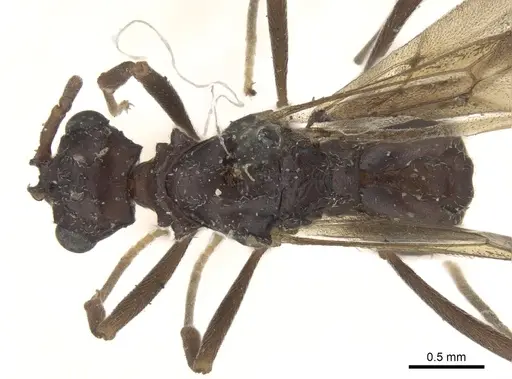
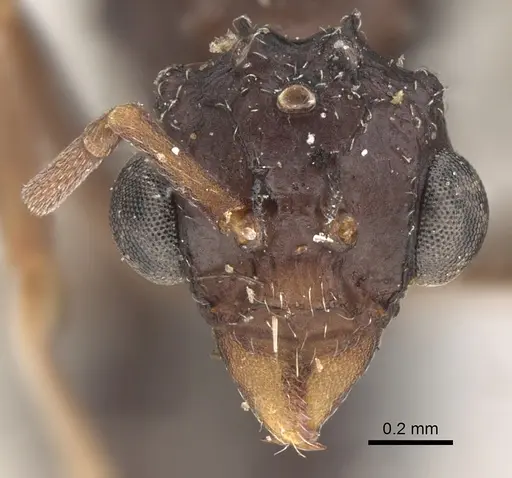
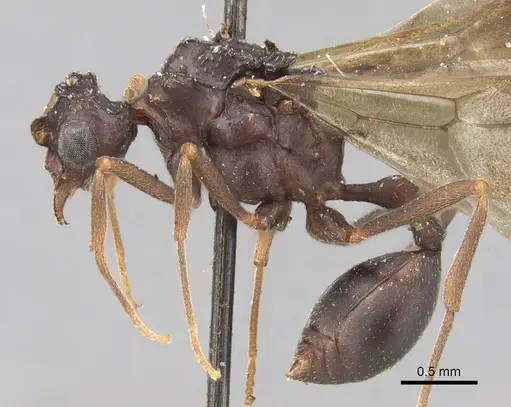
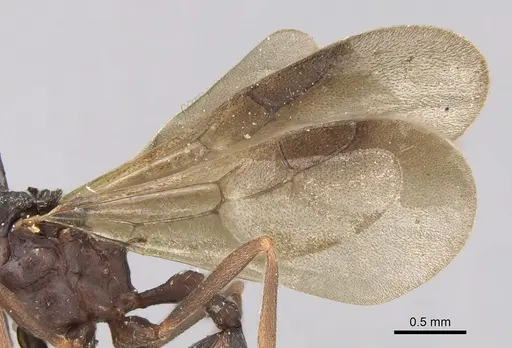
CASENT0909359
View on AntWeb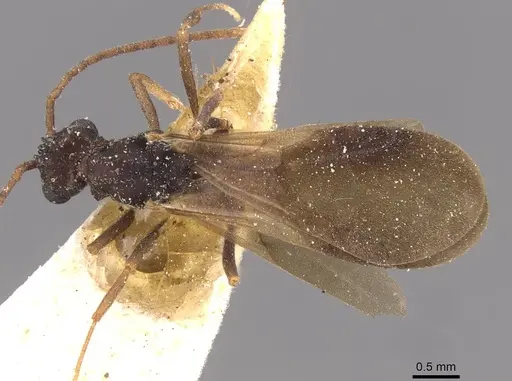
Literature
Loading...Loading products...