

Myrmicaria melanogaster
- Scientific Name
- Myrmicaria melanogaster
- Tribe
- Solenopsidini
- Subfamily
- Myrmicinae
- Author
- Emery, 1900
- Distribution
- Found in 2 countries
Myrmicaria melanogaster Overview
Myrmicaria melanogaster is an ant species of the genus Myrmicaria. It is primarily documented in 2 countries , including Brunei Darussalam, Malaysia. Detailed taxonomic data and occurrence records can be further explored via authoritative databases such as AntWeb or the Global Biodiversity Information Facility (GBIF).
Myrmicaria melanogaster
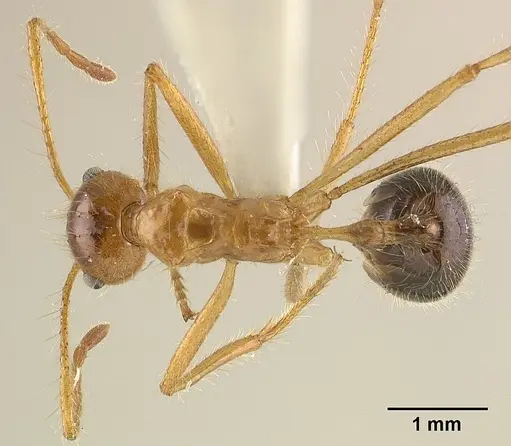
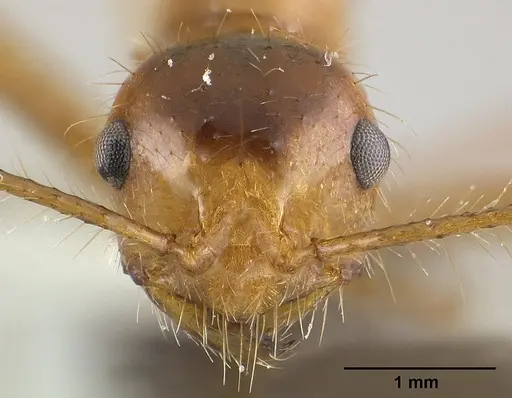
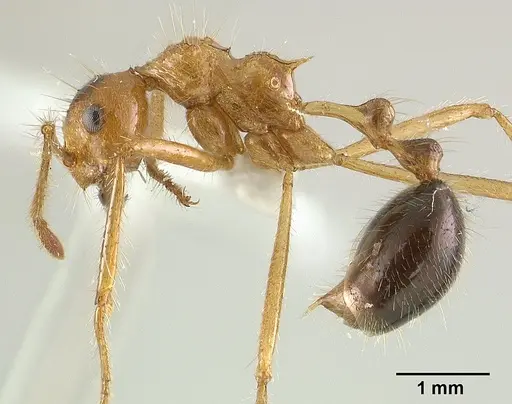
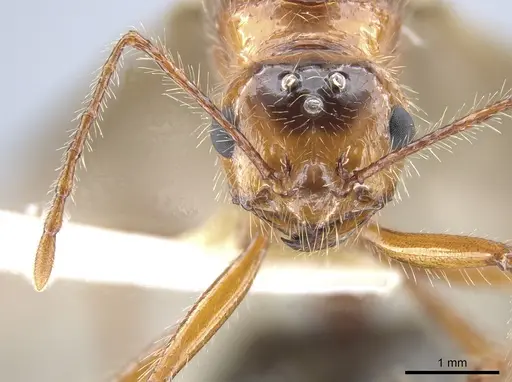
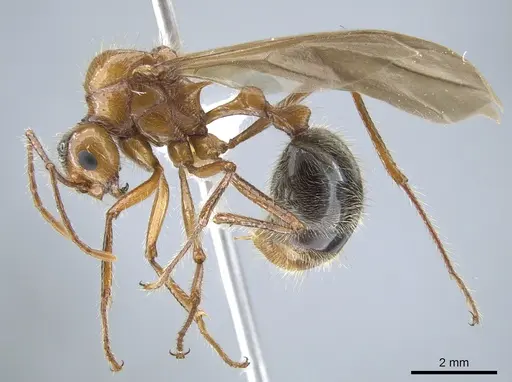
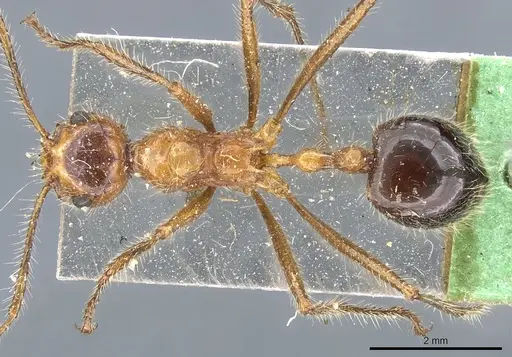
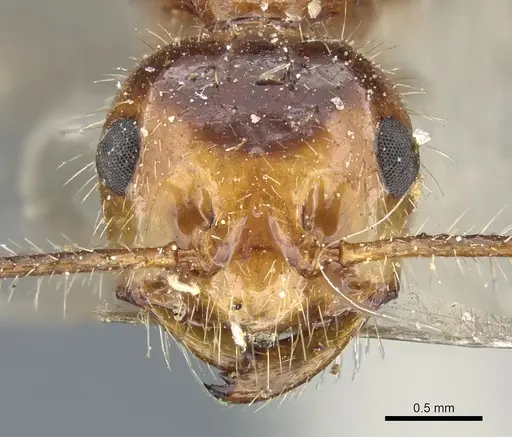
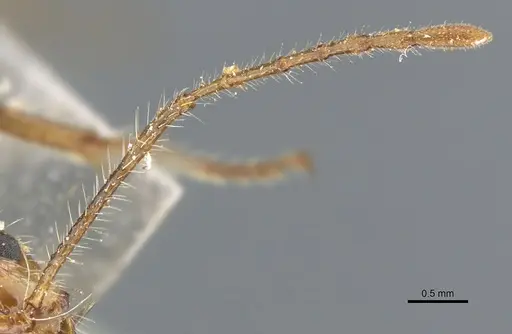
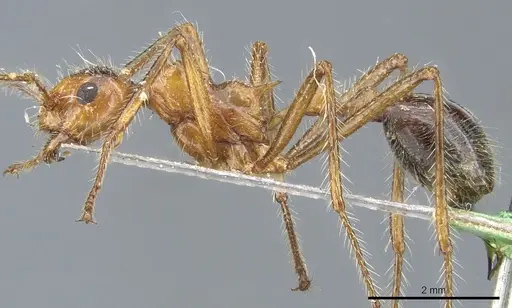
Myrmicaria melanogaster is a small tropical ant species native to Southeast Asia, found across Borneo, Brunei, Indonesia, Malaysia, and Singapore. Workers are modest in size and feature the characteristic Myrmicaria morphology, a somewhat elongated body with a distinctive petiole and postpetiole structure. The species belongs to the Solenopsidini tribe and is phylogenetically related to thief ants in the genera Monomorium and Solenopsis [1]. Colonies are arboreal, meaning they nest in elevated locations in the rainforest canopy rather than in ground nests [2]. This is a tropical species that thrives in the warm, humid conditions of Bornean rainforests.
Quick Summary
- Difficulty: Medium
- Origin & Habitat: Native to the Indomalaya region, specifically Borneo, Brunei, Indonesia, Malaysia, and Singapore. Found in tropical rainforest habitats, with colonies nesting arboreally in the forest canopy [2][3].
- Colony Type: Colony structure is unconfirmed. Wild colonies have been collected from arboreal nests in Borneo, but the number of queens per colony has not been documented.
- Size & Growth:
- Queen: Estimated 5-7mm based on genus-level patterns for Myrmicaria species
- Worker: Estimated 3-5mm based on genus-level patterns
- Colony: Unknown from direct studies, likely moderate-sized colonies based on related genera
- Growth: Moderate, tropical development typically faster than temperate species
- Development: Estimated 5-8 weeks at optimal tropical temperatures based on related Myrmicinae genera (Development timeline is estimated based on typical tropical Myrmicinae patterns. Direct measurements for this species are not available.)
- Antkeeping:
- Temperature: Keep at 24-28°C. As a tropical species from Borneo, they need warm conditions year-round. A heating cable on one side of the nest can create a gentle gradient if room temperature falls below this range.
- Humidity: High humidity preferred, aim for 70-80% relative humidity. This rainforest species needs consistently moist conditions. Keep the nest substrate damp but not waterlogged, with some drier areas available for ants to regulate their own humidity.
- Diapause: No true diapause required. As a tropical species, they do not need hibernation. However, slight temperature reductions during cooler months may be appropriate if your room temperature drops significantly.
- Nesting: Arboreal nesting preference means they do well in setups that allow elevation. Y-tong (AAC) nests or plaster nests work well. Provide climbing structures and ensure the nest has good humidity retention while allowing some ventilation.
- Behavior: This species is related to thief ants (Solenopsis, Monomorium), which are known for their omnivorous diet and somewhat secretive nesting habits. Workers are likely moderately active and may show foraging behavior both in the nest area and in an outworld. Escape risk is moderate, use standard barrier precautions. The venom chemistry shows they produce alkaloids similar to fire ants, so they may have some defensive capabilities, though the sting is likely mild for human skin.
- Common Issues: tropical humidity requirements mean colonies can suffer in dry indoor environments, arboreal nesting means they need vertical space and climbing structures, lack of documented care information means keepers must adapt from related species, tropical warmth requirements year-round can be challenging in cooler climates
Natural History and Distribution
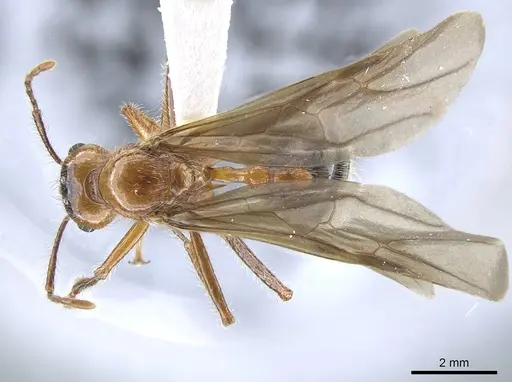
Myrmicaria melanogaster is endemic to Southeast Asia, specifically the Indomalaya region including Borneo, Brunei, Indonesia, Malaysia, and Singapore. The species was originally described by Emery in 1900 from Borneo, with queen and male castes later described by Forel in 1911. Unlike many ant species that nest in the ground, M. melanogaster is arboreal, colonies have been collected from elevated positions in the rainforest canopy in both Sabah and Sarawak, Borneo [2]. This arboreal lifestyle is a distinguishing characteristic of the genus Myrmicaria and sets these ants apart from many other Myrmicinae that prefer ground nesting. The species is part of the M. arachnoides species group based on morphological characters [2].
Taxonomy and Relatives
This species belongs to the subfamily Myrmicinae, tribe Solenopsidini. Phylogenetically, Myrmicaria is closely related to the thief ants (genera Monomorium and Solenopsis) [1]. This relationship is reflected in their venom chemistry, M. melanogaster produces similar alkaloid compounds including pyrrolidines, indolizidines, and lehmizidine (a hydroxylated indolizidine) [1]. The venom also contains tricyclic alkaloids and dimeric and trimeric versions [1]. These chemical similarities suggest shared evolutionary pathways in defensive secretions. The genus Myrmicaria contains several species across tropical Asia and Africa, with the Southeast Asian species forming distinct species groups.
Trophic Ecology
Stable isotope studies from Borneo rainforests provide insight into the trophic position of Myrmicaria ants. One study found a δ15Ncor value of 3.01 for Myrmicinae generally [4], while another recorded a value of 2.95 for an individual from alluvial forest [5]. These values indicate a mid-trophic level position, consistent with an omnivorous diet that includes both plant-based and animal-based food sources. This aligns with what is known about related genera like Monomorium and Solenopsis, which are omnivorous and will consume sugars, dead insects, and other small prey. In captivity, you should offer a varied diet including sugar sources (honey water or sugar water) and protein sources (insects like fruit flies, small crickets, or mealworms).
Housing and Nest Setup
Given their arboreal nesting preference in the wild, Myrmicaria melanogaster does well in setups that provide vertical space and climbing opportunities. Y-tong (AAC) nests work well for this species, as do plaster nests that can maintain humidity. The nest should be kept humid (70-80% relative humidity) but with adequate ventilation to prevent mold. Provide an outworld where workers can forage, and include some climbing structures like twigs or artificial plants. Because they are tropical, keep the entire setup warm (24-28°C) year-round. A small water test tube connected to the nest helps maintain humidity. For escape prevention, use standard barrier methods, while not particularly large or aggressive, they are active foragers.
Feeding Guidelines
Based on their phylogenetic relationship to thief ants and their trophic position, M. melanogaster is likely omnivorous. Offer sugar water or honey water as a constant energy source. For protein, provide small insects like fruit flies, pinhead crickets, small mealworms, or other appropriately-sized prey. Unlike strictly predatory ants, they likely will accept a variety of food sources. Feed protein 2-3 times per week, and ensure sugar water is always available. Remove uneaten prey after 24-48 hours to prevent mold. Observe your colony's preferences, some individuals may favor certain foods over others.
Temperature and Seasonal Care
As a tropical species from Borneo, Myrmicaria melanogaster requires warm conditions year-round. Keep the nest area at 24-28°C. In most homes, this may require a heating cable or heating mat on one side of the nest to maintain appropriate temperatures. Use a thermostat to prevent overheating. Unlike temperate species, they do not require a winter diapause. However, if your room temperature drops significantly in winter, you may need to provide supplemental heating. They are adapted to stable tropical conditions, so avoid sudden temperature fluctuations. The combination of warmth and humidity is essential, dry heat is not appropriate for this rainforest species.
Frequently Asked Questions
How long does it take for Myrmicaria melanogaster to produce first workers?
The exact development timeline is unconfirmed for this species. Based on typical tropical Myrmicinae development, expect approximately 5-8 weeks from egg to first worker at optimal temperatures (24-28°C). This is an estimate, actual times may vary based on temperature and colony conditions.
What do Myrmicaria melanogaster ants eat?
They are omnivorous based on their phylogenetic relationship to thief ants and their trophic position. Offer sugar water or honey water constantly, and provide protein sources like small insects (fruit flies, pinhead crickets, small mealworms) 2-3 times per week.
What temperature do Myrmicaria melanogaster ants need?
Keep them warm at 24-28°C year-round. As a tropical species from Borneo, they need consistent warmth. A heating cable on one side of the nest can help maintain these temperatures in cooler environments.
Are Myrmicaria melanogaster good for beginners?
This species is rated as Medium difficulty. While not the most challenging species, the lack of documented care information and their specific tropical requirements (warmth, humidity year-round) make them better suited for keepers with some experience. Their arboreal nature also requires appropriate housing setup.
How big do Myrmicaria melanogaster colonies get?
Colony size is not documented in scientific literature. Based on related genera, they likely form moderate-sized colonies. The maximum size for captive colonies remains unknown.
Do Myrmicaria melanogaster need hibernation?
No. As a tropical species from Borneo, they do not require hibernation or winter diapause. Keep them warm (24-28°C) year-round. Slight temperature reductions during cooler months may be appropriate if your room temperature drops significantly.
What type of nest is best for Myrmicaria melanogaster?
Y-tong (AAC) nests or plaster nests work well. They prefer arboreal-style setups with climbing structures. The nest should maintain high humidity (70-80%) while providing adequate ventilation to prevent mold.
Where is Myrmicaria melanogaster found in the wild?
They are native to Southeast Asia, specifically Borneo, Brunei, Indonesia, Malaysia, and Singapore. They live in tropical rainforest habitats and nest arboreally in the forest canopy.
Can I keep multiple Myrmicaria melanogaster queens together?
The colony structure (monogyne vs polygyne) has not been documented for this species. Without documented evidence of successful multi-queen colonies, it is not recommended to combine unrelated queens. Keep single-queen colonies for safety.
References

This caresheet is licensed under CC BY-SA 4.0 .
Literature
Loading...Loading products...