Myrmicaria birmana - "Arched Ant"
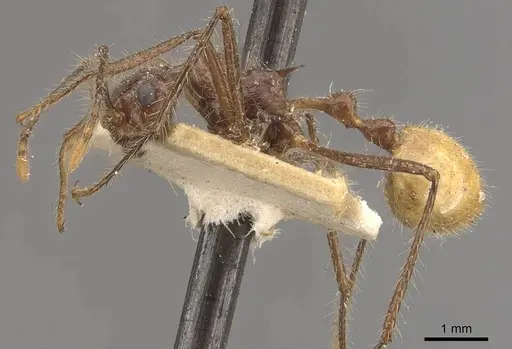
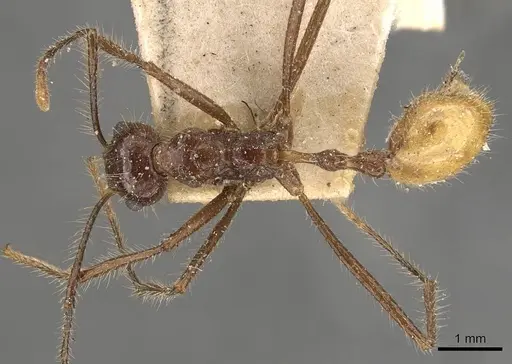
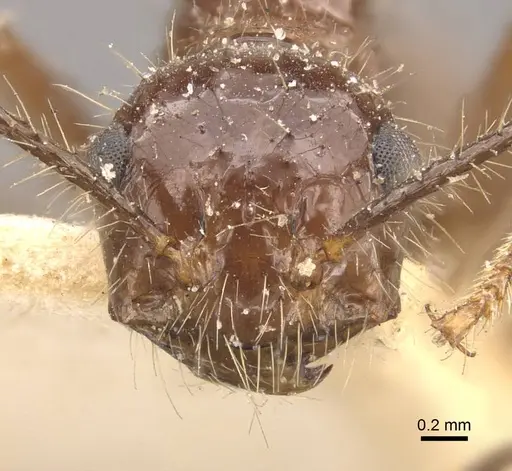
Myrmicaria birmana, often referred to as the Arched Ant, is a captivating ant species known for its distinctive appearance and active behavior. These ants have elongated bodies with a quirky, hunchbacked posture, often curving their abdomens under their thorax. Their vibrant orange gasters make them quite a head-turner among ant species. Queens typically measure between 10mm to 12mm, while workers range from 5mm to 8mm, with noticeable size variations among workers even within the same colony. They are skilled nest builders, constructing intricate arboreal carton nests using chewed wood and debris mixed with saliva, resembling tiny architects at work. Beyond their unique looks and building prowess, they are also known to be effective pollinators, visiting flowers to feed on nectar and sap.
- Difficulty: Medium
- Origin & Habitat: Indo-Australian Region (Borneo, Indonesia, Malaysia) and Oriental Region (Myanmar, Thailand). in Dense forests, fruit gardens, sparse forests, forest edges, and urban areas, often nesting in the soil and building large mounds..
- Colony Type: Polygyne (multiple queens) but can also establish successfully with a single queen., claustral (queen seals herself in). founding.
- Size & Growth:
- Queen: 10-12mm
- Worker: 5-8mm
- Colony: Large (several thousand, up to ten thousand workers).. Fast, especially once the initial slow founding phase is overcome. growth.
- Antkeeping:
- Temperature: Maintain a cozy temperature range of 24-27°C. Consistent warmth is crucial for an active and thriving colony..
- Humidity: Myrmicaria birmana appreciate a moist environment; aim for a humidity level of 60-70%. Providing both a dry and moist area in the nest can allow them to choose their preferred humidity..
- Diapause: Not required. Not specified at Not specified.
- Nesting: They build arboreal carton nests in the wild, using chewed wood and debris. In captivity, they prefer solid plaster nests or reinforced aerated concrete due to their digging habits..
- Behavior: Medium (towards handler, food or other ants) aggressiveness.
- Common Issues: Queen stress during founding, Humidity fluctuations, Underfeeding leading to reduced growth.
Myrmicaria birmana are known for their unique defense mechanism: when threatened, they can curve their abdomens and squirt acid. This 'chemical warrior' behavior is fascinating to observe but also indicates their aggressive nature when disturbed. It's a key aspect of their identity, showcasing their adaptability and readiness to protect the colony.
These ants are highly active and exhibit impressive foraging behaviors. They are opportunistic omnivores with a big appetite, constantly seeking out food. They are known to quickly recruit nestmates to food sources and can even rob prey from other ant species. Providing a varied diet of sugars and insects is essential to keep these busy foragers satisfied.
Colony founding can be a sensitive period for Myrmicaria birmana queens. They are claustrally founding, meaning the queen relies on her stored reserves to raise her first brood. It's vital to provide a calm, dark, and vibration-free environment during this initial phase to prevent the queen from abandoning or consuming her brood. Patience is key for success during this delicate stage.
While they don't require a true diapause, their activity rhythm might slow down based on environmental conditions. Some keepers provide a slight cooling period around 16-20°C from December to March, which can be beneficial, though they remain active and still need regular feeding during this time. This flexibility in their cycle makes them adaptable but requires attentive observation.
Myrmicaria birmana are remarkable builders, creating intricate carton nests by mixing chewed wood and debris with their saliva. This architectural skill makes them a visually appealing species for antkeepers. Providing appropriate nesting materials or a suitable artificial nest that allows for their constructive behaviors can enhance their well-being and provide an engaging display.
Frequently Asked Questions
What's the best way to start a Myrmicaria birmana colony?
Starting a Myrmicaria birmana colony begins with a single queen, often in a test tube setup. Since they are claustrally founding, keep her in a dark, quiet place without vibrations to minimize stress. Avoid disturbing her during this crucial initial phase as she raises her first nanitics from her stored energy reserves. Success here sets the stage for a thriving ant colony.
How fast do Myrmicaria birmana colonies grow?
Myrmicaria birmana colonies can grow quite fast, especially once the initial worker brood emerges and the colony gets established. They are known to quickly become populous, reaching several thousand workers in a mature colony. You'll need to plan for nest expansions as your ant empire expands.
What should I feed my Myrmicaria birmana ants?
These ants have a healthy appetite! They thrive on a varied diet of sugary liquids like honey water or fruit juices, and a good supply of protein from insects. Offering them live or dead insects is essential to meet their carnivorous needs. Variety is key to keeping your colony healthy and active.
Do Myrmicaria birmana need to hibernate?
Unlike some temperate ant species, Myrmicaria birmana are tropical ants and do not require a true hibernation (diapause). They remain active year-round. However, their activity might slow down slightly during certain periods if conditions are cooler, but they still need food and regular care.
What kind of nest is best for Myrmicaria birmana?
Initially, a simple test tube setup works for founding queens. However, as the colony grows, Myrmicaria birmana are known to be strong diggers. You'll want to transfer them to a solid plaster nest or a reinforced aerated concrete formicarium to prevent them from chewing through softer materials. Consider nests with multiple chambers and outworld space for their active foraging.
Are Myrmicaria birmana aggressive?
Yes, Myrmicaria birmana are considered an aggressive species, especially when defending their nest or during foraging. They possess a unique defense mechanism where they squirt acid when threatened. While fascinating to observe, it's a good reminder to handle their setups with care.
What is the 'arched ant' posture referring to?
The 'arched ant' common name comes from their distinctive posture where they often curve their abdomens (gaster) under their thorax and stand still. This isn't just for show; it's part of their unique defense mechanism, positioning them to spray acid if they feel threatened. It’s truly a remarkable sight!
How do Myrmicaria birmana build their nests?
In the wild, Myrmicaria birmana are master architects, constructing intricate arboreal carton nests. They achieve this by chewing on wood and other debris, then mixing it with their saliva to create a papery pulp. This allows them to build organic, impressive structures.
What is the ideal temperature and humidity for Myrmicaria birmana?
Keep your Myrmicaria birmana colony warm, ideally between 24-27°C, to ensure high activity and optimal development. For humidity, aim for a consistent 60-70%. Providing a humidity gradient within their formicarium can help them self-regulate their needs.
Can I keep multiple Myrmicaria birmana queens together?
Yes, Myrmicaria birmana are a polygyne species, meaning they naturally thrive with multiple queens. This allows for a much faster-growing and larger colony, which can be incredibly exciting to observe. Witnessing a multi-queen ant empire expand is a highlight for many antkeepers.