

Myrmica xavieri
- Scientific Name
- Myrmica xavieri
- Tribe
- Myrmicini
- Subfamily
- Myrmicinae
- Author
- Radchenko <i>et al.</i>, 2008
- Distribution
- Found in 1 countries
Myrmica xavieri Overview
Myrmica xavieri is an ant species of the genus Myrmica. It is primarily documented in 1 countries , including Spain. Detailed taxonomic data and occurrence records can be further explored via authoritative databases such as AntWeb or the Global Biodiversity Information Facility (GBIF).
Myrmica xavieri
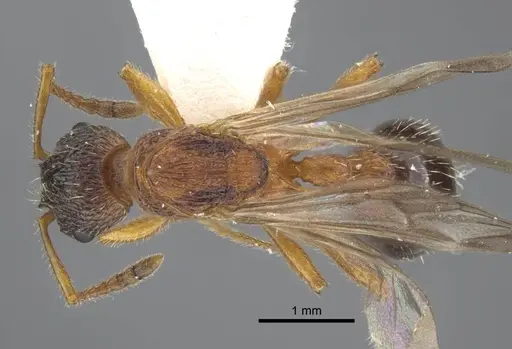
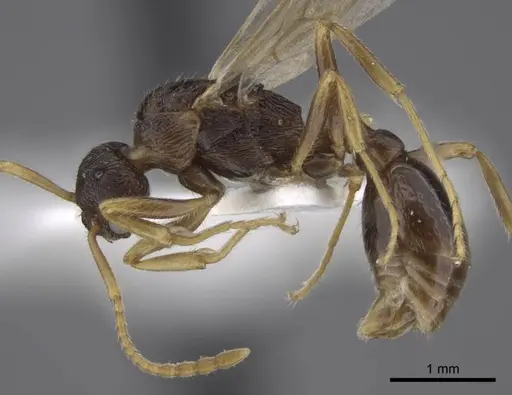
Myrmica xavieri is a small reddish-brown ant species endemic to the mountains of Spain. Workers measure around 5-6mm and have a distinctive appearance with long propodeal spines, a strongly angled antennal scape with a small vertical lobe, and a notched clypeus. Queens are slightly larger at 6-7mm with coarser body sculpture. Males are darker, nearly black, and have notably long antennal scapes. This species was only described in 2008 and is known from two mountain regions in central Spain (Teruel and Soria provinces) at elevations of 1,500-1,800m. It appears to be a relict species isolated in the Iberian Peninsula during the Pleistocene ice ages, making it a rare and scientifically interesting addition to any collection [1][2].
Quick Summary
- Difficulty: Medium
- Origin & Habitat: Mountain regions of central Spain (Teruel and Soria provinces) at 1,500-1,800m elevation. Nests are found in soil under stones in open pine forest with moist soil, and in well-trampled grass on mountain passes near pine forest [1][3].
- Colony Type: Colony structure is unconfirmed. Based on related Myrmica species in the lobicornis-group, likely single-queen colonies but this requires confirmation.
- Size & Growth:
- Queen: 6-7mm (queens measure HL 1.277mm, HW 1.121mm) [1]
- Worker: 5-6mm (workers measure HL 1.209mm, HW 1.053mm) [1]
- Colony: Unknown, no colony size data available. Based on related Myrmica species, likely several hundred workers.
- Growth: Moderate, typical for Myrmica genus
- Development: Estimated 6-10 weeks based on typical Myrmica development at room temperature (Development time is inferred from genus-level data since species-specific studies are not available)
- Antkeeping:
- Temperature: Keep cool, aim for 15-20°C. This is a mountain species from high elevations in Spain, so it prefers cooler conditions than many other Myrmica. Avoid overheating.
- Humidity: Keep the nest substrate moist but not waterlogged. These ants naturally nest in moist soil under stones in pine forest habitats. Provide a water tube but ensure good ventilation to prevent mold.
- Diapause: Yes, as a temperate mountain species from Spain, colonies will need a winter rest period. Reduce temperature to 5-10°C for 3-4 months during winter.
- Nesting: Use a test tube setup or naturalistic setup with soil substrate. In nature they nest in soil under stones, so a setup that allows for moist soil conditions works well. Acrylic nests with soil chambers or Y-tong nests with dirt modules are suitable.
- Behavior: Workers are moderately active and typically forage for small insects and honeydew. They have a functional stinger but are not particularly aggressive toward keepers. Escape risk is moderate, use standard barrier methods. The long propodeal spines are primarily for defense against other ants.
- Common Issues: high altitude species means overheating is a serious risk, keep colony cool, limited distribution data means colony structure is not well understood, start with single queen, no specific colony size data exists, monitor growth and adjust care accordingly, as a recently described species (2008), captive breeding information is limited, cool temperature requirements may conflict with room temperature in warm climates, consider cooling options
Origin and Discovery
Myrmica xavieri is one of the more recently described European ant species, formally named in 2008 by Radchenko, Elmes, and Savolainen. It was discovered in the mountains of central Spain, specifically the Sierra de Albarracín in Teruel province (at 1,630m elevation) and the Sierra de Urbión in Soria province (at 1,500m). The species was named in honor of Spanish myrmecologist Professor Xavier Espadaler of Barcelona [1].
This ant appears to be a relict species that was isolated in the Iberian Peninsula during the Pleistocene ice ages. It shows a mixture of characteristics from different species groups (lobicornis-group and schencki-group), suggesting it may represent a distinct evolutionary lineage that evolved in isolation. Its distribution is extremely limited, known only from these two mountain regions in Spain [1][4].
Natural Nesting Habitat
In the wild, Myrmica xavieri nests in soil under stones. The holotype nest was found in an open pine forest (Pinus sylvestris) with moist soil at 1,630m elevation. The paratype nest was discovered in well-trampled grass on a mountain pass at about 1,500m, also near pine forest. Both locations are in cool, mountainous areas of central Spain where the ants live under stones in moist soil conditions [1].
For captive care, replicate these conditions using a moist soil substrate in a test tube setup or a naturalistic formicarium. The key is keeping the substrate damp but not saturated, with some drier areas available so ants can self-regulate. Flat stones on top of the substrate mimic their natural nesting situation under rocks.
Temperature Requirements
This is a cool-adapted mountain species from high elevations in Spain, and temperature management is critical for success. Keep the nest area at 15-20°C, significantly cooler than room temperature for many ant keepers. In their natural habitat at 1,500-1,800m, temperatures are much lower than lowland Spain.
Avoid any direct heat sources. Overheating is one of the most common mistakes with this species. If your room temperature runs warm (above 22°C), consider using a cooling setup or keeping them in a cooler area of your home. During summer months, monitor temperatures carefully. The colony will become sluggish and may die if kept too warm for extended periods. [1]
Feeding and Diet
Like other Myrmica species, Myrmica xavieri is omnivorous and will accept both protein and sugar sources. Feed them small live insects (fruit flies, small crickets, mealworms) as protein, and sugar water or honey as a carbohydrate source. In the wild, they likely forage for small invertebrates and collect honeydew from aphids.
Feed protein prey 2-3 times per week, removing any uneaten prey after 24 hours. Keep a constant supply of sugar water available. Because this is a recently described species with limited captive data, observe your colony's preferences and adjust feeding accordingly. [3]
Winter Care and Diapause
As a temperate mountain species from central Spain, Myrmica xavieri requires a winter rest period. During late autumn (around October-November), gradually reduce the temperature to 5-10°C and maintain this for 3-4 months. This mimics the natural seasonal cycle in their high-altitude habitat where winter temperatures drop significantly.
Place the colony in a cool location like an unheated garage, basement, or refrigerator (dedicated ant fridge) during this period. Ensure the nest substrate remains slightly moist during hibernation, do not let it dry out completely. Return to normal temperatures gradually in spring.
Appearance and Identification
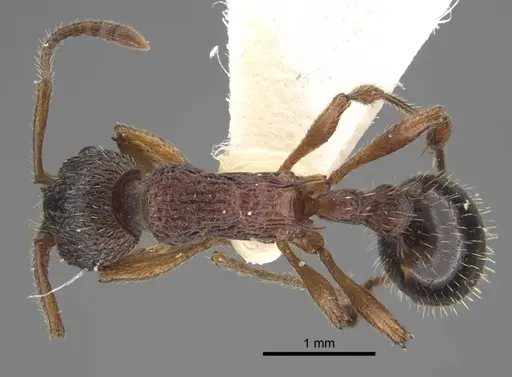
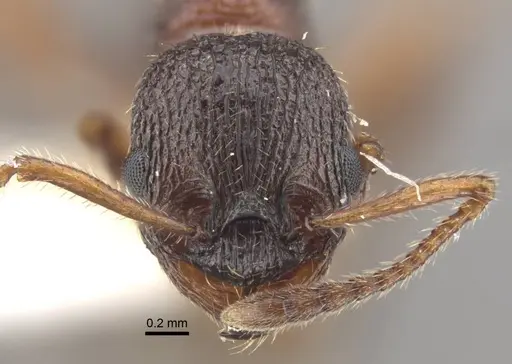
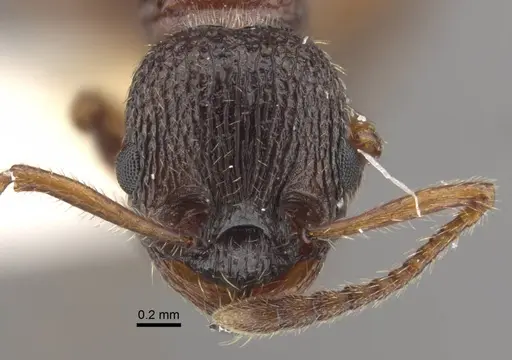
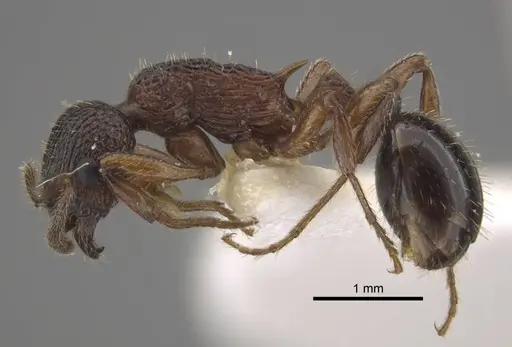
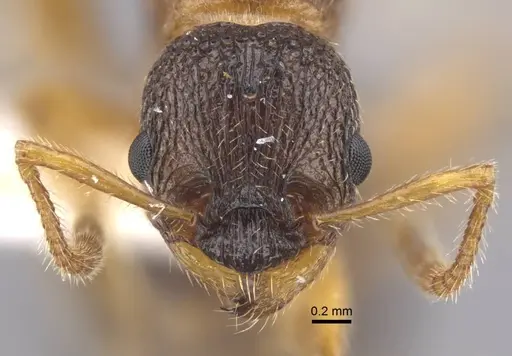
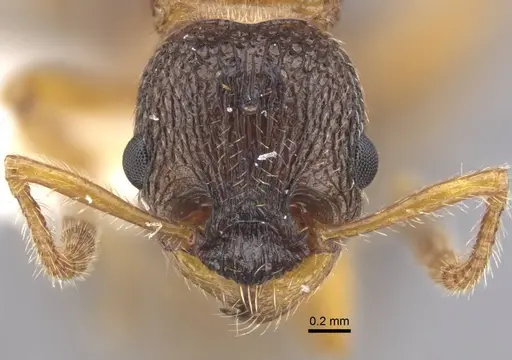
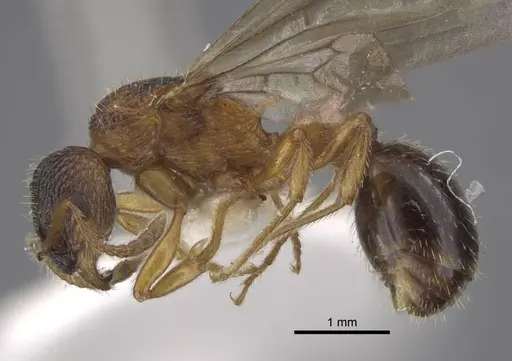
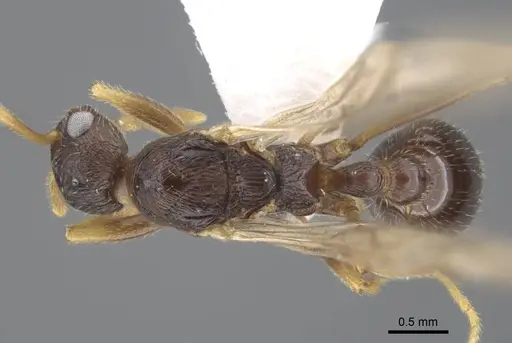
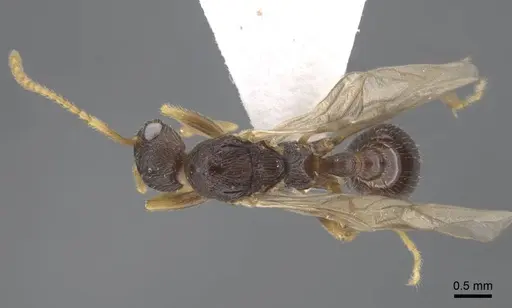
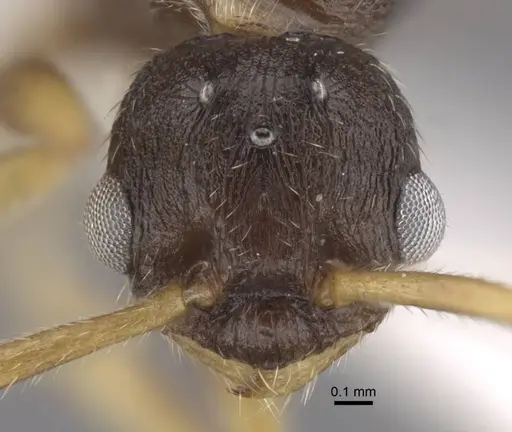
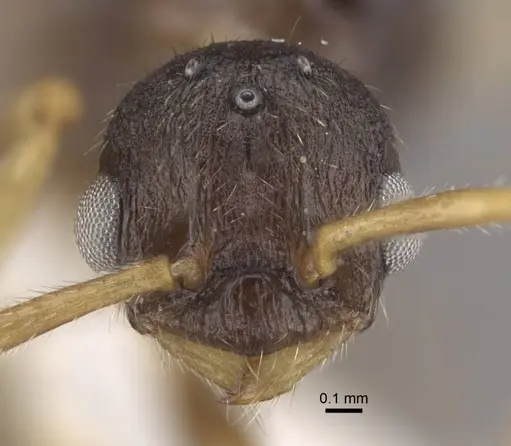
Myrmica xavieri workers are small reddish-brown ants around 5-6mm in length. They have several distinctive features: long propodeal spines that are straight and divergent, an antennal scape that is strongly angled at the base with a small vertical lobe, and a clypeus that lacks the medial notch found in many related species. The body has coarse rugae (ridges) and is moderately hairy [1].
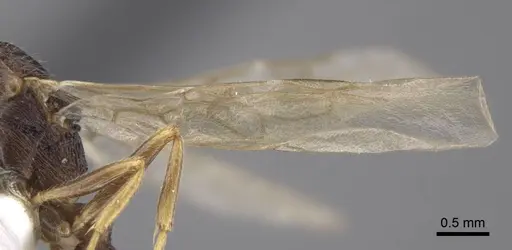
Queens are similar but larger (6-7mm) with coarser sculpture, especially on the alitrunk and waist segments. Males are darker, dark brown to black, with notably long antennal scapes that exceed those of most other Myrmica species. The males also lack the medial clypeal notch that characterizes related species [1].
Frequently Asked Questions
How long does it take for Myrmica xavieri to produce first workers?
Exact development time has not been studied for this species. Based on typical Myrmica genus patterns, expect 6-10 weeks from egg to worker at optimal cool temperatures (around 18°C). Development is slower than tropical species due to their cool mountain adaptation.
What temperature should I keep Myrmica xavieri at?
Keep them cool at 15-20°C. This is a high-altitude mountain species from Spain that prefers cooler conditions than most other ants. Avoid heat sources and keep them away from direct sunlight or warm rooms.
Do Myrmica xavieri ants sting?
Yes, Myrmica ants have a functional stinger. However, their sting is mild and rarely penetrates human skin due to their small size. They are not aggressive and will only sting if directly handled or threatened.
Can I keep multiple Myrmica xavieri queens together?
The colony structure of this species has not been documented. Based on related Myrmica species, they likely form single-queen colonies. It is not recommended to house multiple unrelated queens together as fighting is likely.
What do Myrmica xavieri eat?
They are omnivorous like other Myrmica species. Feed small live insects (fruit flies, pinhead crickets, small mealworms) for protein 2-3 times per week, and provide constant access to sugar water or honey.
Do Myrmica xavieri need hibernation?
Yes, they require a winter rest period. As a temperate mountain species from central Spain, reduce temperatures to 5-10°C for 3-4 months during winter (typically October-March).
Is Myrmica xavieri good for beginners?
This species is rated as medium difficulty. While not the hardest ant to keep, the cool temperature requirements and limited available care information make it better suited for keepers with some experience. Beginners may struggle with temperature management.
How big do Myrmica xavieri colonies get?
Colony size data is not available for this species. Based on related Myrmica species, colonies likely reach several hundred workers. They are not among the largest Myrmica species.
What type of nest should I use for Myrmica xavieri?
A test tube setup works well for founding colonies. For established colonies, use a naturalistic setup with moist soil substrate or an acrylic formicarium with dirt modules. The key is providing moist soil conditions similar to their natural habitat under stones.
Where is Myrmica xavieri found in the wild?
This is an Iberian endemic known only from two mountain regions in central Spain: the Sierra de Albarracín in Teruel province and the Sierra de Urbión in Soria province, at elevations of 1,500-1,800m.
References

This caresheet is licensed under CC BY-SA 4.0 .
Literature
Loading...Loading products...