

Myrmica wheeleri
- Scientific Name
- Myrmica wheeleri
- Tribe
- Myrmicini
- Subfamily
- Myrmicinae
- Author
- Weber, 1939
- Distribution
- Found in 1 countries
Myrmica wheeleri Overview
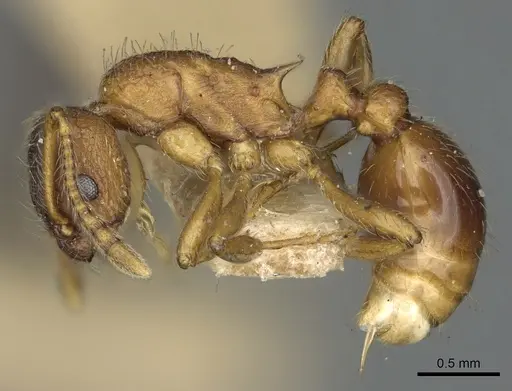
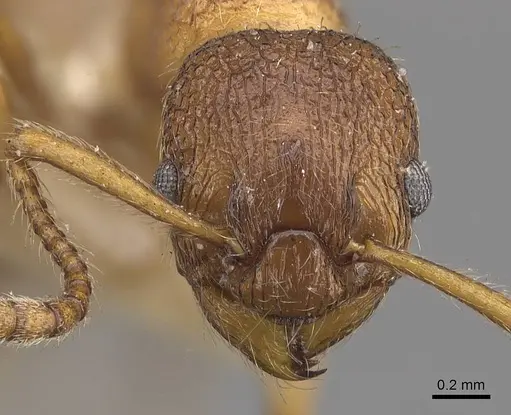
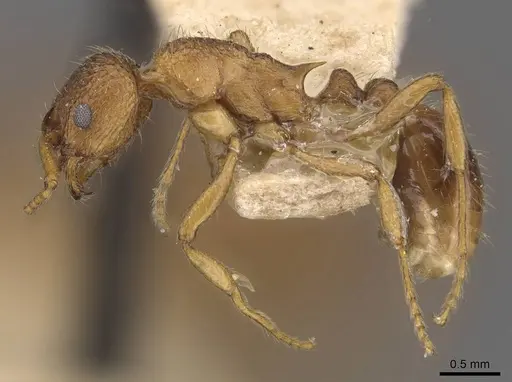
Myrmica wheeleri is an ant species of the genus Myrmica. It is primarily documented in 1 countries , including United States of America. Detailed taxonomic data and occurrence records can be further explored via authoritative databases such as AntWeb or the Global Biodiversity Information Facility (GBIF).
Myrmica wheeleri
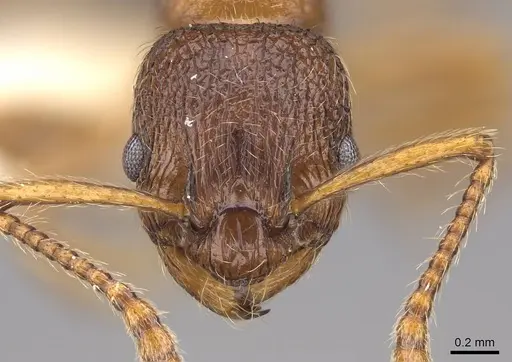
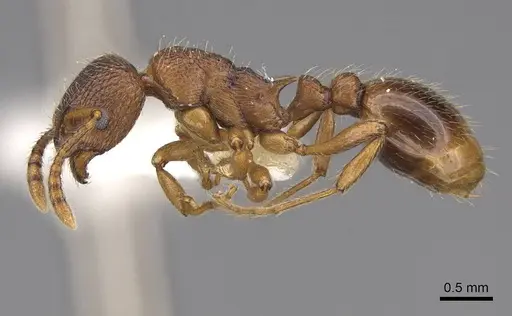
Myrmica wheeleri is a small to medium-sized Myrmica ant native to the high-elevation regions of Arizona in the United States. Workers are monomorphic, meaning they all look the same size rather than having major and minor castes. The species is polygynous, meaning colonies typically have multiple queens working together. This ant is part of the rugosa species group, which originated in the Palearctic region and dispersed to North America [1]. In the wild, they nest in mountainous areas at elevations between 6,000 and 9,150 feet in the Santa Catalina Mountains [2].
Quick Summary
- Difficulty: Medium
- Origin & Habitat: High-elevation Arizona mountains (6,000-9,150 ft) in the Santa Catalina Mountains near Tucson. They inhabit cool, moist forest floor environments typical of montane habitats [2].
- Colony Type: Polygynous, colonies contain multiple queens working together. Workers are monomorphic (all the same size) [3].
- Colony: Polygyne
- Founding: Claustral
- Size & Growth:
- Queen: Estimated 5-7mm based on genus typical sizes
- Worker: Estimated 4-6mm based on genus typical sizes
- Colony: Unknown maximum, but polygynous colonies typically reach several hundred workers
- Growth: Moderate, typical Myrmica growth rate
- Development: Estimated 6-10 weeks based on related Myrmica species at optimal temperature (Development time is inferred from genus-level data for Myrmica species, specific timeline for M. wheeleri has not been directly studied)
- Antkeeping:
- Temperature: Keep cool, around 18-22°C. High elevation origin means they prefer temperatures cooler than typical room temperature. A temperature gradient allowing cooler areas is beneficial.
- Humidity: Moderate to high humidity, mountain environment. Keep nest substrate consistently moist but not waterlogged. Provide a water source.
- Diapause: Yes, Myrmica species require a winter hibernation period. Reduce temperature to 5-10°C for 3-4 months during winter.
- Nesting: In captivity, they do well in test tubes, Y-tong nests, or plaster nests. They prefer narrow chambers typical of Myrmica nesting preferences. Keep nest material slightly moist.
- Behavior: Workers are moderately active and typically not aggressive. They are not known to be escape artists, but standard escape prevention is still recommended. Like other Myrmica species, they may have a mild sting but it's not significant for human keepers. They forage for honeydew and small insects.
- Common Issues: high elevation species may struggle in warm homes without cooling, polygynous colonies can be sensitive to queen manipulation, avoid combining unrelated queens, hibernation is required, colonies that don't get proper winter rest may decline, moisture needs must be balanced to prevent mold growth, slow growth compared to tropical species may frustrate beginners
Housing and Nest Preferences
Myrmica wheeleri does well in standard ant keeping setups. Test tubes work perfectly for founding colonies, use a cotton ball to separate the water reservoir from the ants, keeping the tube consistently moist but not flooded. For established colonies, Y-tong (acrylic) nests or plaster nests work well. They prefer chambers that aren't too large, Myrmica ants feel more secure in tighter spaces. A small outworld for foraging completes the setup. Because they come from high elevations, they don't need extreme humidity, but the nest material should stay damp. Avoid placing their setup in direct sunlight or near heat sources that would raise temperatures above their preferred range. [2]
Feeding and Diet
Like other Myrmica species, Myrmica wheeleri is omnivorous. They readily accept sugar sources such as sugar water, honey, or maple syrup, offer these in a shallow container like a bottle cap to prevent drowning. For protein, offer small insects like fruit flies, small crickets, or mealworms. In the wild, they also collect honeydew from aphids, so they may tend aphid colonies if given the opportunity. Feed protein sources 2-3 times per week, and keep sugar water available at all times. Remove any uneaten prey after 24-48 hours to prevent mold.
Temperature and Seasonal Care
This is the most critical aspect of keeping Myrmica wheeleri successfully. Being from high-elevation Arizona, they prefer cool conditions, aim for 18-22°C in the nest area. If your room temperature runs warmer, consider using a cooling method like a USB fan directed at the nest or placing the setup in a cooler part of your home. Never use heating pads with high-elevation Myrmica species as they can quickly overheat and kill the colony. During winter, you must provide a hibernation period. Reduce temperatures to 5-10°C (a refrigerator works well) for 3-4 months. This rest period is essential for colony health and triggers reproductive cycles in spring. [2]
Colony Structure and Multi-Queen Care
Myrmica wheeleri is polygynous, meaning colonies naturally have multiple queens. This is unusual among many ant species and affects how you should house them. Unlike monogyne species, multiple queens coexist peacefully and all contribute to reproduction. When starting a colony, you can keep multiple founding queens together, they won't fight like some species would. The colony will grow faster with multiple egg-layers. However, avoid introducing unrelated queens to an established colony unless you're experienced, as this can sometimes trigger aggression. The workers are monomorphic, meaning all workers are roughly the same size rather than having major and minor castes. [3]
Behavior and Handling
Myrmica wheeleri workers are not particularly aggressive and rarely sting. If threatened, they may give a mild sting, but it's not medically significant for healthy humans. They are active foragers and will readily explore their outworld looking for food. They use chemical trails to recruit nestmates to food sources, so you may see them forming lines to new food discoveries. They are not known escape artists like some tiny species, but standard barrier methods (Fluon on container rims) still work well. The colony will establish scent trails and become more active once settled into their setup.
Frequently Asked Questions
How long does it take for Myrmica wheeleri to produce first workers?
Expect first workers (nanitics) in about 6-10 weeks after the queen lays eggs, assuming temperatures around 20-22°C. This is typical for Myrmica species. Growth is moderate, don't expect the rapid development you might see in tropical species.
Can I keep multiple queens together in one colony?
Yes, this species is polygynous, multiple queens naturally live together in the same colony. You can keep founding queens together, and they'll establish a colony cooperatively. This is actually recommended since polygynous colonies tend to grow faster and are more robust.
Do Myrmica wheeleri ants sting?
They can sting, but the sting is mild and not medically significant for most people. It's comparable to other small Myrmica ants, you might feel a brief pinch but severe pain is unlikely. They're not considered dangerous to handle.
What temperature should I keep Myrmica wheeleri at?
Keep them cool, around 18-22°C. This species comes from high elevations in Arizona and prefers temperatures much cooler than typical room temperature. Avoid any heating and keep them away from warm electronics or direct sunlight.
Do Myrmica wheeleri need hibernation?
Yes, absolutely. Like all Myrmica species, they require a winter dormancy period. Reduce temperatures to 5-10°C for 3-4 months, typically from late fall through early spring. A refrigerator works well for this. Without proper hibernation, colonies often fail to thrive.
Are Myrmica wheeleri good for beginners?
They are intermediate in difficulty. The cooling requirement is the biggest challenge, most homes are too warm. If you can provide cool temperatures and proper hibernation, they're otherwise straightforward to keep. Their polygynous nature actually makes them more forgiving than single-queen species.
How big do Myrmica wheeleri colonies get?
Colony size is not well documented, but based on related polygynous Myrmica species, expect several hundred workers at maturity. The multiple-queen structure supports larger colony sizes than single-queen species typically reach.
What do Myrmica wheeleri eat?
They accept standard ant foods: sugar water, honey, or syrup for carbohydrates, and small insects like fruit flies, crickets, or mealworms for protein. Offer protein 2-3 times per week and keep sugar water available constantly.
When should I move Myrmica wheeleri from a test tube to a formicarium?
Wait until the colony has at least 30-50 workers before moving. Myrmica can stay in test tubes longer than many species, the key trigger is when the water reservoir runs dry or the colony seems cramped. When moving, connect the test tube to the formicarium and let them migrate naturally.
Why is my Myrmica wheeleri colony dying?
The most likely causes are: temperatures too warm (they need 18-22°C max), lack of proper hibernation, or improper humidity (too dry or too wet causing mold). Check these factors first. High elevation Myrmica are particularly sensitive to overheating.
References

This caresheet is licensed under CC BY-SA 4.0 .
CASENT0000175
View on AntWeb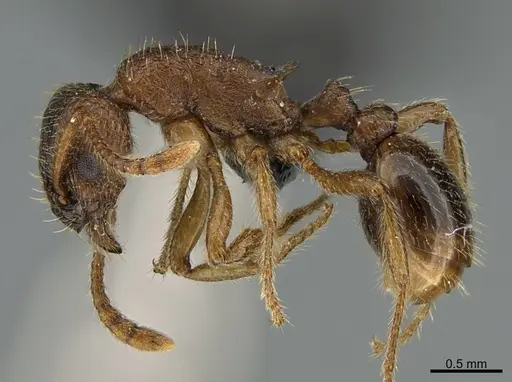
CASENT0102860
View on AntWeb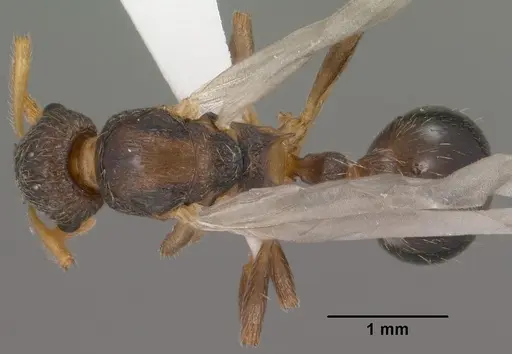
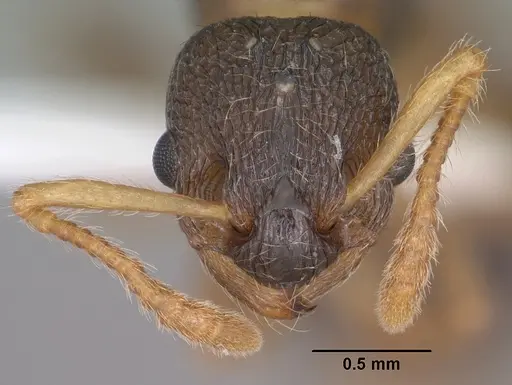
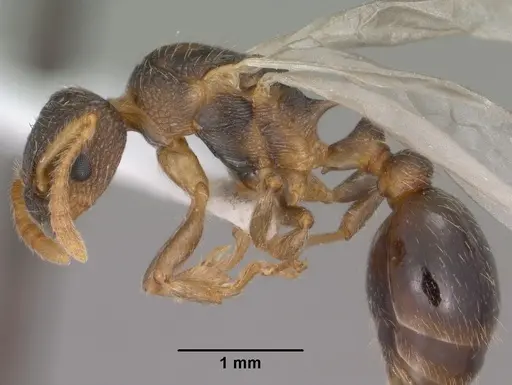
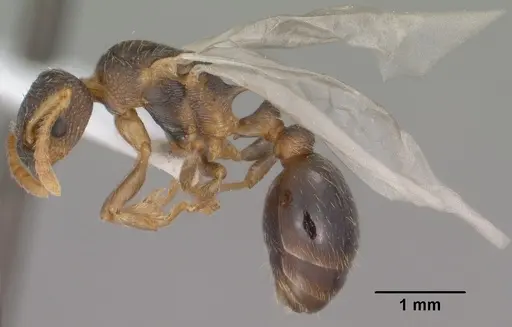
CASENT0102861
View on AntWeb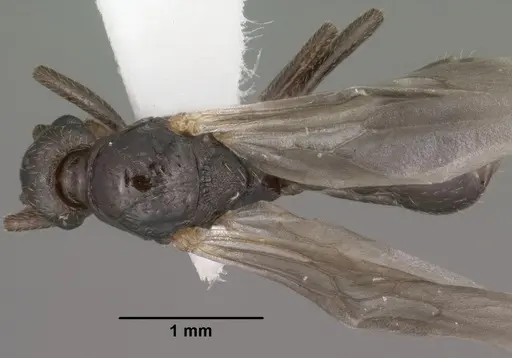
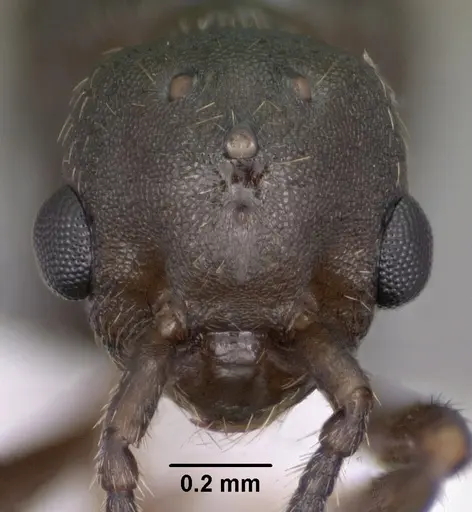
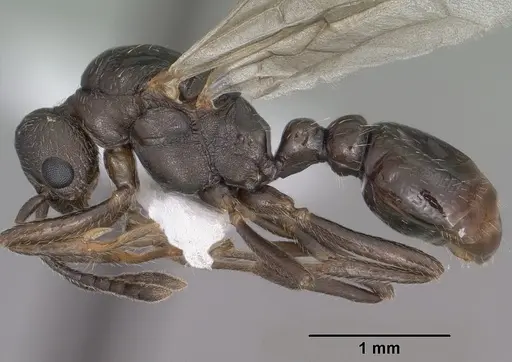
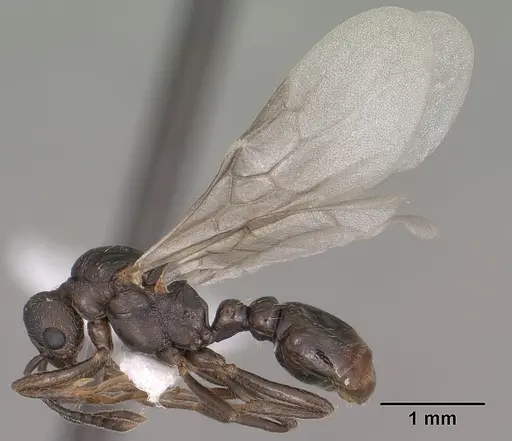
CASENT0102862
View on AntWeb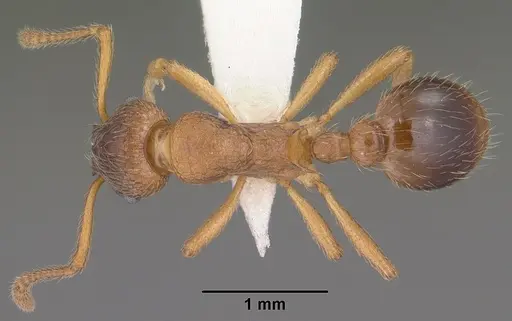
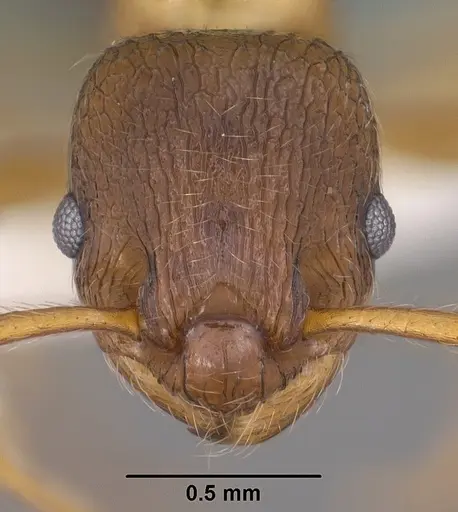
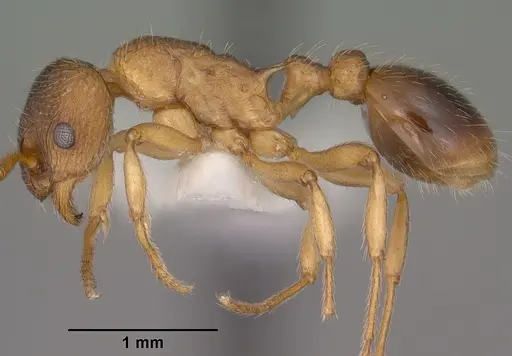
CASENT0105642
View on AntWeb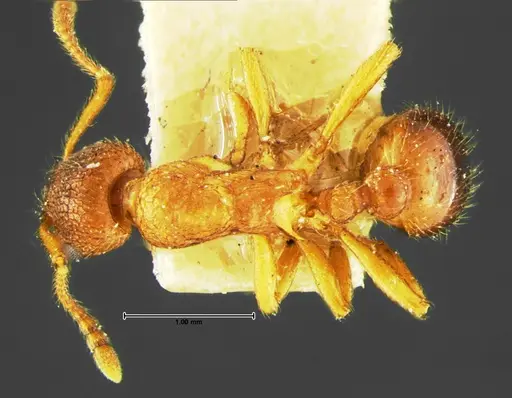
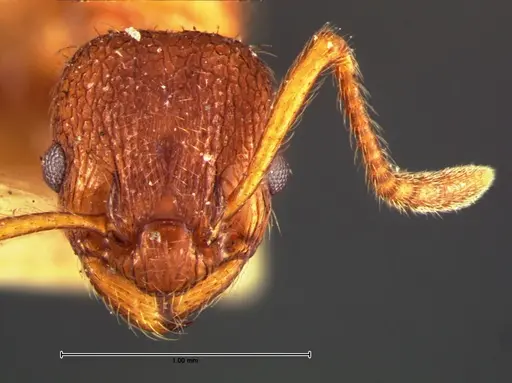
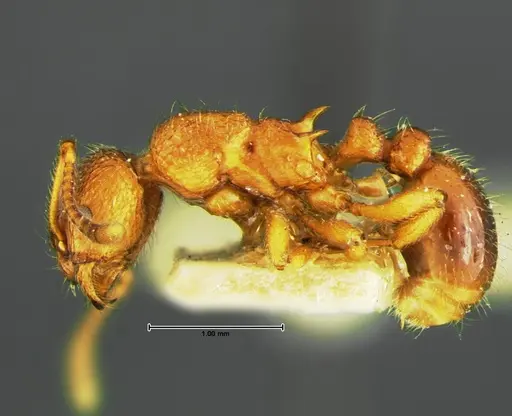
CASENT0884308
View on AntWeb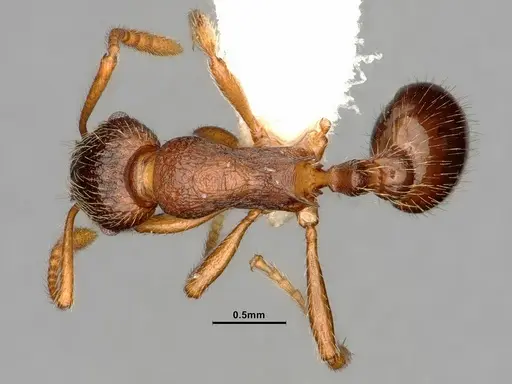
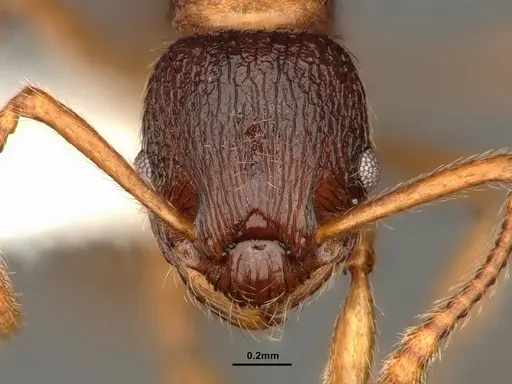
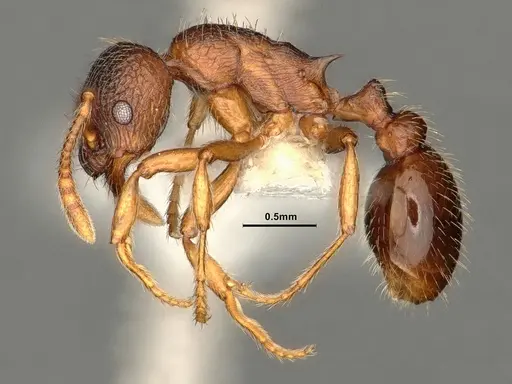
CASENT0900347
View on AntWeb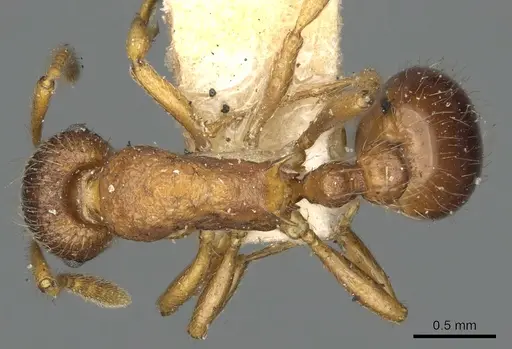
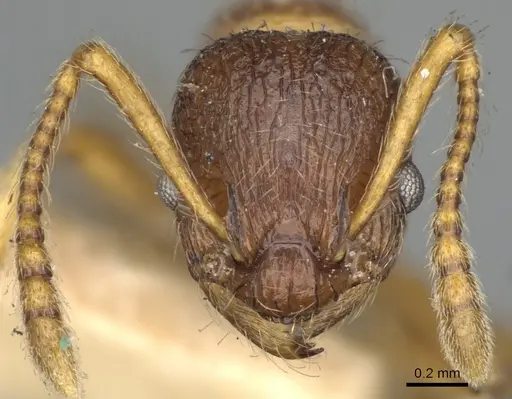
CASENT0907624
View on AntWeb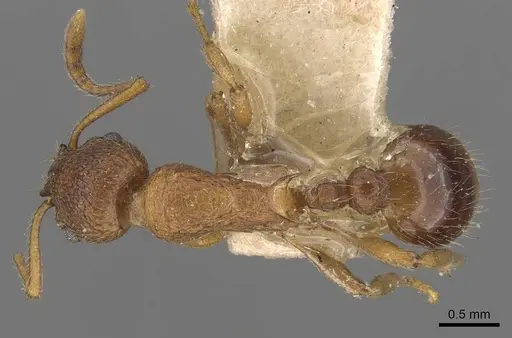
CASENT0922767
View on AntWeb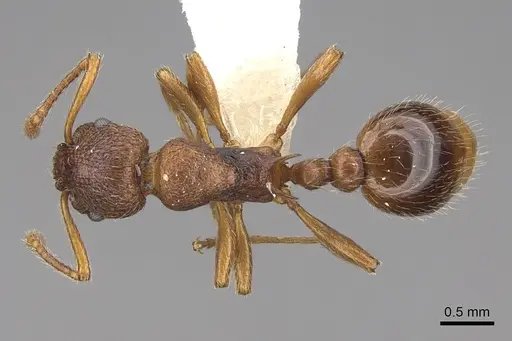
Literature
Loading...Loading products...