

Myrmica urbanii
- Scientific Name
- Myrmica urbanii
- Tribe
- Myrmicini
- Subfamily
- Myrmicinae
- Author
- Radchenko & Elmes, 1998
- Distribution
- Found in 1 countries
Myrmica urbanii Overview
Myrmica urbanii is an ant species of the genus Myrmica. It is primarily documented in 1 countries , including India. Detailed taxonomic data and occurrence records can be further explored via authoritative databases such as AntWeb or the Global Biodiversity Information Facility (GBIF).
Myrmica urbanii
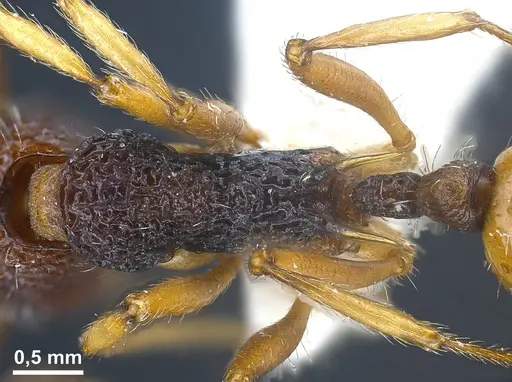
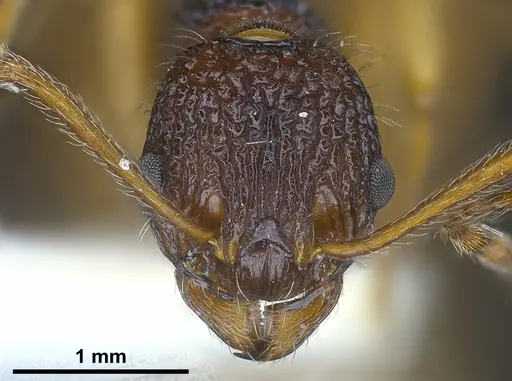
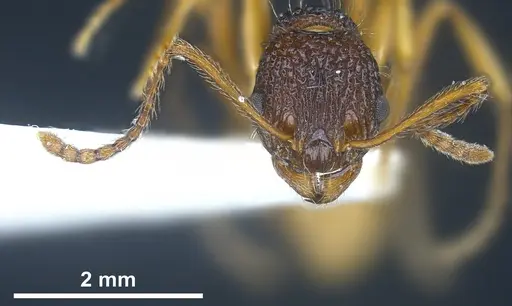
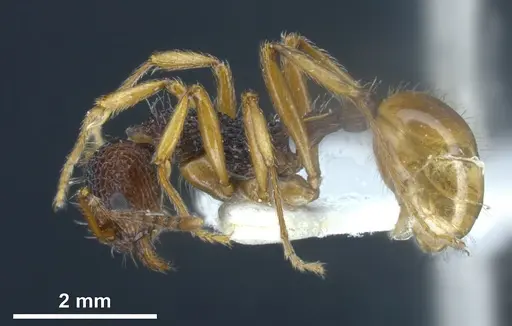
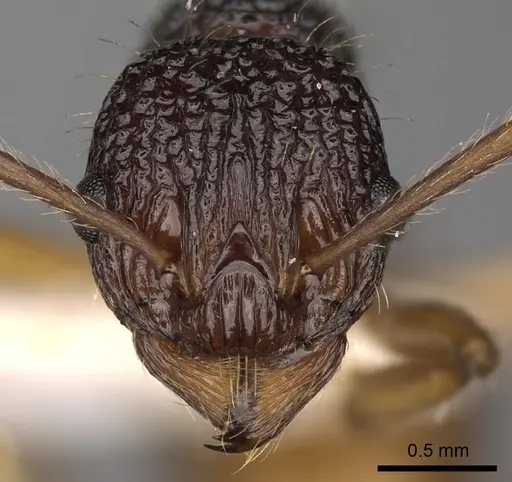
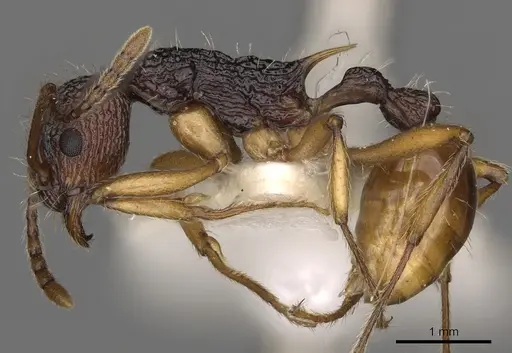
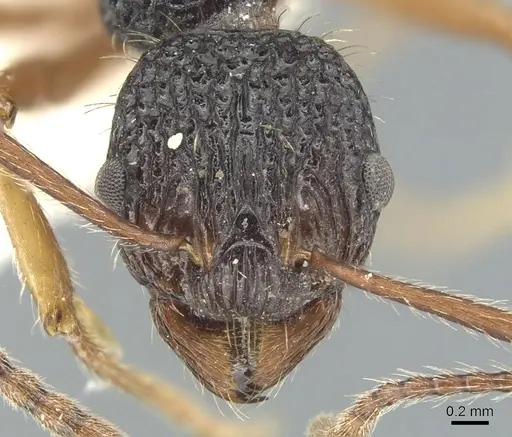
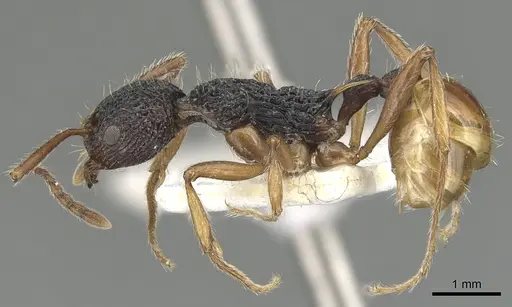
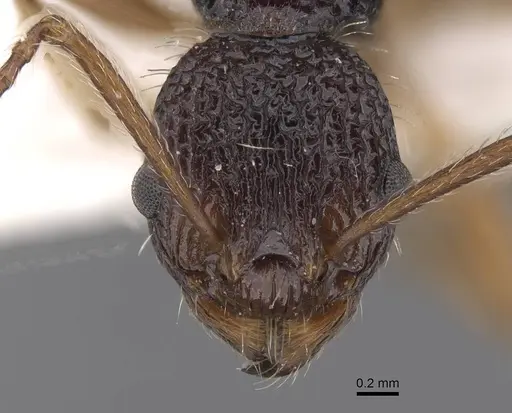
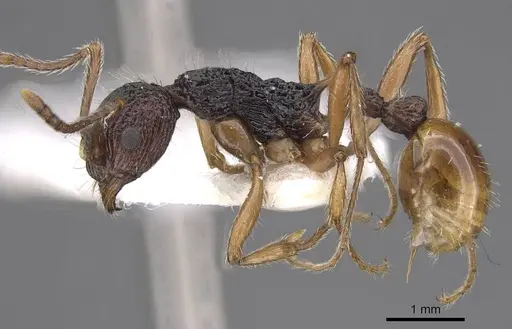
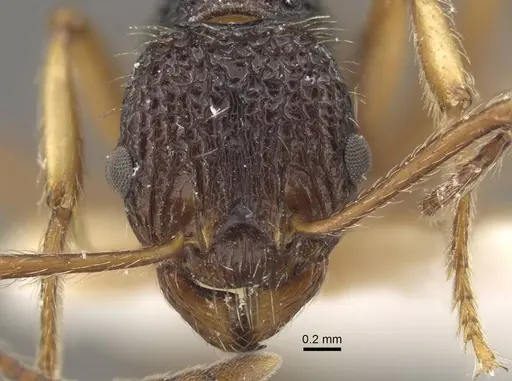
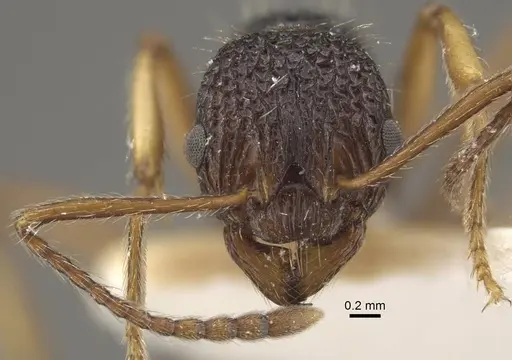
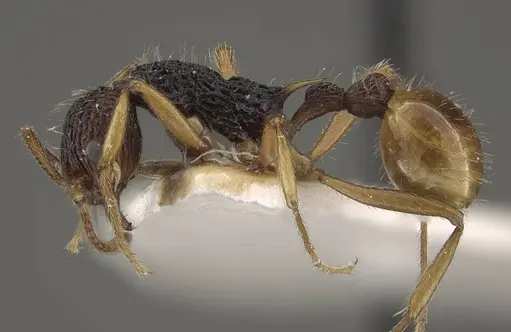
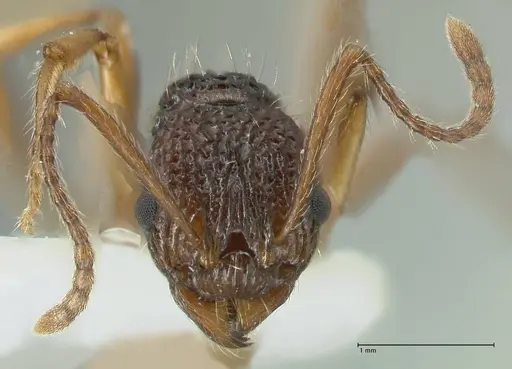
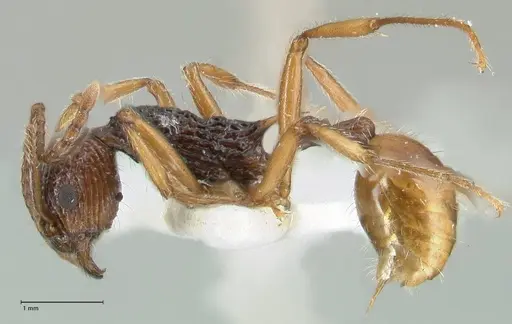
Myrmica urbanii is a medium-sized Myrmica species native to the Himalayan region, with workers measuring 6.9-7.0mm in total length [1]. They belong to the ritae-complex and are identified by their distinctive head sculpture, the frons has sinuous rugae (at least 6 ridges between the frontal carinae), the rear third of the head is coarsely reticulated, and they have abundant erect hairs along the head margins [2]. The body is blackish-brown with reddish-brown coloration on the ventral head, while the mesosoma spines, legs, and gaster are yellowish-brown [1].
This species is known from high-altitude habitats in the Himalayas, recorded between 1000-1900 meters above sea level [3][4]. Only the worker caste has been described, making colony structure and founding behavior poorly understood [2]. The few nests found have been in soil beneath logs in Quercus (oak) forests [4], suggesting they prefer damp, shaded forest floor environments.
Quick Summary
- Difficulty: Unknown, likely Medium based on typical Myrmica care requirements
- Origin & Habitat: Himalayan region of India (Meghalaya, Arunachal Pradesh) and China (Hubei), at altitudes of 1000-1900m in Quercus forests [4][5][1]
- Colony Type: Unconfirmed colony structure, only worker caste known. Based on typical Myrmica patterns, likely single-queen colonies but this requires confirmation.
- Size & Growth:
- Queen: Unknown, not yet described [2]
- Worker: 6.9-7.0mm total length [1]
- Colony: Unknown, likely similar to other Myrmica species (several hundred workers)
- Growth: Unknown, estimated Moderate based on genus patterns
- Development: Unknown, estimated 6-10 weeks based on related Myrmica species (No direct development data available, estimates based on genus-level patterns for Himalayan Myrmica species)
- Antkeeping:
- Temperature: Unknown for this species. Based on high-altitude Himalayan distribution (1000-1900m), likely prefer cooler temperatures than tropical ants, aim for 18-22°C with a gradient [3]
- Humidity: Likely requires moderate to high humidity given forest floor habitat and Quercus forest association. Keep substrate consistently moist but not waterlogged [4].
- Diapause: Likely yes, Himalayan species typically require winter diapause. Based on altitude and distribution, expect 2-3 months at 5-10°C [3].
- Nesting: Natural nesting: soil beneath logs in Quercus forest [4]. Captive recommendation: naturalistic setup with soil substrate or Y-tong/plaster nest with moisture reservoir. Provide damp substrate and hiding spots.
- Behavior: Temperament: Typical Myrmica, defensive when disturbed, capable of stinging. Foraging: Unknown specifically, but Myrmica species typically forage on the ground for prey and honeydew. Escape risk: Medium, workers are 7mm so standard barriers are effective, but use proper containment as with any Myrmica. Activity: Likely diurnal, ground-nesting species typical of the genus.
- Common Issues: lack of captive husbandry data means care requirements are largely inferred from genus patterns, high-altitude origin suggests temperature sensitivity, avoid overheating, hibernation requirements are assumed but not confirmed for this specific species, only worker caste known means queen and colony founding behavior is completely unstudied, wild-caught colonies may have parasites or diseases since collection is difficult and rare
Natural History and Distribution
Myrmica urbanii is a poorly studied species endemic to the Himalayan region. It was described from India in 1998 by Radchenko and Elmes and has since been recorded in Arunachal Pradesh and Meghalaya in India, as well as Hubei province in China [5][1]. The species occupies a relatively narrow altitudinal band between 1000-1900 meters above sea level, making it a true mountain specialist [3][4].
The few documented nests have been found in soil beneath fallen logs in Quercus (oak) forests [4], indicating preference for shaded, damp forest floor environments. This microhabitat preference suggests they thrive in cool, humid conditions with plenty of cover and organic matter. The high-altitude Himalayan setting means they experience significant seasonal temperature variation and likely have a distinct winter dormancy period.
Identification and Distinguishing Features
Myrmica urbanii belongs to the ritae-species group within Myrmica [2]. Workers measure 6.9-7.0mm in total length, making them medium-sized for the genus [1]. The most distinctive identification features include: the frons has not-very-coarse sinuous rugosity with at least 6 rugae between the frontal carinae at eye level, the rear third of the head dorsum has coarse reticulation (network-like sculpture), and the head margins bear abundant erect hairs [2].
Coloration is blackish-brown overall, with the ventral surface of the head being reddish-brown, while the mesosoma spines, legs, and gaster tend toward yellowish-brown [1]. The antennae have 12 segments with a 4-segmented club, and the scapes (antenna shafts) extend noticeably beyond the rear head margin when laid back [1].
Housing and Nesting
Based on natural history, provide a naturalistic setup with damp soil substrate, these ants nest in soil beneath logs in the wild [4]. A Y-tong or plaster nest with a moisture reservoir works well, or a fully naturalistic setup with a soil chamber and hiding spots. The key is maintaining consistently moist (not waterlogged) substrate that mimics the damp forest floor.
Since this is a ground-nesting species from cool Himalayan forests, avoid overheating. Room temperature (18-22°C) is likely ideal, never use heating mats unless your room is significantly colder than this range. Provide a temperature gradient so ants can self-regulate. The outworld should have some cover and organic material since they naturally live beneath logs where light is minimal.
Feeding and Diet
Like other Myrmica species, these ants are likely omnivorous with a preference for protein. In the wild, they probably forage for small insects and tend aphids for honeydew. Feed protein sources like small crickets, mealworms, or fruit flies 2-3 times per week. Sugar can be provided via honey water or sugar water, offered on a regular basis.
Since the species is poorly studied, start with proven Myrmica foods and observe what your colony accepts. Remove uneaten prey after 24-48 hours to prevent mold. Fresh water should always be available.
Seasonal Care and Overwintering
Given their high-altitude Himalayan origin (1000-1900m), these ants almost certainly require a winter diapause [3]. Expect to reduce temperatures to 5-10°C for 2-3 months during winter, typically from late autumn through early spring depending on your location.
During active season (spring through fall), maintain cool but stable temperatures around 18-22°C. Avoid temperatures above 25°C as this species is adapted to cooler mountain conditions. Monitor colony behavior, if workers become sluggish even during active season, the setup may be too warm.
Challenges and Considerations
The biggest challenge with Myrmica urbanii is the lack of captive husbandry data. This is one of the least-studied Myrmica species, with almost no information available about colony structure, founding behavior, or specific care requirements [2]. Everything recommended here is inferred from genus-level patterns and the limited field data.
Acquiring this species is difficult since it's rarely collected and not available from commercial ant farms. If you obtain wild-caught specimens, quarantine and monitor for parasites, as Himalayan species often carry pathogens that can decimate colonies in captivity. Start with conservative care parameters and adjust based on your colony's behavior.
This species is best suited for experienced antkeepers who enjoy the challenge of keeping rare species with minimal documentation. Expect a learning curve.
Frequently Asked Questions
How long does it take for Myrmica urbanii to develop from egg to worker?
The egg-to-worker development time has not been directly studied for this species. Based on related Myrmica species from similar habitats, estimate 6-10 weeks at optimal temperature (around 18-22°C). Expect slower development than tropical species due to their high-altitude, cool-climate origin.
What temperature do Myrmica urbanii ants need?
Specific temperature requirements are unconfirmed, but based on their Himalayan distribution at 1000-1900m altitude, they prefer cool conditions. Aim for 18-22°C during the active season. Avoid overheating, never exceed 25°C. A temperature gradient allows the colony to self-regulate.
Do Myrmica urbanii ants need hibernation?
Yes, based on their high-altitude Himalayan origin, they almost certainly require winter diapause. Provide 2-3 months at 5-10°C during winter (typically late autumn to early spring). This is essential for colony health and likely triggers reproductive cycles.
What do Myrmica urbanii ants eat?
Like other Myrmica species, they are omnivorous. Feed protein sources (small insects like crickets, mealworms, fruit flies) 2-3 times weekly, and provide sugar (honey water or sugar water) regularly. Fresh water should always be available.
How big do Myrmica urbanii colonies get?
Colony size is unconfirmed for this species since only workers have been documented. Based on typical Myrmica patterns, expect colonies of several hundred workers. The maximum size is unknown.
Are Myrmica urbanii ants good for beginners?
No, this species is not recommended for beginners. It is one of the least-studied Myrmica species with almost no captive husbandry data. Care must be largely inferred from genus patterns, and acquiring specimens is extremely difficult. This species is best for experienced keepers interested in keeping rare Himalayan species.
Can I keep multiple Myrmica urbanii queens together?
Colony structure (monogyne vs polygyne) has not been documented for this species. Without data, combining unrelated queens is not recommended. Most Myrmica species are single-queen (monogyne), but this requires confirmation for M. urbanii.
Do Myrmica urbanii ants sting?
Yes, like other Myrmica species, they are capable of stinging when threatened. The sting is functional but the pain level is typically mild to moderate for most Myrmica, less severe than some tropical species. Handle with care and use proper escape prevention.
What type of nest is best for Myrmica urbanii?
Based on their natural nesting in soil beneath logs, a naturalistic setup with damp soil substrate works best. Y-tong or plaster nests with moisture reservoirs are practical alternatives. The key is maintaining consistently moist substrate and avoiding overheating.
Where can I find Myrmica urbanii ants?
This species is rarely collected and not commercially available. It is known from few locations in the Himalayas of India (Meghalaya, Arunachal Pradesh) and China (Hubei) at altitudes of 1000-1900m [5][4]. Professional collection would be required, and permits may be needed.
References

This caresheet is licensed under CC BY-SA 4.0 .
ANTWEB1041286
View on AntWeb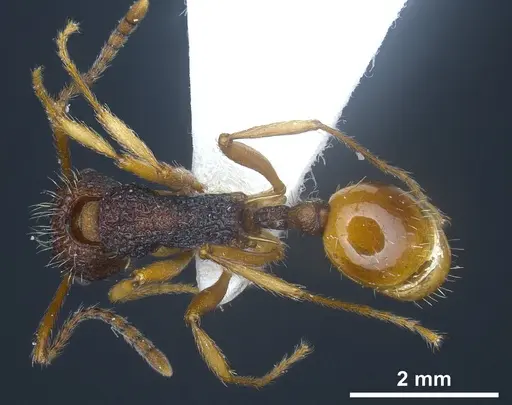
CASENT0900300
View on AntWeb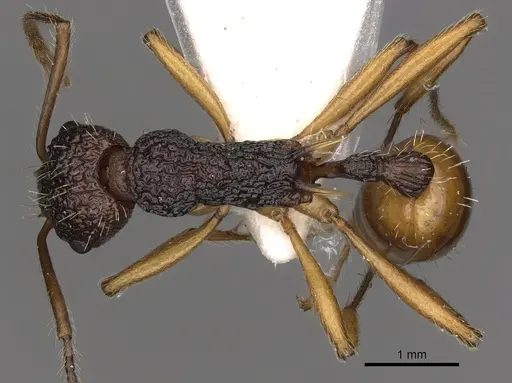
CASENT0904100
View on AntWeb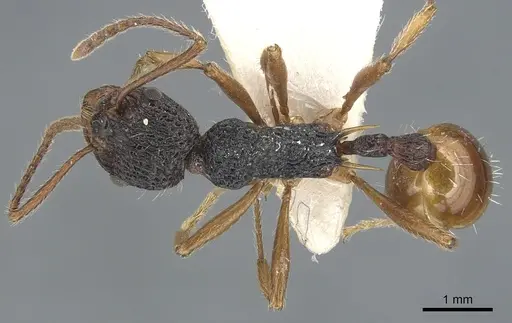
CASENT0915409
View on AntWeb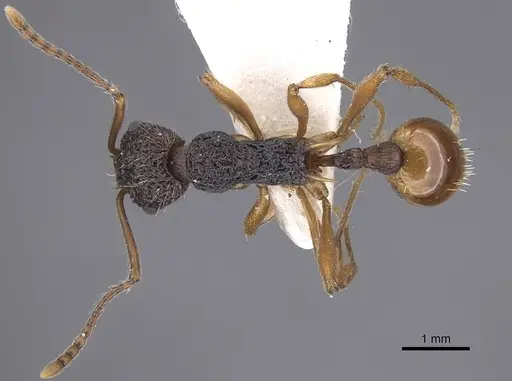
CASENT0917728
View on AntWeb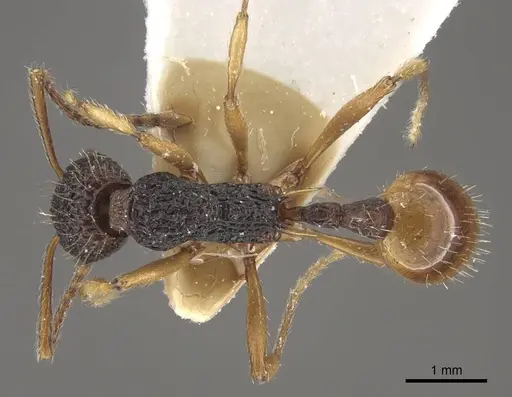
FOCOL1837
View on AntWeb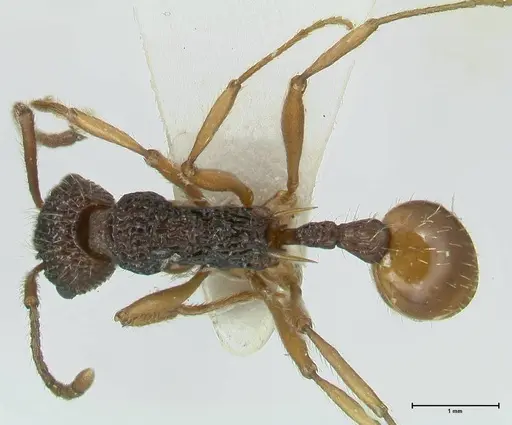
Literature
Loading...Loading products...