

Myrmica transsibirica
- Scientific Name
- Myrmica transsibirica
- Tribe
- Myrmicini
- Subfamily
- Myrmicinae
- Author
- Radchenko, 1994
- Distribution
- Found in 2 countries
Myrmica transsibirica Overview
Myrmica transsibirica is an ant species of the genus Myrmica. It is primarily documented in 2 countries , including Korea, Republic of, Russian Federation. Detailed taxonomic data and occurrence records can be further explored via authoritative databases such as AntWeb or the Global Biodiversity Information Facility (GBIF).
Myrmica transsibirica
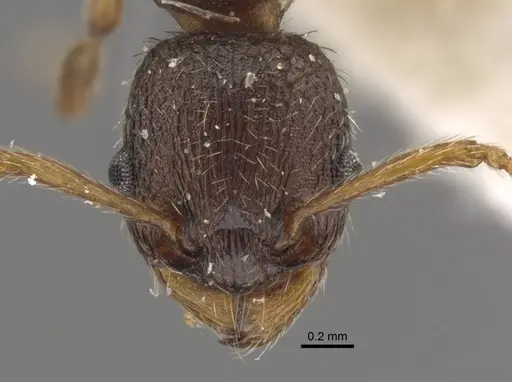
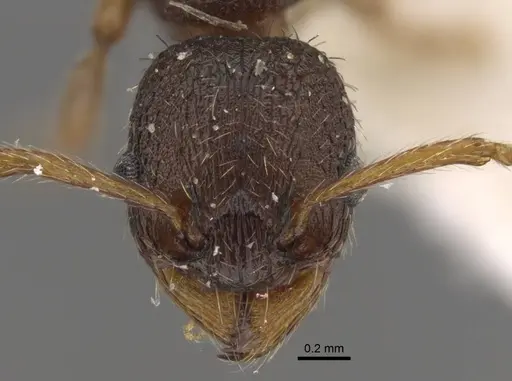
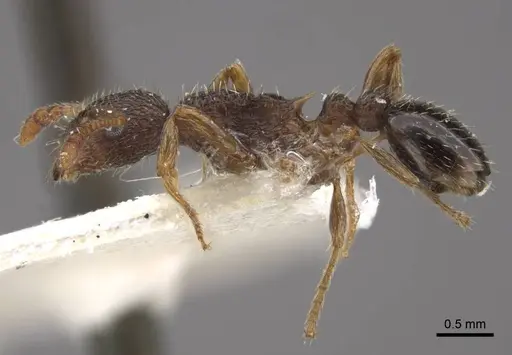
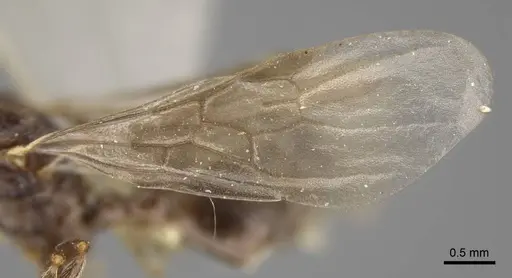
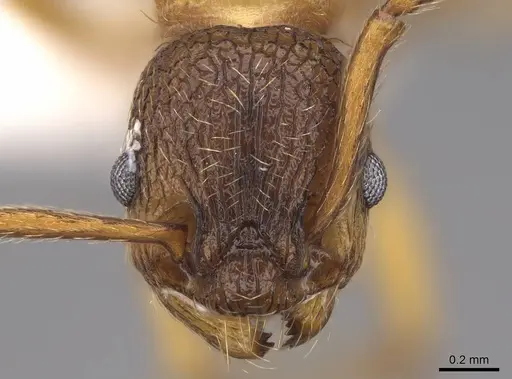
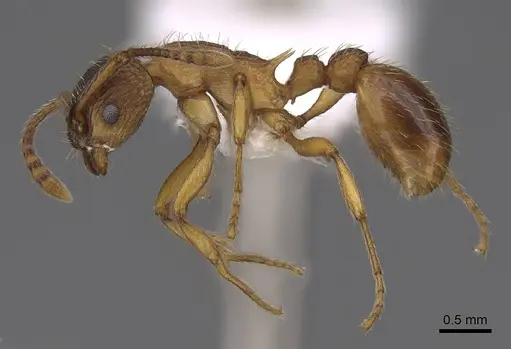
Myrmica transsibirica is a small to medium-sized Myrmica ant native to Siberia and the Russian Far East. Workers measure 0.85-1.02mm in head width and have a distinctive appearance with a sharp ridge on the clypeus (the area just above the mouth), a feature so unusual in the genus that only two other Myrmica species share it. Their body is dark fuscous with reddish-brown legs and body sides. This species belongs to the excelsa-complex and is known for its variable body size and coloration. In the wild, they inhabit sparse larch forests, steppe-like clearings, and floodplain meadows across Siberia, from sea level up to 2000m elevation. Nests are built in soil, typically under stones. This is a northern species with specific temperature requirements that reflects its cold Siberian origin.
Quick Summary
- Difficulty: Medium
- Origin & Habitat: South Siberia (west to Kuznetsky Alatau), Russian Far East, northeastern China, Korean Peninsula, Japan (Hokkaido). Found in various forest types, preferring light, sparse, warm forests, shrubs, and steppe-like habitats. Nests in soil, often under stones [1][2].
- Colony Type: Single-queen colonies (monogyne). Colony structure is not extensively studied but Myrmica species in this region are typically monogyne.
- Colony: Monogyne
- Founding: Claustral
- Size & Growth:
- Queen: Head width 0.91-1.04mm, estimated 5-6mm total length [1]
- Worker: Head width 0.85-1.02mm (mean 0.92mm), body length approximately 4-5mm [1][3]
- Colony: Unknown for this specific species, but typical Myrmica colonies reach several hundred workers
- Growth: Moderate, typical for temperate Myrmica species
- Development: 6-10 weeks estimated based on typical Myrmica genus patterns at optimal temperature (Development time inferred from related Myrmica species. Nuptial flights occur August-September, so new colonies typically establish in late summer/fall and overwinter as founding queens)
- Antkeeping:
- Temperature: Keep nest area at 20-24°C during active season. This is a cold-adapted Siberian species, avoid overheating. Room temperature (18-22°C) is often suitable. Provide a temperature gradient so ants can choose their preferred zone [2].
- Humidity: Moderate to high. Keep nest substrate moist but not waterlogged. These ants naturally nest under stones in soil, so they prefer stable moisture. Mist occasionally and provide a water tube, but allow the nest to dry slightly between waterings.
- Diapause: Yes, this is essential. As a Siberian species, they require a winter dormancy period of 3-4 months at 5-10°C (like refrigerator temperature but not frozen). Reduce temperature gradually in fall and increase in spring. This mimics their natural cycle in Siberia where temperatures drop dramatically [2].
- Nesting: Soil-based nests work best. Naturalistic setups with a soil chamber and flat stones on top mimic their natural nesting under stones. Y-tong or plaster nests with a moisture reservoir are also suitable. Provide a connection to an outworld for foraging. Keep nest dark, these are not visually-oriented ants.
- Behavior: Typical Myrmica temperament, moderately aggressive when disturbed, will swarm to defend the nest. Workers are active foragers, primarily hunting small insects and collecting honeydew. They have a functional stinger but rarely sting unless handled roughly. Escape risk is moderate, use standard barrier techniques but no special escape prevention needed for their size. They are not aggressive toward humans but will defend their nest vigorously.
- Common Issues: overheating is a major risk, this cold-adapted species does poorly above 28°C, hibernation failure is common, colonies that aren't properly cooled through winter often decline or die, founding colonies are fragile, queens need quiet, dark conditions during claustral founding, mold in nest from overwatering can kill colonies, especially in founding stages, wild-caught colonies may have parasites that cause problems in captivity
Nest Preferences and Housing
Myrmica transsibirica naturally nests in soil, typically under stones that provide darkness and stable humidity. For captive care, a naturalistic setup works best, a container filled with soil (about 5-10cm deep) with a flat stone placed on the surface. The stone keeps the nest dark and helps maintain humidity. You can also use Y-tong (acrylic) nests or plaster nests with built-in water chambers. Whatever setup you choose, keep the nest area dark and quiet. These ants are not visual-oriented like some tropical species, they prefer dark, enclosed spaces. The outworld (foraging area) should be connected via a tube and can be simple, a plastic container with a textured floor for grip. Escape prevention is straightforward as they are not particularly small or agile climbers, but standard barriers still work well. [1][2]
Feeding and Diet
Myrmica transsibirica is a generalist predator and scavenger. In captivity, offer protein sources like small crickets, mealworms, fruit flies, and other small insects twice weekly. They also readily accept sugar sources, a drop of sugar water or honey on the outworld works well. In the wild, they collect honeydew from aphids and hunt small invertebrates. Make sure to remove uneaten prey after 24-48 hours to prevent mold. A constant sugar source (honey water or sugar water) is recommended, especially for growing colonies. Fresh water should always be available. [2]
Temperature and Seasonal Care
This is a cold-adapted species from Siberia, so temperature management is critical. Keep the nest area at 20-24°C during the active season (spring through fall). Room temperature is often ideal since most homes stay in this range. AVOID temperatures above 28°C, this species does not tolerate heat well and colonies can decline or die. A heating cable is generally NOT needed and may be harmful unless your room is very cold. In winter, you MUST provide a diapause (hibernation) period. Reduce temperatures gradually in fall to around 5-10°C and maintain this for 3-4 months. A refrigerator works well for this, simply move the colony to a dark location at refrigerator temperature (not freezer). This winter rest is essential for colony health and mimics their natural cycle in Siberia where winters are extremely cold and long. [1][2]
Colony Founding
Like most Myrmica species, M. transsibirica is claustral, the queen seals herself in a small chamber and raises her first workers entirely on stored body fat, without foraging. After mating in August-September, the queen finds a suitable spot in soil, seals the entrance, and lays eggs. She feeds the larvae from her own reserves until the first workers (nanitics) emerge, typically 6-10 weeks later depending on temperature. During this founding period, the queen needs complete darkness and quiet. Do not disturb a founding colony, checking too often can cause the queen to abandon or eat her brood. Once the first workers emerge, you can begin offering tiny amounts of food, but the colony should remain mostly undisturbed until worker numbers reach 10-20. [1]
Behavior and Defense
Myrmica transsibirica workers are moderately aggressive and will readily defend their nest against threats. When disturbed, they swarm out and may bite. They possess a stinger but rarely use it on humans, bites are more common. Their alarm response is typical of Myrmica: when one worker detects a threat, she releases alarm pheromones that bring out reinforcements. For antkeeping, this means you should handle the nest gently and avoid sudden vibrations. These ants are not dangerous to humans but their bites can be noticeable. In the outworld, they are active foragers, searching for prey and sugar sources. They are not nocturnal, peak activity is during the day. [2]
Frequently Asked Questions
Is Myrmica transsibirica good for beginners?
This species is rated as medium difficulty. While not the hardest species, beginners may struggle with the hibernation requirements. This is a cold-adapted Siberian species that NEEDS a proper winter dormancy, colonies that aren't cooled through winter often fail. If you're comfortable providing 3-4 months of hibernation at refrigerator temperatures, this can be a rewarding species.
How do I hibernate Myrmica transsibirica?
Gradually reduce temperature in fall (October-November) to around 5-10°C and maintain this for 3-4 months through winter. A refrigerator works perfectly, just ensure the nest doesn't dry out completely. Do not freeze them. In spring, gradually warm them back up over 1-2 weeks. This cycle is essential for colony health and mimics their natural Siberian climate.
How long does it take for first workers to appear?
Expect 6-10 weeks from egg to first worker (nanitics) at optimal temperature (around 20-24°C). This is typical for Myrmica species. The queen is claustral, she seals herself in and raises the first brood alone without foraging.
Can I keep multiple queens together?
This species is monogyne, single-queen colonies. While some Myrmica can found colonies together (pleometrosis), it's not recommended for this species. If you catch multiple queens, house them separately to avoid fighting.
What do Myrmica transsibirica eat?
They are generalist predators and scavengers. Feed small insects (crickets, mealworms, fruit flies) twice weekly as protein. Also provide constant sugar water or honey. Remove uneaten prey after a day to prevent mold.
Do these ants sting?
Yes, they have a stinger but rarely use it on humans. They are more likely to bite when threatened. The stinger is primarily used against prey and other ants. For keepers, bites are the main concern, not stings.
What temperature do they need?
Keep nest at 20-24°C during the active season. This is a cold-adapted species, avoid temperatures above 28°C. Room temperature is often ideal. No heating is typically needed, and overheating is a real risk.
When do nuptial flights happen?
Nuptial flights occur in August-September in the wild. This is later than many temperate ants, which is typical for northern species. If you have a colony, you might see winged reproductives (alates) develop in late summer.
How big do colonies get?
Colony size is not specifically documented for this species, but typical Myrmica colonies reach several hundred workers. Growth is moderate, expect a few years to reach significant numbers.
What type of nest should I use?
Soil-based naturalistic nests work best since they naturally nest under stones in soil. Y-tong or plaster nests with moisture chambers are also suitable. The key is providing darkness, stable humidity, and a connection to an outworld.
References

This caresheet is licensed under CC BY-SA 4.0 .
CASENT0917528
View on AntWeb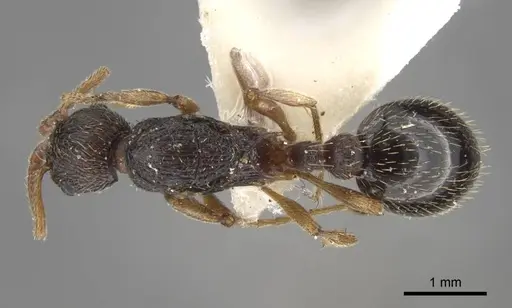
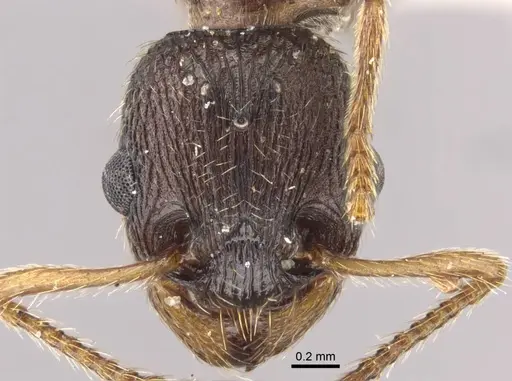
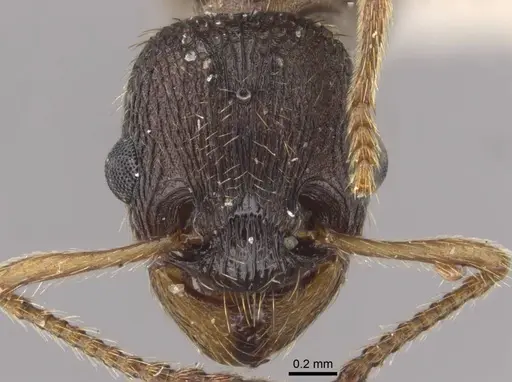
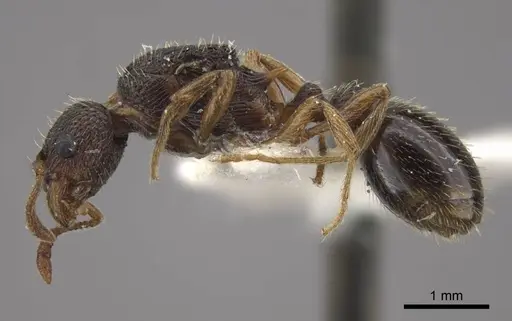
CASENT0917529
View on AntWeb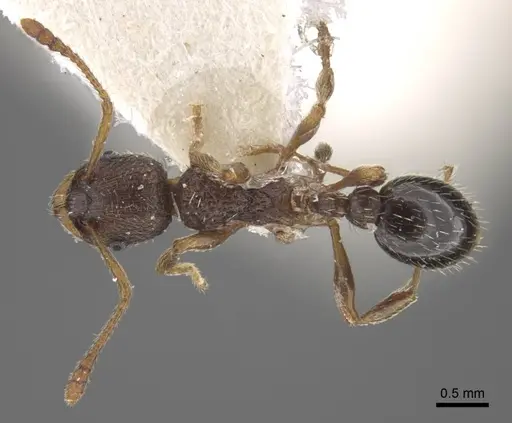
CASENT0917666
View on AntWeb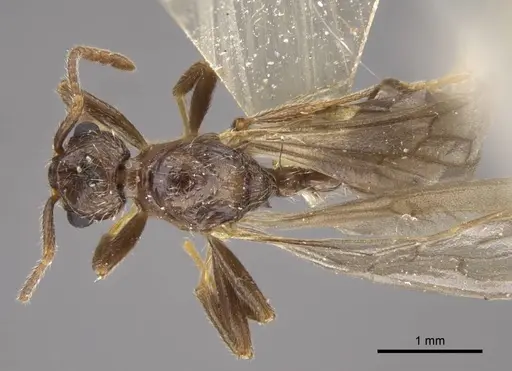
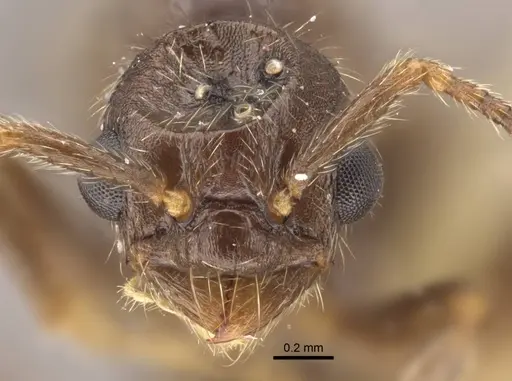
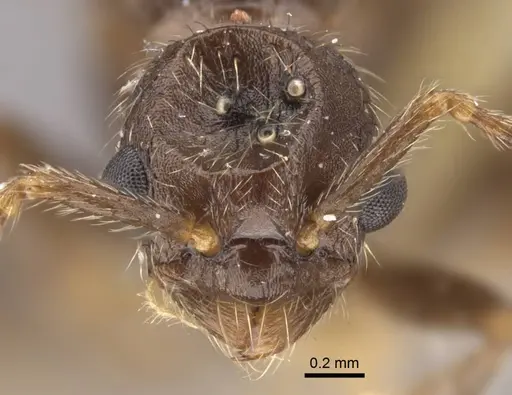
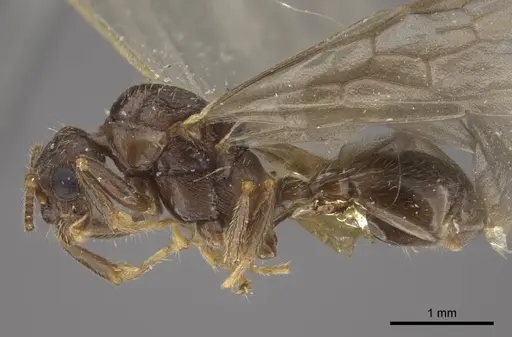
CASENT0922776
View on AntWeb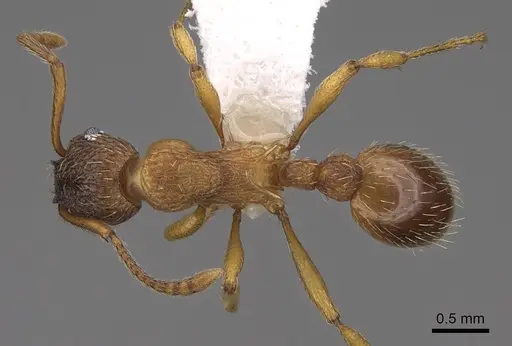
Literature
Loading...Loading products...