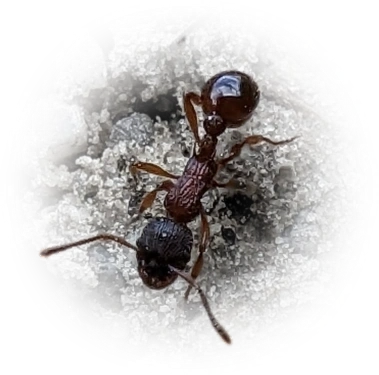

Myrmica sulcinodis
- Scientific Name
- Myrmica sulcinodis
- Tribe
- Myrmicini
- Subfamily
- Myrmicinae
- Author
- Nylander, 1846
- Distribution
- Found in 14 countries
Myrmica sulcinodis Overview
Myrmica sulcinodis is an ant species of the genus Myrmica. It is primarily documented in 14 countries , including Switzerland, Germany, Denmark. Detailed taxonomic data and occurrence records can be further explored via authoritative databases such as AntWeb or the Global Biodiversity Information Facility (GBIF).
Myrmica sulcinodis
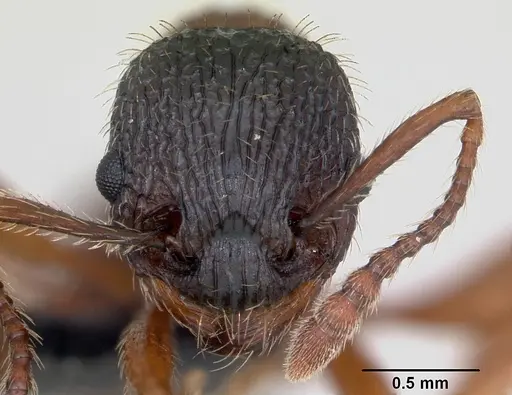
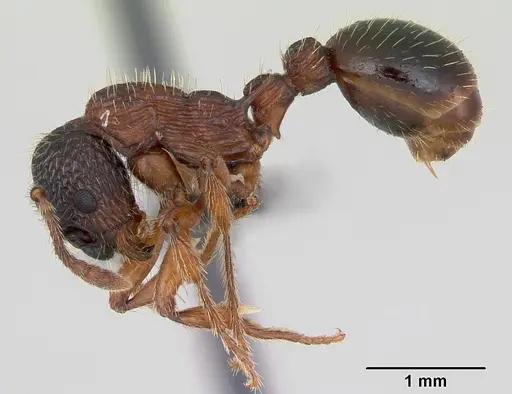
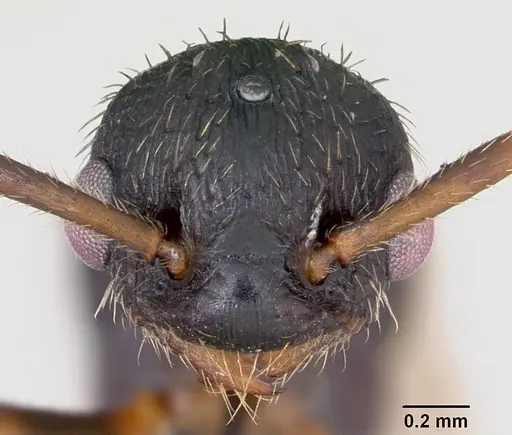
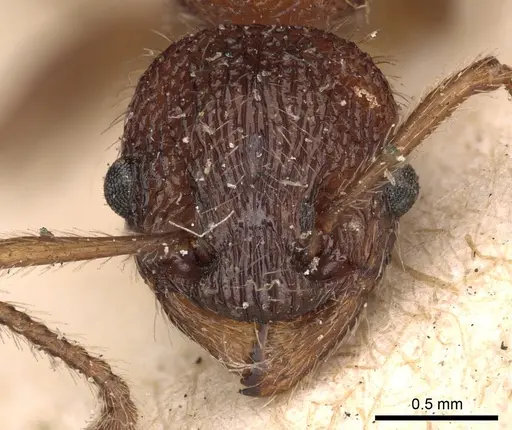
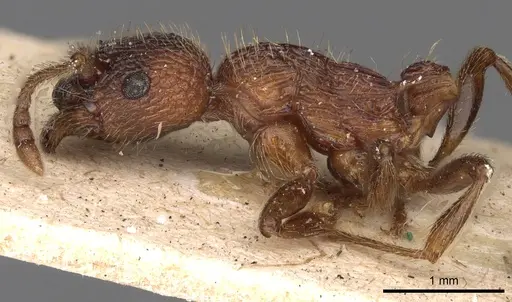
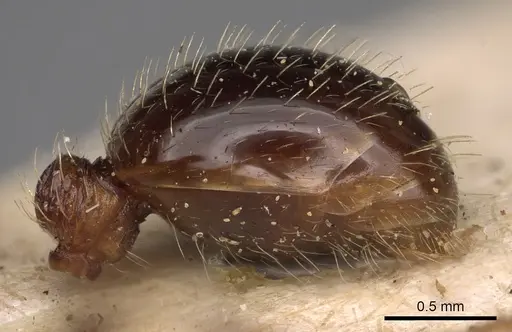
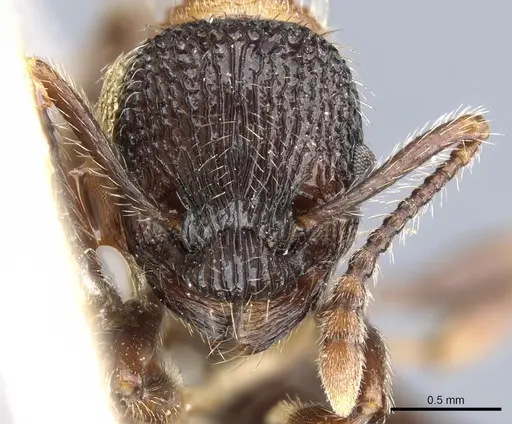
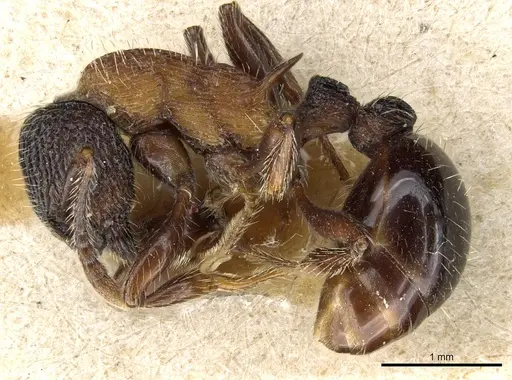
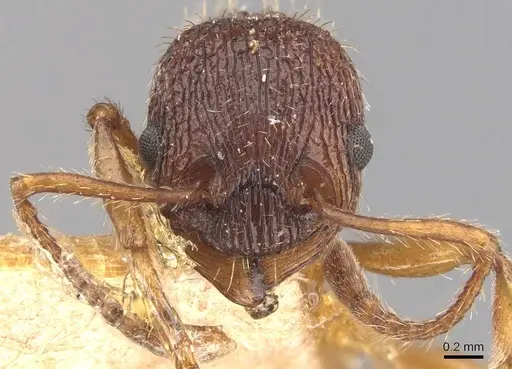
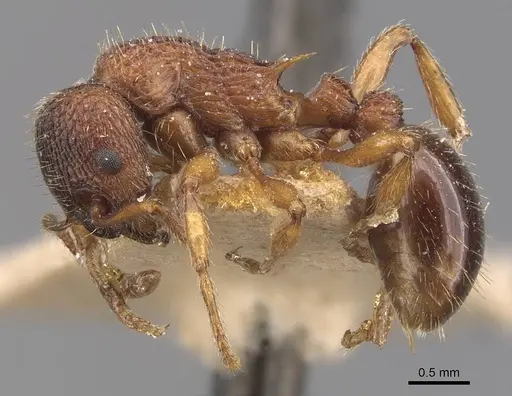
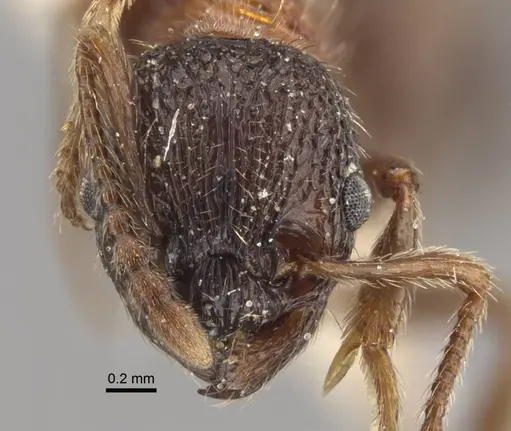
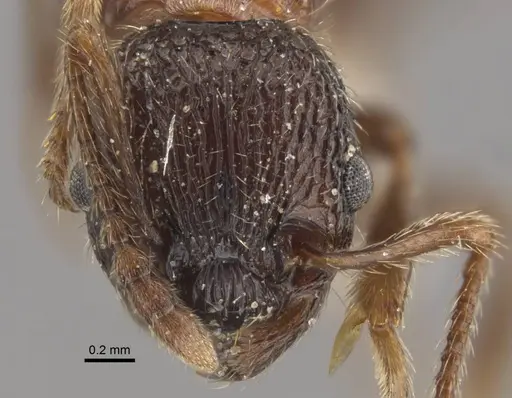
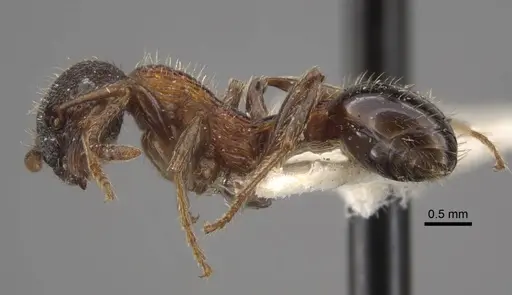
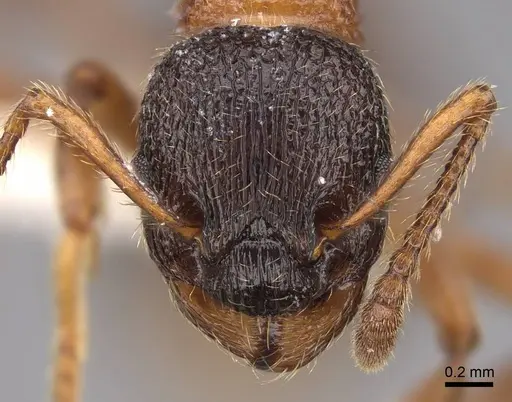
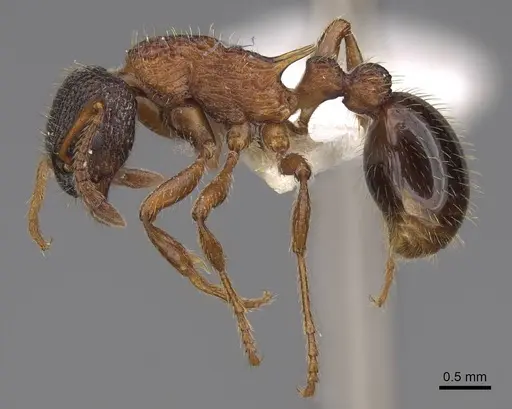
Myrmica sulcinodis is a distinctive boreo-montane ant species found across the Palaearctic region from Portugal to East Siberia. Workers measure 4-6mm and display a striking bicolored appearance with a dark brown to black head and gaster contrasting against a deep reddish mesosoma and waist. The species gets its common name from the coarse longitudinal wrinkles (grooves) that run along its head, thorax, and waist segments. The antennal scape is strongly curved near the base without a tooth or lobe, and the propodeal spines are stout and blunt. This is a cold-adapted species that in southern Europe lives only in mountains at elevations of 1400-2600m, while in northern regions it inhabits lowland heathlands and moorlands. Colonies are typically small, containing a few hundred workers, and can be either single-queen or multi-queen depending on the population. [1][2][3]
Quick Summary
- Difficulty: Medium
- Origin & Habitat: Boreal species distributed from the Atlantic to the Pacific Ocean. In northern regions inhabits lowland heathlands and moorlands with well-drained sandy or peaty soils. In southern Europe found only in mountains at 1400-2600m elevation. Prefers open, sun-exposed habitats with coarse sandy subsoil that retains some moisture. Nests in the ground or under stones. [1][2][4]
- Colony Type: Facultatively polygynous, colonies can be single-queen (monogyne) or multi-queen (polygynous). Many populations show highly variable queen numbers that can cycle over years. Some populations in Denmark form supercolonies with thousands of interconnected nests and very low genetic relatedness between workers. [1][2][5]
- Colony: Optionally polygyne, Supercolonial
- Founding: Claustral
- Size & Growth:
- Queen: 5.5-6.8 mm [4]
- Worker: 3.9-5.5 mm [4]
- Colony: Up to 500-1000 workers in mature colonies [1][2]
- Growth: Moderate
- Development: 6-10 weeks (estimated based on typical Myrmica development) [4] (Based on related Myrmica species, development occurs during summer months when colonies are most active)
- Antkeeping:
- Temperature: Keep at 18-22°C. This is a cold-adapted species that prefers cooler conditions than many other ants. Avoid temperatures above 25°C. Provide a temperature gradient so ants can choose their preferred zone. [1][4]
- Humidity: Moderate humidity. Nest substrate should be kept slightly moist but not waterlogged. In the wild they inhabit areas with some soil moisture but good drainage. [1][4]
- Diapause: Yes, requires hibernation. Keep colonies at 5-10°C during winter (approximately November to March, depending on your location). This species is well-adapted to cold and benefits from a proper dormancy period. [4][1]
- Nesting: Test tube setups work well for founding colonies. For established colonies, a plaster nest or naturalistic setup with some damp soil works well. They do best with a nest chamber that stays cool and slightly humid. Avoid overheating. [1][4]
- Behavior: Workers are active foragers that hunt small insects and scavenge. They are not particularly aggressive but will sting if threatened, their sting is painful for such a small ant. Workers have the typical Myrmica alarm response, quickly recruiting nestmates to disturbance. This species is not an escape artist but standard escape prevention (fluon on edges) is still recommended. They are diurnal and most active during cooler parts of the day in summer. [2][4]
- Common Issues: overheating is a major risk, this cold-adapted species does poorly above 25°C, colonies can be slow to establish and beginners may lose patience, multi-queen colonies may experience queen turnover or conflict, hibernation failure can weaken or kill colonies if not provided proper cold period, rare in the wild in many parts of Europe so finding a colony may be difficult
Housing and Nest Setup
Myrmica sulcinodis is a cold-adapted species that requires careful temperature management. For founding colonies, a standard test tube setup works well, fill the tube about one-third with water, plug with cotton, and place the queen in the humid chamber. Keep founding colonies at room temperature (18-22°C) away from direct sunlight and heat sources. For established colonies with workers, you can use a plaster nest, acrylic formicarium, or naturalistic setup. The key requirements are: cool temperatures (stay below 25°C), moderate humidity in the nest chamber, and access to a foraging area. Provide a temperature gradient so workers can self-regulate. A small water tube for drinking is appreciated but not required for most Myrmica. [4][1]
Feeding and Diet
Myrmica sulcinodis is a predator and scavenger. Workers actively hunt small insects and will collect dead arthropods. In captivity, feed them small protein sources like fruit flies, small crickets, mealworms, and other small insects. Offer protein roughly twice per week, adjusting based on colony size. They will also accept sugar sources like honey water or sugar water, especially when colony size grows. Remove uneaten prey after 24-48 hours to prevent mold. A constant supply of sugar water is recommended for established colonies. This species does not require specialized feeding like some predators, standard ant fare works well. [2][4]
Temperature and Seasonal Care
This is the most critical aspect of keeping M. sulcinodis. They are a boreal species adapted to cool conditions and will not thrive in warm environments. Keep the nest area at 18-22°C year-round. During summer, ensure the colony is never exposed to temperatures above 25°C, this can be lethal or cause colony decline. In winter, provide a hibernation period of 3-4 months at 5-10°C (roughly November through March). Place the colony in an unheated garage, basement, or refrigerator during this time. Do not feed during hibernation. This cold-adaptation is non-negotiable for long-term colony health. [4][1]
Colony Structure and Queen Management
M. sulcinodis shows fascinating flexibility in colony structure. Colonies can be either monogyne (single queen) or polygyne (multiple queens), and some populations shift between these states over years. In the wild, queen numbers can range from 1 to over 60 per colony depending on habitat conditions. Some Danish populations form massive supercolonies with thousands of interconnected nests and extremely low relatedness between workers (effectively treating the whole area as one colony). If you keep multiple queens together, monitor for aggression, while some polygyne colonies coexist peacefully, queen-on-queen fighting can occur. Single-queen colonies are more common in most populations. [1][2][5]
Growth and Development
Colony growth is moderate. A newly mated queen will lay eggs after hibernation, and first workers (nanitics) should emerge within 6-10 weeks based on typical Myrmica development patterns. Initial broods are small, perhaps 5-15 nanitic workers. The colony grows through subsequent broods throughout the summer. Colonies reach several hundred workers in a few years. Sexual brood (males and new queens) is produced in late summer, typically July-August, with nuptial flights occurring in August and September. The timing of sexual production is tied to colony size, only larger, established colonies produce new queens. [4][1]
Ecological Notes
This species plays important ecological roles in its native habitat. It serves as a host for the Alcon blue butterfly (Maculinea rebeli) in some mountain regions of Europe, where the butterfly larvae are tended by the ants. It also hosts various myrmecophilous beetles including Atemeles emarginatus and Drusilla canaliculata. In the wild, M. sulcinodis is a predator that helps control small invertebrate populations in heathland and mountain ecosystems. Their colonies are often relatively small and scattered, making them a minor but important part of the ant fauna in their specialized habitats. [6][3]
Frequently Asked Questions
Can I keep Myrmica sulcinodis in a test tube?
Yes, test tubes work well for founding colonies. Keep the water chamber humid but not flooded, and maintain temperatures between 18-22°C. Once the colony reaches 30-50 workers, consider moving to a larger setup like a plaster nest or formicarium.
How long does it take for the first workers to appear?
Expect 6-10 weeks from egg to first worker under good conditions. The queen will lay eggs after her founding period, and development takes most of the summer. Patience is key, this species grows moderately, not quickly.
Do Myrmica sulcinodis ants sting?
Yes, they can sting and the sting is noticeably painful for such a small ant. They are not aggressive but will defend the nest if threatened. Handle with care and use standard escape prevention.
What temperature do they need?
Keep them cool, 18-22°C is ideal. This is a cold-adapted species that does poorly above 25°C. Never expose them to heat sources or direct sunlight. In winter, provide hibernation at 5-10°C.
Do they need hibernation?
Yes, a proper hibernation period of 3-4 months at 5-10°C is essential for colony health. This species is adapted to boreal climates and requires the cold period to trigger natural biological cycles. Skip hibernation at your colony's peril.
Are Myrmica sulcinodis good for beginners?
They are moderate difficulty, not the easiest but not the hardest. The main challenge is maintaining cool temperatures year-round and providing proper hibernation. If you can keep your ant room below 25°C and can provide winter storage space, they are manageable. Their slow growth requires patience.
Can I keep multiple queens together?
This species is facultatively polygynous, meaning some wild colonies have multiple queens. However, combining unrelated queens in captivity can be risky, they may fight. If you want to try, provide plenty of space and monitor closely. Single-queen colonies are more predictable.
How big do colonies get?
Colonies typically reach 500-1000 workers in the wild. Some supercolonies in Denmark contain thousands of workers spread across many interconnected nests. In captivity, expect a few hundred workers in a well-established colony after several years.
What do they eat?
They are predators and scavengers. Feed small insects like fruit flies, small crickets, and mealworms. They also accept sugar water or honey. Offer protein twice weekly and keep sugar water available constantly.
Why are my ants dying?
The most common cause is overheating, this species absolutely cannot tolerate temperatures above 25°C. Check your setup for heat sources. Other possibilities include improper humidity (too wet or too dry), lack of hibernation, or stress from disturbance. Review all environmental conditions.
When do nuptial flights happen?
Nuptial flights occur in August and September. Males and new queens mate in the air over elevated ground. If you want to capture mated queens, this is the time to look, but note this species is rare in many parts of its range.
Is this species endangered?
Yes, it is considered threatened or rare in many parts of Europe. In Belgium and the Netherlands it has critical conservation status. It requires specific heathland or mountain habitats that have declined. Always check local regulations before collecting and never release non-native ants.
References

This caresheet is licensed under CC BY-SA 4.0 .
ANTWEB1041367
View on AntWeb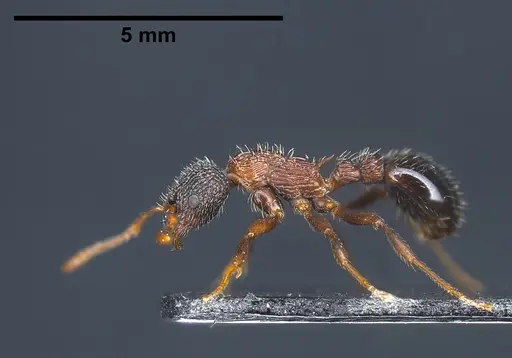
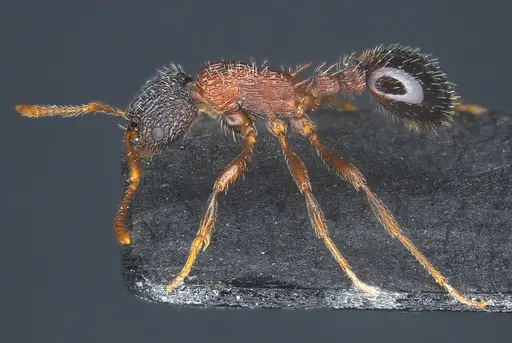
CASENT0172735
View on AntWeb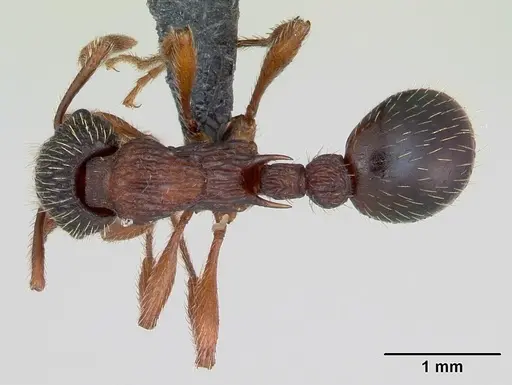
CASENT0172736
View on AntWeb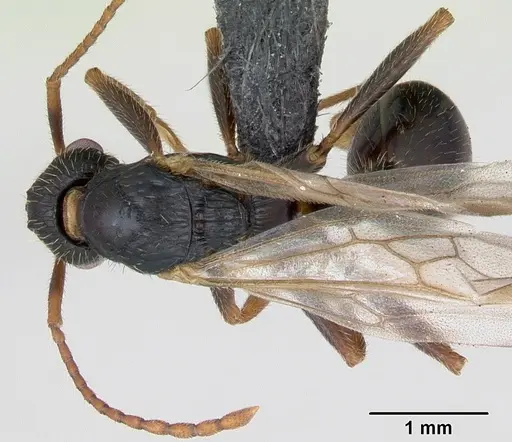
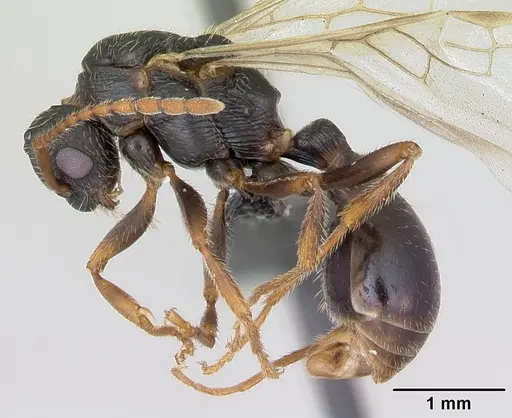
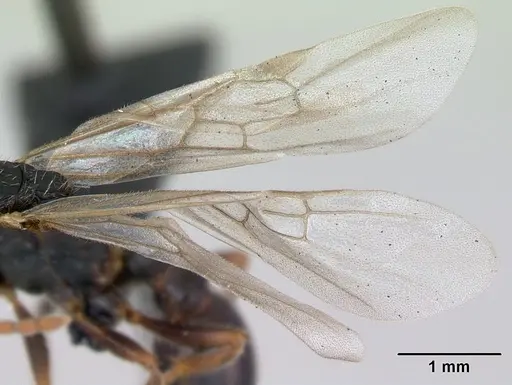
CASENT0900275
View on AntWeb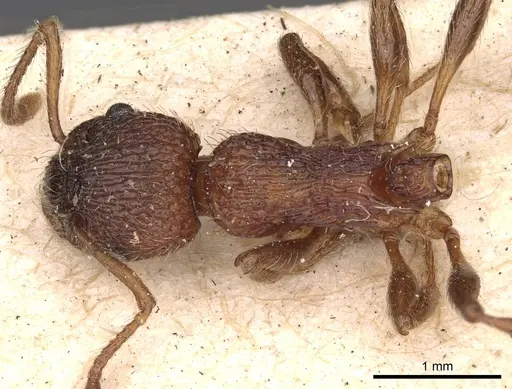
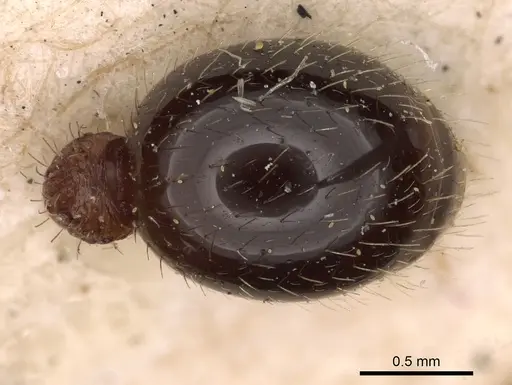
CASENT0904064
View on AntWeb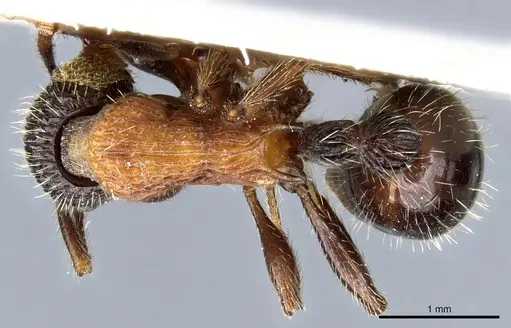
CASENT0907663
View on AntWeb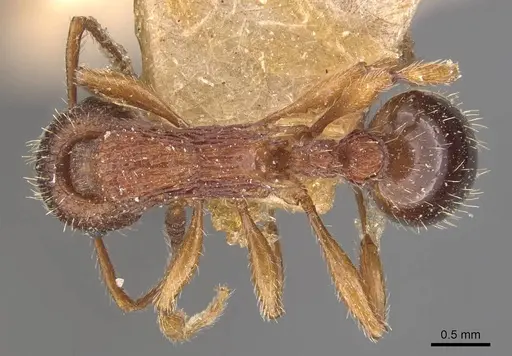
CASENT0917678
View on AntWeb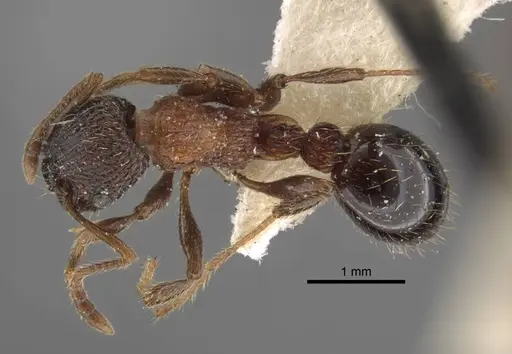
CASENT0922775
View on AntWeb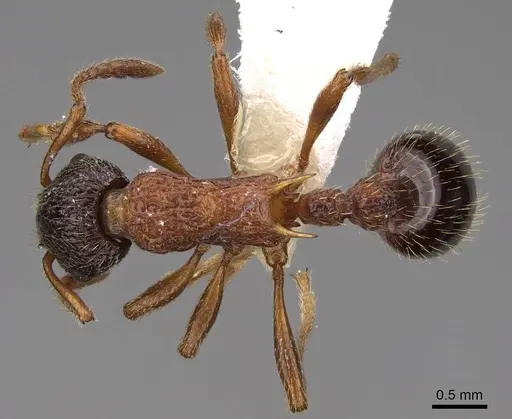
Literature
Loading...Loading products...