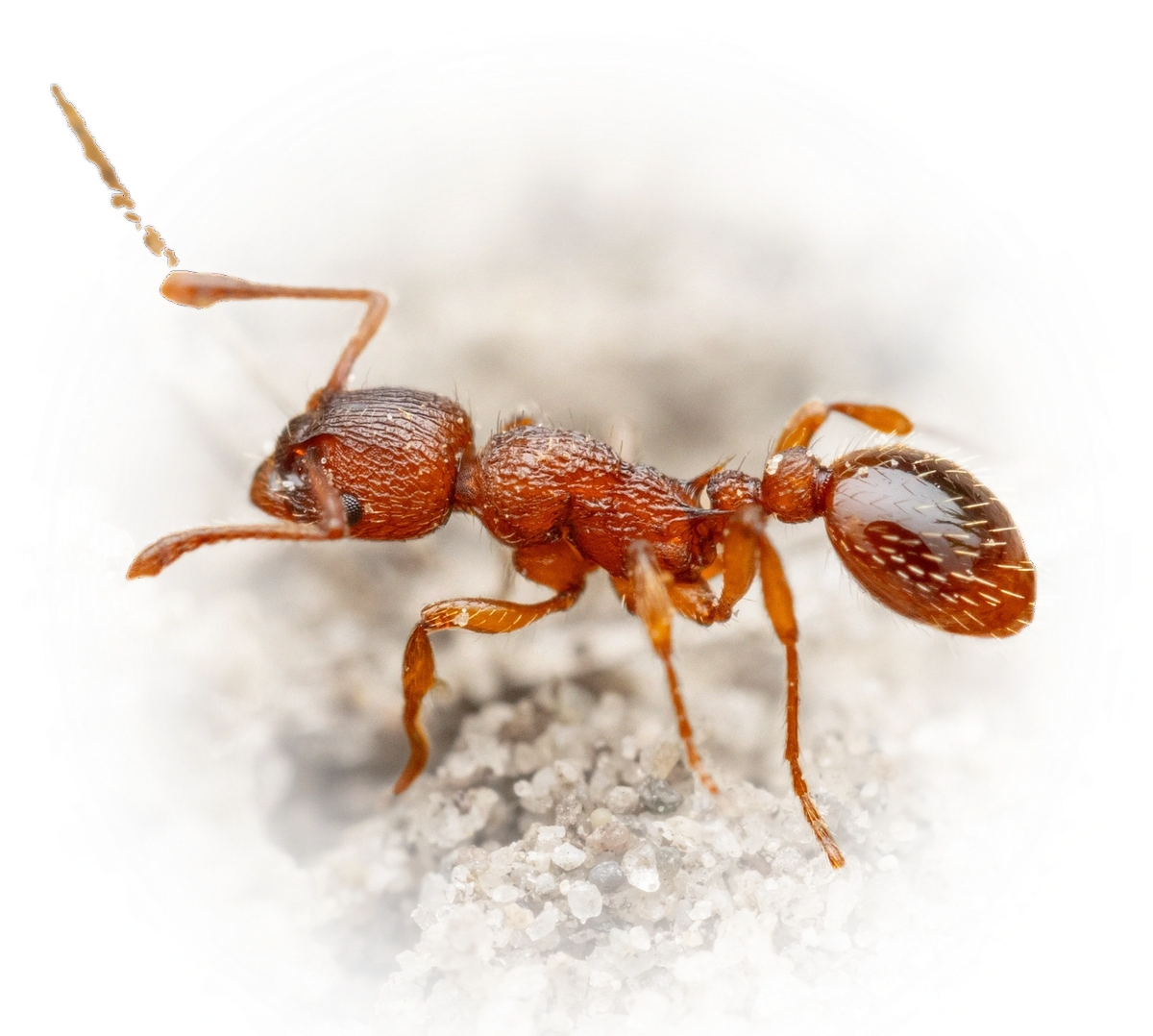

Myrmica specioides
- Scientific Name
- Myrmica specioides
- Tribe
- Myrmicini
- Subfamily
- Myrmicinae
- Author
- Bondroit, 1918
- Distribution
- Found in 13 countries
Myrmica specioides Overview
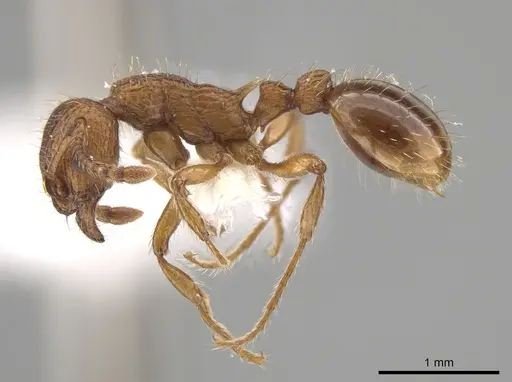
Myrmica specioides is an ant species of the genus Myrmica. It is primarily documented in 13 countries , including Belgium, Switzerland, Germany. Detailed taxonomic data and occurrence records can be further explored via authoritative databases such as AntWeb or the Global Biodiversity Information Facility (GBIF).
Myrmica specioides
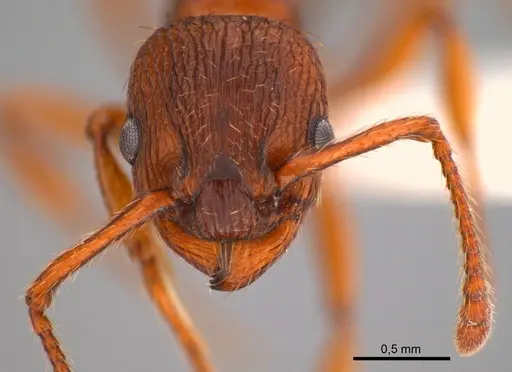
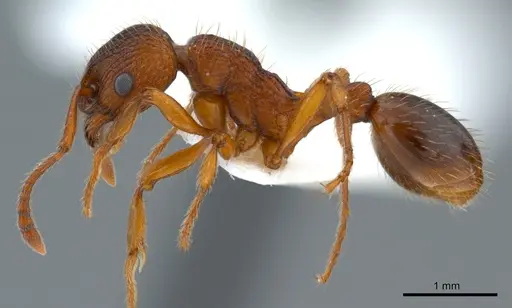
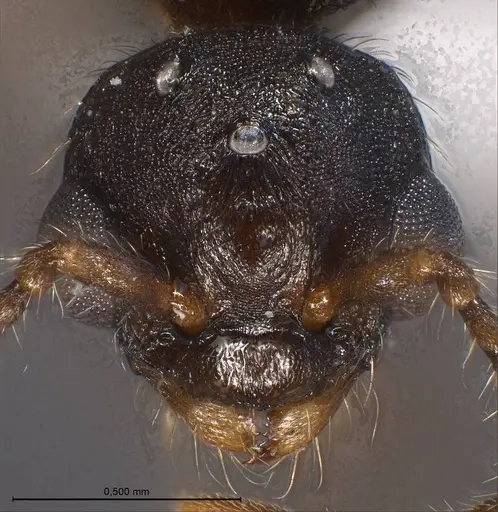
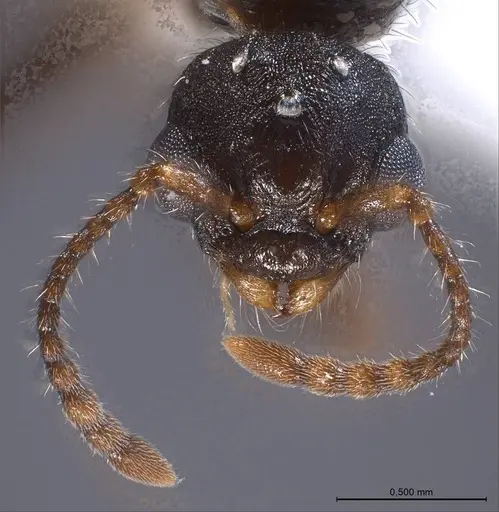
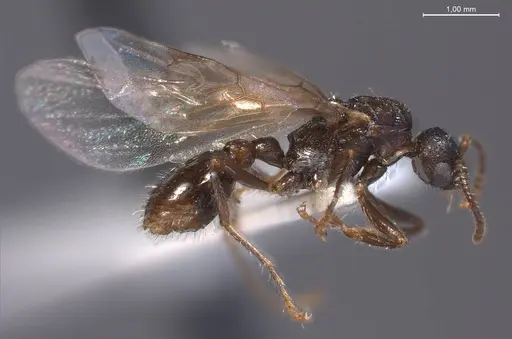
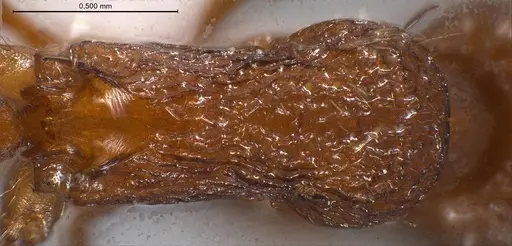
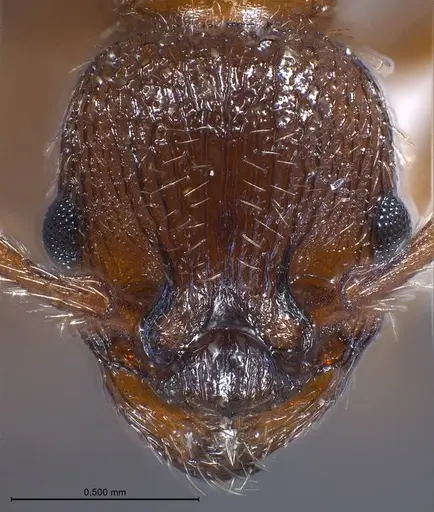
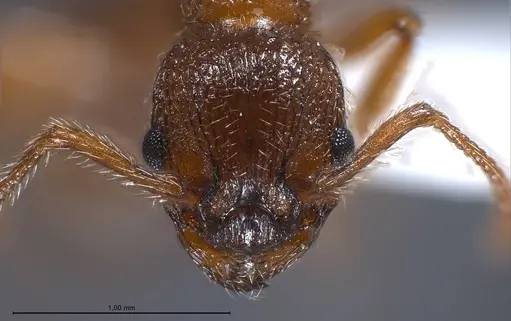
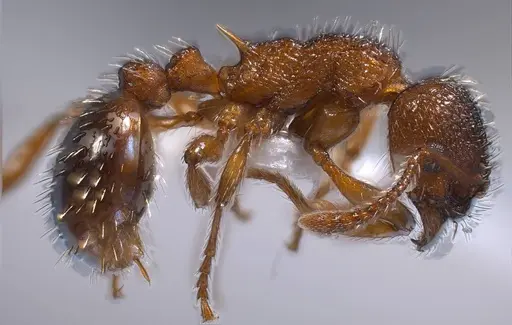
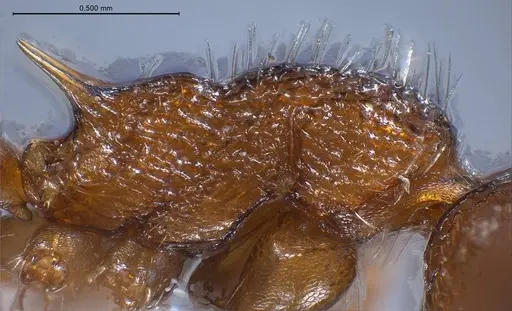
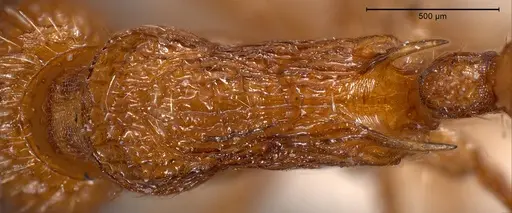
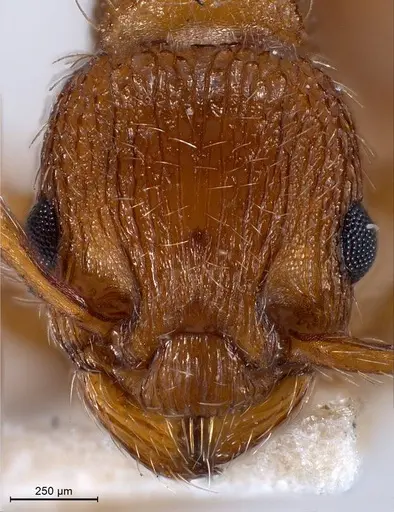
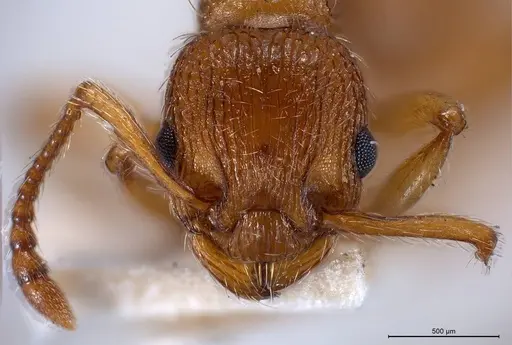
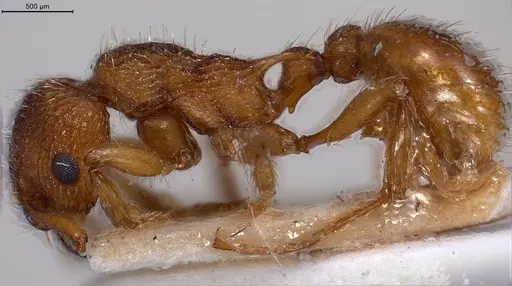
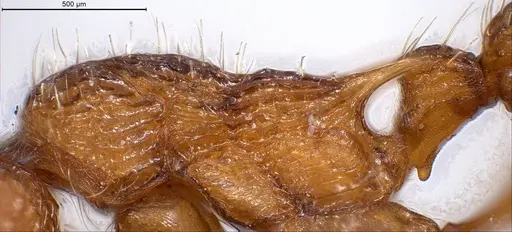
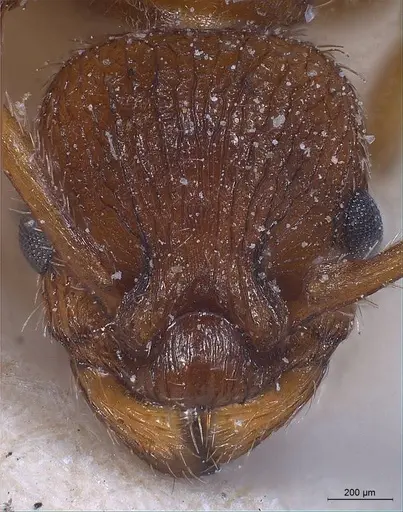
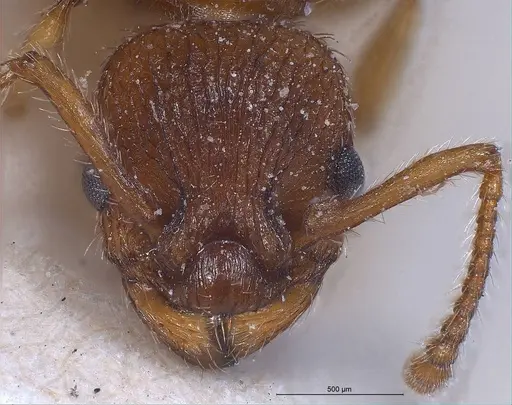
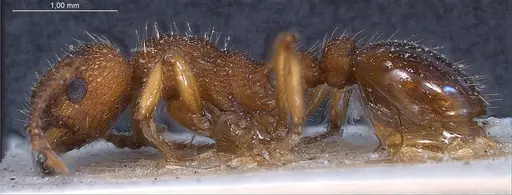
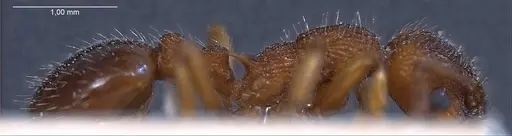
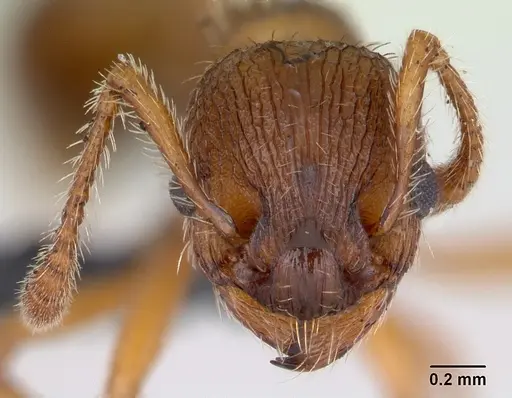
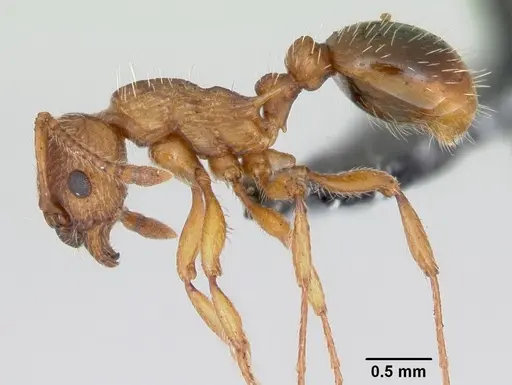
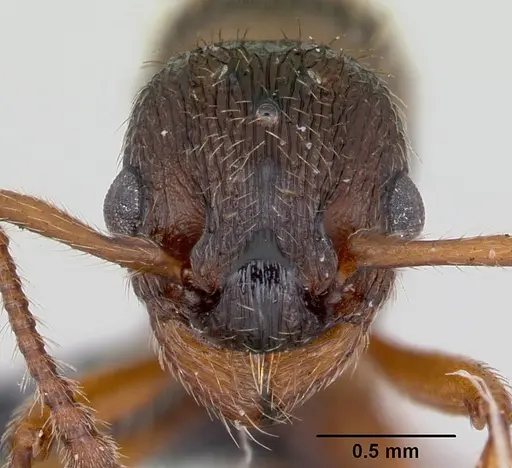
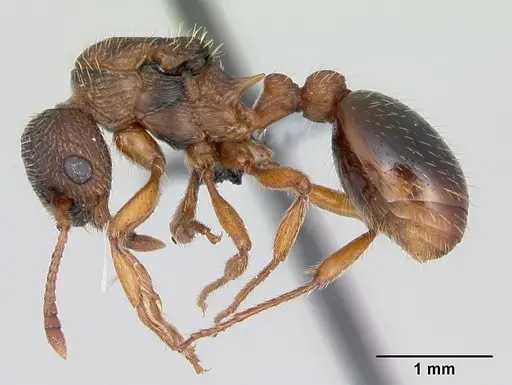
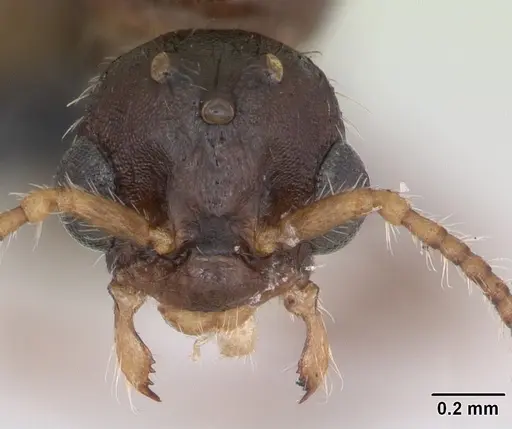
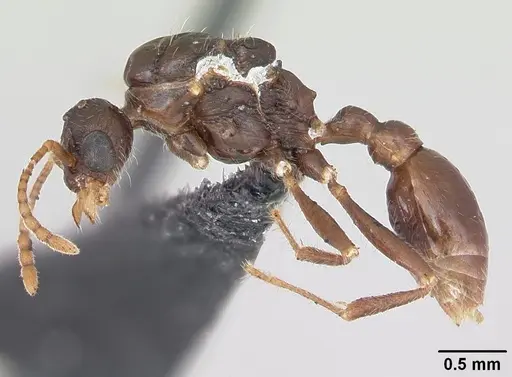
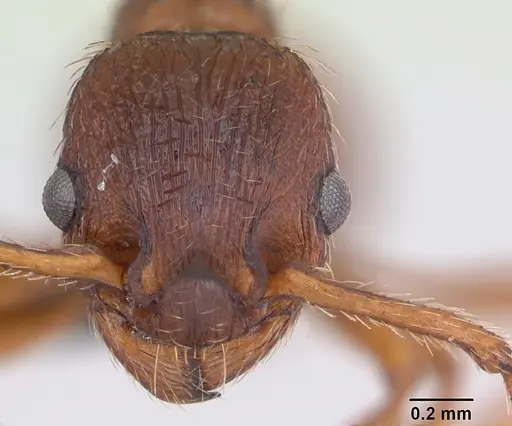
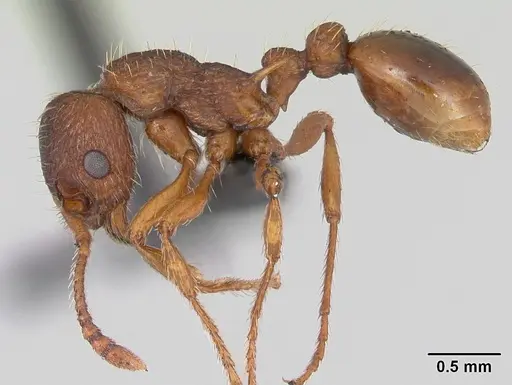
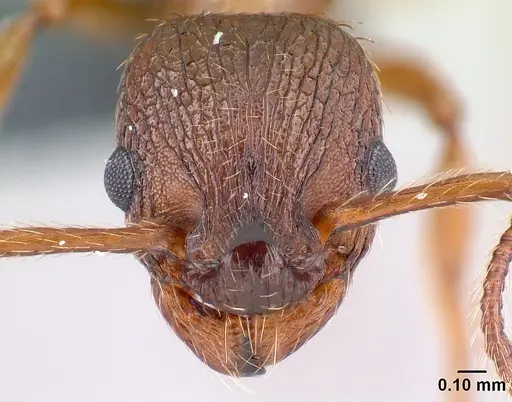
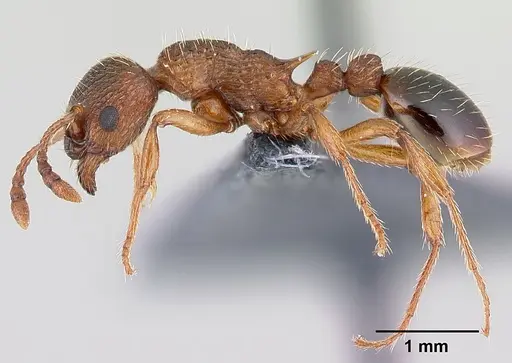
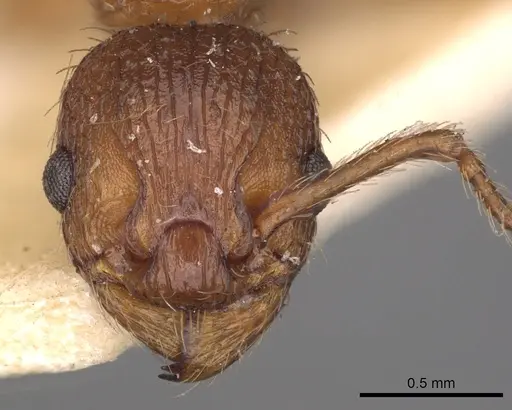
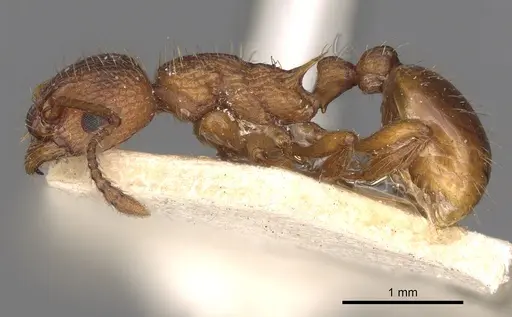
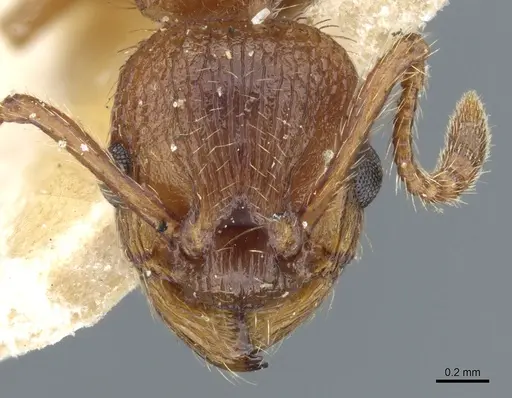
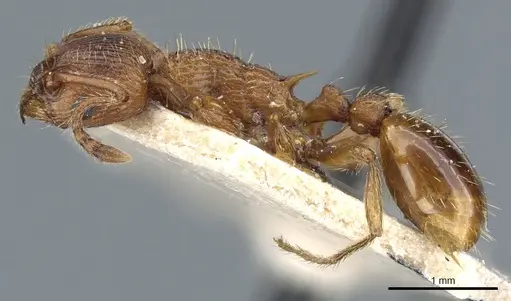
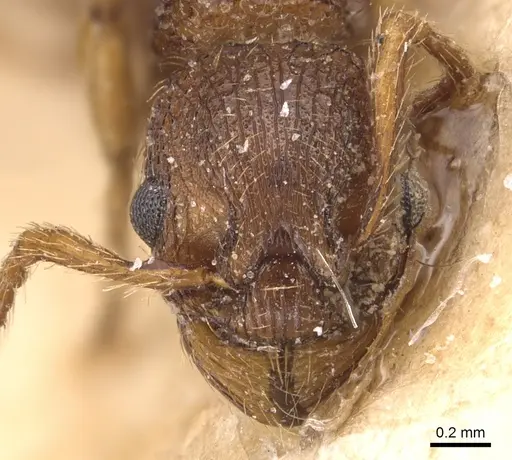
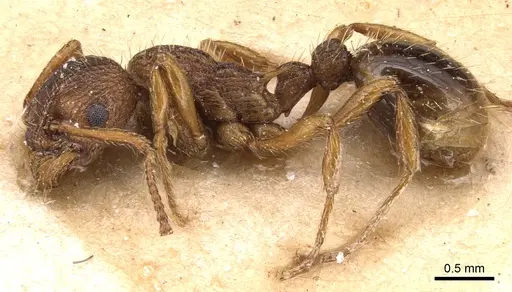
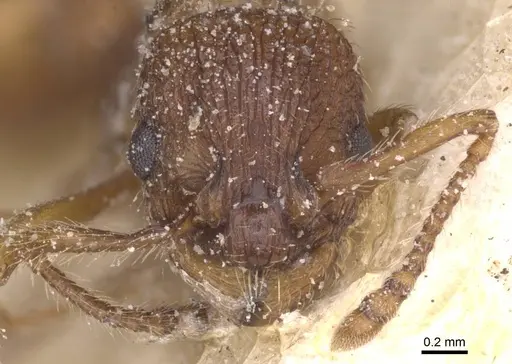
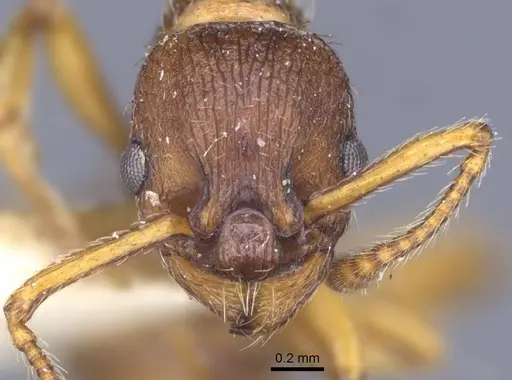
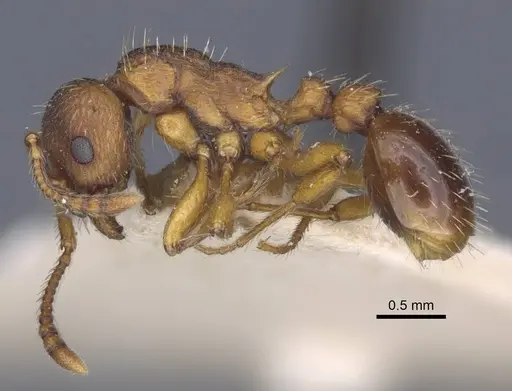
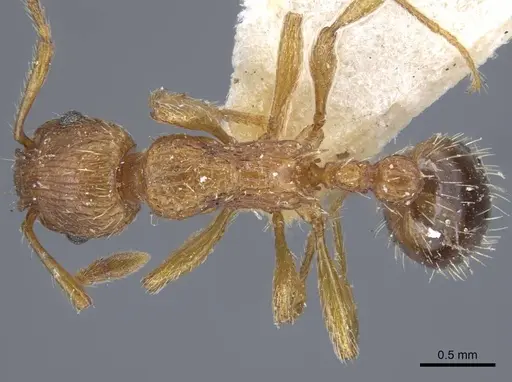
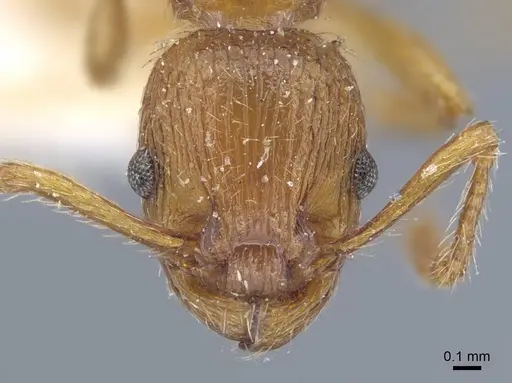
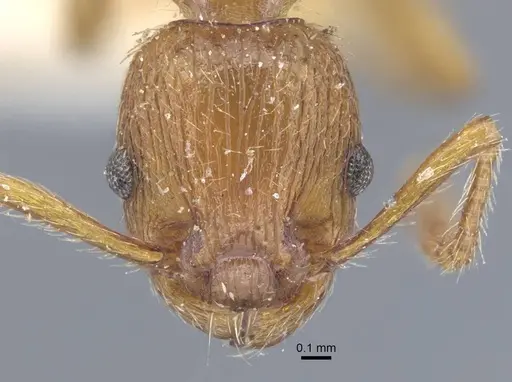
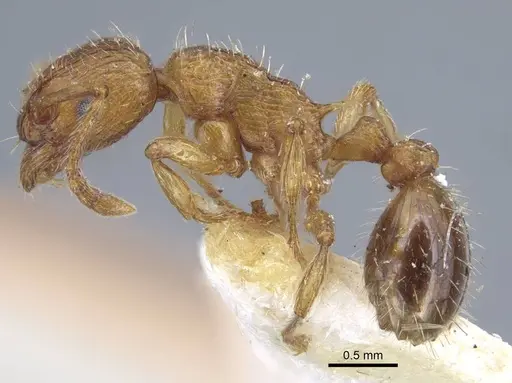
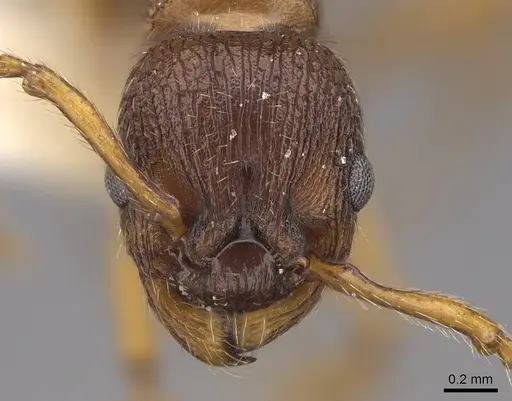
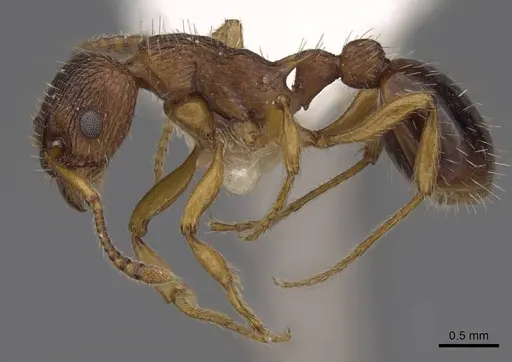
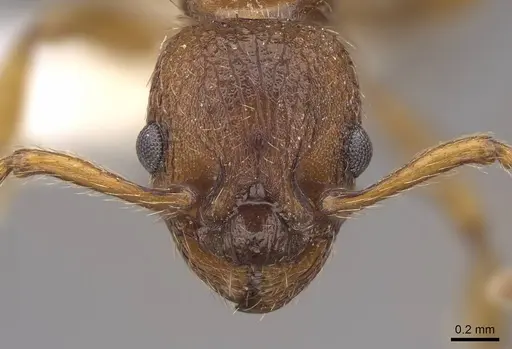
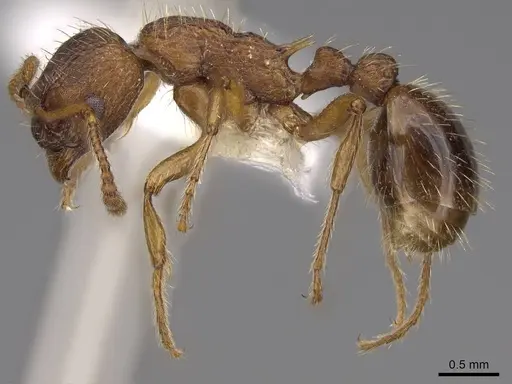
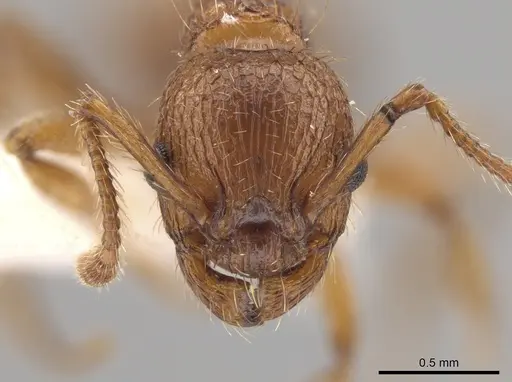
Myrmica specioides is a small to medium-sized Myrmica ant measuring 3.0-4.5mm for workers and 4.5-5mm for queens [1]. They have a yellow-red to reddish-brown coloration and are distinguished by their sharply angulated antennal scapes at the bend with a lateral expansion. This species is the most xerophilous (dry-loving) Myrmica in Central Europe, preferring warm, open habitats with sparse vegetation like coastal dunes, heathlands, and dry grasslands [2][3]. They are aggressive ants that sting freely and are known to prey on Lasius flavus workers and brood. Colonies typically contain several hundred workers with one or several queens, though polygynous colonies with up to 60 queens have been recorded [3]. This species has recently become established in North America after being introduced [4].
Quick Summary
- Difficulty: Medium
- Origin & Habitat: Native to Europe and western Asia, from Portugal to western Russia and from Italy to southern Scandinavia. Introduced to North America (British Columbia, Washington, and Boston area). Inhabits dry, warm open areas including coastal dunes, heathlands, calcareous grasslands, and forest edges with sparse, low vegetation [2][3][5].
- Colony Type: Facultatively polygynous, colonies can have a single queen or multiple queens (up to 60 documented). Typically one or several queens per nest, though polygynous colonies do occur [3][2].
- Colony: Optionally polygyne
- Founding: Semi-claustral
- Size & Growth:
- Queen: 4.5-5mm [1]
- Worker: 3.0-4.5mm [1]
- Colony: Up to 1000 workers, typically several hundred [2][3]
- Growth: Moderate
- Development: 6-10 weeks (estimated based on typical Myrmica development at warm temperatures) (Development is temperature-dependent, being a warmth-loving species, warmer conditions within safe ranges may accelerate development)
- Antkeeping:
- Temperature: Keep at 20-24°C. As the most xerophilous Myrmica, they prefer warmer conditions than most other Myrmica species. Provide a temperature gradient allowing workers to choose their preferred warmth [2][3].
- Humidity: Low to moderate. These ants prefer dry to moderately damp conditions, think warm, sandy dune habitats rather than damp forest floors. Allow the nest to dry out between waterings rather than keeping it constantly moist [2][3].
- Diapause: Yes, requires winter hibernation. As a temperate species, provide 3-4 months of cold dormancy at 5-10°C during winter months (roughly November-February in the Northern Hemisphere) [3].
- Nesting: Ground-nesting species that builds inconspicuous nests in soil with simple entrance holes. Will nest under stones or in grass sods. In captivity, a naturalistic setup with a digging area or a Y-tong/plaster nest with dry to moderately damp conditions works well [3][2].
- Behavior: Very aggressive and territorial. Workers sting freely and will actively defend the nest. They are predatory and known to raid colonies of Lasius flavus, capturing their brood as food. Workers will climb herbaceous plants to reach aphids and tend them for honeydew. They are active foragers and do well in warm conditions. Escape prevention is important though not as critical as with tiny species, standard mesh barriers are adequate [2][3].
- Common Issues: colonies often fail during hibernation if kept too wet, ensure dry winter conditions, slow growth compared to tropical species can frustrate beginners, wild-caught colonies may have parasites like Rickia wasmannii fungus that can affect them, aggressive behavior means stings are likely, handle with care, difficulty distinguishing from similar Myrmica species means misidentification is common
Housing and Nest Preferences
Myrmica specioides is a ground-nesting species that naturally builds nests in soil with simple, inconspicuous entrance holes. They prefer dry to moderately damp conditions and are found in warm, open habitats like coastal dunes, heathlands, and calcareous grasslands. In captivity, provide a naturalistic setup with a digging area filled with sandy soil, or use a Y-tong or plaster nest designed for dry conditions. Avoid overly humid setups, these ants do better with some drying between waterings. Place the nest in a warm area of the enclosure, as they are the most xerophilous Myrmica species. A small outworld with sand substrate allows for natural foraging behavior [3][2].
Feeding and Diet
Myrmica specioides is predatory and aggressively hunts other insects. In the wild, they are known to prey on workers and brood of Lasius flavus, and they will climb plants to access aphids for honeydew. In captivity, feed them a varied diet including small live insects (fruit flies, pinhead crickets, mealworms), and provide sugar water or honey as an energy source. Protein-rich foods should be offered regularly, especially for growing colonies. They will also accept dead insects. Feed them protein 2-3 times per week and keep a constant sugar source available [3][2].
Temperature and Seasonal Care
These ants require warm conditions compared to other Myrmica species. Keep the nest at 20-24°C, with a slight gradient if possible. They are active foragers and will do well with supplemental warmth from a heating cable on one side of the nest (placed on top to avoid excessive drying). During winter, they require a true hibernation period of 3-4 months at 5-10°C. Reduce or stop feeding during hibernation and keep the nest slightly drier. Nuptial flights occur in August-September in the wild, so if you have reproductive colonies, watch for mating flights in late summer [3][2].
Behavior and Defense
Myrmica specioides is notably aggressive and will readily sting when threatened. Workers defend the nest actively and are known to raid neighboring ant colonies, particularly targeting Lasius flavus nests for brood. They are superior fighters against other ant species. When keeping this species, use appropriate escape prevention (though they are not tiny) and avoid disturbing the nest unnecessarily. Their sting is painful for such a small ant, handle with care and avoid putting your hand near the nest. They are also known to be hosts for the parasitic fungus Rickia wasmannii, which can affect wild colonies [3][2][6].
Colony Structure and Growth
Colonies can be either monogyne (single queen) or polygynous (multiple queens), with documented colonies having up to 60 queens. Most colonies contain one or several queens with several hundred workers, rarely exceeding 1000 individuals. Queens are claustral to semi-claustral, they can seal themselves in during founding but may need to forage occasionally. Growth is moderate, expect 6-10 weeks from egg to first worker at optimal temperatures. Colonies grow steadily with regular feeding and proper warmth. The species is long-lived with queens potentially living 10-15 years [3][2].
Frequently Asked Questions
How long does it take for Myrmica specioides to raise their first workers?
Expect 6-10 weeks from egg to first worker at optimal temperatures around 22-24°C. This is typical for Myrmica species and may vary based on temperature and feeding.
Do Myrmica specioides ants sting?
Yes, they sting freely and are described as very aggressive. Their sting is painful for such a small ant. Handle with care and use proper protection when working with them.
Can I keep multiple Myrmica specioides queens together?
Yes, this species is facultatively polygynous, colonies can have one queen or multiple queens (up to 60 have been recorded). However, introducing unrelated queens to an established colony may result in aggression.
What temperature do Myrmica specioides need?
Keep them warmer than most Myrmica, around 20-24°C. They are the most xerophilous (dry-loving) Myrmica species in Central Europe and prefer warm conditions.
Do Myrmica specioides need hibernation?
Yes, they require a winter dormancy period of 3-4 months at 5-10°C. This is essential for the health of temperate colonies and mimics their natural seasonal cycle.
What do Myrmica specioides eat?
They are predatory ants that hunt insects and will also tend aphids for honeydew. Feed them small live insects, dead insects, and sugar water or honey. Protein should be offered regularly.
Are Myrmica specioides good for beginners?
They are rated as medium difficulty. They require warmer, drier conditions than typical Myrmica and need hibernation. Their aggressive nature and painful stings are also considerations.
How big do Myrmica specioides colonies get?
Colonies typically reach several hundred workers, with maximum around 1000 workers. This is moderate compared to some other Myrmica species.
Where is Myrmica specioides native to?
They are native to Europe and western Asia, from Portugal to Russia and from Italy to southern Scandinavia. They have been introduced to North America (British Columbia, Washington, and Boston area).
What kind of habitat do Myrmica specioides prefer?
They prefer warm, dry, open habitats with sparse vegetation, coastal dunes, heathlands, calcareous grasslands, and forest edges. They are the most xerophilous Myrmica in Central Europe.
References

This caresheet is licensed under CC BY-SA 4.0 .
ANTWEB1008079
View on AntWeb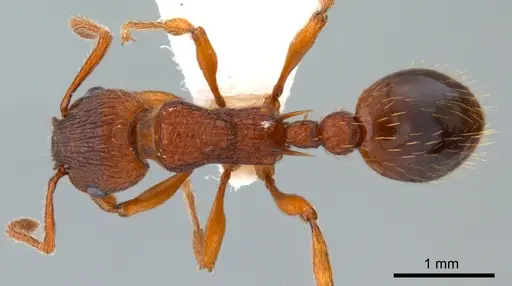
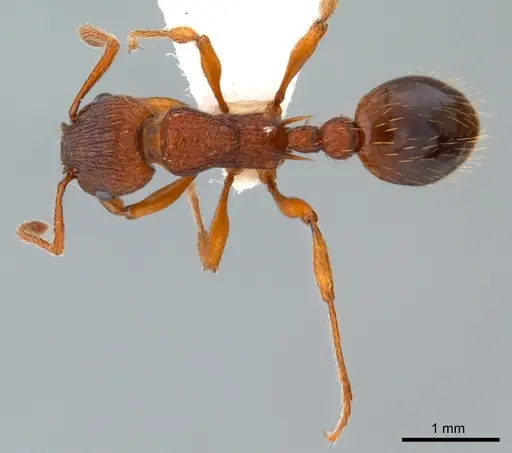
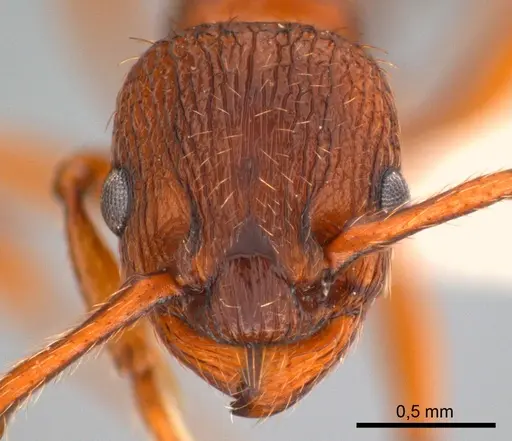
ANTWEB1008450
View on AntWeb
ANTWEB1008451
View on AntWeb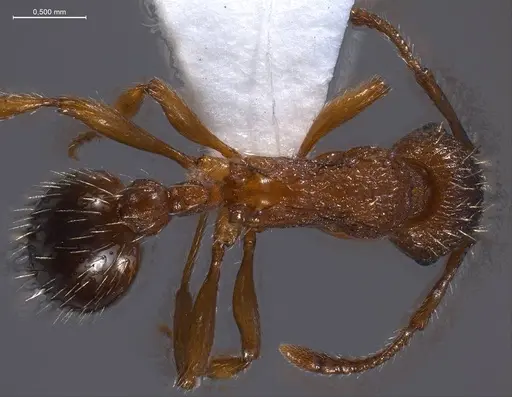
ANTWEB1008458
View on AntWeb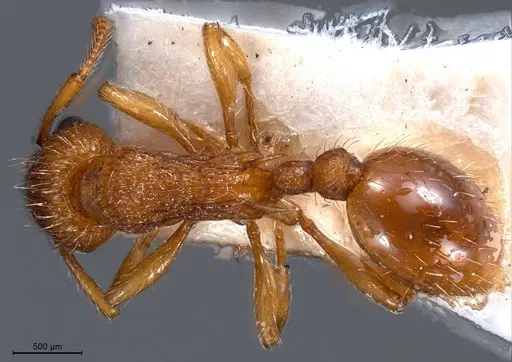
ANTWEB1008463
View on AntWeb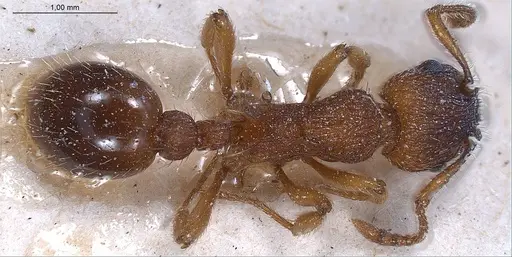
CASENT0172726
View on AntWeb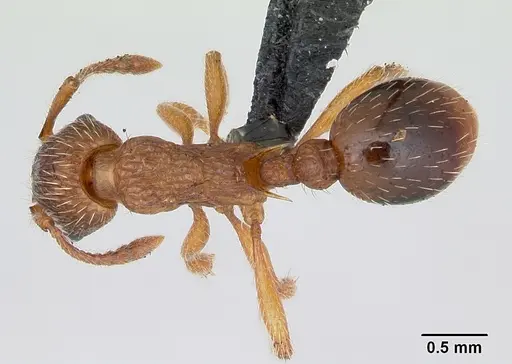
CASENT0172727
View on AntWeb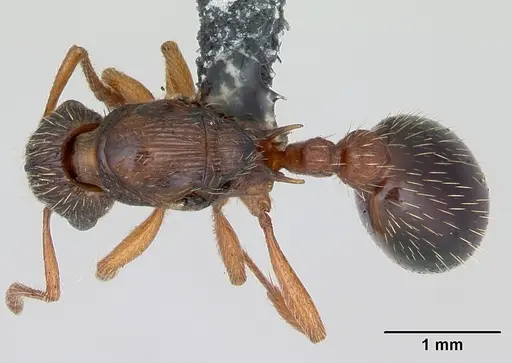
CASENT0172729
View on AntWeb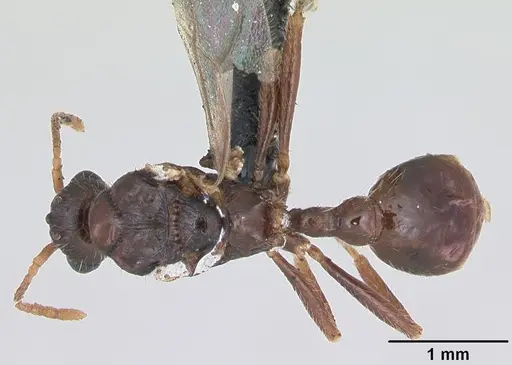
CASENT0172730
View on AntWeb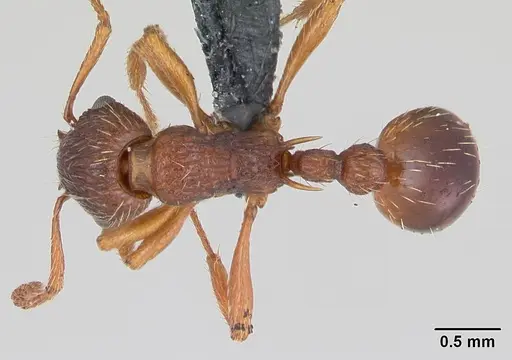
CASENT0179915
View on AntWeb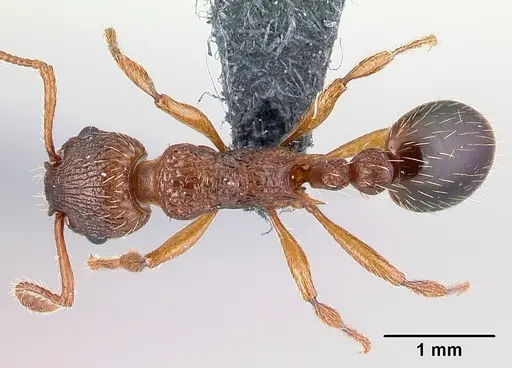
CASENT0900280
View on AntWeb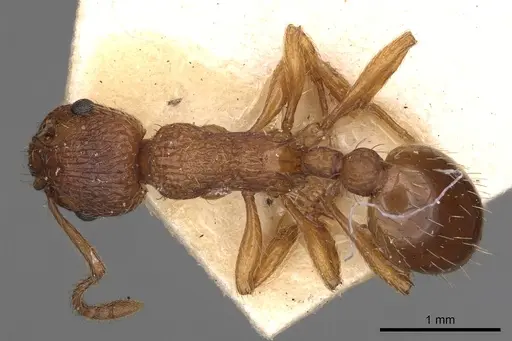
CASENT0904068
View on AntWeb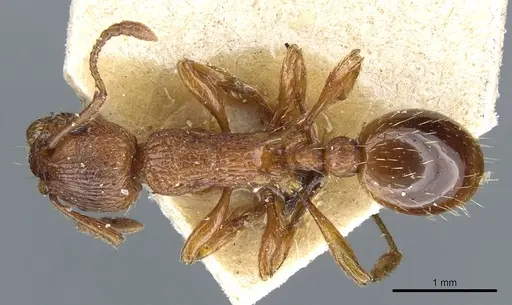
CASENT0904830
View on AntWeb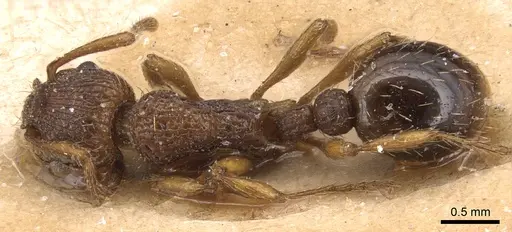
CASENT0913083
View on AntWeb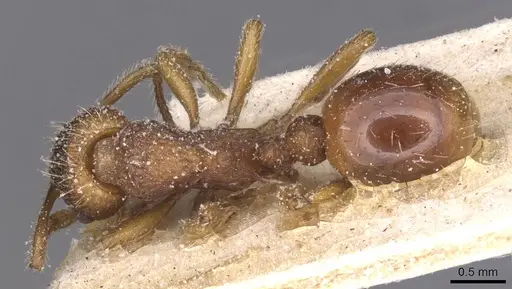
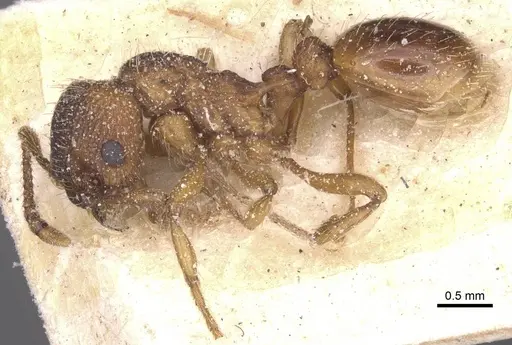
CASENT0916887
View on AntWeb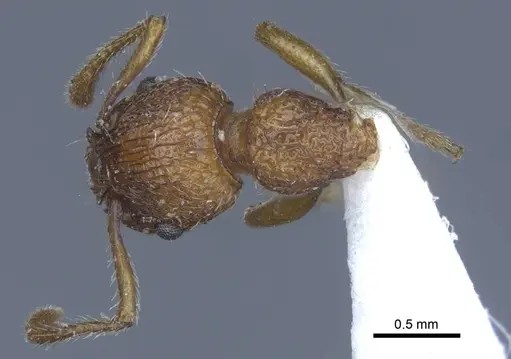
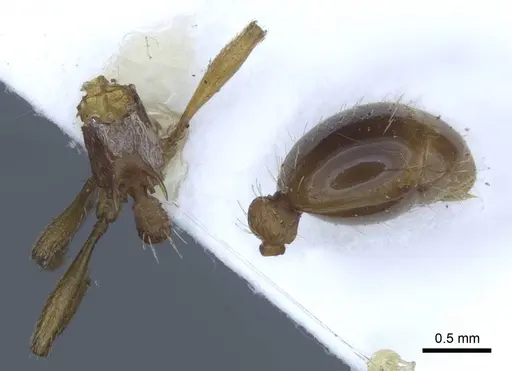
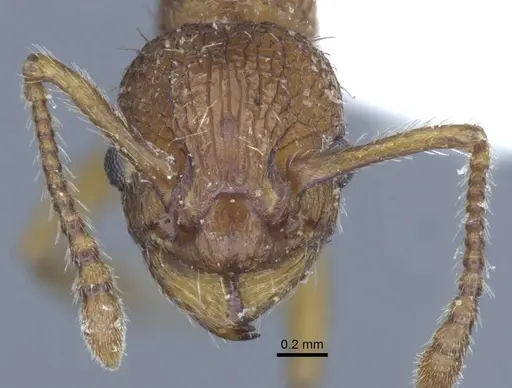
CASENT0916890
View on AntWeb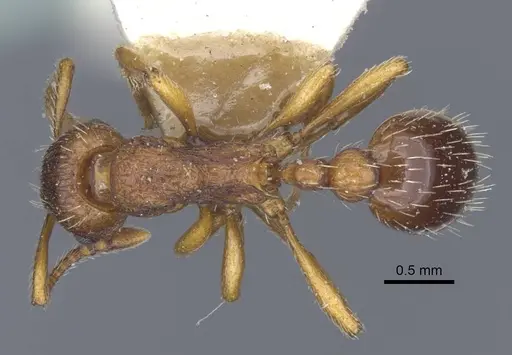
CASENT0917040
View on AntWeb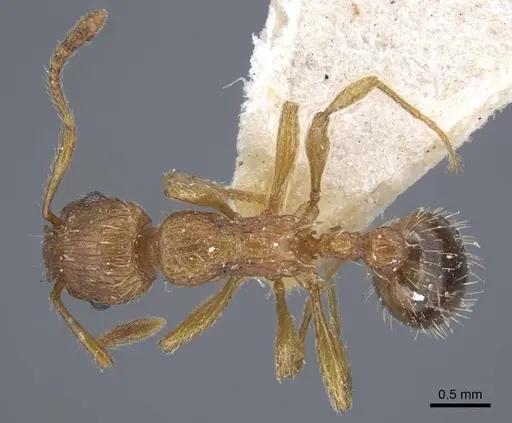
CASENT0922796
View on AntWeb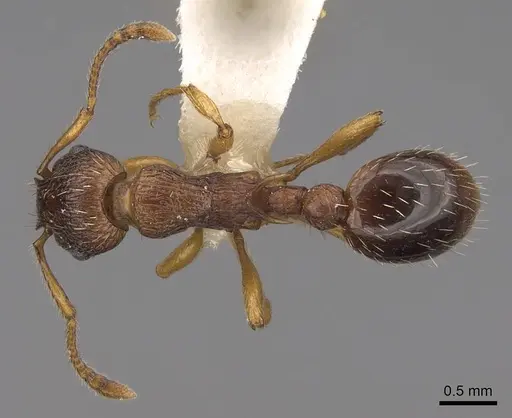
CASENT0922798
View on AntWeb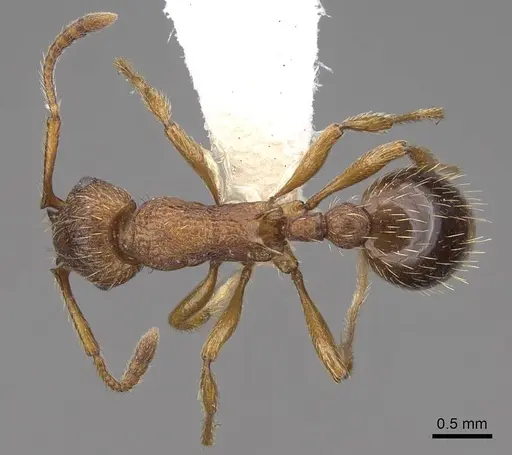
JTLC000006261
View on AntWeb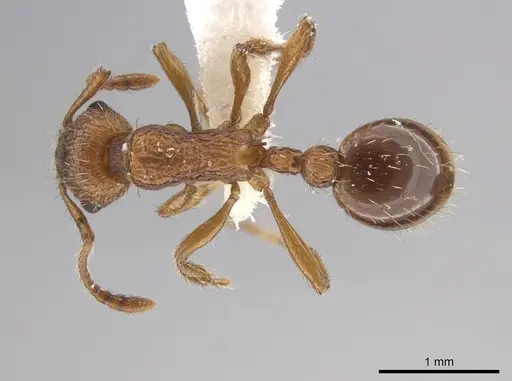
Literature
Loading...Loading products...