

Myrmica salina
- Scientific Name
- Myrmica salina
- Tribe
- Myrmicini
- Subfamily
- Myrmicinae
- Author
- Ruzsky, 1905
- Distribution
- Found in 6 countries
Myrmica salina Overview
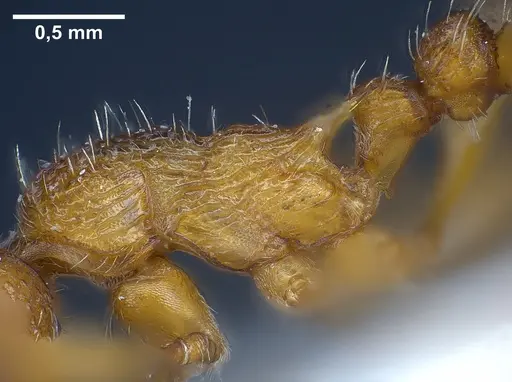
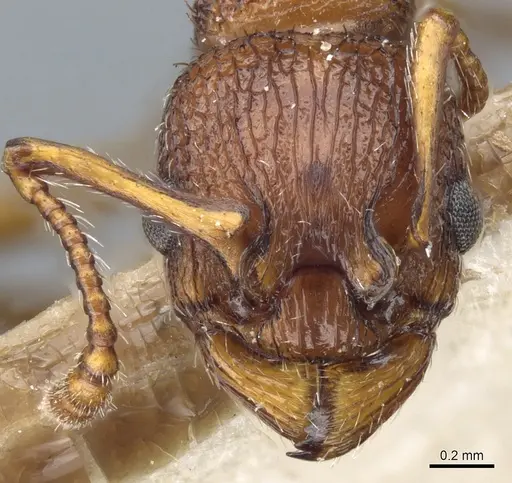
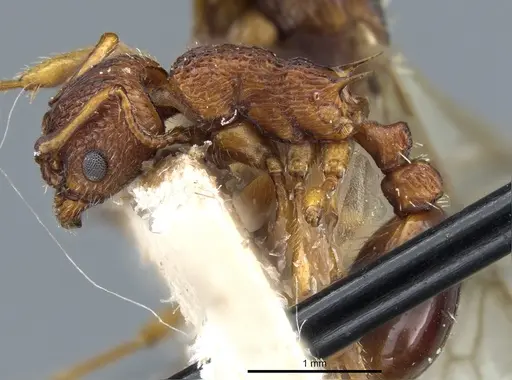
Myrmica salina is an ant species of the genus Myrmica. It is primarily documented in 6 countries , including Georgia, Kyrgyzstan, Kazakhstan. Detailed taxonomic data and occurrence records can be further explored via authoritative databases such as AntWeb or the Global Biodiversity Information Facility (GBIF).
Myrmica salina
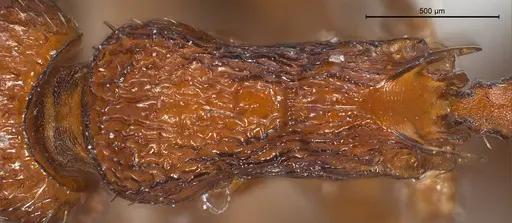
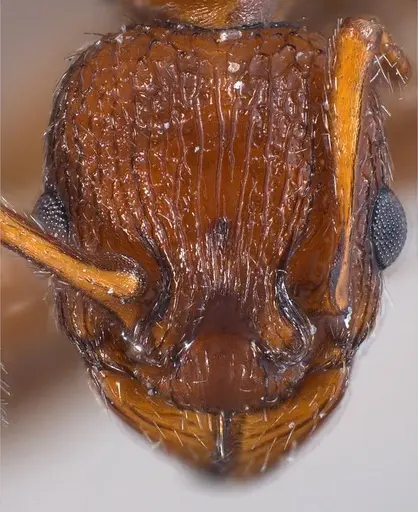
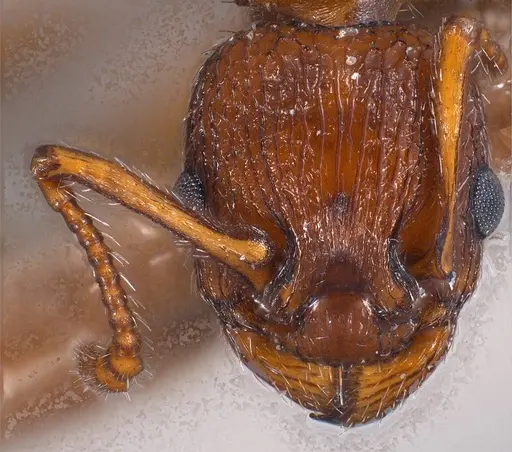
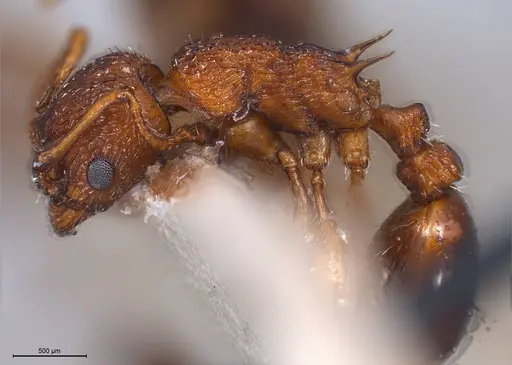
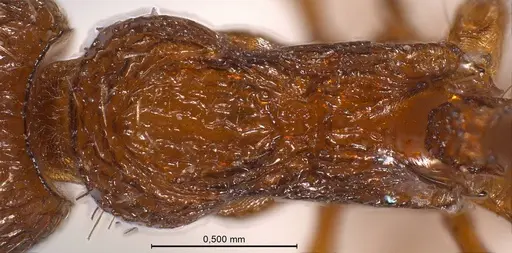
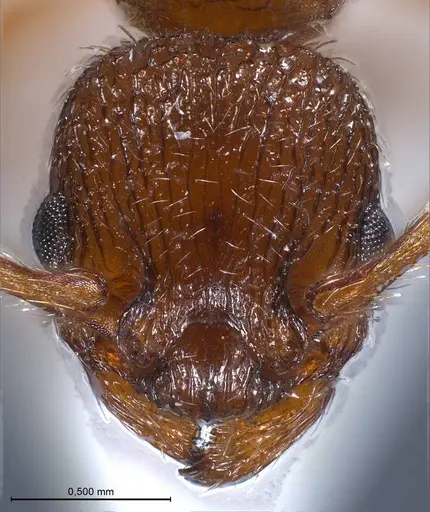
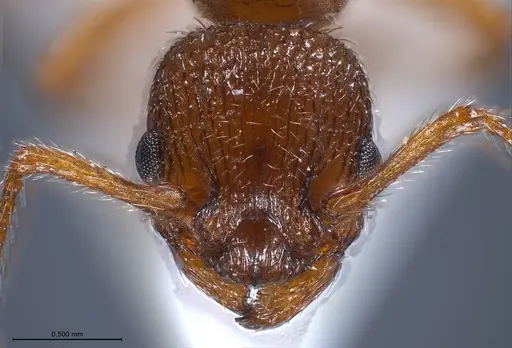
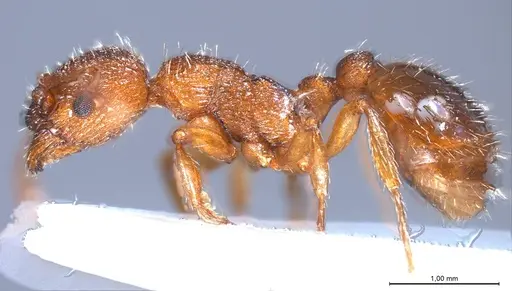
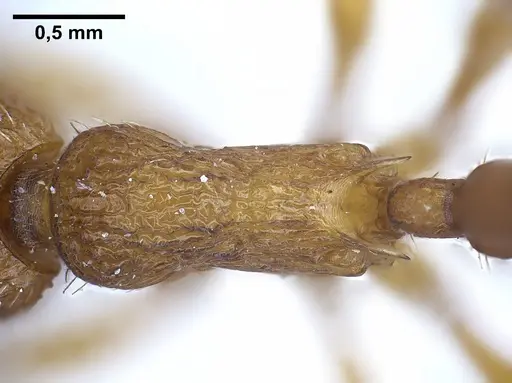
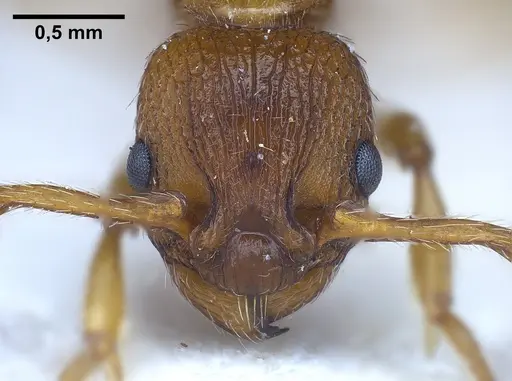
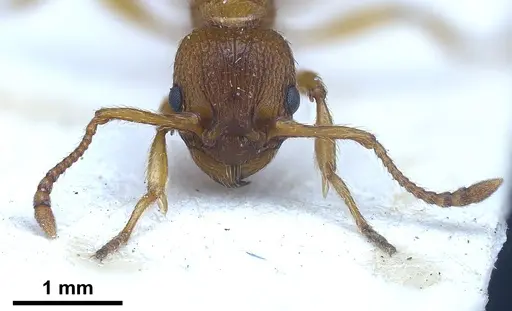
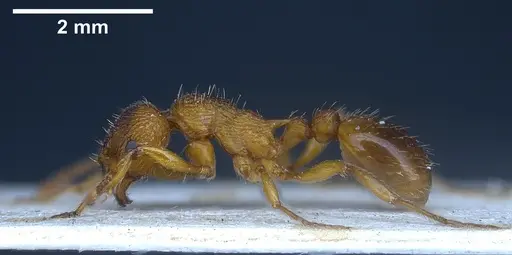
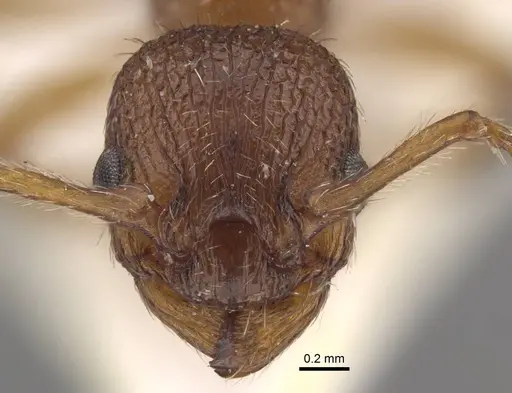
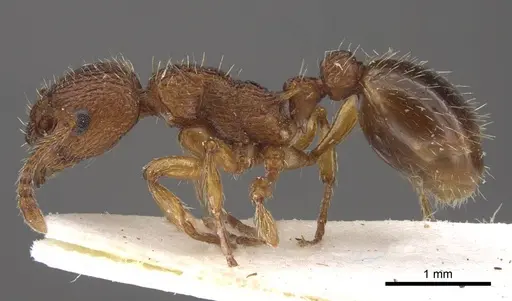
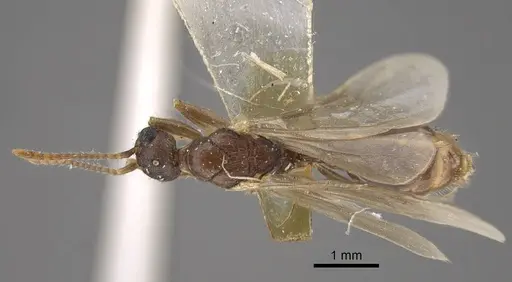
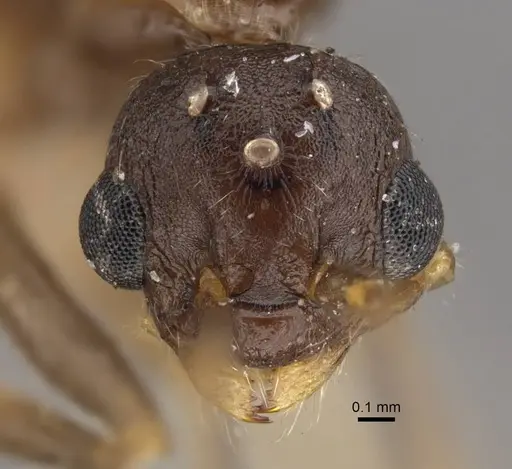
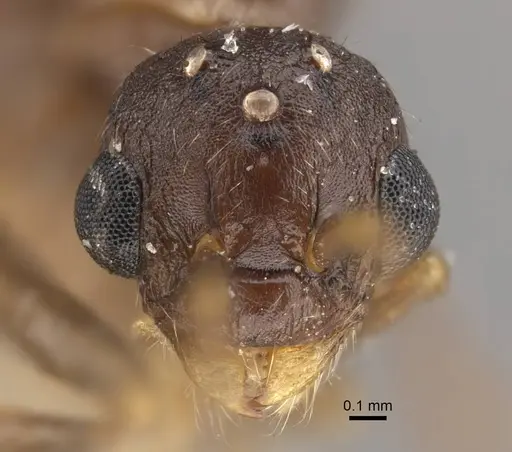
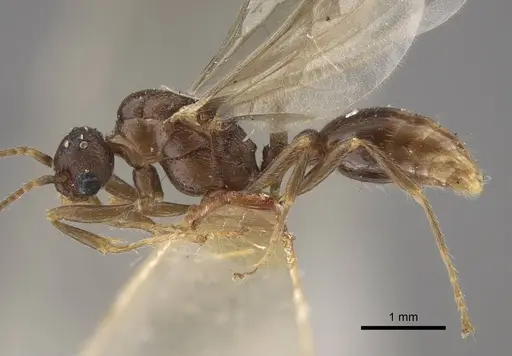
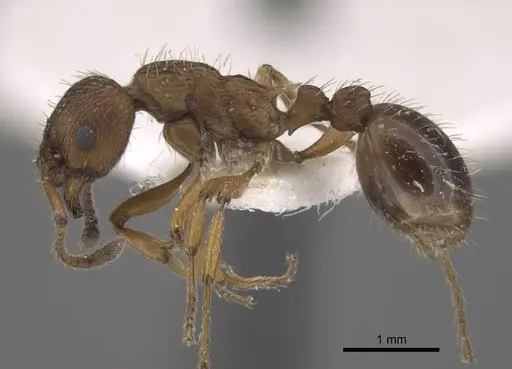
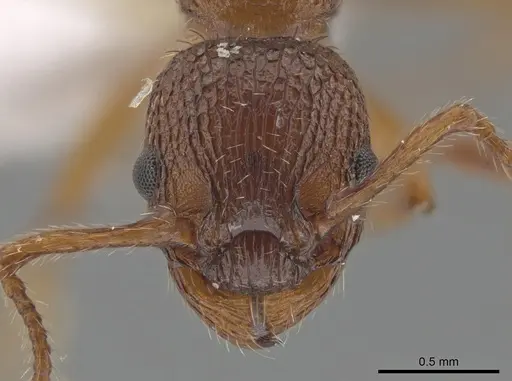
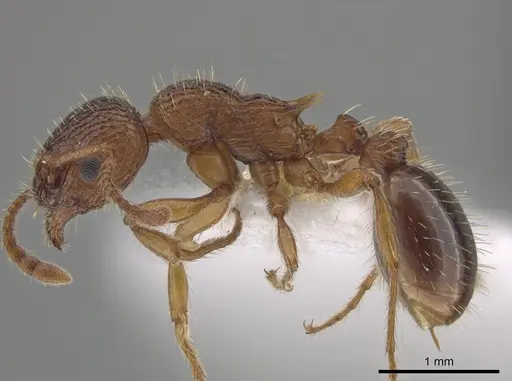
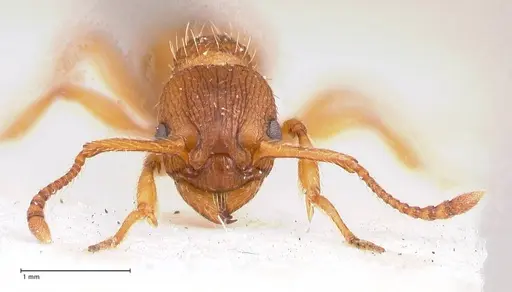
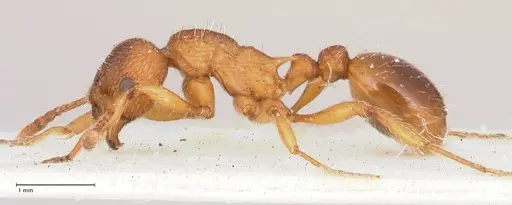
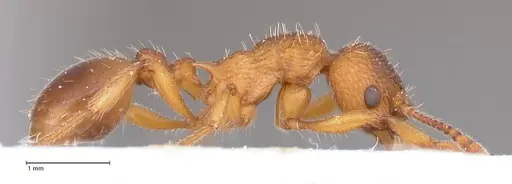
Myrmica salina is a small to medium-sized Myrmica ant native to steppe regions of West Siberia, Kazakhstan, and parts of Central and Eastern Europe. Workers measure 4.7-5mm and queens reach 5-6mm, with a distinctive angular lobe at the base of their antennae that helps distinguish them from similar species like M. scabrinodis [1]. Their name comes from the Latin word for salt ('salina'), reflecting their remarkable adaptation to saline habitats like salt marshes and the margins of salt lakes [2].
What makes M. salina truly special is its extraordinary tolerance for harsh conditions. This species thrives in environments that would kill other ants, it handles extreme humidity fluctuations, temperature variations, and high soil salinization better than any other Myrmica species [3]. In salt marsh habitats, it can become the dominant ant species and aggressively defends its territory against other Myrmica [4]. It's also an important host for endangered butterfly species like Maculinea teleius (Scarce Large Blue), making it ecologically significant beyond just being an ant [5][6].
Quick Summary
- Difficulty: Medium
- Origin & Habitat: Native to West Siberia, Kazakhstan, and Central/Eastern Europe (Romania, Austria, Hungary, Slovenia, Croatia, Turkey, Georgia, Azerbaijan, Kyrgyzstan). Inhabits wet, saline steppe habitats including salt marsh margins, floodplain meadows, and occasionally xerothermous grasslands. Requires areas with high salt tolerance and tolerance for humidity fluctuations [1][3][7].
- Colony Type: Likely monogyne (single queen colonies) based on typical Myrmica patterns. No specific research on colony structure found, but related species in the scabrinodis group typically have single-queen colonies.
- Colony: Monogyne
- Founding: Claustral
- Size & Growth:
- Queen: 5-6mm [2]
- Worker: 4.7-5mm [2]
- Colony: Unknown for this specific species, but related Myrmica typically reach several thousand workers. Estimated moderate colony size.
- Growth: Moderate, typical Myrmica growth rate
- Development: 6-10 weeks at optimal temperature (estimated based on related Myrmica species) (Development time follows typical Myrmica patterns. Queens are claustral, they seal themselves in and raise the first brood alone on stored body fat.)
- Antkeeping:
- Temperature: Keep at 20-24°C. This is a warmth-loving (thermophilic) species that does well in warmer conditions [3]. Room temperature is often suitable, but a slight warming gradient can encourage activity and brood development.
- Humidity: Tolerant of humidity fluctuations, one of their key adaptations. Keep nest substrate moderately moist but allow for some drying periods. They handle variable moisture better than most ants. Avoid waterlogging but don't let it dry out completely.
- Diapause: Yes, as a temperate species from regions with cold winters, they require a winter rest period. Reduce temperature to around 5-10°C for 3-4 months (October-March) to simulate hibernation.
- Nesting: Natural nesting sites include soil under stones, in compacted ground near salt lakes, and in floodplain areas. In captivity, standard test tubes or Y-tong nests work well. Provide a moisture gradient so ants can choose their preferred humidity zone.
- Behavior: M. salina is notably aggressive toward other Myrmica species, especially in their preferred saline habitats where they can dominate [4]. Workers are active foragers and will readily hunt small insects. They have a functional stinger but rarely use it against humans, the sting is mild and comparable to other Myrmica. Escape risk is moderate, they're not particularly small but active, so standard barrier methods work well.
- Common Issues: colonies can fail if kept too wet during winter hibernation, ensure proper drainage and allow substrate to dry slightly, this species is rare in the hobby and wild-caught colonies may have parasites that kill them in captivity, slow establishment means beginners may lose patience, give them time to build numbers, they're aggressive toward other Myrmica, keep them separated from other ant species, habitat specificity means they may not thrive in typical ant-keeping setups without proper salinity considerations
Housing and Nest Setup
Myrmica salina adapts well to standard captive setups, but they do best when given choices. Test tube setups work perfectly for founding colonies, the queen seals herself in a water tube chamber and raises her first workers there. For established colonies, Y-tong (acrylic) nests or plaster nests work well. The key is providing a humidity gradient: keep one side moist and allow the other to dry slightly. This lets the ants self-regulate, which is important given their natural tolerance for humidity fluctuations. Avoid overly wet or waterlogged conditions, especially during hibernation. A small outworld for foraging allows workers to hunt and collect food. [3][7]
Feeding and Diet
Like other Myrmica species, M. salina is omnivorous with a preference for protein. Feed them small insects like fruit flies, pinhead crickets, or mealworms twice weekly. They also readily accept sugar water, honey, or diluted syrup, this is especially important once the colony reaches 20+ workers. In the wild, they often form mutualistic relationships with root aphids for honeydew, so offering sugar sources helps replicate this. Keep a constant supply of sugar water once the colony is established. Remove uneaten prey after 24-48 hours to prevent mold. [4]
Temperature and Seasonal Care
M. salina is a thermophilic species that prefers warmer conditions, aim for 20-24°C during the active season. Room temperature is usually suitable, but you can provide a gentle heat gradient using a heating cable on one side of the nest if needed. During winter (roughly October to March), they require a diapause period: reduce temperatures to 5-10°C and reduce feeding. Place them in a cool basement, garage, or refrigerator (not freezer). Keep the nest slightly moist during hibernation, not wet, not dry. Do not feed during diapause. Return them to warm conditions gradually in spring. [3][7]
Behavior and Colony Dynamics
This species is notably aggressive toward other Myrmica species, particularly in optimal habitat. Workers are active foragers and will readily leave the nest to search for food. They communicate through chemical trails and can mobilize workers to food sources efficiently. The colony will establish distinct foraging patterns once established. Unlike some Myrmica, they don't typically form supercolonies, each nest maintains its own territory. Queens are long-lived and can survive for 15+ years in good conditions. Workers live for 1-3 years depending on their role. [4][3]
Ecological Significance
M. salina plays an important role as a host for endangered butterfly species. It's a primary host for Maculinea teleius (Scarce Large Blue) in parts of Hungary, Poland, Czech Republic, Slovakia, and Ukraine [5][6]. It's also a secondary host for Maculinea alcon and Maculinea rebeli [8][9]. This means wild colonies contribute to conservation of these butterflies. If you're keeping this species, you're caring for an ecologically important species, though please never release captive colonies as they could disrupt local ecosystems.
Frequently Asked Questions
How long does it take for Myrmica salina to produce first workers?
Expect 6-10 weeks from egg to first worker at room temperature (20-24°C). This is typical for Myrmica species. The queen will seal herself in and not leave the founding chamber until her first workers emerge.
Can I keep multiple Myrmica salina queens together?
Not recommended. Like most Myrmica, they are typically single-queen colonies. Combining unrelated queens has not been documented and would likely result in fighting.
Do Myrmica salina ants sting?
Yes, they have a stinger, but it's rarely used against humans. The sting is mild, comparable to a minor bee sting. Most keepers report minimal pain if stung at all.
What makes Myrmica salina different from other Myrmica?
Their remarkable tolerance for harsh conditions sets them apart. They handle high soil salinity, extreme humidity fluctuations, and temperature variations better than any other Myrmica species. They're also aggressive competitors in their preferred habitats.
Do Myrmica salina need hibernation?
Yes, they require a winter rest period. Reduce temperature to 5-10°C from October to March and reduce feeding. This diapause is essential for their health and reproductive cycle.
Are Myrmica salina good for beginners?
They are intermediate in difficulty. They're harder to find than common species and require attention to hibernation, but they're not particularly delicate. Their tolerance for humidity fluctuations actually makes them somewhat forgiving of keeper mistakes.
Why is Myrmica salina ecologically important?
They are a primary host for endangered Maculinea teleius butterflies and secondary host for M. alcon and M. rebeli. Protecting these ants helps conserve the butterflies, which is why M. salina is protected in many Central European countries.
How big do Myrmica salina colonies get?
Colony size is not well documented, but related Myrmica species reach several thousand workers. Expect moderate growth over several years, they are not among the fastest-growing ant species.
What do Myrmica salina eat?
They need a balanced diet: protein from small insects (fruit flies, pinhead crickets, mealworms) offered 2-3 times weekly, plus constant access to sugar water or honey. Once established, they readily accept both.
References

This caresheet is licensed under CC BY-SA 4.0 .
ANTWEB1008457
View on AntWeb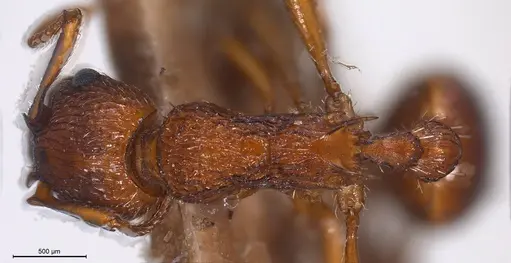
ANTWEB1008462
View on AntWeb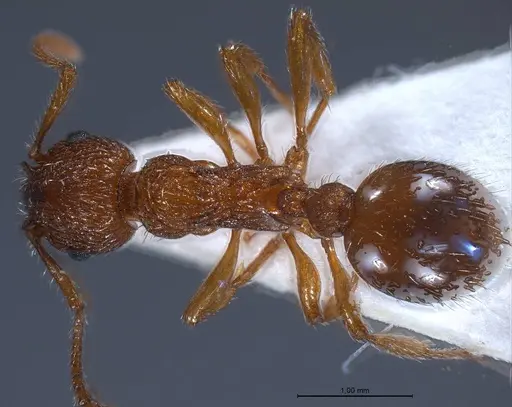
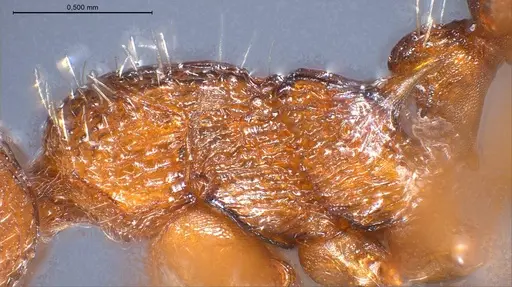
ANTWEB1041280
View on AntWeb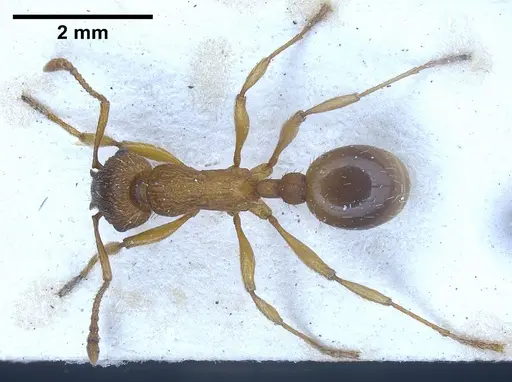
CASENT0904072
View on AntWeb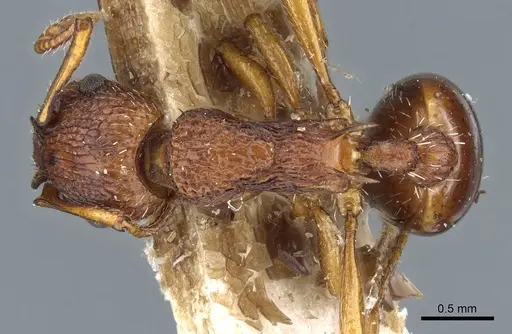
CASENT0917689
View on AntWeb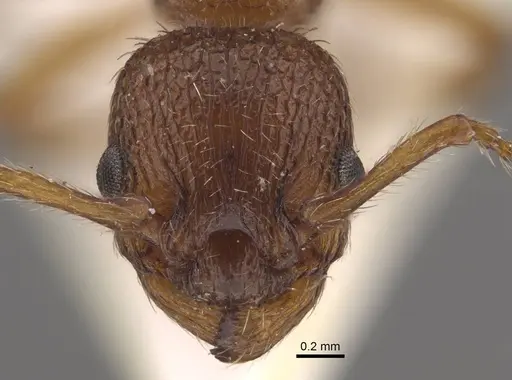
CASENT0917690
View on AntWeb
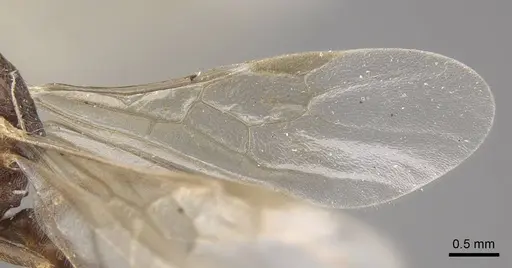
CASENT0917694
View on AntWeb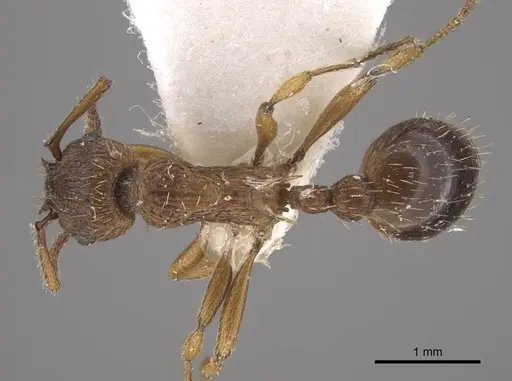
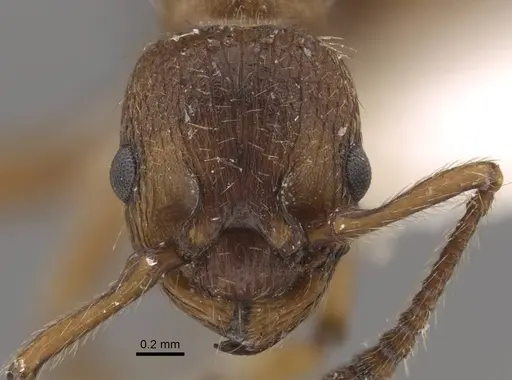
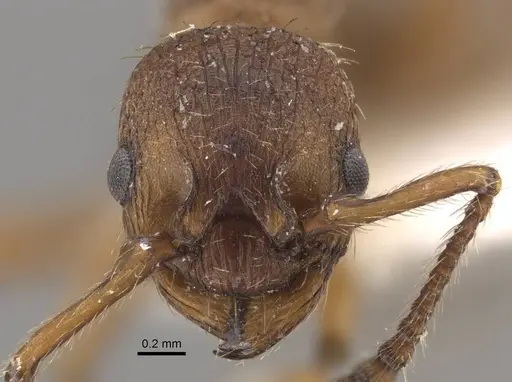
CSU
View on AntWeb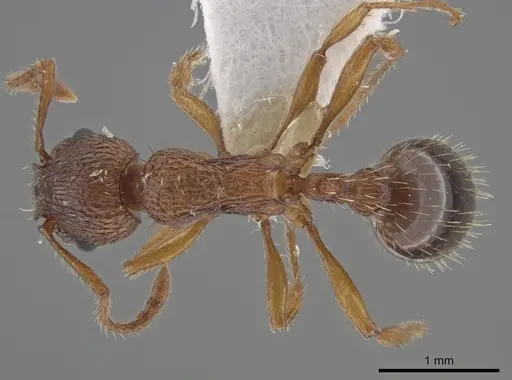
FOCOL0723
View on AntWeb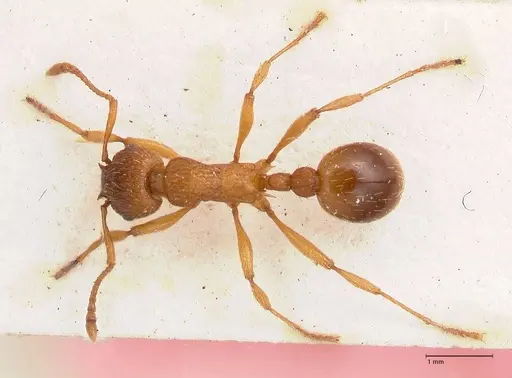
Literature
Loading...Loading products...