

Myrmica rugosa
- Scientific Name
- Myrmica rugosa
- Tribe
- Myrmicini
- Subfamily
- Myrmicinae
- Author
- Mayr, 1865
- Distribution
- Found in 2 countries
Myrmica rugosa Overview
Myrmica rugosa is an ant species of the genus Myrmica. It is primarily documented in 2 countries , including Bhutan, India. Detailed taxonomic data and occurrence records can be further explored via authoritative databases such as AntWeb or the Global Biodiversity Information Facility (GBIF).
Myrmica rugosa
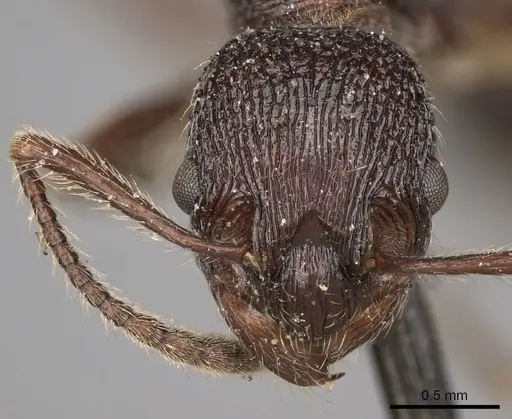
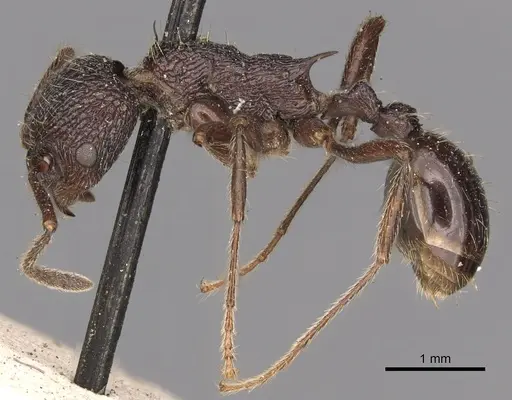
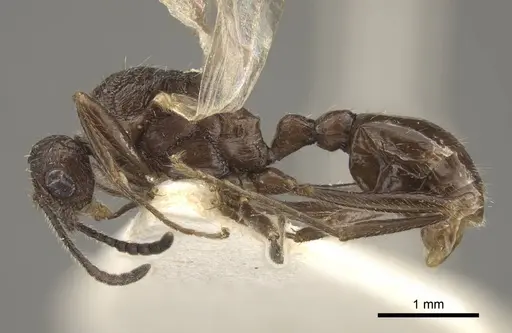
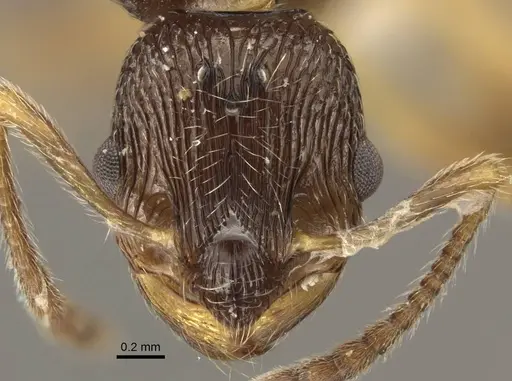
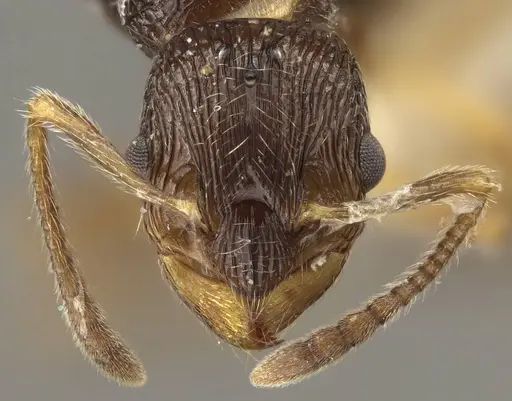
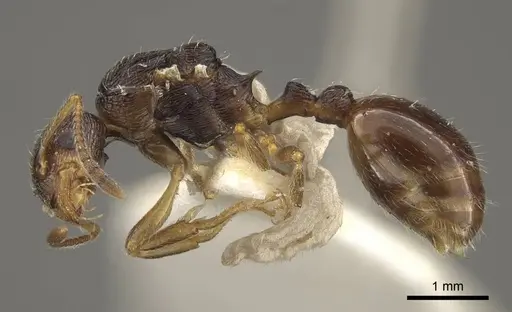
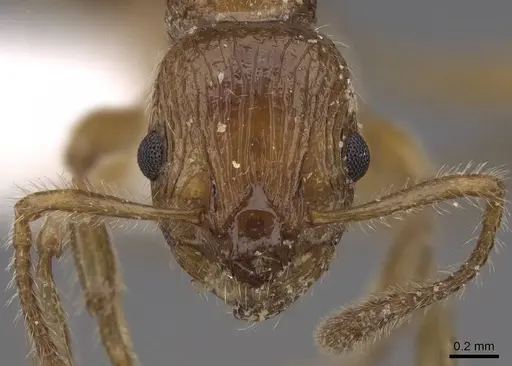
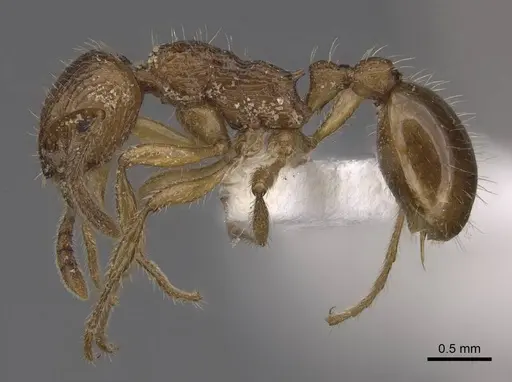
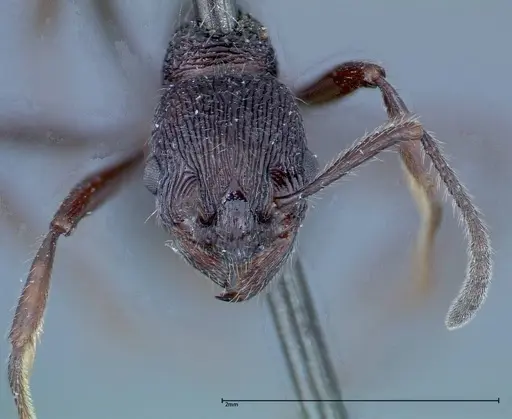
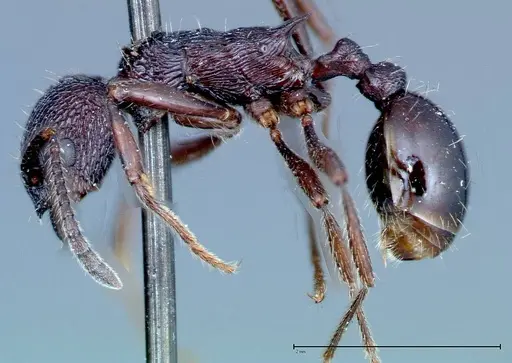
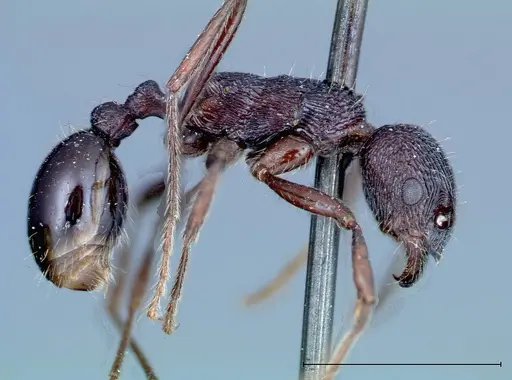
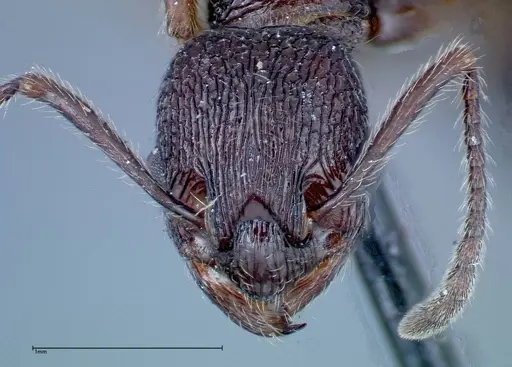
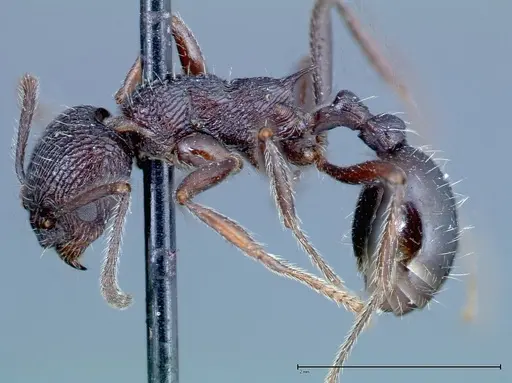
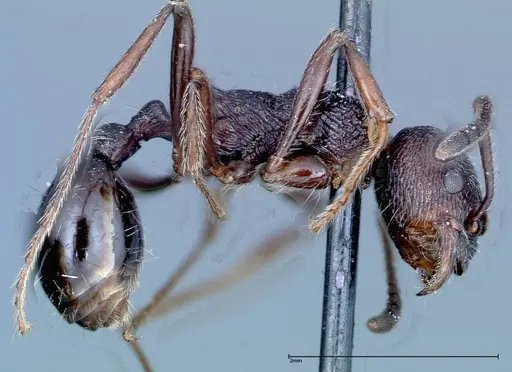
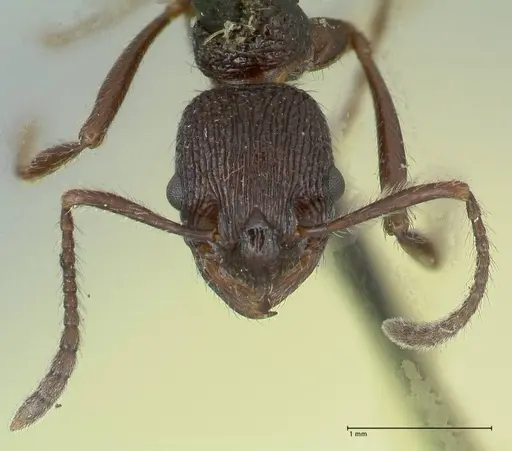
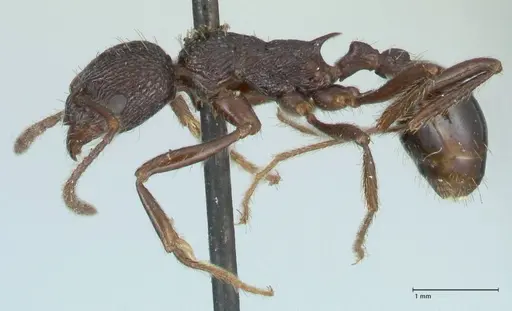
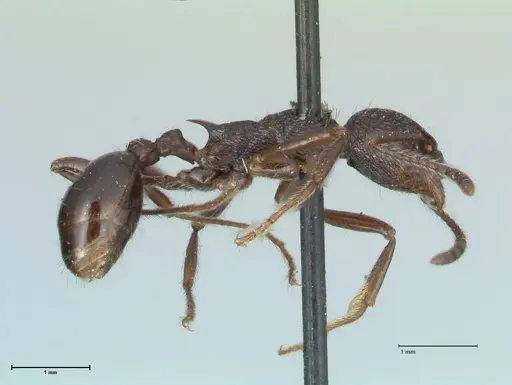
Myrmica rugosa is a small to medium-sized ant belonging to the Myrmica rugosa species group. The name 'rugosa' comes from the Latin word for 'wrinkled', referring to the distinctive sculpture on its head and body. Workers are reddish-brown with a distinctly sculptured appearance. This species is native to the Himalayan region, found at high altitudes between 1400-3500 meters above sea level [1]. It nests under rotten wood in forested areas and under stones in grassland habitats [1]. The species is well-distributed across the subalpine zones of Northwest Himalaya and is sympatric with Myrmica smythiesiii [1].
Quick Summary
- Difficulty: Medium
- Origin & Habitat: Himalayan region of Central and Southeastern Asia, including India (Jammu and Kashmir, Uttarakhand, West Bengal), Nepal, Bhutan, and parts of China. Found at high altitudes (1400-3500m) in subalpine zones with temperatures ranging 15-25°C and humidity between 42-70% [1][2].
- Colony Type: Unconfirmed, likely monogyne (single queen) based on typical Myrmica patterns.
- Size & Growth:
- Queen:{.size-link} ~5-7mm, inferred from Myrmica genus patterns
- Worker:{.size-link} ~4-6mm, inferred from Myrmica genus patterns
- Colony: Up to several hundred workers, estimated based on opportunist functional group classification [3]
- Growth: Moderate, inferred from high-altitude adaptation
- Development: ~6-10 weeks, inferred from typical Myrmica genus development at optimal temperatures [1] (Development is likely slower than lowland Myrmica species due to cool high-altitude habitat. Temperature range 15-25°C at nesting sites suggests adaptation to cooler conditions.)
- Antkeeping:
- Temperature: Keep nest area at 20-24°C as a starting point. Research shows wild colonies nest in areas with temperatures between 15-25°C [1]. Provide a temperature gradient so ants can self-regulate. Avoid overheating, this species is adapted to cool mountain conditions.
- Humidity: Maintain moderate humidity with substrate moisture around 42-70%. Wild colonies are found in areas with 42-70% humidity [1]. Keep the nest substrate consistently moist but not waterlogged. Provide a water tube for drinking.
- Diapause: Yes, inferred from high-altitude origin, approximately 3-4 months (typically November to March) at ~5-10°C. This mimics the natural seasonal cycle at 3000m+ altitude.
- Nesting: Provide a nest with moderate to high humidity retention. Y-tong (AAC) nests or plaster nests work well. The species naturally nests under rotten wood and stones, so include some soil or substrate in the setup. Test tube setups with a water reservoir work for founding colonies.
- Behavior: Myrmica rugosa is an opportunist forager typical of the genus [3]. Workers are typically moderately aggressive and will defend the colony. They are active foragers and will search for protein foods and sugar sources. Escape risk is moderate, use standard Myrmica escape prevention (fluon on container edges, tight-fitting lids). The species has a functional stinger but due to small size, stings are rarely noticeable to humans. Based on its high-altitude origin, expect workers to be more active in cooler conditions than many lowland ant species.
- Common Issues: high-altitude origin means colonies may struggle in warm indoor conditions, keep them cool, diapause is essential for long-term colony health, skipping winter rest often leads to colony decline, humidity fluctuations can be problematic, monitor substrate moisture regularly, slow growth compared to tropical species may frustrate beginners, patience is required, wild-caught colonies may have parasites or be stressed from collection at extreme altitudes
Natural Habitat and Origin
Myrmica rugosa is native to the Himalayan mountain range, where it thrives at elevations between 1400 and 3500 meters above sea level [1][2]. The species is well-distributed across the subalpine zones of Northwest Himalaya, particularly around 3200m altitude [1]. It has been recorded in India (Jammu and Kashmir, Uttarakhand, West Bengal), Nepal, Bhutan, and parts of China [1][4]. The natural habitat features cool temperatures (15-25°C) and moderate humidity (42-70%) [1]. The dominant vegetation in these areas includes Himalayan maple, west Himalayan fir, Himalayan white birch, and Bell Rhododendron, with various herbs like Himalayan Jacob's Ladder and Kashmir Corydalis [1]. This species is sympatric with Myrmica smythiesiii, meaning they share the same geographic range [1]. Males and alate queens are collected from late May to late June, which is extremely early in the year compared to Euro-Siberian Myrmica species [5]. This species is also a documented host for the butterfly Phengaris atroguttata [6].
Nesting Preferences
In the wild, Myrmica rugosa nests in two main settings: under rotten wood at forested sites and under stones in grassland areas [1]. This dual nesting preference suggests flexibility in captive setups. For antkeeping, Y-tong (AAC) nests or plaster nests work well because they retain moisture effectively. You can also use test tube setups for founding colonies. Since they naturally nest under stones and rotting wood, adding a layer of substrate or small stones to a naturalistic setup can encourage natural behavior. The key is maintaining consistent moderate humidity, these ants are adapted to the moist conditions of subalpine forests. Avoid completely dry nests or overly wet waterlogged conditions. A humidity range of 42-70% in the nest area mimics their natural conditions well.
Temperature Requirements
This is one of the most critical aspects of keeping Myrmica rugosa successfully. Wild colonies are found in areas with temperatures ranging from 15°C to 25°C [1], which is relatively cool compared to many common ant species. You should keep the nest area at roughly 20-24°C as a starting point. Provide a temperature gradient so workers can move between warmer and cooler areas as needed. The most important rule is to avoid overheating, this species is adapted to cool mountain conditions and can suffer in warm indoor environments. Never place the nest in direct sunlight or near heat sources. If your room temperature runs warm, consider using a small fan or air conditioning to maintain cooler conditions. The early seasonal timing of nuptial flights (May-June) also reflects their adaptation to cooler conditions.
Feeding and Diet
Like other Myrmica species, Myrmica rugosa is an opportunist forager that will accept both protein and sugar sources [3]. For protein, offer small insects like fruit flies, small crickets, mealworms, or other appropriately-sized prey. Feed protein 2-3 times per week, adjusting based on colony size. For sugars, provide sugar water, honey, or diluted honey water. Change sugar sources every few days to prevent fermentation. Since this is a high-altitude species with likely slower metabolism, be careful not to overfeed, excess food can mold and cause health problems. Remove uneaten prey after 24-48 hours. Always ensure fresh water is available.
Diapause and Seasonal Care
Myrmica rugosa requires a proper diapause (winter rest) period to maintain long-term colony health. This species originates from high-altitude Himalayan regions where winters are harsh and prolonged. You should provide a diapause period of 3-4 months, typically from late autumn (around November) to early spring (around March). During diapause, reduce temperatures to roughly 5-10°C, a refrigerator set to cold (not freezing) temperatures works well, or you can move the colony to a cool basement or garage in temperate climates. Reduce feeding significantly during this period, the colony will be mostly inactive. Do not skip diapause, as this often leads to colony decline, failed reproduction, or shortened queen lifespan. This is essential for the health of your colony. [1]
Colony Development
Myrmica rugosa is likely a claustral founding species, the queen seals herself in a chamber and lives entirely on stored fat reserves while raising her first workers. This means you do not need to feed a founding queen. The first workers (nanitics) will be smaller than normal workers and may take 6-10 weeks to emerge based on typical Myrmica genus development patterns [1]. Expect slower growth than tropical species due to their cool high-altitude adaptation. After the first workers emerge, the colony will gradually grow. As an opportunist species, they are likely capable of reaching several hundred workers [3]. Be patient, high-altitude species typically develop more slowly than lowland ants. Do not disturb the queen during founding unnecessarily.
Frequently Asked Questions
How long does it take for Myrmica rugosa to produce first workers?
Expect 6-10 weeks from egg to first worker at optimal temperatures. This is slower than many common ant species due to their high-altitude adaptation to cool conditions.
What temperature should I keep Myrmica rugosa at?
Keep nest temperatures between 20-24°C. Wild colonies are found in areas ranging 15-25°C [1]. Avoid overheating, this species is adapted to cool mountain conditions.
Does Myrmica rugosa need hibernation?
Yes, a proper diapause is essential. Provide 3-4 months at roughly 5-10°C during winter (typically November to March). Skipping winter rest often leads to colony decline.
Are Myrmica rugosa ants difficult to keep?
They are medium difficulty, the main challenges are maintaining cool temperatures and providing proper winter diapause. They are not recommended for beginners who want fast-growing tropical species.
What do Myrmica rugosa ants eat?
They accept standard ant foods: protein sources like small insects (fruit flies, mealworms) and sugar sources like sugar water or honey. Feed protein 2-3 times per week.
Can I keep multiple Myrmica rugosa queens together?
This has not been documented for this specific species. Based on typical Myrmica patterns, single-queen colonies are likely. Combining unrelated queens is not recommended without evidence they can coexist.
How big do Myrmica rugosa colonies get?
Colony size is not well-documented, but as an opportunist species, expect up to several hundred workers based on typical Myrmica patterns [3].
Do Myrmica rugosa ants sting?
Yes, they have a functional stinger, but due to their small size, stings are rarely noticeable to humans. They are not considered dangerous.
When do Myrmica rugosa nuptial flights occur?
Males and alate queens have been collected from late May to late June [5]. This is very early in the year compared to European Myrmica species.
What type of nest should I use for Myrmica rugosa?
Y-tong (AAC) nests or plaster nests work well because they retain moisture effectively. Test tubes are suitable for founding colonies. The species naturally nests under rotten wood and stones, so some substrate or small stones in a naturalistic setup can encourage natural behavior.
Report an Issue
The current care sheet is based fully on literature. See inconsistencies, or something that's incorrect? Please , it will be resolved after review from an admin. Contributing to the blogs tab also helps providing information, to make us be able to further improve the caresheets. Thank you for your support!
References

This caresheet is licensed under CC BY-SA 4.0 .
CASENT0900297
View on AntWeb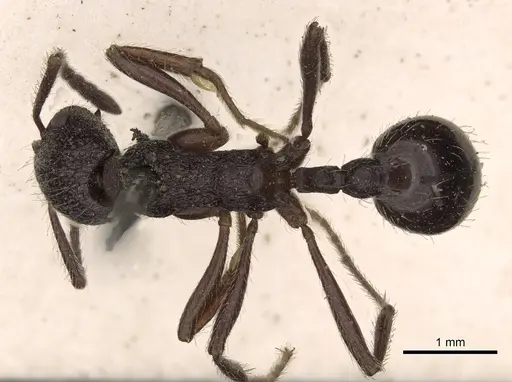
CASENT0904094
View on AntWeb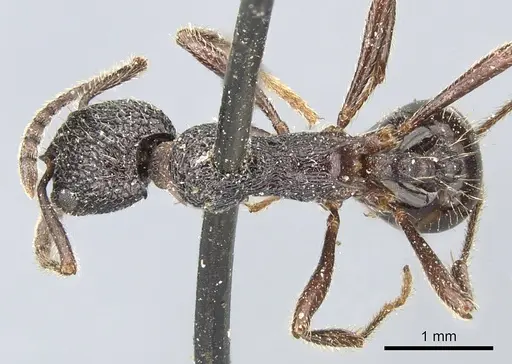
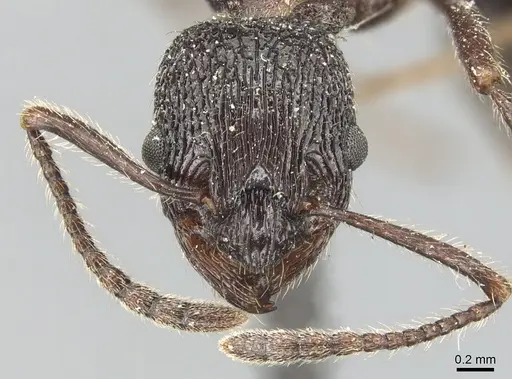
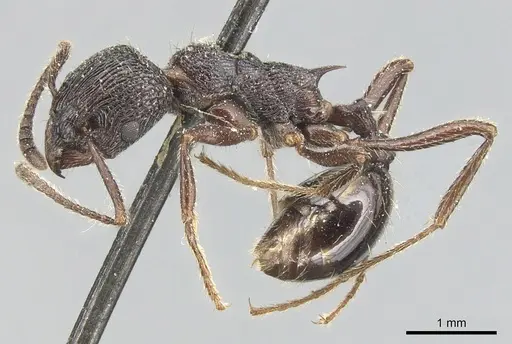
CASENT0916084
View on AntWeb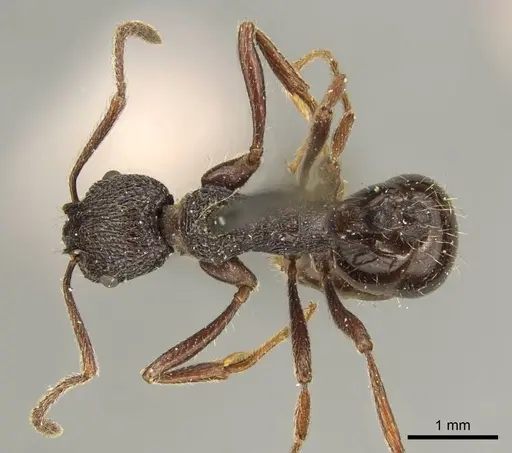
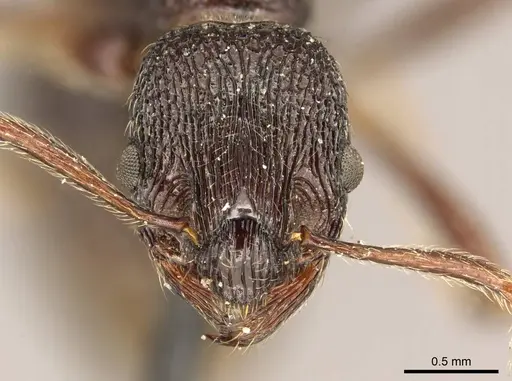
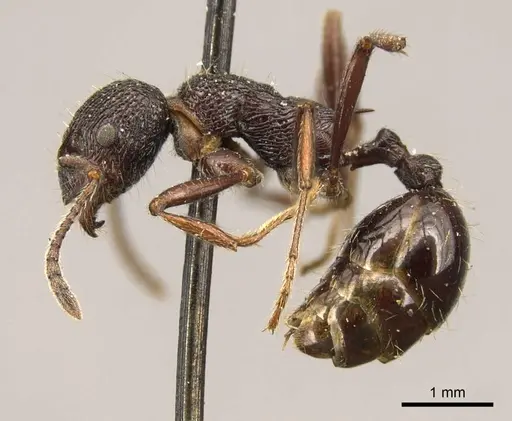
CASENT0917706
View on AntWeb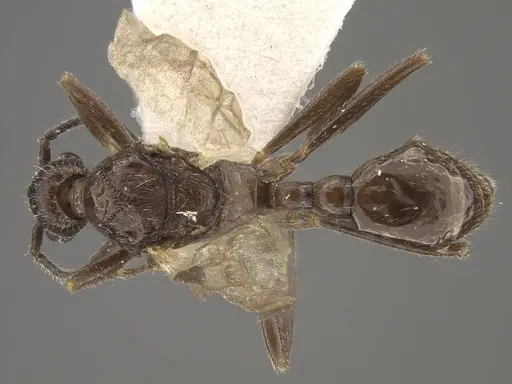
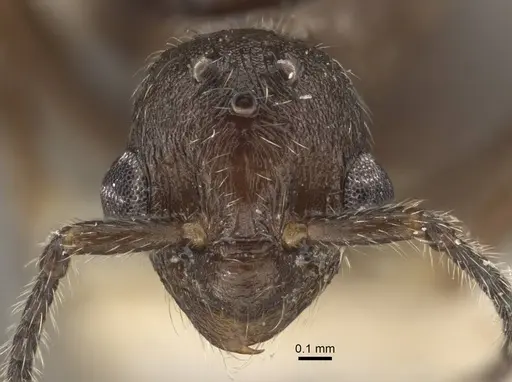
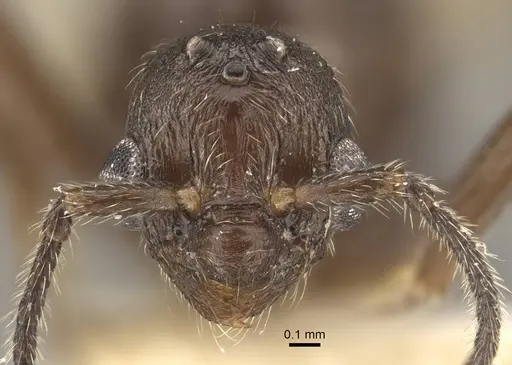
CASENT0917707
View on AntWeb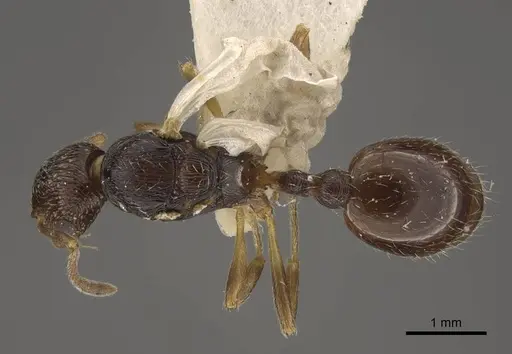
CASENT0922789
View on AntWeb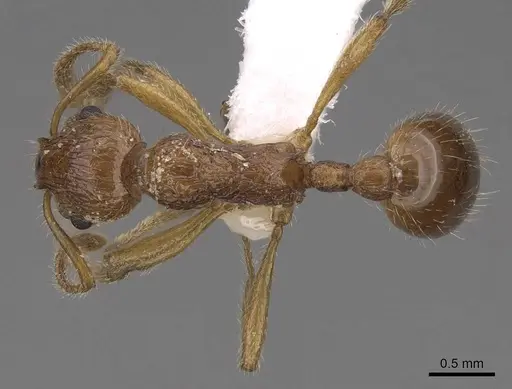
FOCOL0206
View on AntWeb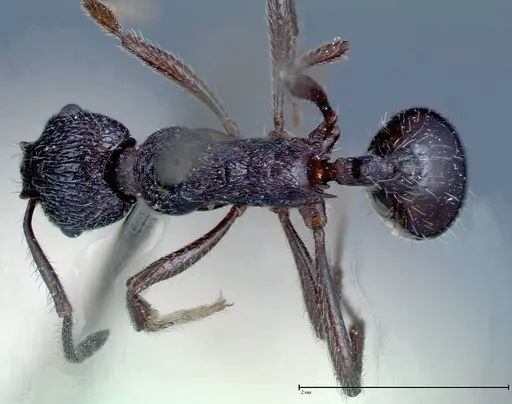
FOCOL0207
View on AntWeb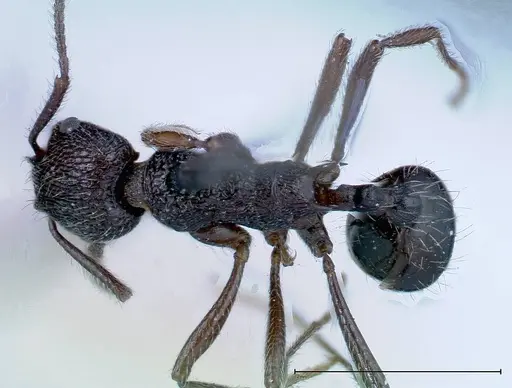
FOCOL1206
View on AntWeb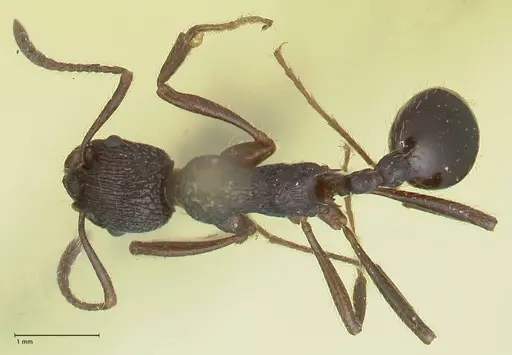
Literature
Loading...Loading products...