

Myrmica rugiventris
- Scientific Name
- Myrmica rugiventris
- Tribe
- Myrmicini
- Subfamily
- Myrmicinae
- Author
- Smith, 1943
- Distribution
- Found in 1 countries
Myrmica rugiventris Overview
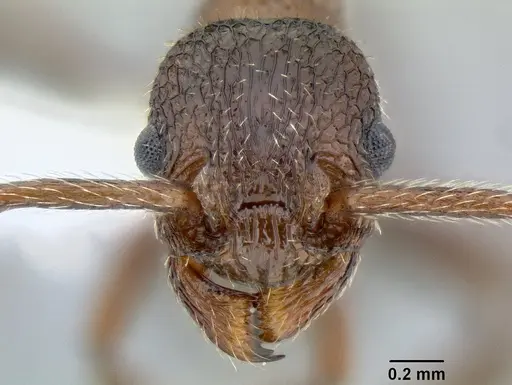
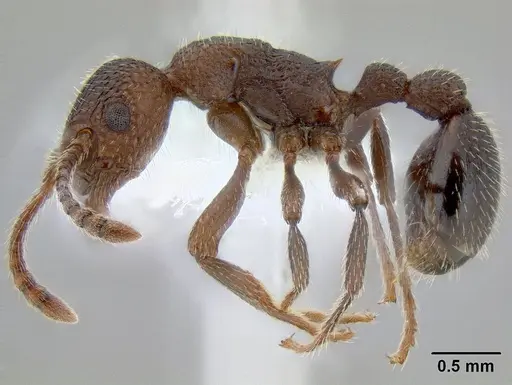
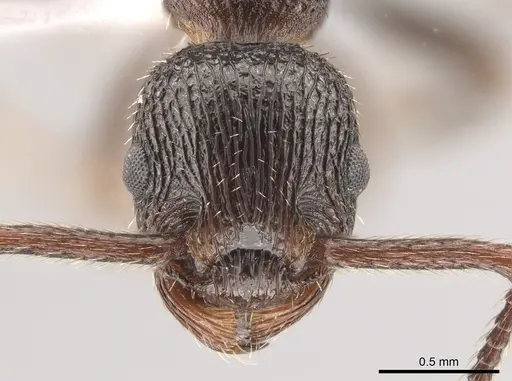
Myrmica rugiventris is an ant species of the genus Myrmica. It is primarily documented in 1 countries , including United States of America. Detailed taxonomic data and occurrence records can be further explored via authoritative databases such as AntWeb or the Global Biodiversity Information Facility (GBIF).
Myrmica rugiventris
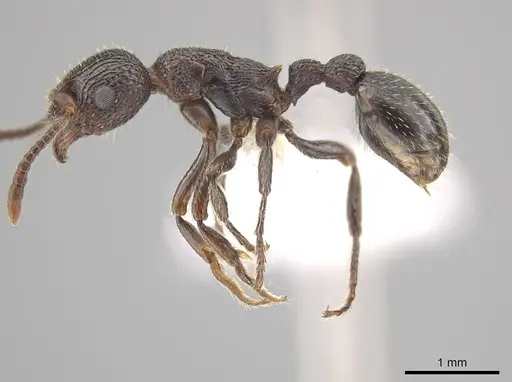
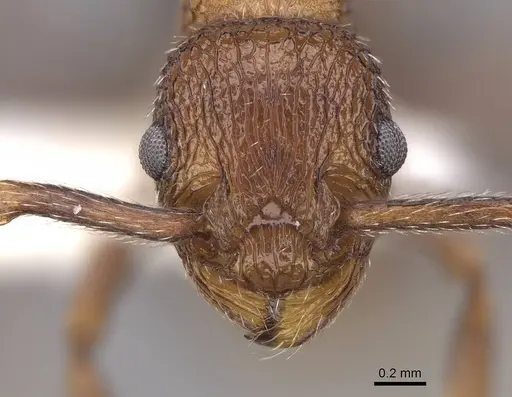
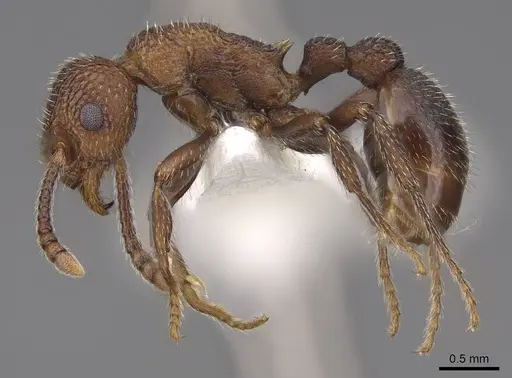
Myrmica rugiventris is a small red ant species native to the southwestern United States, found primarily in Arizona, Colorado, and California. Workers are typical Myrmica-sized at 4-6mm with the characteristic reddish-brown coloration and a functional stinger. This species belongs to the punctiventris group and is considered rare in the wild, inhabiting chaparral, oak woodland, and coastal scrub habitats. As a generalist predator and scavenger in the Myrmicini tribe, they hunt small invertebrates and scavenge for protein sources. What makes M. rugiventris notable is its limited distribution and the mystery surrounding its introduction history, early records suggest it may have arrived in Arizona via camel supplies, though this remains unconfirmed.
Quick Summary
- Difficulty: Medium
- Origin & Habitat: Native to the Nearctic region, specifically the southwestern United States (Arizona, Colorado, California). Found in chaparral, oak woodland, and coastal scrub habitats [1][2]. This is a rare species with limited distribution.
- Colony Type: Monogyne (single-queen) colonies based on typical Myrmica patterns. Queens are known to have reproductive potential [3].
- Colony: Monogyne
- Founding: Claustral
- Size & Growth:
- Queen: Estimated 6-8mm based on genus typical size range
- Worker: Estimated 4-6mm based on genus typical size range
- Colony: Unknown for this specific species, likely moderate colony size under 500 workers based on related Myrmica species patterns
- Growth: Moderate, typical Myrmica development rates
- Development: Estimated 6-10 weeks at optimal temperature based on genus-level data for related species (Development time inferred from typical Myrmica patterns, specific data for this species is unavailable)
- Antkeeping:
- Temperature: Keep around 20-24°C with a gentle gradient. Room temperature within this range works well. Related Myrmica species tolerate 18-25°C [4].
- Humidity: Moderate humidity around 50-70%. Keep nest substrate slightly moist but not waterlogged. Provide a water tube for drinking access.
- Diapause: Yes, Myrmica species require winter diapause. Keep at 5-10°C for 3-4 months (October-March in Northern Hemisphere) [4].
- Nesting: Y-tong (AAC) nests or test tube setups work well. This species likely prefers soil-based nests similar to other Myrmica. Provide a shallow water reservoir.
- Behavior: Workers are moderately aggressive and will sting if threatened. They are active foragers, hunting small prey and scavenging. Escape risk is moderate, standard test tube barriers and fluon on edges work well. Workers are smaller (4-6mm) so ensure lid seals are tight. They show typical Myrmica behavior: active, persistent, and defensive of their nest.
- Common Issues: colonies may fail to establish if founding queen is disturbed, minimize vibrations during claustral founding, winter diapause is essential, skipping hibernation will weaken and eventually kill the colony, small colony size means they are vulnerable to stress, avoid frequent moves or disturbances, escape prevention is important, workers can squeeze through small gaps despite their size, wild-caught colonies may carry parasites that can devastate captive colonies
Housing and Nest Setup
Myrmica rugiventris does well in standard antkeeping setups. Test tube setups work perfectly for founding colonies, use a test tube with a water reservoir separated by a cotton plug, giving the queen a dark chamber to seal herself in. For established colonies, Y-tong (AAC) nests with plaster or soil substrate work well. The species naturally nests in soil in chaparral and woodland habitats, so a naturalistic setup with damp soil can mimic their preferred conditions. Ensure the nest has chambers scaled to their worker size (4-6mm workers need appropriately sized passages). A shallow water tube should always be available for drinking access. [1][4]
Feeding and Diet
As generalist predators and scavengers, Myrmica rugiventris accepts a wide variety of foods. Protein sources should form the bulk of their diet: small insects like fruit flies, pinhead crickets, mealworms, and waxworms are readily accepted. They also scavenge and will take protein-based commercial ant foods. Sugar sources are important for energy, offer sugar water, honey, or diluted maple syrup regularly. A constant sugar water supply via a cotton ball or test tube works well. Feed protein prey 2-3 times per week, removing any uneaten prey after 24 hours to prevent mold. Fresh killed insects are more readily accepted than live ones initially. [3]
Temperature and Seasonal Care
Keep your colony at room temperature (20-24°C) with a slight thermal gradient if possible. A heating cable on one side of the nest can create this gradient, place it on top of the nest, not underneath, to avoid excessive drying. Myrmica species are cold-tolerant and benefit from seasonal temperature changes. During winter (October-March), move the colony to a cool location (5-10°C) for diapause. This winter rest period is essential for colony health, skipping hibernation leads to weakened colonies and reduced lifespan. Do not freeze the colony, a cold basement, garage, or refrigerator (not freezer) section works well. Resume normal temperatures gradually in spring. [4]
Behavior and Defense
Workers are active foragers that search for food both individually and through recruitment. Like other Myrmica species, they possess a functional stinger and will use it defensively when threatened. The sting is noticeable but not dangerous to healthy humans, it causes localized pain similar to a bee sting. Workers are moderately aggressive toward disturbances and will vigorously defend their nest. They are not escape artists in the same league as tiny species like Pheidole, but standard escape prevention (fluon on rim edges, tight-fitting lids) is still recommended. Colonies are typically calm when not disturbed but become alert and active when vibrations or light changes occur. [3][4]
Colony Establishment
When your queen arrives, prepare a clean test tube with a water reservoir. Place the queen gently in the tube and keep it dark and undisturbed for 2-4 weeks. The claustral queen will seal herself into the chamber and begin laying eggs. Do not feed during this founding phase, she survives entirely on her stored fat reserves. Once the first workers (nanitics) emerge, you can begin offering tiny amounts of food: a drop of sugar water and one or two small insect pieces. Wait another week before checking more closely. Growth is slow initially, be patient. Do not expose the founding chamber to direct light or vibrations during this critical period. [4]
Frequently Asked Questions
How long does it take for Myrmica rugiventris to produce first workers?
Expect 6-10 weeks from egg to first worker at room temperature (20-24°C). This is typical for Myrmica species. The first workers (nanitics) will be smaller than mature workers and may take several months to reach full size.
Do Myrmica rugiventris ants sting?
Yes, they have a functional stinger and will use it defensively. The sting causes localized pain similar to a bee sting, not dangerous to healthy adults but can be startling. Handle gently and avoid provoking them.
What temperature do Myrmica rugiventris need?
Keep them at 20-24°C. Room temperature within this range works well. A slight thermal gradient (one side slightly warmer) allows workers to choose their preferred spot. They tolerate cooler temperatures better than excessive heat.
Do Myrmica rugiventris need hibernation?
Yes, winter diapause is essential. Keep colonies at 5-10°C for 3-4 months during winter (typically October-March in the Northern Hemisphere). This rest period is required for colony health and longevity. Do not skip hibernation.
What do Myrmica rugiventris eat?
They are generalist predators and scavengers. Feed small insects (fruit flies, pinhead crickets, mealworms) 2-3 times per week. Also provide constant access to sugar sources like sugar water, honey, or maple syrup.
How big do Myrmica rugiventris colonies get?
Colony size is not well documented for this rare species. Based on related Myrmica species, colonies likely reach several hundred workers at maximum. Growth is moderate, expect 1-2 years to reach 50-100 workers.
Can I keep multiple Myrmica rugiventris queens together?
No, this species is monogyne (single-queen). Unlike some facultatively polygyne species, multiple unrelated queens will fight. Only keep one queen per colony.
Is Myrmica rugiventris a good species for beginners?
Difficulty is medium. They are harder than Lasius but easier than tropical species. Their hibernation requirement and moderate stinger make them suitable for keepers with some experience. Their rarity in the hobby also means captive colonies are not commonly available.
When should I move my colony to a formicarium?
Move to a larger setup (Y-tong or naturalistic nest) when the test tube becomes crowded or the water reservoir runs dry frequently. This is typically when the colony reaches 30-50 workers. Always ensure the new setup has appropriate humidity and a water source.
Why is my Myrmica rugiventris colony declining?
Common causes include: skipping hibernation (essential for Myrmica), too dry or too wet conditions, disturbance during founding, parasites from wild-caught colonies, or insufficient protein. Check temperature, humidity, and diet first. Wild-caught colonies often carry parasites that require treatment.
References

This caresheet is licensed under CC BY-SA 4.0 .
CASENT0000172
View on AntWeb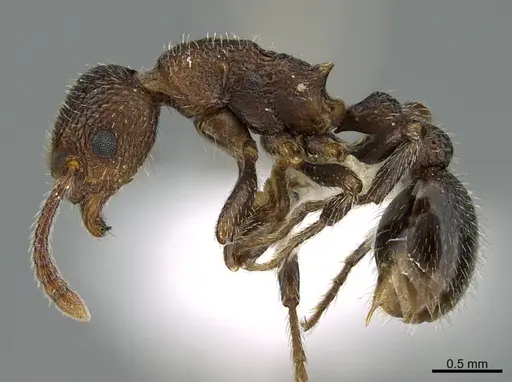
CASENT0005704
View on AntWeb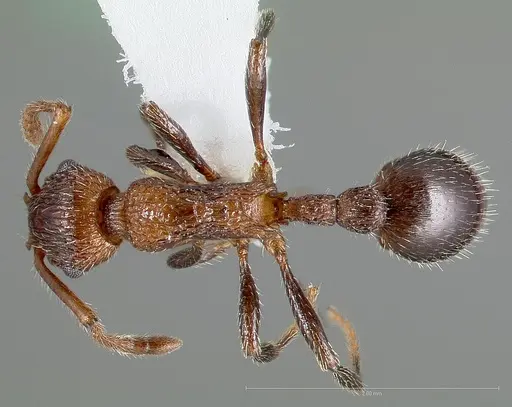
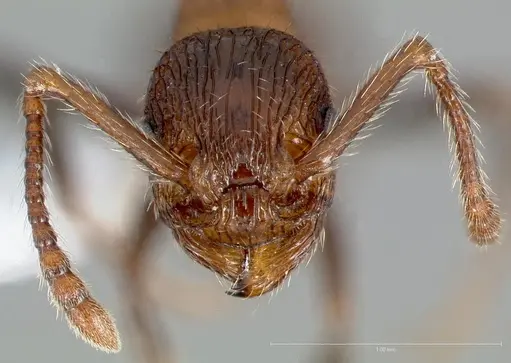
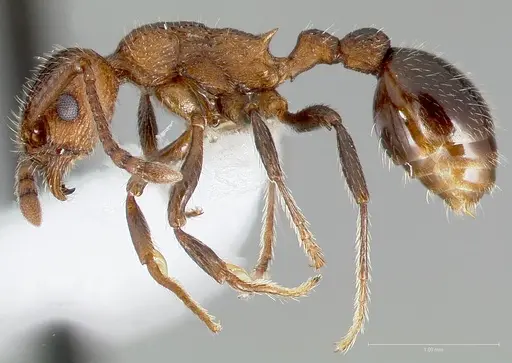
CASENT0102856
View on AntWeb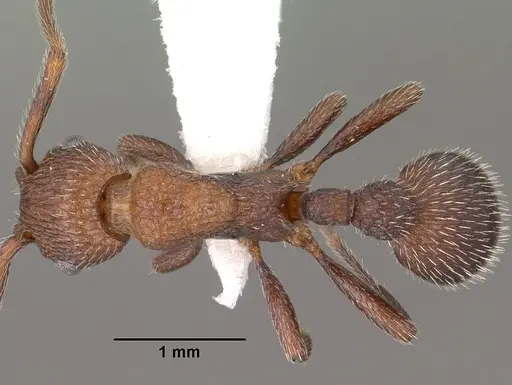
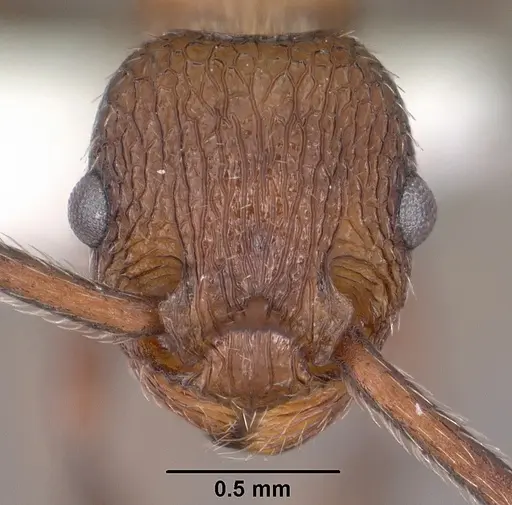
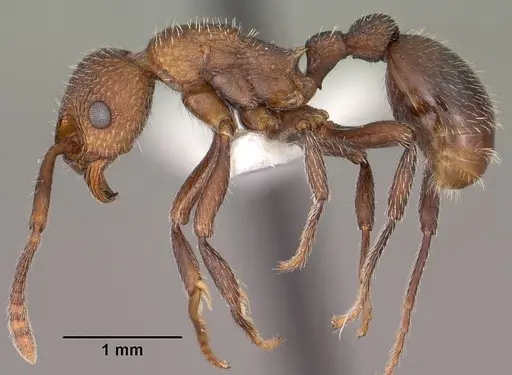
CASENT0106212
View on AntWeb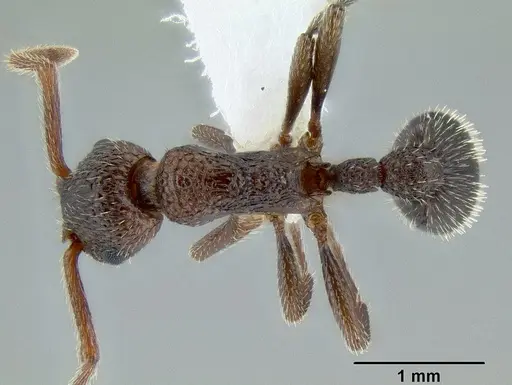
CASENT0650399
View on AntWeb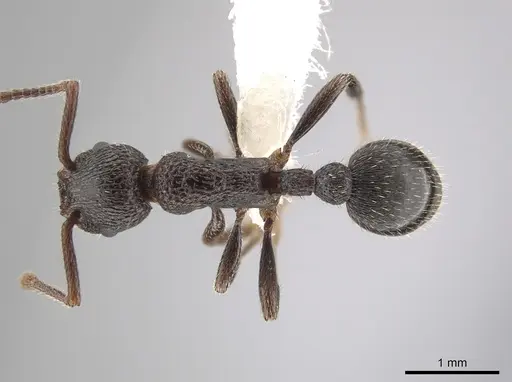
CASENT0922761
View on AntWeb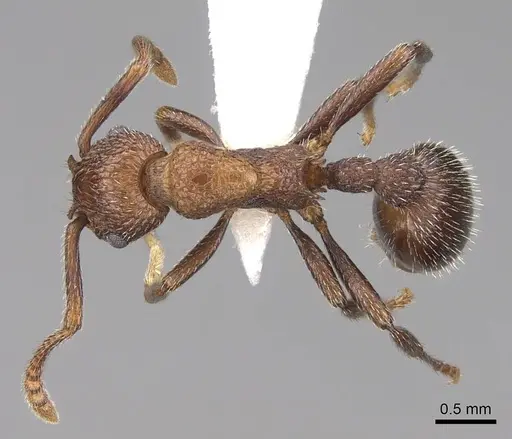
Literature
Loading...Loading products...