

Myrmica pulchella
- Scientific Name
- Myrmica pulchella
- Tribe
- Myrmicini
- Subfamily
- Myrmicinae
- Author
- Santschi, 1937
- Distribution
- Found in 1 countries
Myrmica pulchella Overview
Myrmica pulchella is an ant species of the genus Myrmica. It is primarily documented in 1 countries , including Taiwan, Province of China. Detailed taxonomic data and occurrence records can be further explored via authoritative databases such as AntWeb or the Global Biodiversity Information Facility (GBIF).
Myrmica pulchella
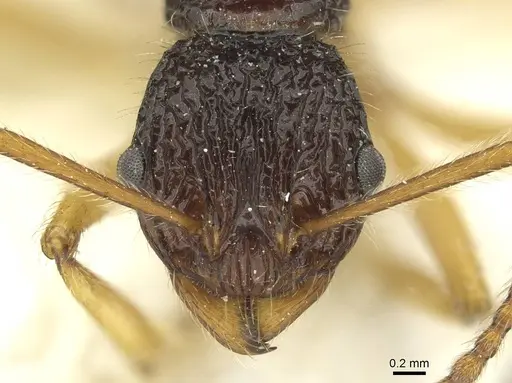
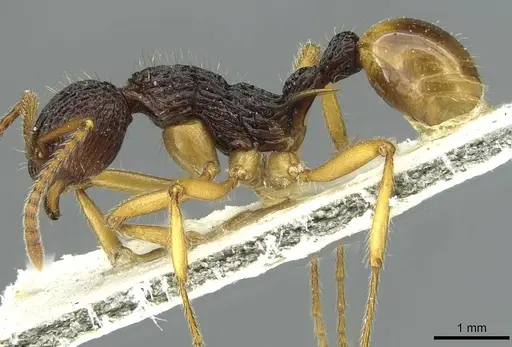
Myrmica pulchella is a small ant species endemic to Taiwan, measuring 4.5-6mm for workers with queens being distinctly larger [1]. This species belongs to the ritae species group and is known for its extremely coarse rugosity on the head dorsum, featuring only four sinuous rugae between the frontal carinae [1]. The workers have a distinctive coloration with reddish-piceous head, thorax, and pedicel, while the mandibles, antennae, and legs are pale brown to ivory yellow [1].
What makes M. pulchella unusual is its nesting preference, unlike most Myrmica species that nest in soil or under stones, this species has been found living in semi-decayed pieces of cut bamboo (1-2 cm diameter) at elevations around 1600m near Sun-moon Lake [2]. This represents the first documented case of a Myrmica species living in unstructured cavities in the wild, though they likely require high humidity (at least 90%) to thrive in such spaces [1]. The species also serves as a host for Phengaris butterflies (P. atroguttata and P. daitozona), making it ecologically significant [3].
Quick Summary
- Difficulty: Medium
- Origin & Habitat: Endemic to Taiwan (Indomalaya Region), found at approximately 1600m elevation near Sun-moon Lake in Chiayi Hsien, adjacent to bamboo forests [2][4]. The natural habitat consists of semi-decayed bamboo cavities in a bamboo forest environment.
- Colony Type: Small colonies with single queens documented. Nests found in bamboo cavities contained over 100 workers with some colonies having a single queen [1]. Colony structure appears to be monogyne (single queen).
- Colony: Monogyne
- Founding: Claustral
- Size & Growth:
- Queen: Distinctly larger than workers, exact measurements not specified [1]
- Worker: 4.5-6 mm [1]
- Colony: Over 100 workers documented in wild colonies [1]
- Growth: Unknown, no development data available
- Development: Unknown, no direct studies on development time. Based on typical Myrmica patterns, expect 6-10 weeks at optimal temperature. (No specific development studies exist for this species. Related Myrmica species typically take 6-10 weeks from egg to worker at warm temperatures.)
- Antkeeping:
- Temperature: Keep at 20-25°C based on typical Myrmica requirements and their Taiwanese mountain habitat. A gentle gradient allows workers to self-regulate.
- Humidity: Critical requirement, they need high humidity of at least 90% relative humidity, as documented in their bamboo cavity nesting preference [1]. Keep the nest substrate consistently moist but not waterlogged.
- Diapause: Likely required. As a Taiwanese species from higher elevations (~1600m), they likely experience cooler winters and would benefit from a winter rest period of 2-3 months at 10-15°C.
- Nesting: Y-tong (AAC) or plaster nests work well. The key is maintaining high humidity, these ants are adapted to living in enclosed bamboo cavities. Avoid dry setups. Provide a water reservoir for moisture maintenance.
- Behavior: Workers forage mid-morning in the wild [1]. They are not particularly aggressive but will sting if threatened. Their small size (4-6mm) means escape prevention is important, use fine mesh barriers. They are cavity-nesting ants that prefer enclosed spaces with high humidity. As typical Myrmica, they are likely predatory and will accept small insects.
- Common Issues: high humidity requirement is critical, colonies fail if humidity drops below 90%, escape prevention matters despite medium size, use proper barriers, winter diapause appears necessary for long-term colony health, limited availability as an endemic Taiwanese species, slow colony growth typical of Myrmica, patience required
Housing and Nest Setup
Myrmica pulchella requires high-humidity housing due to their natural bamboo cavity nesting behavior. Y-tong (AAC) nests or plaster nests with water reservoirs work best. The nest must maintain at least 90% relative humidity to keep colonies healthy [1]. Provide a test tube setup for the founding queen, then transition to a formicarium once the colony reaches 20-30 workers. The outworld should have a water source and allow for proper foraging space. Avoid dry setups entirely, this species will not thrive in typical room humidity.
Feeding and Diet
Myrmica pulchella is predatory like other Myrmica species. Feed them small live insects such as fruit flies, pinhead crickets, and mealworms. Sugar sources like honey water or sugar water should be offered regularly. Protein-rich foods are essential for brood development. Feed every 2-3 days, removing uneaten prey after 24 hours. A constant sugar water supply is recommended.
Temperature and Seasonal Care
Keep colonies at 20-25°C, which matches their native Taiwanese mountain habitat at 1600m elevation. A slight temperature gradient allows workers to self-regulate. During winter, provide a diapause period of 2-3 months at 10-15°C, reflecting the cooler conditions they would experience at higher elevations in Taiwan. This winter rest is important for colony health and queen longevity. [1]
Colony Establishment
In the wild, colonies have been found in semi-decayed bamboo with over 100 workers [1]. The queen is claustral and will seal herself in during founding, living off stored fat reserves until the first workers (nanitics) emerge. Founding colonies should be kept in complete darkness with high humidity. Do not disturb the queen during the founding phase. Once workers emerge, gradually introduce small prey items.
Behavior and Temperament
Workers forage mid-morning in the wild [1]. They are not aggressive but possess a sting for defense. The species is cavity-nesting by preference, which means they do well in enclosed nest setups. They are smaller ants (4-6mm workers) so escape prevention using fine mesh is important. Colonies appear to maintain single-queen structures in the wild.
Frequently Asked Questions
How long does it take for Myrmica pulchella to produce first workers?
The exact timeline is unknown as no development studies exist for this species. Based on typical Myrmica patterns, expect 6-10 weeks from egg to first worker at optimal temperature (around 24°C). Patience is required as Myrmica species tend to grow more slowly than many common ant species.
What humidity level do Myrmica pulchella ants need?
They require high humidity, at least 90% relative humidity based on their natural bamboo cavity nesting preference [1]. This is higher than most ant species and is their most critical care requirement. Use a hygrometer to monitor and maintain proper levels.
Can I keep Myrmica pulchella in a test tube setup?
Yes, test tubes work well for founding colonies. Ensure the water reservoir is present and maintain high humidity around the setup. Once the colony grows beyond 30-50 workers, consider moving to a Y-tong or plaster nest with a water reservoir to maintain humidity long-term.
Do Myrmica pulchella ants sting?
Yes, like other Myrmica species, they have a sting and will use it if threatened. However, they are not particularly aggressive and typically only sting when the nest is directly disturbed. The sting is not dangerous to humans but can be irritating.
What do Myrmica pulchella eat?
They are predatory ants that accept small live insects like fruit flies, pinhead crickets, and mealworms. They also need sugar sources, offer honey water or sugar water regularly. Protein is essential for brood development.
Do Myrmica pulchella need hibernation?
Yes, a winter diapause is likely necessary. As a species from 1600m elevation in Taiwan, they experience cooler winters in their native habitat. Provide 2-3 months at 10-15°C during winter months for optimal colony health.
How big do Myrmica pulchella colonies get?
Wild colonies with over 100 workers have been documented [1]. Based on related species in the ritae group, colonies likely reach several hundred workers at maturity. Growth is moderate but can be slow initially.
Is Myrmica pulchella good for beginners?
This species is rated as medium difficulty. The primary challenge is maintaining the high humidity (90%+) they require. If you can consistently provide humid conditions and understand Myrmica growth patterns, this species can be kept by dedicated intermediate antkeepers.
Where is Myrmica pulchella found in the wild?
Myrmica pulchella is endemic to Taiwan, specifically found at around 1600m elevation near Sun-moon Lake in Chiayi Hsien. They nest in semi-decayed bamboo cavities adjacent to bamboo forests [2][1].
What makes Myrmica pulchella different from other Myrmica?
This is the first documented Myrmica species found living in unstructured cavities in the wild (bamboo) rather than typical soil or under stones [1]. They also belong to the ritae species group and have extremely coarse rugosity on their head.
References

This caresheet is licensed under CC BY-SA 4.0 .
CASENT0913072
View on AntWeb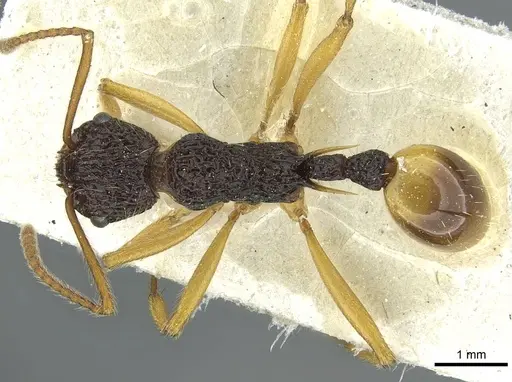
Literature
Loading...Loading products...