

Myrmica pisarskii
- Scientific Name
- Myrmica pisarskii
- Tribe
- Myrmicini
- Subfamily
- Myrmicinae
- Author
- Radchenko, 1994
- Distribution
- Found in 1 countries
Myrmica pisarskii Overview
Myrmica pisarskii is an ant species of the genus Myrmica. It is primarily documented in 1 countries , including Mongolia. Detailed taxonomic data and occurrence records can be further explored via authoritative databases such as AntWeb or the Global Biodiversity Information Facility (GBIF).
Myrmica pisarskii
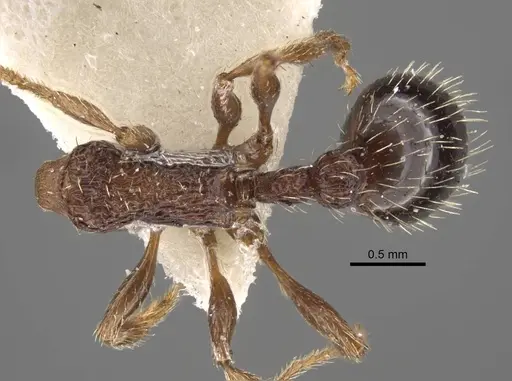
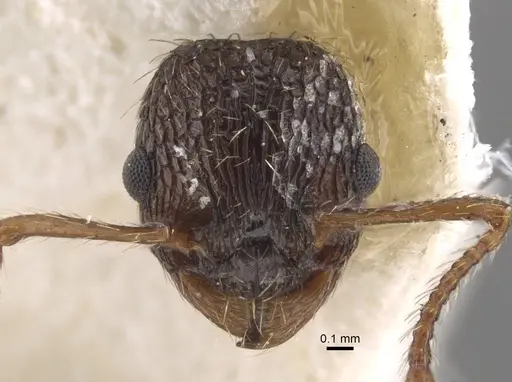
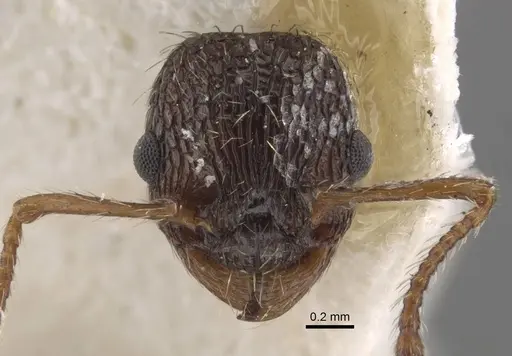
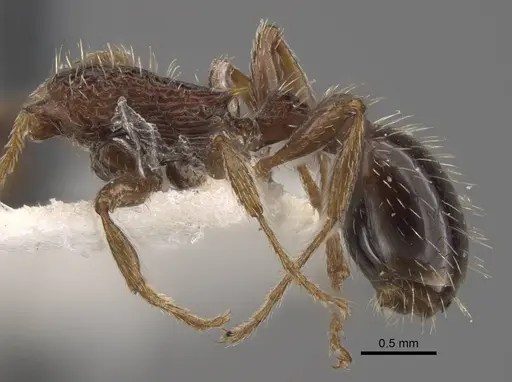
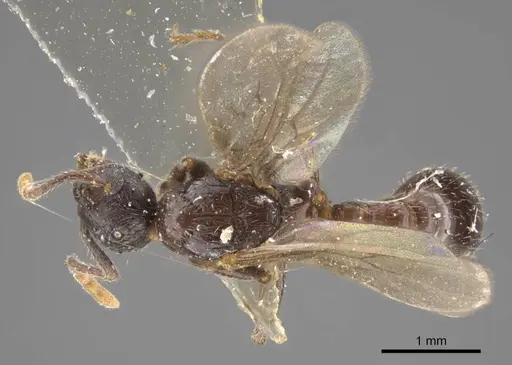
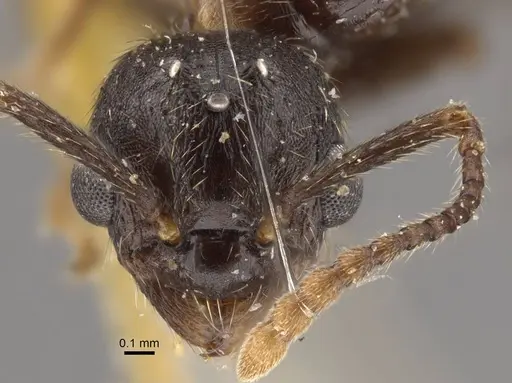
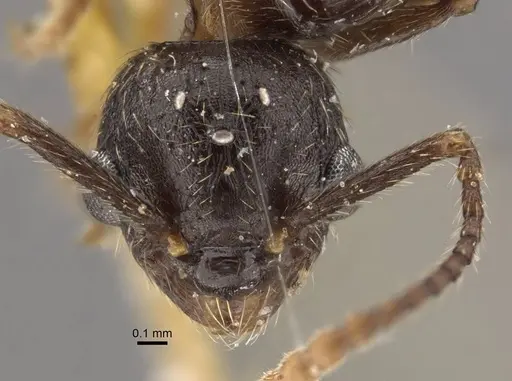
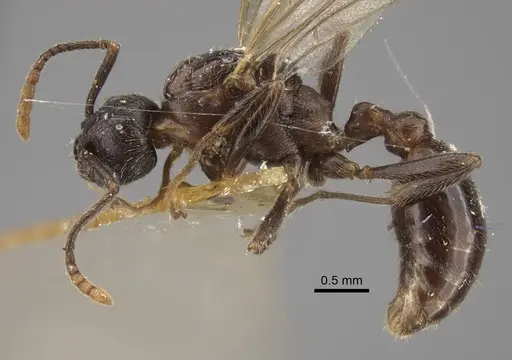
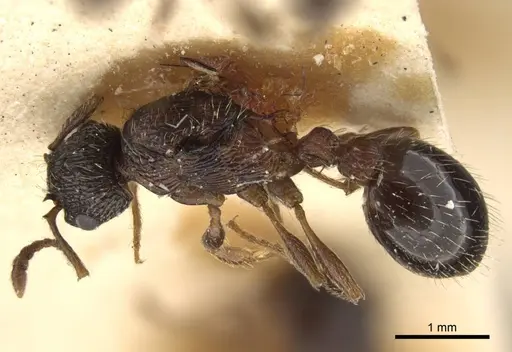
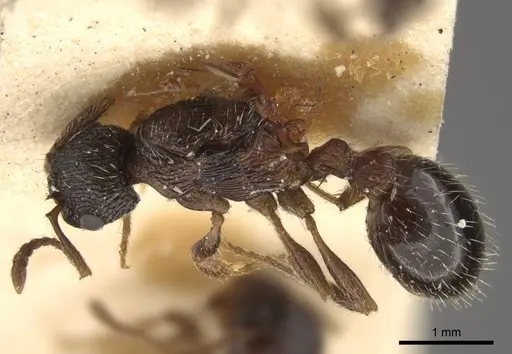
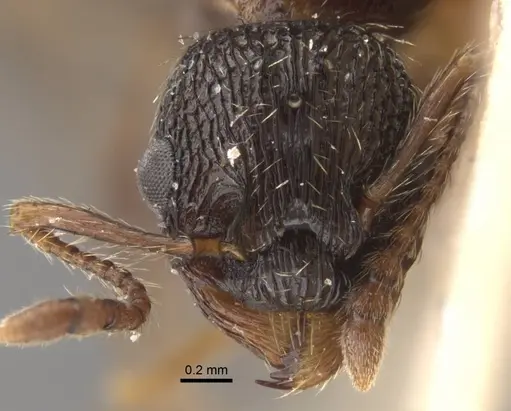
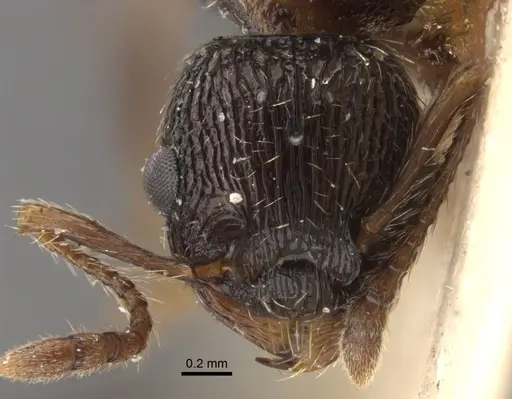
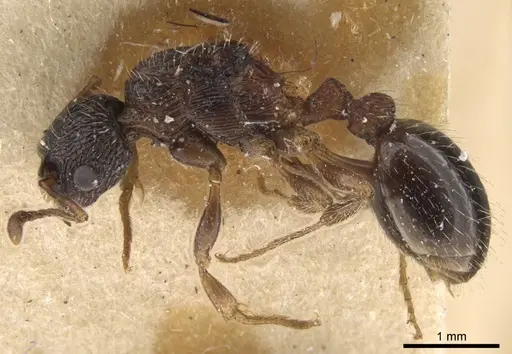
Myrmica pisarskii is a small ant species belonging to the lobicornis group. Workers are approximately 4-6mm and queens approximately 6-8mm, inferred from typical Myrmica genus sizes as exact total length measurements are not documented [1]. The species has a distinctive color pattern: the alitrunk, waist, legs, mandibles and antennae are yellowish brown to pale reddish brown while the head and gaster are dark reddish brown [2]. This is one of the most xerophilous (dry-loving) Myrmica species, native to the steppes and dry meadows of South Siberia (from southeastern Altai to Transbaikalia) and Mongolia [1][3]. It builds nests in soil, often under stones, at elevations ranging from 1000 to 2700 meters [4][5]. A notable trait is that it's a cold climate specialist that is mostly night-active in the wild [6][7].
Quick Summary
- Difficulty: Medium
- Origin & Habitat: Native to South Siberia (Altai to Transbaikalia) and Mongolia. Inhabits steppes, dry meadows, and occasionally dry pine forests. Nests in soil, often under stones, at elevations of 1000-2700m [1][5][4].
- Colony Type: Colony structure is unconfirmed. No documented ergatoid replacement reproductives found in research.
- Size & Growth:
- Queen:{.size-link} ~6-8mm, inferred from Myrmica genus patterns [1]
- Worker:{.size-link} ~4-6mm, inferred from Myrmica genus patterns [1]
- Colony: Unknown, likely moderate-sized colonies similar to other Myrmica species
- Growth: Moderate
- Development: 6-10 weeks (estimated based on typical Myrmica genus patterns at optimal temperature) (Development time is estimated from related Myrmica species.)
- Antkeeping:
- Temperature: Keep at room temperature, roughly 18-22°C. This species prefers cooler conditions compared to many ants, it's a cold climate specialist. Avoid overheating.
- Humidity: Low to moderate. This is one of the most xerophilous (dry-loving) Myrmica species. Keep the nest substrate relatively dry, think steppe conditions, not damp forest floor. Allow areas to dry out between waterings.
- Diapause: Yes, required. As a species from Siberia and Mongolia, expect a winter rest period. Reduce temperature to around 5-10°C for 3-4 months during winter.
- Nesting: Prefers dry, well-drained nesting conditions. A Y-tong (AAC) or plaster nest works well. Can also use test tubes with minimal water reserves. The key is keeping conditions dry, avoid damp substrates.
- Behavior: This species is a cold climate specialist and is mostly night-active in the wild [6][7]. Workers are moderate foragers and likely accept standard Myrmica prey items. They are not particularly aggressive but will defend the nest. Escape risk is moderate, use standard test tube barriers.
- Common Issues: overheating is a major risk, this species prefers cooler conditions than most Myrmica, too much humidity will kill colonies, keep nesting area dry, colonies may struggle if kept too warm year-round without proper winter rest, slow growth means beginners may overfeed or disturb the colony too often, night-active behavior means you may not see much activity during the day
Natural History and Distribution
Myrmica pisarskii is found across South Siberia from southeastern Altai to Transbaikalia, and throughout Mongolia [1][8]. It is one of the most xerophilous (dry-loving) species in the genus Myrmica [1][3]. In Russia, it inhabits steppes and dry meadows, occasionally found in dry and sparse pine forests [5]. In Mongolia, specimens have been collected from dry meadow steppe at elevations of 1000-1200 meters where soils are shallow and rocky, and trees are absent [5]. The species has been recorded at altitudes up to 2700m in the Altai Mountains [4]. This ant is a cold climate specialist and is mostly night-active in its natural habitat [6][7].
Nest Preferences and Housing
In the wild, M. pisarskii nests in soil, often under stones [1][5]. The species prefers dry, well-drained conditions, avoid the damp setups that work for many other Myrmica species. For captive care, a Y-tong (AAC) nest or plaster nest works well. Test tubes can work but use smaller water reservoirs and allow them to run dry more often than you would for other Myrmica. The key principle is dry conditions, this is a steppe species, not a forest floor species. Provide a shallow water tube but monitor and refill only when needed.
Temperature and Seasonal Care
This species requires cooler temperatures than most ant species, it's a cold climate specialist [6][7]. Keep the nest at room temperature, ideally 18-22°C. Avoid placing the nest in direct sunlight or near heat sources. A heating cable is generally not needed and could be harmful. During winter, provide a diapause (hibernation) period of 3-4 months at roughly 5-10°C. This mimics the natural cycle of a species from Siberia and Mongolia where winters are long and cold. The night-active behavior in the wild suggests they may be more active in cooler evening hours, do not be concerned if your colony seems less active during the day.
Feeding and Diet
Like other Myrmica species, M. pisarskii is likely omnivorous with a preference for protein. Offer small insects like fruit flies, small mealworms, or cricket pieces. Sugar water or honey can be offered occasionally but protein should be the primary food source. Feed every 2-3 days, removing uneaten prey after 24 hours.
Colony Development and Reproduction
Queens are approximately 6-8mm and workers are approximately 4-6mm, inferred from Myrmica genus patterns [1]. Sexual brood (alates) is present in nests in July-August, with nuptial flights occurring from late July to early September [5][1]. This timing allows new queens and males to mate before winter sets in. Colony growth is moderate, expect the first workers (nanitics) to emerge 6-10 weeks after the queen lays eggs, based on typical Myrmica development.
Frequently Asked Questions
Is Myrmica pisarskii a good species for beginners?
This is a medium-difficulty species. While not the hardest, it does have specific needs, particularly the requirement for cooler, drier conditions than most ants. If you are comfortable with standard Myrmica care and can provide a cool room or spot, it can be a rewarding species.
What temperature should I keep Myrmica pisarskii at?
Keep them at room temperature, ideally 18-22°C. This species is a cold climate specialist and should not be overheated. Avoid using heating cables or placing the nest in direct sunlight.
How dry should I keep the nest for Myrmica pisarskii?
Keep the nesting area relatively dry, this is one of the most xerophilous Myrmica species. Allow the substrate to dry between waterings. Unlike other Myrmica that need damp conditions, this species prefers steppe-like dryness.
Does Myrmica pisarskii need hibernation?
Yes, a winter diapause is recommended. Reduce temperatures to 5-10°C for 3-4 months during winter. This mimics their natural habitat in Siberia and Mongolia where winters are long and cold.
How long does it take for Myrmica pisarskii to produce first workers?
Expect first workers (nanitics) to emerge 6-10 weeks after founding, based on typical Myrmica development patterns. This is an estimate as specific development data for this species is not documented.
What do Myrmica pisarskii ants eat?
Feed them small protein sources like fruit flies, small mealworms, or cricket pieces. Offer sugar water or honey occasionally. Remove uneaten prey after 24 hours.
Where is Myrmica pisarskii found?
This species is native to South Siberia (from southeastern Altai to Transbaikalia) and Mongolia. It lives in steppes, dry meadows, and occasionally dry pine forests at elevations of 1000-2700 meters.
Why is my Myrmica pisarskii colony not very active?
This species is mostly night-active in the wild. You may see more activity in the evening hours or early morning. Also ensure temperatures are not too warm, they prefer cooler conditions.
Can I keep multiple Myrmica pisarskii queens together?
Not recommended. Unlike some Myrmica species that can be polygynous, this species likely has single queen colonies. Combining unrelated queens has not been documented and could result in fighting.
What makes Myrmica pisarskii different from other Myrmica?
M. pisarskii is one of the most xerophilous (dry-loving) Myrmica species and is a cold climate specialist. It prefers cooler, drier conditions than most other ants in the genus. It is also mostly night-active in the wild.
Report an Issue
The current care sheet is based fully on literature. See inconsistencies, or something that's incorrect? Please , it will be resolved after review from an admin. Contributing to the blogs tab also helps providing information, to make us be able to further improve the caresheets. Thank you for your support!
References

This caresheet is licensed under CC BY-SA 4.0 .
Literature
Loading...Loading products...