

Myrmica phalacra
- Scientific Name
- Myrmica phalacra
- Tribe
- Myrmicini
- Subfamily
- Myrmicinae
- Author
- Radchenko & Elmes, 2009
- Distribution
- Found in 1 countries
Myrmica phalacra Overview
Myrmica phalacra is an ant species of the genus Myrmica. It is primarily documented in 1 countries , including China. Detailed taxonomic data and occurrence records can be further explored via authoritative databases such as AntWeb or the Global Biodiversity Information Facility (GBIF).
Myrmica phalacra
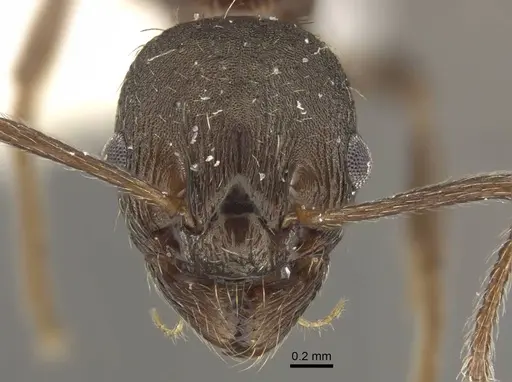
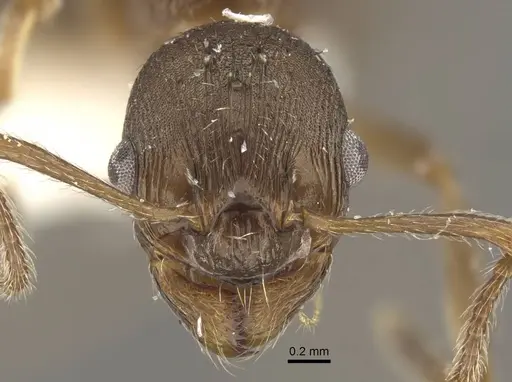
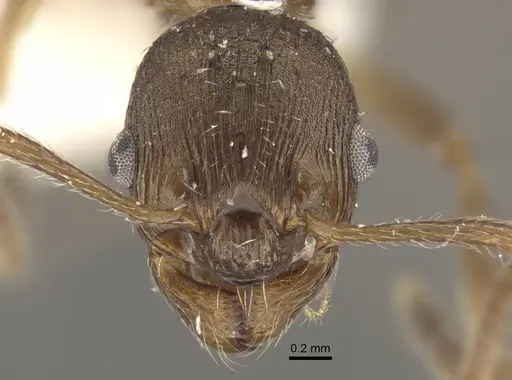
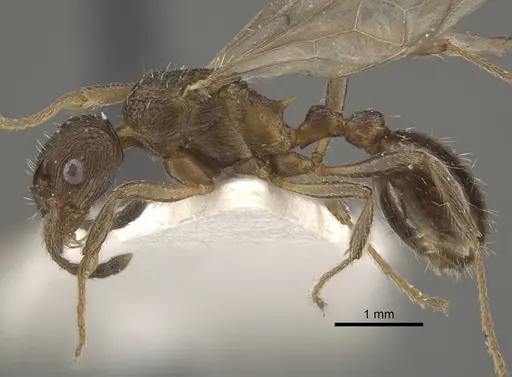
Myrmica phalacra is a small, dark reddish-brown ant belonging to the pachei species group, native to high-altitude mountain meadows in central China. Workers and queens are characterized by their notably sparse hair coverage, so sparse that the species name 'phalacra' comes from the Greek word for 'bald.' This gives them a rather sleek, polished appearance compared to many other Myrmica species. The workers have relatively long scapes and short, straight propodeal spines. Queens closely resemble workers but with more pronounced sculpturing on the head. This species was formally described in 2009 and remains poorly studied in the wild, with only a handful of specimens ever collected [1].
Quick Summary
- Difficulty: Medium
- Origin & Habitat: Central China (Shaanxi Province, Qin Ling Mountains), found at approximately 2000 meters elevation in mountain meadow habitats [1].
- Colony Type: Colony structure is unconfirmed. Based on related species in the pachei group, likely single-queen (monogyne) colonies, though this has not been directly documented.
- Size & Growth:
- Queen: Exact measurements not published, estimated 5-7mm based on genus typical size and description as generally similar to workers [1].
- Worker: Exact measurements not published, typical Myrmica worker size estimated 4-6mm based on morphology description [1].
- Colony: Unknown, no colony size data available for this species.
- Growth: Unknown, no development timing has been documented.
- Development: Estimated 6-10 weeks based on typical Myrmica genus patterns at optimal temperature. (This is a rough estimate based on related Myrmica species. No specific development data exists for M. phalacra.)
- Antkeeping:
- Temperature: Keep at 20-24°C. Based on the high-altitude mountain habitat (2000m), this species likely tolerates cooler conditions than lowland Myrmica. Provide a temperature gradient so ants can self-regulate.
- Humidity: Moderate to high humidity. Mountain meadow habitats typically have more moisture. Keep nest substrate consistently moist but not waterlogged. Provide a humid gradient.
- Diapause: Yes, Myrmica species require winter hibernation. Keep colonies at 5-10°C for 3-4 months (roughly October-February in the Northern Hemisphere) [2].
- Nesting: In captivity, standard Myrmica setups work well, test tubes, Y-tong nests, or plaster nests with moisture chambers. The species likely nests in soil or under stones in the wild. Provide a dark, secure nesting area with access to a humid outworld for foraging.
- Behavior: Myrmica phalacra is a typical Myrmica in temperament, workers are moderately active, will defend the colony if threatened, and can sting. Escape risk is moderate, standard barrier methods (Fluon, talcum powder) work well for this size class. Workers likely forage for small prey and tend aphids for honeydew, similar to other Myrmica species.
- Common Issues: limited availability, this species is rarely available in the antkeeping hobby due to its restricted range and recent description, no specific care data exists, keepers must adapt from genus-level knowledge, hibernation is essential, skipping winter rest can weaken or kill colonies over time, high-altitude origin suggests they may be more cold-tolerant than typical Myrmica, avoid overheating, males have never been collected, obtaining a mated queen for captive breeding may be extremely difficult
Housing and Nest Setup
Myrmica phalacra can be kept in standard Myrmica setups. Test tubes work well for founding colonies, use a water reservoir connected to a cotton plug, keeping the tube about 1/3 filled with water. For established colonies, Y-tong (acrylic) nests or plaster nests with moisture chambers are excellent choices. The key is providing a humid nesting area alongside a drier foraging area. Because this species comes from high-altitude mountain meadows, they likely appreciate some temperature variation, consider using a heating cable on one side of the nest to create a gentle gradient of roughly 20-26°C. Avoid direct strong lighting on the nest, Myrmica prefer darker, more concealed nesting sites. Escape prevention is straightforward, standard Fluon barriers on the rim of the outworld are sufficient for these moderately-sized ants. [1]
Feeding and Diet
Like other Myrmica species, M. phalacra is omnivorous with a preference for protein. Feed workers small insects like fruit flies, pinhead crickets, or small mealworms. They also readily accept sugar sources, offer diluted honey water, sugar water, or commercial ant nectar. In the wild, they likely forage for small arthropods and tend aphids for honeydew. Feed protein 2-3 times per week for growing colonies, and keep a sugar source constantly available. Remove uneaten prey after 24-48 hours to prevent mold. While no specific feeding observations exist for this species, the genus Myrmica is well-documented as accepting a wide variety of foods including small live prey, dead insects, and sugary liquids [2].
Temperature and Seasonal Care
This species originates from approximately 2000m elevation in the Qin Ling Mountains of central China, suggesting it tolerates cooler conditions than many lowland Myrmica. Keep the nest area around 20-24°C as a baseline, with a slight gradient allowing workers to choose their preferred temperature. During summer, room temperature is likely sufficient, in winter, the colony will require a hibernation period. Myrmica species need 3-4 months of cold dormancy annually (roughly 5-10°C) to maintain healthy colony cycles. This can be achieved by moving the colony to a cold garage, basement, or refrigerator during winter. Skipping hibernation weakens queens and can cause colony decline over time. The high-altitude origin suggests this species may be particularly well-adapted to cold, do not overheat. [1]
Colony Establishment and Growth
Obtaining Myrmica phalacra for captive keeping is likely challenging, the species was only described in 2009 and has rarely been collected. If you obtain a founding queen, she should be housed alone in a test tube setup. Like most Myrmica, she is likely claustral (seals herself in and raises the first brood without leaving the nest). The founding chamber should be dark and undisturbed. First workers (nanitics) typically emerge smaller than normal workers. Growth rate is unknown but likely moderate, expect 6-10 weeks from egg to first worker based on genus patterns. Colony size in the wild is unknown, but related Myrmica species typically reach several hundred to a few thousand workers. Patience is essential with this poorly documented species, observe your colony closely and adjust care based on their behavior and activity levels. [1]
Behavior and Defense
Myrmica phalacra workers have the typical Myrmica defensive response, they will readily sting when threatened. The sting is not dangerous to healthy humans but can be painful. Workers are moderately aggressive in defense of the colony and will swarm out to confront perceived threats. Foraging activity is typical of the genus, workers search for food individually and recruit nestmates through chemical signals when substantial food sources are found. The species is not known for any unusual behaviors, it should behave like a typical Myrmica in captivity. Workers are moderately good climbers but are not particularly prone to escaping if proper barriers are in place. The relatively long scapes mentioned in the species description suggest workers are active foragers. [1]
Frequently Asked Questions
How do I care for Myrmica phalacra ants?
Keep them at 20-24°C with moderate to high humidity. Use test tubes for founding colonies, then transition to a Y-tong or plaster nest. Feed protein insects 2-3 times weekly and provide constant sugar water. Essential: provide 3-4 months of winter hibernation at 5-10°C annually.
What do Myrmica phalacra eat?
Like other Myrmica, they eat small insects (fruit flies, pinhead crickets, small mealworms) and sugar sources (honey water, sugar water). They likely also tend aphids for honeydew in captivity.
Do Myrmica phalacra ants sting?
Yes, they can sting. The sting is not medically significant for healthy humans but causes temporary pain. They are moderately defensive and will sting if the nest is threatened.
How long does it take for Myrmica phalacra to produce first workers?
Estimated 6-10 weeks from egg to first worker based on typical Myrmica development. No specific timing has been documented for this species.
Do Myrmica phalacra need hibernation?
Yes. Like all Myrmica species, they require an annual winter rest period of 3-4 months at 5-10°C to maintain healthy colony cycles.
How big do Myrmica phalacra colonies get?
Colony size is unknown, no colony size data has been documented. Based on related species, expect several hundred to a few thousand workers.
Is Myrmica phalacra good for beginners?
This species is not recommended for beginners due to limited availability and lack of documented care information. Related Myrmica species are beginner-friendly, but M. phalacra specifically requires more experienced keepers who can adapt care based on observation.
Where is Myrmica phalacra found?
This species is known only from the Qin Ling Mountains in Shaanxi Province, central China, at approximately 2000 meters elevation.
Can I keep multiple Myrmica phalacra queens together?
Not recommended. The colony structure is unconfirmed, but combining unrelated queens of this species has not been documented. Most Myrmica are single-queen species.
What makes Myrmica phalacra different from other Myrmica?
This species is notable for its very sparse hair coverage, the name 'phalacra' means 'bald' in Greek. It belongs to the pachei species group and is only known from high-altitude mountain meadows in central China.
References

This caresheet is licensed under CC BY-SA 4.0 .
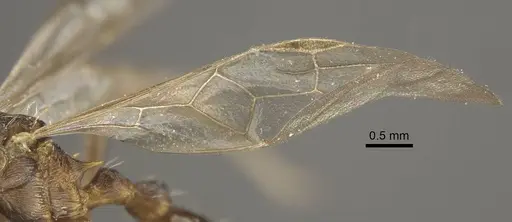
CASENT0917718
View on AntWeb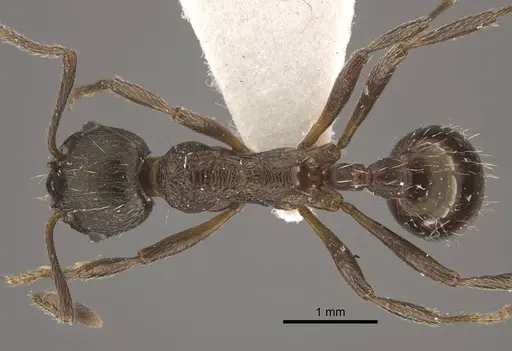
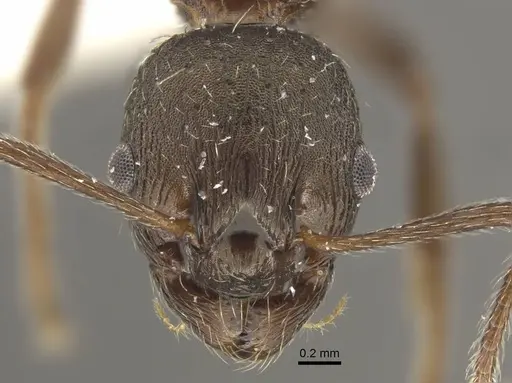
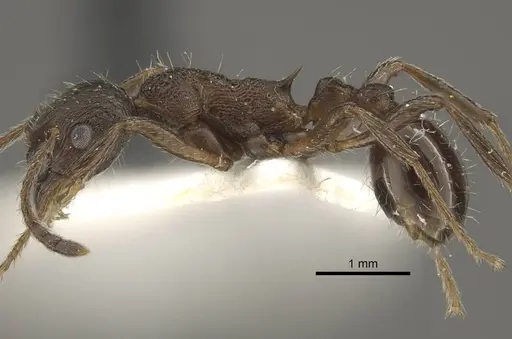
CASENT0917719
View on AntWeb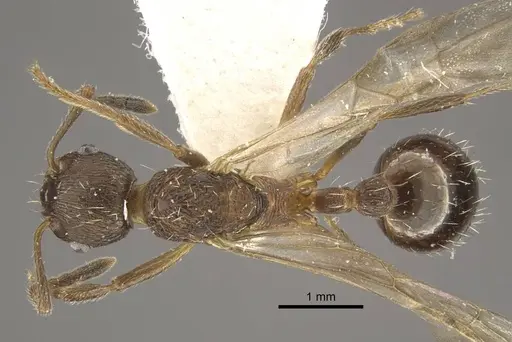
Literature
Loading...Loading products...