

Myrmica nearctica
- Scientific Name
- Myrmica nearctica
- Tribe
- Myrmicini
- Subfamily
- Myrmicinae
- Author
- Weber, 1939
- Distribution
- Found in 2 countries
Myrmica nearctica Overview
Myrmica nearctica is an ant species of the genus Myrmica. It is primarily documented in 2 countries , including Canada, United States of America. Detailed taxonomic data and occurrence records can be further explored via authoritative databases such as AntWeb or the Global Biodiversity Information Facility (GBIF).
Myrmica nearctica
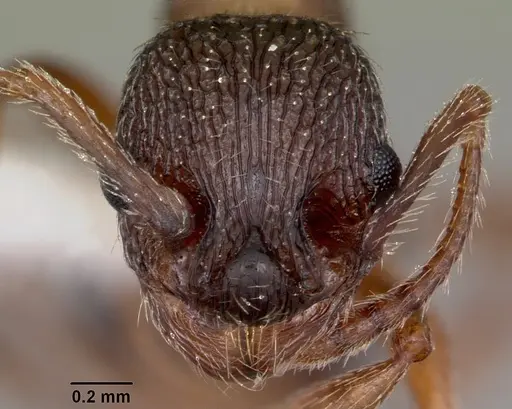
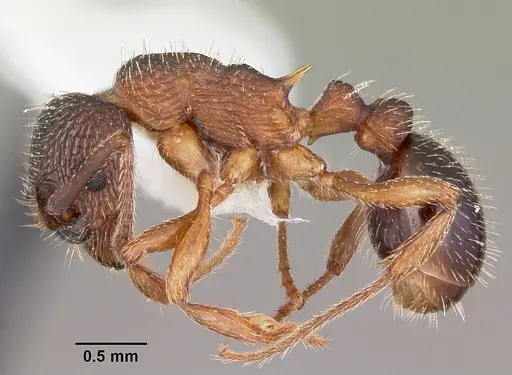
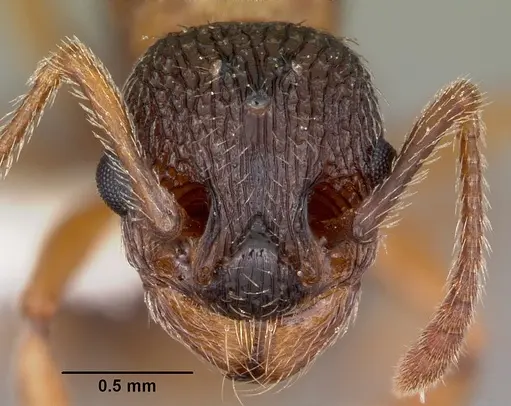
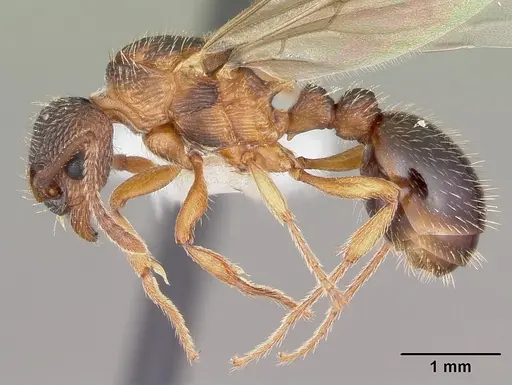
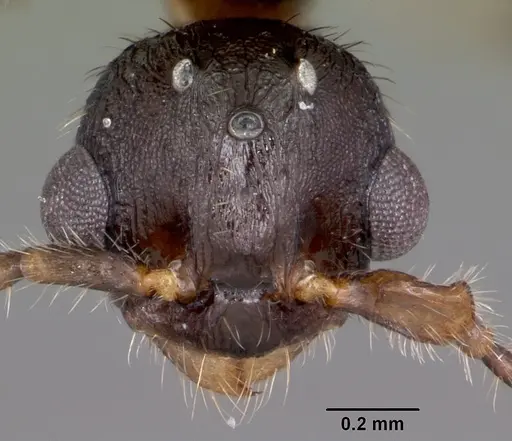
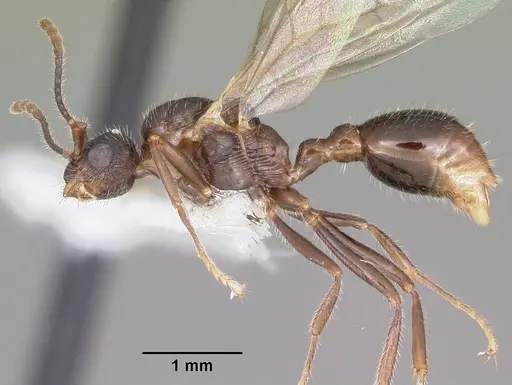
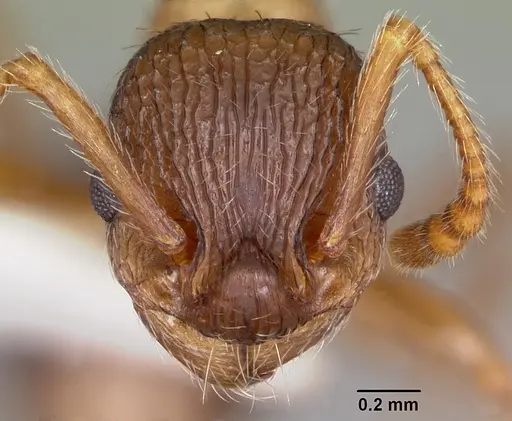
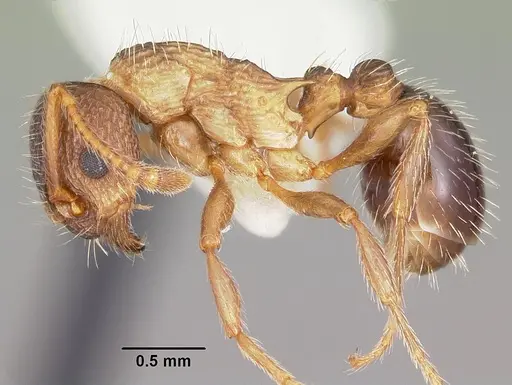
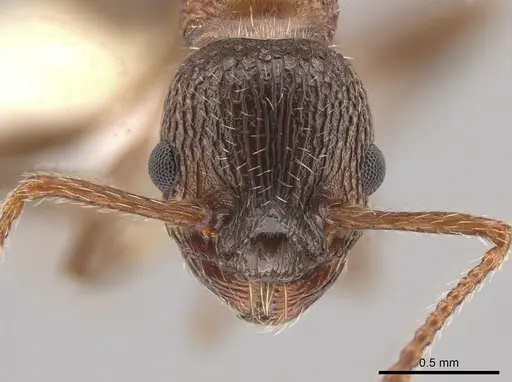
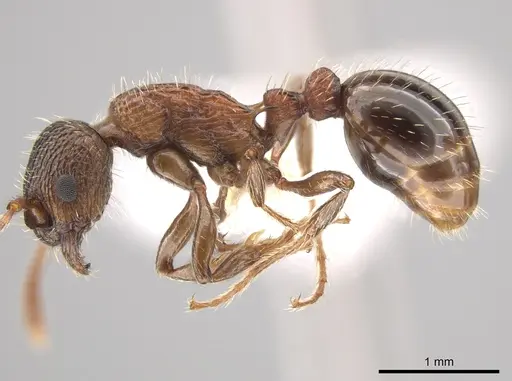
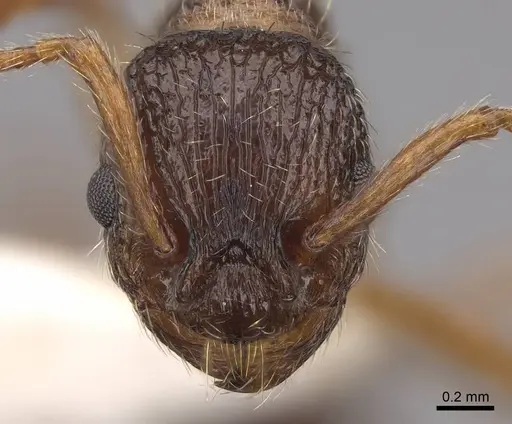
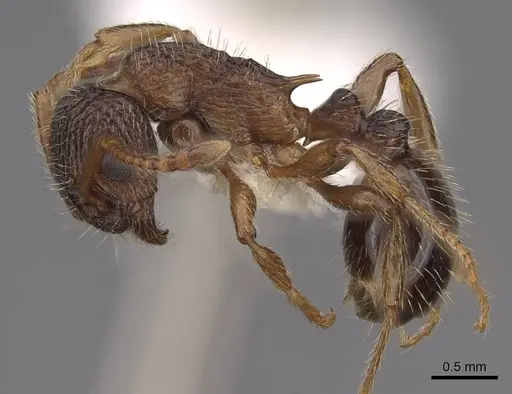
Myrmica nearctica is a small Myrmica ant native to North America. Workers measure 3.5-4.5mm and are reddish-brown to dark brown in color [1]. They belong to the Nearctic species group and have distinctive scapes with a large, wide, thick, lobate lamina at the bend that extends distally along the posterobasal third of the scape [1][2]. This species is a cold-climate specialist found across Canada and the northern United States, from Manitoba and Saskatchewan south to Colorado and Michigan, with records as far east as New Brunswick [3][4][5].
Quick Summary
- Difficulty: Easy
- Origin & Habitat: Native to the Nearctic region, Canada and northern United States. Found in Douglas Fir and Cottonwood forests with fine to coarse or gravelly sandy soils. Nests are located under rocks or rotten wood on the ground, occasionally directly in leaf litter [6]. Also found in sand hill grasslands, savannahs, and woodlands [7]. A cold-climate specialist that thrives in transition environments between boreal and temperate zones [5][8].
- Colony Type: Likely monogyne (single queen) based on typical Myrmica patterns. One documented nest contained fewer than 100 workers [6].
- Colony: Monogyne
- Founding: Claustral
- Size & Growth:
- Queen: Estimated 5-7mm based on genus patterns
- Worker: 3.5-4.5mm [1]
- Colony: Up to 100 workers in documented wild colonies [6]. Estimated maximum several hundred workers based on genus typical size.
- Growth: Moderate, typical Myrmica development
- Development: 6-10 weeks estimated based on related Myrmica species (Development time inferred from genus patterns, actual timeline may vary with temperature)
- Antkeeping:
- Temperature: Keep at 20-24°C. They are a cold-climate species and prefer cooler conditions than many tropical ants. Room temperature in the low 20s°C is ideal [5].
- Humidity: Moderate humidity around 50-60%. Keep nest substrate moist but not waterlogged. These ants prefer well-drained sandy soils in the wild [6].
- Diapause: Yes, as a cold-climate species, they require a winter dormancy period. Provide hibernation at 5-10°C for 3-4 months during winter.
- Nesting: Use test tubes or Y-tong nests with sandy/soil substrate. They naturally nest under rocks or in rotting wood, so provide appropriate substrate that allows for chamber excavation or use pre-made nests with soil chambers.
- Behavior: Generally non-aggressive and manageable. Workers are active foragers that search for food on the ground. Like other Myrmica species, they have a functional stinger but rarely sting unless directly threatened. Their small size means escape prevention is important, use fine mesh barriers. They are cold-tolerant and will become less active at cooler temperatures.
- Common Issues: small colony size means slow growth can test beginner patience, escape prevention needed due to small worker size, winter hibernation is required, colonies that don't cool down may fail to thrive, wild-caught colonies may have parasites that affect survival in captivity, overheating is more dangerous than cold, avoid temperatures above 28°C
Nest Preferences and Housing
Myrmica nearctica naturally nests under rocks, in rotting wood, or directly in leaf litter on forest floors [6]. In captivity, they adapt well to various nest types. Test tube setups work well for founding colonies, while Y-tong nests or acrylic nests with soil chambers suit established colonies. The key is providing a substrate that can hold some moisture, these ants prefer slightly sandy, well-drained soils. Avoid overly wet or compacted substrate. A layer of sand-soil mix mimics their natural sandy soil habitat. Since they are a cold-climate species, avoid placing nests in warm locations or near heating elements that would raise temperatures above their preferred range.
Feeding and Diet
Like other Myrmica species, Myrmica nearctica is omnivorous. They readily accept sugar sources (honey water, sugar water) and protein foods. Offer small insects like fruit flies, small mealworms, or cricket pieces as protein sources. Feed protein once or twice weekly, and keep sugar water available at all times. Remove uneaten food after 24-48 hours to prevent mold. These are foragers that will send workers out to collect food, so provide feeding stations accessible to workers.
Temperature and Seasonal Care
This is a cold-climate specialist that prefers cooler temperatures than many ant species. Keep the nest area at 20-24°C, room temperature in the low 20s°C is ideal [5]. They can tolerate brief periods cooler than this but should be protected from temperatures below 10°C except during hibernation. During winter (roughly November through March in the Northern Hemisphere), move the colony to a cool location around 5-10°C for hibernation. This winter dormancy is essential for colony health and reproduction. Do not feed during hibernation. Avoid overheating, temperatures above 28°C can be fatal.
Colony Growth and Development
Myrmica nearctica colonies remain relatively small compared to some Myrmica species. One documented wild colony had fewer than 100 workers [6]. In captivity, colonies may reach several hundred workers over several years. Growth is moderate, expect 6-10 weeks from egg to first worker (nanitics) under optimal conditions. The first workers will be smaller than mature workers. Colonies grow slowly at first but accelerate once the first batch of workers establishes. Patience is key with this species.
Behavior and Temperament
Workers are active foragers that search for food along ground surfaces. They are not aggressive toward keepers and rarely sting unless handled roughly or their nest is directly threatened. When threatened, they may use their stinger, but the sting is mild for humans. Workers communicate through chemical signals and may form foraging trails to food sources. The colony will establish defined chambers for brood, food storage, and waste. Unlike some Myrmica species, they are not known for slave-making or parasitic behaviors.
Frequently Asked Questions
How long does it take for Myrmica nearctica to produce first workers?
Expect 6-10 weeks from egg to first worker under optimal temperature conditions (around 22°C). This is typical for Myrmica species. The first workers (nanitics) will be smaller than mature workers.
Do Myrmica nearctica ants sting?
Yes, they have a functional stinger but rarely use it. Stings are mild and comparable to a minor mosquito bite for most people. They are not considered dangerous.
What temperature do Myrmica nearctica need?
Keep them at 20-24°C. They are a cold-climate species and prefer cooler conditions than tropical ants. Room temperature in the low 20s°C is ideal.
Do Myrmica nearctica need hibernation?
Yes, they require a winter dormancy period. Provide 3-4 months of hibernation at 5-10°C during winter months. This is essential for colony health.
How big do Myrmica nearctica colonies get?
Wild colonies typically have fewer than 100 workers, but captive colonies may reach several hundred workers over several years. They are not among the largest Myrmica species.
Can I keep multiple Myrmica nearctica queens together?
This species is likely monogyne (single queen). Combining unrelated queens is not recommended as they will likely fight. Only one queen per colony is advised.
What do Myrmica nearctica eat?
They are omnivorous. Offer sugar water or honey constantly, and protein (small insects like fruit flies, mealworms) once or twice weekly.
Are Myrmica nearctica good for beginners?
Yes, they are considered easy to care for. They are forgiving of minor temperature fluctuations, don't require high heat, and have simple dietary needs. Their small colony size and slow growth require patience.
When should I move Myrmica nearctica to a formicarium?
You can keep them in test tubes for the founding stage. Once the colony reaches 30-50 workers and the test tube shows signs of degradation (mold, low water), move them to a proper nest. Y-tong or acrylic nests with soil chambers work well.
Why is my Myrmica nearctica colony dying?
Common causes include: temperatures too high (above 28°C), improper humidity (too wet or too dry), lack of hibernation, parasites from wild-caught colonies, or overfeeding leading to mold. Check that temperatures are in the 20-24°C range and that hibernation was provided.
References

This caresheet is licensed under CC BY-SA 4.0 .
CASENT0104835
View on AntWeb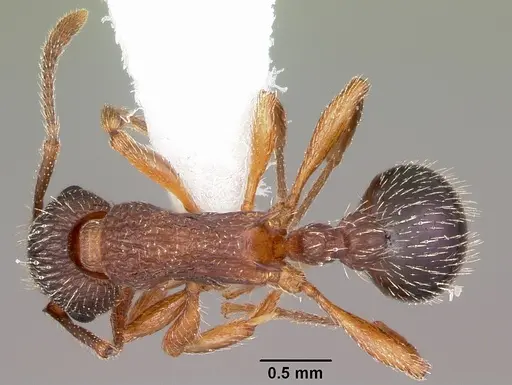
CASENT0104836
View on AntWeb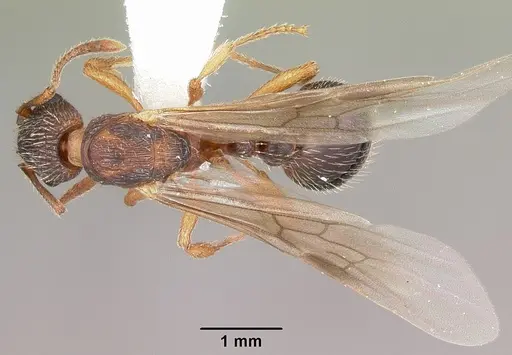
CASENT0104837
View on AntWeb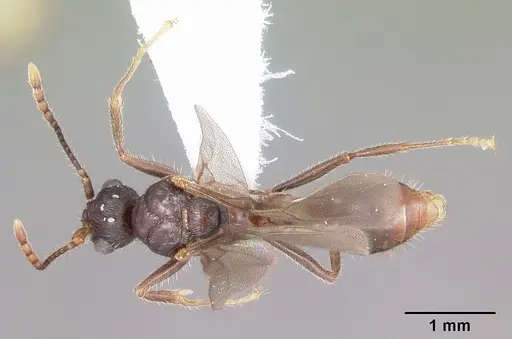
CASENT0104839
View on AntWeb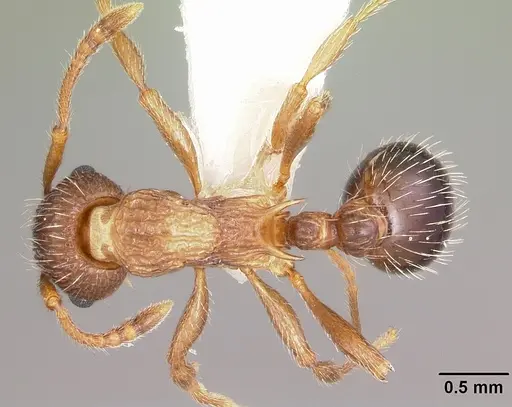
CASENT0634032
View on AntWeb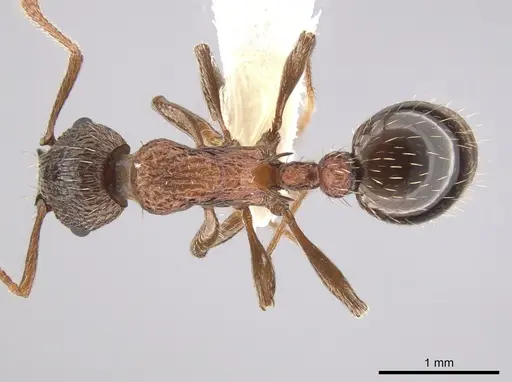
CASENT0922758
View on AntWeb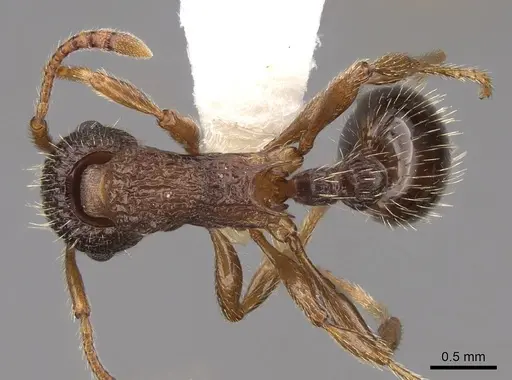
Literature
Loading...Loading products...