

Myrmica monticola
- Scientific Name
- Myrmica monticola
- Tribe
- Myrmicini
- Subfamily
- Myrmicinae
- Author
- Creighton, 1950
- Distribution
- Found in 2 countries
Myrmica monticola Overview
Myrmica monticola is an ant species of the genus Myrmica. It is primarily documented in 2 countries , including Canada, United States of America. Detailed taxonomic data and occurrence records can be further explored via authoritative databases such as AntWeb or the Global Biodiversity Information Facility (GBIF).
Myrmica monticola
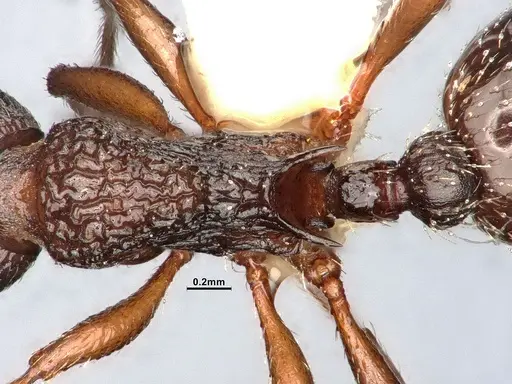
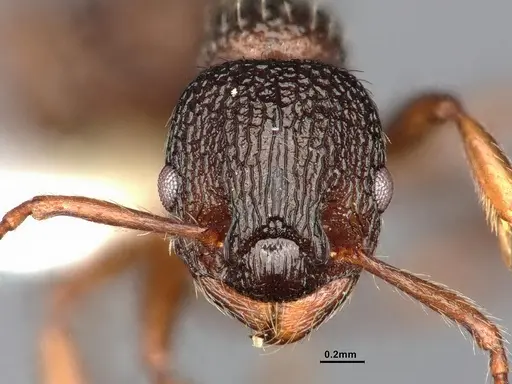
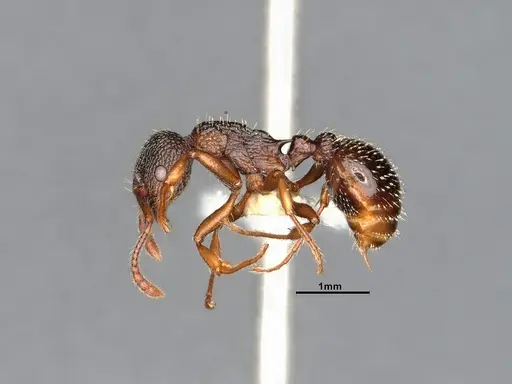
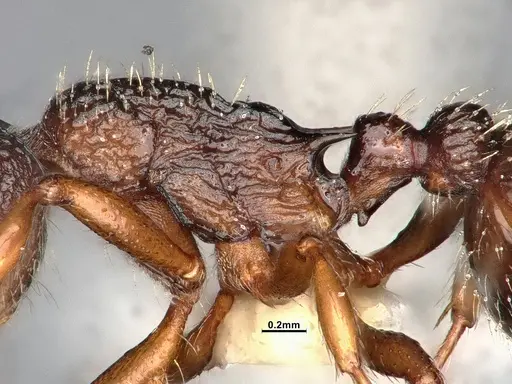
Myrmica monticola is a medium-sized red ant native to western North America. Workers measure around 4-6mm with queens reaching 6-8mm. They have the classic Myrmica appearance with a reddish-brown body, relatively large eyes, and a well-developed stinger. This species gets its name from its preference for mountainous habitats, though it's found across various elevations in the western United States. Colonies typically contain several hundred to a few thousand workers [1].
What makes M. monticola interesting is its flexibility in nesting habits, it thrives in dry, open meadows, sagebrush areas, and even the edges of forested Aspen and fir zones, almost always choosing sandy soils [1]. This adaptability to different habitats within its range makes it a rewarding species to keep, as it tolerates a broader range of conditions than many more specialized ants.
Quick Summary
- Difficulty: Medium
- Origin & Habitat: Western United States (Nearctic region), nests under rocks in dry, open meadows, sagebrush areas, and forest edges, almost always on sandy soils [1].
- Colony Type: Facultatively polygyne, colonies can have a single queen or multiple queens working together. This flexibility means your colony might start with one queen or several [1].
- Colony: Optionally polygyne
- Founding: Claustral
- Size & Growth:
- Queen: 6-8mm (estimated based on genus typical size)
- Worker: 4-6mm [1]
- Colony: Several hundred to a few thousand workers (estimated based on genus patterns)
- Growth: Moderate
- Development: 6-10 weeks (estimated based on typical Myrmica development at warm room temperature) (Development time follows typical Myrmica patterns, faster at warmer temperatures (around 24°C), slower at cooler temperatures. First workers (nanitics) are typically smaller than normal workers.)
- Antkeeping:
- Temperature: Keep nest area at 20-24°C. Room temperature (around 20-22°C) works well. You can provide a gentle heat gradient with a heating cable on one side of the nest, but ensure cooler areas are available so ants can self-regulate. Avoid temperatures above 28°C.
- Humidity: Moderate, these ants prefer drier conditions than many Myrmica. Keep the nest substrate slightly moist but allow it to dry out partially between waterings. The sandy soil preference in the wild indicates they tolerate drier conditions. Mist occasionally but avoid constant dampness.
- Diapause: Yes, Myrmica monticola requires a winter dormancy period (diapause). Reduce temperature to 5-10°C for 3-4 months during winter (roughly November-February in the Northern Hemisphere). Place the colony in a cool location like an unheated garage or refrigerator (not freezer). Do not feed during diapause but keep substrate slightly moist.
- Nesting: Y-tong (acrylic) nests work well, or a test tube setup with sand as substrate. Because they nest under rocks in sandy soils in the wild, a naturalistic setup with a sand layer and a flat stone or ceramic tile on top simulates their natural environment. Ensure the nest has narrow chambers and passages scaled to worker size.
- Behavior: Myrmica monticola workers are moderately aggressive and will defend the nest vigorously. They have a functional stinger and can deliver a mild sting if handled roughly or if the colony feels threatened. They are active foragers that search for protein (insects) and sugar sources. Workers are medium-sized and reasonably strong climbers, so use fluon or barrier gel on the edges of the outworld to prevent escapes. They are not supercolonial and will defend their territory.
- Common Issues: diapause failure is the most common killer, without proper winter dormancy, colonies weaken and die within 1-2 years, overheating causes rapid colony death, keep nest below 28°C, too much humidity leads to mold and colony decline, these prefer drier conditions, wild-caught colonies may contain parasites that can decimate the colony in captivity, queen loss during founding is common, ensure founding chambers are undisturbed
Housing and Nest Setup
Myrmica monticola adapts well to several captive setups. A Y-tong (acrylic) nest with narrow chambers works well, as does a test tube setup with a sand-filled section. In the wild, they nest under rocks on sandy soils, so a naturalistic setup with a 2-3cm sand layer and a flat stone or ceramic tile on top mimics their natural environment perfectly. The key is providing干燥 (dry) to moderately moist conditions, these ants are from drier habitats than many Myrmica. Whatever setup you choose, ensure the outworld has good escape prevention since workers can climb smooth surfaces. Apply fluon or barrier gel to the rim of the nest entrance and the edges of the outworld. [1]
Feeding Your Colony
Myrmica monticola is omnivorous with a strong preference for protein. Offer small insects like fruit flies, small mealworms, or cricket pieces 2-3 times per week. Remove any uneaten prey after 24 hours to prevent mold. They also accept sugar sources, a small drop of honey or sugar water (diluted 1:4 with water) can be offered weekly. Fresh water should always be available. During the founding stage, the queen does not need food, she survives entirely on stored fat reserves (claustral founding). Once workers arrive, begin offering small protein items. Avoid overfeeding as it leads to mold problems. [1]
Temperature and Seasonal Care
Keep the nest area at 20-24°C year-round. Room temperature is usually sufficient. A heating cable on one side of the nest can create a beneficial temperature gradient, place it on top of the nest, not underneath, to avoid drying out the substrate too quickly. The most critical aspect of care is the winter dormancy (diapause). From roughly November through February, reduce temperature to 5-10°C. An unheated garage, basement, or even a refrigerator (not freezer) works well. Do not feed during diapause but keep the substrate slightly moist, a damp cotton ball in the water tube is sufficient. Without proper diapause, colonies become stressed, produce fewer eggs, and eventually die. This is non-negotiable for long-term success with this species. [1]
Colony Founding and Early Growth
When your mated queen arrives, place her in a small test tube setup with a water reservoir (standard founding setup). She will seal herself into a chamber and remain there while laying eggs and raising the first workers. This is called claustral founding, she has enough stored fat to survive without eating. Do not disturb her during this phase, which typically lasts 4-8 weeks depending on temperature. Once the first workers (nanitics) emerge, they will be smaller than normal workers and should begin foraging. At this point, you can connect the founding setup to an outworld or transfer the colony to a larger nest. Be patient, early growth is slow, and it may take 6-12 months to reach 50 workers. [1]
Behavior and Handling
Myrmica monticola workers are active and alert. They will investigate the outworld thoroughly and establish foraging trails. When threatened, they can deliver a mild sting, while not dangerous to healthy humans, it can be irritating. They are not aggressive toward humans unless provoked or if you handle the nest roughly. Workers are good climbers, so escape prevention is important. Apply fluon to the inner rim of the nest and barrier gel around the outworld edges. The colony will establish midden piles (trash areas), this is normal behavior. They are not suitable for observation nests where you want to see underground activity clearly, but work well in Y-tong or naturalistic setups. [1]
Frequently Asked Questions
How long does it take for Myrmica monticola to produce first workers?
Expect first workers (nanitics) to emerge in 4-8 weeks after the queen lays eggs, depending on temperature. Warmer temperatures (around 24°C) speed development, while cooler temperatures (around 20°C) slow it down. Full colony establishment to 50+ workers typically takes 6-12 months.
Do Myrmica monticola ants sting?
Yes, they have a functional stinger and will use it if threatened. The sting is mild, similar to a mosquito bite for most people. It can cause slight irritation or a small red bump that fades within a few hours. Handle the nest gently and avoid provoking the ants.
Can I keep multiple Myrmica monticola queens together?
Yes, this species is facultatively polygyne, meaning colonies can have either a single queen or multiple queens. If you want to start a colony with multiple queens, you can introduce them to each other slowly in a neutral space. However, single-queen colonies are also successful and often more stable.
Do Myrmica monticola need hibernation?
Yes, they require a winter dormancy period (diapause). Reduce temperature to 5-10°C for 3-4 months during winter (roughly November-February). Place the colony in a cool location like an unheated garage or refrigerator. Do not feed during this period but keep the substrate slightly moist. Without proper diapause, colonies will weaken and die.
What do Myrmica monticola eat?
They need a balanced diet of protein and sugar. Offer small insects (fruit flies, small mealworms, cricket pieces) 2-3 times per week. Sugar sources like diluted honey or sugar water can be offered weekly. Always provide fresh water. Remove uneaten prey after 24 hours to prevent mold.
Are Myrmica monticola good for beginners?
They are moderate difficulty, easier than tropical species but requiring more attention to diapause than some common ants. If you can provide a proper winter dormancy period and remember to feed protein regularly, they are a rewarding species. Their adaptability to various nest types makes housing straightforward.
When should I move Myrmica monticola to a formicarium?
Wait until the colony has 20-30 workers before moving to a formicarium. Before that, a test tube setup or small founding chamber is sufficient. When moving, connect the test tube to the formicarium and let the ants explore and move themselves over a few days, do not force them.
Why is my Myrmica monticola colony dying?
The most common causes are: lack of proper diapause (no winter rest), overheating (temperatures above 28°C), excessive humidity (they prefer drier conditions), or parasites from wild-caught colonies. Check your temperature, ensure a winter dormancy period is provided, and verify the nest is not too damp. If the colony was wild-caught, parasites are likely the cause.
How big do Myrmica monticola colonies get?
Mature colonies typically reach several hundred to a few thousand workers. Growth is moderate, expect 6-12 months to reach 50 workers, and 2-3 years to reach maximum size. A well-established colony is an impressive sight with hundreds of active workers.
References

This caresheet is licensed under CC BY-SA 4.0 .
CASENT0649260
View on AntWeb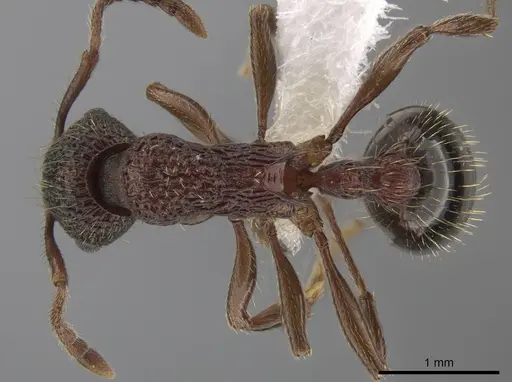
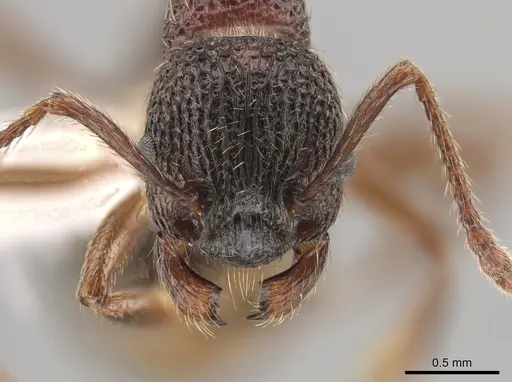
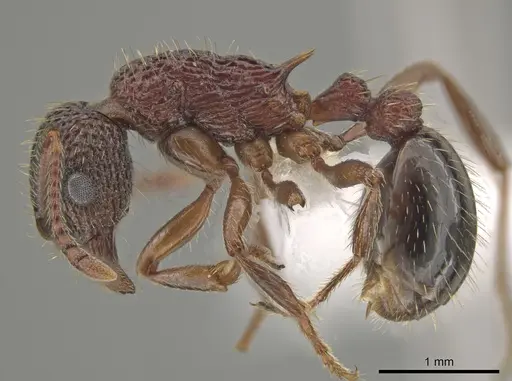
CASENT4031388
View on AntWeb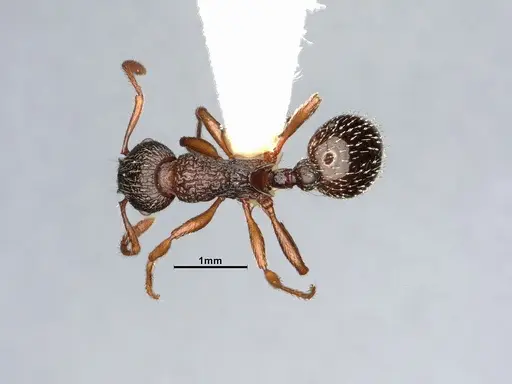
Literature
Loading...Loading products...