

Myrmica kamtschatica
- Scientific Name
- Myrmica kamtschatica
- Tribe
- Myrmicini
- Subfamily
- Myrmicinae
- Author
- Kupyanskaya, 1986
- Distribution
- Found in 1 countries
Myrmica kamtschatica Overview
Myrmica kamtschatica is an ant species of the genus Myrmica. It is primarily documented in 1 countries , including Russian Federation. Detailed taxonomic data and occurrence records can be further explored via authoritative databases such as AntWeb or the Global Biodiversity Information Facility (GBIF).
Myrmica kamtschatica
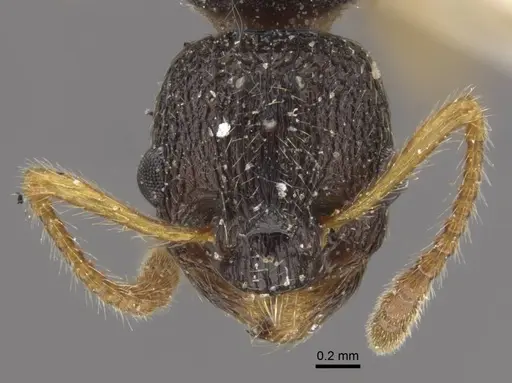
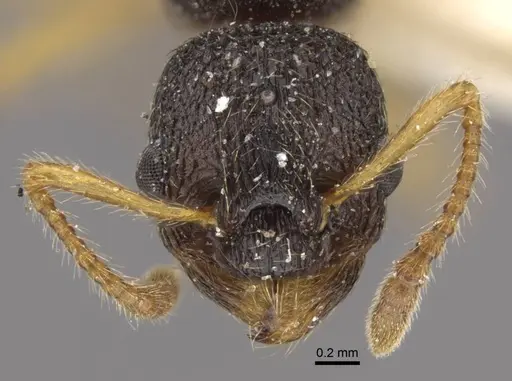
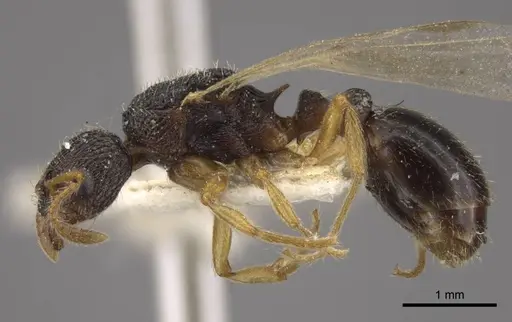
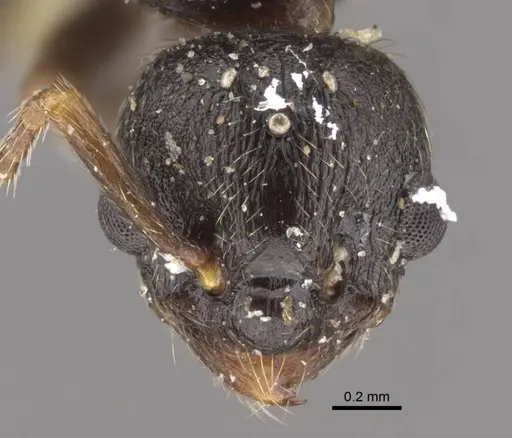
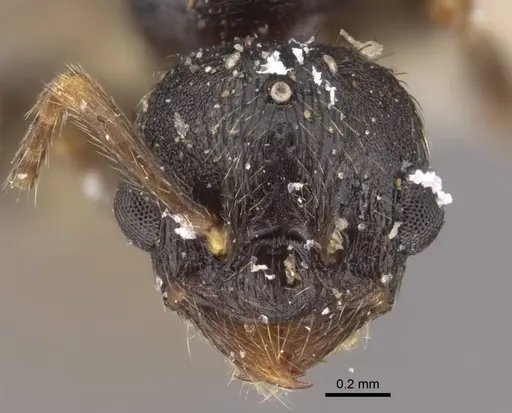
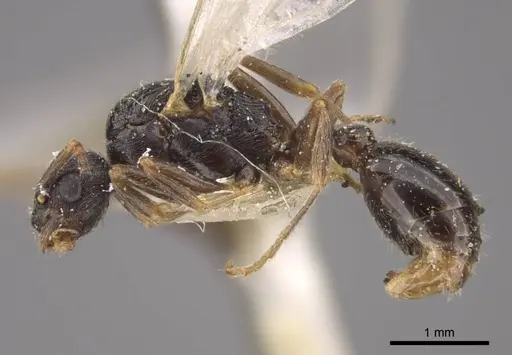
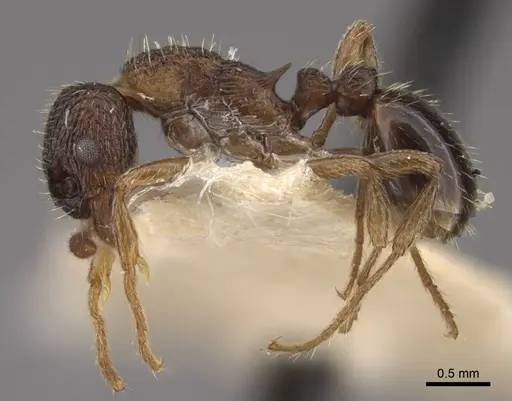
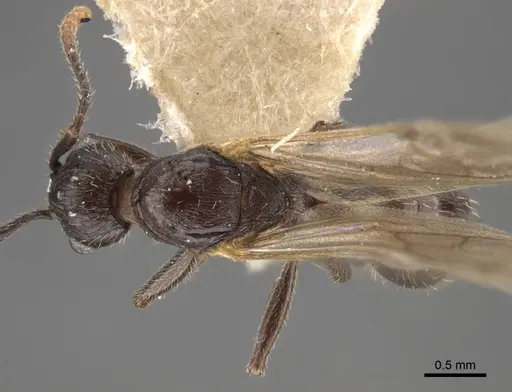
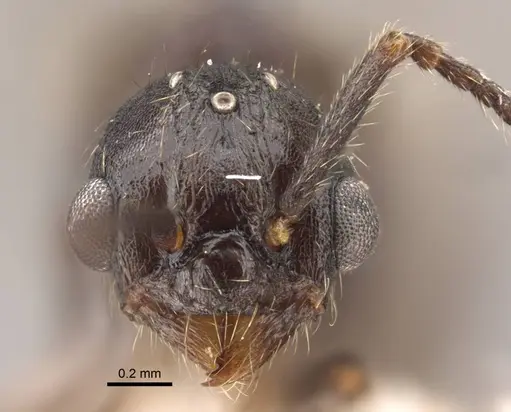
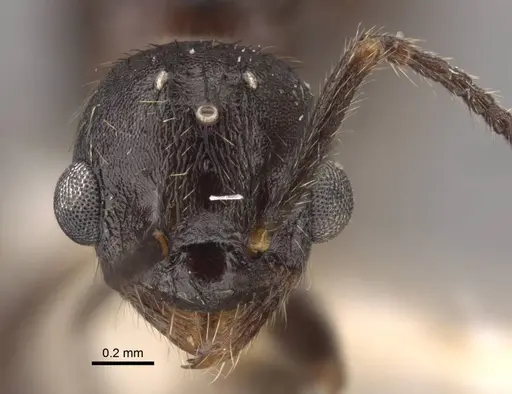
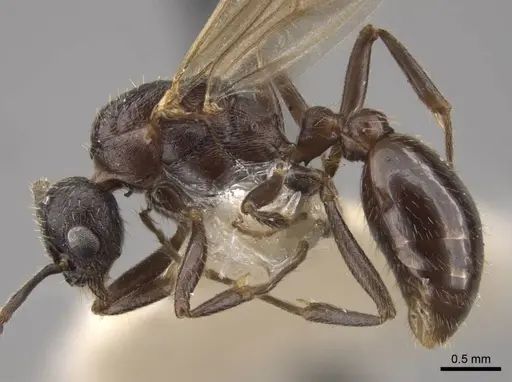
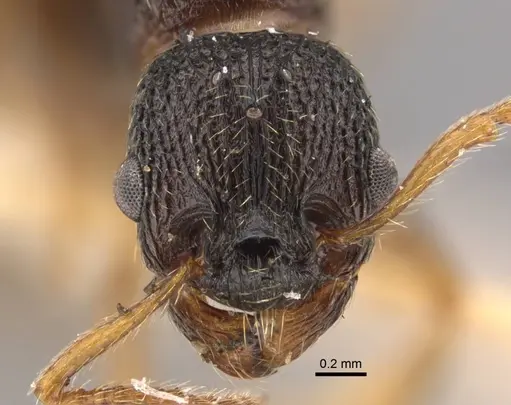
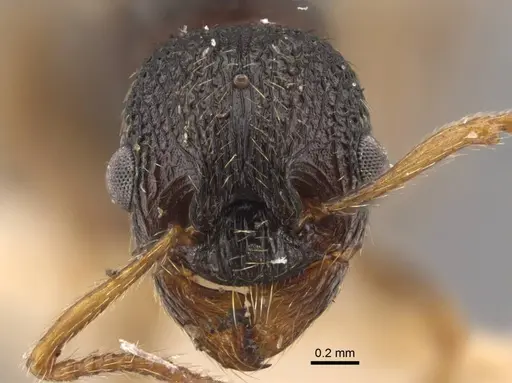
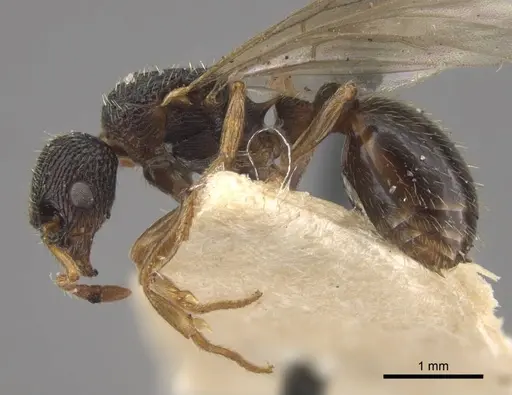
Myrmica kamtschatica is a boreal ant species native to the cold regions of eastern Siberia, the Russian Far East, Mongolia, and North Korea. Workers are small at around 4-5mm with a brown to light reddish-brown body and slightly darker head and gaster. This species belongs to the Myrmica kasczenkoi species group and is notable for being the most cold-tolerant species of Palearctic Myrmica, with colonies nesting in moss mounds that overlay permafrost in their natural range [1][2].
What makes this species particularly interesting is its extreme cold adaptation. In the Kamchatka region and upper Kolyma, colonies build small nests in mossy tussocks or 'pillows' that sit atop permafrost, insulated by snow cover during the harsh winters [3]. This cold-hardiness has made them subjects of scientific study on cold tolerance mechanisms [1]. They also serve as host ants for the endangered Maculinea teleius butterfly, a social parasite that completes part of its lifecycle in Myrmica nests [4][5].
Quick Summary
- Difficulty: Medium
- Origin & Habitat: Boreal species from the Taiga Zone of South and East Siberia, Mongolia, Russian Far East, and North Korea. In their natural range, they inhabit humid areas including sparse forests, meadows, and peat bogs, with nests built in soil, moss mounds, and rotten wood [3]. In Kamchatka, they are found in stone birch forest, larch/birch forest, and dwarf pine zone from 14-834m altitude [6].
- Colony Type: Strictly monogyne, colonies contain a single queen with 200-600 workers [3]. This is well-documented from field studies in the upper Kolyma region.
- Colony: Monogyne
- Size & Growth:
- Queen: Estimated 5-7mm based on Myrmica genus patterns
- Worker: Approximately 4-5mm with head width 0.94-0.98mm [2]
- Colony: 200-600 workers in established colonies [3]
- Growth: Moderate, typical for Myrmica species in cold climates
- Development: Estimated 8-12 weeks based on related Myrmica species at optimal temperatures (Development likely slower than temperate Myrmica due to cold-adapted physiology. Temperature-dependent, cooler conditions will extend development time.)
- Antkeeping:
- Temperature: Keep cool at 15-20°C. This is a cold-adapted species that thrives in temperatures significantly lower than most ant species. Room temperature (20-22°C) is acceptable, but avoid overheating. A temperature gradient allowing cooler areas is beneficial [1]
- Humidity: High humidity required, they naturally inhabit damp taiga environments and moss-covered permafrost soils. Keep nest substrate consistently moist but not waterlogged. Mist occasionally and provide a water source.
- Diapause: Yes, mandatory winter hibernation period required. This is a boreal species adapted to extreme cold. Provide 3-4 months of cold conditions around 5-10°C during winter, simulating natural permafrost exposure [3][1].
- Nesting: Y-tong (AAC) or plaster nests work well. The key is maintaining cool, stable temperatures with consistent moisture. Avoid overheating. Naturalistic setups with moss and soil can also replicate their natural moss mound nesting sites.
- Behavior: Generally peaceful Myrmica temperament with typical worker activity levels. Workers are foragers and will readily hunt small prey. They possess a functional stinger but rarely use it on humans due to their small size. Escape risk is moderate, standard Myrmica escape prevention measures (fluon barriers, tight-fitting lids) are sufficient. As cold-adapted ants, they will be less active in warmer conditions and more active in cooler temperatures.
- Common Issues: overheating is the biggest risk, this species prefers cool conditions and can die from excessive heat, hibernation failure, colonies may not survive winter without proper cold period, dry conditions cause colony decline, they need consistently moist nest environment, slow growth compared to tropical species may frustrate beginners, wild-caught colonies may host Maculinea butterfly parasites, quarantine and monitor new colonies
Temperature and Cooling Requirements
This is the most critical aspect of keeping Myrmica kamtschatica successfully. As the most cold-tolerant Palearctic Myrmica species, they are adapted to temperatures that would kill other ant species. Keep the nest area at 15-20°C, this is cooler than typical room temperature. Avoid any heating elements that would warm the nest above 22°C. In fact, many keepers successfully keep this species at unheated room temperatures in cooler climates. If you live in a warm region, consider using a cooling setup or placing the colony in a cool basement or cellar during summer. The key insight from research is that they nest in moss atop permafrost, meaning they have evolved to thrive in constant cold [1]. Room temperature around 18-20°C is ideal, with a small gradient allowing workers to choose their preferred temperature zone.
Nesting Preferences
In the wild, Myrmica kamtschatica nests in moss mounds and tussocks that overlay permafrost, with colonies insulated by snow cover during winter [3]. For captive care, Y-tong (AAC) nests or plaster nests work well, provided they can maintain cool, stable conditions. The nest should have chambers that can hold moist substrate, these ants prefer humidity. Avoid using heating cables or mats that would dry out or warm the nest. A naturalistic setup with a soil/moss mixture in a test tube or formicarium can also work, replicating their natural moss mound nesting sites. The substrate should remain consistently damp but never waterlogged. Given their permafrost origin, stability is more important than complexity, these ants prefer consistent conditions over variable ones.
Feeding and Diet
Like other Myrmica species, Myrmica kamtschatica is omnivorous with a preference for protein-rich foods. Offer small insects such as fruit flies, pinhead crickets, and mealworms as primary protein sources. They will also accept sugar water, honey, or sugar syrup as energy sources. In their natural habitat, they forage for small invertebrates in the moss and soil layers of the taiga. Feed protein prey 2-3 times per week for established colonies, and keep a constant sugar water supply. Remove uneaten prey after 24-48 hours to prevent mold. Given their cold-adapted metabolism, they may eat less frequently than tropical species, adjust feeding based on colony appetite rather than a fixed schedule.
Hibernation and Winter Care
Proper hibernation is essential for this species and likely required for colony health and reproduction. As a boreal species from regions with extreme winters, they expect and need a prolonged cold period. Provide 3-4 months of hibernation at temperatures between 5-10°C during winter months (typically November-February in the Northern Hemisphere). Place the colony in a cool location such as an unheated garage, basement, or refrigerator (not freezer). The key is maintaining cool but above-freezing temperatures. Before hibernation, ensure the colony is well-fed so workers have adequate energy reserves. Keep the nest slightly moist during hibernation, do not let it dry out completely. Research confirms they are adapted to surviving frozen conditions under snow cover in their natural range [3][1].
Cold-Hardiness and Research Significance
Myrmica kamtschatica has been the subject of scientific research on cold-hardiness mechanisms in ants. Studies by Berman et al. (2010) examined how this species survives the extreme cold of northeast Asia, including nesting in moss 'pillows' atop permafrost that are insulated by snow cover during winter [3]. This makes them one of the most cold-tolerant ant species in the Palearctic region [1]. Additionally, this species serves as a documented host for the Maculinea (also known as Phengaris) teleius butterfly, an endangered species whose larvae develop inside Myrmica nests as social parasites [4][5]. If you collect wild colonies, watch for butterfly larvae which may be present in the nest.
Frequently Asked Questions
Can I keep Myrmica kamtschatica in a test tube?
Yes, test tubes work well for founding colonies and small established colonies. Keep the test tube in a cool location (15-20°C) and ensure the water reservoir stays topped up to maintain humidity. For larger colonies, transfer to a Y-tong or plaster nest when the colony reaches 100+ workers.
What temperature do Myrmica kamtschatica ants need?
Keep them cool at 15-20°C. This is a cold-adapted species that does poorly in warm conditions. Room temperature is acceptable, but avoid any heating. They are one of the most cold-tolerant Palearctic Myrmica species and can tolerate temperatures near freezing [1].
How long until first workers appear?
Expect 8-12 weeks from egg to first worker (nanitic) at optimal cool temperatures. Development will be slower than tropical species, this is normal for cold-adapted ants. The exact timeline may vary based on temperature and colony health.
Do Myrmica kamtschatica ants need hibernation?
Yes, hibernation is mandatory. This boreal species requires 3-4 months of cold conditions (5-10°C) during winter. Without proper hibernation, colonies may fail to thrive or reproduce. This matches their natural cycle of surviving frozen permafrost under snow cover [3].
Are Myrmica kamtschatica good for beginners?
This species is intermediate in difficulty. The main challenge is maintaining cool temperatures year-round and providing proper hibernation. If you can keep your ant room cool and can commit to winter hibernation care, they are manageable. Their cold requirements actually make them easier in some ways, they don't need heating.
How big do Myrmica kamtschatica colonies get?
Mature colonies reach 200-600 workers [3]. This is moderate for Myrmica species, not as large as some tropical ants but substantial for a cold-adapted species.
Do Myrmica kamtschatica ants sting?
Yes, Myrmica species have stingers, but due to their small size (4-5mm), the sting is rarely noticeable to humans. They are not aggressive and will only sting if directly handled or threatened.
Can I keep multiple Myrmica kamtschatica queens together?
No. This species is strictly monogyne, colonies have a single queen. Multiple queens will fight. In the wild, colonies are documented as having exactly one queen [3].
What do Myrmica kamtschatica eat?
They are omnivorous like other Myrmica species. Feed small insects (fruit flies, pinhead crickets, mealworms) as protein 2-3 times weekly, and provide constant access to sugar water, honey, or sugar syrup for energy.
Why are my Myrmica kamtschatica dying?
The most common causes are overheating (keep below 22°C), dry conditions (keep substrate moist), and improper hibernation. This species is adapted to cold, damp conditions, warm, dry environments are fatal. Also check for parasites if wild-caught.
References

This caresheet is licensed under CC BY-SA 4.0 .
CASENT0917672
View on AntWeb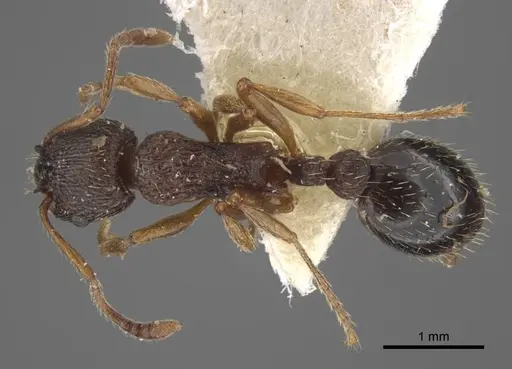
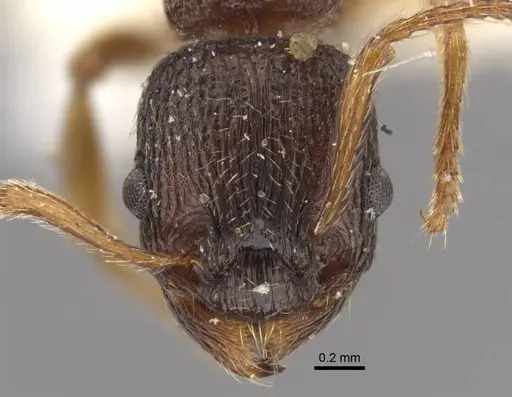
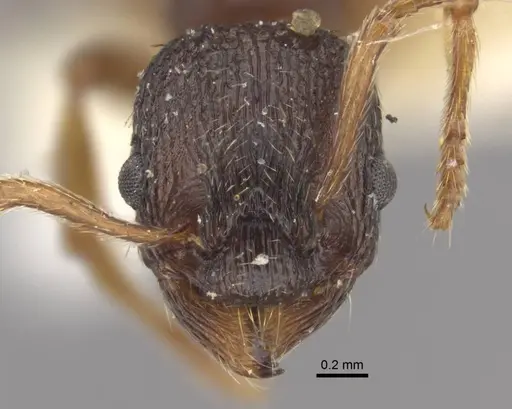
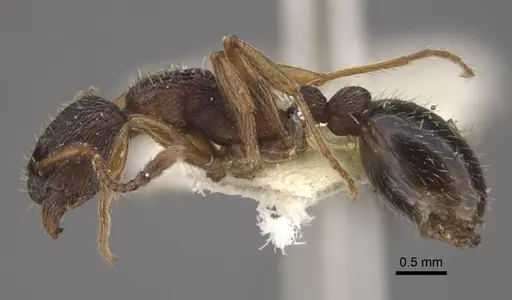
CASENT0917673
View on AntWeb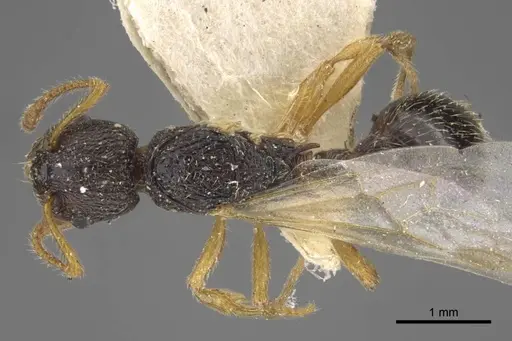
CASENT0917674
View on AntWeb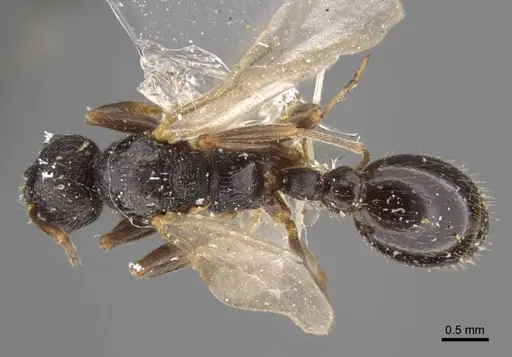
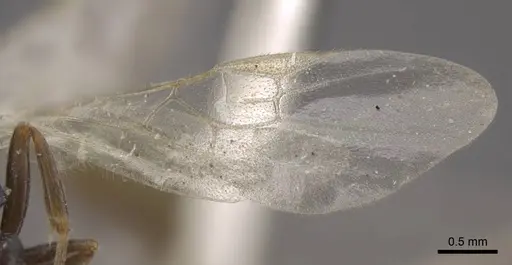
CASENT0917675
View on AntWeb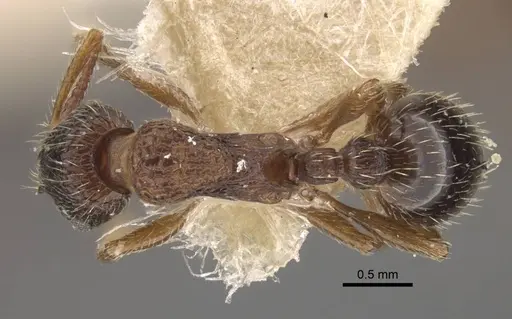
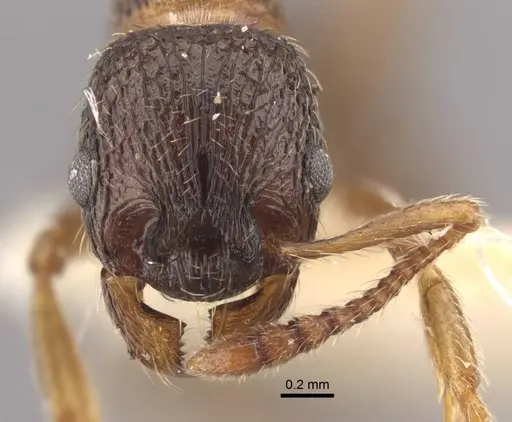
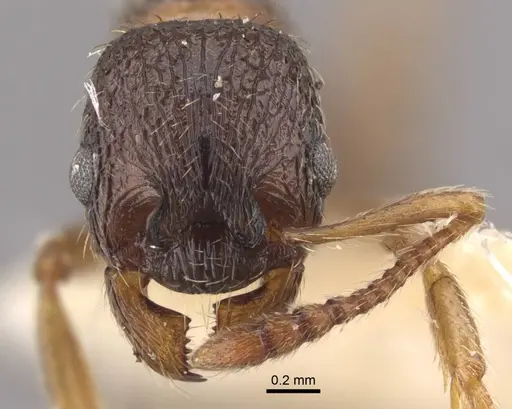
CASENT0917676
View on AntWeb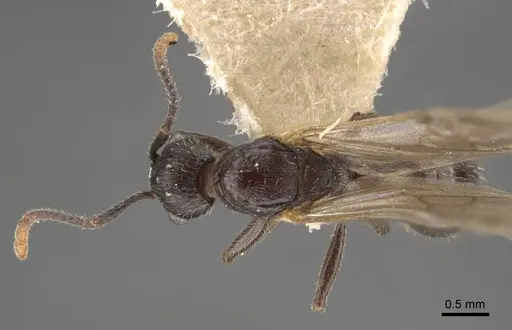
CASENT0917677
View on AntWeb
Literature
Loading...Loading products...