

Myrmica incompleta
- Scientific Name
- Myrmica incompleta
- Tribe
- Myrmicini
- Subfamily
- Myrmicinae
- Author
- Provancher, 1881
- Common Name
- Incomplete Ant
- Distribution
- Found in 2 countries
Myrmica incompleta Overview
Myrmica incompleta (commonly known as the Incomplete Ant) is an ant species of the genus Myrmica. It is primarily documented in 2 countries , including Canada, United States of America. Detailed taxonomic data and occurrence records can be further explored via authoritative databases such as AntWeb or the Global Biodiversity Information Facility (GBIF).
Myrmica incompleta - "Incomplete Ant"
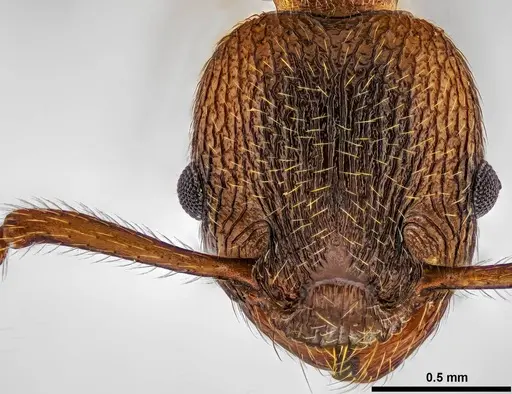
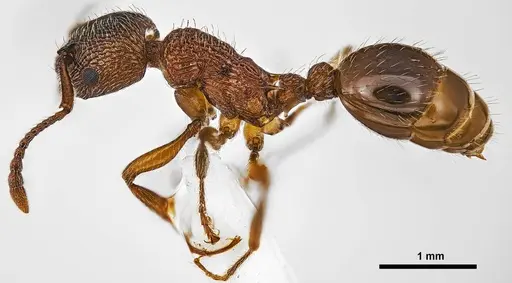
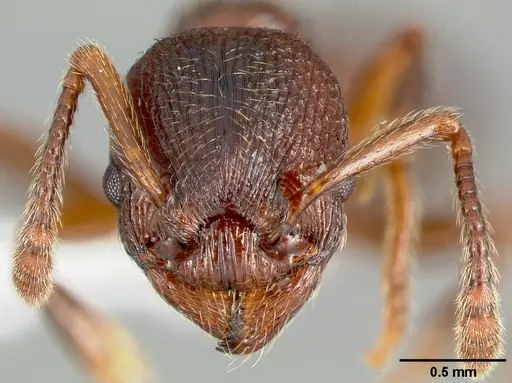
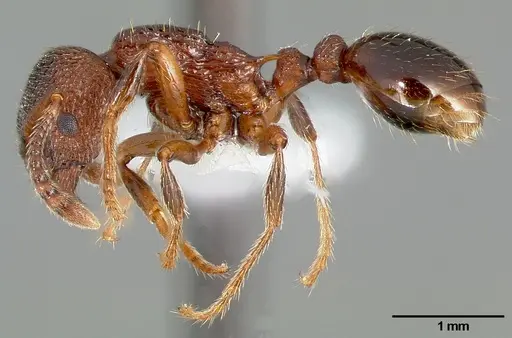
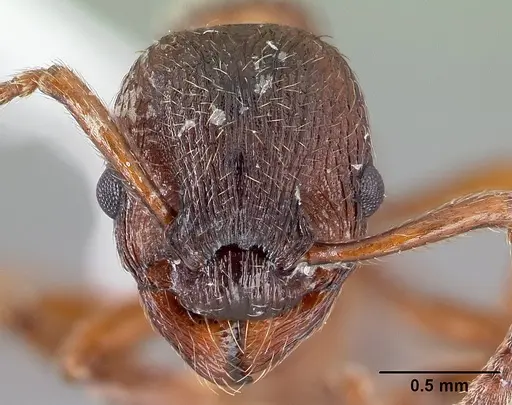
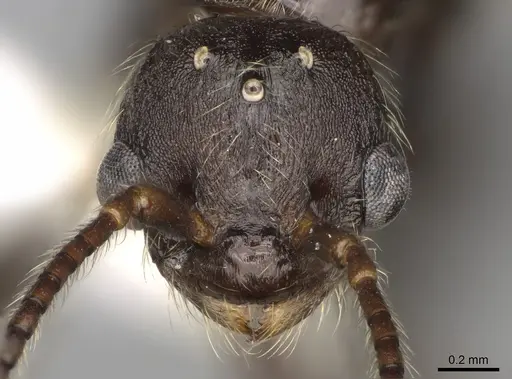
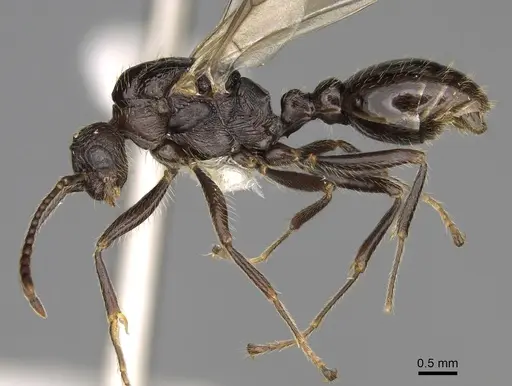
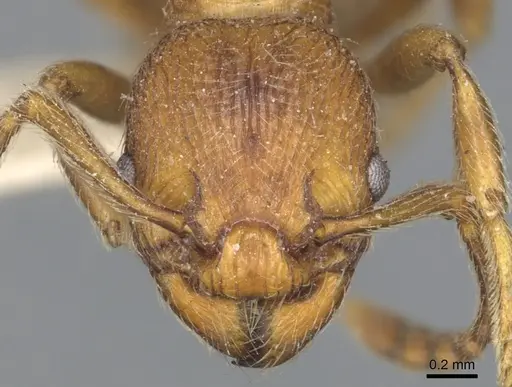
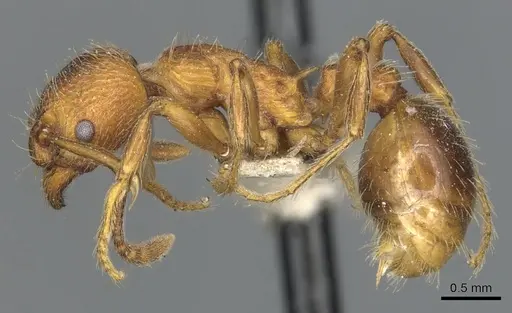
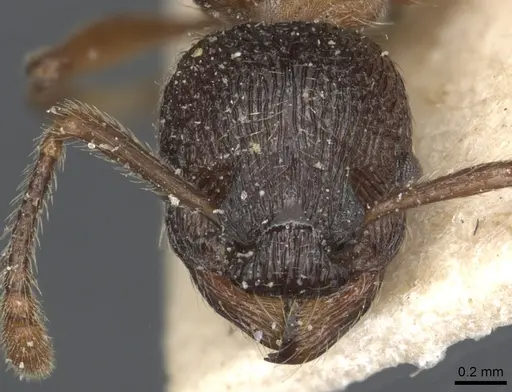
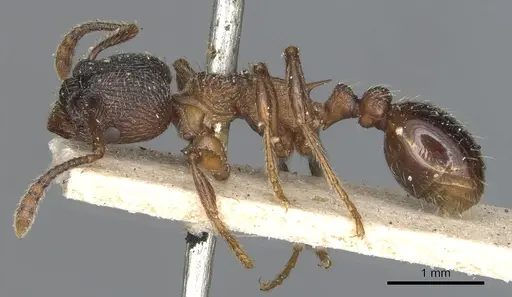
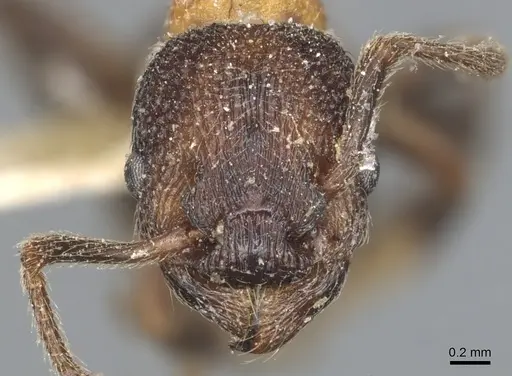
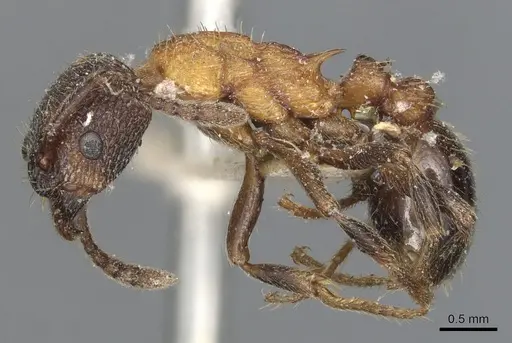
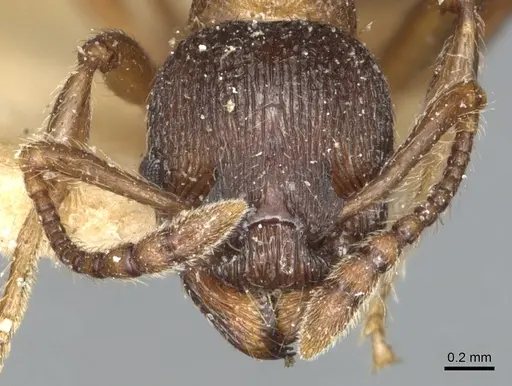
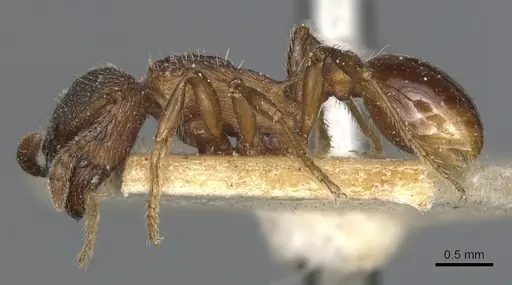
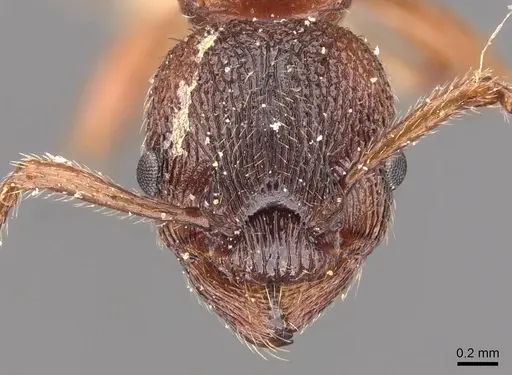
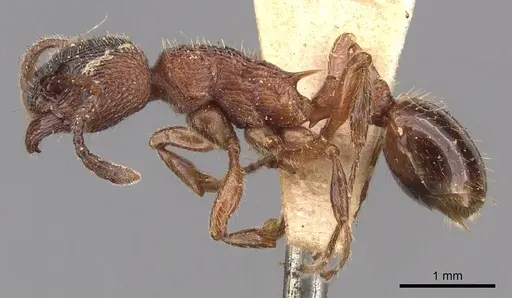
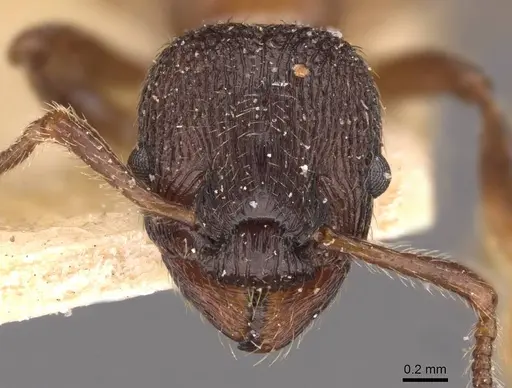
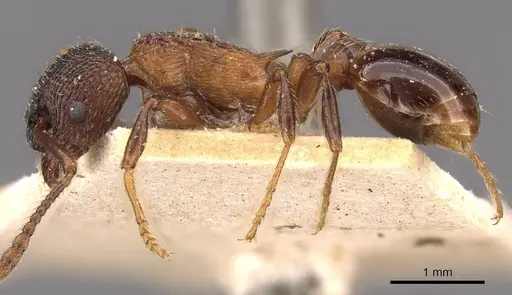
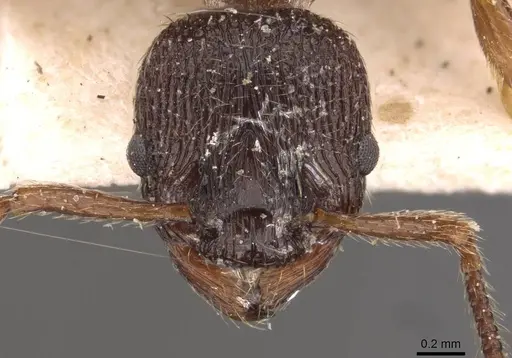
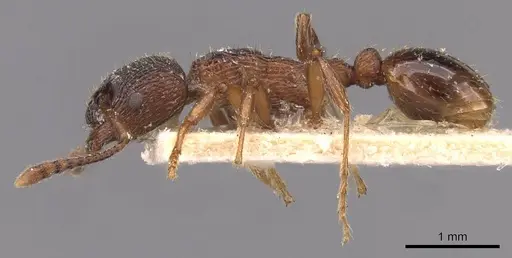
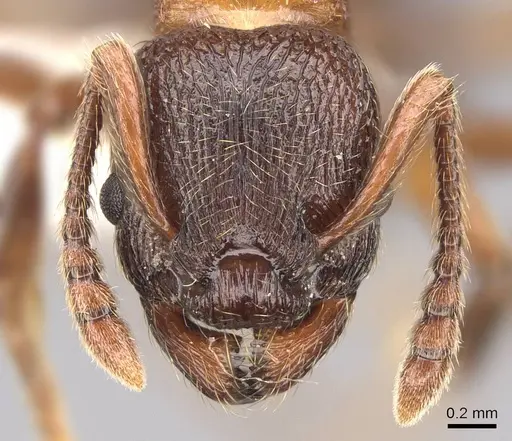
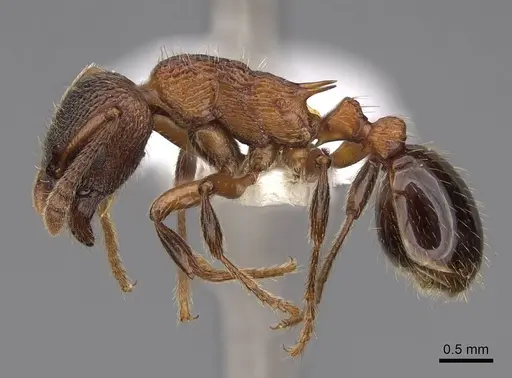
Myrmica incompleta is a cold-climate Myrmica ant native to northern North America. Workers measure 3.5-5.0mm and are dark brownish-black to black with lighter legs, mesosoma, and antennae. The species has coarse sculpture on the head and mesosoma, with a distinctive clypeus that bulges outward and has a concave margin. This ant inhabits deciduous forests and moist open habitats like bog edges, fens, and wet meadows, where it forms large polygynous (multi-queen) colonies that can be polydomous (spread across multiple nests). It feeds on honeydew from root-feeding aphids and is a host for the social parasite Formicoxenus provancheri. The species was formerly known as Myrmica incompleta before being synonymized.
Quick Summary
- Difficulty: Medium
- Origin & Habitat: Cold climates across Canada and northern United States, from Maritime Provinces west to Alaska, with extensions down the Rocky Mountains to New Mexico. Found in moist, open or semi-open habitats including bog edges, fens, wet meadows, and deciduous forests [1][2].
- Colony Type: Polygynous (multi-queen) colonies with documented worker monomorphism. Colonies can be very large and often appear to form large unicolonial populations. Polydomous, nests spread across multiple connected locations [1][3][2].
- Colony: Polygyne
- Founding: Claustral
- Size & Growth:
- Queen: Estimated 5-7mm based on typical Myrmica genus patterns
- Worker: 3.5-5.0mm [4]
- Colony: Very large colonies possible, polygynous colonies can develop large populations [1][2]
- Growth: Moderate, based on typical Myrmica development
- Development: 6-10 weeks at optimal temperature (estimated based on related Myrmica species) (Development time follows typical Myrmica patterns, exact timeline for this species unconfirmed)
- Antkeeping:
- Temperature: Keep at 18-22°C. This is a cold-climate species that prefers cooler temperatures than many tropical ants. Room temperature is often suitable, but avoid overheating [1][2].
- Humidity: Requires high humidity, moist soil conditions. Keep substrate consistently damp but not waterlogged. This species naturally inhabits bogs and wet meadows, so humidity is important [1][5].
- Diapause: Yes, requires winter hibernation. This cold-climate species needs a diapause period of several months at cold temperatures (around 5-10°C) to simulate winter conditions [1].
- Nesting: Natural nesting in moist soil, under stones, and in moss hummocks. In captivity, test tube setups or plaster nests with good moisture retention work well. Y-tong nests also suitable. Keep nest material consistently moist [1][5].
- Behavior: Workers are moderately aggressive and will sting if threatened. Forages actively for honeydew and small insects. This is a cold-climate specialist that remains active at cooler temperatures than most ants. Workers vary more in size than typical Myrmica species. Escape risk is moderate, standard containment is sufficient for ants in this size range [1][6].
- Common Issues: cold-intolerant, keep away from heat sources above 25°C, colonies may fail if humidity drops too low, monitor substrate moisture, hibernation failure is common, ensure proper cold period of several months, large polygynous colonies can be difficult to manage, plan for colony expansion, wild-caught colonies may introduce parasites like Formicoxenus provancheri
Housing and Nest Setup
Myrmica incompleta does well in test tube setups or plaster nests that retain moisture. Since they naturally nest in moist soil and moss, keep the nest material consistently damp but not waterlogged. A test tube with a water reservoir works well, fill about one-third with water, stuff cotton to create a chamber, and place your queen or colony inside. Cover the tube with a dark cloth for the first week to reduce stress. For larger colonies, a Y-tong or acrylic formicarium with a water chamber maintains humidity. These ants don't need elaborate setups, simple is often better as long as moisture is maintained [1][5].
Feeding and Diet
In the wild, Myrmica incompleta feeds heavily on honeydew from root-feeding aphids and coccids. They also scavenge and hunt small insects. In captivity, offer sugar water or honey as a constant energy source, and provide protein like small crickets, mealworms, or fruit flies twice weekly. Since they're associated with at least 21 different aphid species in the wild, they have a broad diet. Drop the food directly into the outworld or on a flat surface near the nest entrance. Remove uneaten protein after 24-48 hours to prevent mold [7][5].
Temperature and Seasonal Care
This is a cold-climate species, keep temperatures between 18-22°C. They can tolerate cooler conditions better than heat. Avoid temperatures above 25°C, which can stress or kill colonies. During winter, they require a true diapause (hibernation) period of 3-4 months at temperatures around 5-10°C. This mimics their natural cycle in northern habitats. To hibernate, move the colony to an unheated garage or refrigerator (not freezer) from late fall through early spring. Gradually warm them back up in spring. Failure to provide proper hibernation often leads to colony decline [1][2].
Colony Structure and Growth
Myrmica incompleta forms polygynous colonies with multiple reproductive queens working together. Colonies can become very large, sometimes appearing unicolonial over large areas. Workers are monomorphic (all the same size), though this species shows more size variation than typical Myrmica. Growth is moderate, expect 6-10 weeks from egg to first worker at optimal temperature. Once established, colonies grow steadily and can reach thousands of workers. The presence of multiple queens means colonies are resilient to queen loss, but also means you shouldn't combine unrelated colonies as they may not integrate peacefully [3][1].
Frequently Asked Questions
Can I keep Myrmica incompleta in a test tube?
Yes, test tubes work well for this species. Keep the water reservoir filled and maintain humidity by occasionally misting the cotton or using a tube with a large water chamber. Cover with an escape-proof lid and keep in a cool area away from direct heat.
Do Myrmica incompleta ants need hibernation?
Yes, this cold-climate species absolutely requires a winter diapause. Provide 3-4 months at 5-10°C in fall/winter. Without proper hibernation, colonies will weaken and eventually die. This is one of the most critical aspects of keeping this species.
How long does it take for first workers to appear?
Expect 6-10 weeks from egg to first worker at optimal temperature (around 20°C). This is typical for Myrmica species. The first workers (nanitics) will be smaller than mature workers but will quickly grow the colony's workforce.
Are Myrmica incompleta good for beginners?
This species is moderate difficulty. The main challenges are maintaining proper humidity and providing correct hibernation conditions. If you can commit to a proper winter cooling schedule and keep the nest moist, they're rewarding colonies that grow quite large.
What do Myrmica incompleta eat?
They need a mix of sugar and protein. Offer sugar water or honey constantly, and provide protein (small insects like fruit flies, pinhead crickets, or mealworms) 2-3 times per week. They also readily accept honeydew if you keep root aphids, but sugar and insects are sufficient.
Will Myrmica incompleta sting?
Yes, they can sting and will do so if threatened. The sting is not dangerous to healthy humans but can be painful. They're not overly aggressive but will defend the nest if disturbed. Handle with care and avoid provoking them.
How big do Myrmica incompleta colonies get?
Colonies can become very large, thousands of workers in established colonies. Their polygynous (multi-queen) structure allows for rapid growth once founding is complete. Plan accordingly and be prepared to upgrade to larger housing as the colony expands.
Can I keep multiple queens together?
Yes, this species is naturally polygynous (multi-queen). However, combining unrelated foundress queens is not recommended as they may fight. If you capture a naturally polygynous colony, the queens should coexist. Never combine two separate wild-caught colonies.
When should I move them to a formicarium?
Move to a larger setup once the colony reaches 50-100 workers or outgrows the test tube. A Y-tong or plaster nest works well for larger colonies. Make sure any new setup can maintain humidity, these ants need moist conditions.
Why are my Myrmica incompleta dying?
Common causes include: temperatures too high (above 25°C), humidity too low (dry substrate), improper hibernation, or stress from disturbance. Check these parameters first. Also ensure you're not overfeeding, which causes mold problems. This species is sensitive to overheating.
References

This caresheet is licensed under CC BY-SA 4.0 .
ANTWEB1038042
View on AntWeb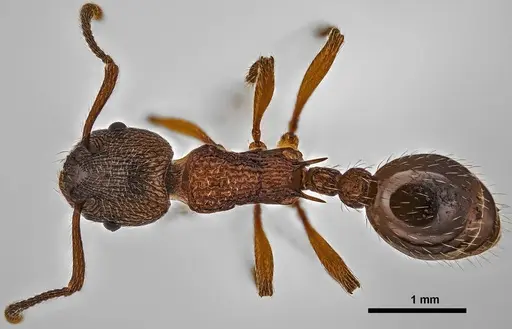
CASENT0005703
View on AntWeb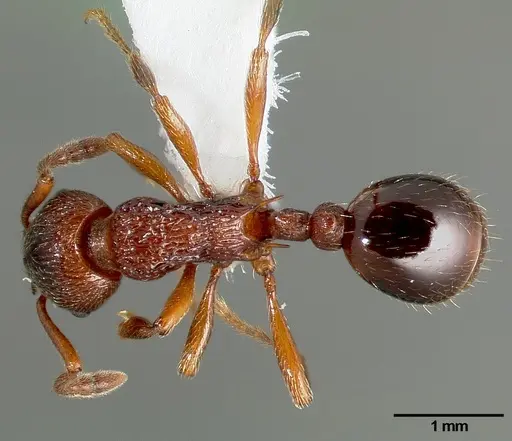
CASENT0179858
View on AntWeb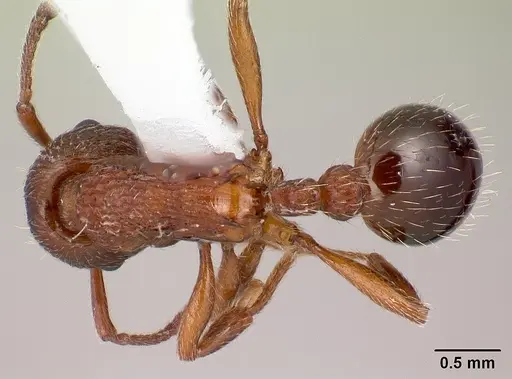
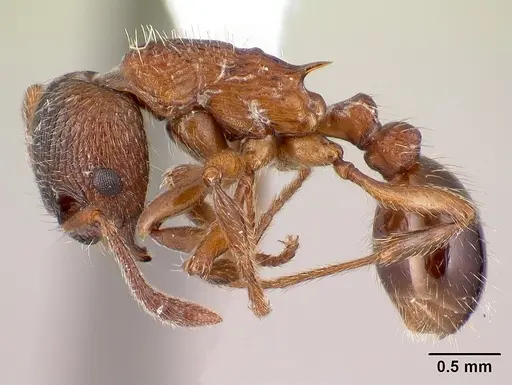
CASENT0217892
View on AntWeb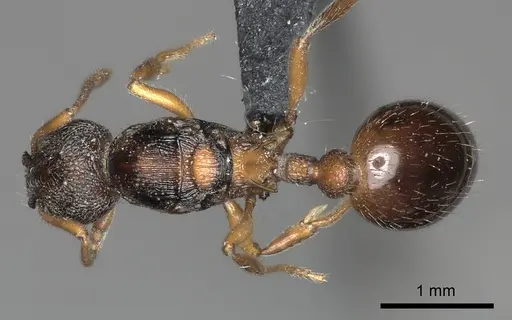
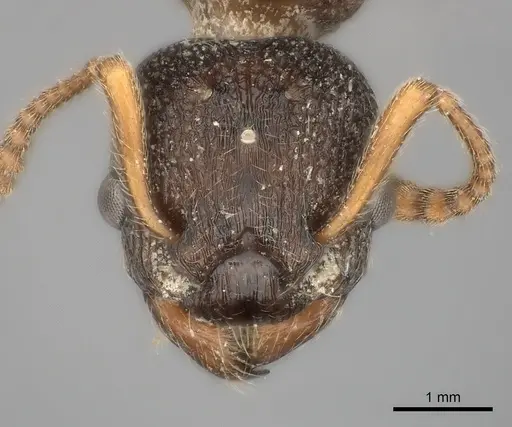
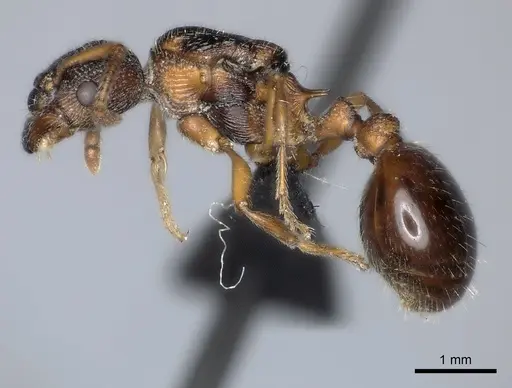
CASENT0862446
View on AntWeb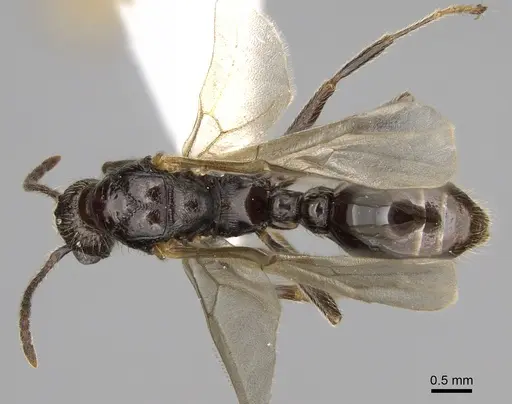
CASENT0904079
View on AntWeb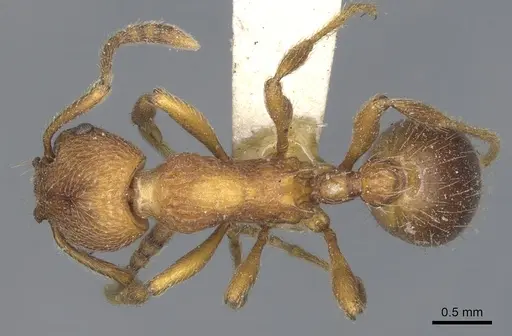
CASENT0904080
View on AntWeb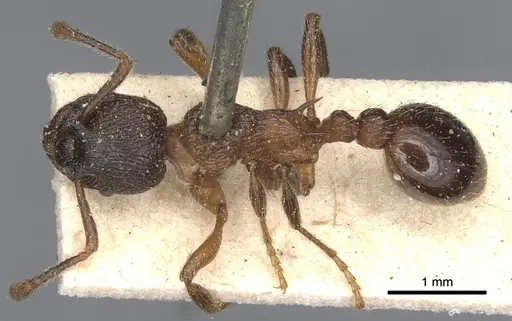
CASENT0904081
View on AntWeb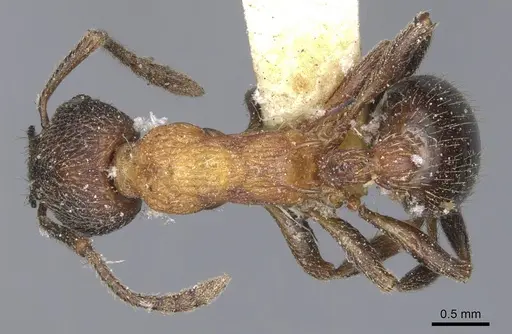
CASENT0904082
View on AntWeb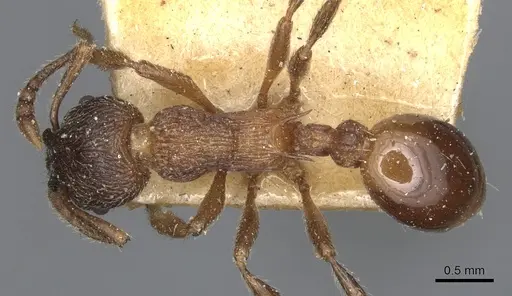
CASENT0905772
View on AntWeb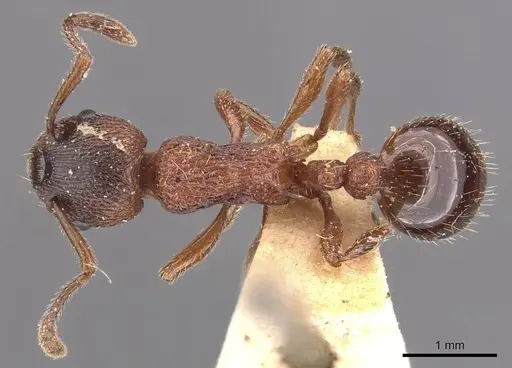
CASENT0907634
View on AntWeb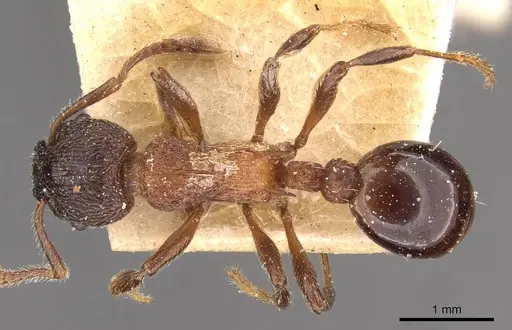
CASENT0907635
View on AntWeb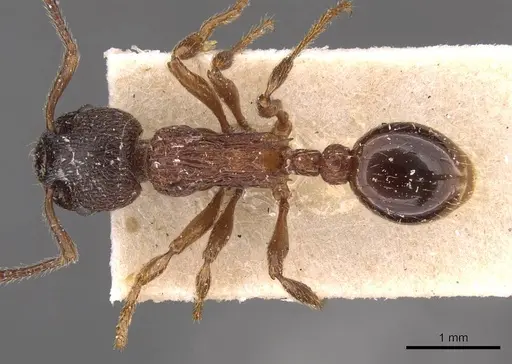
CASENT0922755
View on AntWeb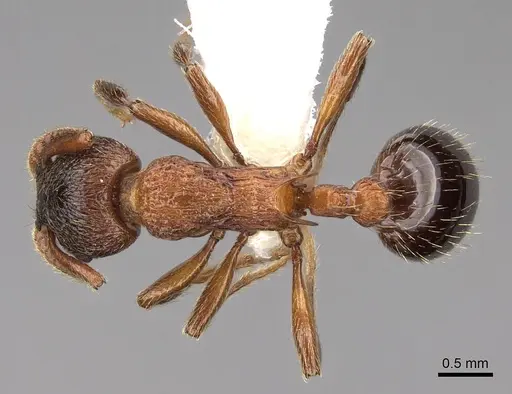
Literature
Loading...Loading products...