

Myrmica glacialis
- Scientific Name
- Myrmica glacialis
- Tribe
- Myrmicini
- Subfamily
- Myrmicinae
- Author
- Emery, 1921
- Distribution
- Found in 1 countries
Myrmica glacialis Overview
Myrmica glacialis is an ant species of the genus Myrmica. It is primarily documented in 1 countries , including United States of America. Detailed taxonomic data and occurrence records can be further explored via authoritative databases such as AntWeb or the Global Biodiversity Information Facility (GBIF).
Myrmica glacialis
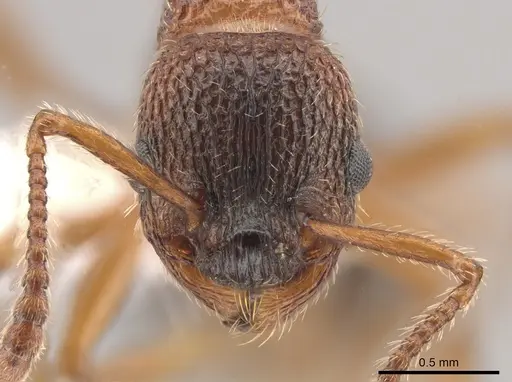
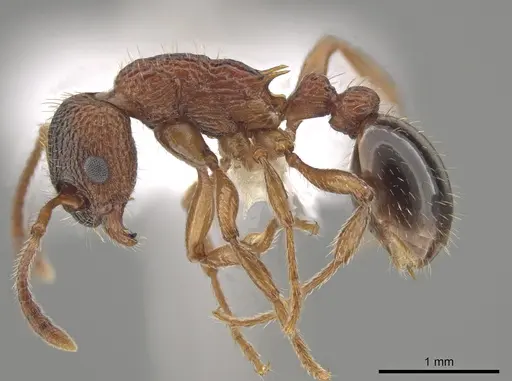
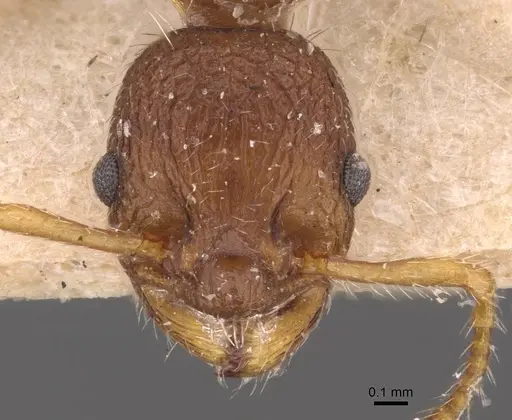
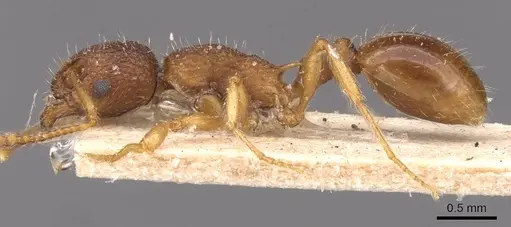
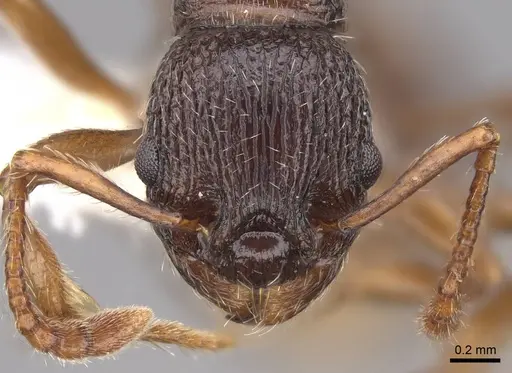
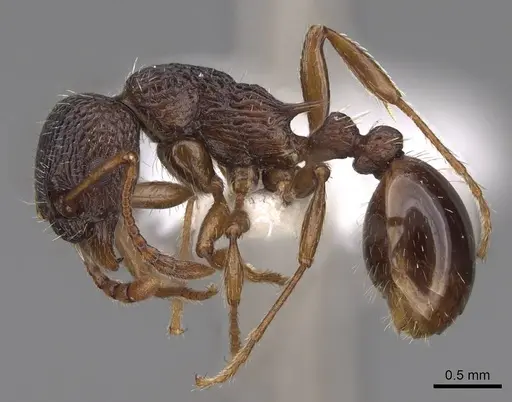
Myrmica glacialis is a small reddish-brown ant native to northern North America, ranging across Canada and the northern United States. Workers measure around 4-6mm with the characteristic Myrmica features including a well-developed spiny propodeum and relatively long legs. The species was revalidated as a distinct species in 2005 after being previously considered a synonym of M. lobifrons. This ant belongs to the Myrmicini tribe and is closely related to other North American Myrmica species. In the wild, they typically nest in soil, often creating small mounds or nesting under stones in cooler, forested or mountainous habitats. The genus Myrmica is known for their relatively docile temperament compared to some other ants, though they will defend their nest if threatened.
Quick Summary
- Difficulty: Medium
- Origin & Habitat: Native to the Nearctic region, Canada and northern United States. In the wild, they nest in soil, often under stones or in shaded, cooler locations typical of mountainous and forested areas [1].
- Colony Type: Single-queen (monogyne) colonies based on typical Myrmica patterns. The colony typically starts with one queen that establishes the nest alone.
- Colony: Monogyne
- Founding: Claustral
- Size & Growth:
- Queen: Estimated 6-8mm based on typical Myrmica queen size [1]
- Worker: 4-6mm [1]
- Colony: Likely several thousand workers at maturity based on genus patterns [1]
- Growth: Moderate, Myrmica species typically develop at a moderate pace, with first workers appearing in 6-10 weeks under optimal conditions
- Development: Estimated 6-10 weeks at room temperature based on typical Myrmica development [1] (Development time varies with temperature, cooler conditions slow development significantly)
- Antkeeping:
- Temperature: Keep nest area around 20-24°C. Myrmica prefer cooler temperatures than many tropical ants, avoid overheating. A temperature gradient allowing workers to choose their preferred zone works well [1].
- Humidity: Moderate to high humidity. Keep the nest substrate consistently moist but not waterlogged. Myrmica nests in nature are often in damp soil, so aim for substrate that feels damp to the touch with some variation available.
- Diapause: Yes, Myrmica species require a winter dormancy period (diapause). Keep colonies at 5-10°C for 3-4 months during winter, typically from late autumn through early spring. This mimics their natural cycle and is essential for colony health and longevity [1].
- Nesting: Y-tong (acrylic) nests or test tube setups work well. They prefer tight, dark chambers typical of their natural underground nests. A naturalistic setup with soil and stones can also work. Avoid dry, overheated conditions.
- Behavior: Myrmica glacialis is relatively docile and not aggressive toward keepers. Workers are active foragers that will search for protein and sugar sources. They have a functional stinger but rarely use it on humans, a mild sting may occur if the colony is severely threatened. Escape prevention is important due to their small size, use fine mesh barriers and tight-fitting lids. Workers are moderately active and will establish clear foraging trails.
- Common Issues: colonies often struggle if kept too warm, overheating is a common killer of Myrmica, hibernation failure is serious, colonies that don't get proper winter rest may decline or fail to produce reproductives, escape prevention requires attention, their small size means they can squeeze through standard barriers, wild-caught colonies may contain parasites that can devastate captive colonies, slow initial growth causes some keepers to overfeed or disturb the queen, leading to colony failure
Housing and Nest Setup
Myrmica glacialis can be kept in standard test tube setups for founding colonies. Once the colony reaches 20-30 workers, you can move them to a small formicarium. Y-tong (acrylic) nests work very well because they provide the dark, tight chambers these ants prefer. You can also use naturalistic setups with soil as the substrate, which helps maintain proper humidity. Whatever nest type you choose, ensure it has a water reservoir or moisture gradient so workers can regulate their humidity needs. The nest area should stay dark, Myrmica prefer dim conditions and will often block out light if given the opportunity. [1]
Feeding and Diet
Myrmica glacialis is omnivorous like most Myrmica species. Offer protein sources such as small insects (fruit flies, pinhead crickets, mealworms), and provide sugar water, honey, or diluted sugar syrup as an energy source. In the wild, they also collect honeydew from aphids, so occasional sweet treats are appreciated. Feed protein roughly twice weekly, and keep sugar water available at all times. Remove any uneaten prey after 24-48 hours to prevent mold. Colonies in the founding stage don't need much food, the queen will only accept small prey items she can subdue herself. [1]
Temperature and Seasonal Care
These ants prefer cooler temperatures than many common ant species. Keep the nest area at 20-24°C during the active season. Room temperature is often ideal, around 20-22°C works well. Avoid placing nests near heat sources or in direct sunlight, as Myrmica are sensitive to overheating. During winter, you must provide a diapause period. Move the colony to a cool location (5-10°C) for 3-4 months, typically from November through March in the Northern Hemisphere. A refrigerator basement or garage can work for this. Do not feed during diapause but keep the substrate slightly moist. Gradual temperature changes are important, don't suddenly move them from room temperature to cold storage. [1]
Behavior and Temperament
Myrmica glacialis workers are relatively calm and not prone to aggressive swarming. They will investigate and exploit food sources systematically, establishing foraging trails. When threatened, they may raise their abdomen in a warning posture and can deliver a mild sting, though this is rare and usually only happens if you physically handle them or severely disturb the nest. Workers are moderately active and will explore their outworld regularly. They handle disturbance reasonably well compared to some more skittish species, making them a good choice for observation. However, always use proper escape prevention, their small size means they can slip through gaps that larger ants cannot. [1]
Colony Development
A newly mated Myrmica glacialis queen will seal herself into a small chamber and begin laying eggs. The claustral founding means she survives entirely on her stored fat reserves and does not leave to forage during this time. First workers (nanitics) will be smaller than normal workers but will begin foraging once they emerge. The colony grows moderately at first, the first 6 months may see only 10-30 workers. Growth accelerates as the colony establishes, eventually reaching several thousand workers over several years. A healthy mature colony will produce winged reproductives (alates) annually in late summer or autumn, which may indicate the colony is ready for nuptial flights. [1]
Frequently Asked Questions
How long does it take for Myrmica glacialis to get their first workers?
Expect first workers (nanitics) to emerge 6-10 weeks after the queen lays eggs, assuming room temperature around 20-24°C. Cooler temperatures will significantly slow development. The queen will remain sealed in her chamber until the first workers arrive.
Do Myrmica glacialis ants sting?
Yes, they have a functional stinger, but they rarely use it on humans. A sting would be mild, comparable to a small mosquito bite. These ants are quite docile and will typically flee rather than sting when disturbed. Serious stings only occur if you handle them roughly or corner them.
What temperature do Myrmica glacialis need?
Keep them at 20-24°C during the active season. They prefer cooler conditions than many tropical ants and can suffer from overheating. Room temperature is often ideal. During winter, provide 3-4 months of cold diapause at 5-10°C.
Can I keep multiple Myrmica glacialis queens together?
This species is monogyne (single-queen) in the wild. Combining unrelated queens is not recommended as they will likely fight. Only one queen should be in each colony setup.
Do Myrmica glacialis need hibernation?
Yes, absolutely. Myrmica species require an annual winter dormancy period. Keep colonies at 5-10°C for 3-4 months during winter. Without this diapause, colonies may become stressed, produce fewer reproductives, and have shorter lifespans.
How big do Myrmica glacialis colonies get?
Based on typical Myrmica patterns, colonies likely reach several thousand workers at maturity over 3-5 years. This is a moderately long-lived species that can persist for many years with proper care.
What do Myrmica glacialis eat?
They are omnivorous. Offer small insects (fruit flies, small crickets, mealworms) for protein, and provide sugar water, honey, or diluted syrup for carbohydrates. They will also collect honeydew if you keep aphids nearby.
Are Myrmica glacialis good for beginners?
They are moderately difficulty, easier than tropical species but requiring more attention to temperature and seasonal care than some common ants. Their need for winter diapause and preference for cooler temperatures may require more setup than beginner species. However, their docile nature and fascinating behavior make them rewarding for intermediate keepers.
When should I move Myrmica glacialis to a formicarium?
Keep them in a test tube setup until the colony reaches 20-30 workers. At this point, you can move them to a small formicarium or Y-tong nest. Make sure any new nest has moist substrate available, they need access to humidity.
Why are my Myrmica glacialis dying?
Common causes include overheating (keep below 24°C), improper humidity (too dry or too wet), lack of winter diapause, or stress from disturbance during founding. Also check for escape, small ants can slip through tiny gaps. Wild-caught colonies may also carry parasites.
References

This caresheet is licensed under CC BY-SA 4.0 .
CASENT0005702
View on AntWeb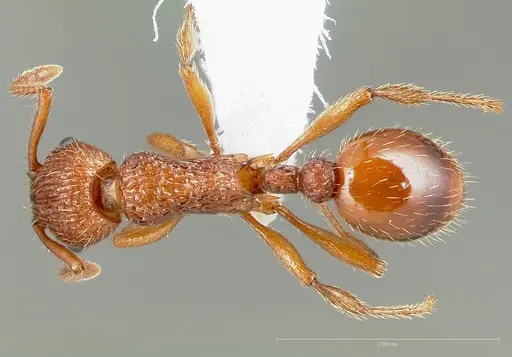
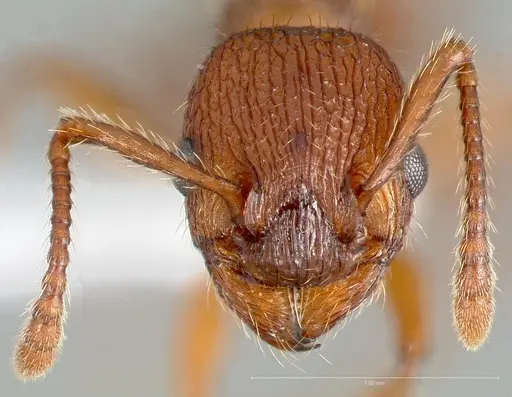
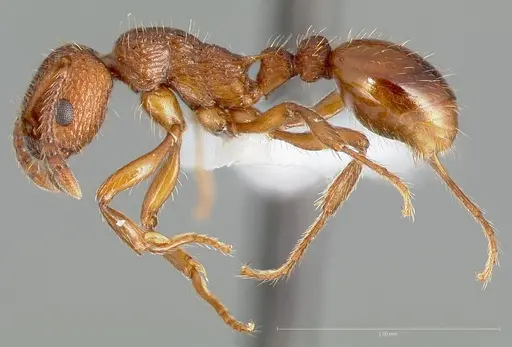
CASENT0647891
View on AntWeb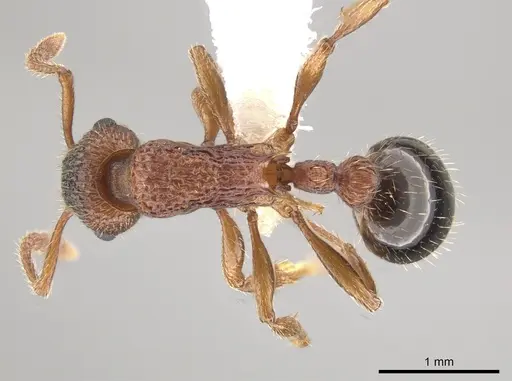
CASENT0862350
View on AntWeb
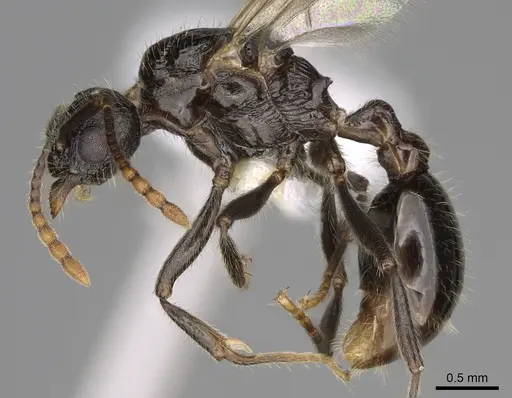
CASENT0862445
View on AntWeb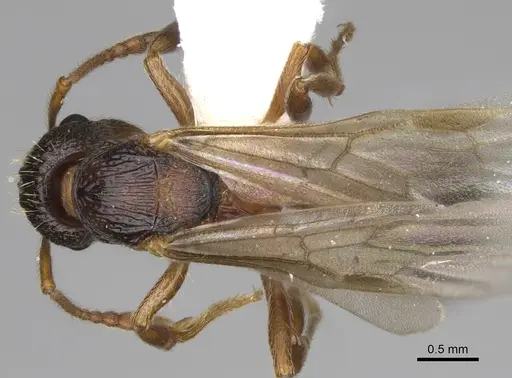
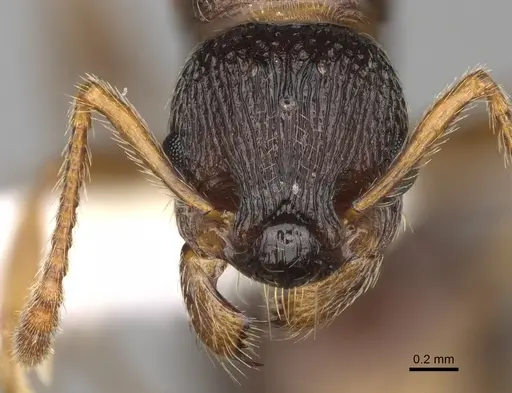
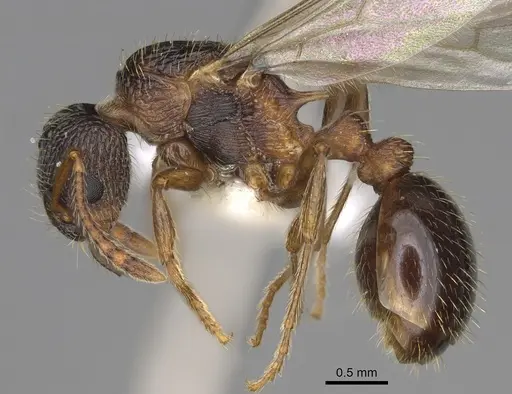
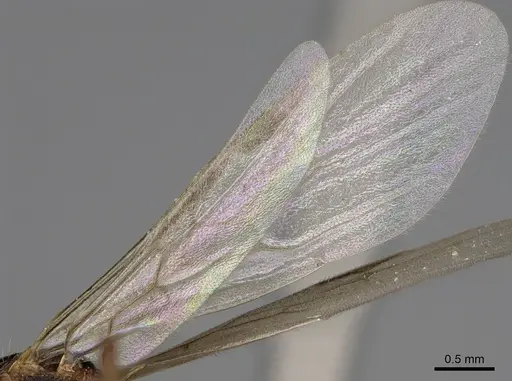
CASENT0904078
View on AntWeb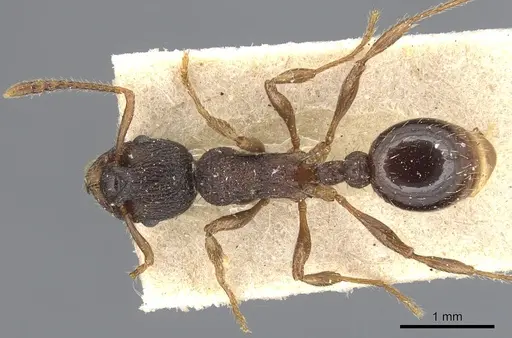
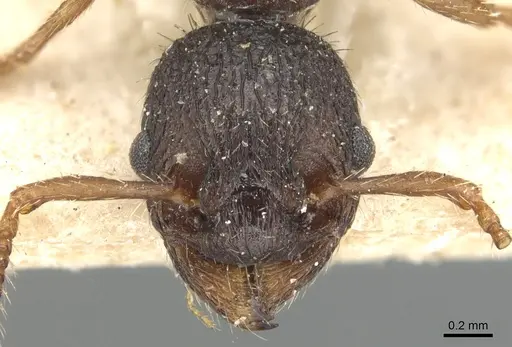
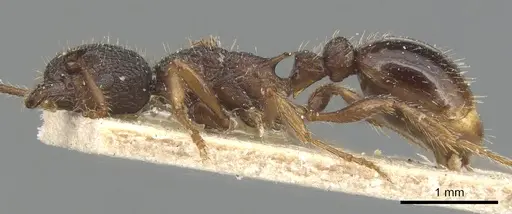
CASENT0907639
View on AntWeb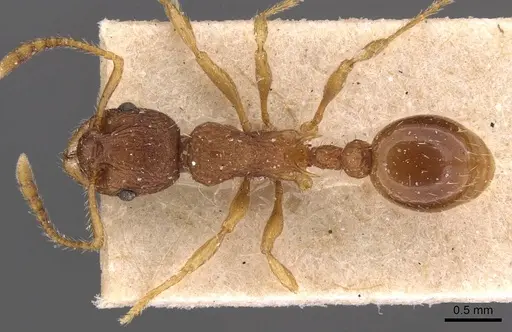
CASENT0922753
View on AntWeb
Literature
Loading...Loading products...